-
-
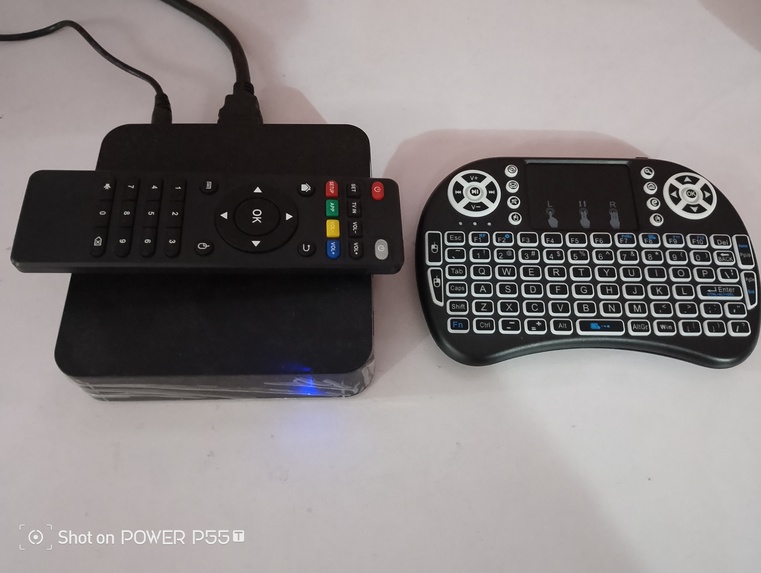
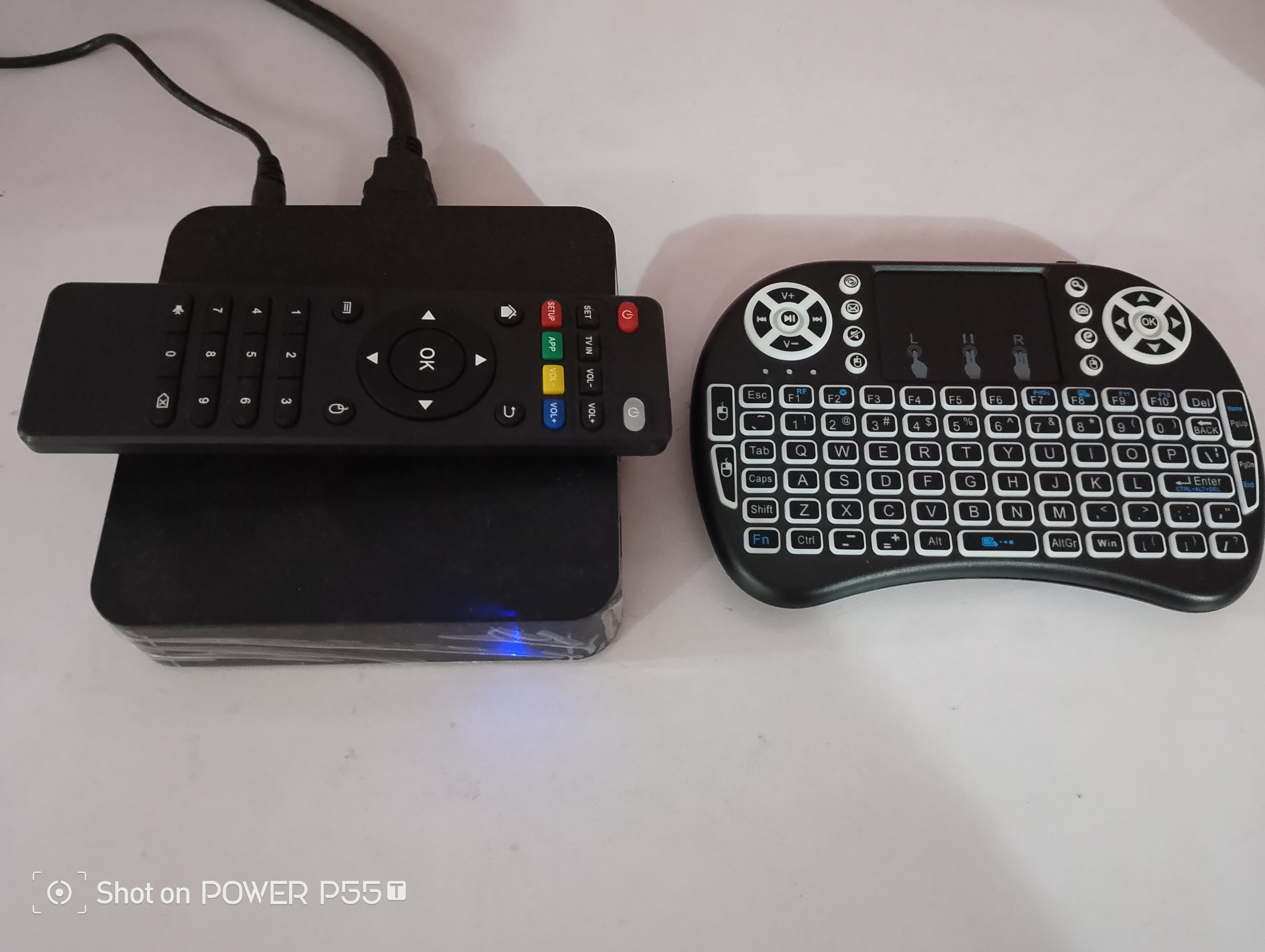
Server, Wireless mini keyboard with touchpad, Remote control.
-
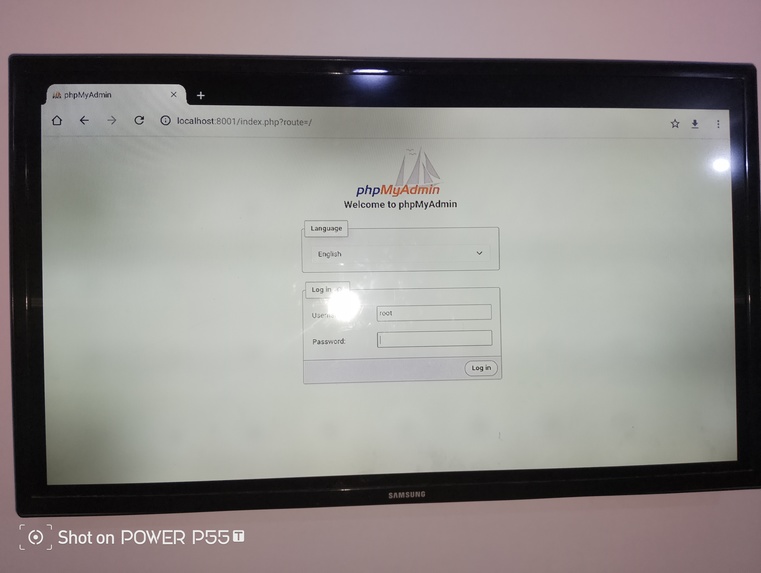
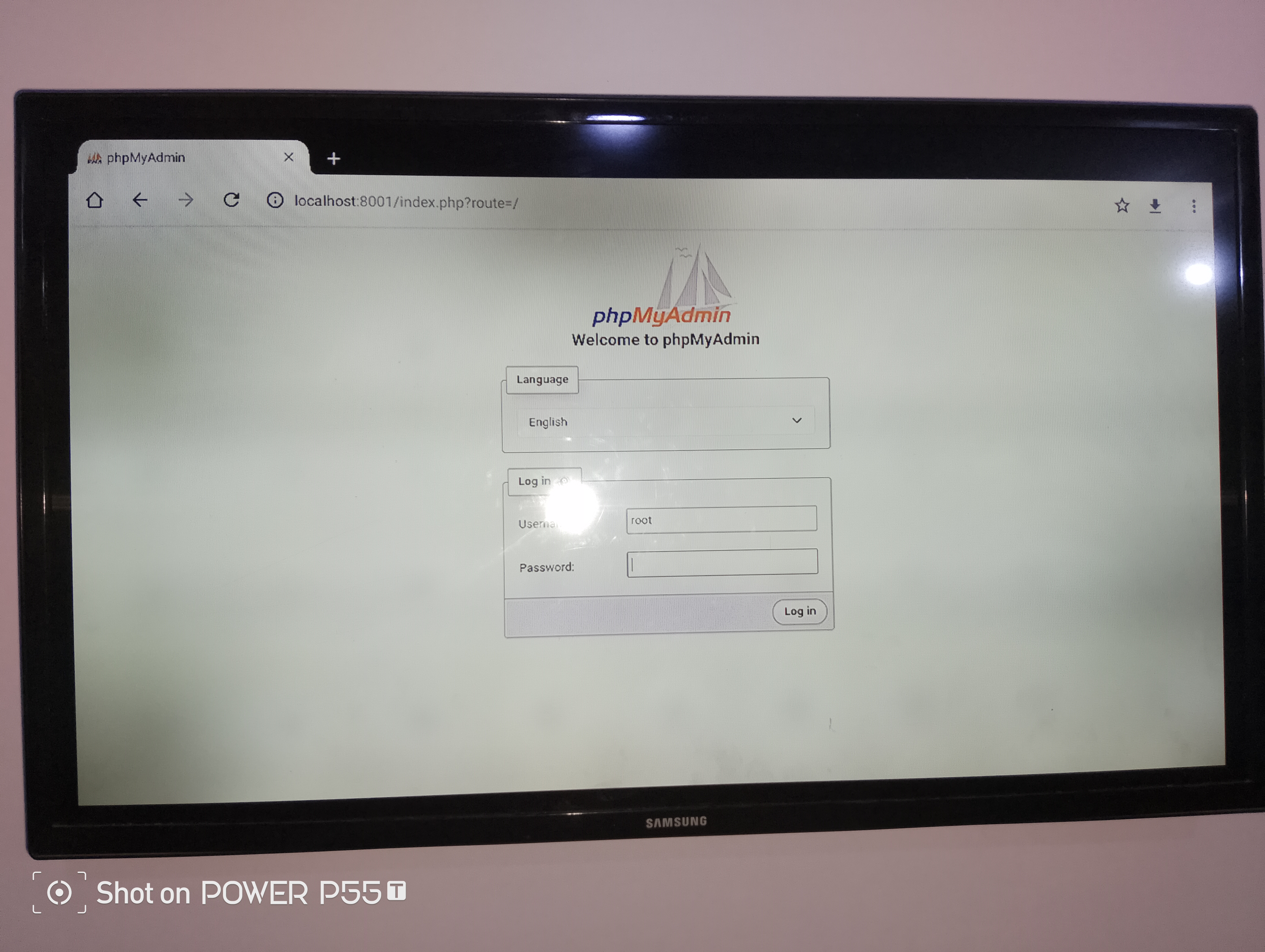
Connected TV screen showing the PHPMyAdmin interface of the web server.
Inspiration
In 2024, the Lagos State Government invested ₦1.58 billion to sponsor 58,188 students for the West African Senior School Certificate Examination (WASSCE). Yet, more than 26,000 of those students did not obtain credit passes in both English and Mathematics, amounting to a 54.3% failure rate, according to Premium Times Nigeria. This outcome highlights a broader challenge in learning outcomes across West Africa.
In response, the government launched the Eko Learners’ Support Programme, delivering over 320 lesson videos through television and YouTube. While this was a commendable initiative, it had three assumptions. Firstly, it assumed that households had reliable internet access. Next, it assumed that students had access to smartphones, tablets, or laptops. Finally, it assumed that learners would be available at specific broadcast times. Unfortunately, these assumptions do not reflect the reality for many families across Africa.
This is true when we consider that only 43% of households have access to electricity (IEA Africa Energy Outlook), fewer than 1 in 4 students have internet access, and millions of homes have a television but lack digital learning devices like laptops or smartphones. This digital gap creates a silent but serious barrier: children are unable to continue learning effectively outside the classroom because most homes are not equipped for modern educational technology.
While most EdTech tools are built for well-connected, high-resource environments, Africa urgently needs solutions designed for offline, low-cost, and low-resource contexts. My proposed solution enables the deployment of solutions that enables children, without internet, smartphones, or laptops, to use a standard TV to:
Take quizzes that assess if they’ve achieved their required learning objectives, Get personalized lesson video recommendations based on learning gaps, Practice past exam questions (Common Entrance, WAEC, NECO, or JAMB) and receive instant feedback, and Access learning platforms that teach tech skills, such as FreeCodeCamp. All of this is possible using just a television and a dedicated device costing less than ₦25,000.
What it does:
LearnBox transforms any regular television into a smart educational assistant for students in low-resource communities. Without needing internet access, students can: Take curriculum-aligned quizzes that assess mastery of learning objectives. Receive personalized video lesson suggestions based on the quiz results. Practice past standardized exam questions (Common Entrance, WAEC, NECO, JAMB) with instant feedback. Learn coding and digital skills from offline versions of platforms like FreeCodeCamp. A mini wireless keyboard with a touchpad allows easy interaction, and the device works fully offline.
How we built it
We started by evaluating different deployment options: Cloud-based LMS tools were ruled out due to poor internet access. USB-based content distribution lacked learner progress tracking. Raspberry Pi was ideal but too costly. We chose to build a local web server on an affordable Android TV box, which acts as the core of LearnBox. We used: A lightweight Linux environment running locally on the Android device. A PHP-based backend with SQLite for hosting learning management systems that can track learner performance. All content is preloaded and updated through USB drives when needed—no internet required.
Challenges we ran into
Product Direction: Deciding whether to build an offline learning management system, or build an offline LMS server that makes deployment of offline learning management systems more versatile and affordable. User experience: Choosing the right keyboard that ensures the best user experience. Ensuring affordability: Keeping the total cost (TV box, keyboard, content) under ₦25,000.
Accomplishments that we're proud of
We have built the world's cheapest web server at less than $15 (N23,000), and one that uses TV as screen. We are demonstrating a use case for the deployment of fully offline learning management system. We are making the deployment of offline learning management system more affordable.
What we learned
Offline is not a limitation: With the right design, it’s a superpower in under-resourced contexts. Cost is a constraint: Newer devices come with higher compute power that drives up cost and widen the digital divide. Multi-functionality is a cost saver that drives adoption: Parents are more likely to adopt learning devices that double as entertainment or household tools.
What's next for LearnBox
Adding onboard learning management systems that covers the national curricular and tech skills. Adding onboard AI system to generate adaptive questions for standard exams. Adding onboard voice-to-text and speech-to-text AI models to enable the deployment and integration voice-enabled interactive learning management systems.
Built With
- and-css
- and-objectives-and-export-them-as-lesson.json-files-and-.mp4-videos.-all-content-is-loaded-via-usb-or-internal-storage
- android-tv-box
- built-with-html
- html/css
- javascript
- json
- nativescript
- offline-learning-hub-without-requiring-internet-or-high-end-hardware-(just-512mb-ram-and-android-7.0+);-and-(3)-a-web-based-content-management-system-(cms)
- optimized-for-android-tv-and-fully-navigable-via-remote-control;-(2)-a-low-cost-?20
- quizzes
- transforming-any-television-into-an-interactive
- typescript/javascript
- usb
- which-enables-teachers-and-curriculum-developers-to-create-structured-lessons

Log in or sign up for Devpost to join the conversation.