-
-
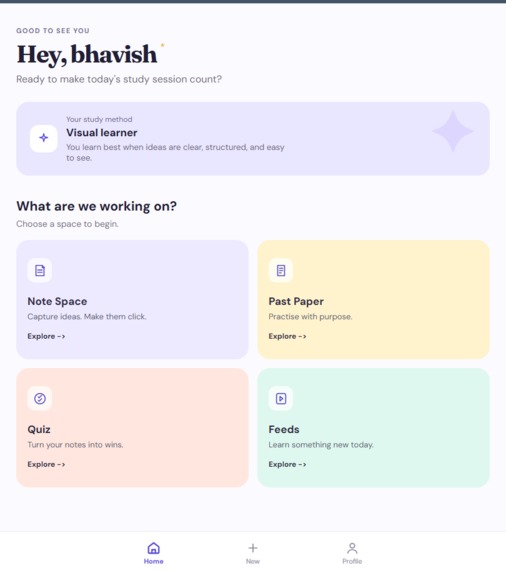
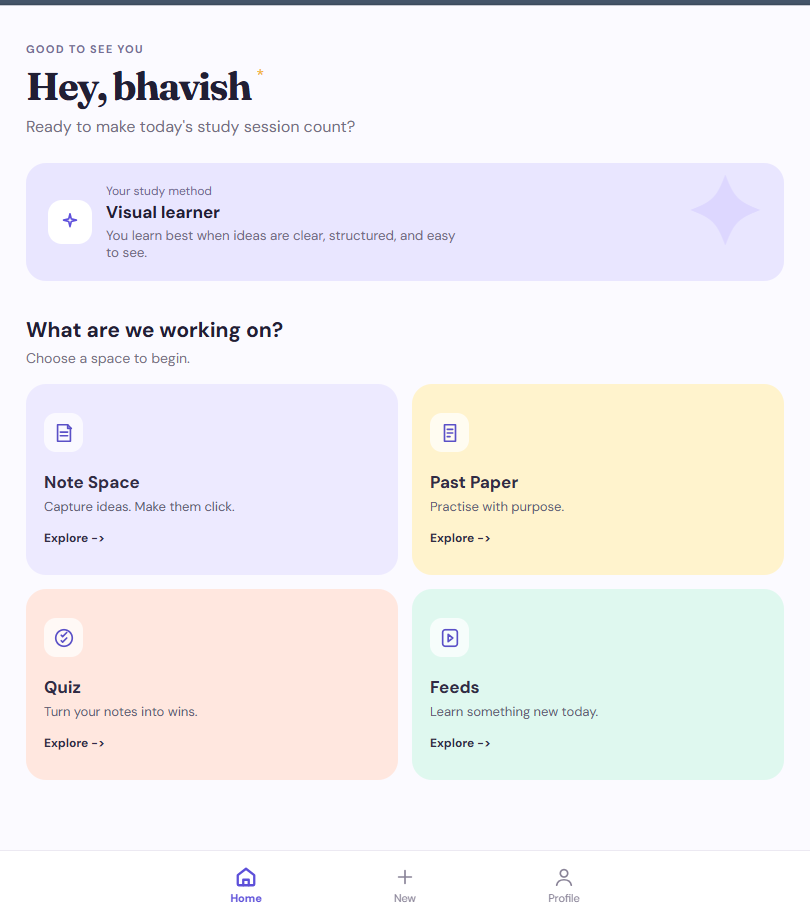
home Page
-
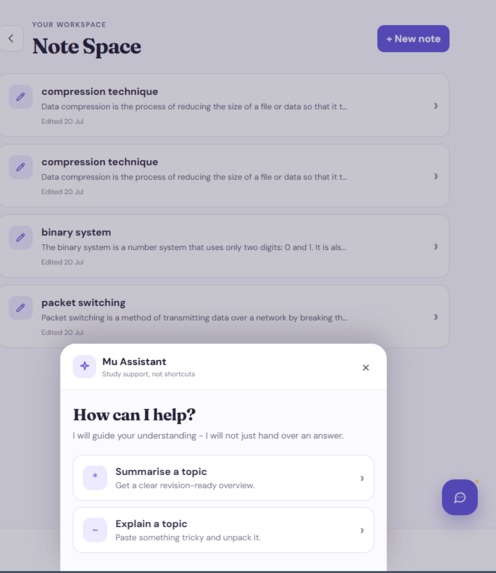
Note Space
-
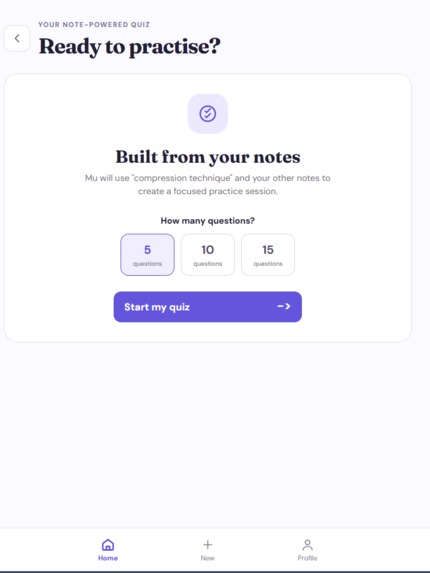
Quiz
-
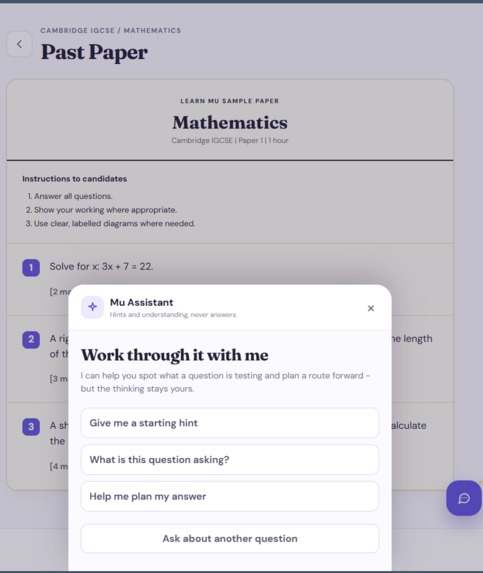
Past Paper
-
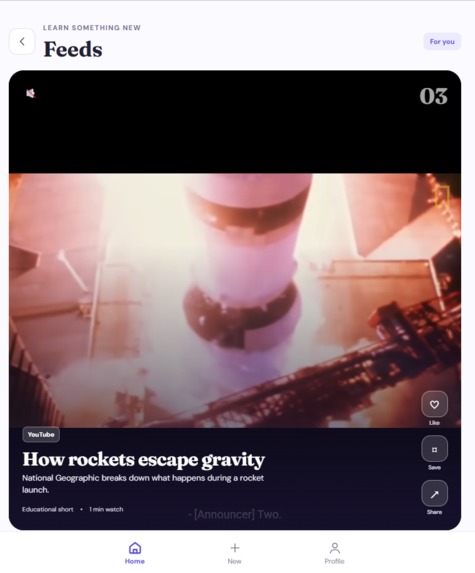
Feeds
-
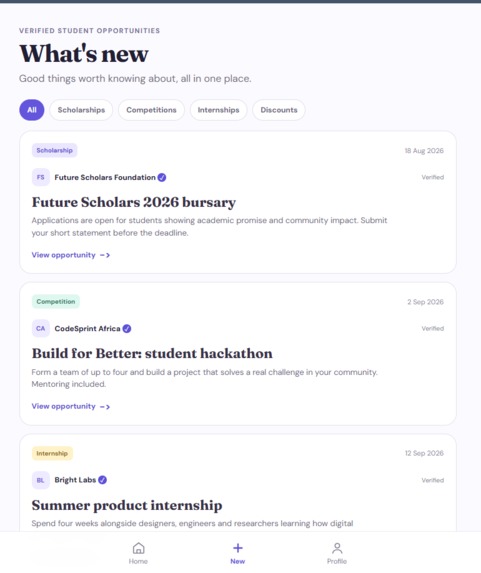
News
-
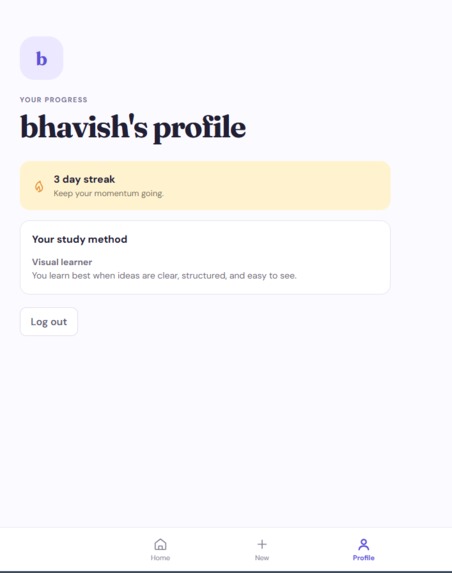
Profile
Inspiration
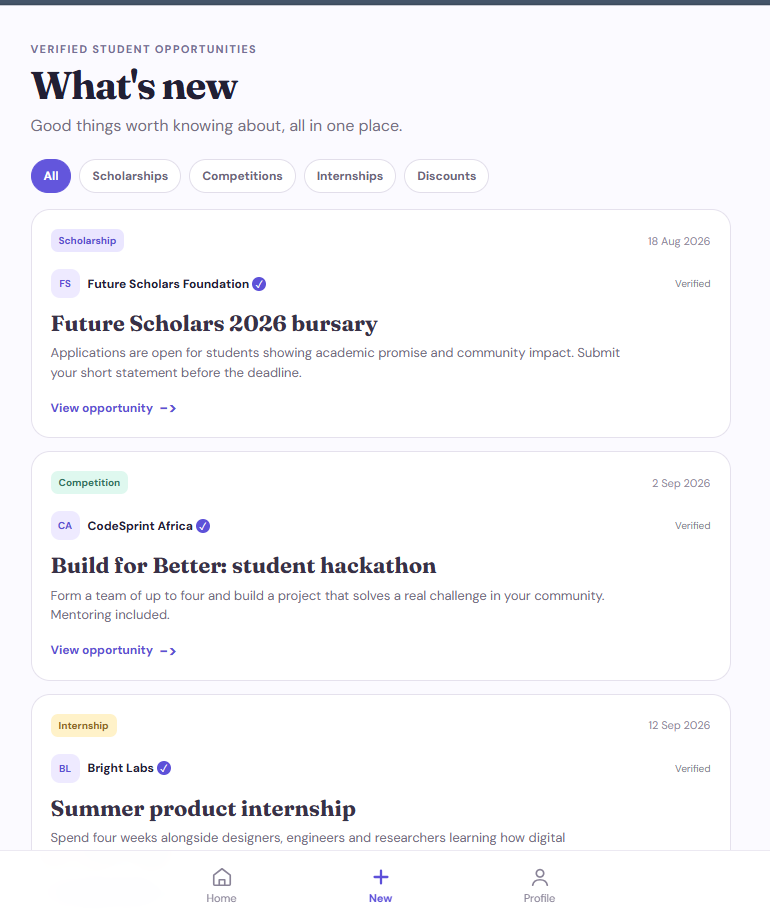
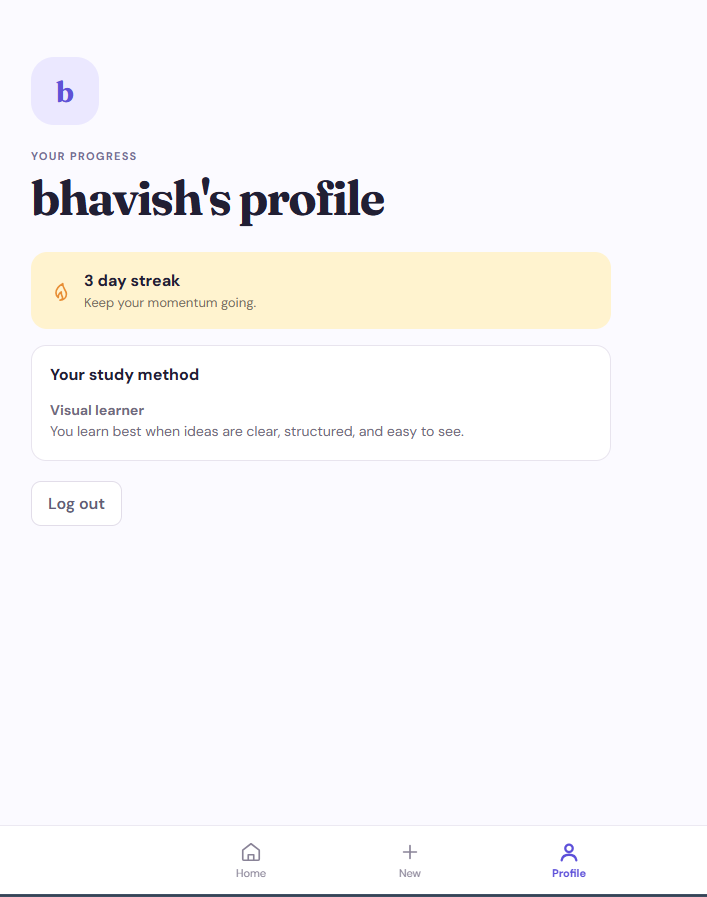
Every student learns differently, but most study apps treat everyone the same way. Learn Mu starts by figuring out how you actually learn — visual, auditory, active, or reflective — and then shapes the whole Project around that and Learn-Mu is a All in one project composing of Notes taking , past paper , Quiz , Feed(tik Tok like scrolling but educational) and News where opportunity for Student be posted.
What it does
Learn Mu is a personalized study companion. After a quick 5-question onboarding quiz, it identifies your learning style and gives you four focused spaces:
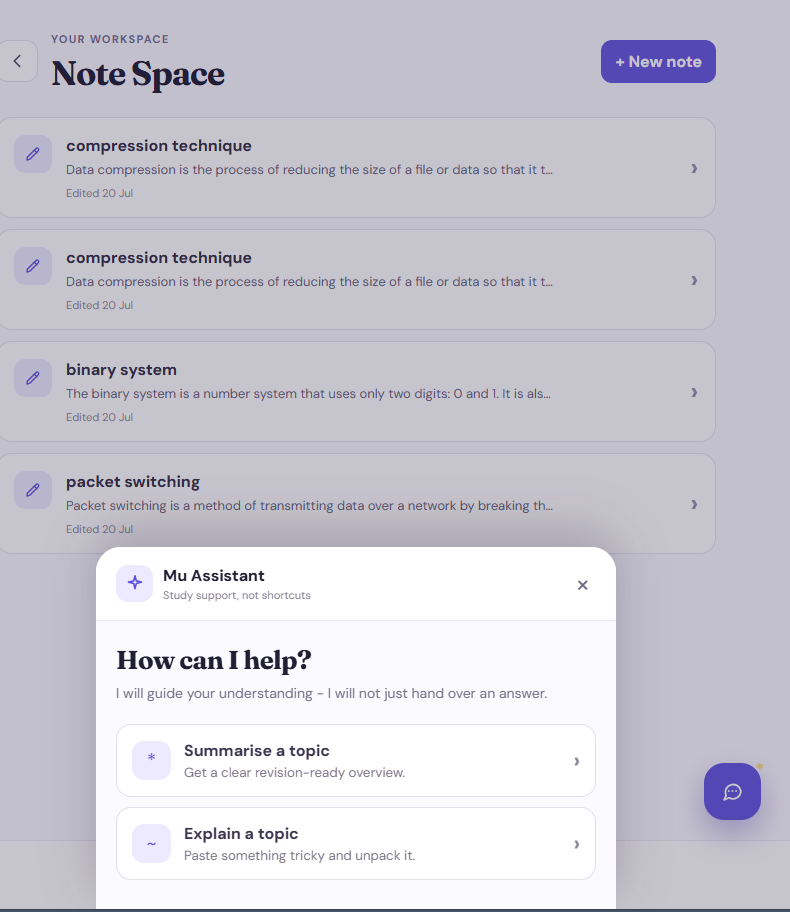
- Note Space — function like a normal note taking feature while also having an AI assistant (powered by GPT-5.6) that can summarise a topic by exam board, grade, and subject, or explain a pasted passage in plain language.
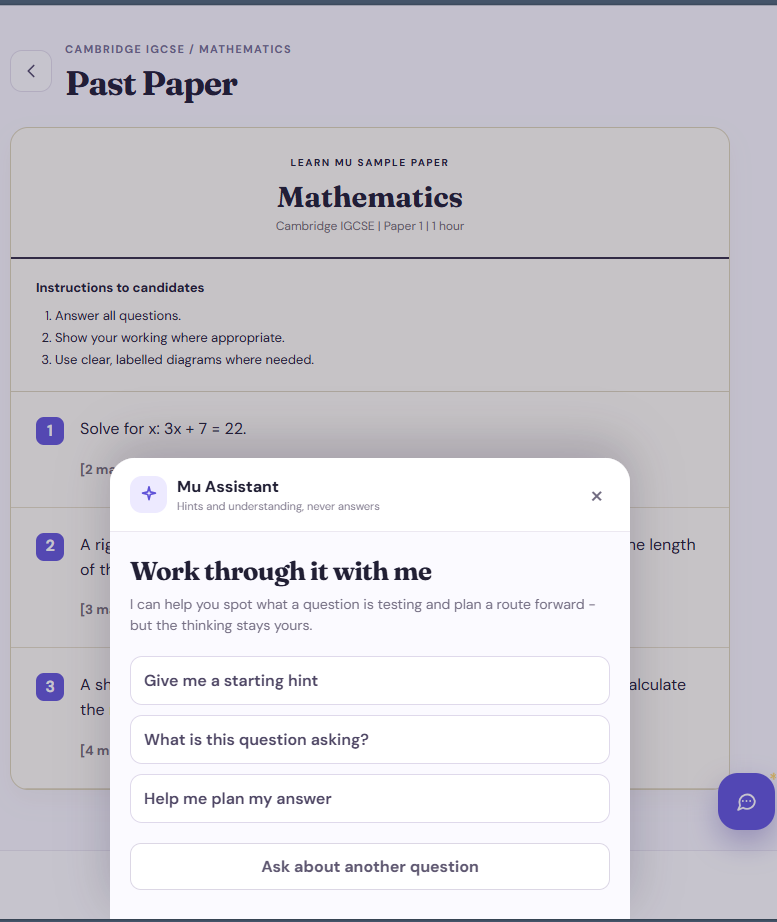
- Past Paper — sample exam papers by board and subject, paired with a Socratic AI coach that gives guiding hints instead of handing over answers — designed to build understanding, not shortcuts.
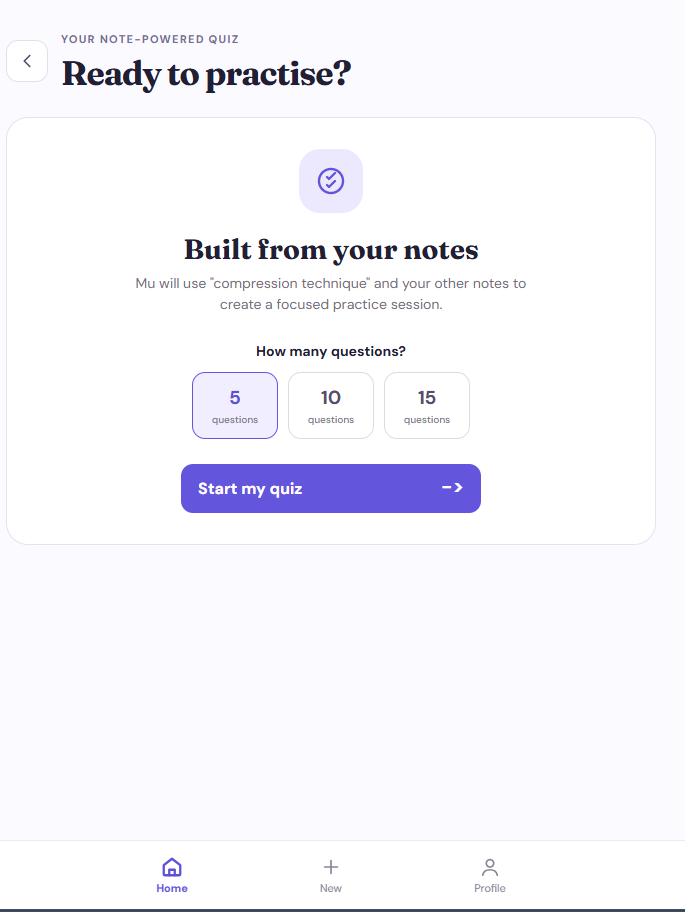
- Quiz — turns your own notes into a fresh multiple-choice quiz on demand, generated live by GPT-5.6.
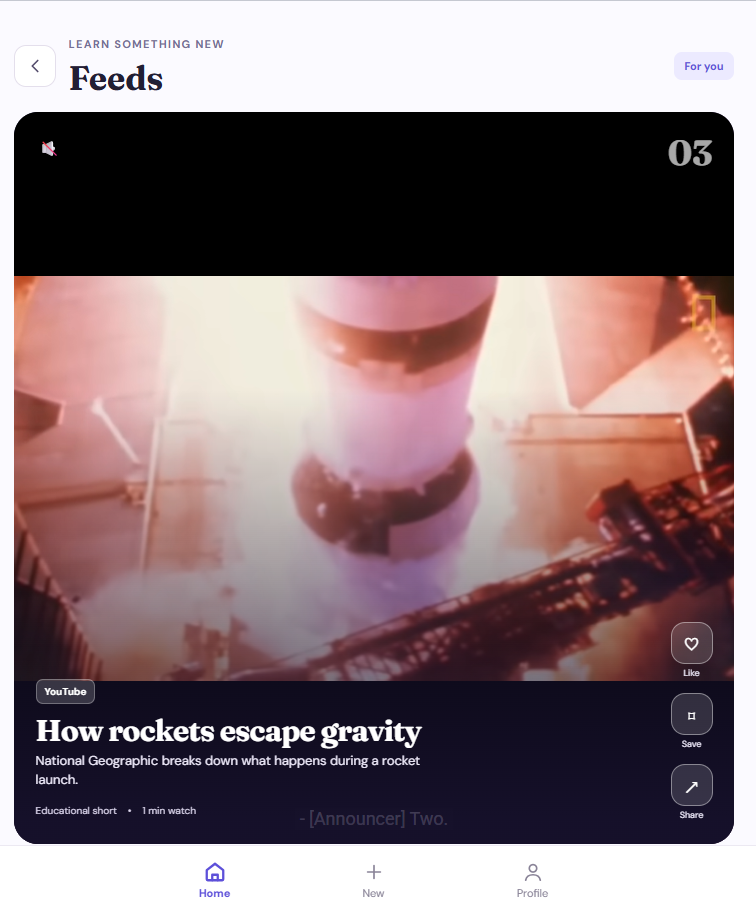
- Feeds — a short-form vertical video feed of educational clips, for quick, low-effort learning moments. Made for the purpose of showing students different areas that are availabe(Researcher , Engineer , Doctor , etc)
How we built it
The frontend is React + Vite, the backend is Express, and all AI features run through the OpenAI API using GPT-5.6.
Codex was used throughout the build to scaffold components, iterate on the backend's API routes, and debug tricky issues — most notably the Quiz and the video feed's mute/unmute behaviour, where Codex helped pivot from a fragile approach (trying to control YouTube's embedded player directly via postMessage) to a simpler, more reliable one (reloading the iframe with a different mute parameter).
A key technical decision was around quiz generation: GPT-5.6 needed to reliably return clean JSON with no extra commentary so the frontend could parse it directly. We enforced this with a strict system prompt and a retry loop that re-parses the response if the model wraps the JSON in commentary or code fences — which meaningfully improved reliability.
Challenges we ran into
Getting a smooth, TikTok-style video experience out of embedded YouTube players was harder than expected — the API's postMessage-based mute controls weren't reliable, so I switched to a simpler URL-parameter-based reload approach instead. On the backend, getting an LLM to reliably output structured JSON (for quiz questions) rather than free-form text required careful prompt design and a retry mechanism.
What we learned
Working with Codex sped up the iteration loop significantly, especially for debugging cross-origin iframe issues and reworking API integration when the first approach didn't pan out.
What's next for Learn Mu
Persisting notes and progress to a real backend/database instead of local storage, expanding subject and exam board coverage, and building out the Feeds recommendation logic to actually personalize video suggestions based on the user's learning style and note history.
Built With
- claude
- codex
- gpt5.6
- youtube

Log in or sign up for Devpost to join the conversation.