-
IOT Notes Via Google
Inspiration📌
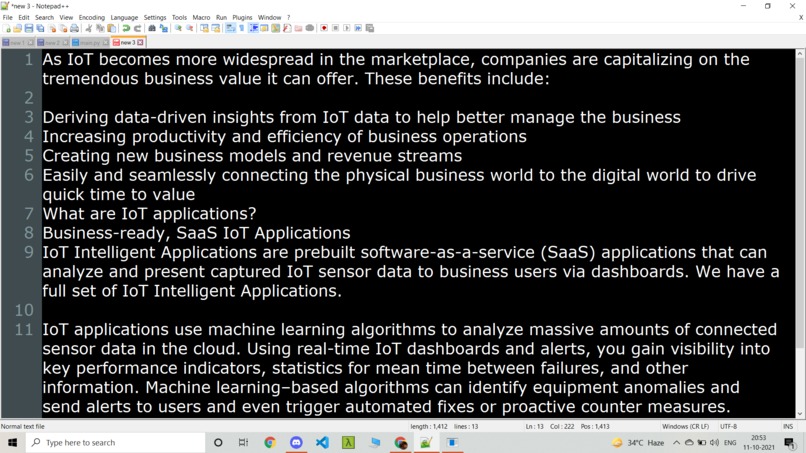
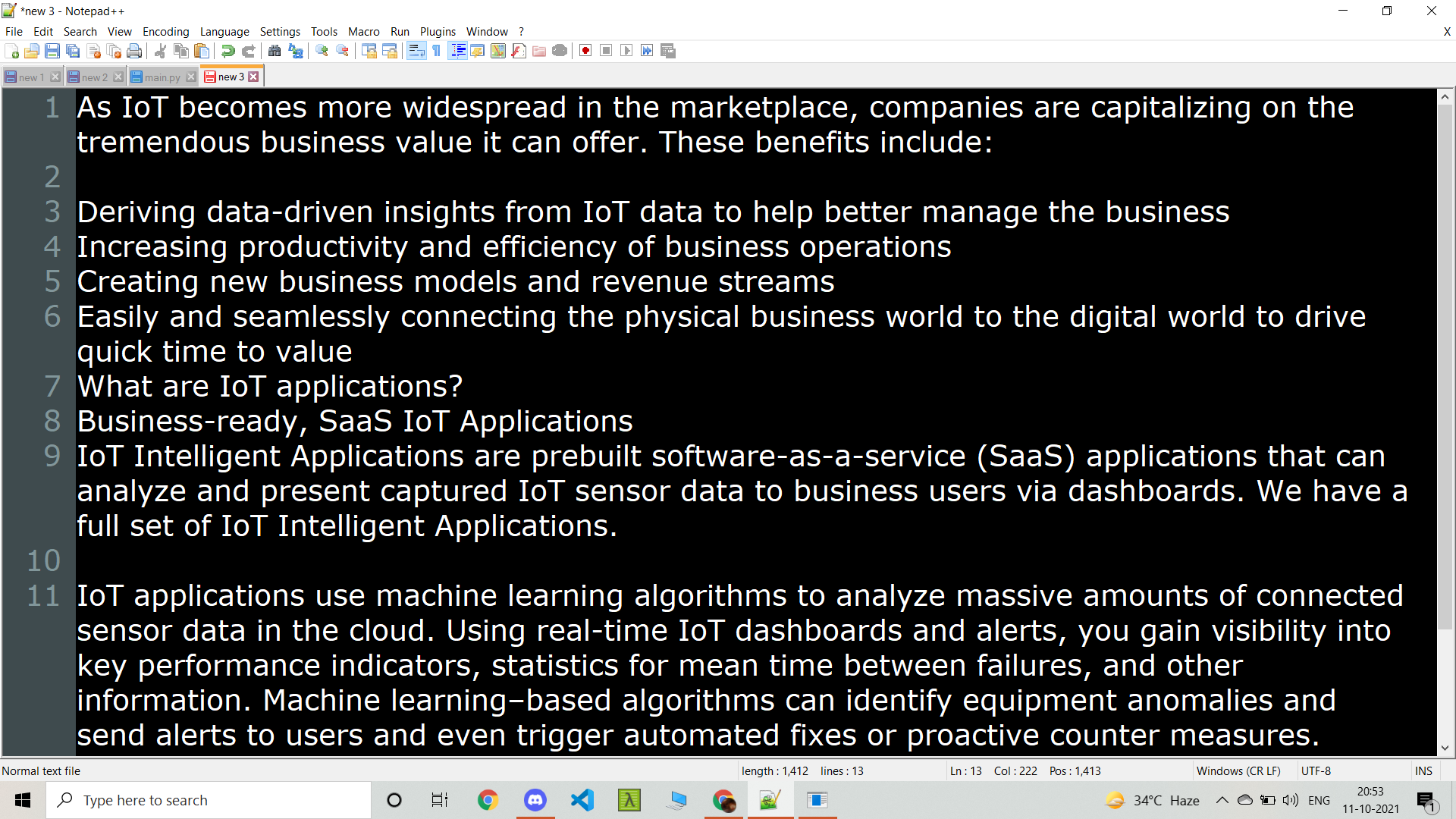
MLH LHD Introduced me to this new concept The Internet of Things (IoT) describes the network of physical objects—“things”—that are embedded with sensors, software, and other technologies to connect and exchange data with other devices and systems over the internet. A network where one device or sensor communicates with each other. These IoT devices range from simple household devices to larger and more complex appliances too! An ever-growing field indeed. The concept of self-driving cars, smartwatches that track your footsteps, heart rates are all IoT devices that are famous all over. IoT devices have been observed to not look much into security or encrypt the data in any form. Collecting a lot of sensitive info and not encrypting it is a flaw. Often have these devices re-used old code making them prone to hackers. Due to such issues, hackers have often been able to hack the Web Cam and other devices at home and gather personal and sensitive information about people. As IoT becomes more widespread in the marketplace, companies are capitalizing on the tremendous business value it can offer. These benefits include:
Deriving data-driven insights from IoT data to help better manage the business Increasing productivity and efficiency of business operations Creating new business models and revenue streams Easily and seamlessly connecting the physical business world to the digital world to drive quick time to value
What are IoT applications?
Business-ready, SaaS IoT Applications IoT Intelligent Applications are prebuilt software-as-a-service (SaaS) applications that can analyze and present captured IoT sensor data to business users via dashboards. We have a full set of IoT Intelligent Applications.
IoT applications use machine learning algorithms to analyze massive amounts of connected sensor data in the cloud. Using real-time IoT dashboards and alerts, you gain visibility into key performance indicators, statistics for mean time between failures, and other information. Machine learning–based algorithms can identify equipment anomalies and send alerts to users and even trigger automated fixes or proactive counter measures.
With cloud-based IoT applications, business users can quickly enhance existing processes for supply chains, customer service, human resources, and financial services. There’s no need to recreate entire business processes.
I would be soon writing a blog over the same 🤩
Built With
- notes

Log in or sign up for Devpost to join the conversation.