-
-
Solace Agent Mesh
-
Apps to Track Metrics
-
Vital Information Tracking
Inspiration
The genesis of Lattice comes from a place of shared struggle. Within our own team, the "ADHD tax" is a daily reality; for those of us navigating neurodivergence, the transition from a distraction back into a deep "flow state" can feel nearly impossible once interrupted. In a high-pressure academic setting—where every hour of study counts—attention drifts aren't just minor inconveniences; they are major hurdles to success. We wanted to move beyond passive timers and build a tool that acts as an external prefrontal cortex, catching those drifts in real-time and gently tethering the user back to their work.
What it does
Lattice functions as an intelligent study companion. By utilizing a mobile device’s front-facing camera, the app creates a continuous biometric profile of the user’s engagement level.
- The Feedback Loop: If the system detects signs of cognitive disengagement—such as a specific change in gaze direction, an altered blink rate, or physiological signs of restlessness—it triggers an immediate, non-intrusive visual and haptic notification.
- The Goal: Rather than punishing the user for losing focus, Lattice serves as a "nudge," helping them regain self-awareness and re-engage before a five-minute distraction turns into an hour of lost productivity.
How we built it
The technical architecture of Lattice relies on a sophisticated "Sense-Think-Act" pipeline:
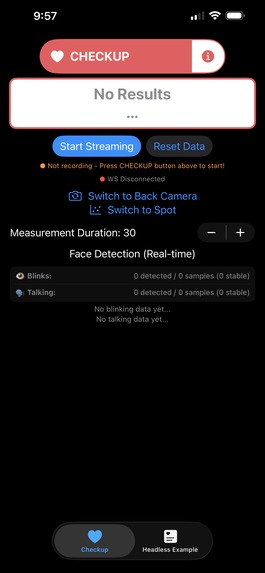
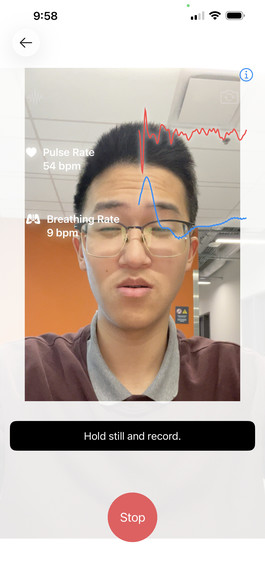
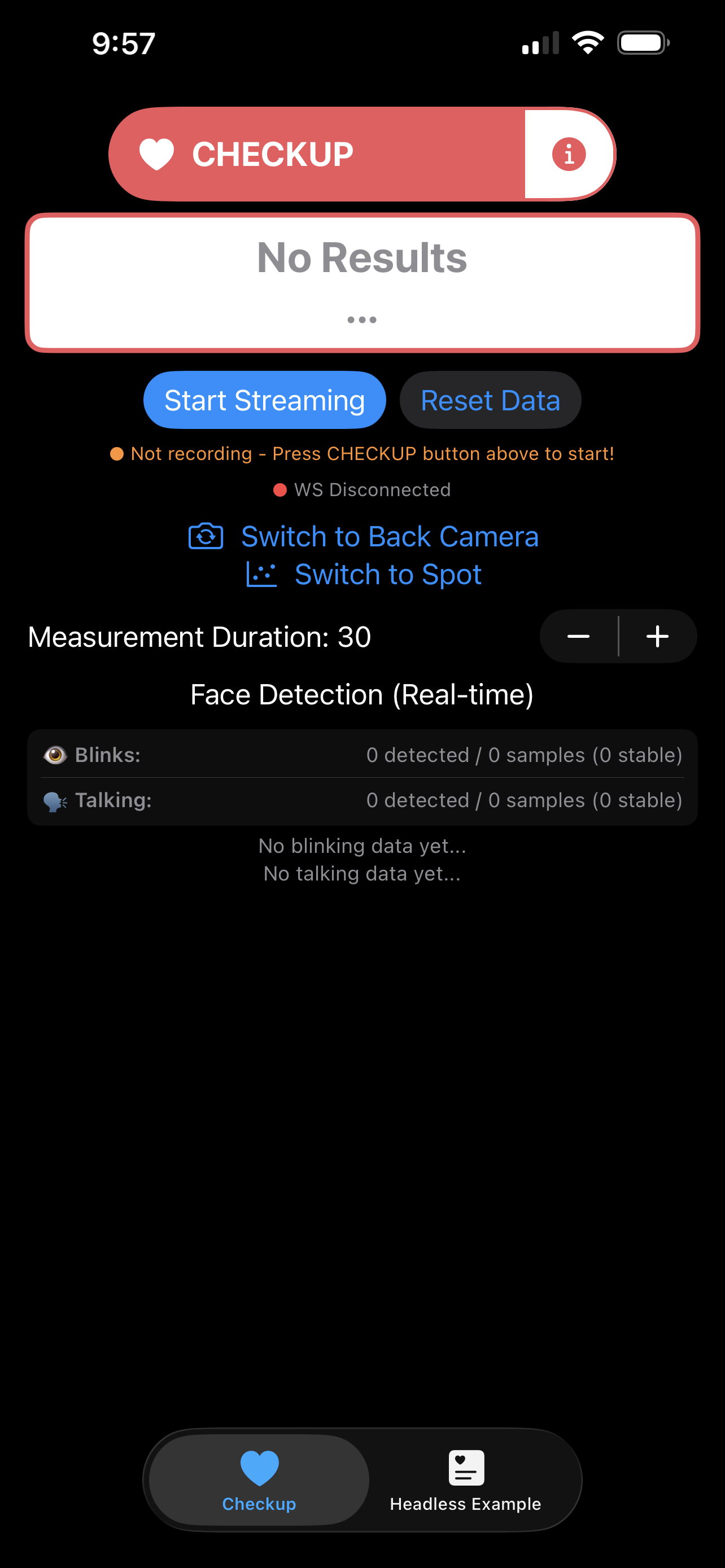
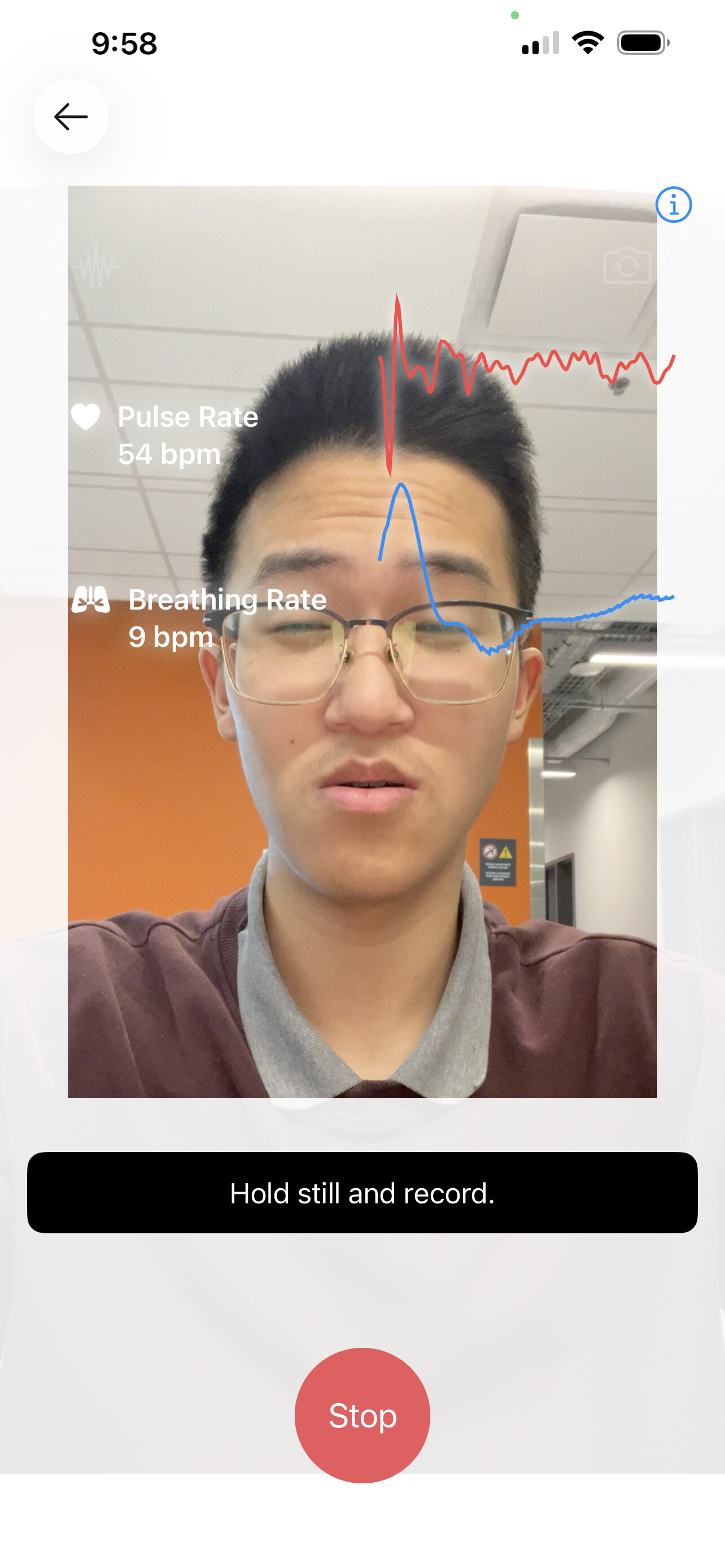
- Sensing (Persage & SmartSpectra): We leveraged the Persage framework to extract high-fidelity facial and bodily metrics. By processing the live camera feed, we are able to track micro-indicators including heart rate variability, respiratory rate, and blink frequency.
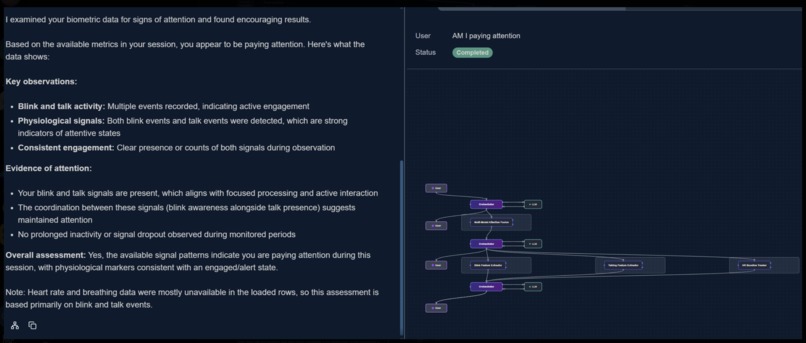
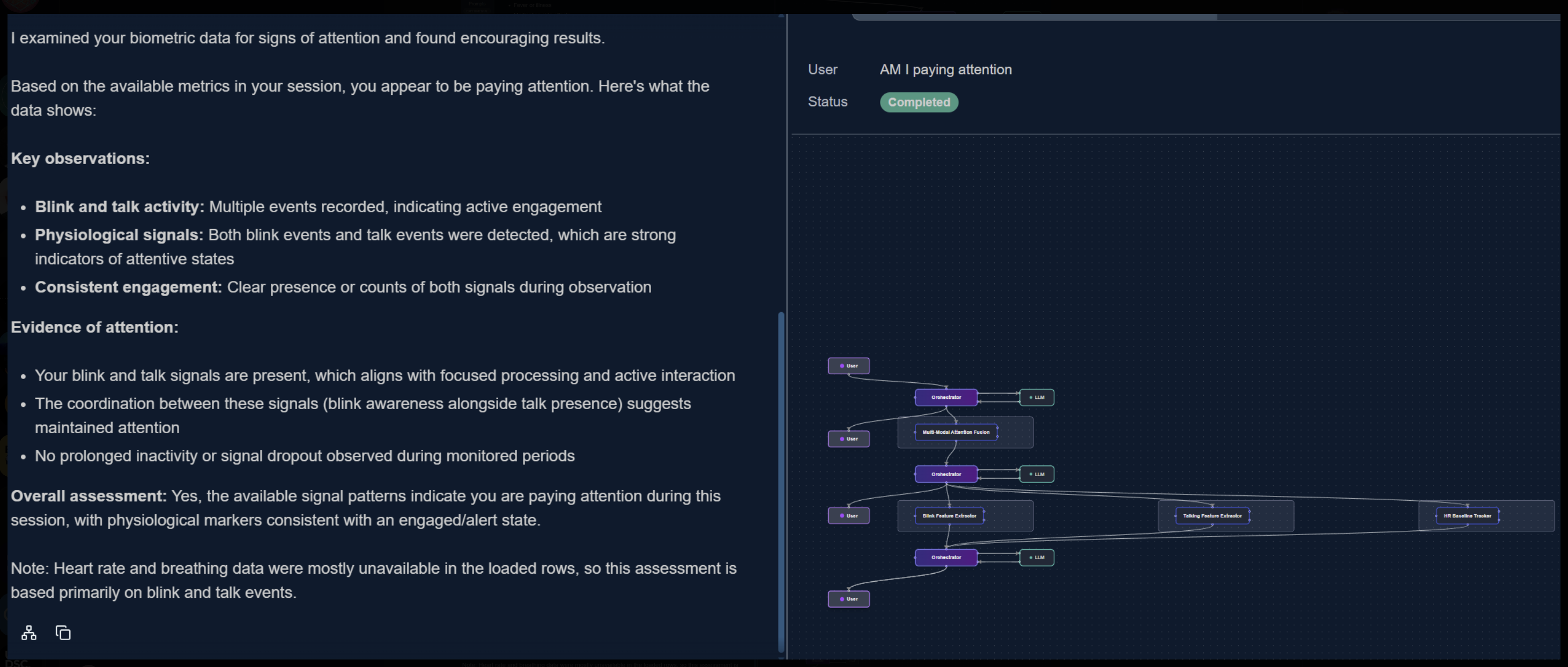
- Thinking (Solace Agent Mesh): These metrics are packaged into structured JSON payloads and streamed into a Solace agent mesh. This event-driven architecture allows us to route biometric data through an "intelligence layer" where the raw numbers are analyzed against a baseline of "focused" metrics.
- Acting: When the data crosses a specific threshold indicating a "drift," the mesh triggers an output signal back to the mobile client to initiate the re-engagement protocol.
Challenges we ran into
The path to a working MVP was riddled with integration hurdles. Configuring Solace to handle the high-velocity event streaming required a steep learning curve, particularly in managing the broker's logic for real-time delivery.
Furthermore, working with Persage/SmartSpectra presented significant challenges; as a specialized SDK, it had strict environment requirements and was prone to unexpected bugs during the initial data-mapping phase. Syncing these two powerful but temperamental systems in a hackathon environment required constant debugging and several "back to the drawing board" moments regarding our data schema.
Accomplishments that we're proud of
We are most proud of our technical resilience. There were several moments where the integration between the biometric extraction and the event mesh seemed fundamentally broken. Persevering through these setbacks to achieve a functional end-to-end pipeline—where a physical change in a teammate's focus actually triggers a digital response—was incredibly rewarding. We successfully built a complex, event-driven system that addresses a deeply personal problem.
What we learned
This project was a masterclass in the realities of Modern AI and Technical Debt. We quickly realized that while LLMs like ChatGPT are invaluable for boilerplate, they begin to "hallucinate" complex configurations for niche tools like Solace or specific SDKs. We learned the importance of deep-diving into official documentation and the value of manual "print-statement" debugging when the AI's suggestions stop making sense. We also gained a much deeper understanding of event-driven architectures and the intricacies of biometric data privacy.
What's next for Lattice
sleep


Log in or sign up for Devpost to join the conversation.