-
-
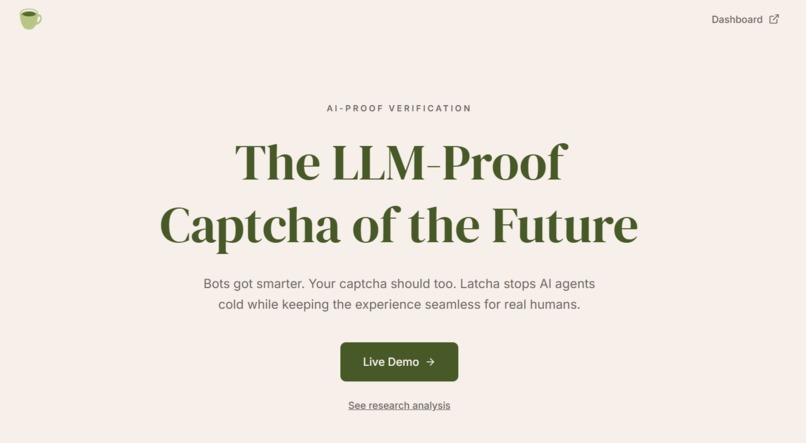
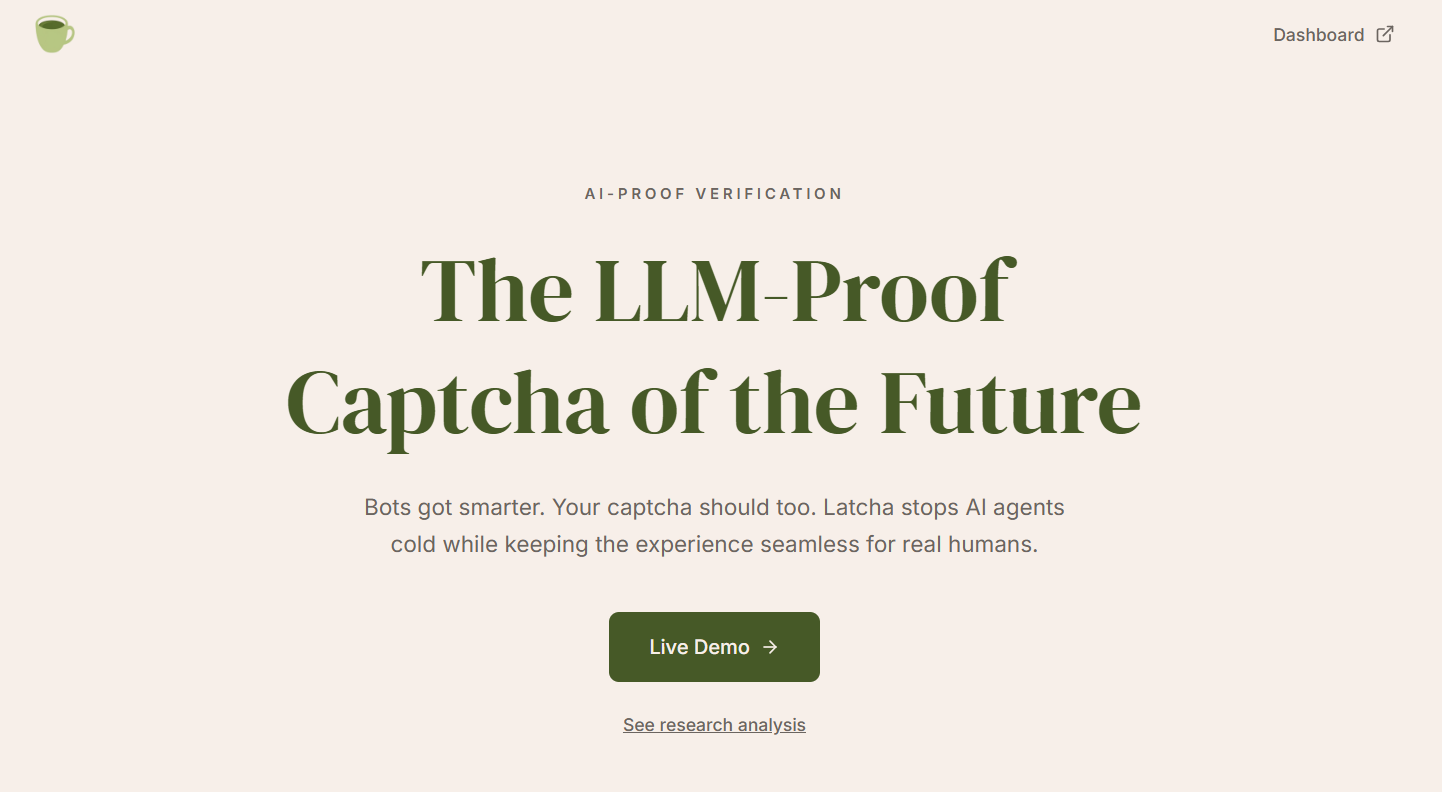
Landing page (Latcha)
-
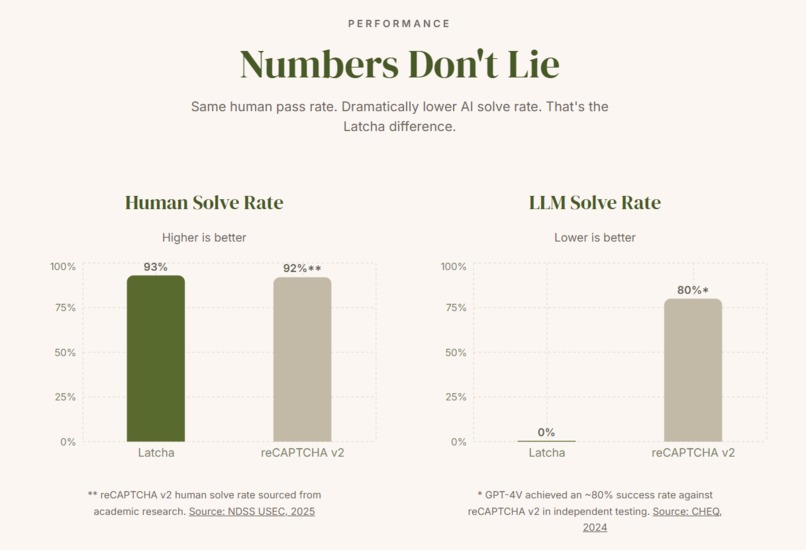
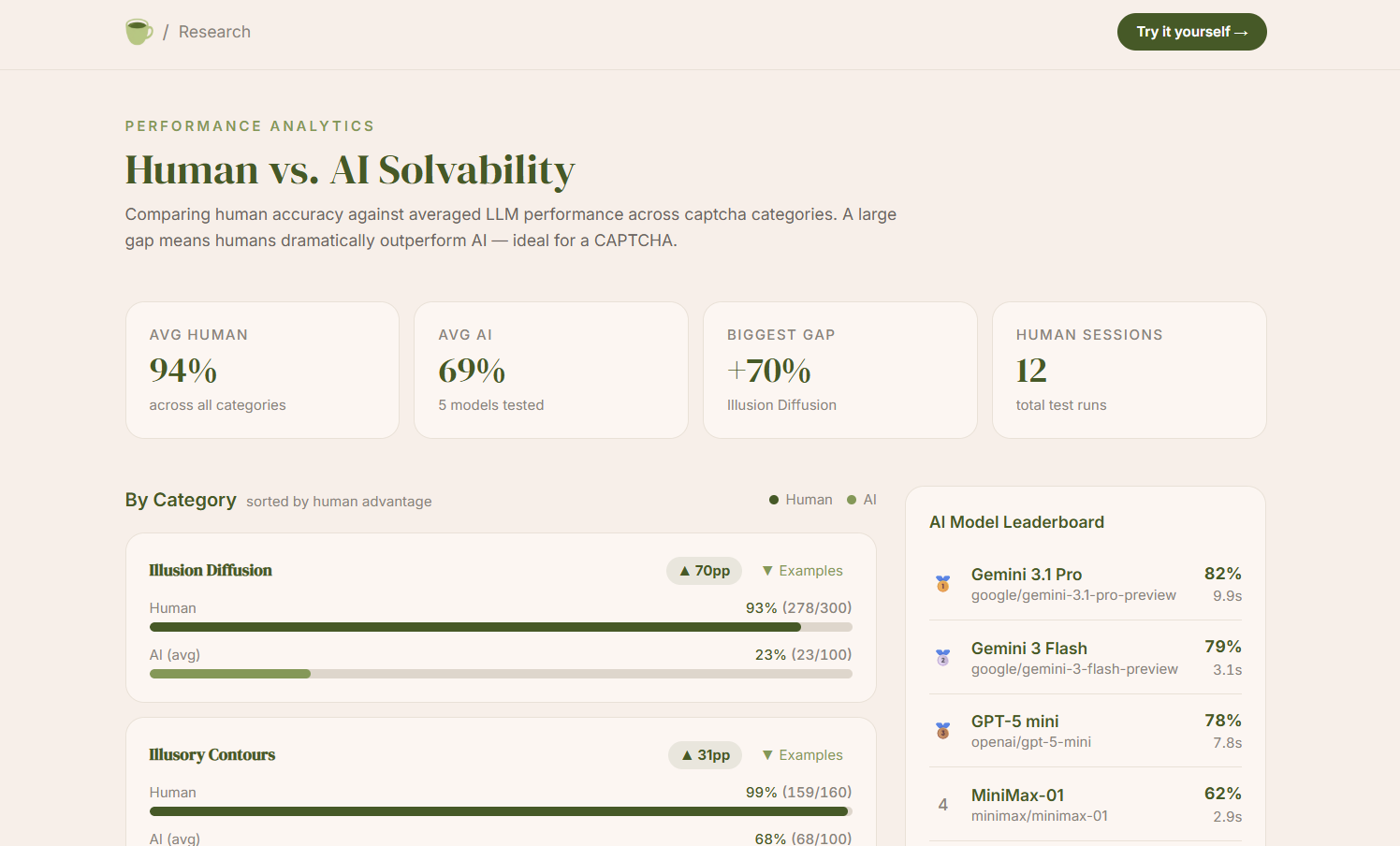
Research and studies
-
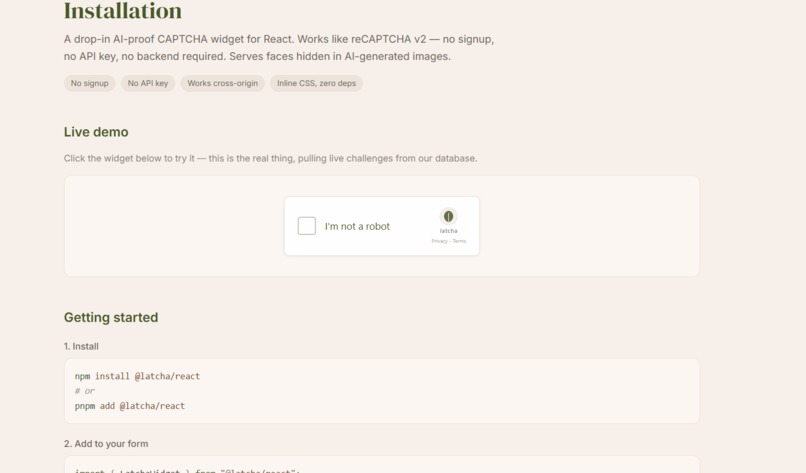
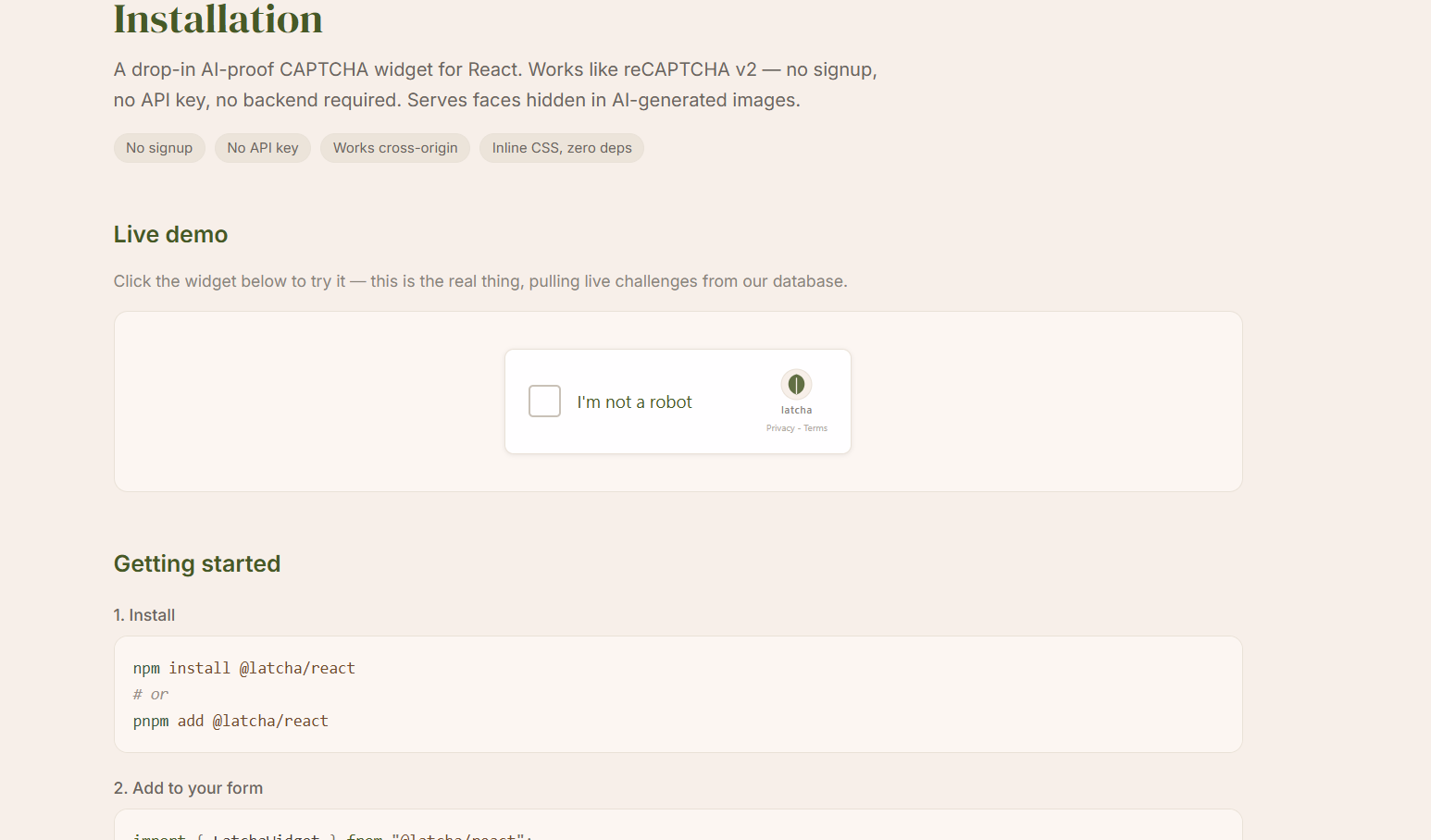
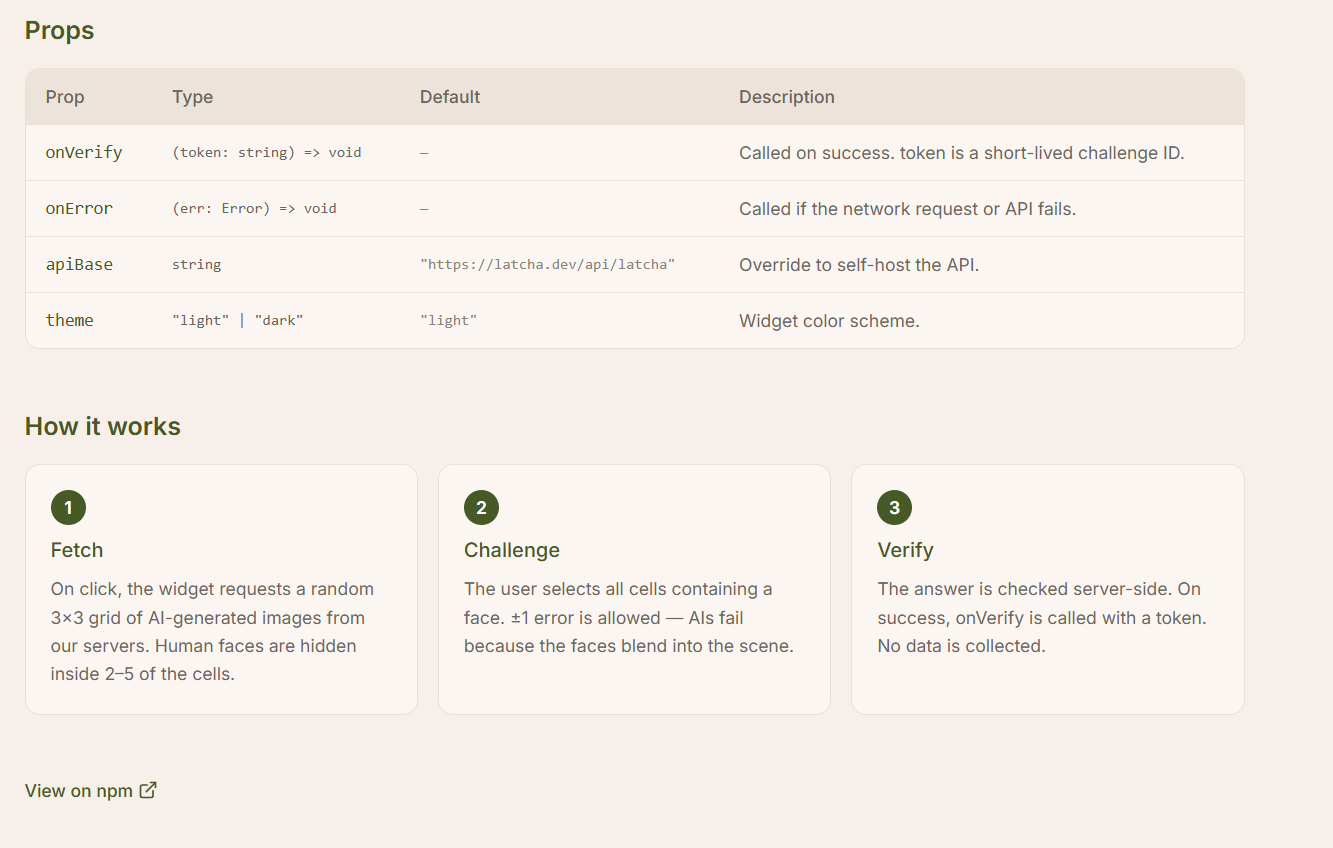
Install Latcha
-
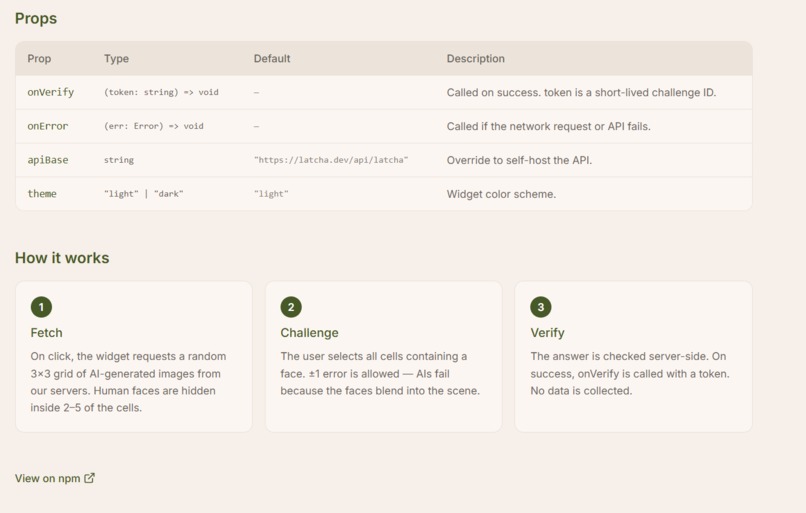
Explanation and link to npm
-
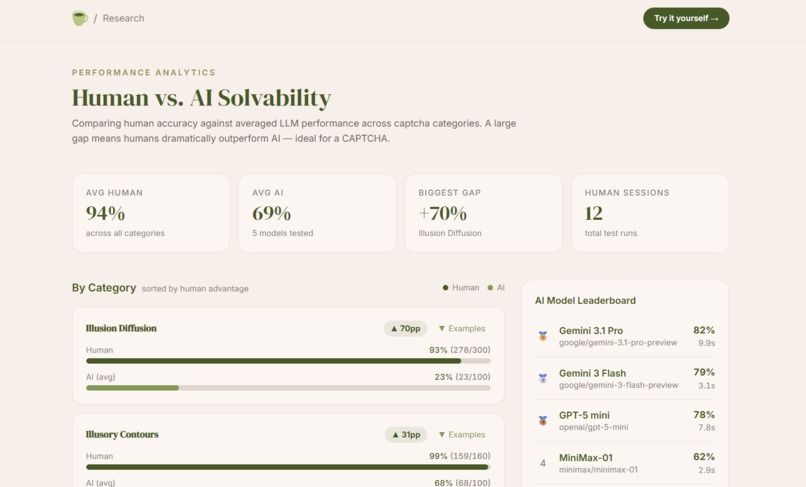
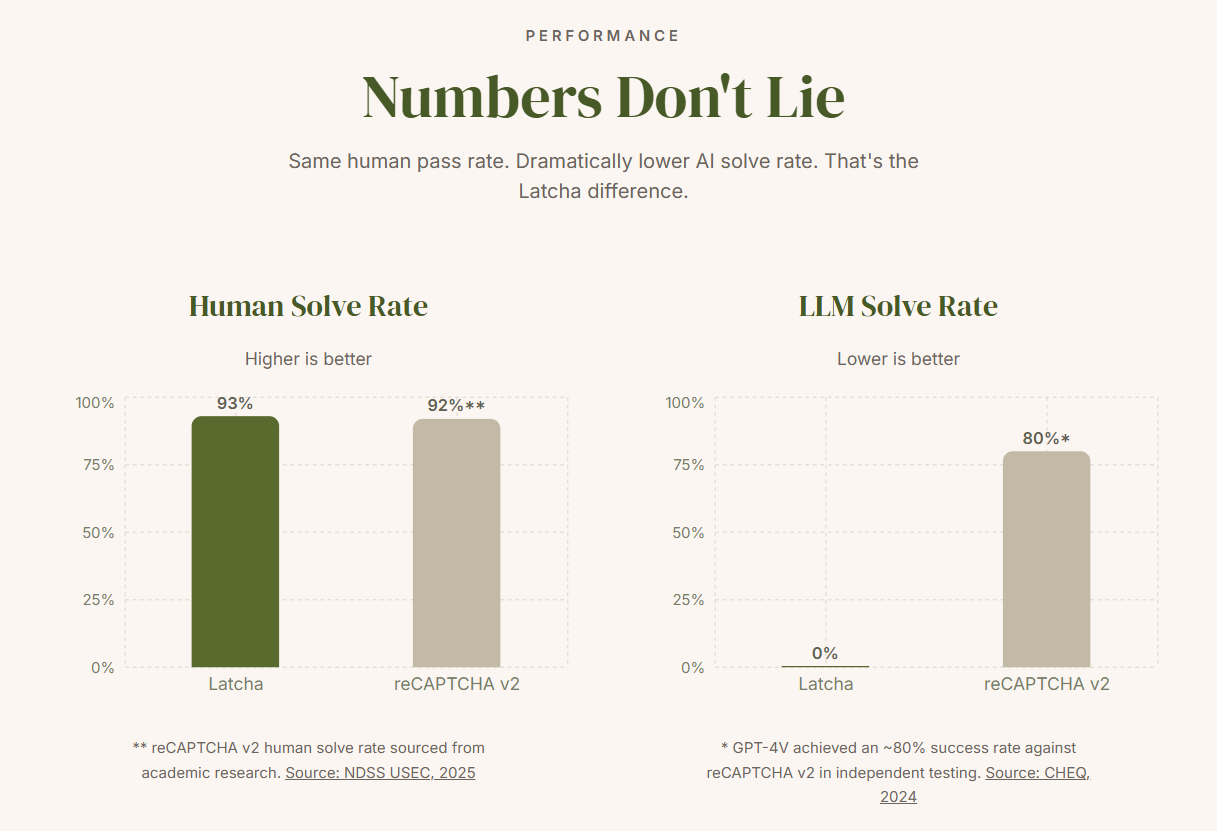
Results of our Research + link to try it out yourself
-
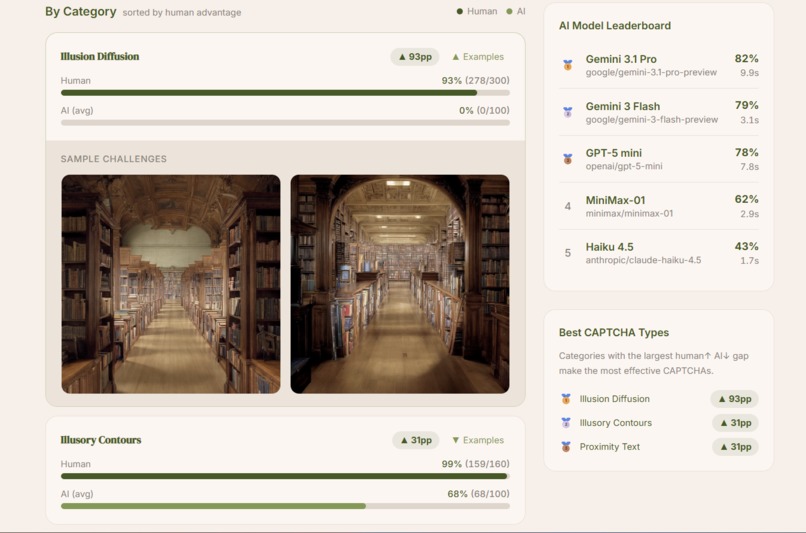
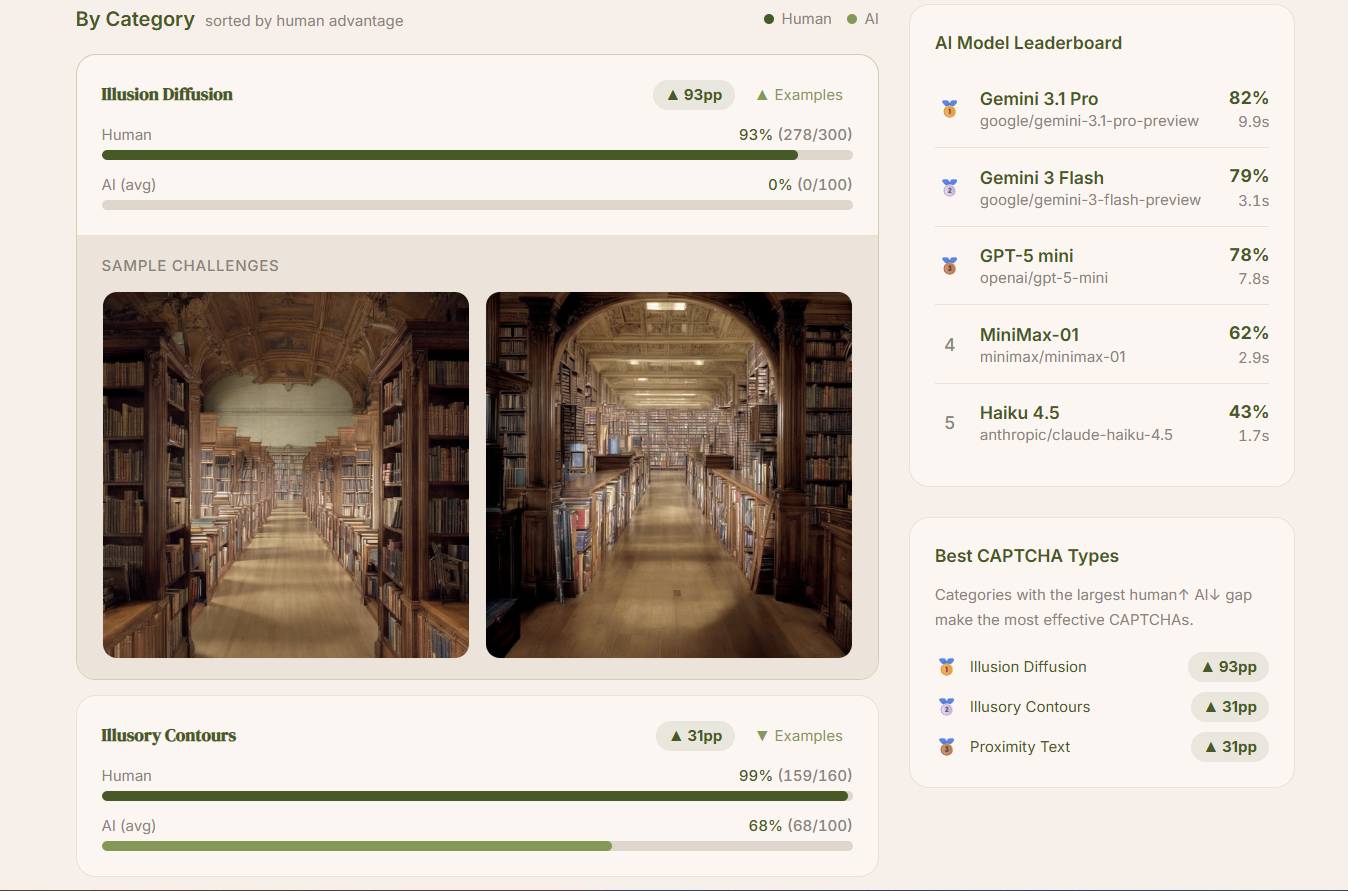
Example of face embedded in another image and statistics of different types of CAPTCHAs.
-

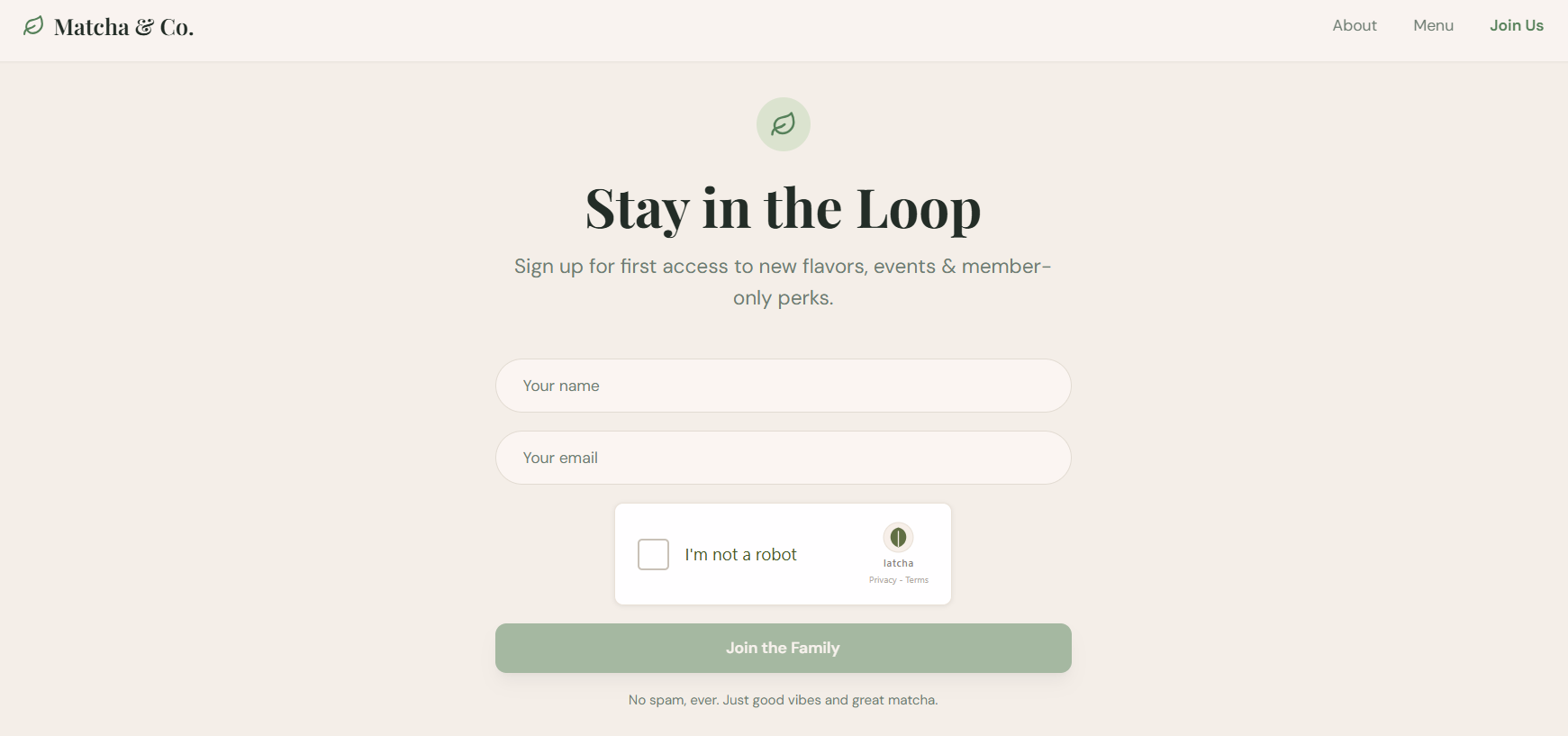
Lovable landing page (customer's perspective)
-
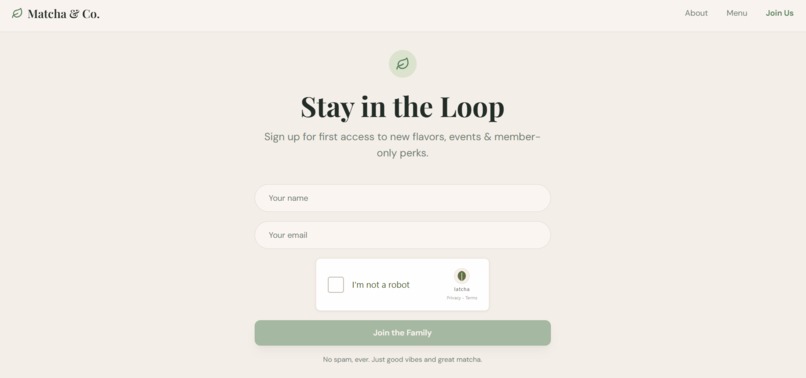
Login page where the Captcha will be on the customer's page
-
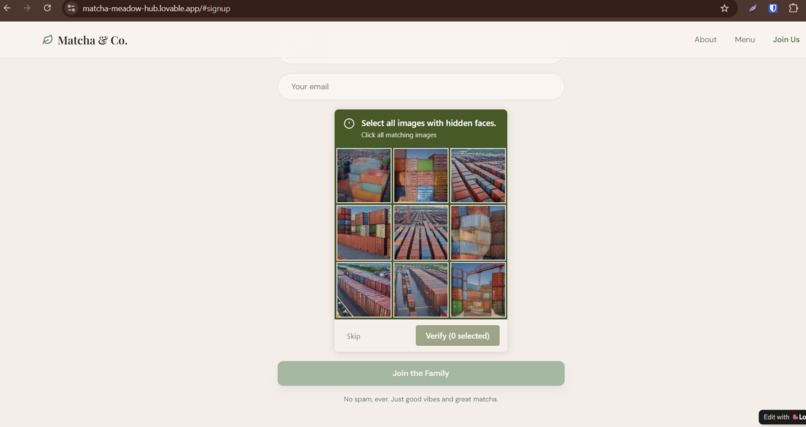
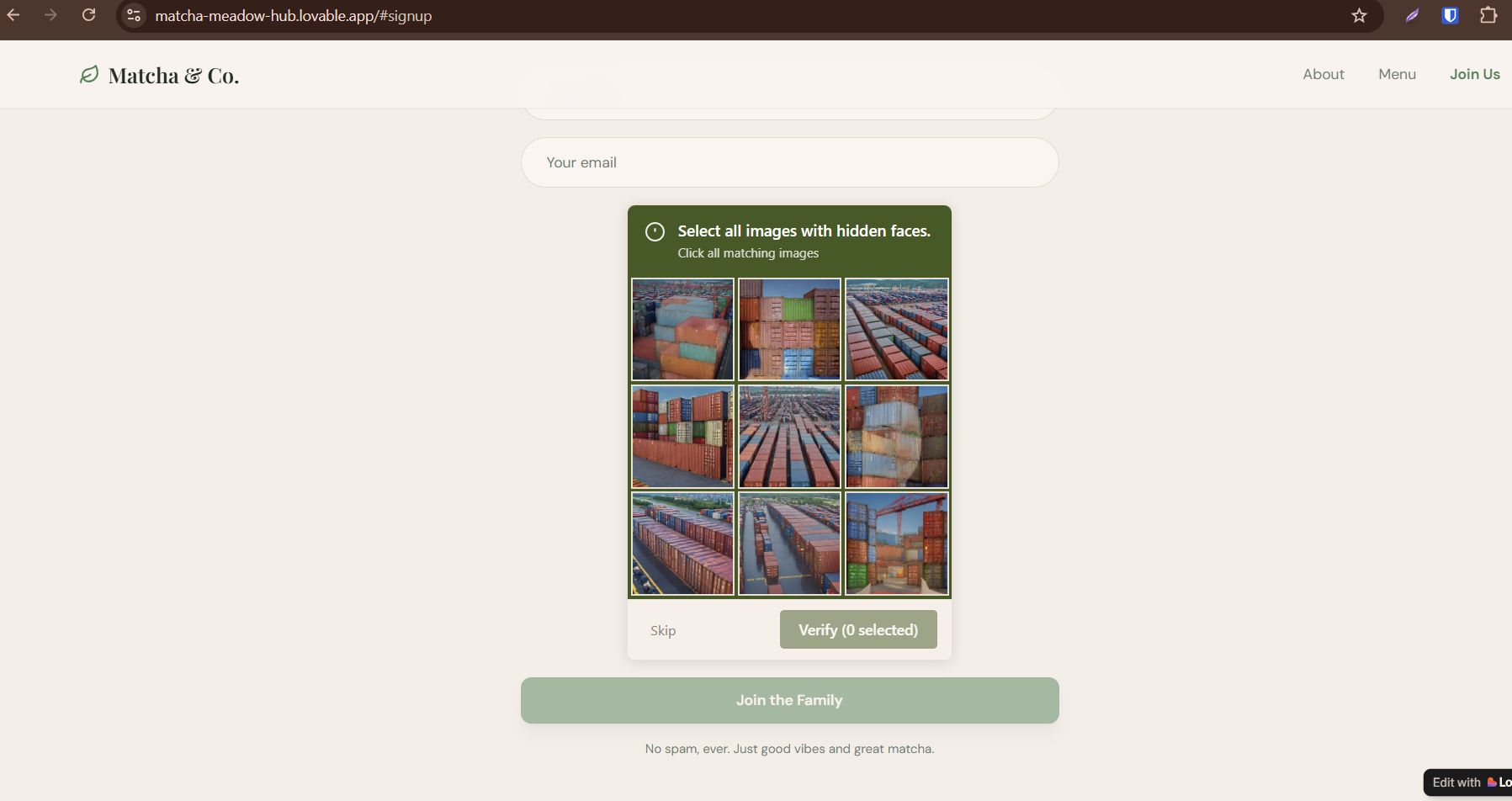
Example of the Latcha Captcha to solve
-
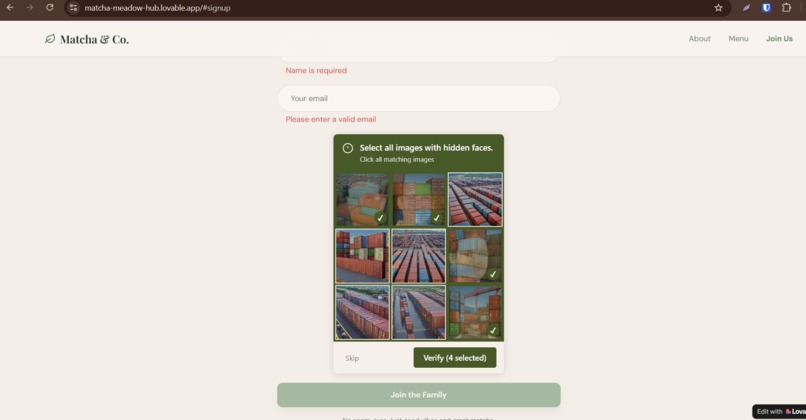
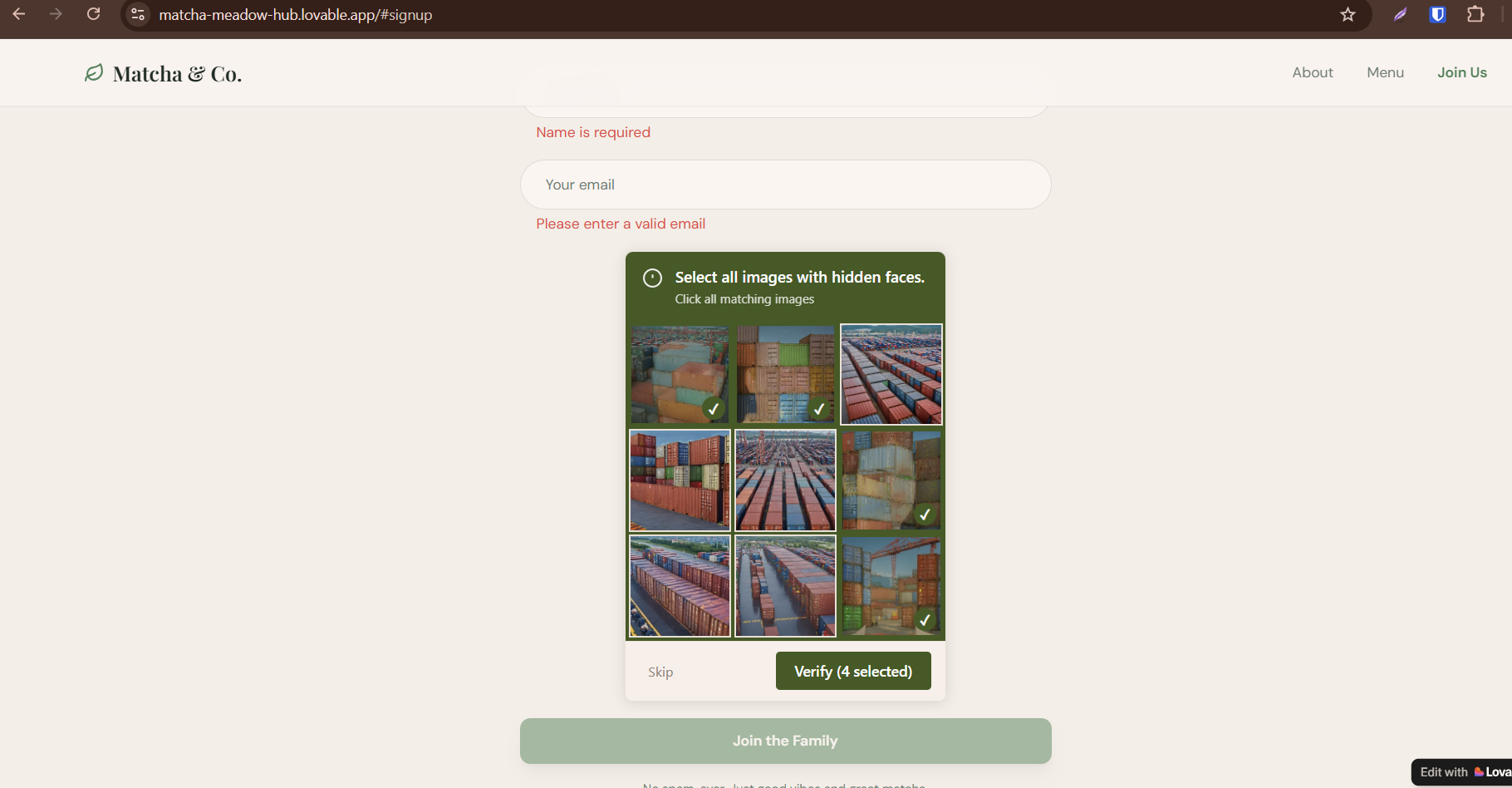
Solving the Captcha
-

How it looks after receiving the verification token


Inspiration
This project grew out of the realization that today's CAPTCHAs are effectively broken, as universal CAPTCHA solvers have become common. While modern LLMs are effective at solving traditional challenges, we identified a unique opportunity by looking not just at what humans are good at, but where we make unique errors.
Further research in neuroscience reinforced this insight: humans are hardwired to be extremely sensitive to faces, often seeing them even when there are none. This unique trait in our visual cortex is a capability that LLMs lack completely. This subtle gap between human perception and AI computation became the foundation of our approach.
What it does
Latcha is the first CAPTCHA to use optical illusions to achieve a 0% pass rate for AI models. It presents users with a 3×3 grid where they must identify images with seamlessly embedded human faces.
While humans spot these faces immediately, state-of-the-art AI models fail completely. Internal testing and surveys confirmed that while models score 0%, humans score close to 100% on the same tests. This makes Latcha a powerful "data moat" against the 1.5 billion dollar problem of automated traffic and data brokers.
Latcha is lightweight and developer-friendly, with seamless installation and integration available via npm.
How we built it
We built an automated data synthesis pipeline to generate these "AI-proof" images. First, we generate realistic human faces using thispersondoesnotexist.org, which are then passed through a custom image-processing pipeline. Within this pipeline, we remove the background and convert the face into a high-contrast luminance map. This map acts as a ControlNet steering signal fed into a diffusion model, which generates a custom scene where the human face is seamlessly embedded as a subtle optical illusion.
From this process, we generate a 3×3 grid of images, where some contain an embedded face and others do not. To receive a verification token and gain access to a website using our service, users must correctly select all images that contain an embedded face.
The website backend is hosted on Vercel, secured and globally distributed via Cloudflare, and deployed using Spaceship.
To demonstrate the CAPTCHA in a real-world setting, we built a secured demo page called “Matcha Cafe” using Lovable for rapid development, alongside our primary live demo at latcha.dev. We configured the project with npm to enable full web app functionality and domain integration. In parallel, we developed a dedicated research page that benchmarks CAPTCHA performance against different LLMs. We found that no existing models scored above 0% despite optimized prompting, and the insights gathered from this research directly informed our CAPTCHA design and modeling decisions.
Challenges we ran into
- Server instability and crashes during development
- Managing multiple services and integrations under tight time constraints
- Balancing CAPTCHA difficulty (calibrating the diffusion model and optical illusions) to remain immediately obvious to humans while achieving a 0% pass rate for AI
Accomplishments that we're proud of
- Delivering a functional and viable MVP within a short timeframe
- Successfully integrating multiple systems into a cohesive product
- Achieving a proven 0% pass rate for AI models against our CAPTCHA
- Strong collaboration and coordination across the team
- Validating a novel CAPTCHA approach with real research data and user surveys showing near 100% human success rates
What we learned
Throughout this project, we gained a deeper understanding of how modern CAPTCHAs operate and where current AI systems continue to struggle. We also saw firsthand how rapidly large language models have advanced in recent years, while identifying key areas—such as human perception, visual cortex processing, and optical illusions—where humans still maintain a clear advantage. Building Latcha reinforced the importance of clean data pipelines, continuous monitoring, and reliable infrastructure, especially when working with systems that must operate at scale. Finally, the project highlighted how critical strong communication, coordination, and trust are when working as a team under tight time constraints and high pressure.
What's next for Latcha
Our next step is to partner with companies and websites that face increasing challenges from malicious bots. We plan to focus on organizations where automated traffic poses a real threat to analytics accuracy, data integrity, user experience, and overall security.
By validating Latcha in production environments and gathering real-world performance data, we aim to refine our model, position Latcha as a robust, human-first CAPTCHA solution, and ultimately help make the internet human again.
Built With
- bluedot
- cloudflare
- css
- javascript
- lovable
- powerpoint
- python
- react
- spaceship
- stripe
- supabase
- vercel


Log in or sign up for Devpost to join the conversation.