-
-
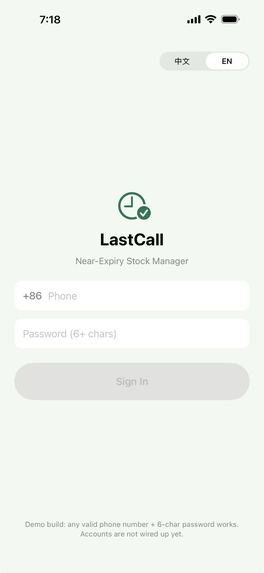
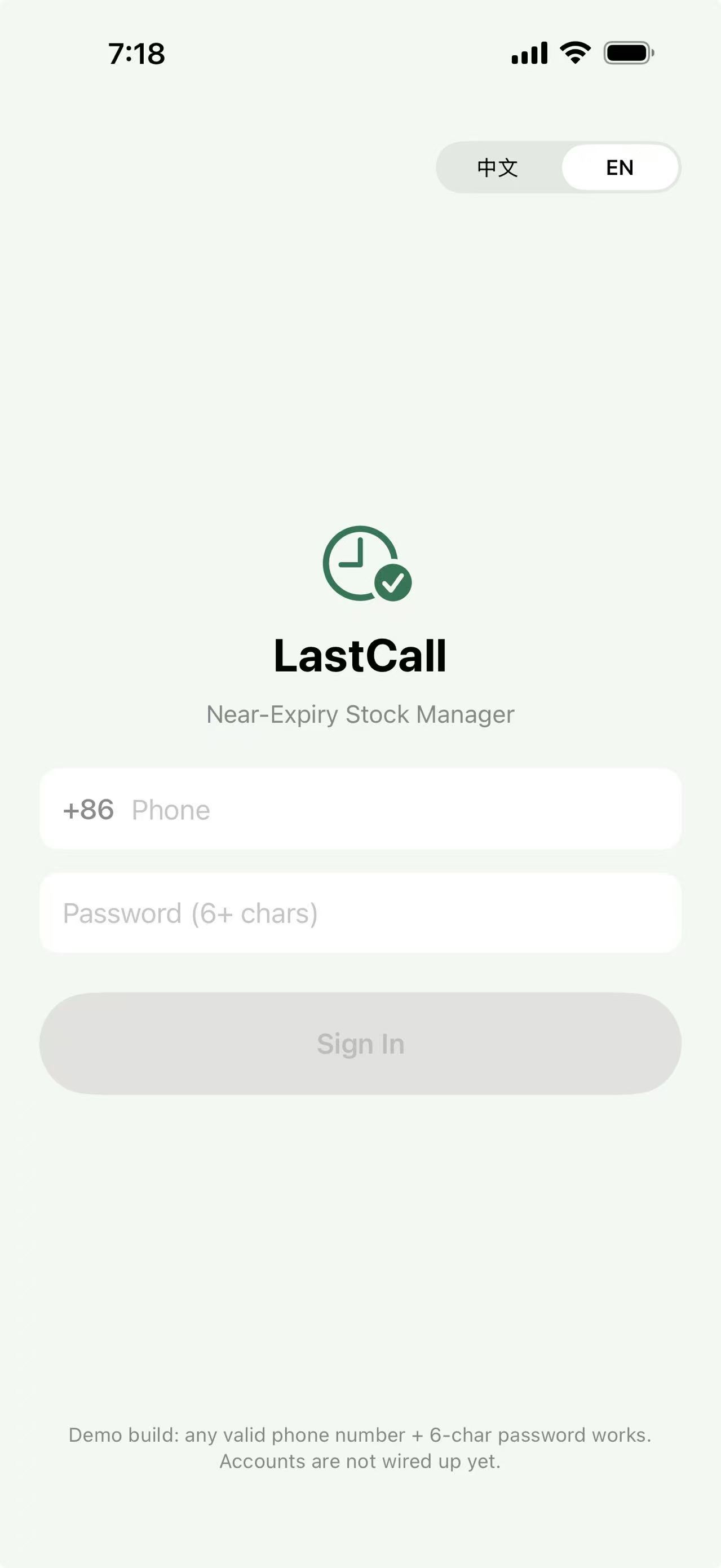
Login
-
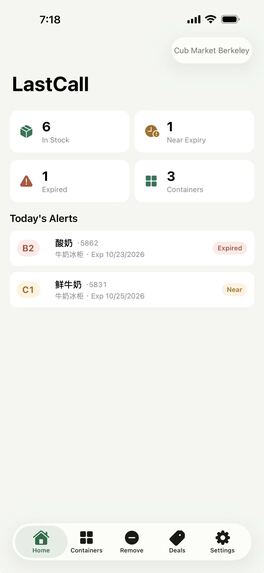
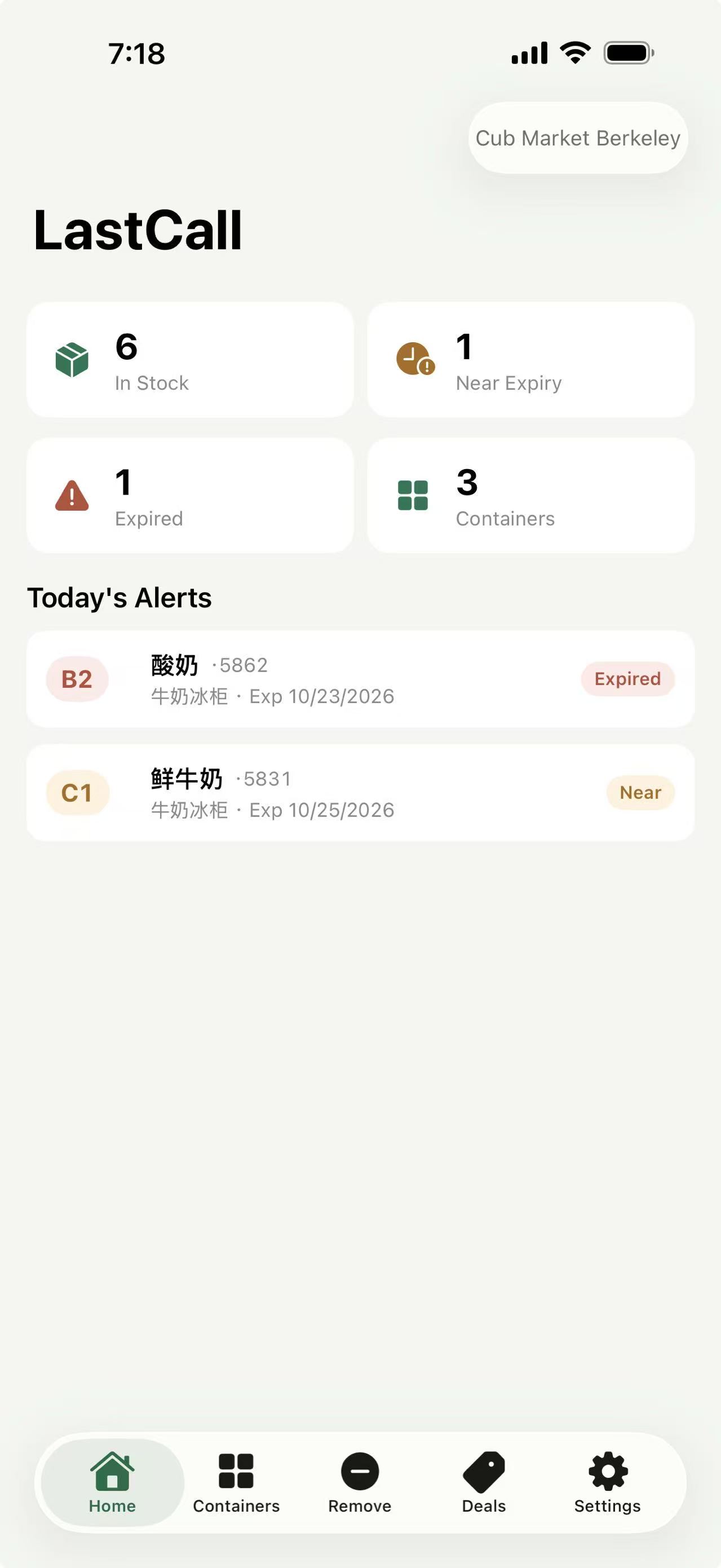
Homepage
-
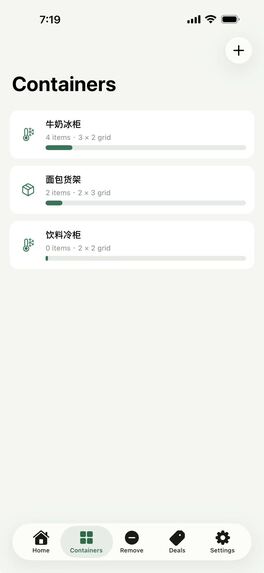
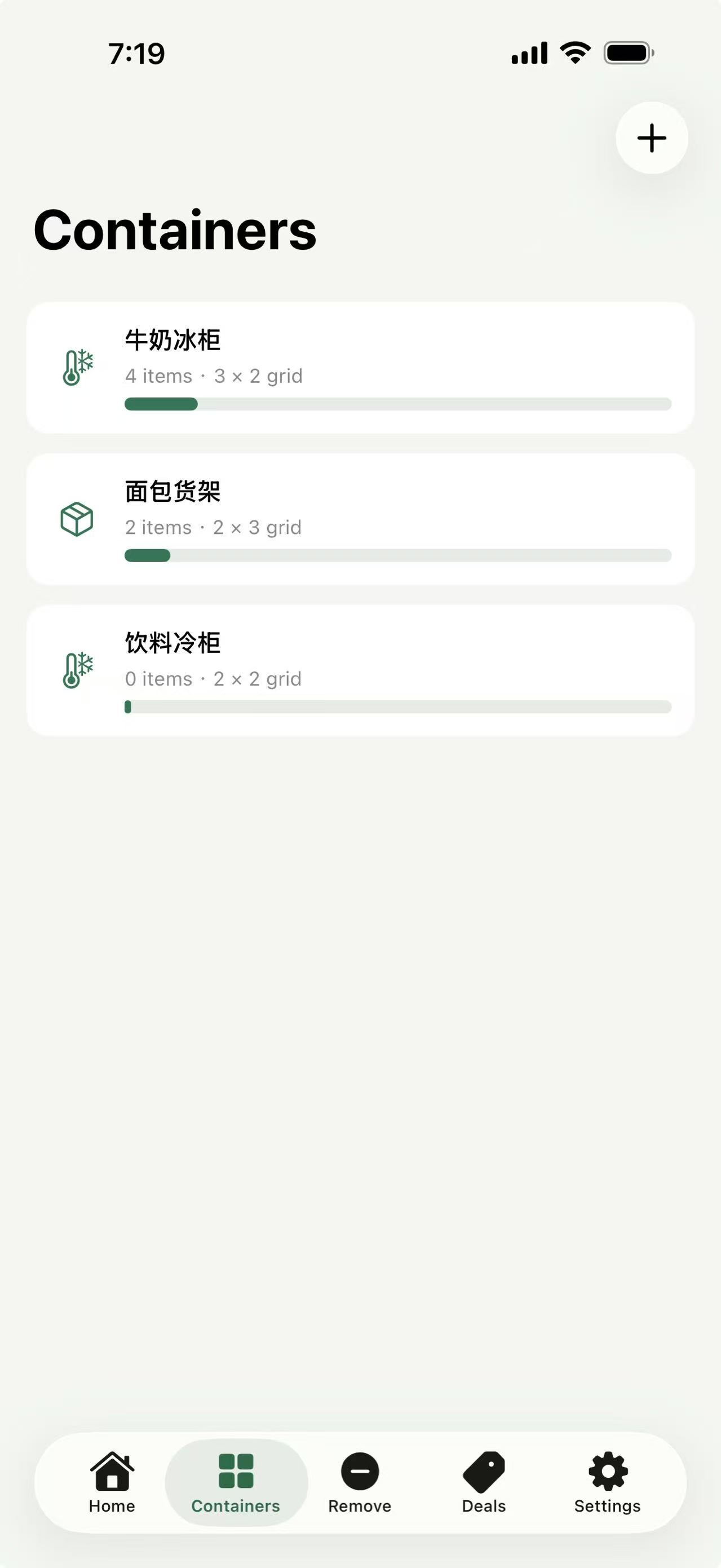
Shelves Overview
-
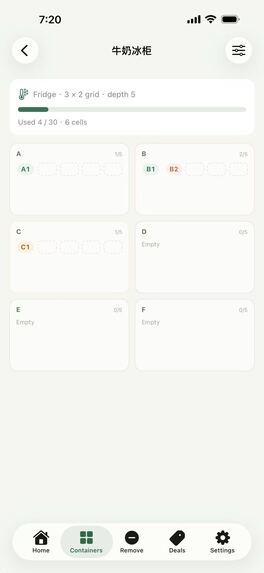
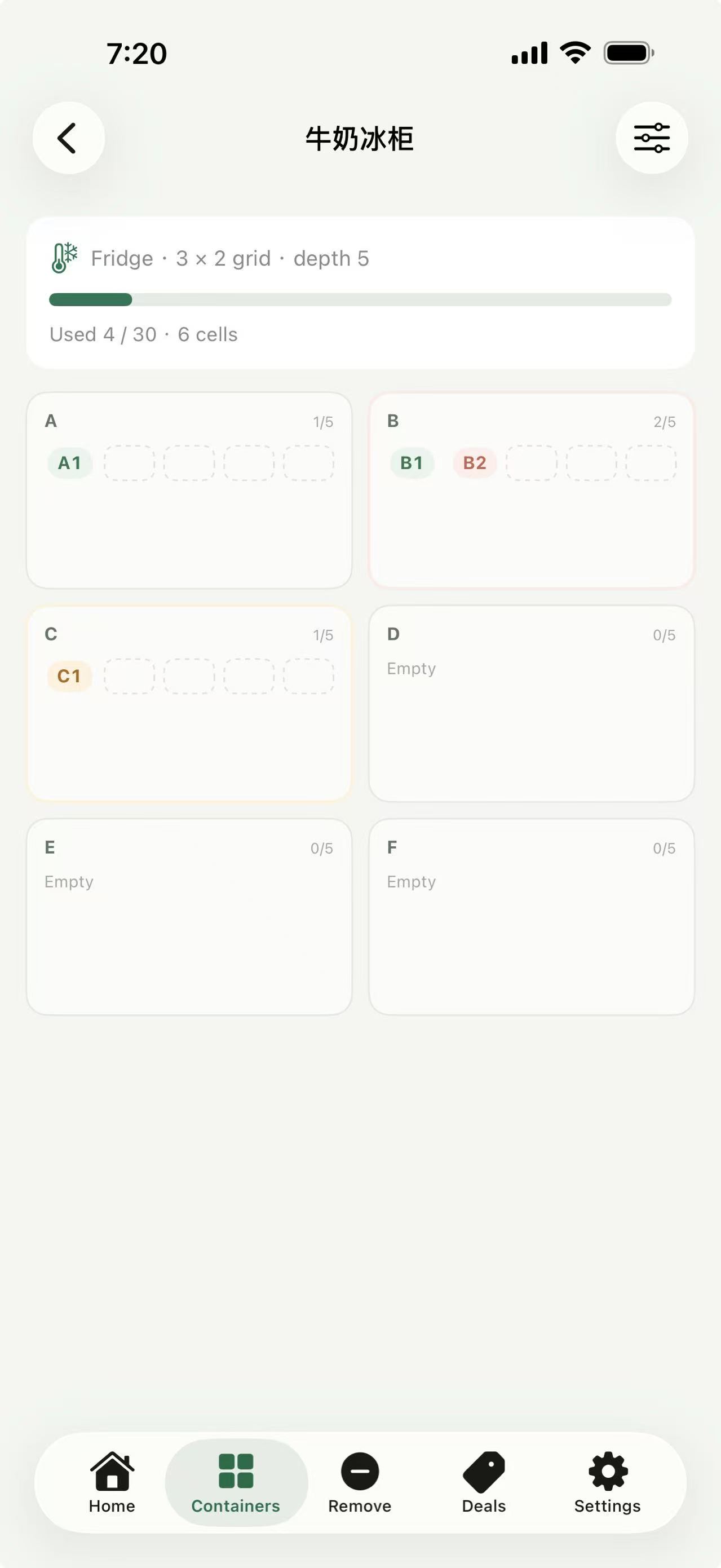
Specific Shelves
-
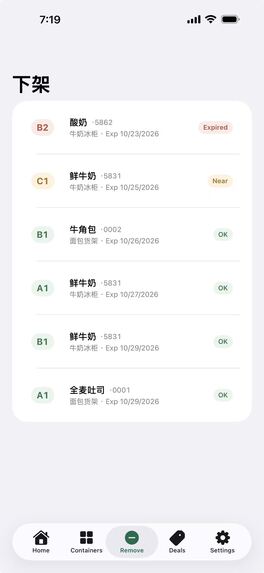
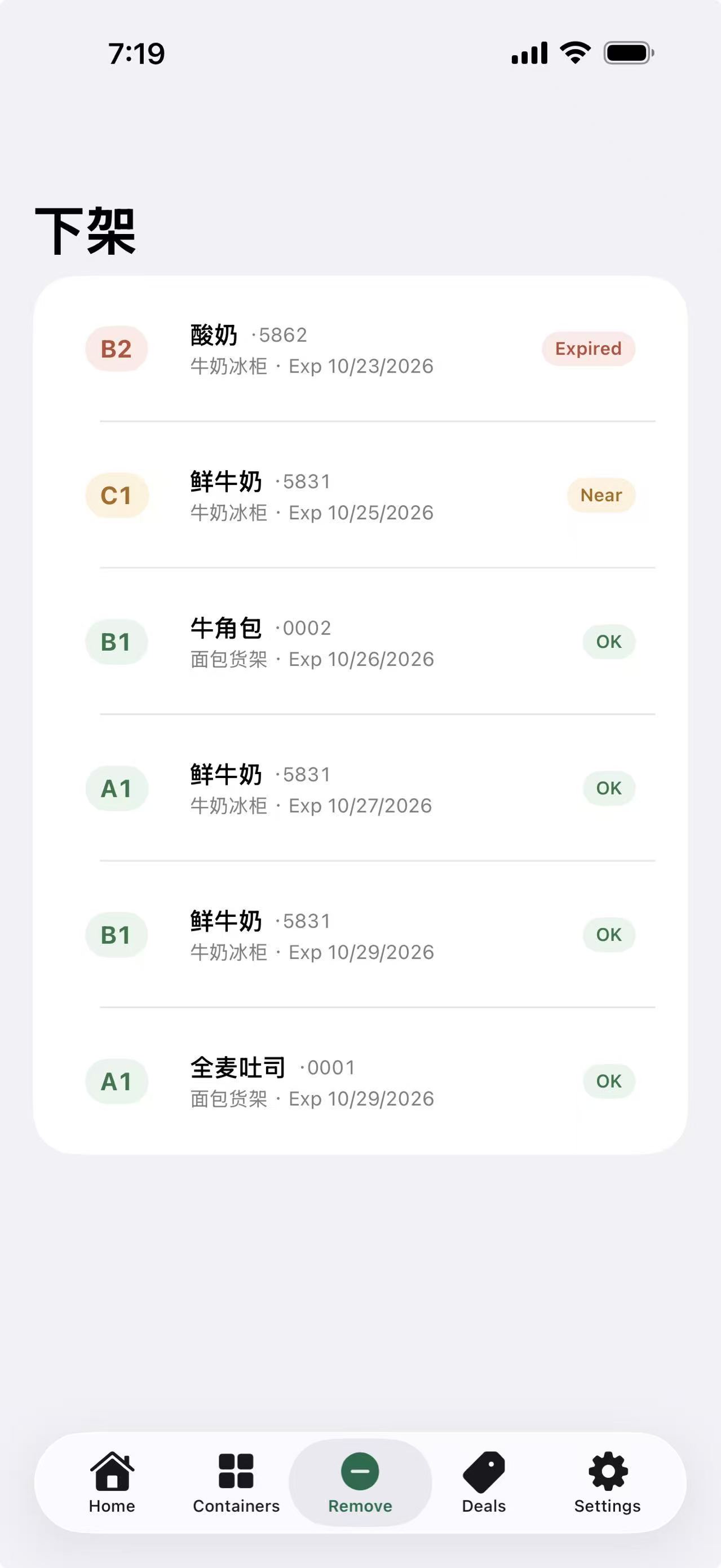
Remove Products
-
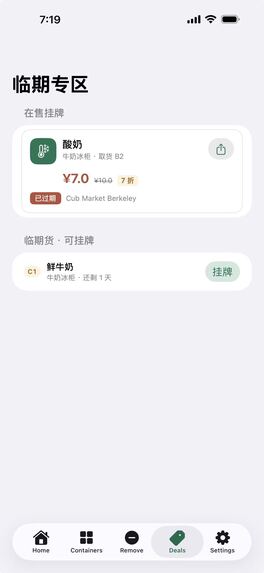
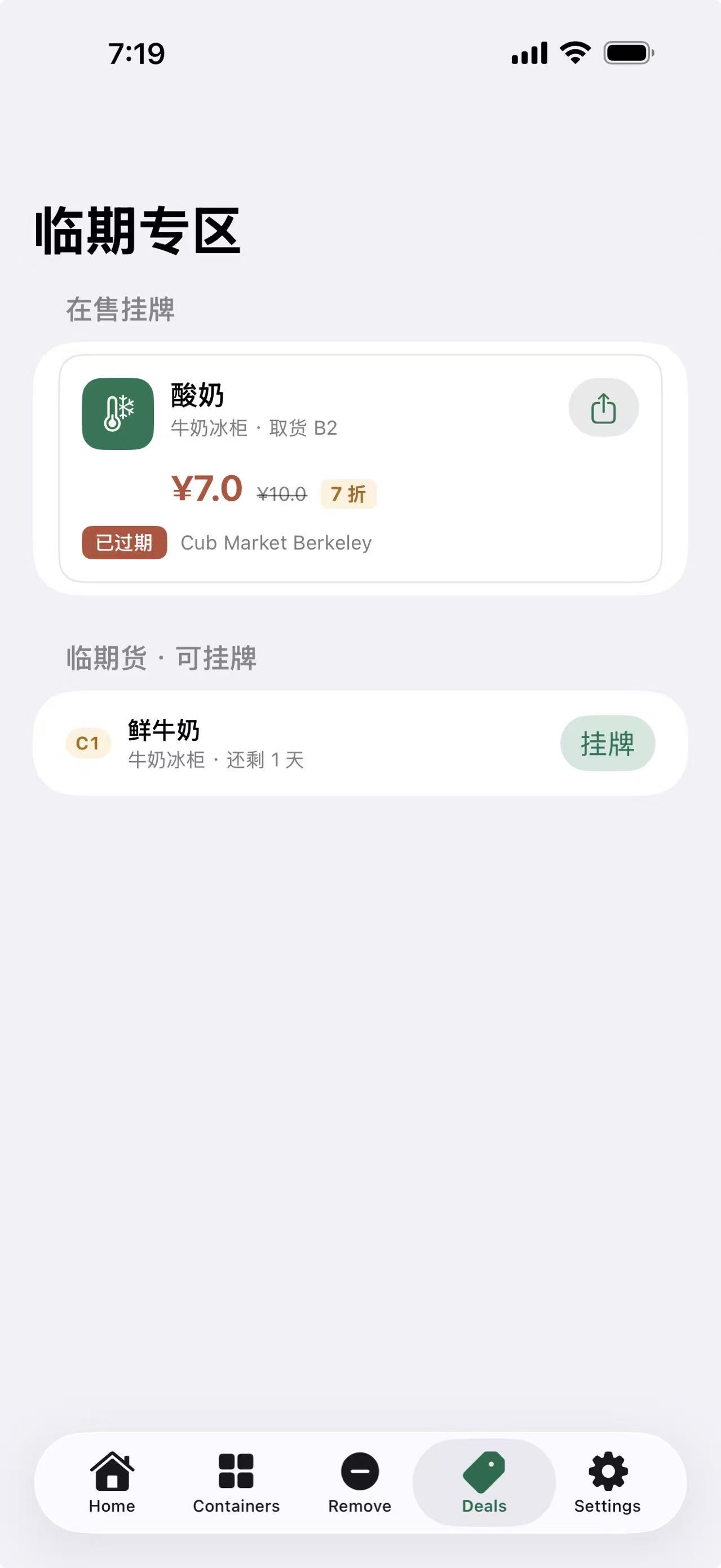
Sell
-

Removal Scan
-
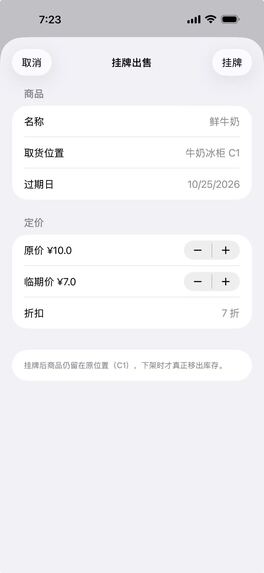
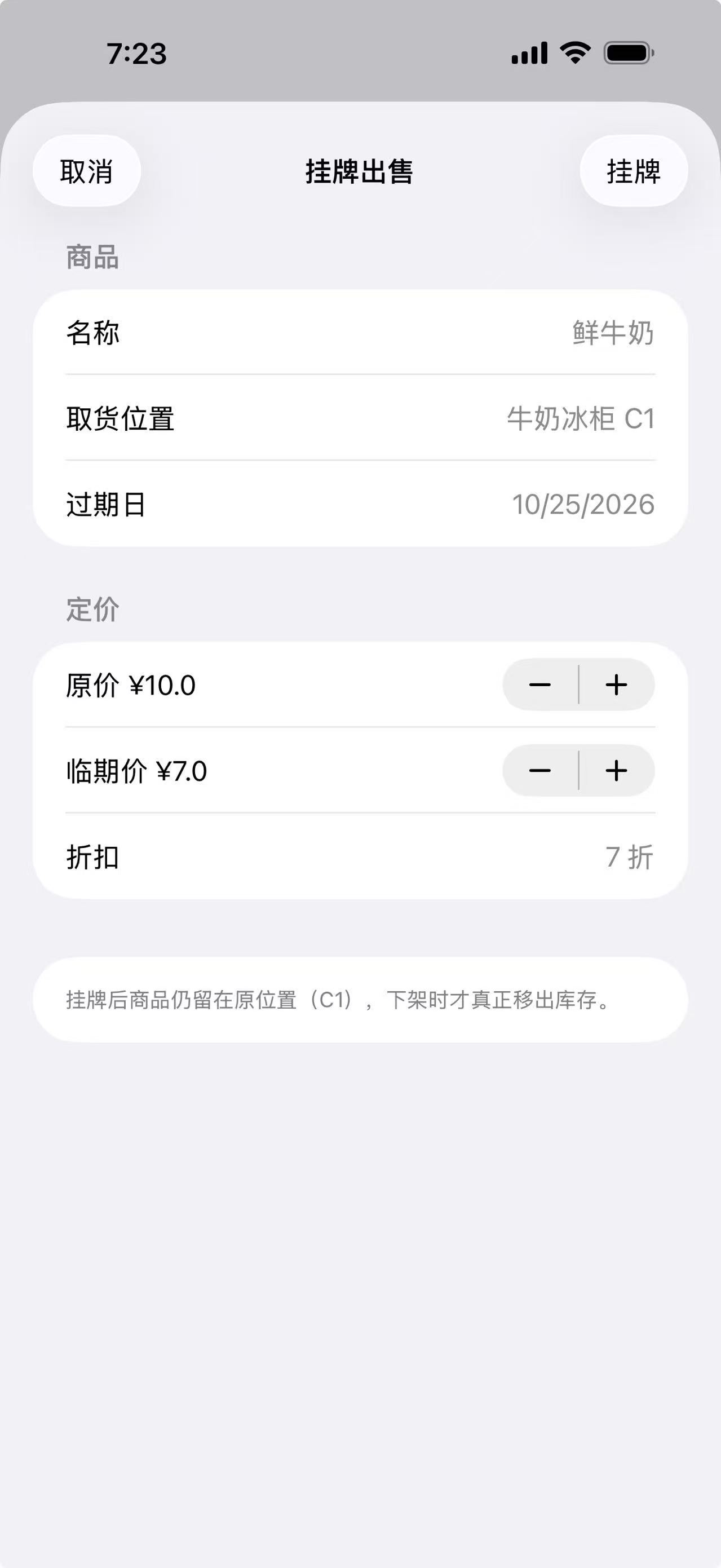
Sell Price
-
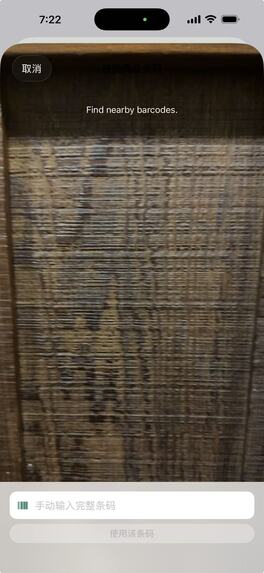
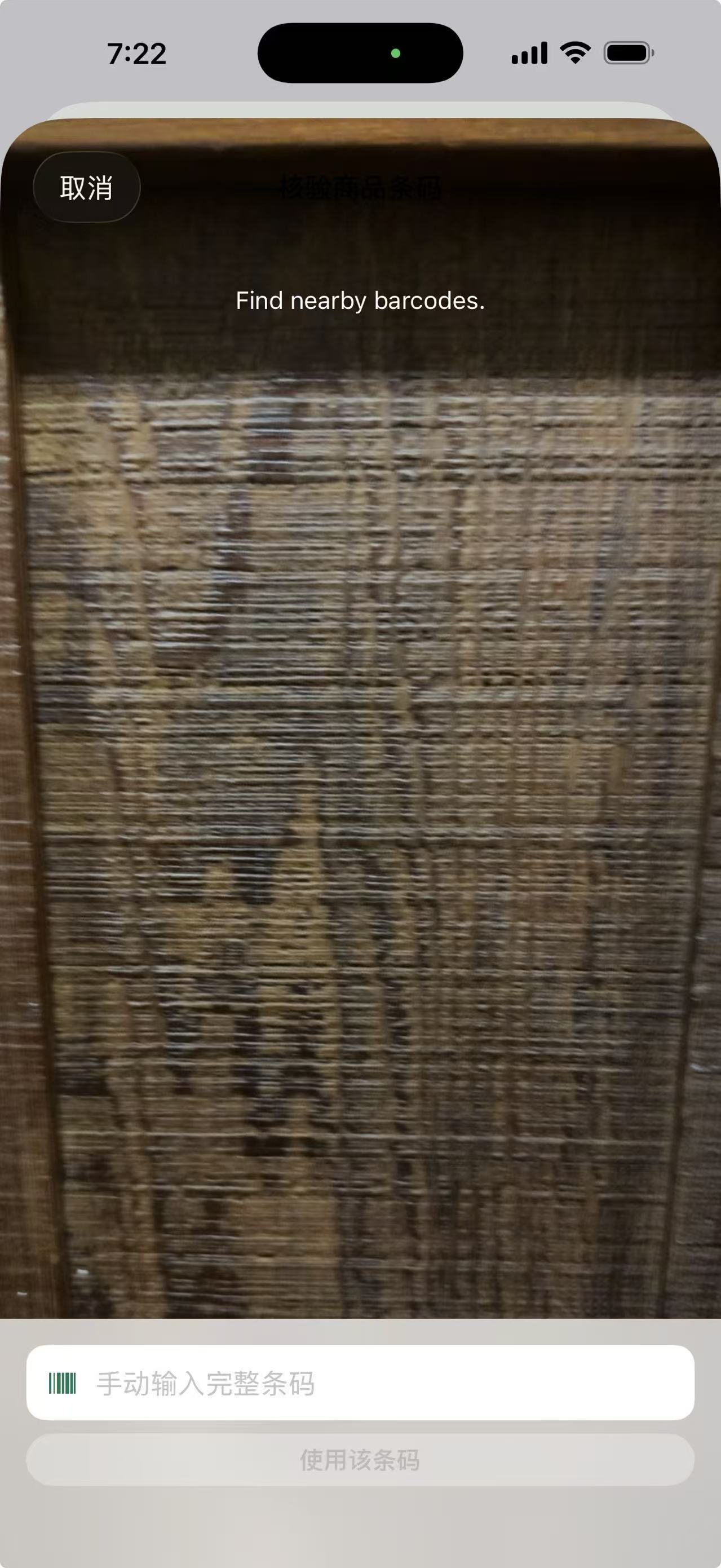
Scan Page

Inspiration
Walk into any convenience store today and the shelf variety has exploded — and so has the pain of managing expiration dates. For chains like 7-Eleven, quality control is non-negotiable: a single expired product found on the shelf means fines. Yet most small stores still check dates by hand, item by item, which is slow, error-prone, and easy to get wrong when shelves get crowded. We built LastCall to solve two problems:
- Help convenience stores manage their inventory — know exactly what's on the shelf, where it is, and when it expires, without manual date-checking.
- Help stores deal with near-expiry products — surface items approaching their deadline early enough to sell them at a discount instead of writing them off as waste.
What it does
LastCall is an iOS app that gives a convenience store a live, expiration-aware map of its shelves:
- Scan to register: scan a product's barcode, enter its production date and shelf-life in days — LastCall derives the expiry date automatically.
- Know where everything is: each item is recorded with a 3D physical location (container → slot → depth position), so staff can find it without digging through the shelf.
- Live expiry status: every item's status (fresh / nearing expiry / expired) is computed in real time from today's date.
- Scan to remove: pulling an item off the shelf is verified by scanning its barcode, which archives a removal record and automatically tightens the remaining items' positions in the same slot.
How we built it
We built LastCall as a fully native iOS app with SwiftUI + SwiftData + VisionKit + Vision — five system frameworks, zero third-party dependencies.
- Barcode scanning uses Apple's native DataScannerViewController (VisionKit), so it works completely offline.
- SwiftData provides local persistence — the entire demo runs in airplane mode.
- All date math uses Calendar.date(byAdding:) with start-of-day normalization, so expiry status is correct across time zones and daylight-saving changes.
- Removing an item is a single atomic transaction: write the removal snapshot, delete the item, and shift the depth indices of everything behind it in the same slot — so the shelf map never goes inconsistent.
- We deliberately kept the whole app in just five Swift files, using // MARK: sections for navigation.
Challenges we ran into
- Barcode scanning: Safari's BarcodeDetector isn't reliably available, so we committed to a native app and Apple's VisionKit stack — which turned out to be fully offline and free.
- Date correctness: naive "add 86400 seconds" date math breaks across daylight-saving transitions; we rebuilt all expiry logic on Calendar APIs with day-level normalization.
- Physical-location consistency: deleting an item mid-slot would orphan the depth indices of items behind it — we designed an invariant set for the shelf data model and enforced it in the removal transaction.
- Barcode as data: barcodes like 0641234567 lose leading zeros if stored as numbers — we enforce string storage everywhere.
Accomplishments that we're proud of
- A complete, working demo running on a real iPhone — scan, register, locate, monitor, and remove products — entirely offline.
- Zero third-party dependencies: everything is Apple's own frameworks, keeping the app tiny, fast, and auditable.
- A small set of data invariants (documented before we wrote the code) that the shelf model provably maintains, even under mid-slot deletions.
What we learned
- The hard part of expiry management isn't detecting "expired" — it's keeping the physical model (where things actually sit on a shelf) in sync with the digital one.
- Native platform frameworks covered far more than we expected: we never needed a single external package.
- Designing data invariants before implementing features saved us from a class of bugs that would have been brutal to debug live.
What's next for LastCall
- Ship it on the App Store, and build out two sides of the product: a merchant app and a consumer app.
- Every store registered on LastCall gets its own online storefront, where it can directly sell its near-expiry products at a discount.
- As more stores join, these storefronts connect into a network: a store's "unsellable in time" surplus becomes another neighborhood's half-price aisle — turning food waste into revenue, one last call at a time.
- We will also start building physical stickers/monitors/automated robot for higher efficiency replacement that connected to LastCall


Log in or sign up for Devpost to join the conversation.