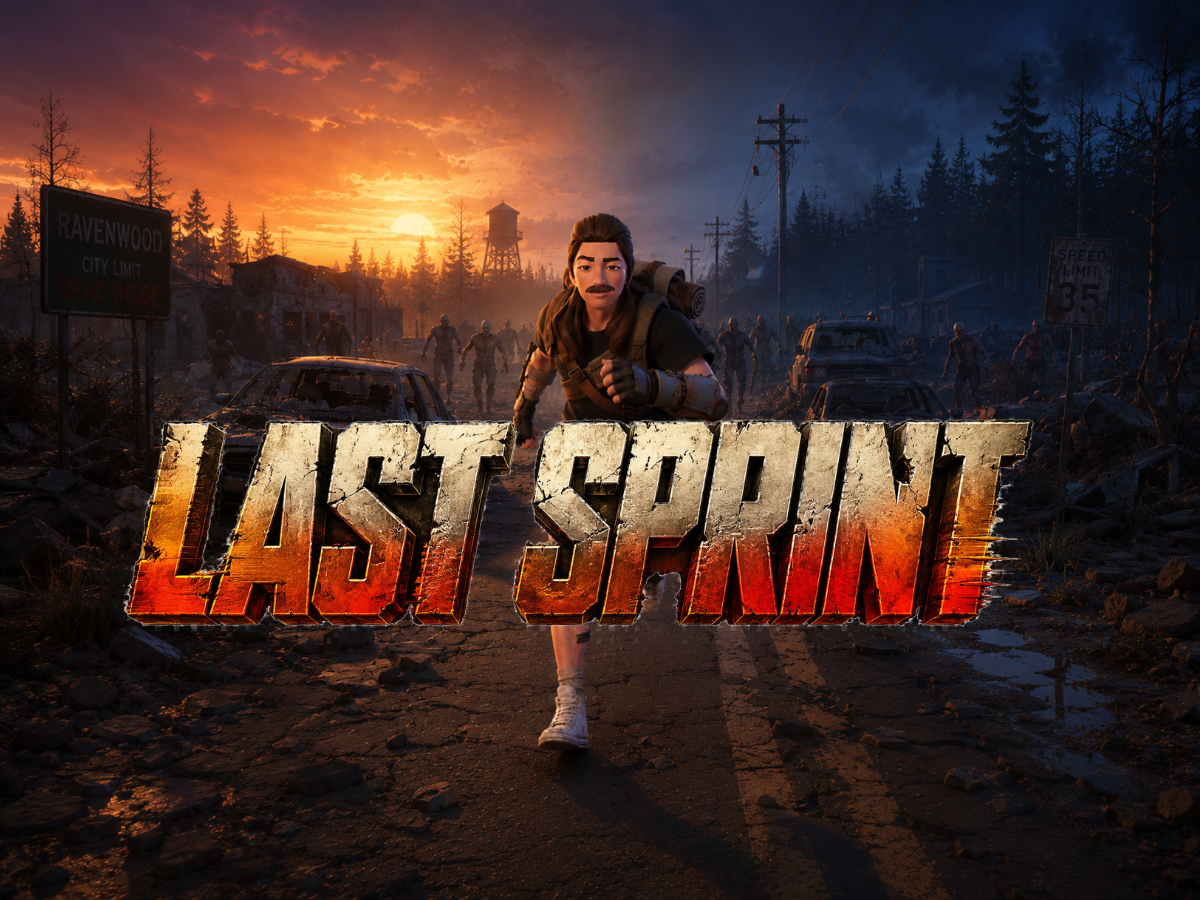
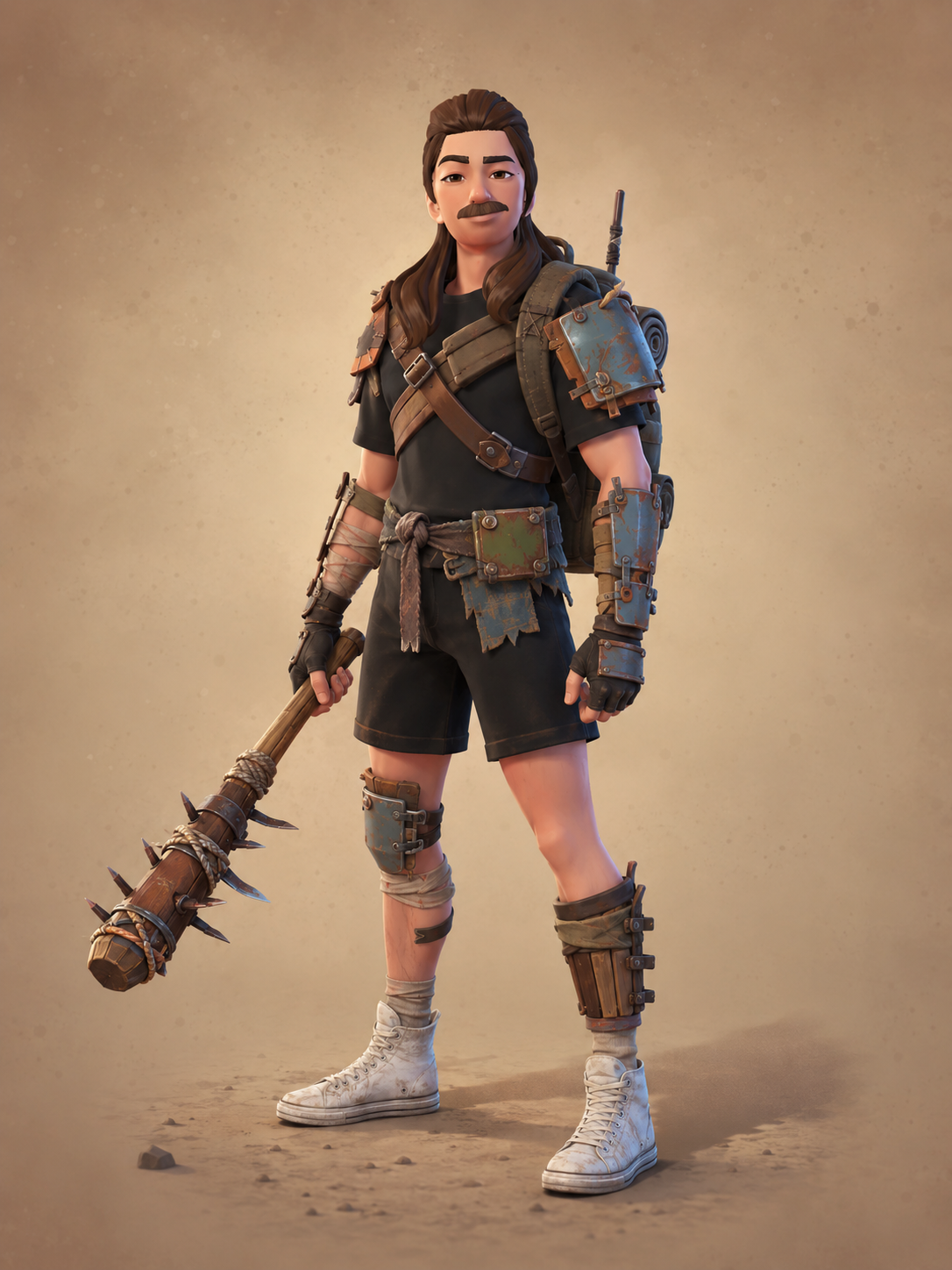
In Last Sprint, it's the end of the world and you're the last one running
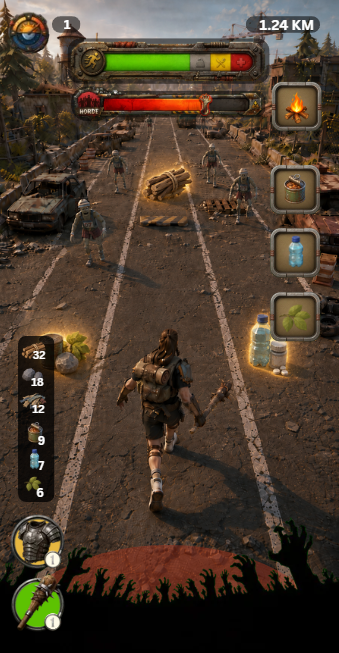
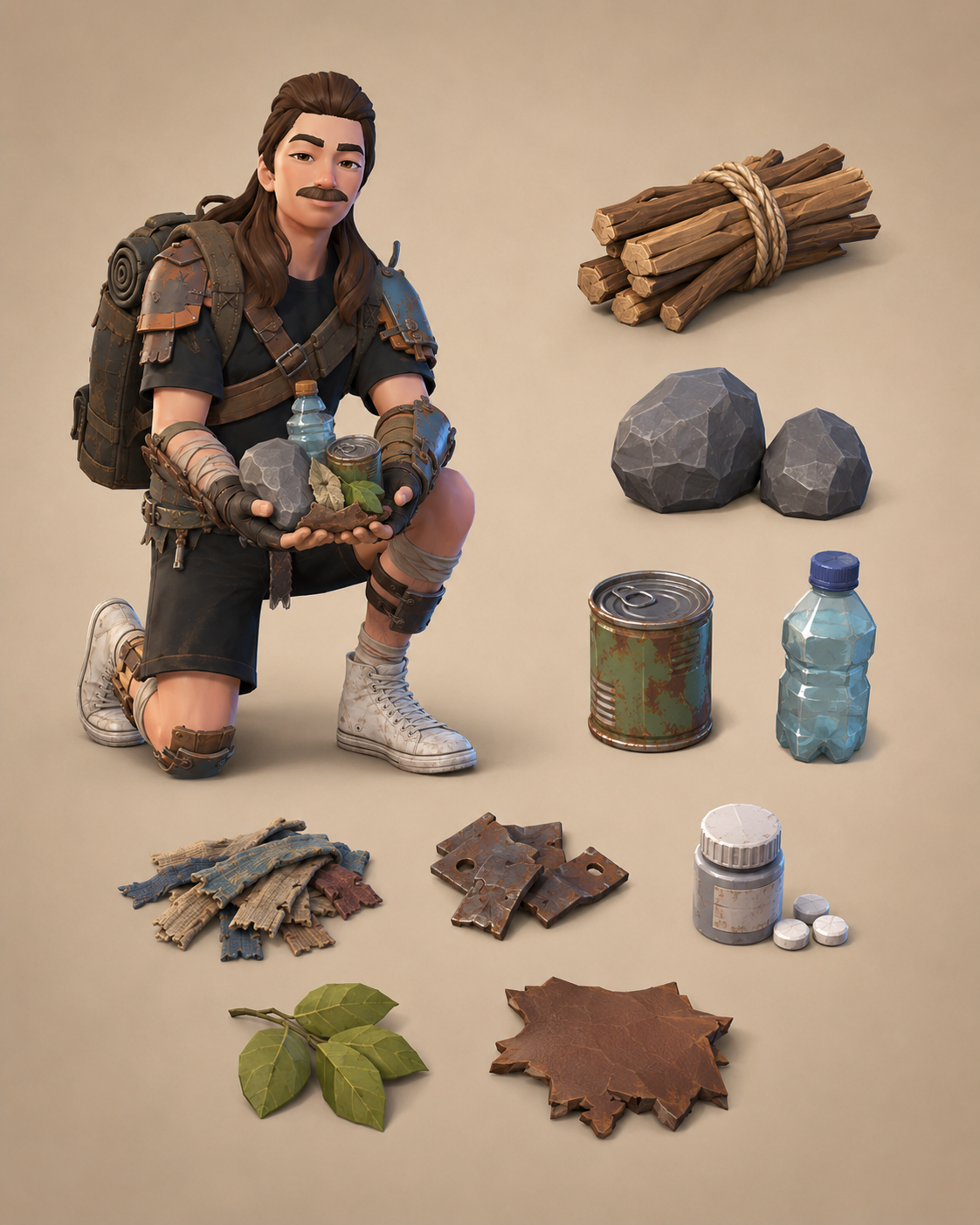
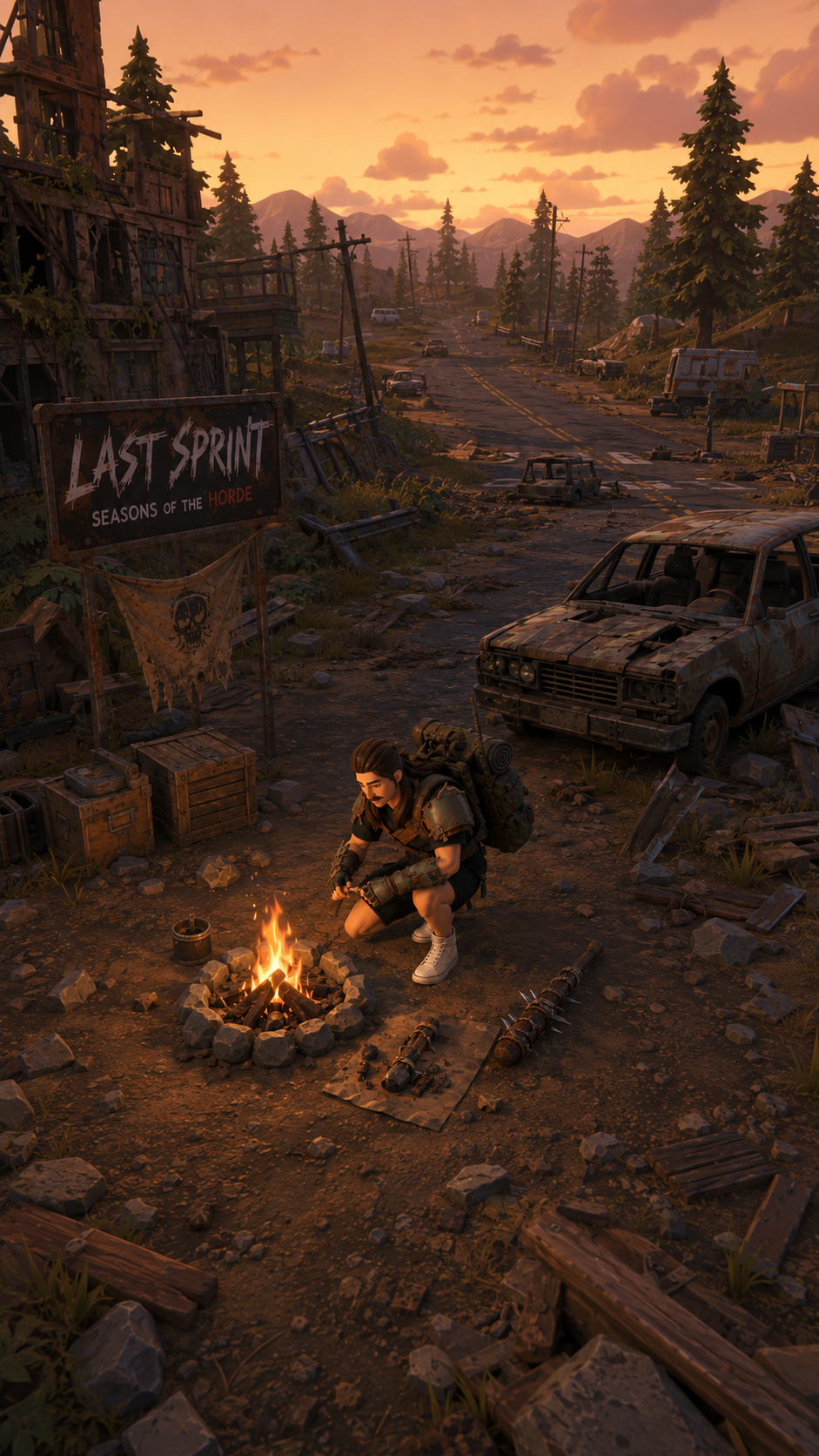
The horde is always somewhere behind you, and survival is not just about running fast. In this game, you must dodge hazards, scavenge resources, manage stamina, face oncoming zombies, and use temporary campfires to craft just enough gear to survive the next stretch of road.
Unlike a traditional infinite runner, the goal is not only to chase distance. You are also managing survival conditions. Stamina, hunger, health, and equipment burden all affect how long you can keep moving. A good run is not just about reflexes. It is about knowing when to use stamina, what to collect, what to craft, and what risks are worth taking.
Inspiration
Last Sprint was inspired by the instant readability of lane-based runners combined with the survival tension of Project Zomboid, Don’t Starve, and PEAK. I wanted to explore what would happen if an infinite runner was not only about reflexes and distance, but also about survival decisions and trade-offs.
How we built it
The game artifacts were built using a combination of Grok, ChatGPT, Claude, and Canva in combination with Meta provided design templates. Grok for initial ideation, ideation pushback, and next step suggestions. ChatGPT for bulk ideation, refinement, image generation, and cross checking submission against judging criteria. Canva for Visual Concept Package creation and wireframing. Claude for final GDD polish and more coherent prose.
Challenges we ran into
The biggest design challenge was making the game feel like a true survival game while still keeping the accessibility of an infinite runner. Survival games often rely on slower pacing, inventory management, and long-term planning, while runners rely on speed, clarity, and instant reaction. The challenge was finding a structure where both could work together.
Another challenge was scope. The full vision includes seasons, weather, day/night cycles, character archetypes, perks, sickness, bite infection, multiple zombie types, and lightweight multiplayer presence like in the game Flow. For the MVP, I had to cut many of those ideas and focus only on the systems that prove the core loop: running, stamina, horde pressure, resources, crafting, equipment burden, and campfires.
The visual concept package was a challenge to create while working with AI. It ended up working as a good general frame work, however the submitted document needed to be manually generated in Canva.
What we learned
I learned a lot about current AI capabilities and collaboration skills. It is incredibly helpful.
It's amazing how a well crafted design document, player journey, production plan, and visual concept package can create a clear developer journey and solve many of the production problems before they even have a chance to appear. This investment in time and effort will inevitably save time, effort, and money in the long run.
I grew a lot as a game designer from this competition. I want to thank the Meta Horizon team for providing a strong foundation of structure and templates to build from.
Built With
- canva
- chatgpt
- claude
- grok
- horizonavatars
- mhcp


Log in or sign up for Devpost to join the conversation.