Inspiration
The central inspiration for Last Dinner is the narrative containment and psychological tension of Coherence, specifically its brilliant use of a single, intimate location to explore mind-bending existential concepts. We deliberately strip away the conventional spectacle of the apocalypse, focusing instead on the blackly comedic and profoundly desperate human reaction to an overwhelming crisis. The core idea is: When survival is reduced to its final five members, the greatest conflict is not external, but internal—the clash between the mundane comfort of routine (the dinner, the prayer) and the paralyzing dread of ultimate meaninglessness.
What it does
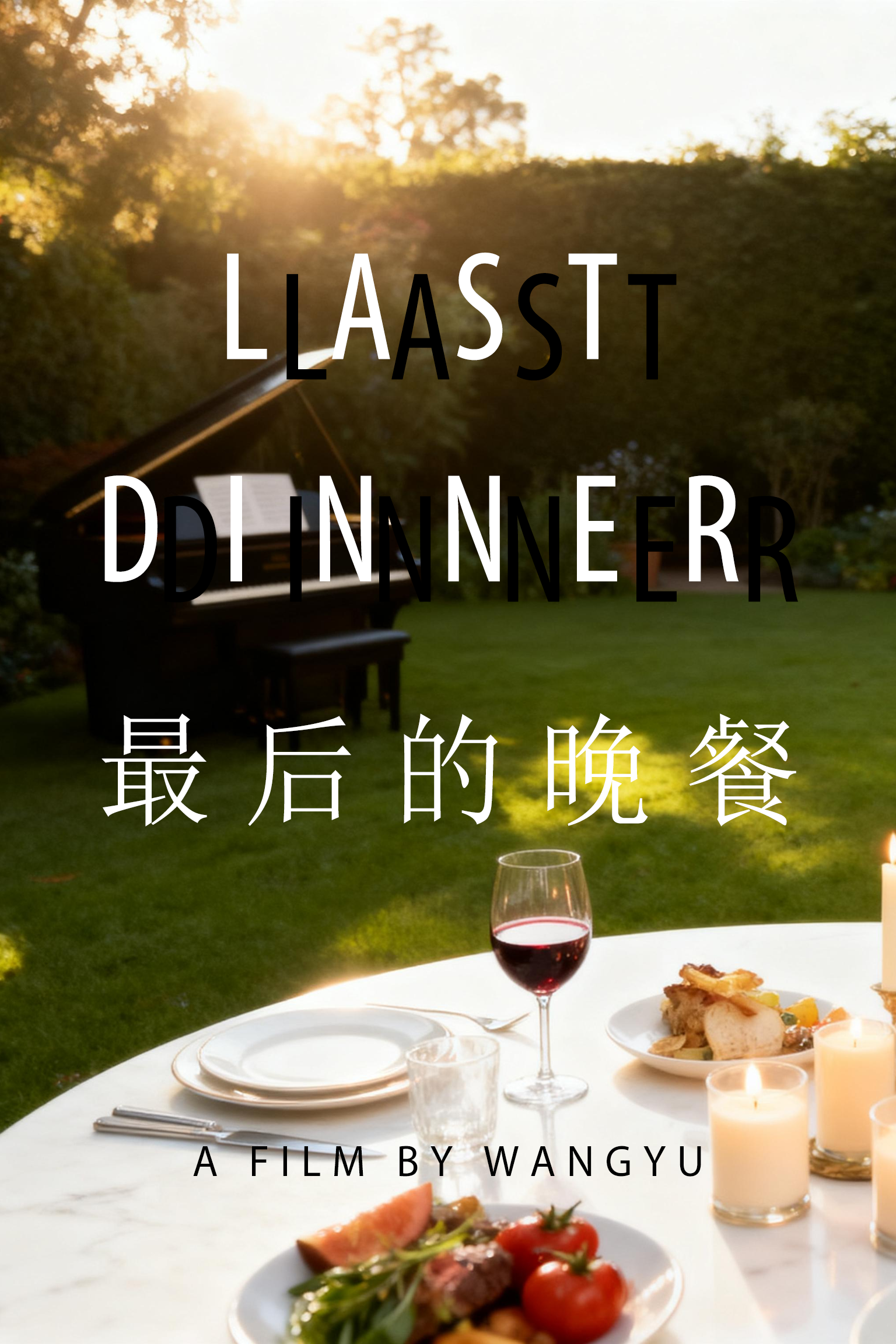
Last Dinner is a micro-budget, high-concept AIGC (AI-Generated Content) psychological sci-fi short film. It is designed to be a potent proof of concept for serialized or feature-length content driven by AI-powered emotional realism. Creates Radical Juxtaposition: The short film dramatically shifts from a warm, candlelit family dinner to the sterile, blue-lit reality of a metallic spaceship corridor outside of which lies a dying, reddish Earth. Drives Emotional Conflict: It captures the friction between the practical leader, Adam, and the emotionally fragile scientist, Lilith, using the table setting as a psychological pressure cooker. Pulls the Rug: The climactic reveal is not what happened, but where they are, abruptly shifting the genre from a contained domestic drama to hard sci-fi.
How we built it
The entire production was a fast-turnaround case study in leveraging a cutting-edge AIGC toolchain for cinematic storytelling: Core Visuals and Mood: Seedream 4.0 was utilized for scene composition, complex lighting (the flickering candlelight), and rendering the final exterior shot of the desolate Earth and starscape. Movement and Performance: Veo 3 handled the generation of the principal movement, ensuring subtle, natural actions like pouring wine, passing utensils, and the critical moment of Lilith's shoulder trembling. Detailed Acting & Micro-Expressions: Seedance 1.0 Pro was employed to fine-tune the character performance, especially capturing the nuanced change in Shinji’s expression and the silent, rolling tears of Lilith. Post-Production: CapCut served as the final assembly tool, integrating the visuals, adding the distinct sound of the piano nocturne, and executing the smooth, impactful transition from the dining room door to the starship corridor.
Challenges we ran into
Controlling the Mundane: The greatest technical hurdle was instructing the AI to generate subtle, unremarkable actions (eating quietly, lifting a glass) necessary for establishing the false sense of routine, which AIGC often struggles with, defaulting to over-stylization. Character Voice Consistency: Maintaining the distinct personalities across dialogues—from Shinji's dark humor to Yhwh's philosophical depth—required iterative, highly specific text prompting to ensure the AI's generated dialogue matched the established character profiles. The Transcendent Reveal: Achieving the smooth, yet shocking, reveal of the metal corridor behind the ordinary bedroom door demanded careful coordination between the visual generation tools and the final edit to ensure maximal emotional impact.
Accomplishments that we're proud of
High-Impact Emotional Arc: We successfully delivered a powerful emotional arc, escalating from forced celebration to breakdown, and culminating in a detached, philosophical resignation. Efficiency and Speed: We validated a robust AI pipeline, proving that a conceptually heavy, performance-driven short film can be generated with a fraction of traditional production time and budget. Thematic Resonance: The sequence where the characters articulate what they would do on their "last day" provides a highly relatable and powerful exploration of human priorities at the point of extinction.
What we learned
AIGC Requires "Emotion-First" Prompting: We learned that generating compelling drama requires prompts that focus on emotional states and subtext (e.g., "pressured, forced smile") rather than simply physical descriptions. The Power of Sound Design: The introduction of the Chopin Nocturne was crucial. It acted as an auditory cue, instantly shifting the atmosphere from tense dialogue to melancholic reflection, demonstrating sound's ability to drive narrative mood. Subversion is Key: The ultimate takeaway is that in the AI era, cinematic impact comes from subversion. The biggest "action sequence" is the silent opening of a single door to reveal the cold, silent truth.
What's next for Last Dinner
Feature Development: We are packaging this short film as a visual treatment to develop a feature-length script exploring the wider mission—the actual work they are doing daily to save humanity. Interactive Storytelling: Exploring a branched narrative format where the audience decides if the crew should prioritize the work (Adam's path) or give in to despair (Lilith's path), leading to different AI-generated outcomes. Festival Circuit: Submitting to major short film and AIGC festivals to showcase the potential of AI in generating character-driven, emotionally resonant science fiction.
Built With
- capcut
- english

