-
-
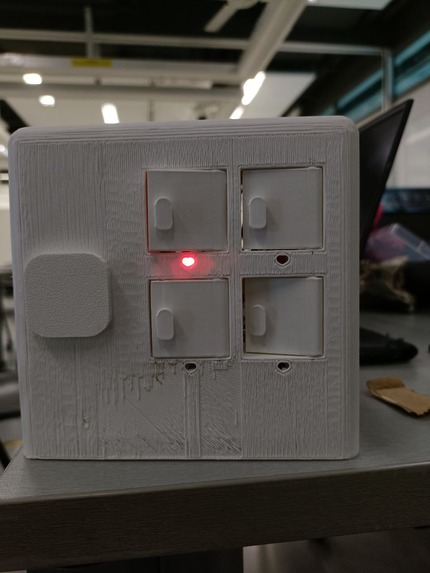
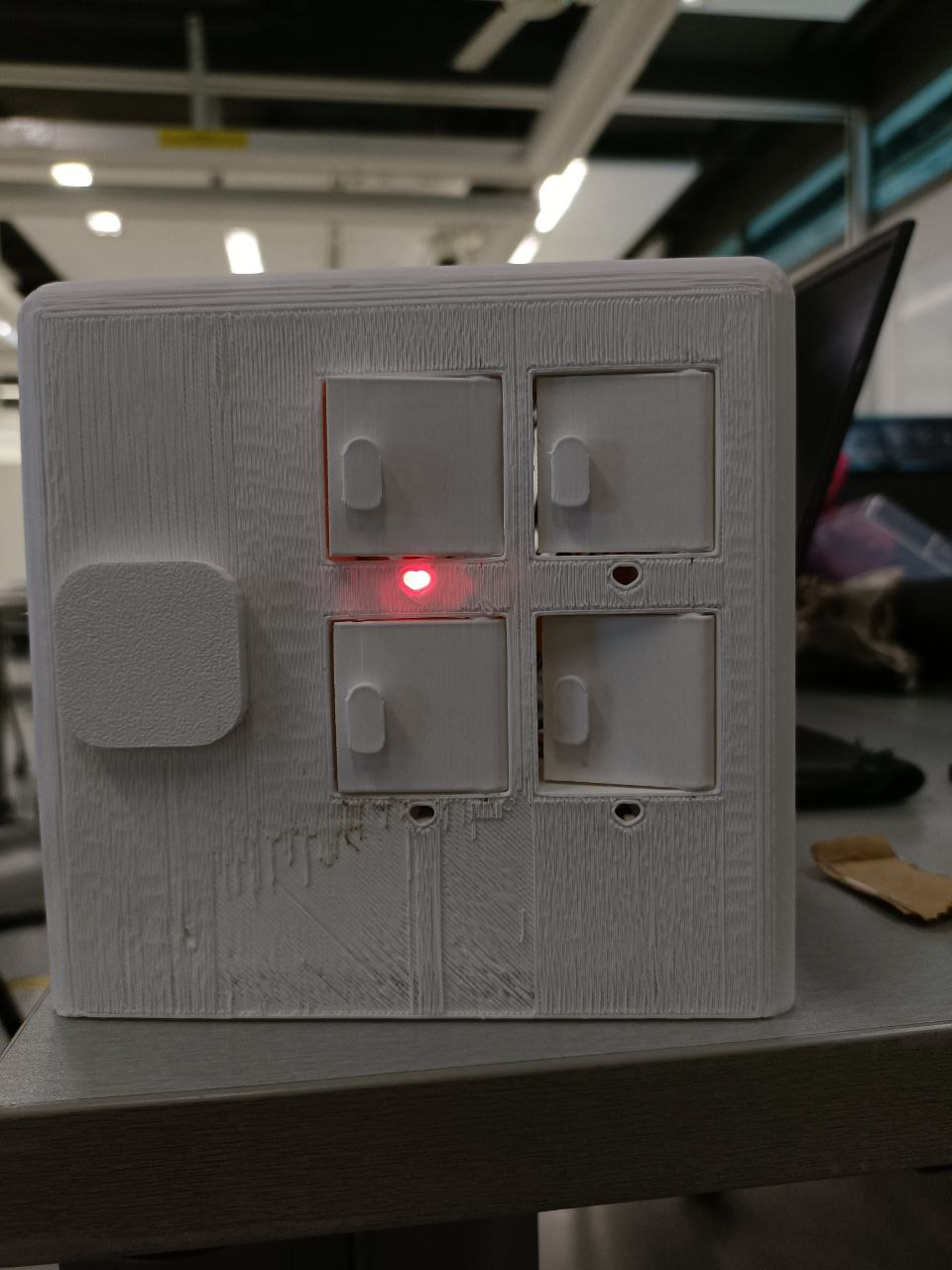
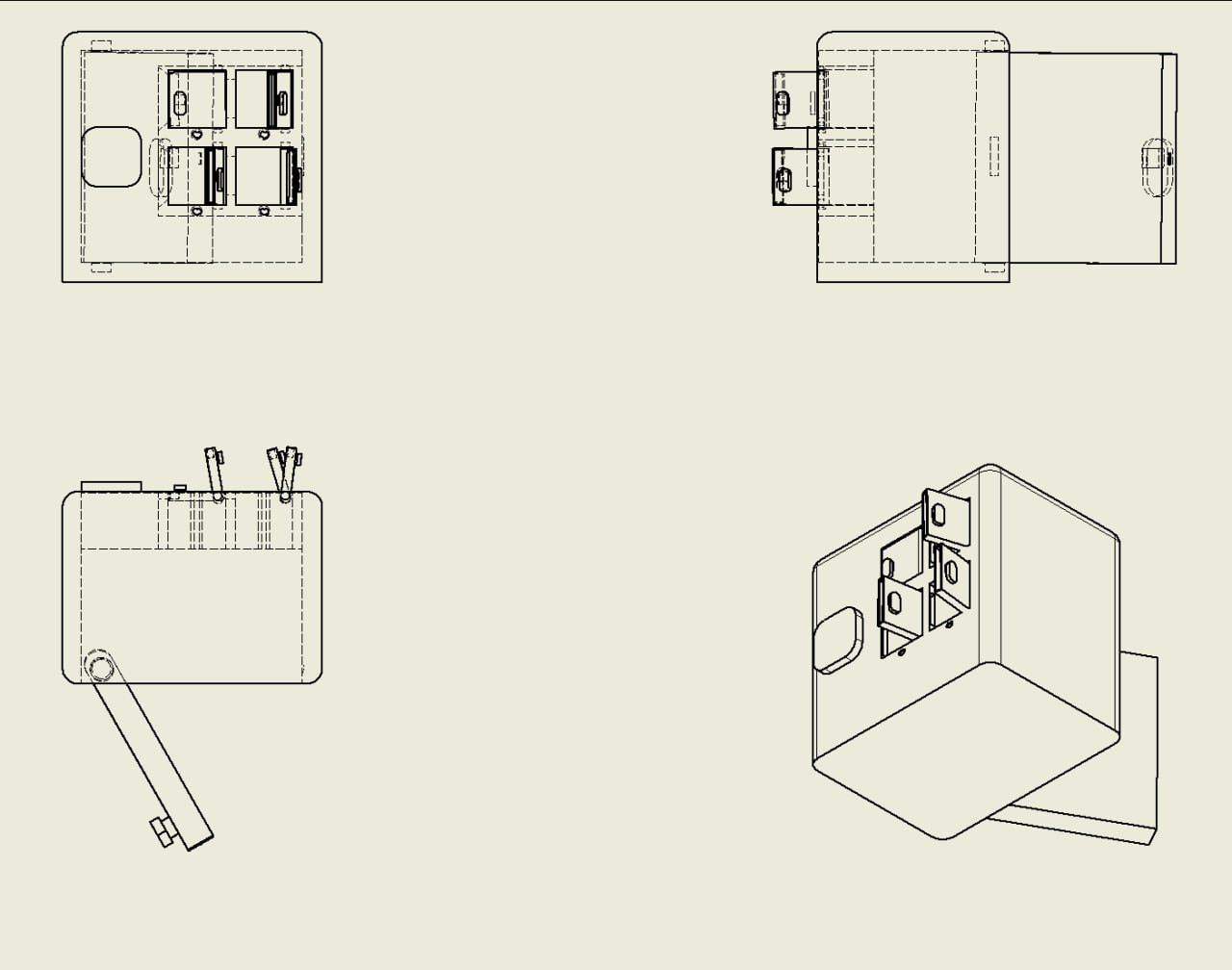
The Care Locker - Closed
-
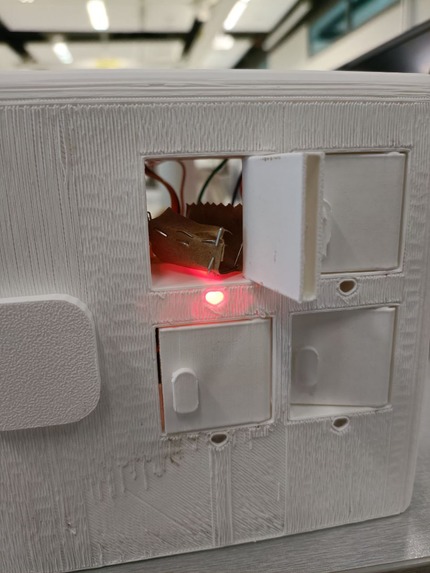
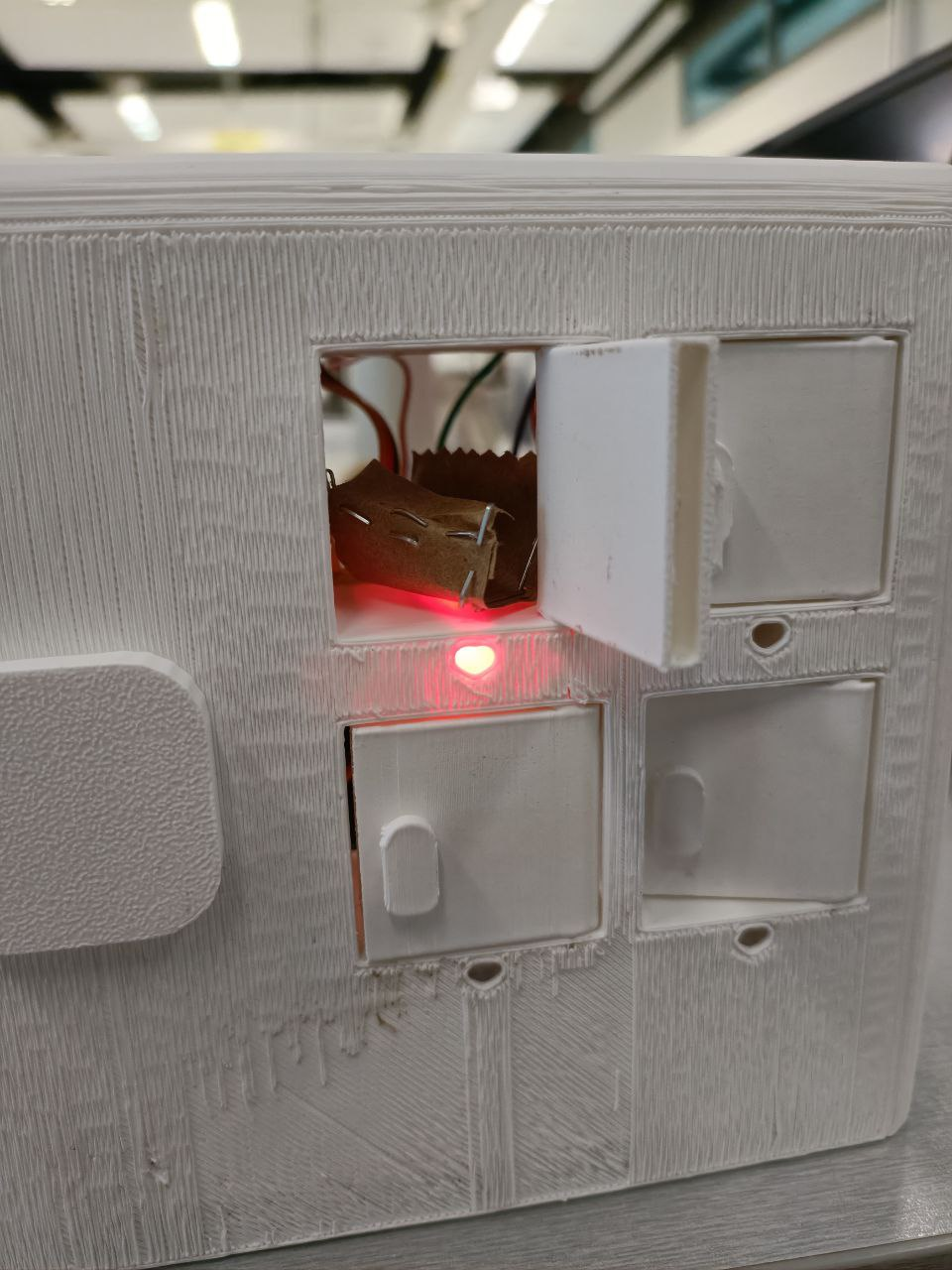
The Care Locker - Opened
-
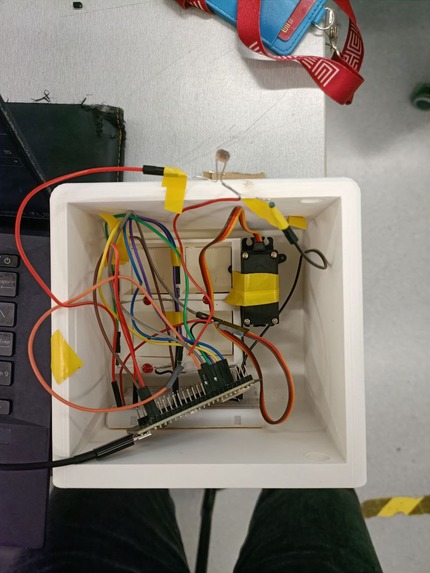
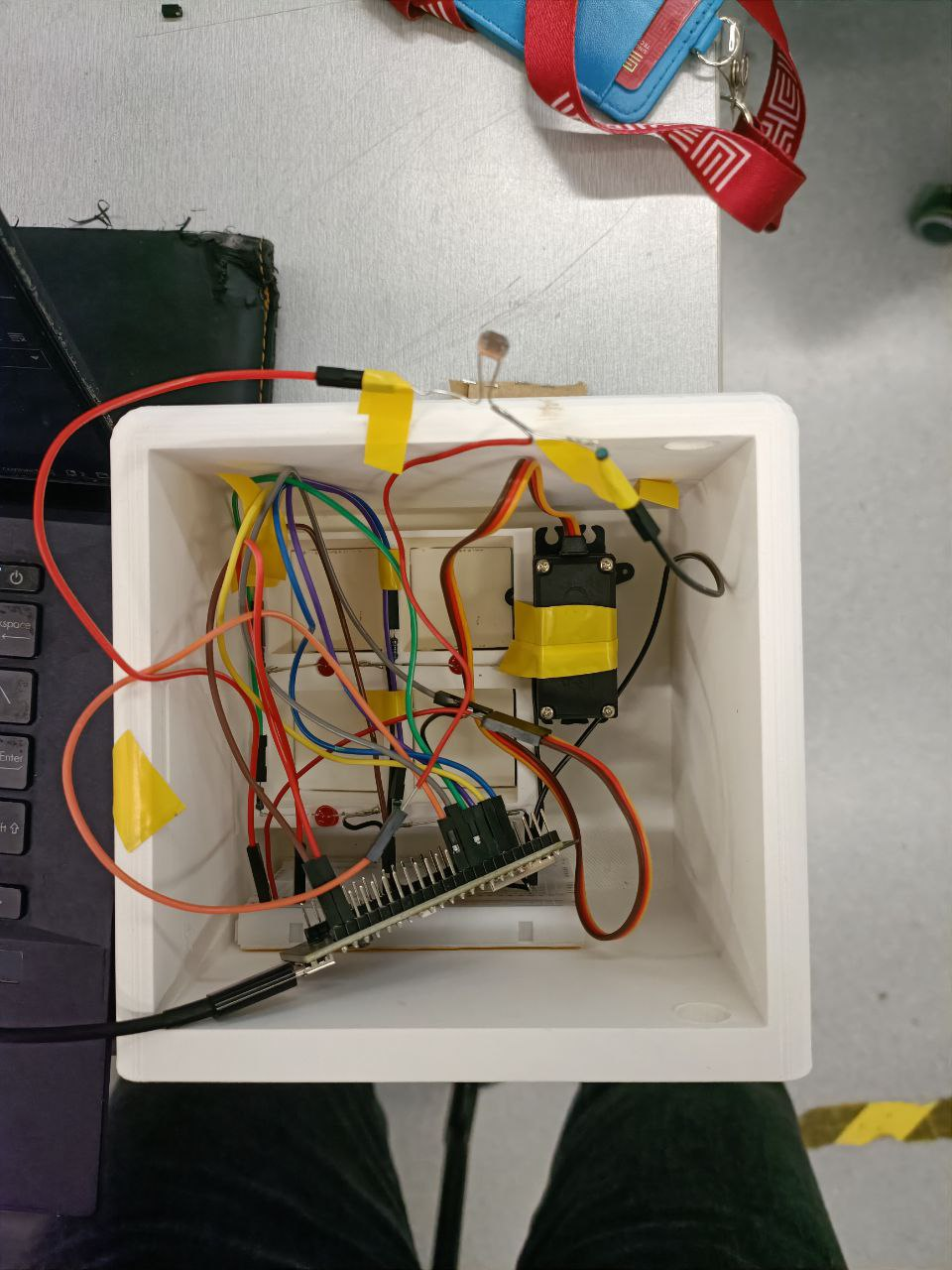
The Care Locker - Insides
-
-
-
-
-
-
-
-
🛍️ Heartland Hampers! 🥫
Team Name: LASST Problem Statement: Reducing Inequalities Project Nature: Hardware + Software (Prototype + Mobile App)
// Inspirations, Directions »
The Problem The tasking in our chosen problem statement laid out a situation that deeply resonated with our team members - where the adoption of smartphones in Singapore has outpaced the access to basic needs like food, and it was likely that an underprivileged individual would have a smartphone. We were inspired by the opportunity to leverage technology and bridge this gap by workshopping a solution that allows these individuals to make use of mobile technology to increase accessibility to these basic needs.
Based off one of our team member's personal experience with the collection of food aid, the team landed on the direction to enhance the process for food aid recipients to apply for and collect food aid. Based on firsthand accounts and our research into the matter, we identified three main issues faced by beneficiaries that we aimed to address:
✦ 1. Wait Long-long
Despite collection windows typically starting at 9am, beneficiaries often go to the designated venues in advance to get an earlier spot in the queue for the aid collection. The queues for collection virtually start as early as 7am. The collection process itself is also rather inefficient because the allocation of volunteers in the distribution of resources is not optimised. This makes the entire process very time-consuming. One can wait for up to 4 hours to receive their food hampers, where for more vulnerable groups of people like the elderly and other people who face mobility issues, standing in the queue for long hours takes a physical toll on their bodies.
✦ 2. Time Away in Money Lost
The fixed collection timings may clash with the recipients' personal or work schedules. Time taken to travel to the collection points just to wait in line is time that recipients may rather be spending working or taking care of family.
✦ 3. Lack of Flexibility
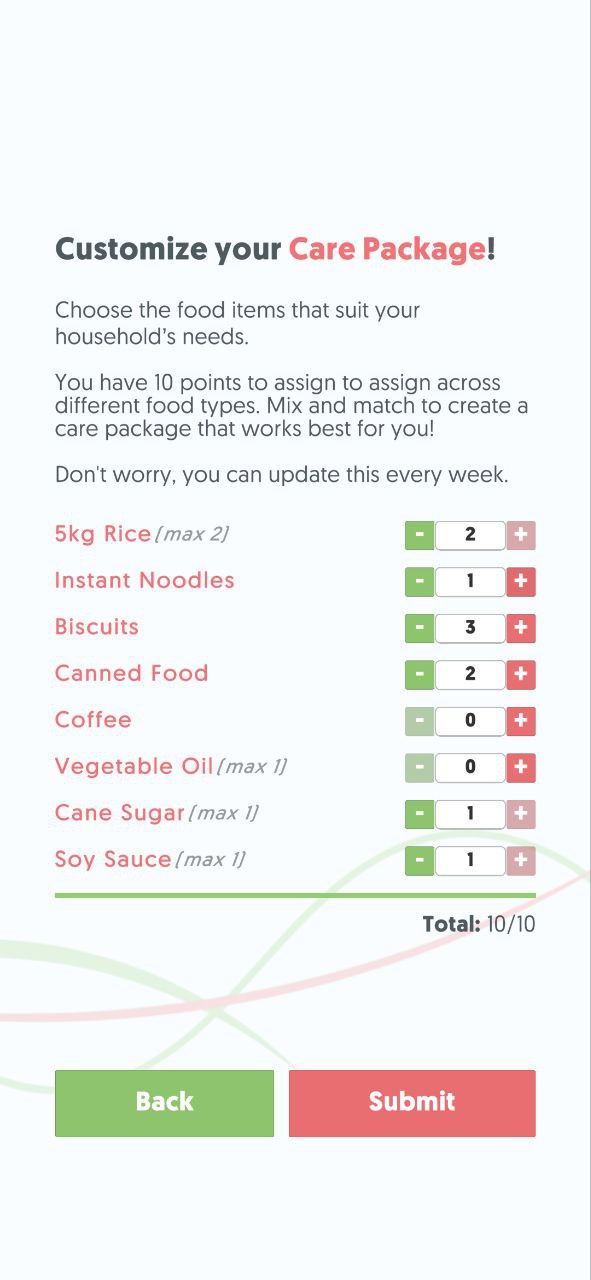
Since the food aid comes in the form of pre-packed hampers where quantity and variety of food items are fixed, beneficiaries have no flexibility in selecting the items according to their needs. Not only could they receive insufficient amounts of the items they want, they also may receive too much of certain items, leading to food waste generated from throwing away surplus unconsumed food.
Targets Set, Get to Work! With a goal in mind, plan in place and tools in hand, the team set out to ideate and prototype a solution that addresses the aforementioned pain points that food aid recipients face.
After 2 days of painstaking work (and "adjusted" sleep schedules 🤭) Team LASST proudly presents our project...
🌟 Heartland Hampers! 🌟
Lets go through what we've been cooking up 🍳...
// What the Hack?- does it all do? »
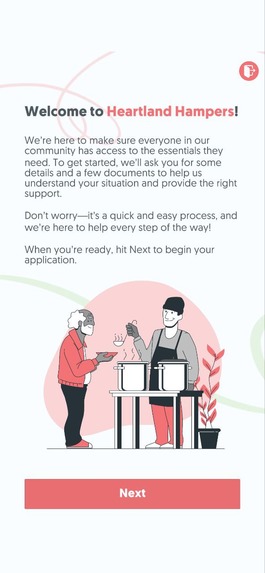
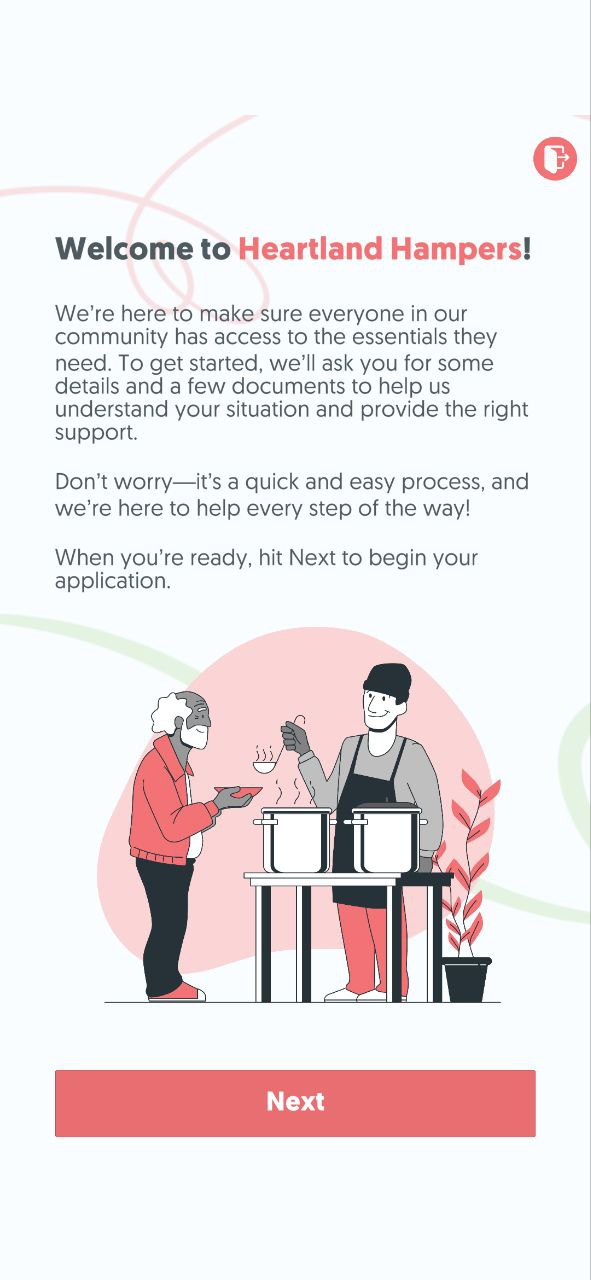
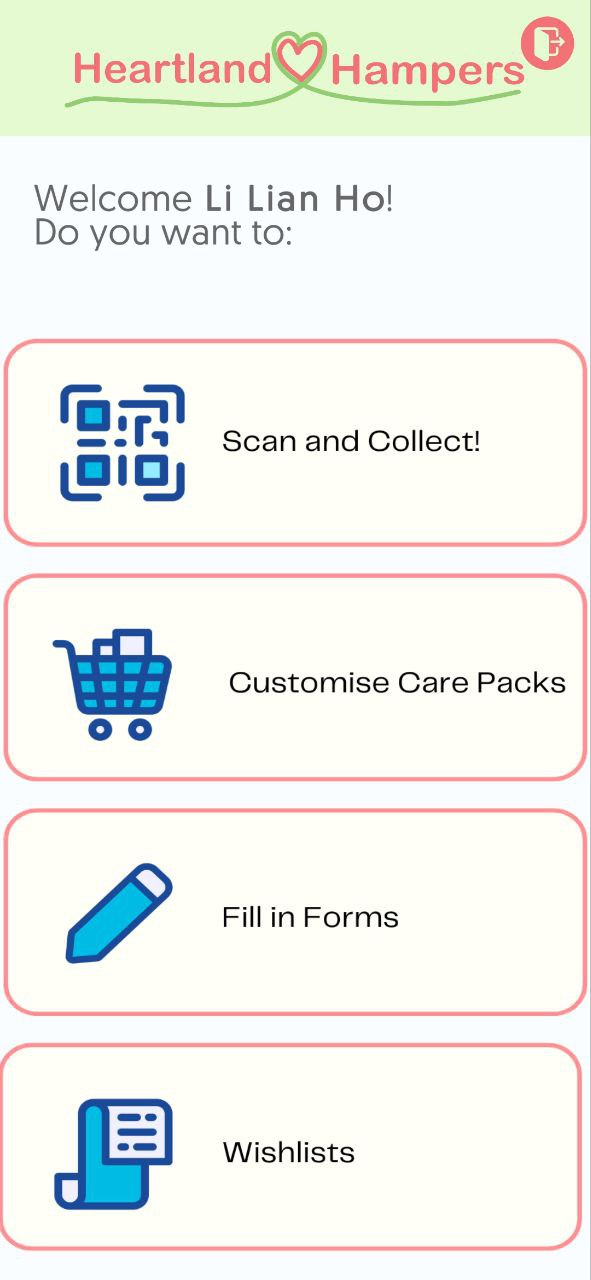
With a marriage both software and a hardware prototypes, Project Heartland Hampers (HH) consists of 2 key halves that our target audience will interact with: ✦ Care Lockers ✦ Heartland Hampers Mobile App
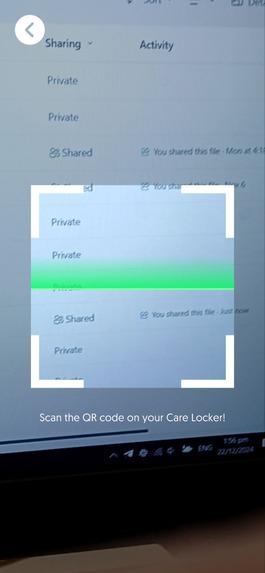
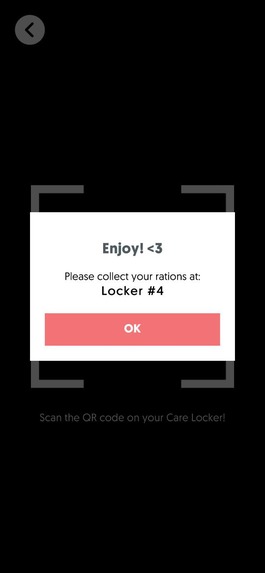
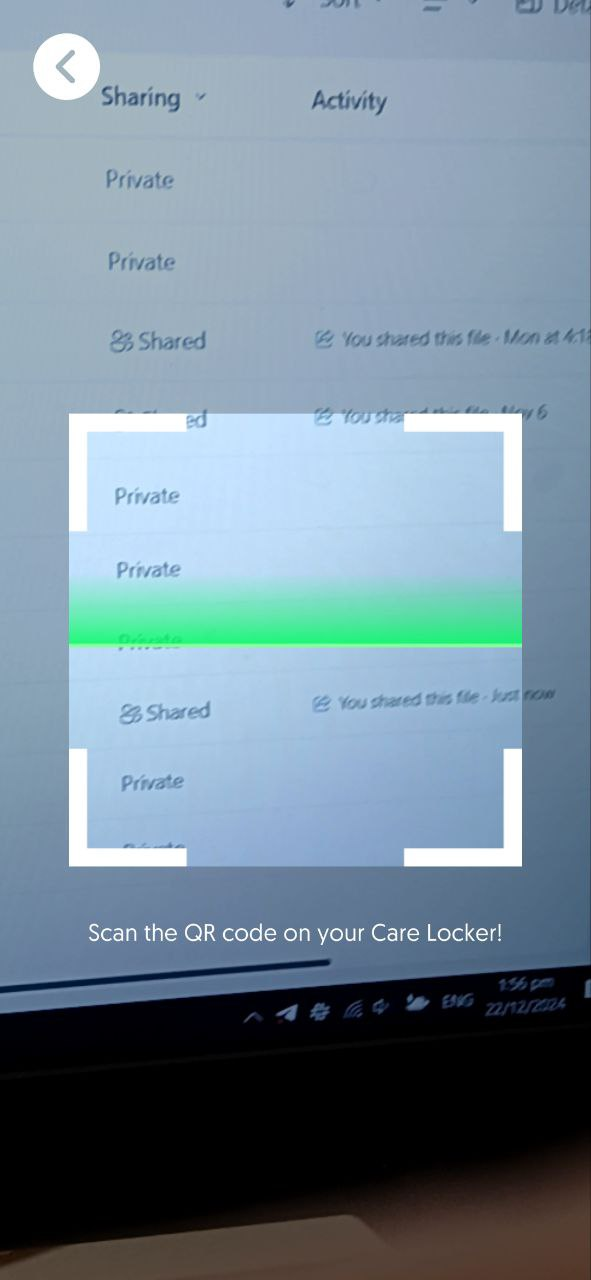
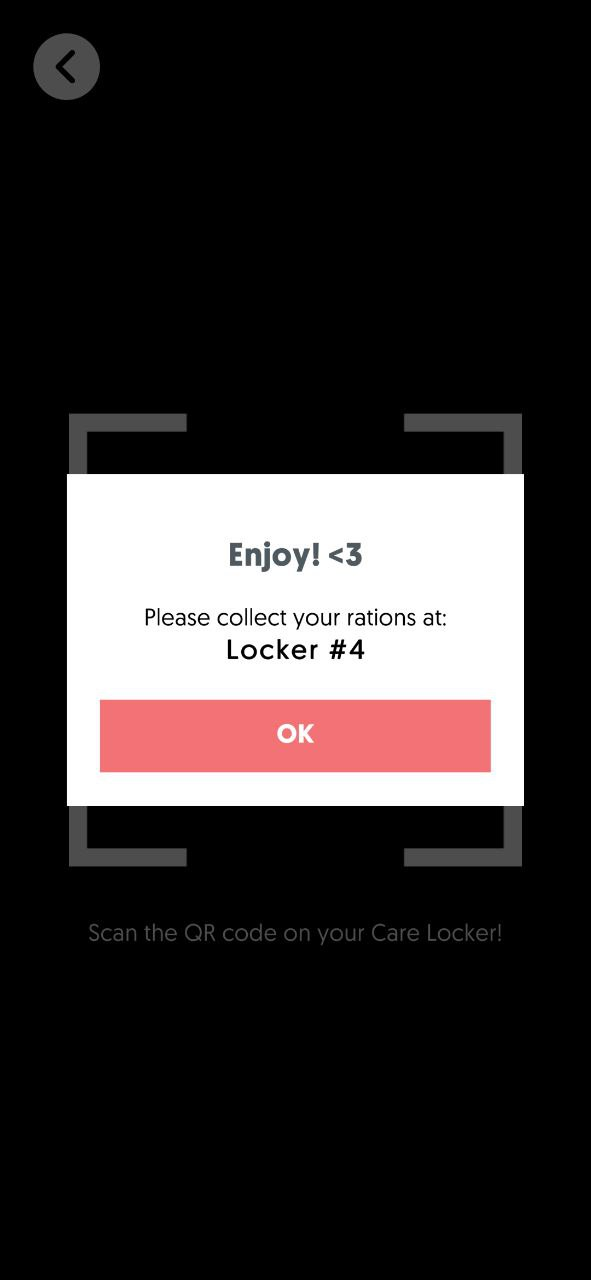
Care Lockers : ✦ Secure collection lockers for beneficiaries to collect their customised food hampers. ✦ Recipients collect their care packages at a time window specified by them. ✦ Each locker QR codes of each recipient from the HH Mobile App, opening their locker if they have a collection ready.
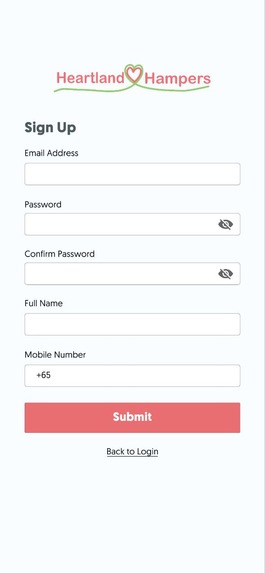
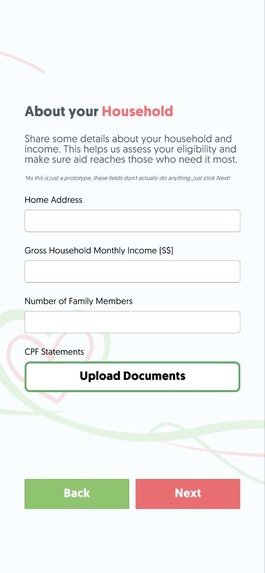
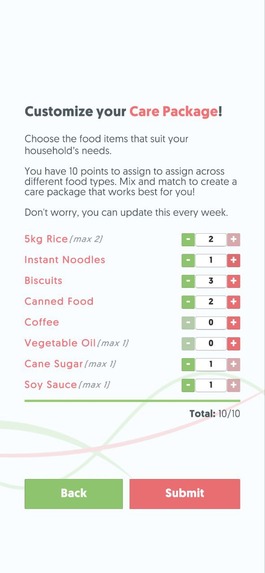
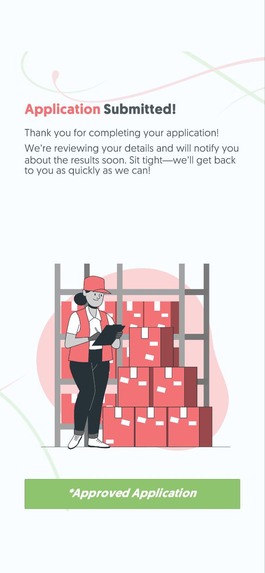
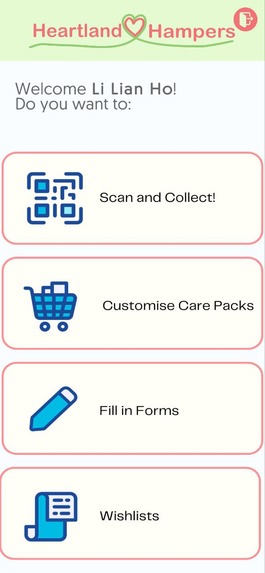
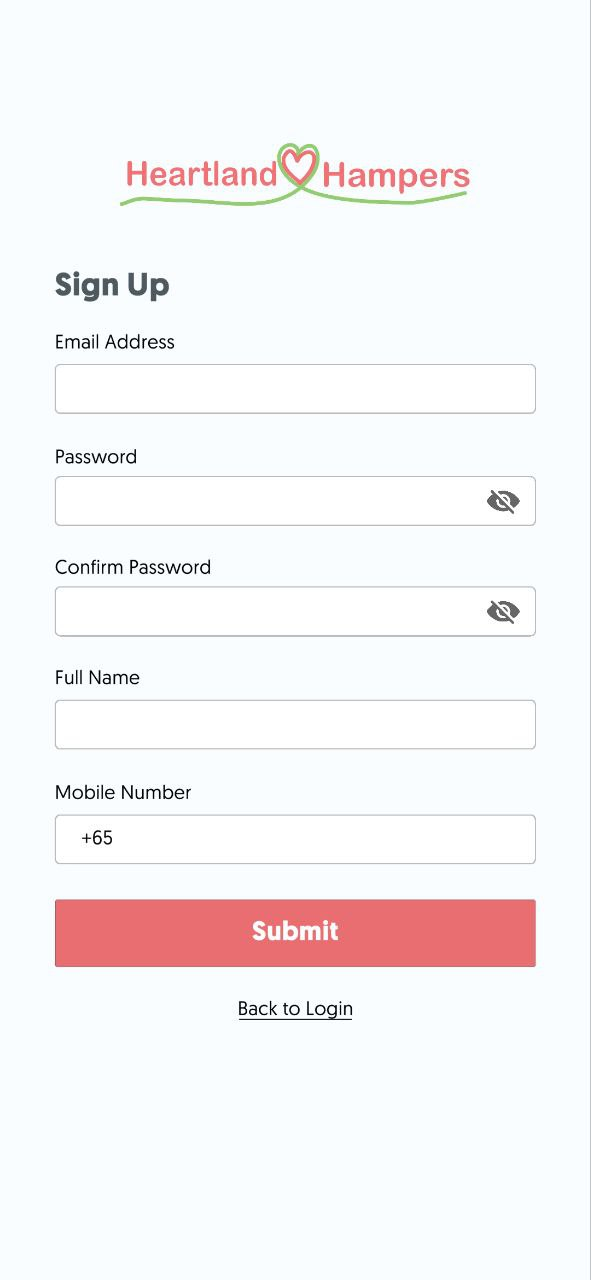
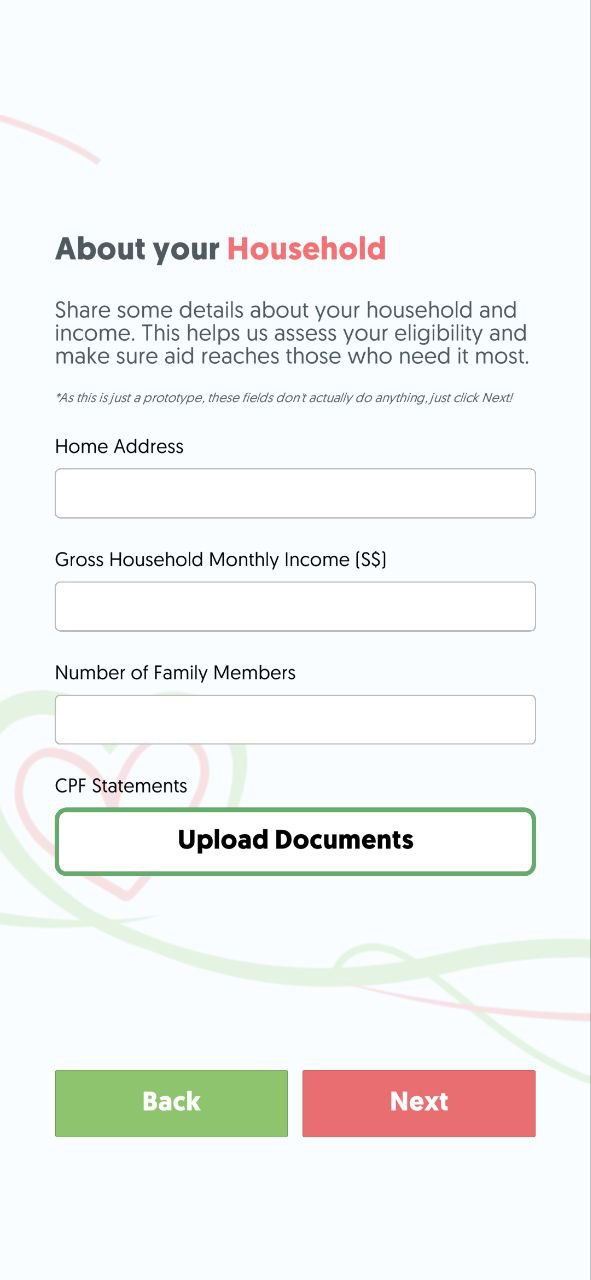
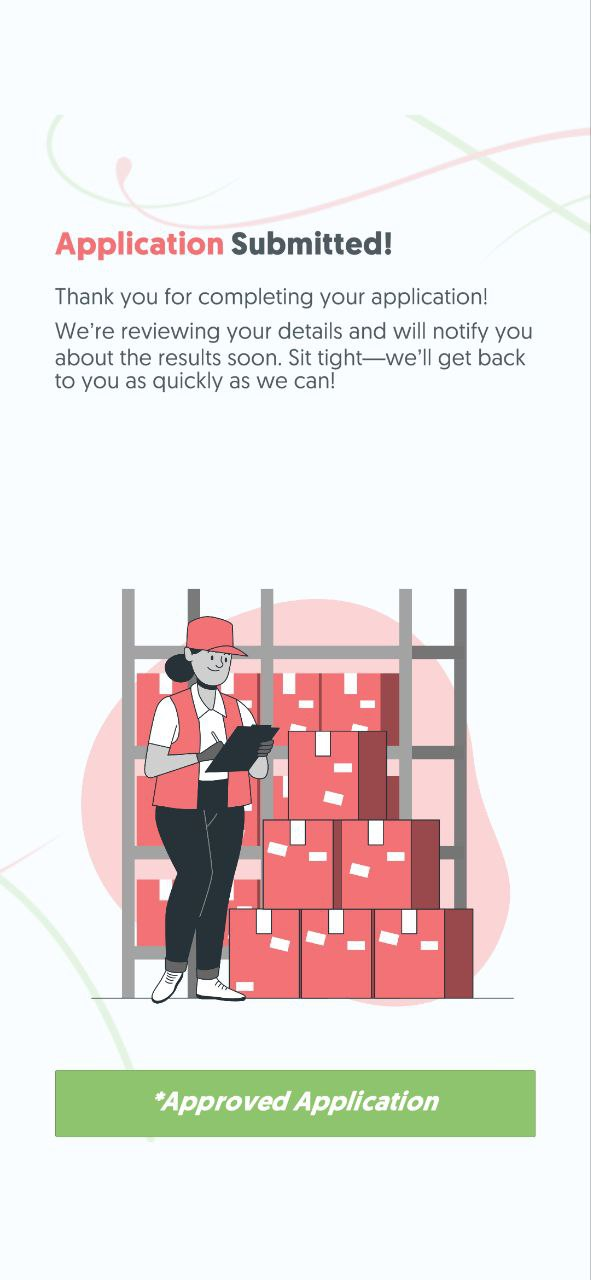
Mobile App ✦ Sign in and log in (with functioning online database) ✦ Scans a QR code on the machine to unlock the locker ✦ Digitalised registration for Food Aid (eligibility declaration, dietary info, etc) ✦ Editable checklist for recipients to customise their "order list"
Users can navigate to the form in our app to customise the type and quantity of items they want to receive. The information collected by the app is accessed by the Care Locker, which will dispense the items accordingly when the user scans the QR code on the machine's screen for collection. At any point in time, each locked compartment stores the items for each recipient.
Recipients can choose to not receive items that they do not consume, and the surplus can be redistributed to other users who do consume these products.
// How We Built the Thing »
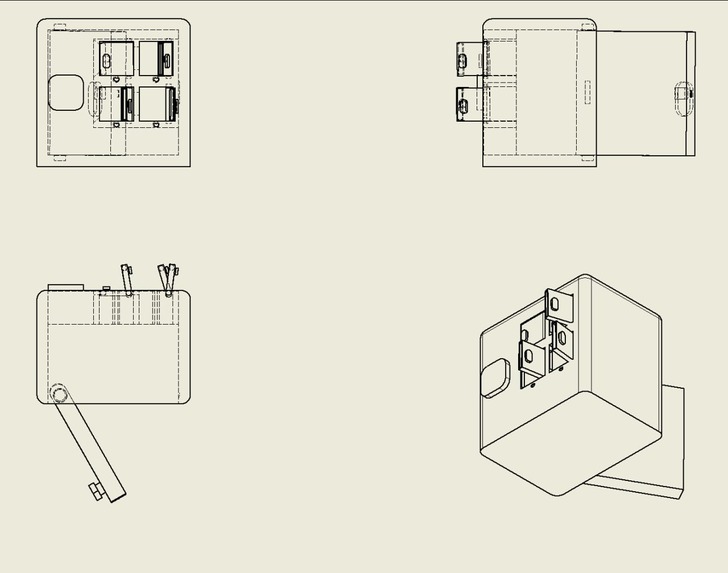
Care Lockers: To make the body of the locker, we designed it using Autodesk Inventor Professional and fabricated our prototype using the BambuLab A1 Mini (not sponsored!).
The brain of our locker is a ESP32 board which serves as the control unit, integrating a Light Dependent Resistor (LDR) sensor and LED lights to provide functionality and visual indicators. A servo motor was used to create the locking functionality of the compartment doors.
The mobile app is built using Unity (C#), connecting to and online PlayFab database for the storage of user data (Javascript), and connecting to Firebase (Python) for hardware integration.
Challenges We Ran Into
Integrating the hardware and software was by far the most time-consuming at difficult part of designing our solution, as the app was built in C#, many brains were racked to seamlessly integrate it with the ESP32 board's code which was built in Python.
Accomplishments that we're proud of, what we learned:
Despite the time limit, we're glad that we were able to create the entire experience loop of the system that we set out to create - from through careful delegation of work, we were able to split the labour effectively and work on the software AND hardware aspects concurrently to finish on time.
As a team, we learned how to seamlessly integrate our diverse software and hardware skills into a singular machine.
What's next for LASST Project
Our current design places more responsibility on the workers who will need to replenish the items, since they will need to sort the items into the respective lockers one-by-one.
Moving forward, we can alter the locker design to adopt a vending machine concept, where the workers will only need to replenish each item once. When the recipient arrives for collection, the machine will retrieve and pack the items into one box and dispense the box for the recipient. This improvement further reduces the time taken and labour for workers.


Log in or sign up for Devpost to join the conversation.