






Inspiration
The inspiration for Lantern4u stems directly from the vision of the All Things Agentic Hackathon: moving beyond passive, static chatbots to build autonomous, next-generation AI agents that actively work for people. While traditional welfare systems and emotional support models wait for individuals to navigate complex bureaucratic mazes, vulnerable populations often lack the voice or energy to ask for help. Guided by the philosophy of "Mitákuye Oyás’iŋ" (Interconnectedness) and the drive to remove everyday friction, Lantern4u was built to create an autonomous agent system that doesn't just wait—it proactively sets goals, plans, and executes the heavy lifting of bridging people with vital support.
What it does
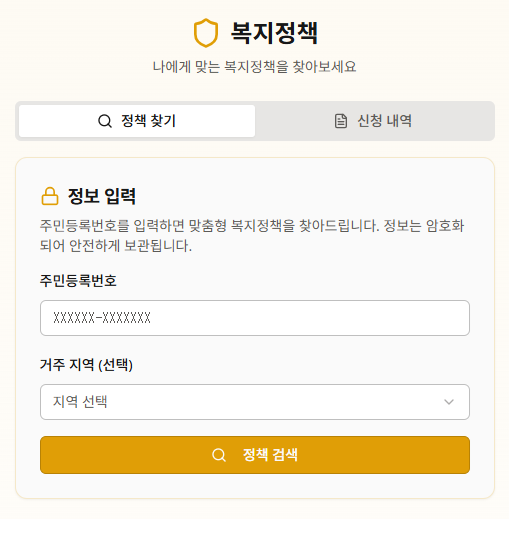
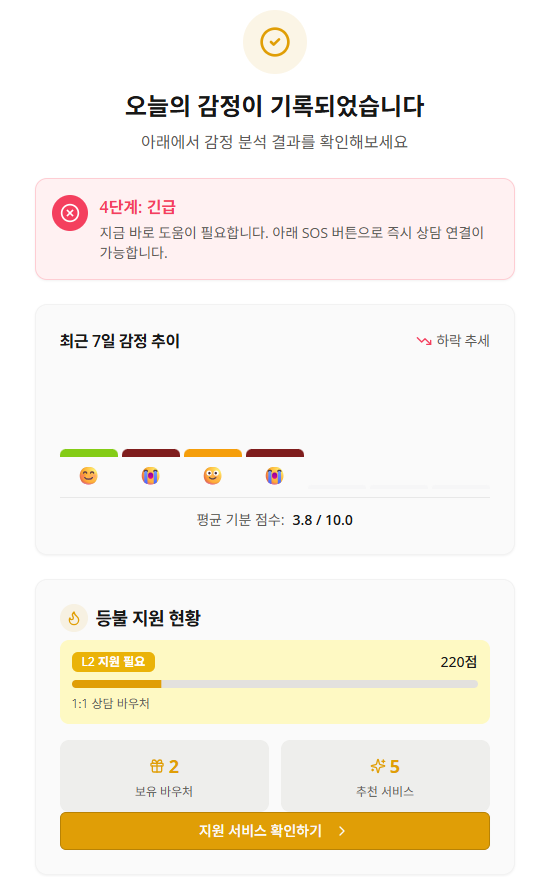
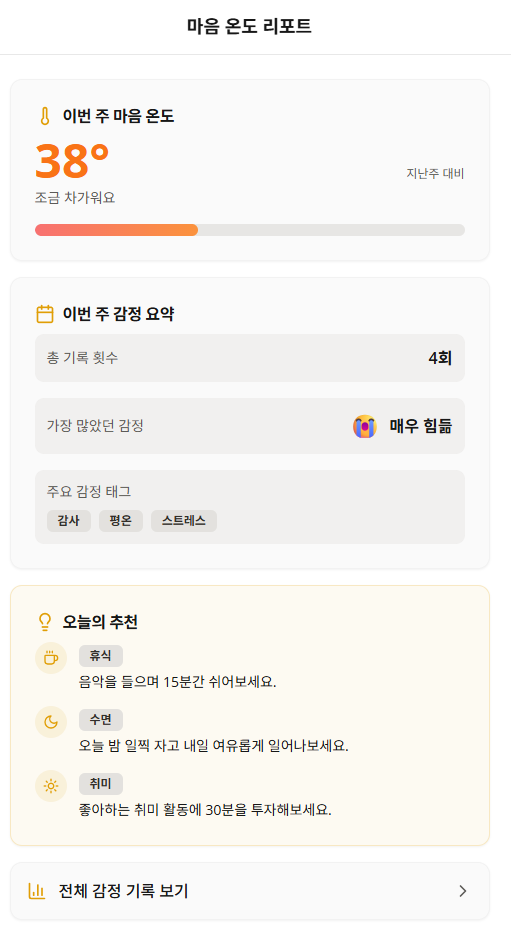
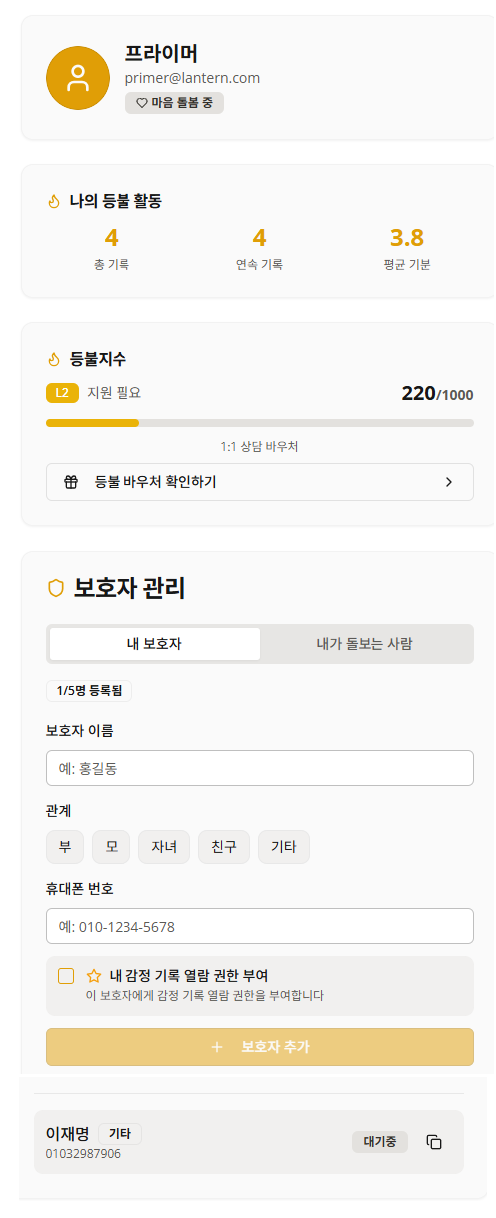
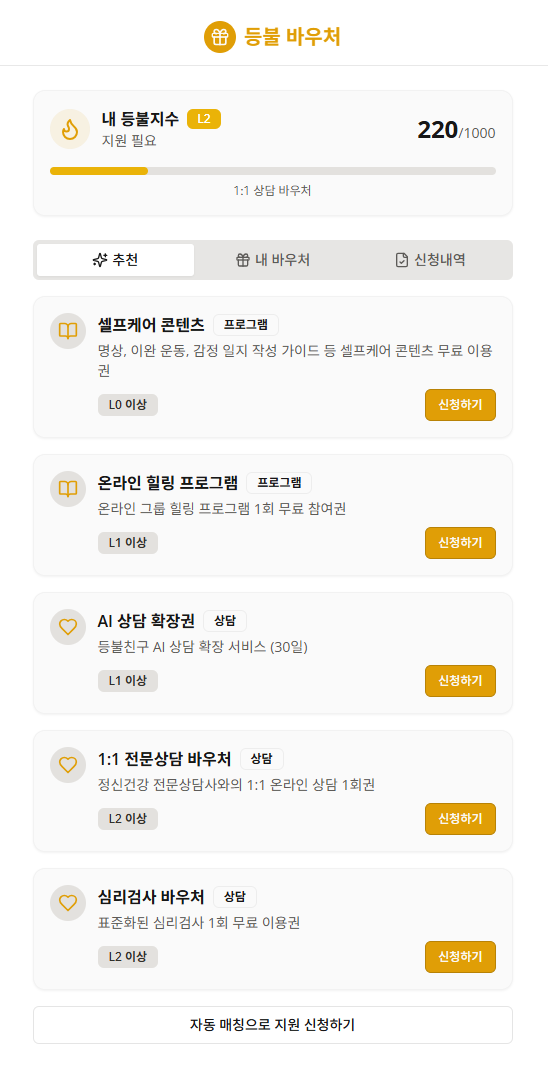
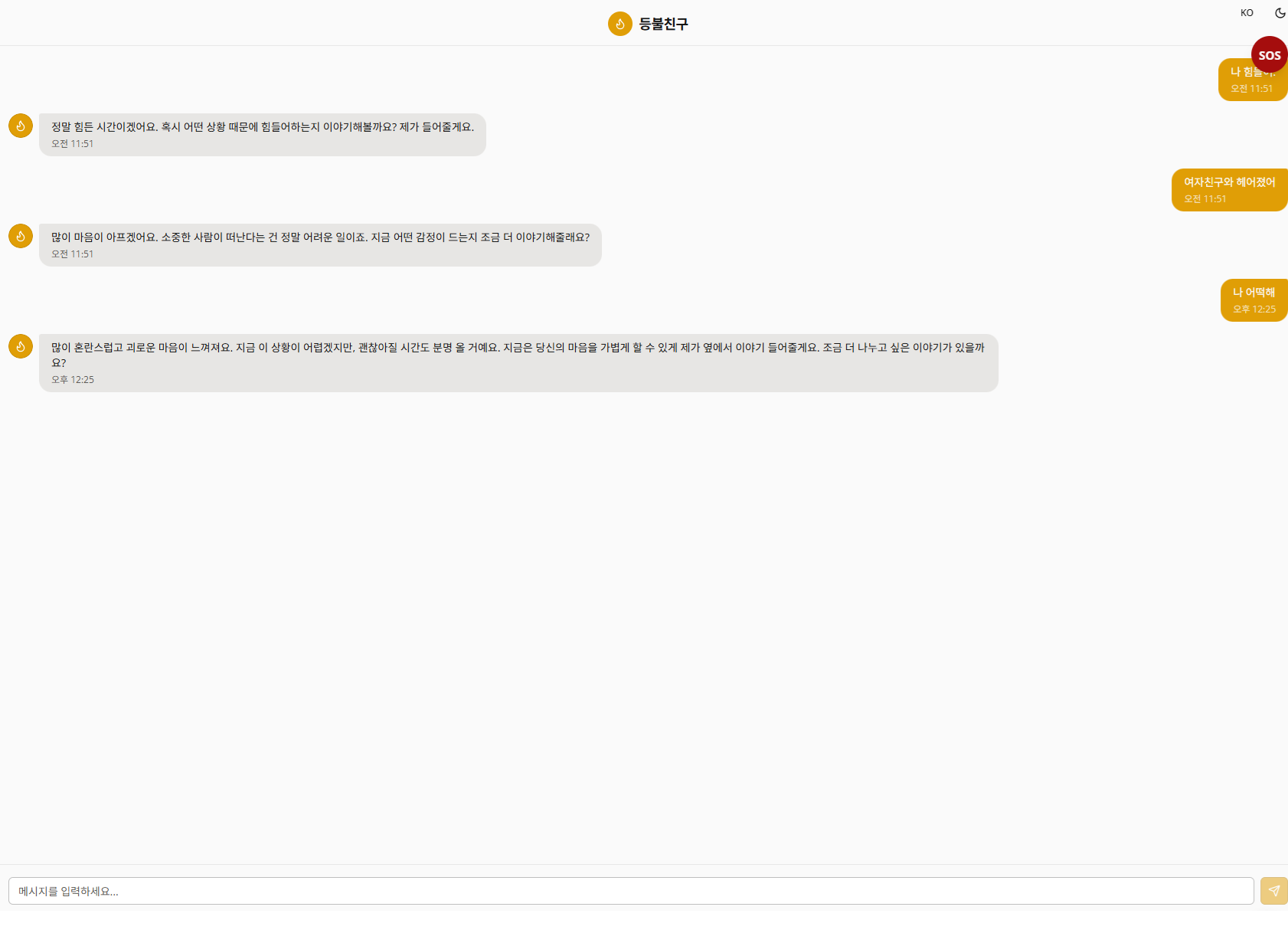
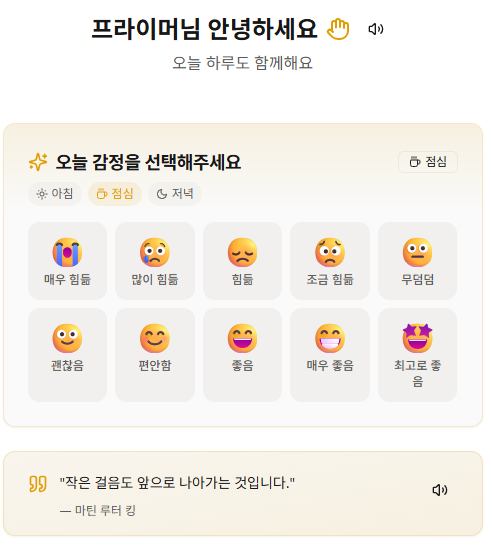
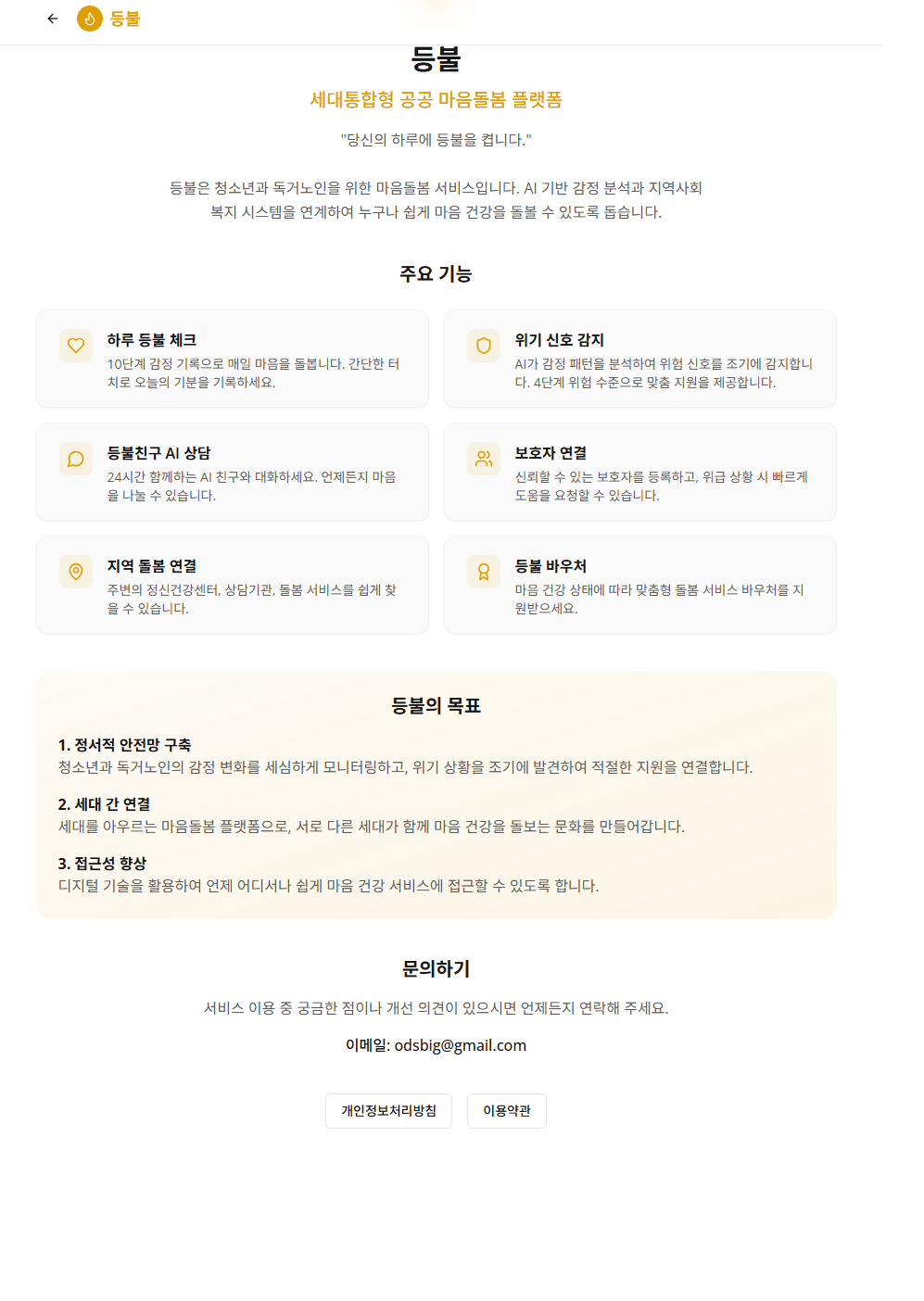
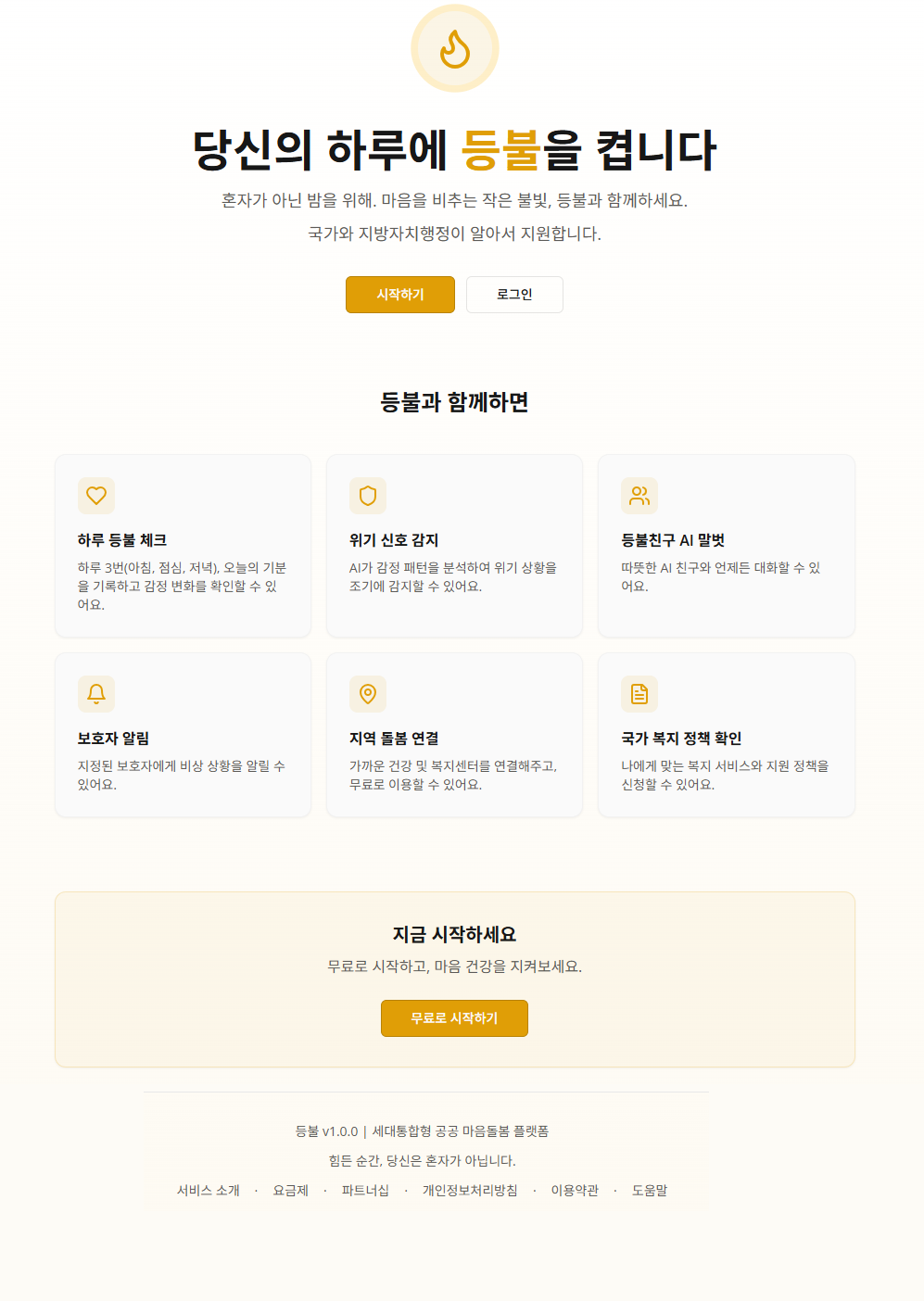
Lantern4u is an autonomous, AI-driven welfare-matching and emotional care platform powered by Gemini and Google Cloud. Proactive "Ghost Applicant" Agent: Instead of waiting for manual applications, the system's autonomous agent continuously evaluates user profiles against complex government welfare criteria and corporate vouchers, bridging the gap automatically. AI-Driven Emotion Reframing: It transforms subjective human emotional distress into actionable care through empathetic, multi-step agentic analysis. Interactive Empathy & Mapping: Combines real-time emotional constellation maps with public geospatial data to visualize community health and connect users with local support networks.
How we built it
Leveraging the power of Google Cloud, Gemini, and an agile modern tech stack, Lantern4u was engineered for autonomy and scale: Agentic Intelligence & Core Logic: Built using Gemini and Google Cloud infrastructure to power autonomous multi-step reasoning, decision-making, and proactive task execution. Frontend & Edge Architecture: Developed with React and TypeScript, deployed seamlessly across Cloudflare Pages and Edge Workers for lightning-fast, secure global performance. Backend & Security: Utilized Firebase (Auth, Firestore, Cloud Functions) to handle real-time data sync, secure user authentication, and isolated data structures that protect sensitive user metrics. Public Data Integration: Securely connected to public data sources—including National Welfare APIs and Vworld spatial protection facility maps—via server-side proxy patterns to ensure data integrity and prevent API key exposure.
Challenges we ran into
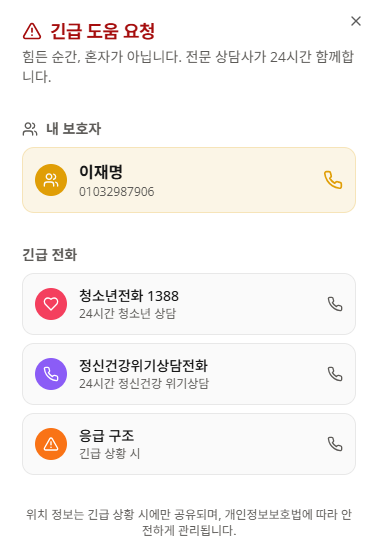
Transitioning from Static to Autonomous Workflows: Moving away from standard request-response interfaces to design a true agent that takes independent initiative required careful orchestration of multi-step decision logic. Handling Complex Public Data: Integrating strict, legacy XML-based public welfare and mapping APIs into a modern serverless TypeScript environment required robust server-side transformation layers via Firebase Cloud Functions. Balancing Automation with Privacy: Ensuring the autonomous "Ghost Applicant" agent could match vulnerable users without compromising personal data security demanded a strict separation of PII from emotional urgency metrics.
Accomplishments that we're proud of
Successfully conceptualizing and implementing an autonomous agent paradigm within the social welfare space, shifting the user experience from passive searching to proactive, life-easing care. Seamlessly integrating Gemini and Google Cloud infrastructure with localized South Korean public data services (National Welfare and Vworld APIs) to build a fully functional, real-world utility. Delivering a high-impact, immersive UI/UX that merges advanced technical architecture with a deeply human, poetic aesthetic.
What we learned
We deeply realized that the true power of next-generation AI agents lies not just in automation speed, but in active empathy and responsibility. We mastered the nuances of deploying Google’s agentic capabilities within serverless cloud environments, optimizing secure API proxy patterns, and designing systems that bridge cold institutional bureaucracy with warm human connection.
What's next for Lantern4u
Pilot Deployments: Collaborating with local municipalities and community centers to test the proactive welfare-matching agent in real-world environments. Advanced Multi-Agent Collaboration: Expanding Gemini's agentic workflows to allow specialized sub-agents (e.g., emotional reframing agents, benefit-matching agents, and local voucher coordinators) to collaborate autonomously in the background. Tackling Critical Social Crises: Evolving into a proactive safety net solution that preemptively detects and addresses critical societal challenges such as suicide, lonely deaths, child neglect, and school violence before they escalate.
Built With
- api
- cloud
- cloudflare
- firebase
- gemini
- national
- openai
- pages
- react
- typescript
- vworld
- welfare
- workers


Log in or sign up for Devpost to join the conversation.