

Inspiration
In urban environments and intelligence operations, gaining comprehensive, real-time situational awareness can be both challenging and resource-intensive. We realized that nearly every modern vehicle broadcasts a unique, trackable signal from its Tire Pressure Monitoring System (TPMS). Inspired by this underutilized vulnerability, we envisioned a covert, cost-effective, and scalable urban surveillance solution that could empower both smart cities and intelligence communities alike.
What it does
LANTERN is an innovative surveillance framework that passively tracks vehicles through their TPMS signals, integrating this data seamlessly with visual analytics from traffic cameras and a robust LoRa mesh network. LANTERN provides real-time tracking and analytics with minimal infrastructure. It is uniquely suited for covert urban monitoring, traffic management, and enhanced security operations.
How we built it
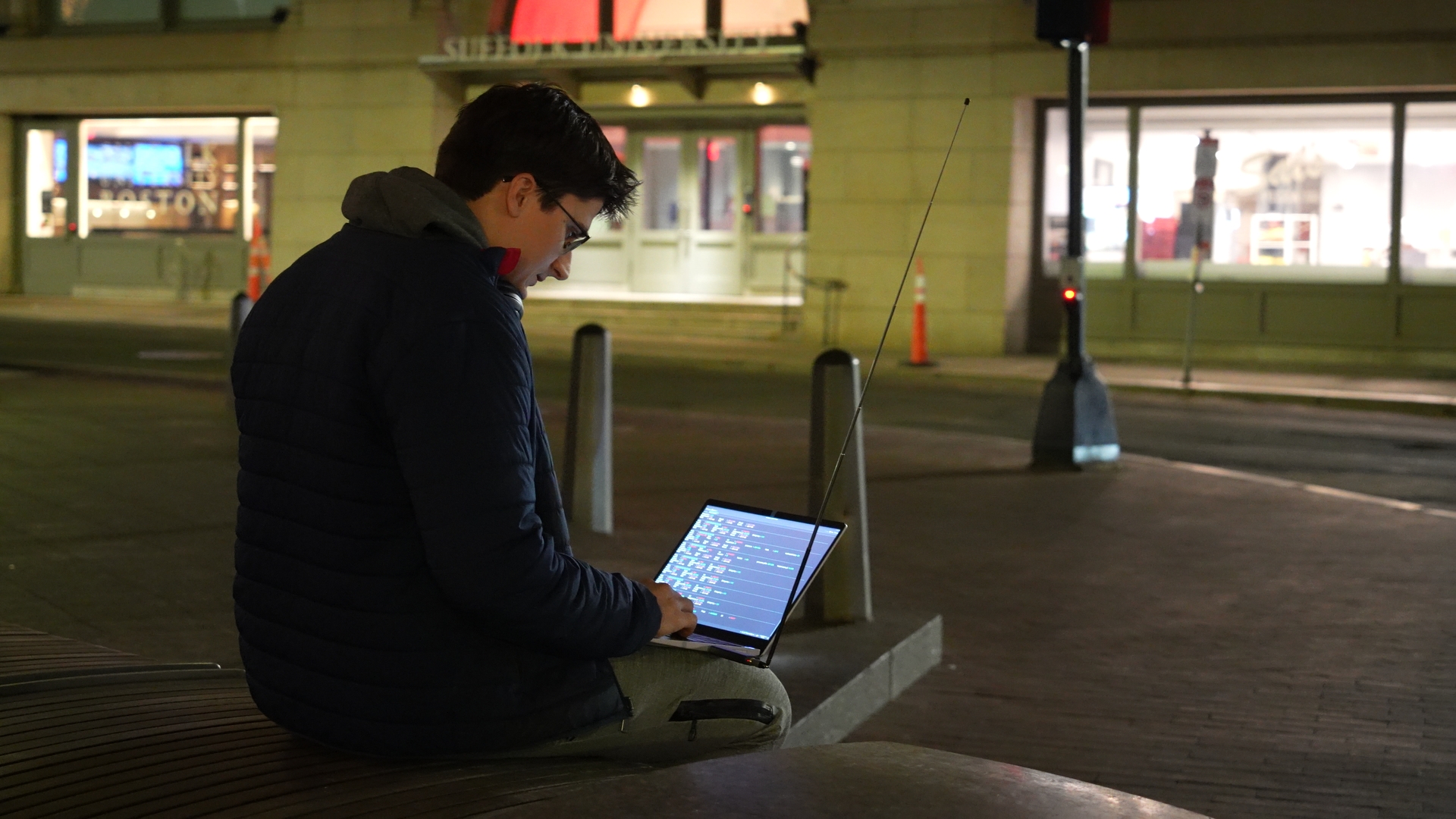
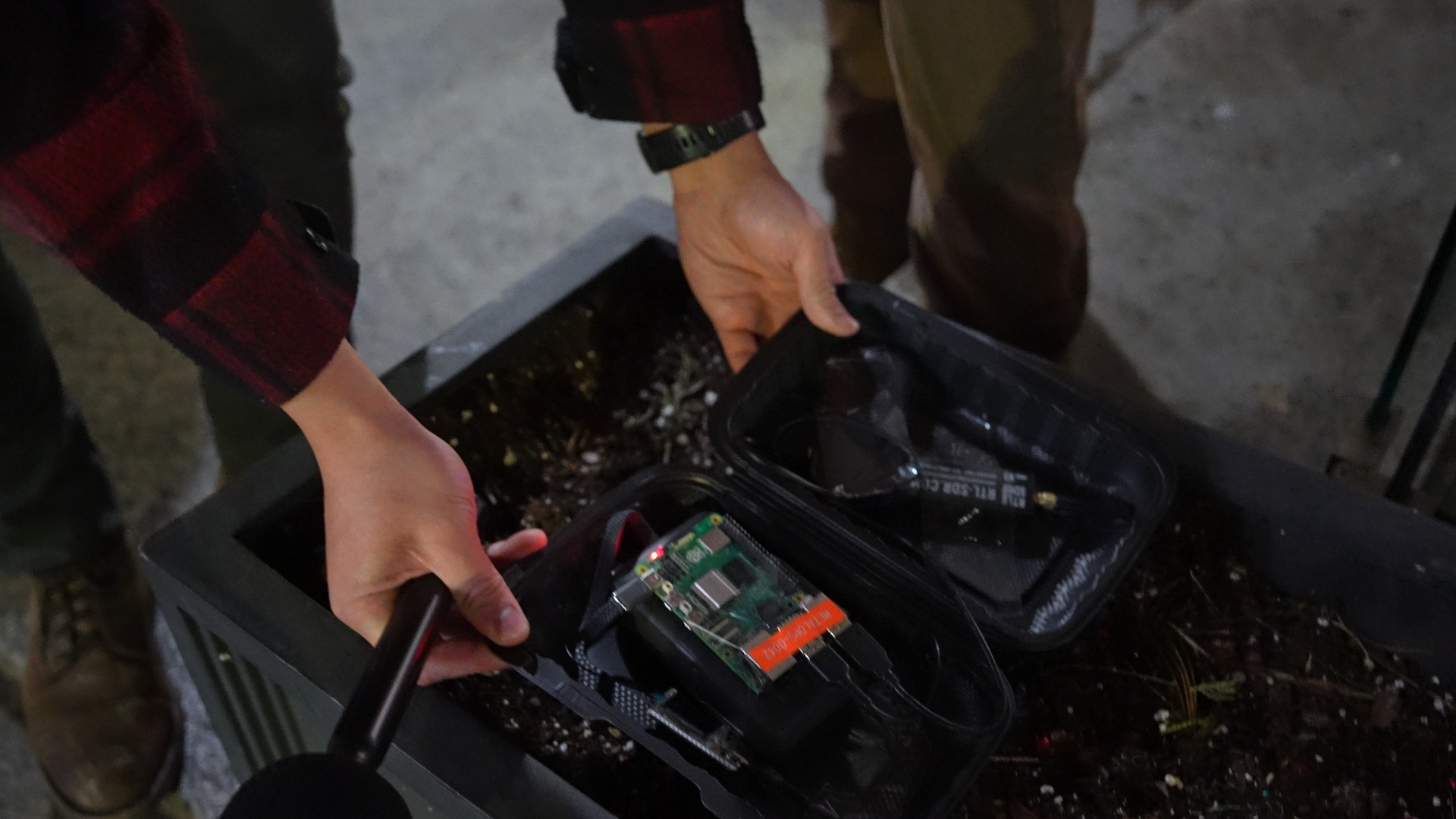
We developed specialized low-cost hardware nodes (under $7 per node in parts), each equipped with RF sensors tuned to detect TPMS broadcasts. These nodes transmit collected data via a secure and resilient LoRa mesh network, finally aggregating it into a central processing node. We then process the data to provide real-time insights and situational awareness directly to a command-and-control interface.
Challenges we ran into
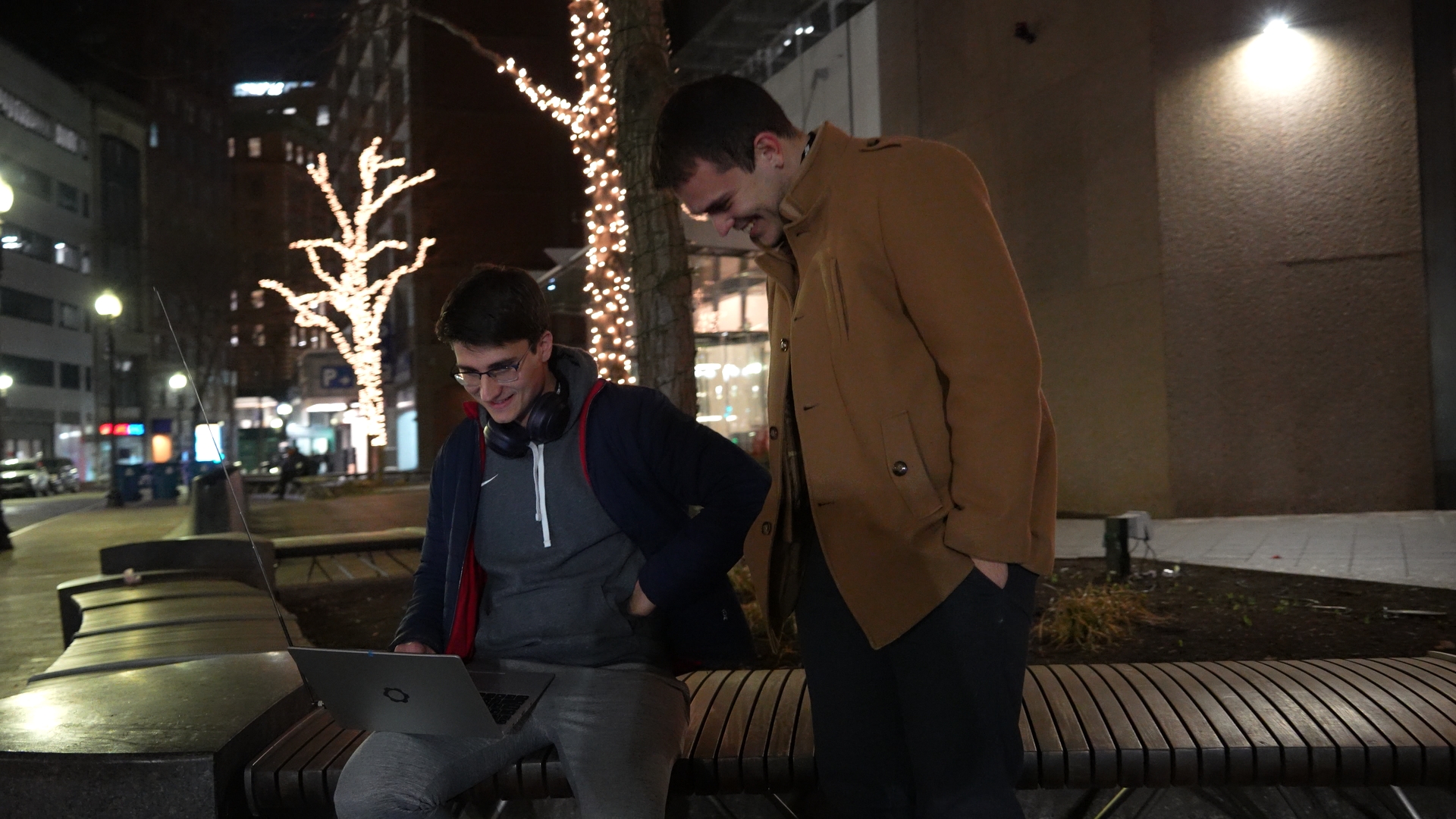
- Though the hardware was affordable, we didn't have too much on hand for a very large mesh network and were limited to 5 nodes during our test. This was still more than sufficient for localized testing in Downtown Boston.
- In the early morning hours, there weren't many cars on the road!! That made it hard sometimes to collect data as we iterated.
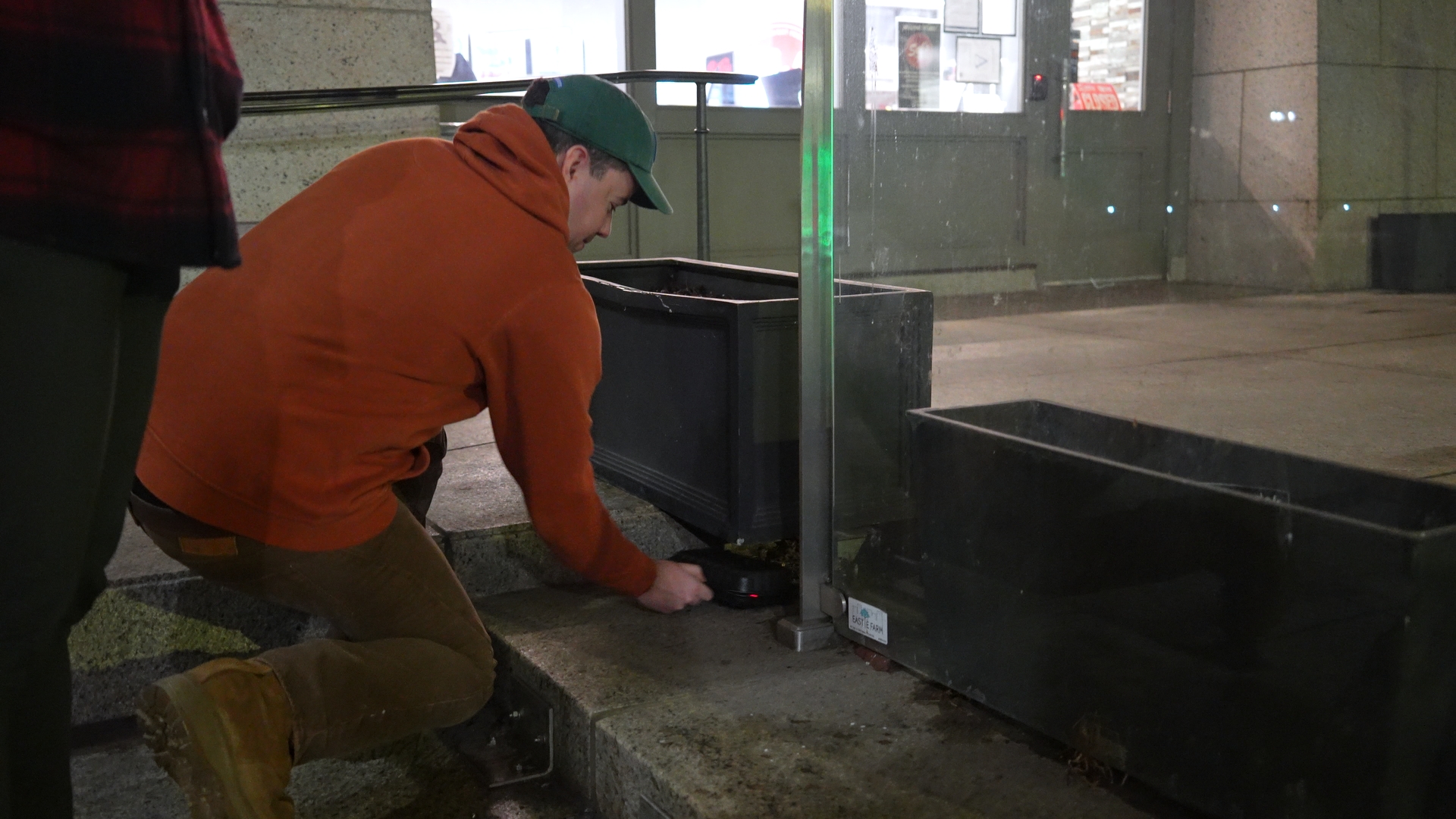
- Though our nodes are discreet, some of the bigger nodes could definitely cause concern (looks very suspicious) should a civilian find it on a crowded holiday like this weekend.
Accomplishments that we're proud of
- Achieved passive vehicle tracking accuracy exceeding 90% in realistic urban scenarios with low node density.
- Successfully developed a highly cost-effective and resilient node design that can operate unattended for over 12 months.
- Created an open, flexible architecture enabling future integration of various sensor types and analytics capabilities.
What we learned
We gained deep insights into including hardware considerations into our development stack from the onset. We learned how to balance the constraints of low-power hardware with the demands of real-time analytics.
What's next for LANTERN
Moving forward, we plan to expand LANTERN’s capabilities by integrating additional sensing modalities and other RF exploits. Ultimately, our vision is to show LANTERN could provide the operational awareness needed to make a real difference for those who protect us. Whether in a contested environment or in our neighborhood we hope it can make a positive difference.
Built With
- meshtastic
- networkx
- next.js

Log in or sign up for Devpost to join the conversation.