Inspiration
As someone who’s struggled to find meaningful language practice beyond textbook drills—fumbling through awkward small talk with exchange partners—I wanted to build something that made real conversation accessible. Living in a multicultural city, I saw how cultural context makes language stick, so blending language practice with cultural sharing felt like the missing piece.
What it does
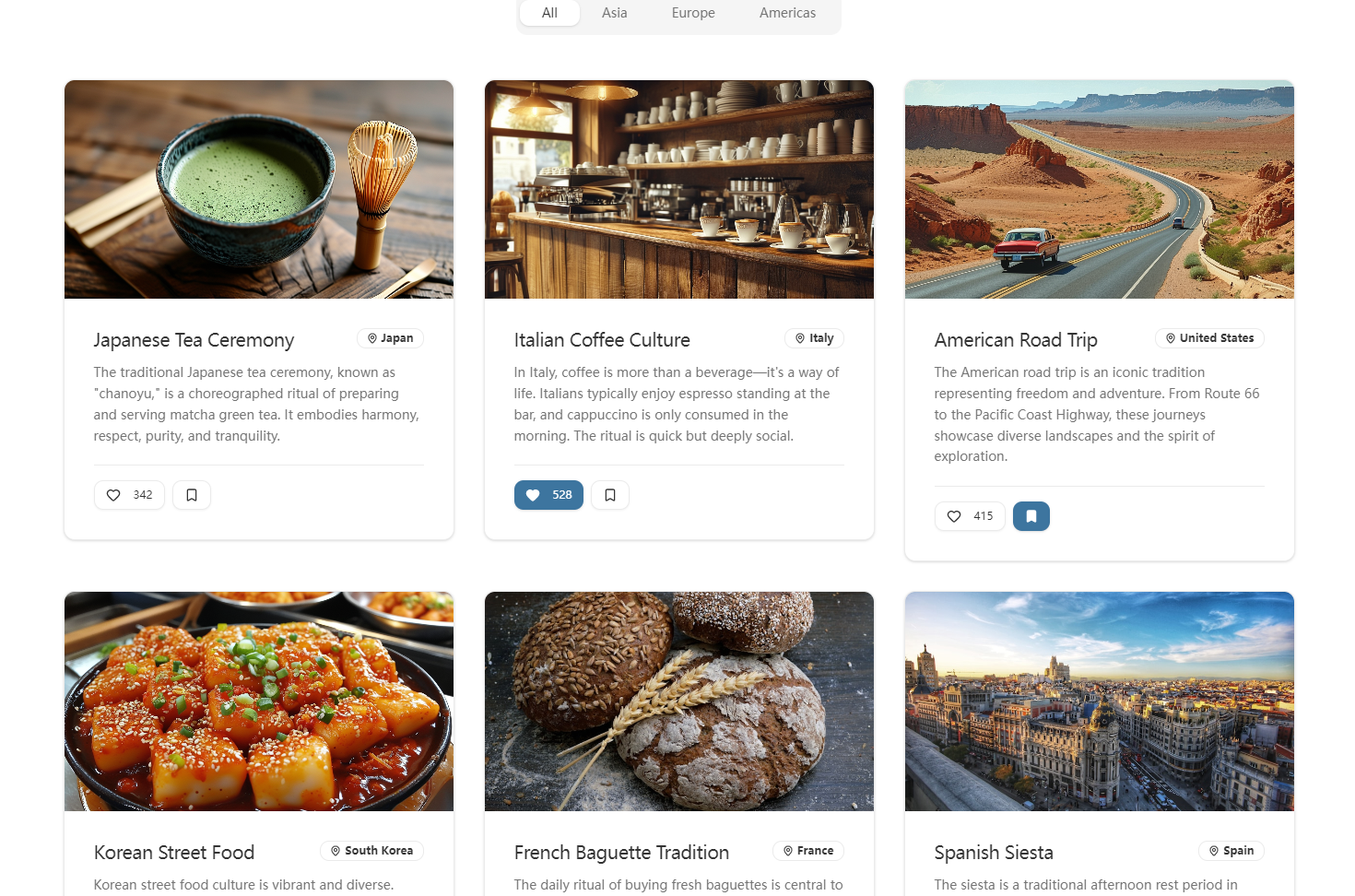
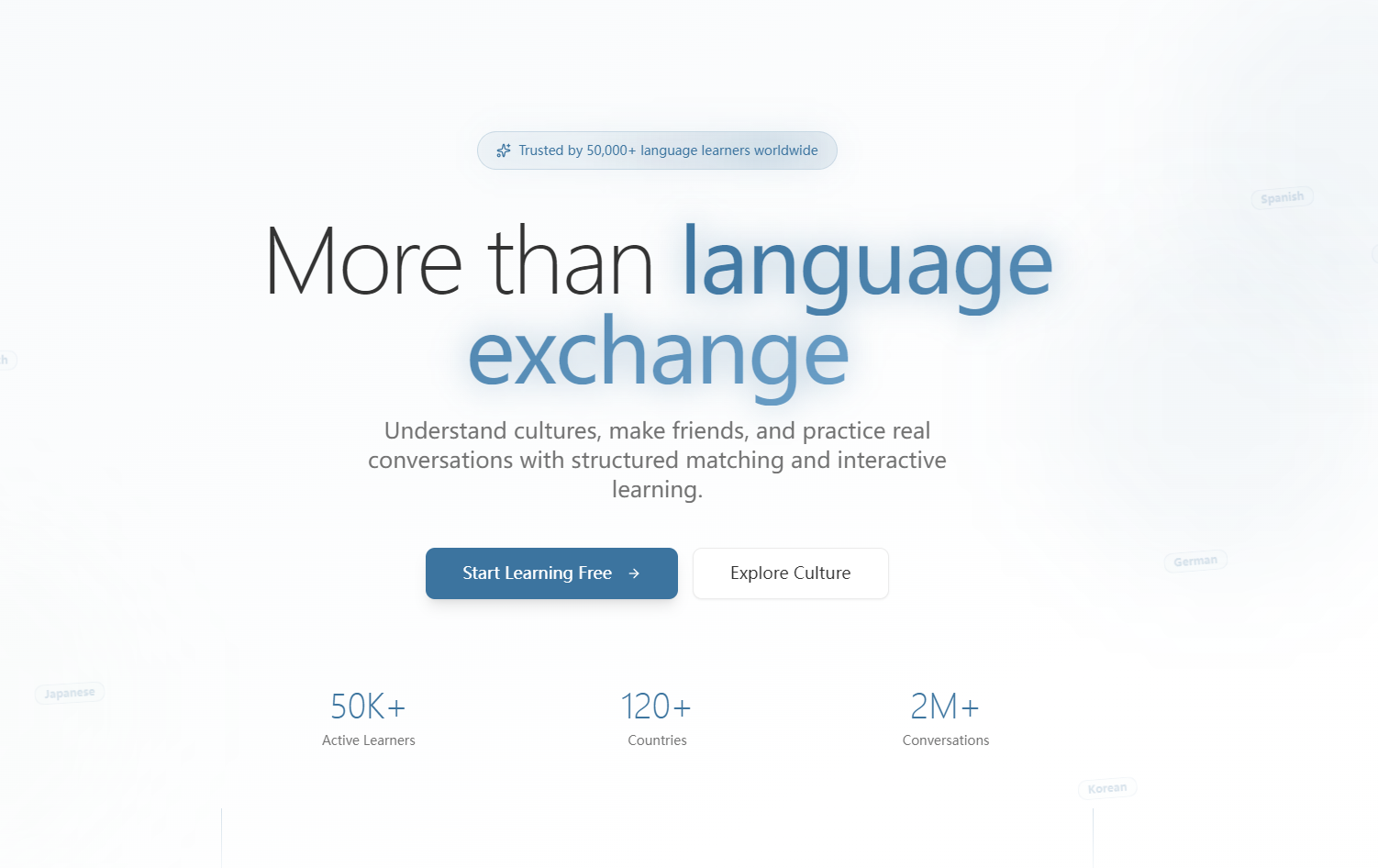
Language Exchange Plus pairs learners with complementary language goals (my native tongue = your target, and vice versa). It offers structured conversation topics (daily life, travel, culture) to eliminate awkward silences, real-time language corrections, and cultural cards highlighting traditions from around the globe. Premium users get priority matching, voice/video chat, and unlimited topics.
How we built it
We started by mapping core user needs: seamless matching, structured conversation, and cultural connection. Using React for the frontend, we built intuitive interfaces (homepage matching, chat with correction panels) and Node.js/Firebase for backend logic—especially the smart matching algorithm that prioritizes time zones and active users. We curated cultural content and integrated language correction APIs to add real-time feedback.
Challenges we ran into
The biggest hurdle was perfecting the matching logic—balancing complementary language pairs while prioritizing active/premium users without making free users feel left out. We also struggled to make language corrections feel helpful, not intrusive; testing with native speakers helped us refine the feedback labels (natural/awkward/better expression) to feel supportive.
Accomplishments that we're proud of
We created a platform that turns sterile language practice into meaningful connections. Users tell us the structured topics eliminate anxiety, and the cultural cards make learning feel immersive—not just mechanical. We also built a clear, fair premium model that adds value without gatekeeping basic functionality.
What we learned
Building for global users taught us to prioritize simplicity and accessibility—even with advanced features. We also learned that cultural context is non-negotiable for language learning; users engage more when they’re learning about a culture, not just its language. Most importantly, we saw how small design choices (like dual-language topic prompts) make the platform inclusive for all proficiency levels.
What's next for this project
We plan to expand cultural content to underrepresented regions, add more niche conversation topics (career-specific language, slang), and refine the voice/video features for smoother interaction. We’re also exploring ways to make the correction tools adaptive—tailoring feedback to each user’s proficiency level. Eventually, we want to build community features to foster longer-term connections beyond one-off chats.

Log in or sign up for Devpost to join the conversation.