-
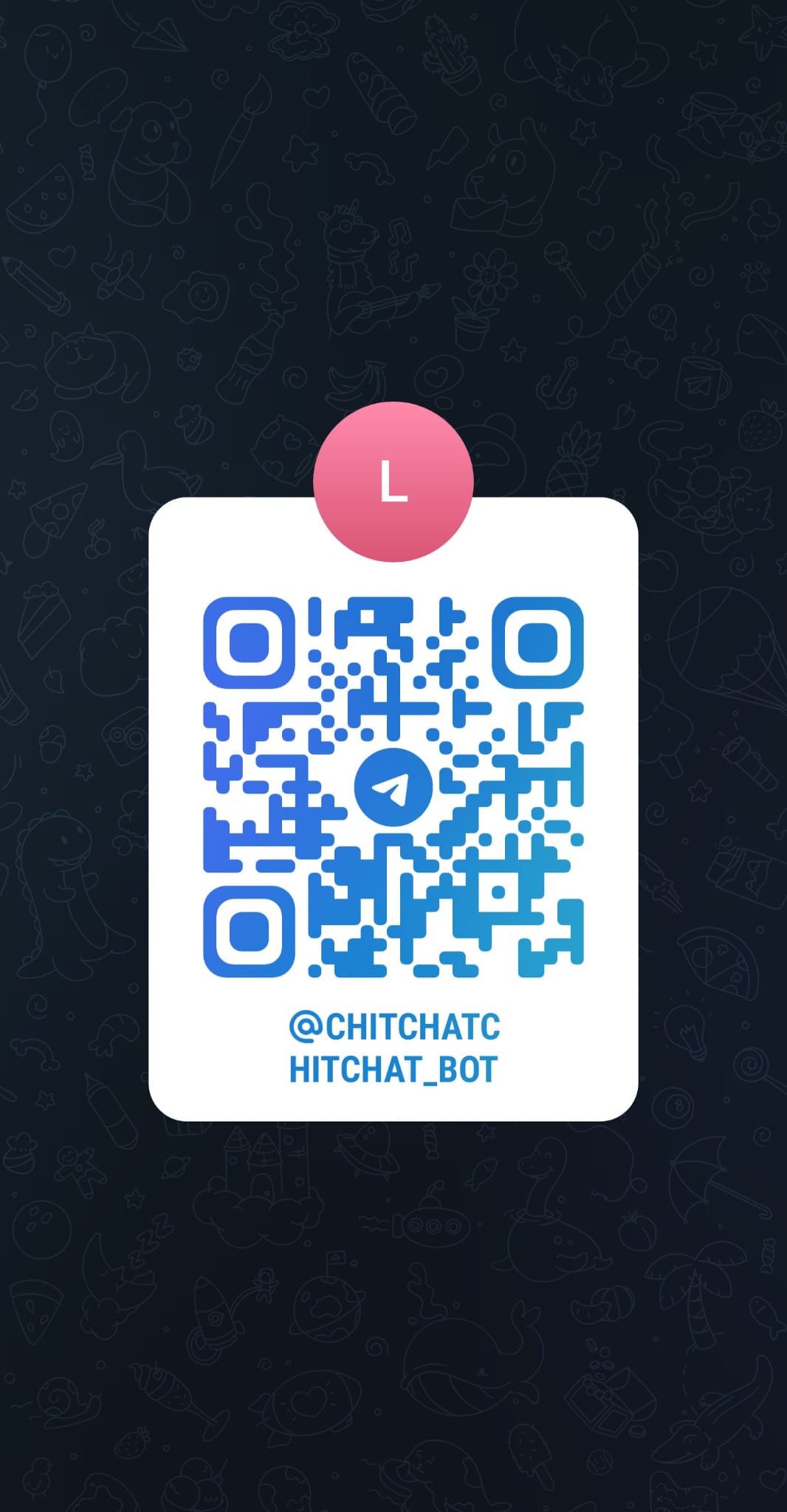
Try it out!
Inspiration
Our inspiration for LangBuddy came from the increasing need for immersive, dynamic language learning tools. Many existing solutions lack real-time interaction and personalization, which are critical for language learners. We wanted to create an agentic system that not only engages users but adapts to their skill level, vocabulary size, and learning pace, making the learning experience more natural and effective.
What it does
LangBuddy is an immersive language learning agent that helps users practice a language through real-time conversations. It adapts to the user's language level, adjusting vocabulary size and complexity based on progress. It also incorporates speech-to-text (STT) and text-to-speech (TTS) functionalities through a Telegram bot interface, making it highly accessible and easy to use on any mobile device. The agent can integrate with various external data sources to pull relevant information and generate insightful dialogues. Currently we only support English, but are adding new languages everyday.
How we built it
We built LangBuddy using LlamaIndex for efficient data retrieval and OpenAI's language model for dynamic conversational generation. We also implemented SQLAlchemy to maintain a persistent user context, ensuring that interactions feel continuous and meaningful. Additionally, LangBuddy is containerized using Docker for easy deployment and scaling, making it suitable for enterprises looking to adopt conversational AI solutions. The frontend interface allows seamless interaction via voice (STT and TTS) through platforms like Telegram.
Challenges we ran into
A challenge was optimizing the system for scalability, ensuring that LangBuddy could handle increased demand while maintaining fast response times and efficient resource use. We would implement webhooks to allow for better scaling capabilities.
Accomplishments that we're proud of
We are proud of successfully creating a highly customizable and scalable conversational agent system that can be easily adapted to various industries and use cases. By utilizing containerization, we ensured that LangBuddy could be deployed quickly and scaled to meet enterprise needs. Additionally, we integrated features such as configurable personalities and accents, making the user experience more engaging and personalized. Implementing STT and TTS capabilities to enable voice interactions on platforms like Telegram is another accomplishment we're excited about.
What we learned
This project deepened our understanding of integrating multiple AI technologies to create a cohesive system. We gained valuable experience in working with agentic systems, managing real-time data flow, and handling multi-step processes for a smooth user experience. Additionally, we learned how important it is to design interfaces that are intuitive and accessible for users of all technical levels.
What's next for LangBuddy
We plan to add support for multiple languages using multilingual llm models, allowing users to learn and practice various languages within the same system. We also aim to enhance the conversation quality by incorporating more advanced AI models and ensuring that LangBuddy can integrate with a wider range of platforms and learning tools. Expanding accessibility and refining the user experience will remain key goals as we continue to develop the platform.
Built With
- google-cloud
- langchain
- llamaindex
- openai
- searxng
- telegram
- vessl

Log in or sign up for Devpost to join the conversation.