Inspiration
I started building LandlordPro after researching the property-management software market and noticing a gap.
A lot of property-management software is built with large landlords and property managers in mind. But small landlords often don't need a huge system with dozens of complicated features. They need something simple to keep track of their properties, tenants, rent, and expenses.
That became the idea behind LandlordPro: a simple rent tracker made for small landlords.
I also talked with a few landlords while working on the idea. One of them told me that the app would be helpful for small landlords, which gave me more confidence that I was solving a real problem.
What it does
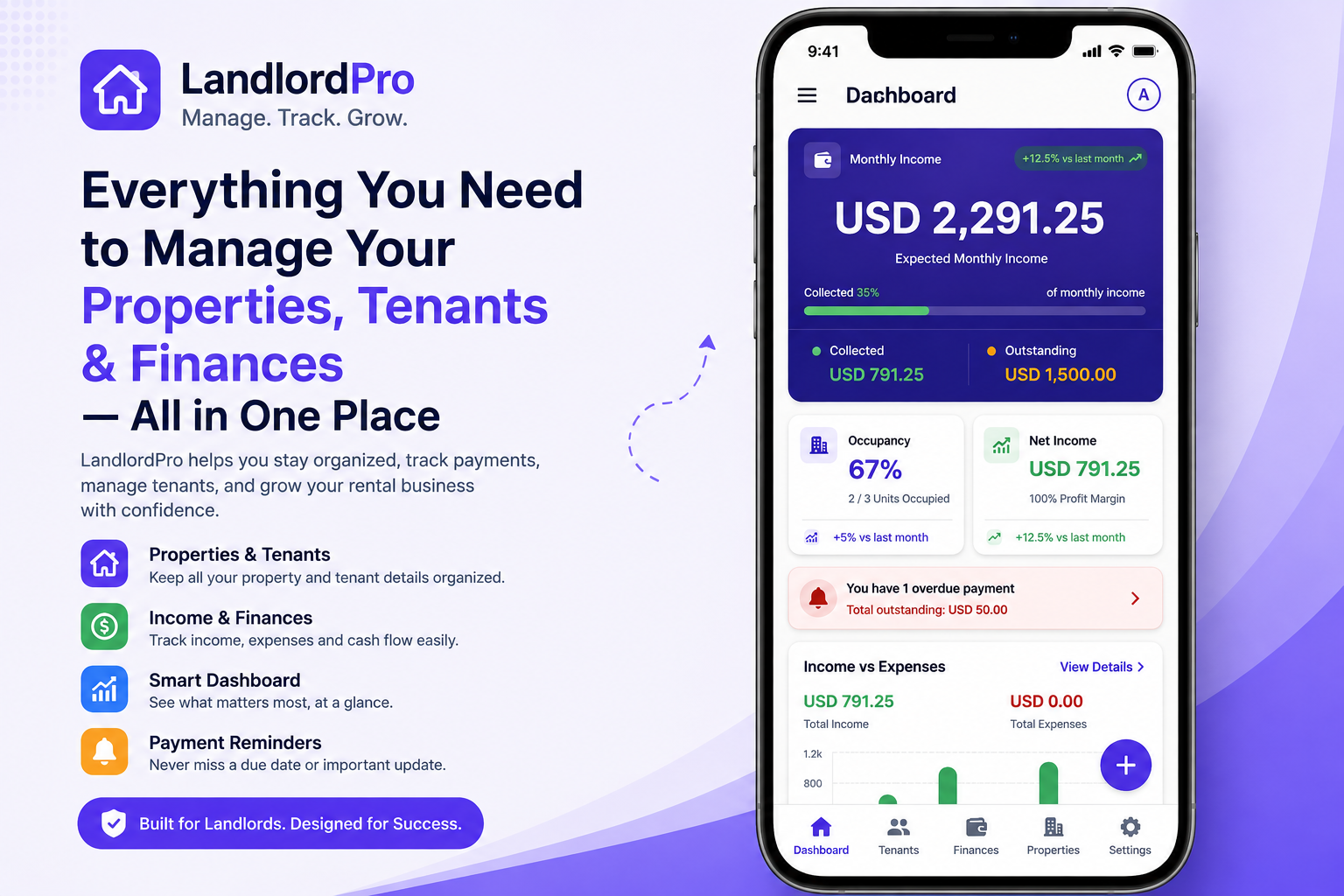
LandlordPro helps small landlords manage their rental properties without needing complicated property-management software.
The app lets landlords:
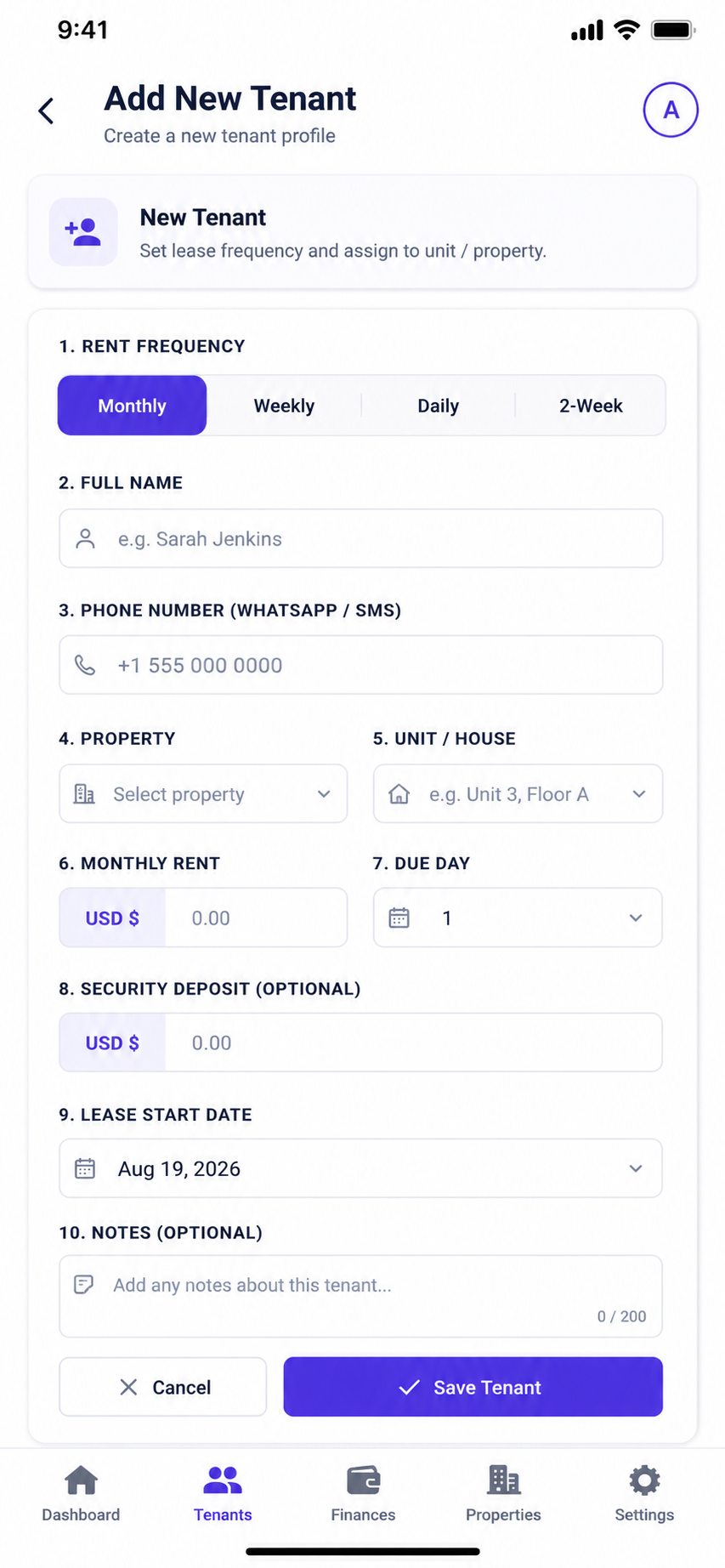
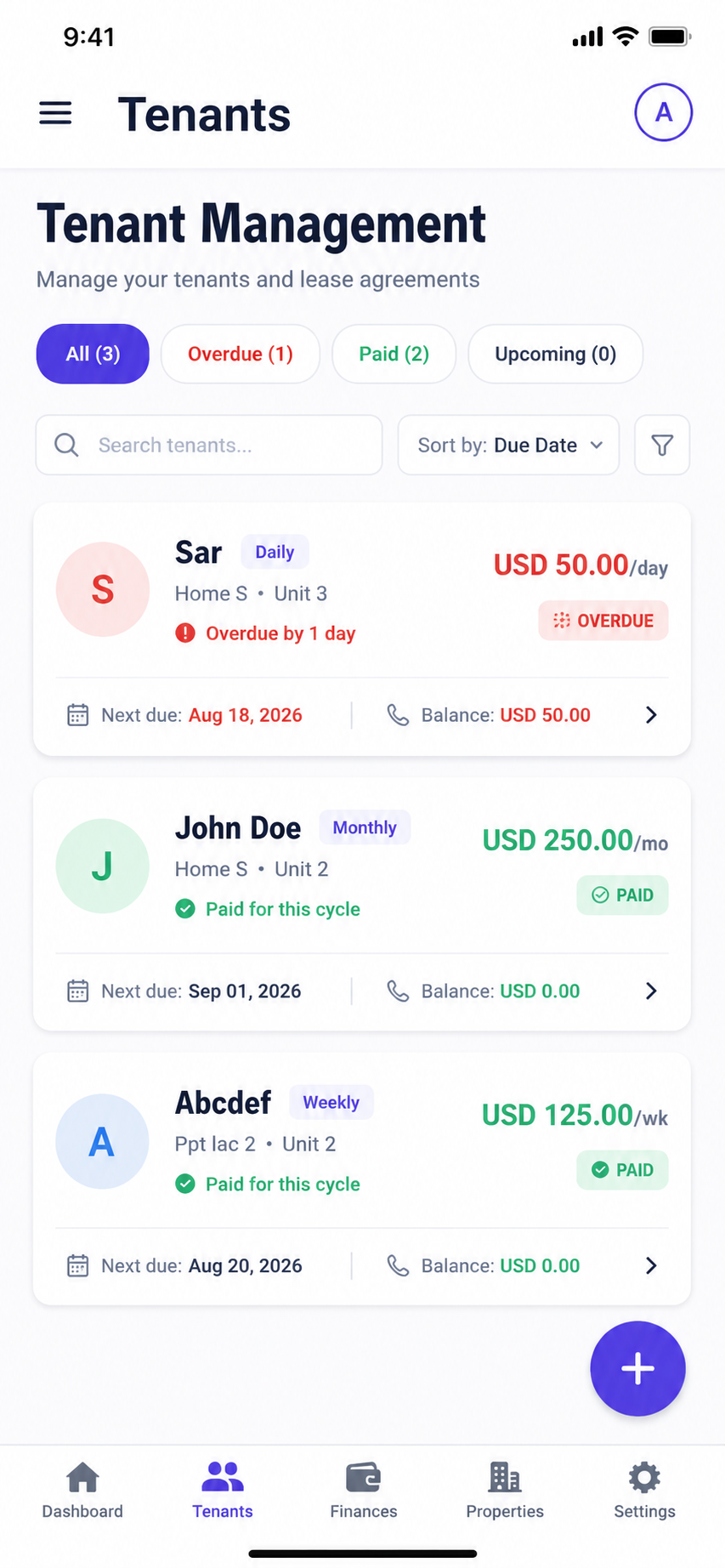
- Manage properties and tenants
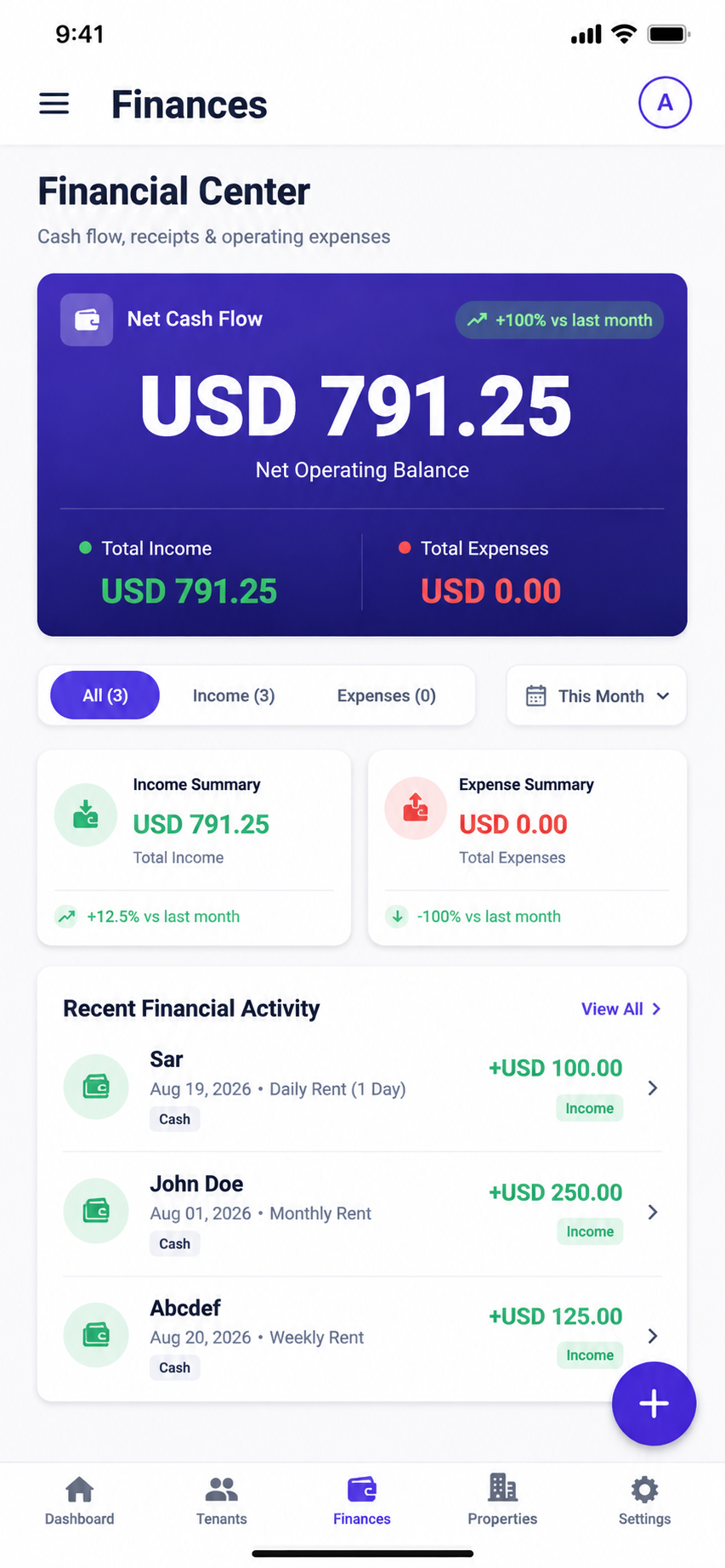
- Track rent payments
- View payment history
- Track expenses
- Set payment reminders
- Use the app offline
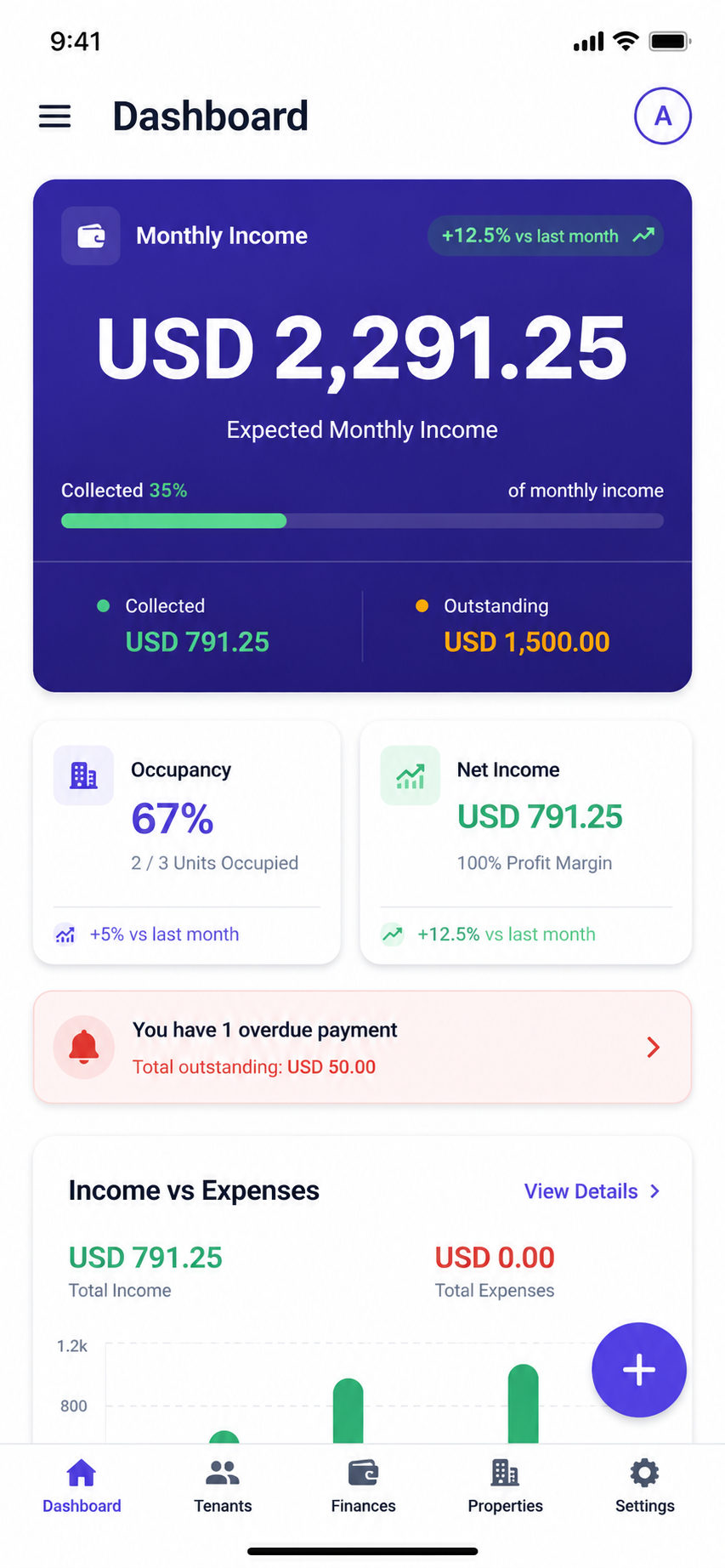
I wanted the experience to be straightforward: open the app, see what is happening with your properties, and quickly record a payment or expense.
How we built it
I built LandlordPro as a mobile app with an offline-first approach.
My first version used local storage only. As the app grew, I realized I needed something more structured and reliable for managing the data, so I changed the storage system and added a SQLite database.
I also spent a lot of time working on the interface. I wanted the app to feel clean and easy to understand rather than looking like traditional property-management software.
Challenges we ran into
One of the biggest challenges was building the data structure for properties, tenants, payments, and expenses while keeping the app simple for the user.
The first version using local storage worked, but as I added more functionality, I realized it wasn't the right long-term approach. Moving to SQLite was an important step in making the app more reliable and scalable.
I also had to rethink parts of the user experience during development. I changed the onboarding screen and redesigned the dashboard layout to make the most important information easier to access.
Accomplishments that we're proud of
The biggest accomplishment for me is seeing LandlordPro become a real, publicly available product.
The app is now published on Google Play and has already reached 50+ downloads.
I'm particularly proud of the property-management and payment-tracking features because they represent the core problem I wanted to solve.
I'm also proud of the clean design and color palette. I wanted LandlordPro to feel modern and approachable instead of complicated.
What we learned
The biggest thing I learned is that building a product starts with understanding the people you're building it for.
My research showed me that there is a difference between software designed for large property managers and what a small landlord actually needs.
Technically, I also learned a lot from building and improving the app. Moving from basic local storage to SQLite taught me that an implementation that works for a first version isn't always the right solution as the product grows.
Most importantly, I learned that launching the app is only the beginning. Getting real people to use it gives me much better information than assumptions made during development.
What's next for LandlordPro Rent Tracker
LandlordPro is still at an early stage, and I want to keep improving it based on real users.
My next goals are to add better reports so landlords can understand their rental activity more easily, and database backups so users can protect their important information.
I also want to continue listening to small landlords and building the features they actually need.
For me, the goal isn't to compete with large property-management platforms by adding hundreds of features. It's to make LandlordPro a simple, reliable tool for small landlords who just want an easier way to manage their rentals.


Log in or sign up for Devpost to join the conversation.