-
-
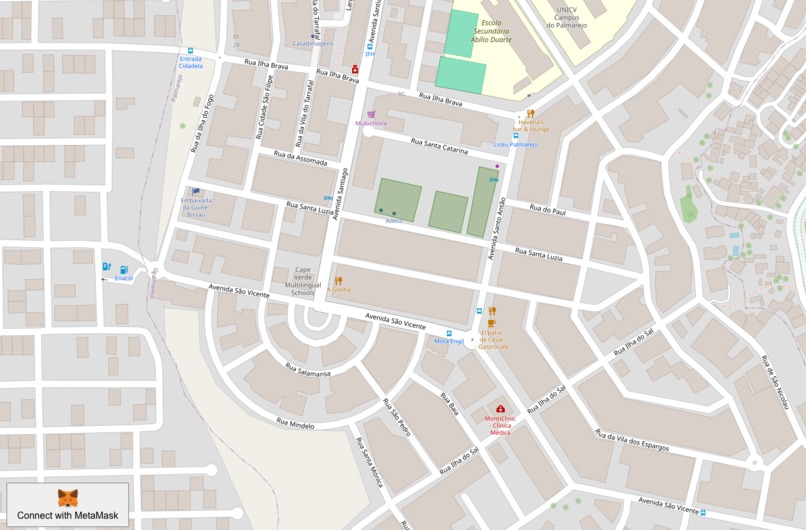
Land Trading System Screen
Inspiration
The original aim of this project is to help simplify complex issues encountered in land purchasing including ownership and revenue stream, overlapping and security.
What it does
This project Land Trading System is about Asset Tokenization and this means it is using one of the most promising ways to build real estate applications where properties can be sold in smaller fractions allowing for more buyers and investors.
How we built it
We were able to make a smart contract on solidity using the hardhat environment for compilation and deployment of our dApp on the avalanche network.
For the land registration functionality - landowners will be able to register their properties on the blockchain. This includes storing key information such as the land's location, size, and ownership details. After a land is registered, a custom token is created for that piece of land.
Selling Lands - The sellLand function enables a landowner to put their property up for sale. This includes specifying the sale price and making the land available for potential buyers.
Buying Lands - The buyLand function allows a buyer to purchase land that is listed for sale. This involves transferring ownership and the payment of the sale price.
The tokenization process involves a conversion of the rights to each asset into a digital token on the avalanche network. The tokens represent ownership of a fraction of each asset and can be traded on a blockchain platform, providing liquidity and accessibility.
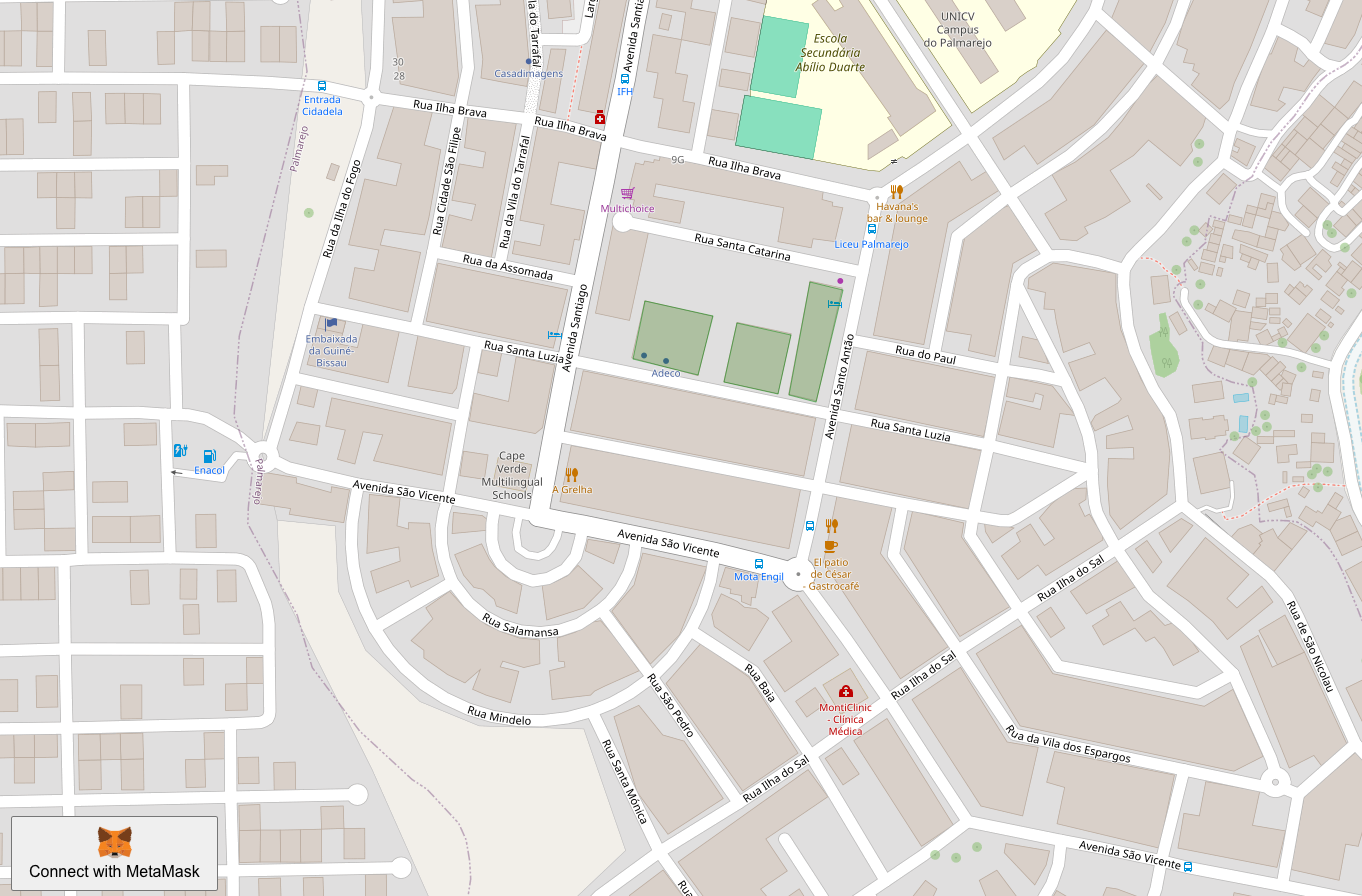
On the client we used CRA to display the features and functionalities where users can interact with a map.
There is a sidebar that displays the details of a land when it is selected on the map. The sidebar generally displays information depending on the user or what they want.
It also provides the buy land and update button for buyers and owners.
The map component displays the map on the interface with the help fo react-leaflet
We also created a form that only the owner of the contract is allowed to use. This is for land registration.
The wallet is set up to allow a user to connect before being able to interact with the map and mark a land. However, they will be able to view existing registered properties. It is set up in a way that allows a user to connect with the wallet of choice.
The lib folder is an important one where the contract file lives and this is where the deployed function in the smart contract are called using wagmi.
Then the last is the Land.sol file which is the smart contract deployed on the avalanche network. This is where all the functions called in the contract file come from.
Challenges we ran into
We got the information about the hackathon about two months earlier. However, not many of us really got into it because web3 and blockchain is kind of new to most of us.
But we were also encouraged by those who had been in it and have experiences in blockchain. So we took it from there….
Accomplishments that we're proud of
We are excited to be taking part in this hackathon. Because of the problems that blockchain solves, I believe this hackathon is as relevant to other participants as it is to my team and I.
What we learned
We've learn more a about the blockchain technology and the current stack for developing dApps and about the opportunities in the field.
What's next for Land Trading System
We will be looking for ways to improve the security and build more features related with the way users interact with the application. Mainly a way for them to search for lands more effectively. For example, search by location and price, ...
We are looking for projects and opportunities where we can apply and grow our newly found skills. We will be glad to keep in touch with the chainlink team and other developers who have similar interests. Each of us are available for new roles in the blockchain industry.
With the knowledge of the web and web development, we are considering newer ways to offer solutions that combine web3 and blockchain.


Log in or sign up for Devpost to join the conversation.