Inspiration
The project began with a simple idea: if mixed reality can merge realities, then it should also merge genres, aesthetics, and personalities that normally don’t coexist. Ladybeard—longtime friend and creative powerhouse—was the perfect catalyst. We wanted to create something as unrestrained as his stage persona: chaotic, charming, explosive, and impossible to ignore. So we asked a straightforward question: what happens when you drop Ladybeard into an MR world, crank his “Kawaii Kaiju” energy to maximum, and build an interactive music video around it?
Because Ladybeard is a friend, the collaboration grew naturally. We weren’t aiming for a traditional music video; we wanted a piece of interactive pop culture built specifically for mixed reality.
That is how Twisted Kaiju Tale XR started.
What it does
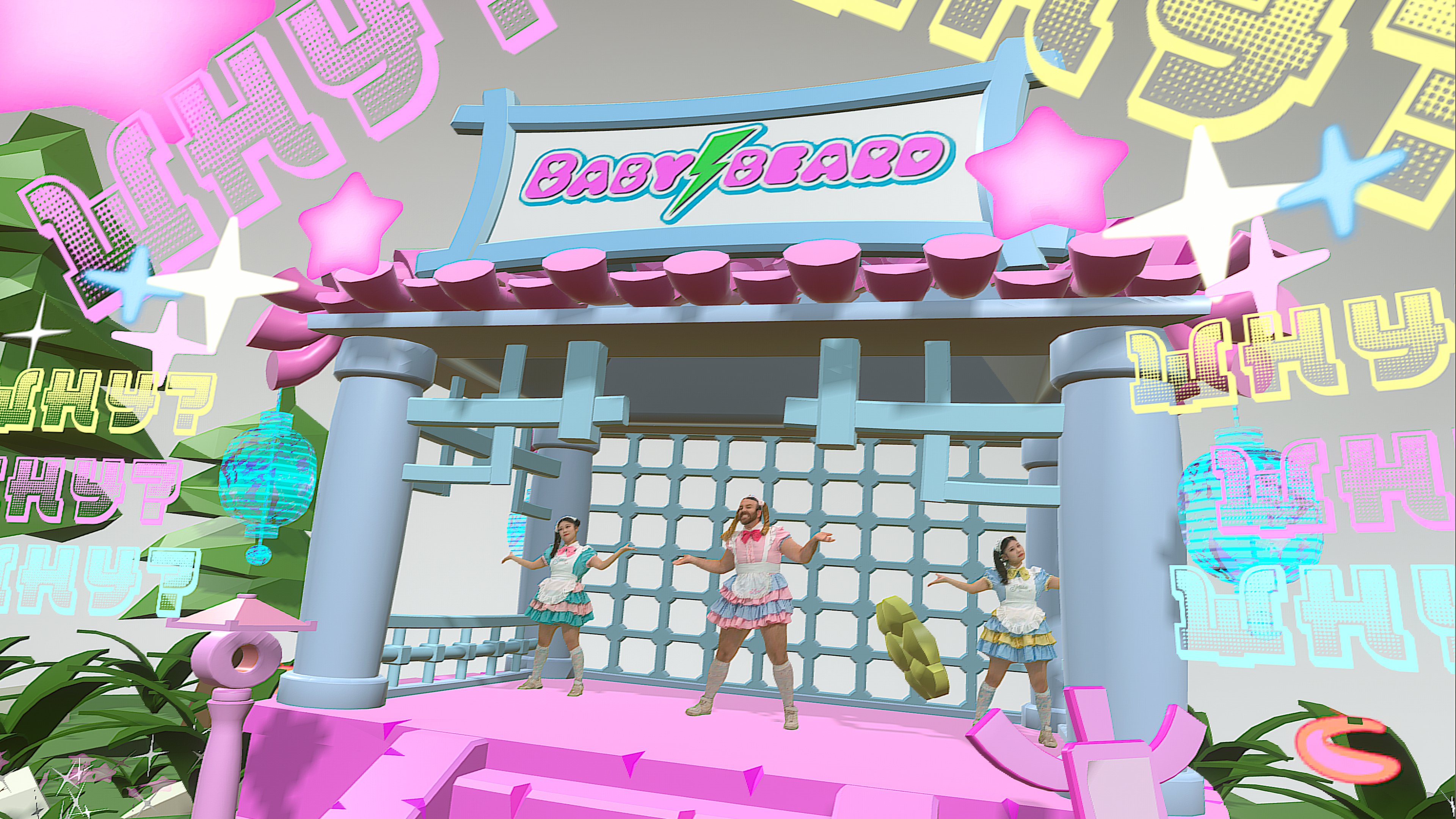
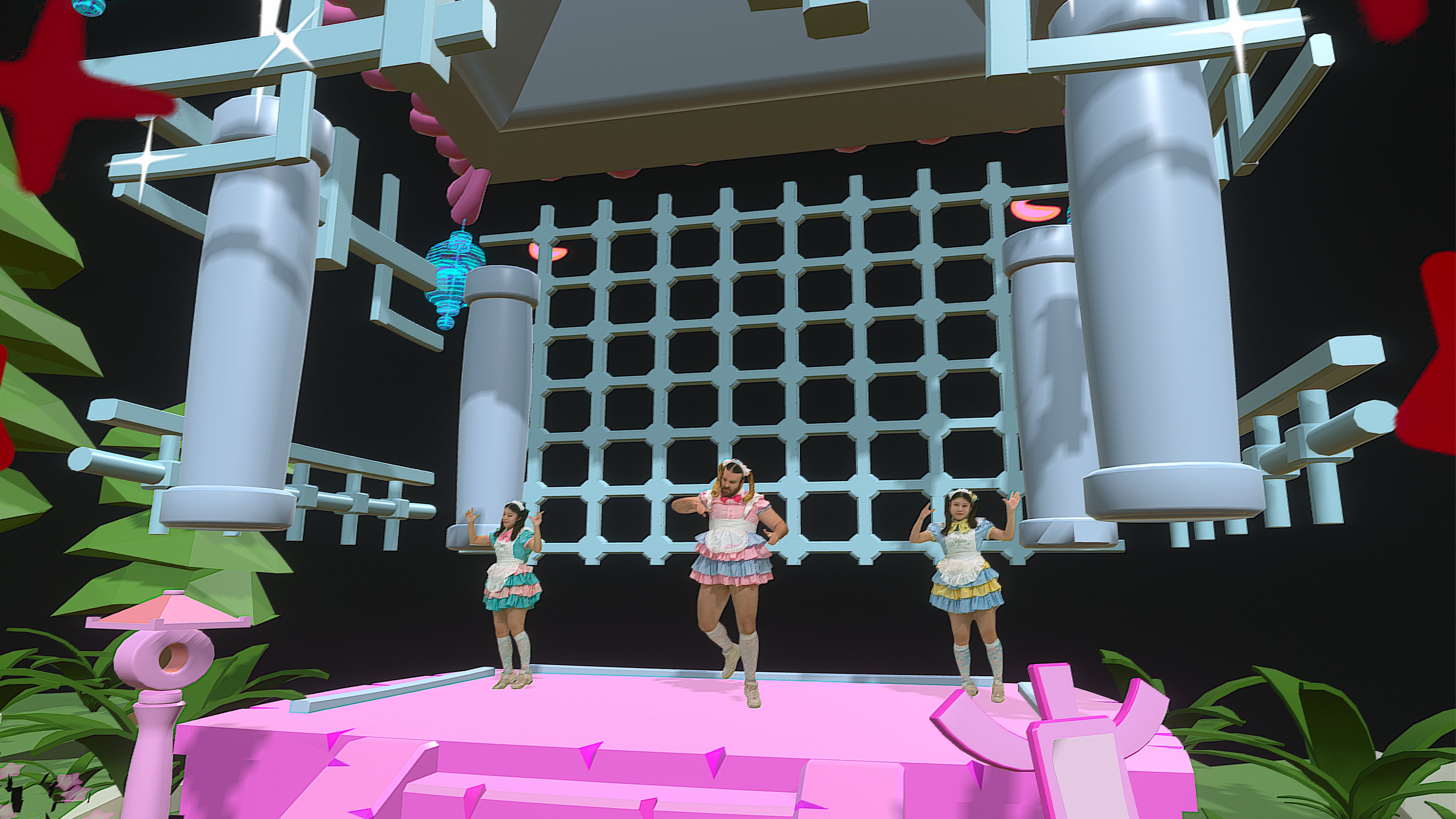
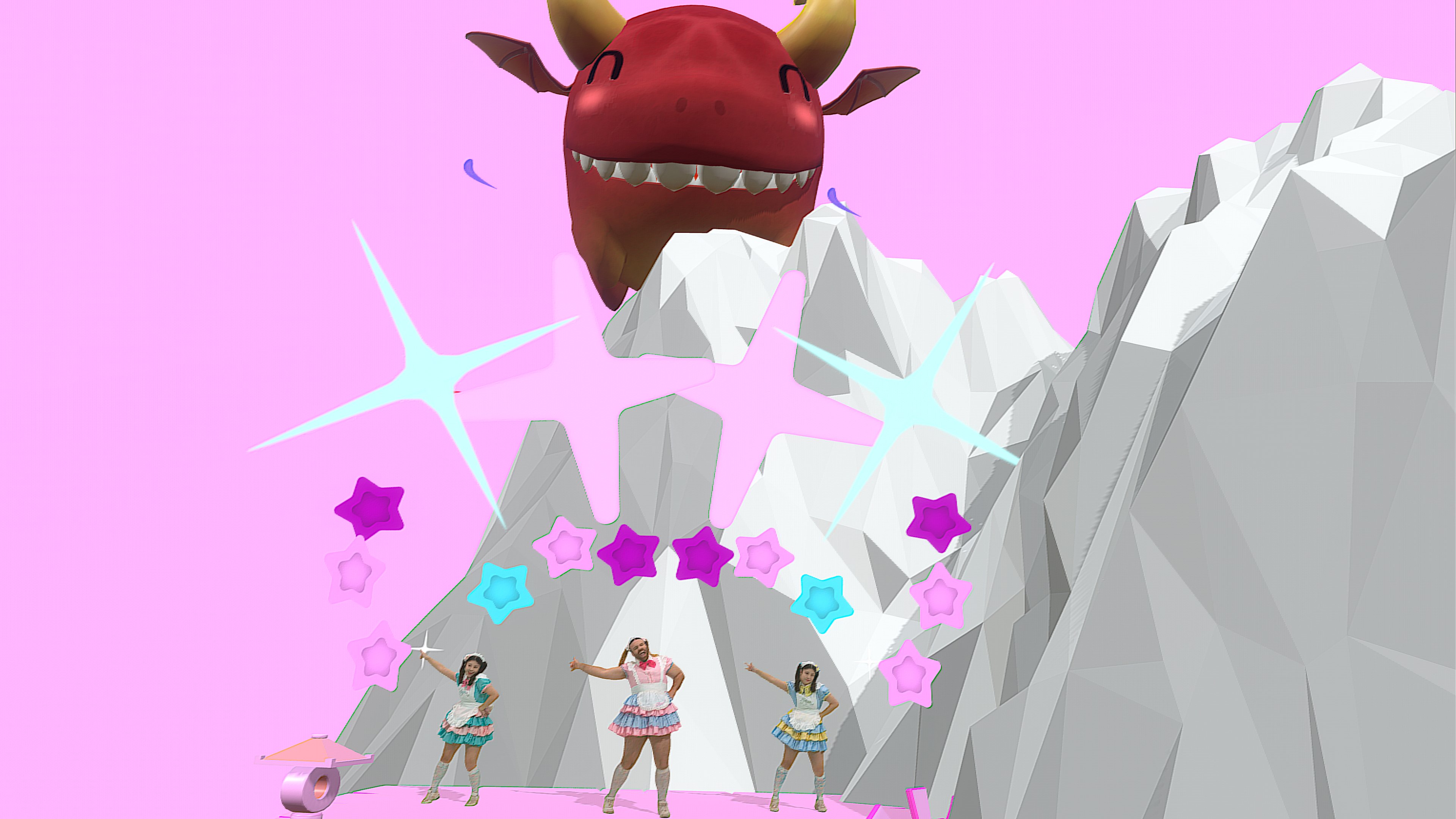
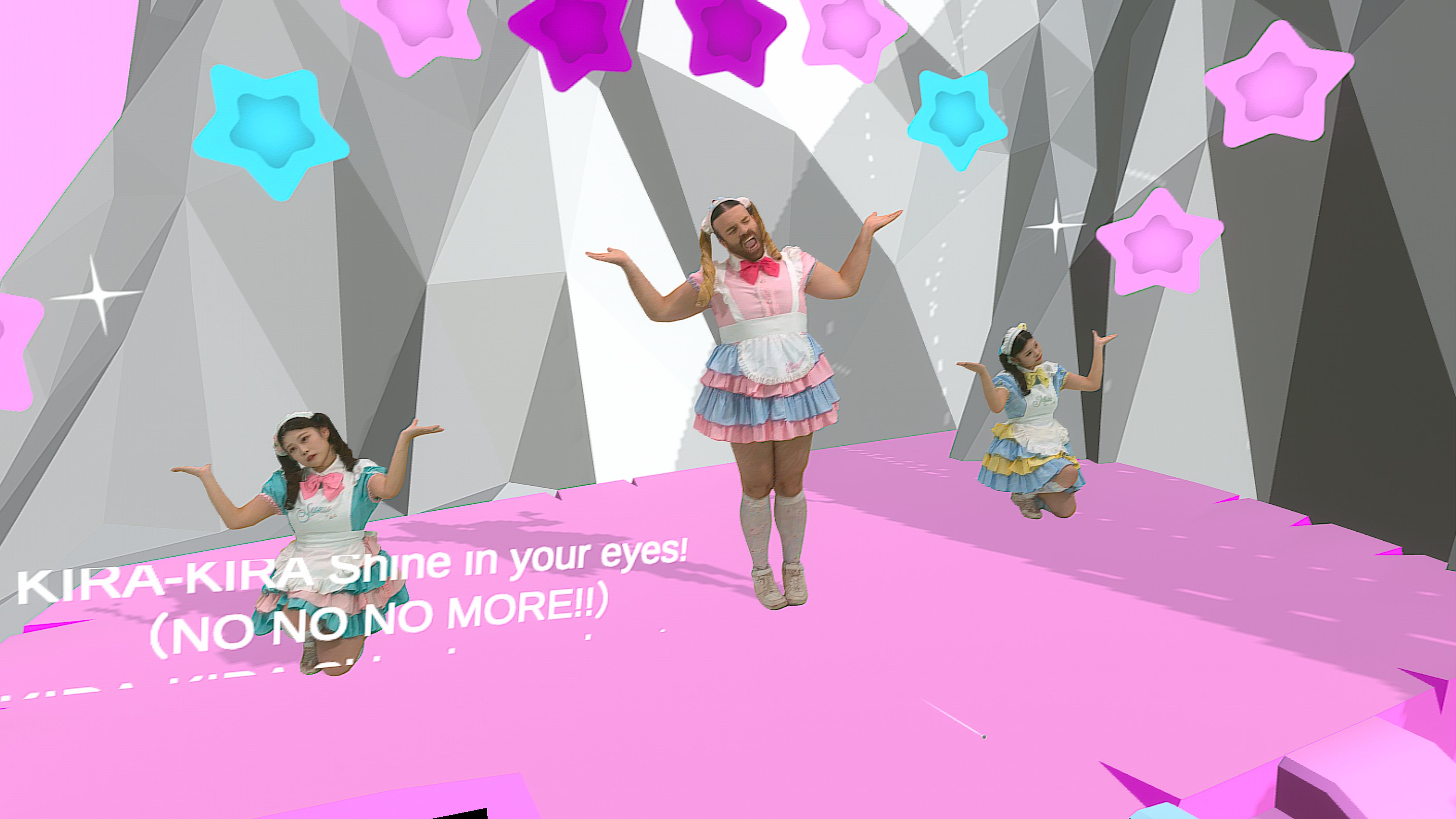
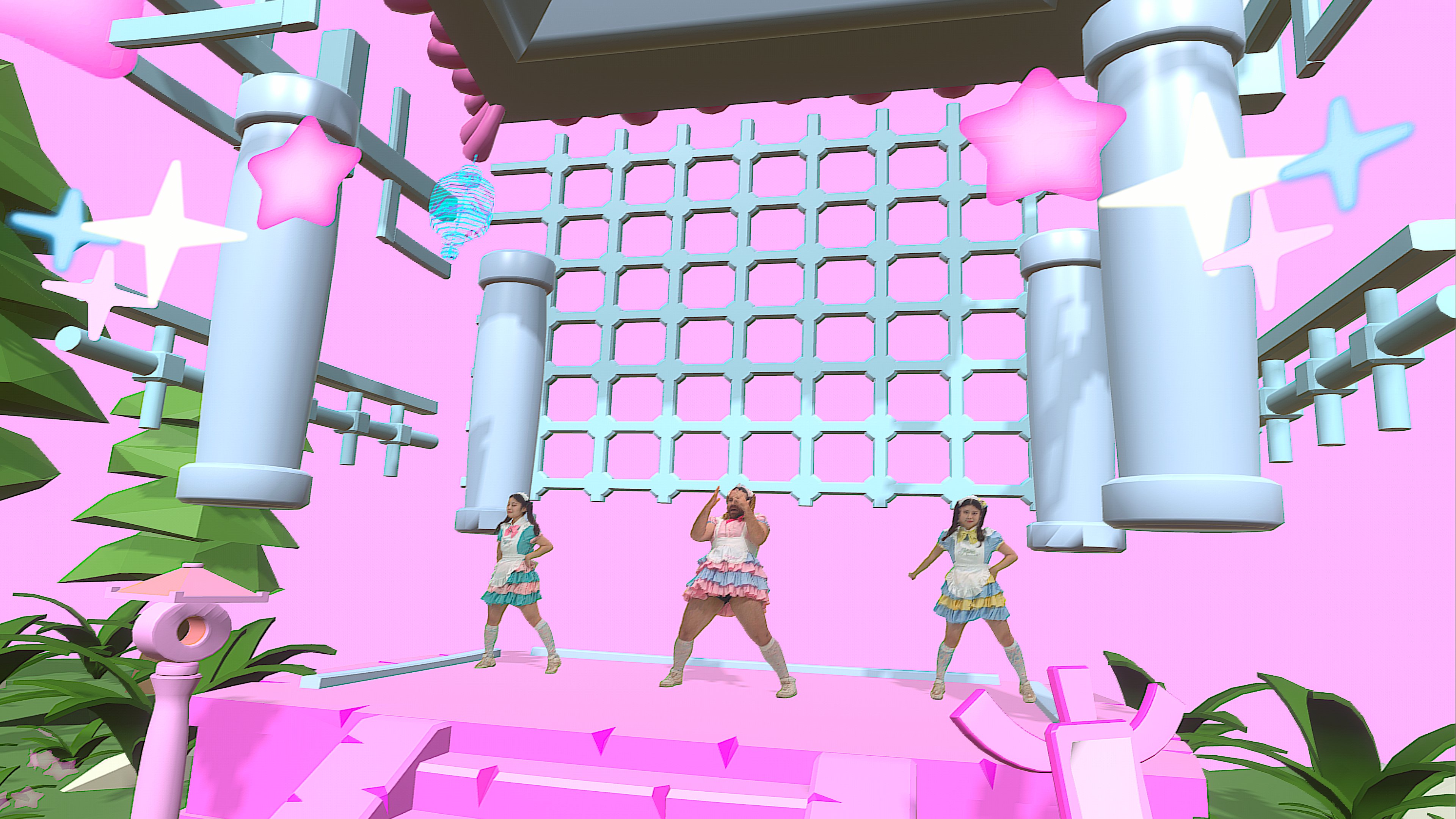
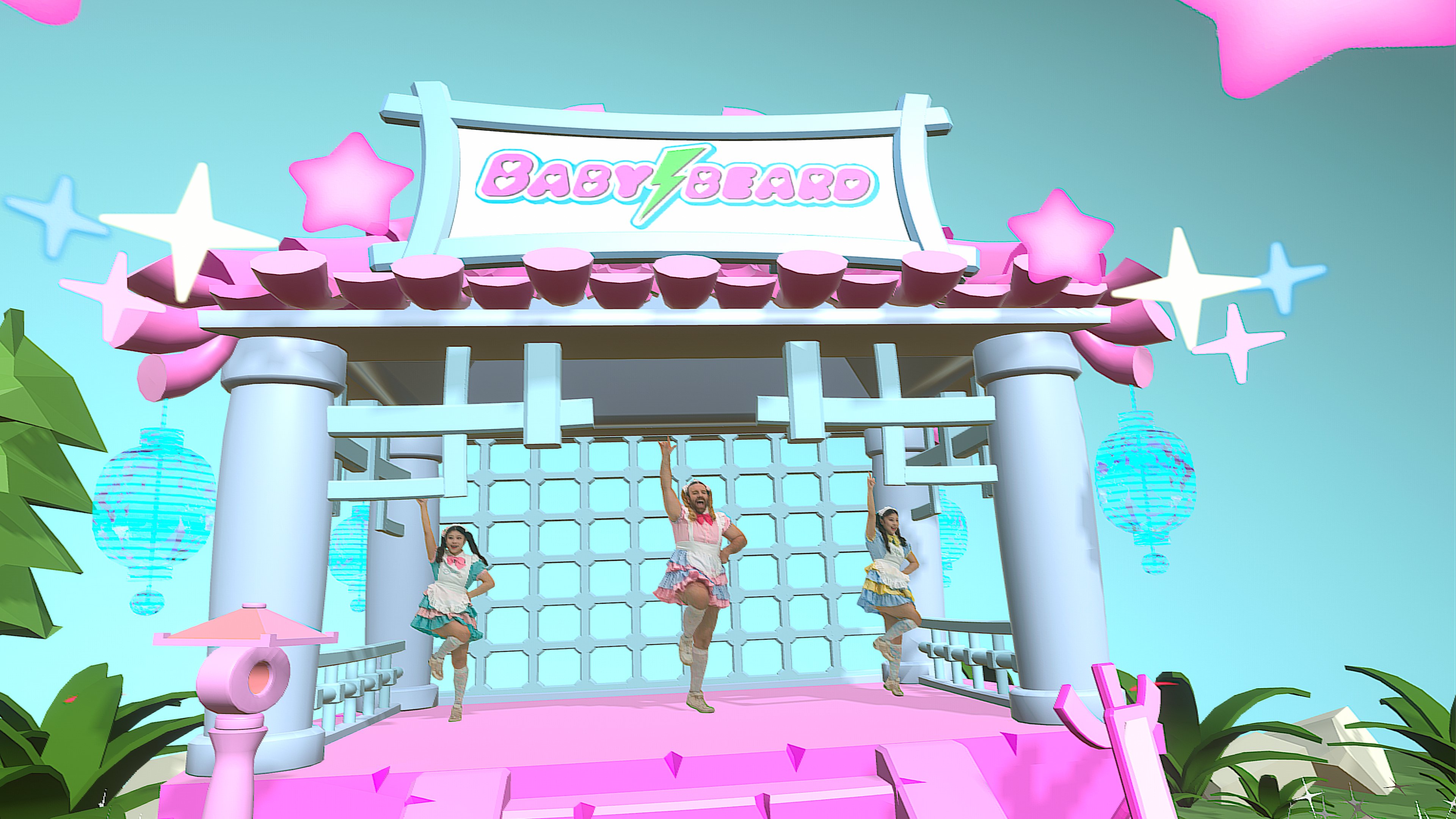
The original music video already fuses metal, idol culture, and kaiju mythology into one hyperactive package. Our goal was to translate that energy into spatial computing—letting fans step inside the performance instead of watching from a screen. The pastel maid outfits, exaggerated poses, and kaiju-scale attitude became the stylistic anchor for the MR version.
How we built it
We produced the capture using our high-resolution volumetric pipeline (over 3000 MP per frame), preserving micro-expressions, cloth dynamics, and Ladybeard’s trademark physicality. Real-time lighting adaptation, shadow integration, and optimized meshing ensure that each performer anchors believably into the user’s room.
On the XR side, we built a lightweight spatial interaction layer that allows:
- repositioning performers,
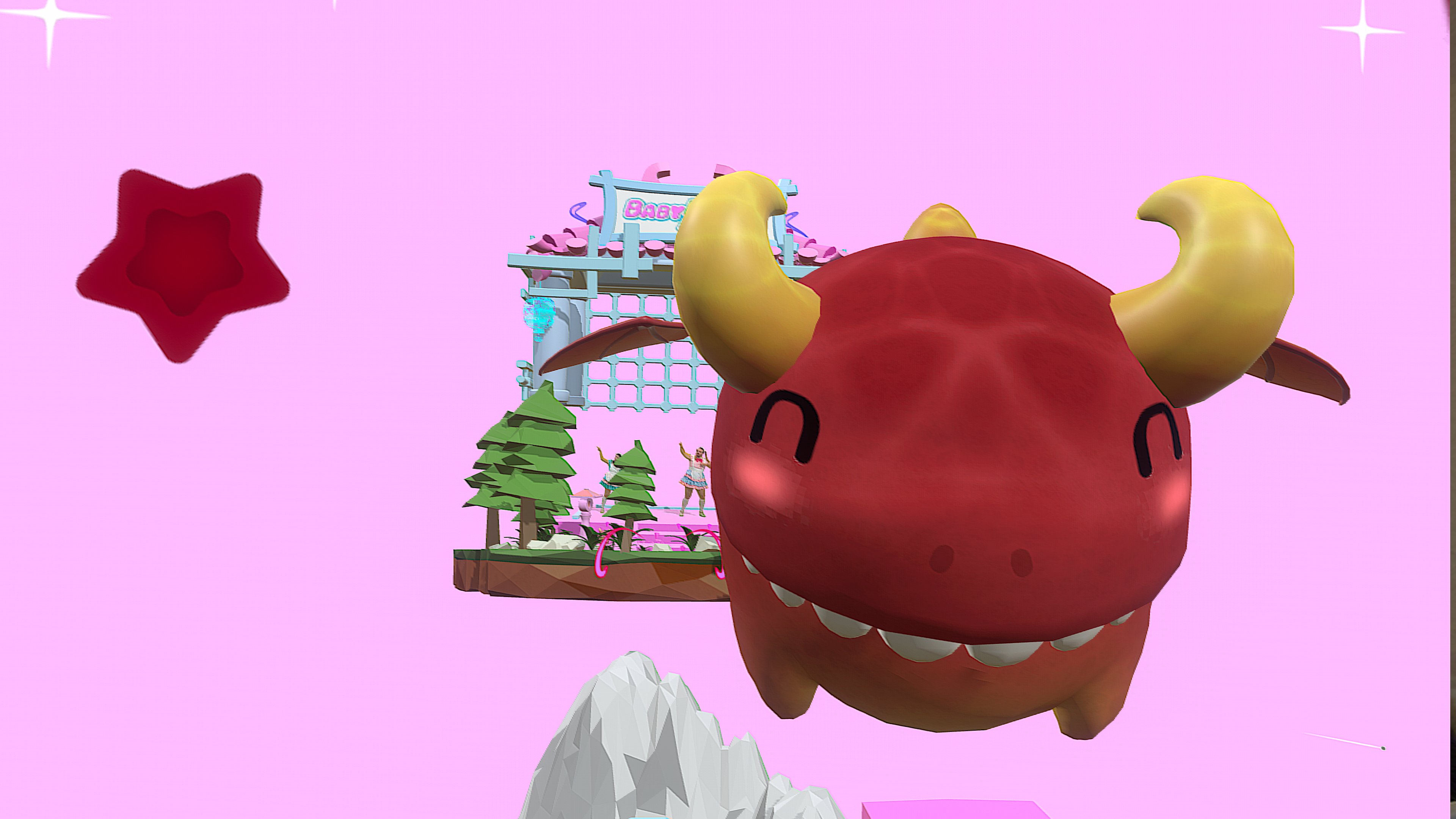
- scaling kaiju-transformation moments,
- triggering beat-synced effects,
all while maintaining smooth framerates on Meta Quest devices.
To manage volumetric complexity, we implemented a custom adaptive LOD system designed specifically for human performance data.
Challenges we ran into
- Volumetric compression: Reducing multi-gigabyte captures to a performant MR asset required a new internal codec pass.
- Choreography in MR: Ladybeard’s explosive movement needed careful spatial blocking to stay comfortable and readable
Accomplishments that we're proud of
Bringing Twisted Kaiju Tale XR to life required merging high-energy performance art, advanced volumetric capture, and real-time mixed-reality rendering into one cohesive experience. A few key accomplishments stand out:
1. Volumetric performance at unprecedented fidelity
We captured Ladybeard and the performers at over 3000 MP per frame, preserving tiny facial cues, cloth motion, and the exaggerated stylistic details that define the original music video. This level of fidelity is rarely deployed in consumer MR experiences.
2. A fully interactive MR music-video format
Instead of watching a music video, users enter it:
- Scale the kaiju transformations.
- Reposition performers.
- Trigger synced visual FX in physical space. This pushed us to rethink music-video design from the ground up.
What we learned
Mixed reality reshapes how audiences consume performances.
Users don’t “watch” an MR performance—they interact with it. They approach performers, scale scenes, place them in unexpected locations, and treat the experience like a hybrid of a concert, a toybox, and a personal stage.
This required us to rethink traditional music-video pacing and structure.
What's next for Ladybeard: Twisted Kaiju Tale XR
The target release is April next year, with continuous updates planned afterward and a Live show event that combines his real performances with Meta headsets.


Log in or sign up for Devpost to join the conversation.