
Inspiration
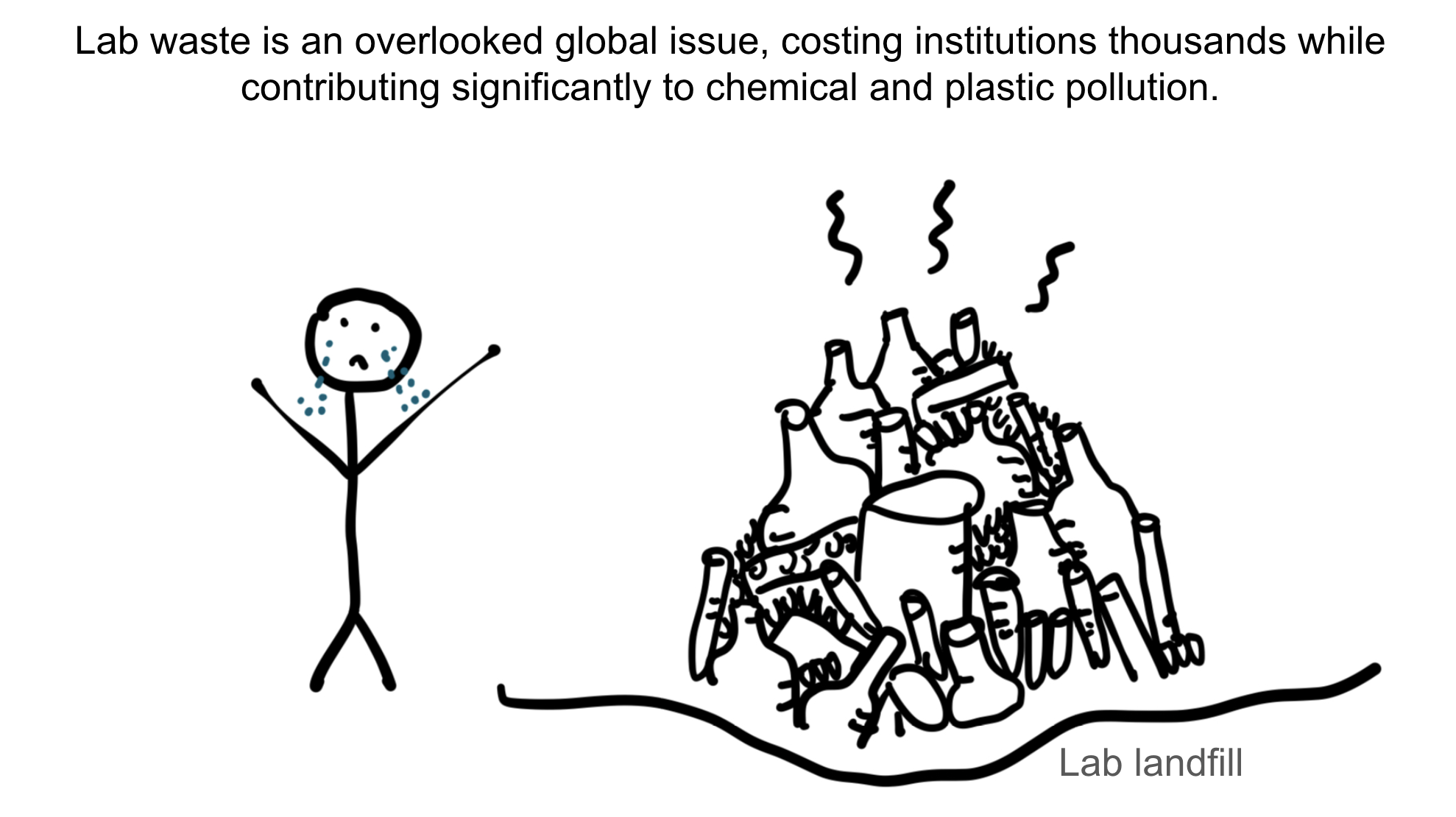
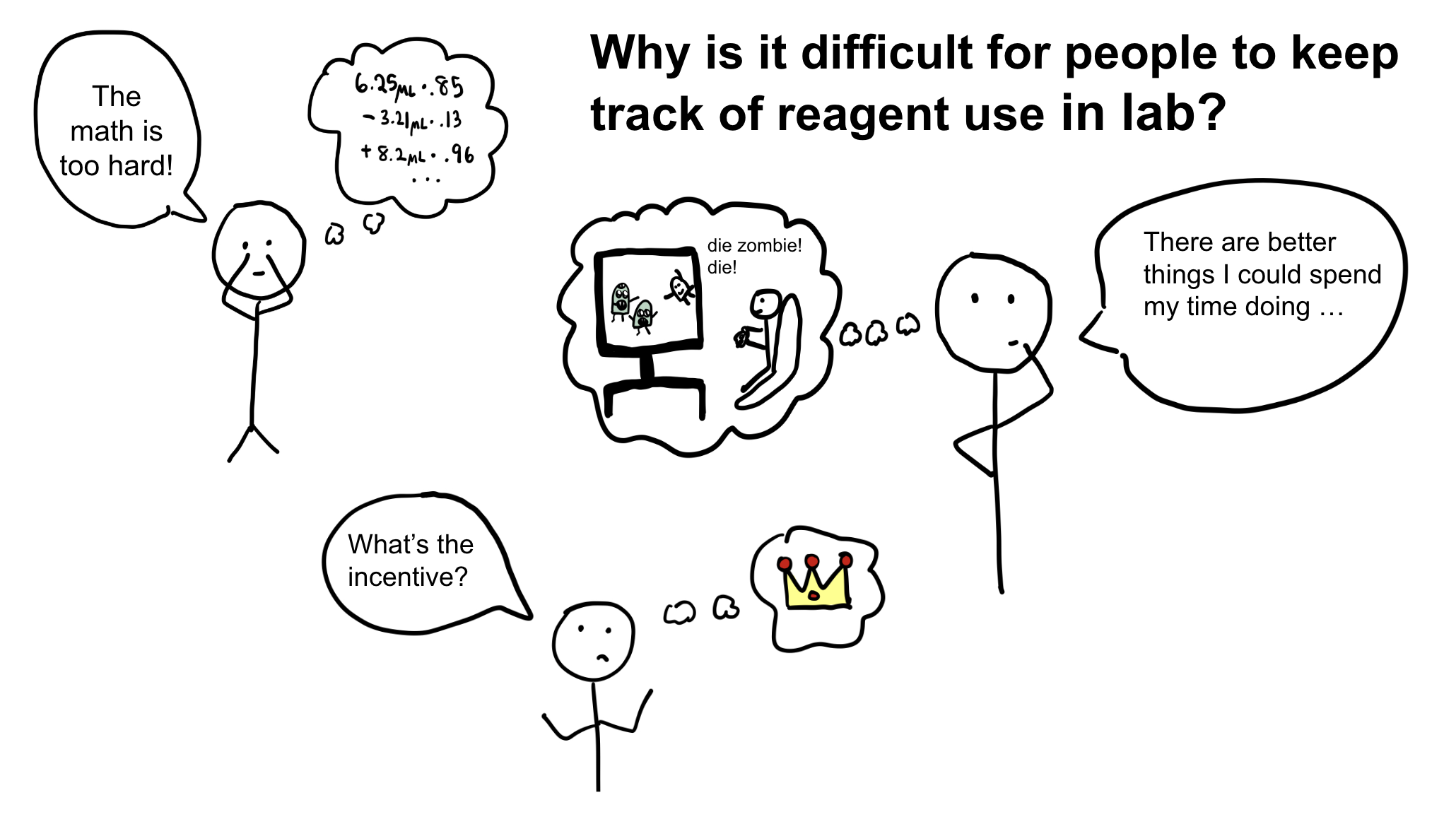
Lab waste is a growing but often overlooked global issue. It costs institutions thousands of dollars each year and significantly contributes to chemical and plastic pollution. We realized that a lot of this waste comes from poor inventory management—duplicate reagents, expired chemicals, and last-minute orders. Inspired by our own lab experiences, we wanted to create a simple, sustainable solution to help labs cut waste, save money, and operate more efficiently.
What We Built
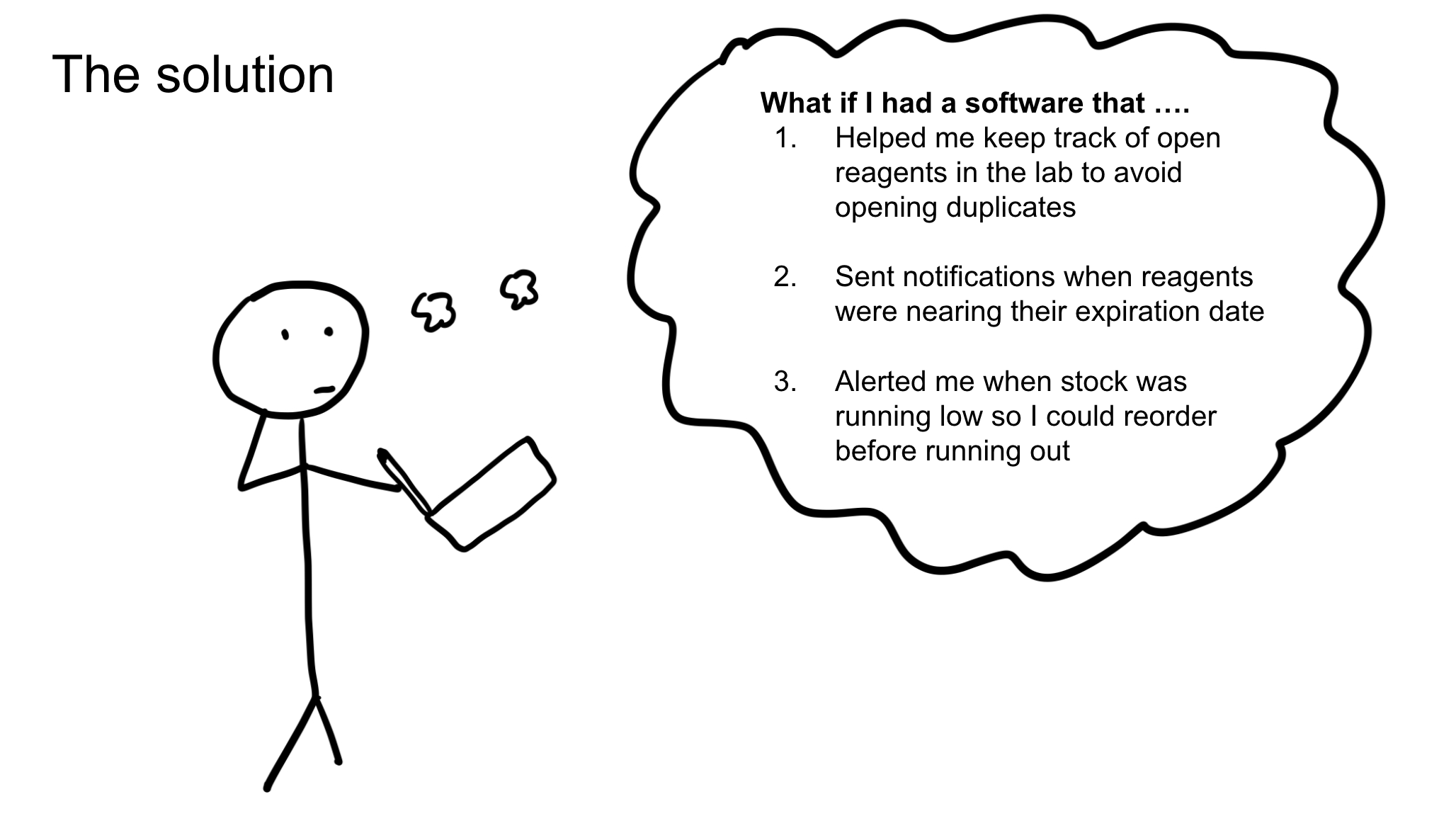
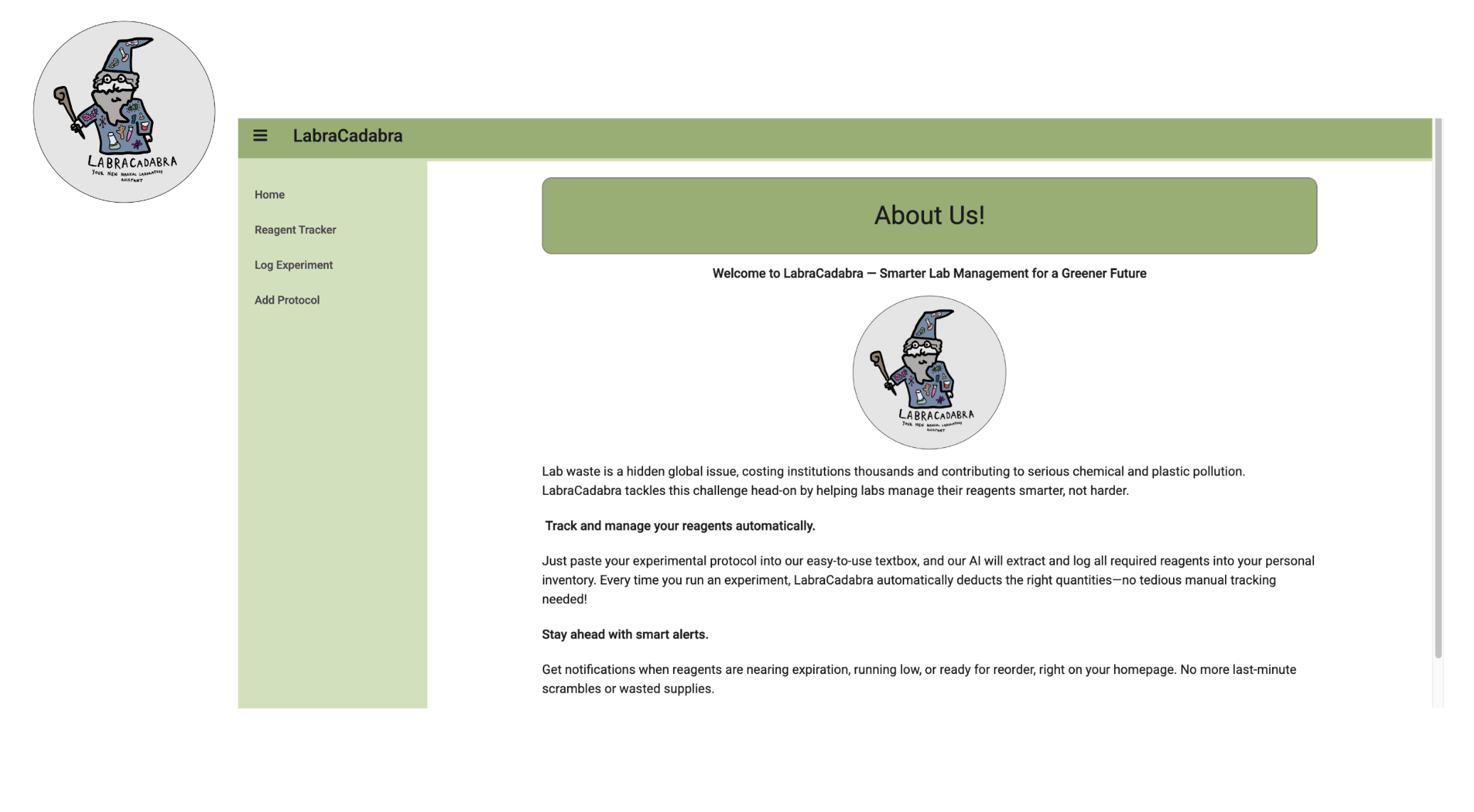
We created LabraCadabra, an AI-powered platform designed to streamline reagent tracking and inventory management. With LabraCadabra, users can: (1) Paste a protocol into a textbox, and our AI automatically extracts and logs all required reagents into a database. (2) Automatically deduct reagent quantities each time an experiment is run—no manual tracking needed! (3) Use a "Multiplier" feature to adjust inventory based on protocol deviations (e.g., running a half-size PCR). (4) Receive automatic notifications when reagents are nearing expiration or stock is running low. (5) Easily add new reagents to inventory using our Reagent Tracker for seamless updates.
How We Built It
We developed LabraCadabra using a combination of frontend and backend tools. Our team implemented natural language processing (NLP) techniques to extract reagent information from user-pasted protocols. We built a dynamic database system that updates in real time with each experiment or purchase, and integrated a notification system to alert users when action is needed.
Challenges We Faced
Building LabraCadabra wasn’t without its challenges. Some of the key hurdles we had to overcome included: (1) Learning how to compete in a hackathon as bioengineering students (not computer science majors) — and building our first ever website! (2) Developing an accurate AI system to reliably extract reagent names and quantities from varied protocol formats. (3) Creating a flexible inventory system that could handle deviations from standard protocols. (4) Ensuring real-time updates without slowing down the user experience. (5) Designing an intuitive UI that made inventory management feel effortless, not tedious.
What We Learned
Through this project, we learned the importance of user-centered design—building a tool that's not only powerful, but easy and enjoyable to use. We also deepened our skills in AI integration, database management, and real-world problem solving. Most importantly, we gained a new appreciation for the impact that small, everyday practices—like better inventory tracking—can have on sustainability efforts.

Log in or sign up for Devpost to join the conversation.