-
-
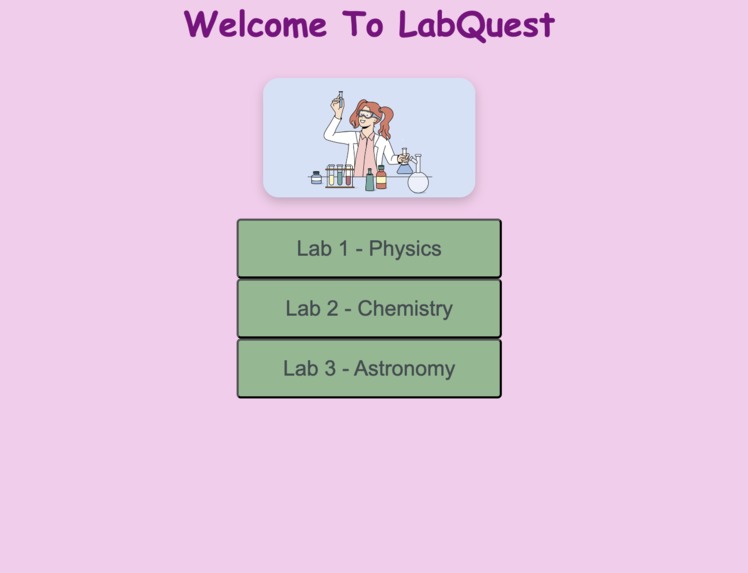
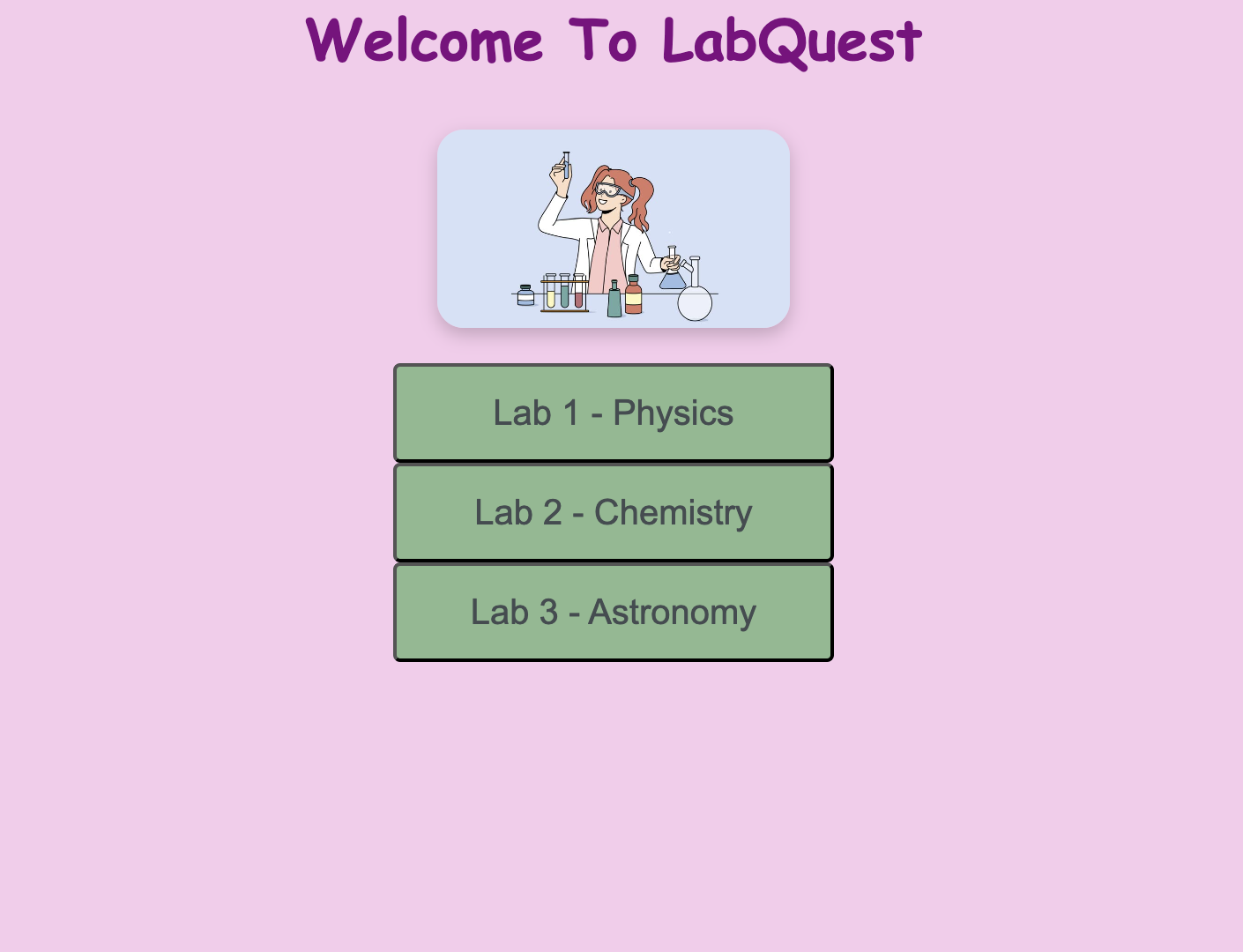
Homepage
-
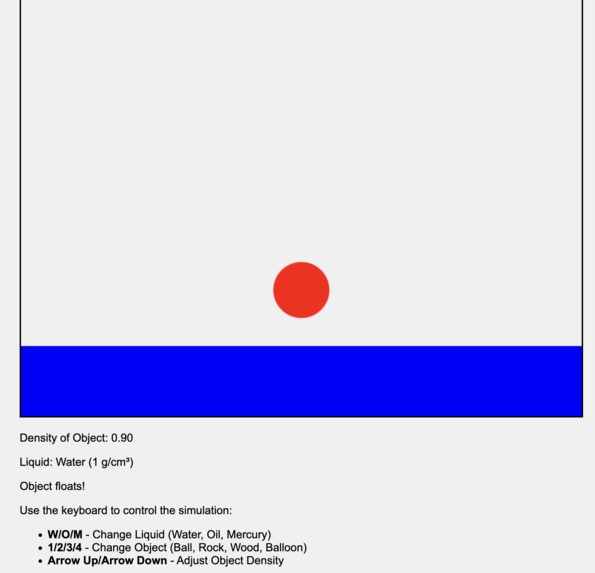
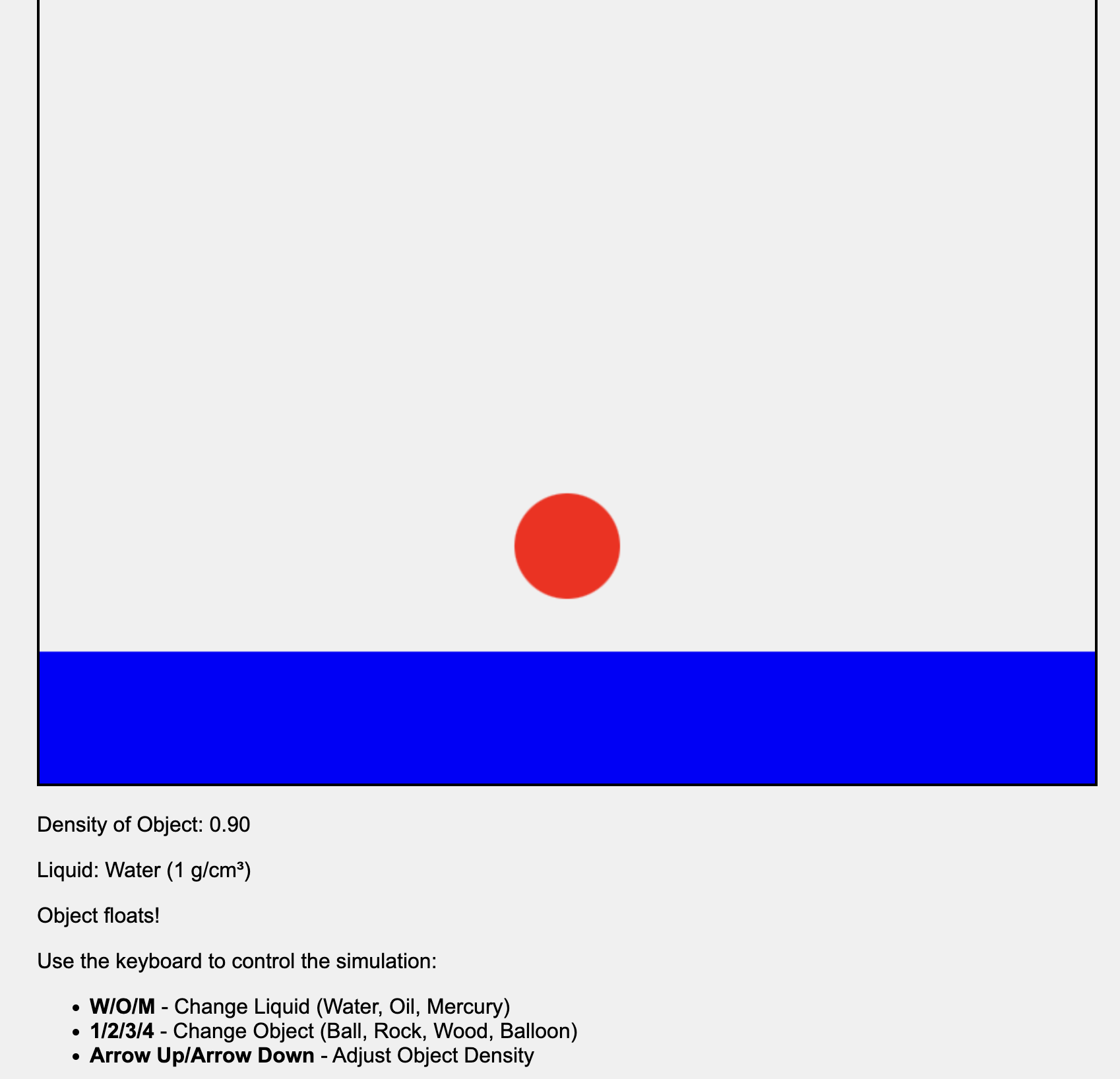
Lab1- Bounacy
-
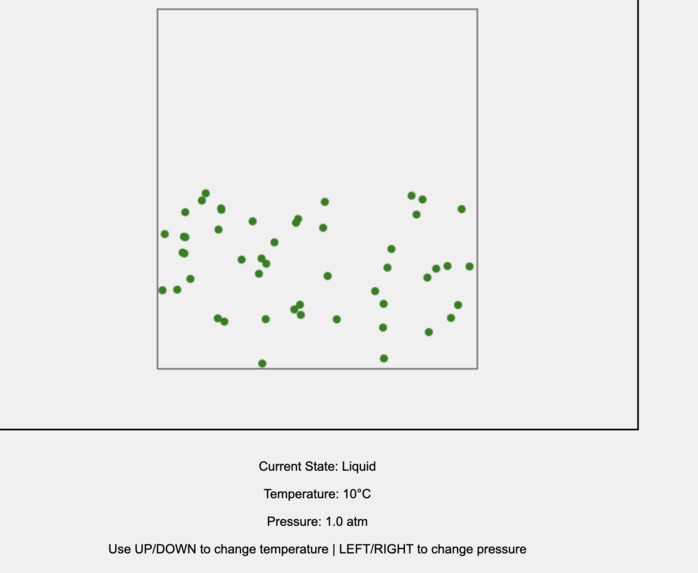
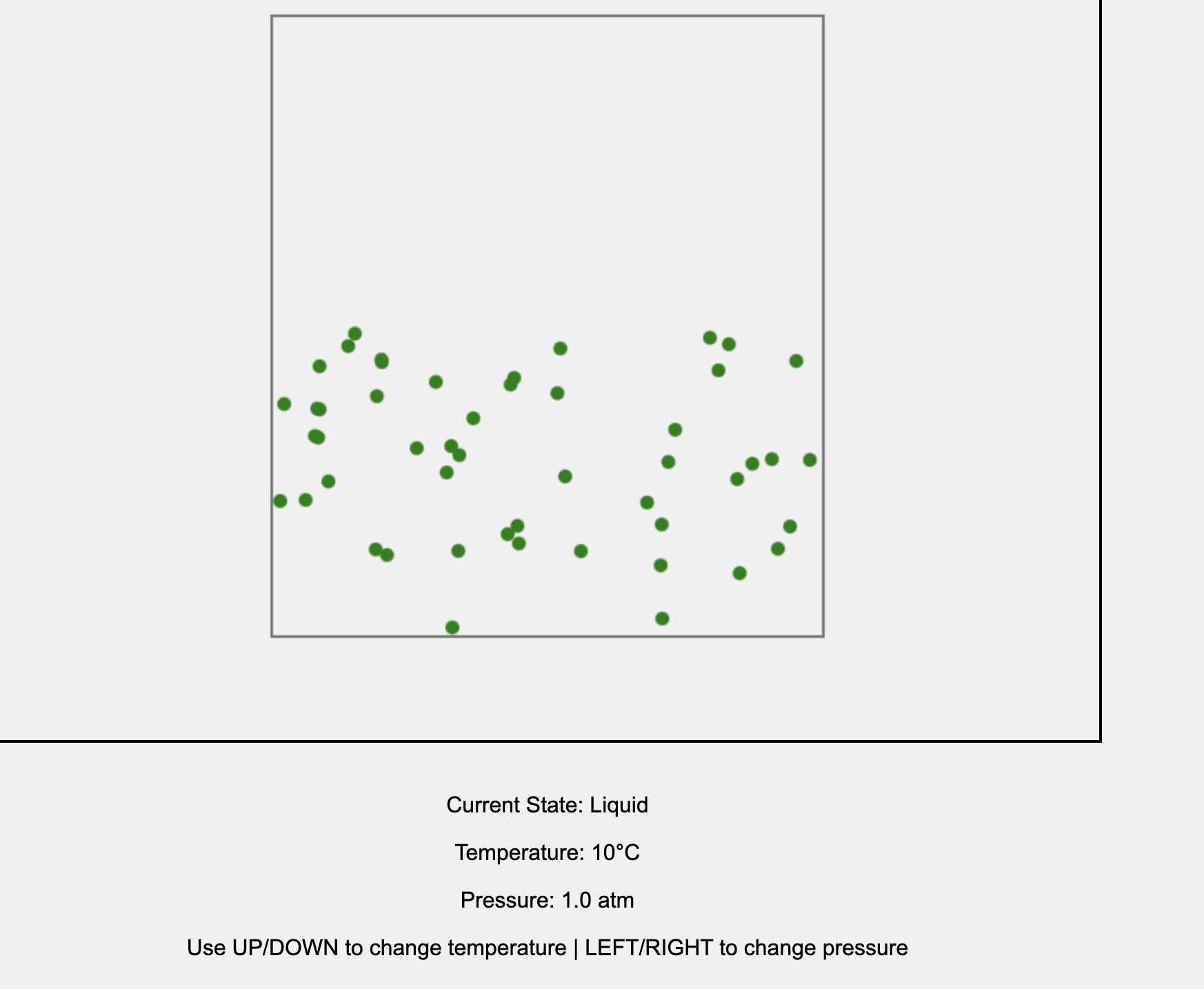
Lab2- States of Matter
-
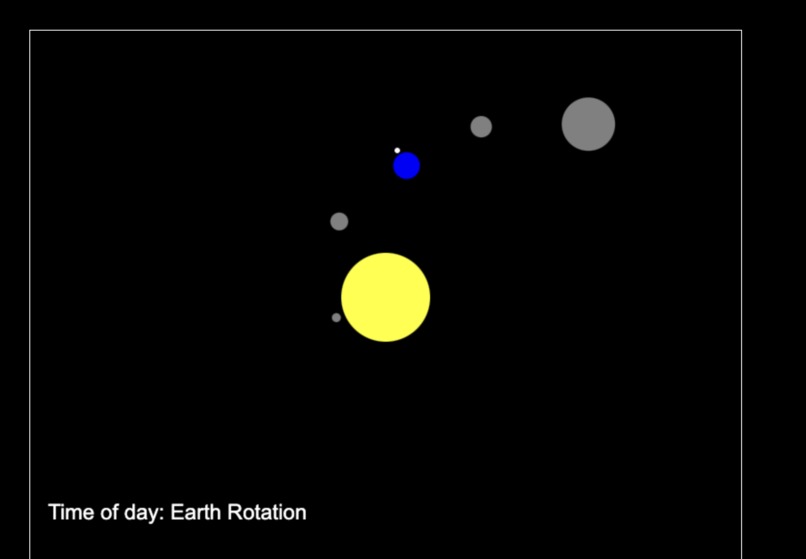
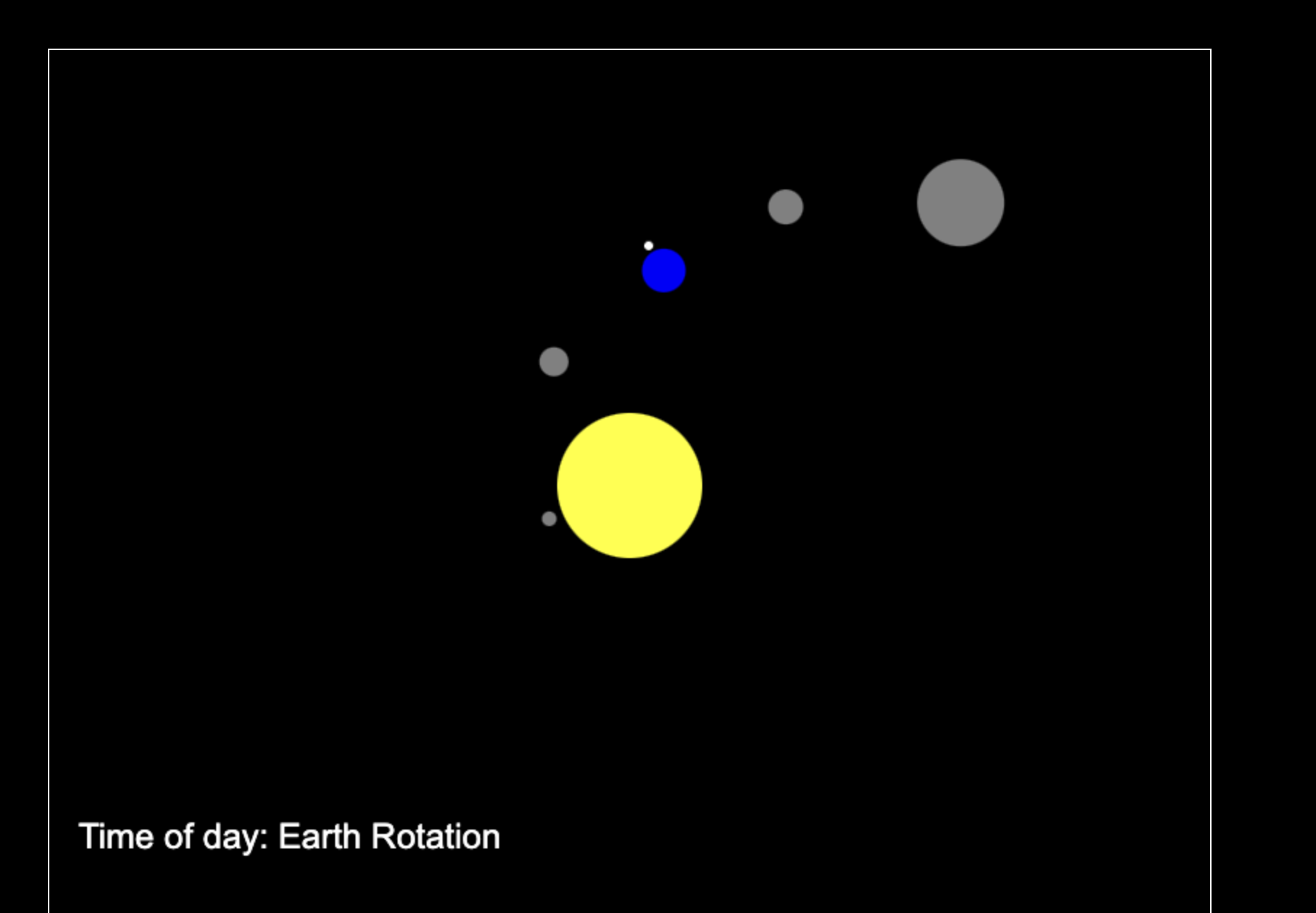
Earths Rotation
Inspiration
When brainstorming for this project, we were inspired by our own academic experiences and the disparities we witnessed coming from underfunded schools. Having lacked extensive resources for labs, much of our experiments included jotting down notes that would help us answer our questions. As we discussed these experiences, we found that our early education was riddled with doubts regarding our scientific abilities, which drove us away from STEM at a very young age. With that in mind, we decided to create something that would allow students from backgrounds like ours to explore scientific experiments inside and outside the classroom. Our website, once fully developed, provides students with interactive exercises that simulate common labs given to students throughout their fundamental schooling.
What it does:
The website provides interactive lab simulations for science students, covering topics in physics, chemistry, and astronomy. Students can select from subjects and specific labs, and then engage in step-by-step animated simulations that allow them to experiment with scientific principles. For instance, they can manipulate variables like temperature or pressure and see real-time changes, helping them understand concepts like buoyancy, states of matter, or orbital movement.
How we built it:
As beginner coders, we decided to use Python as our main language. We used online resources such as the pygames, sys, and math libraries to help us conduct processes that were outside of our range of knowledge, creating fun animations to represent each of our lab topics. Once satisfied with the code, we used a code converter to transfer our Python file to HTML, CSS, and JavaScript. As for our website visuals, we used Visual Studio Code and some help from Flatlogic to get a preset code for a simple, beginner-friendly website front.
Challenges:
Our main challenge occurred when converting between languages. Being that we are not the most advanced HTML, CSS, and JavaScript users, we struggled to catch conversion bugs or code alterations that would later lead to display errors. For example, in our buoyancy lab, the object is not supposed to hover over the liquid when its density is less than the liquid’s. While this reflected perfectly well in our Python code, we were unable to fix it in JavaScript and CSS.
Accomplishments:
Fully functional or not, we created a website. At the start of the semester, I could not tell you what a variable was, so getting to this point is most certainly something to be proud of.
What we learned:
When we first partnered up for the project, we experienced a lot of doubt. Perhaps stemming from our internalized impostor syndromes, we felt some pressure to deliver something as good as the rest of the competitors. However, as we progressed, we realized that the goal of this project was to learn, not to win. While it was our competitive natures that drove us into the late hours of the night, we desired to become better coders that allowed us to deliver a project as ambitious as this one. Overall, I am extremely proud of our ability to break free from our original expectations and to have fun with what we were doing.
What’s next for LabQuest?”
Aside from fixing the existing bugs mentioned in our challenges, improving the user interface and adding features for customizing and saving lab settings would enhance engagement and allow students to track progress. Additionally, integrating quizzes and interactive questions could reinforce learning by helping students test their understanding of each concept.
Built With
- chatgpt
- css
- html
- javascript
- python


Log in or sign up for Devpost to join the conversation.