LabMind AI 🧠🔬
🚀 Inspiration
Many students around the world, especially in developing regions, lack access to physical laboratories. This makes it difficult to truly understand STEM concepts, as learning becomes limited to theory without hands-on experience. We wanted to bridge this gap by creating a virtual lab experience that is interactive, accessible, and enhanced with artificial intelligence.
💡 What It Does
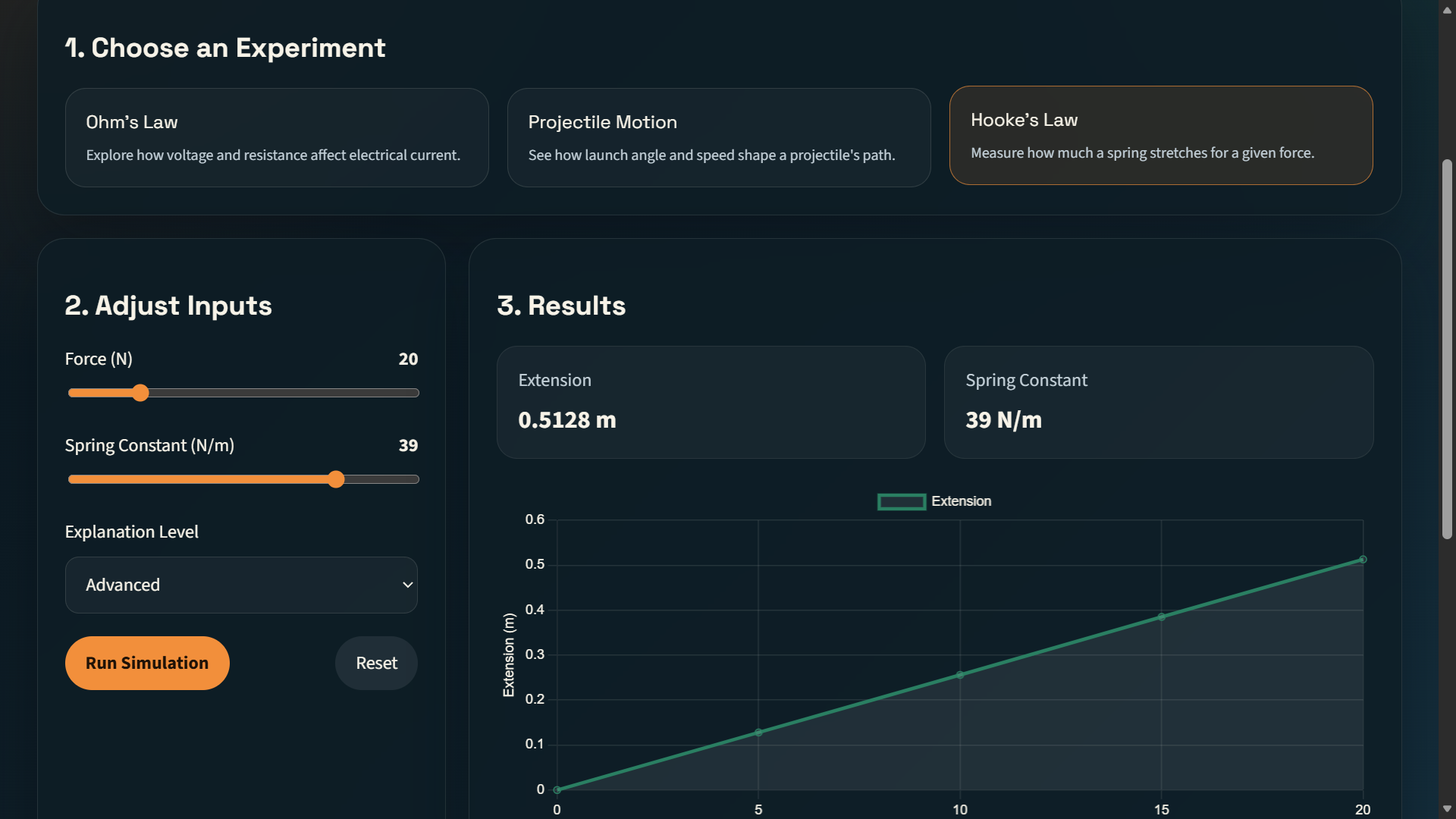
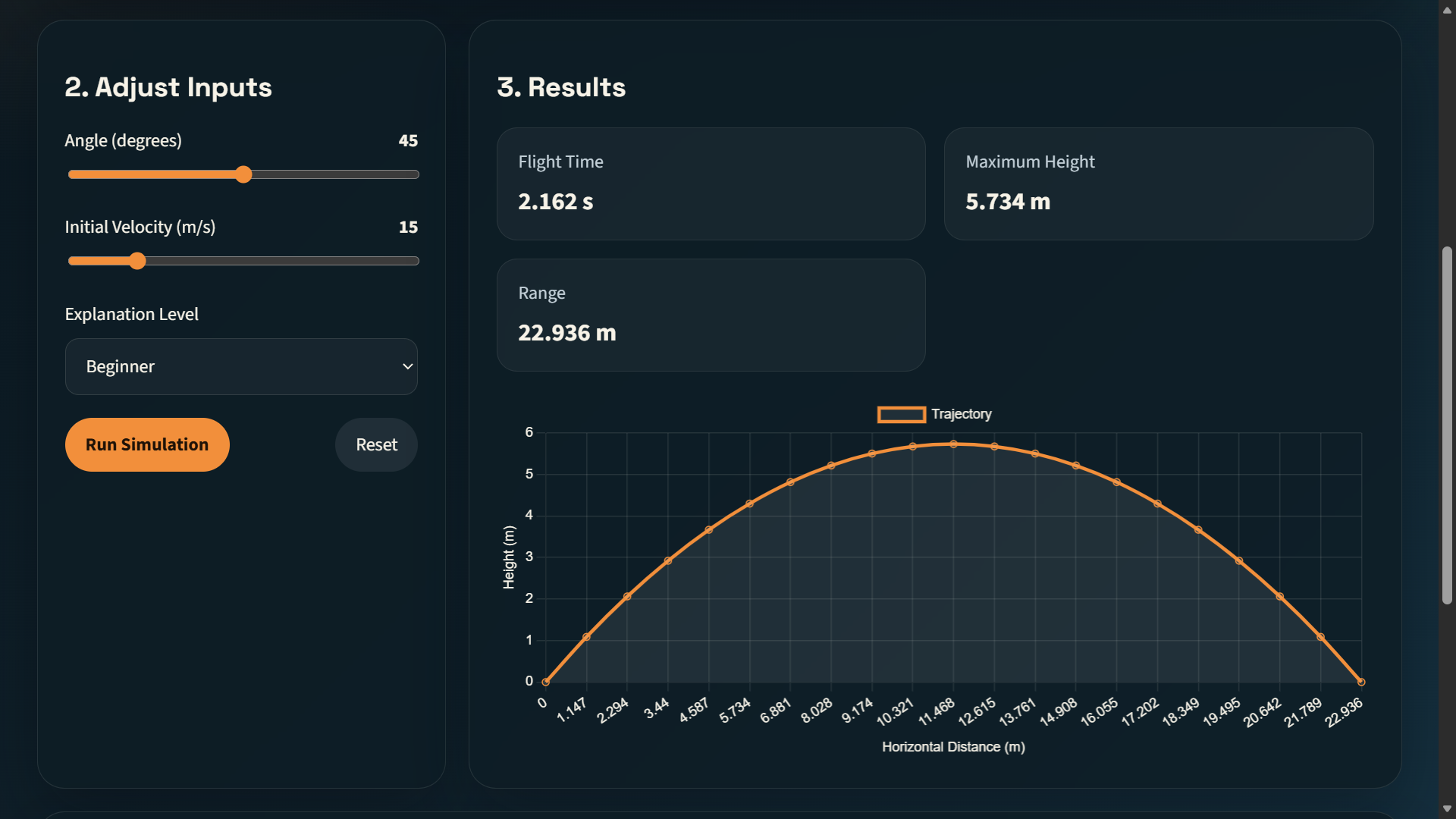
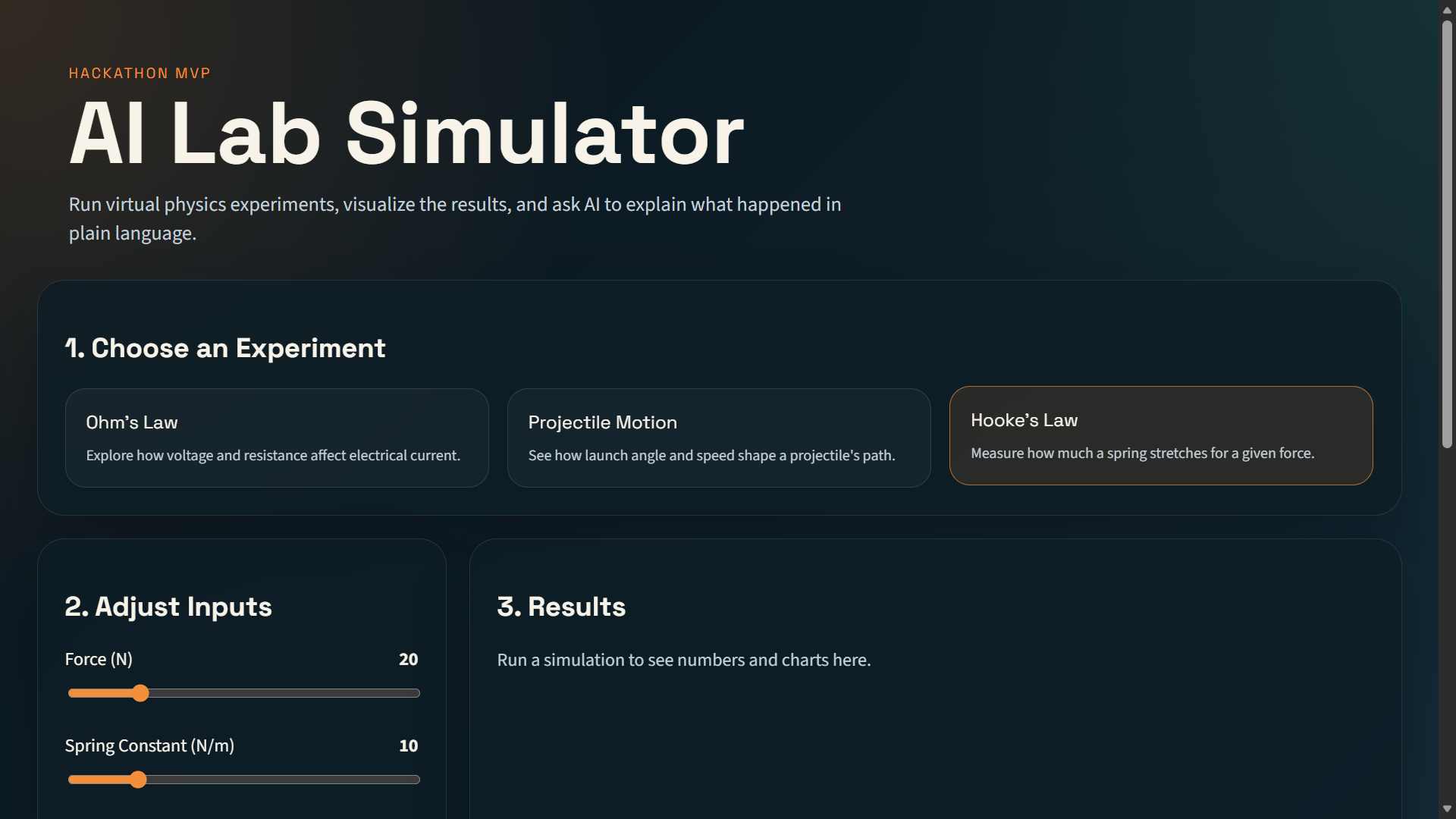
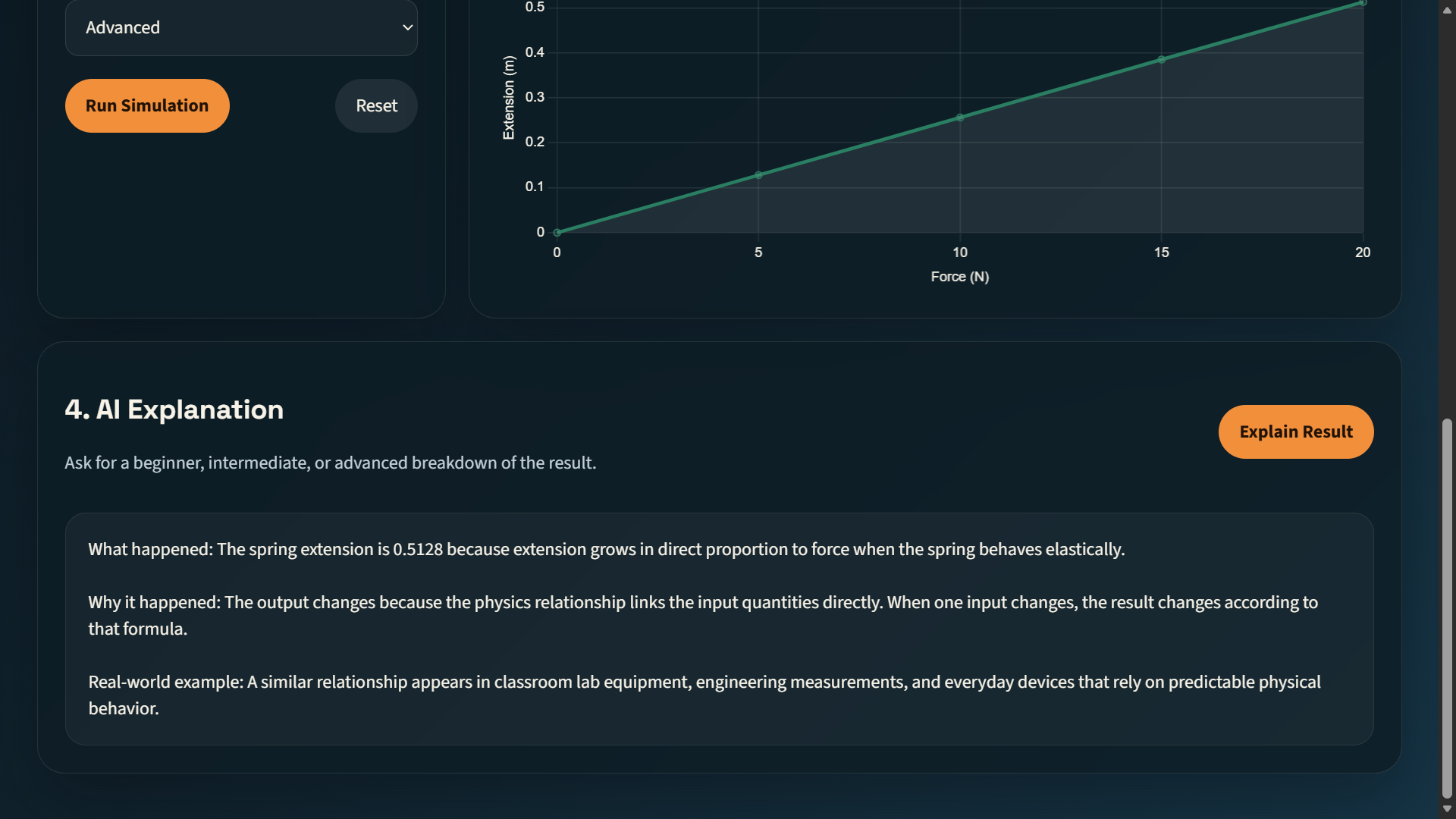
LabMind AI is an interactive virtual physics lab that allows students to simulate experiments and receive AI-powered explanations tailored to their level of understanding.
Users can:
- Adjust experiment parameters (e.g., voltage, resistance, angle, force)
- Instantly see calculated results and visual outputs
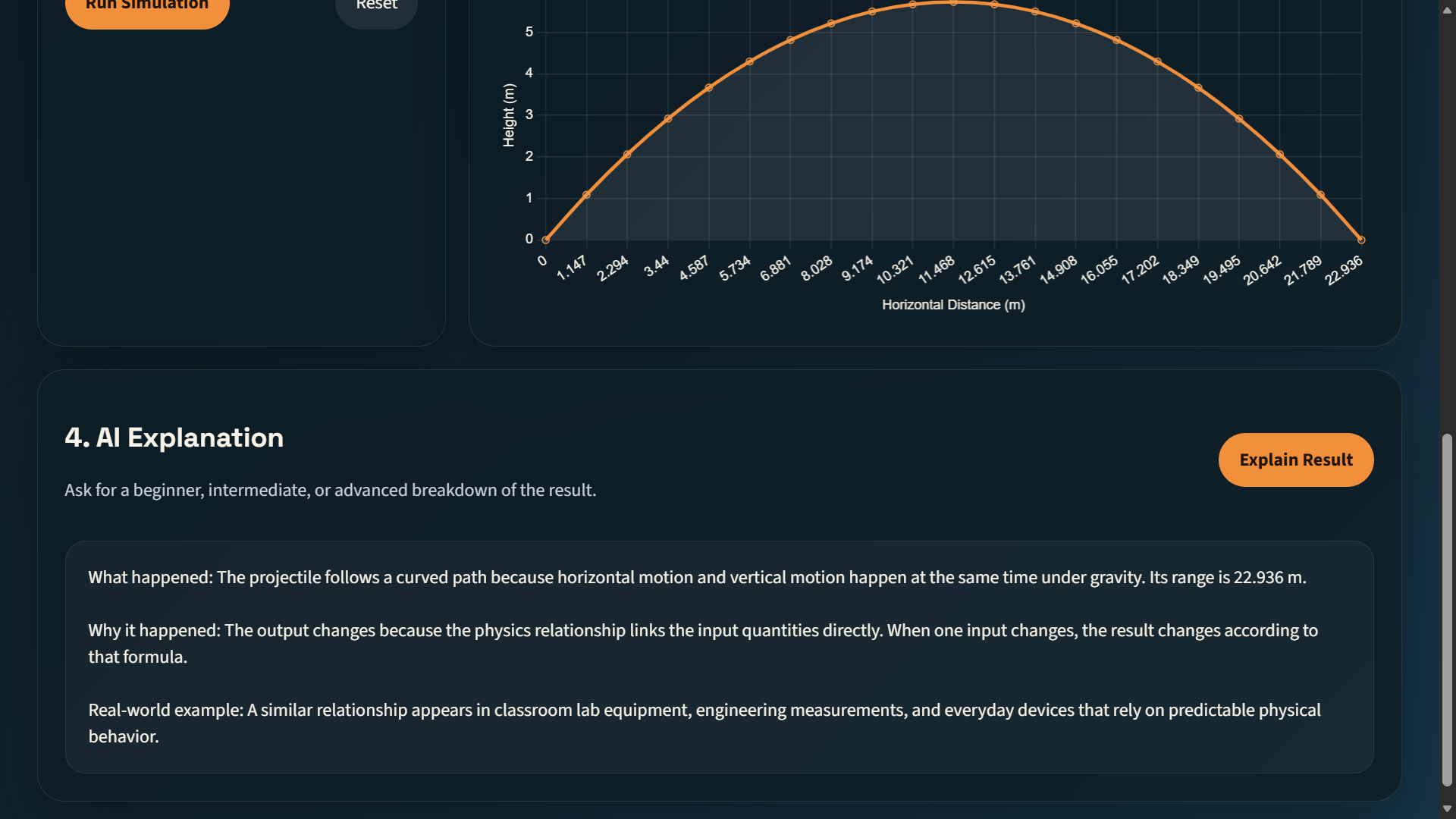
- Receive clear, step-by-step AI explanations of what happened and why
- Choose their learning level: beginner, intermediate, or advanced
For example, in an Ohm’s Law experiment:
$$ V = IR $$
Students can modify voltage and resistance to observe how current changes in real time, while the AI explains the relationship in a practical and intuitive way.
🛠️ How We Built It
The project was built using a simple but effective full-stack architecture:
- Frontend: React (for interactive UI and dynamic updates)
- Backend: Flask (for handling simulation logic and API endpoints)
- AI Integration: OpenAI API for generating contextual explanations
- Visualization: Chart.js for graphs and experiment outputs
We designed separate API endpoints for each experiment (e.g., /simulate/ohms, /simulate/projectile) and a dedicated /explain endpoint that generates AI responses based on user inputs and results.
🧠 What We Learned
Through building LabMind AI, we learned:
- How to integrate AI into real-world educational tools
- The importance of user experience in learning platforms
- How to simplify complex physics concepts into interactive systems
- Effective API design and frontend-backend communication
- How to balance functionality with simplicity in a hackathon setting
⚔️ Challenges We Faced
One of the biggest challenges was avoiding overcomplication. Building a full physics engine was unrealistic within the time constraints, so we focused on core formulas and meaningful interactions instead.
Another challenge was ensuring that AI explanations were not just correct, but also easy to understand across different learning levels. We solved this by structuring prompts carefully and introducing difficulty-based responses.
We also faced UI challenges in making the simulations intuitive and responsive, especially when visualizing dynamic outputs like graphs.
🌍 Impact
LabMind AI makes STEM education more accessible by providing a virtual lab experience that works anywhere. It empowers students to learn by doing, not just memorizing, and helps bridge the gap between theory and practice—especially for those without access to physical lab resources.
🔮 Future Improvements
- Add more experiments across physics and chemistry
- Enable offline functionality for low-connectivity environments
- Introduce gamification and progress tracking
- Expand AI capabilities for deeper tutoring and personalized learning paths

Log in or sign up for Devpost to join the conversation.