Inspiration
Reading research papers has always been one of the most time-consuming parts of science. While results and discussions are easy to skim, the methods section often takes hours to parse, and it’s written differently across journals. This slows down discovery and makes reproducibility harder. I wanted to build something that doesn’t just extract methods, but also helps researchers experiment with them.
What it does
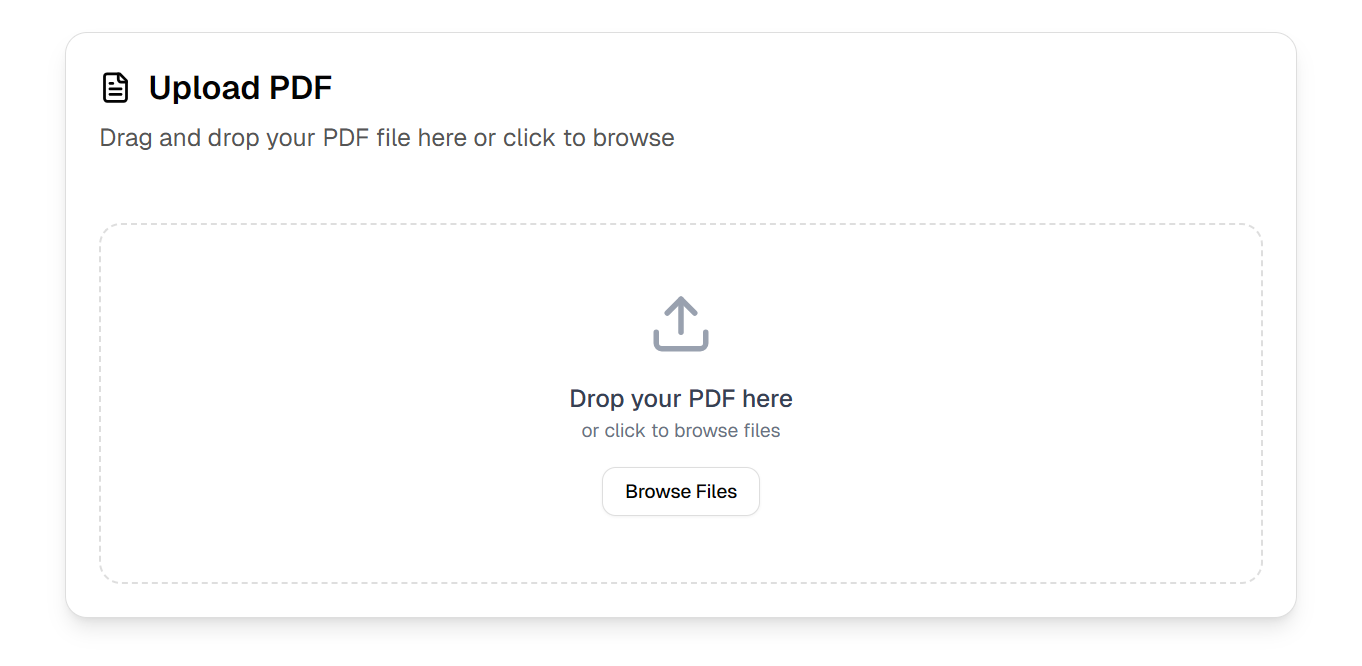
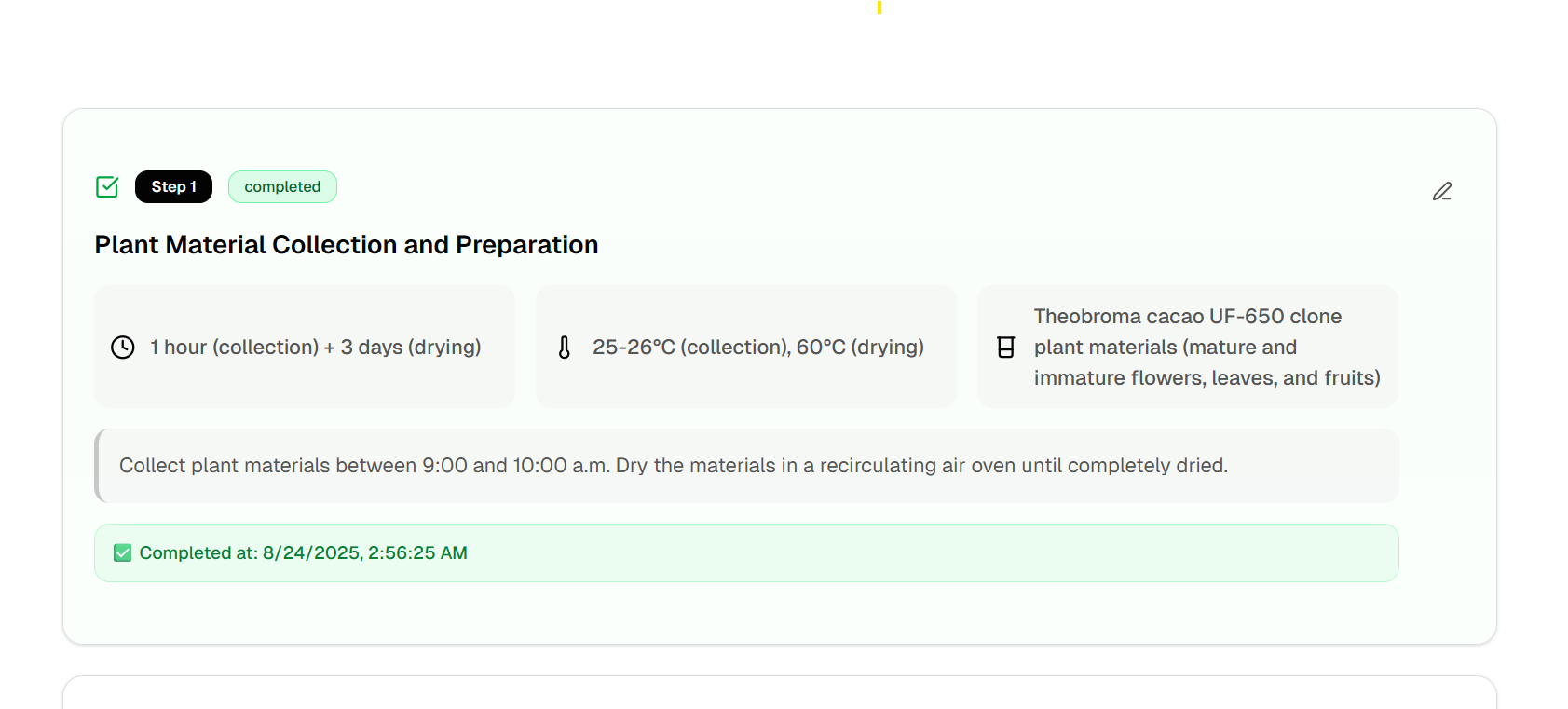
Lablet automatically extracts methods and experimental workflows from scientific papers. I can upload a paper, and within seconds Lablet highlights and restructures the methods into a clear, step-by-step format. But I didn’t stop there — Lablet also allows me to tweak input values like sample size, reagent amounts, or experimental conditions, and see how the workflow or outcome might change. It turns static text into a dynamic, interactive protocol assistant.
How I built it
I used Gemini’s large language models to parse and interpret the methods sections of research papers. I combined this with preprocessing pipelines to clean text and structure methods into a standardized format. On top of this, I designed an interface that not only shows the extracted steps but also lets me adjust key parameters. Gemini then recalculates or suggests adapted workflows that make sense for the new values.
Challenges I ran into
Scientific text is unstructured, and methods are often vague. Ensuring that Gemini extracted steps accurately — without hallucinations — was challenging. Making the tweaking feature reliable was another hurdle: I had to carefully design prompts and logic so that small value changes didn’t break the flow of the method.
Accomplishments that I'm proud of
I built a prototype that not only extracts methods but also allows interactive experimentation with them. Seeing a research paper turn into a living, adaptable workflow — where I could explore “what-if” scenarios — was a breakthrough for me.
What I learned
I learned how powerful AI can be when paired with thoughtful design. Extraction alone is useful, but making methods interactive opens up an entirely new way to explore research. I also learned how important it is to keep outputs grounded in the original paper while still allowing flexibility.
What's next for Lablet
I want to extend this to more scientific domains and make tweaking more sophisticated — for example, suggesting alternative reagents, optimized parameters, or even flagging unrealistic setups. Long term, my vision is for Lablet to become an intelligent lab assistant that not only reads science but also helps design and optimize experiments.

Log in or sign up for Devpost to join the conversation.