-
-
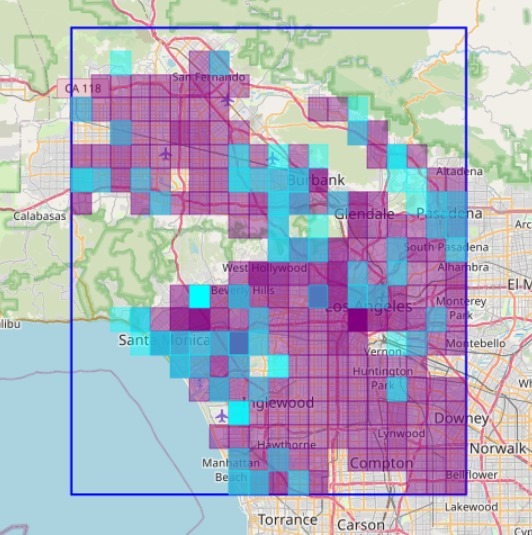
Neighborhood_Selector_Test
-
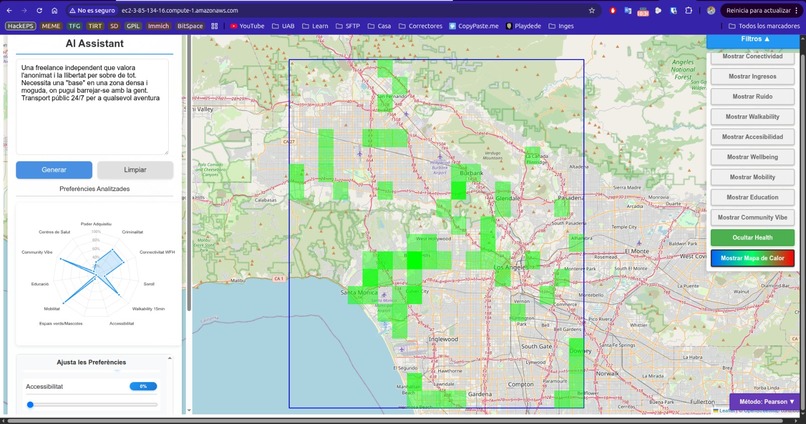
Output_freelancer_livability_score
-
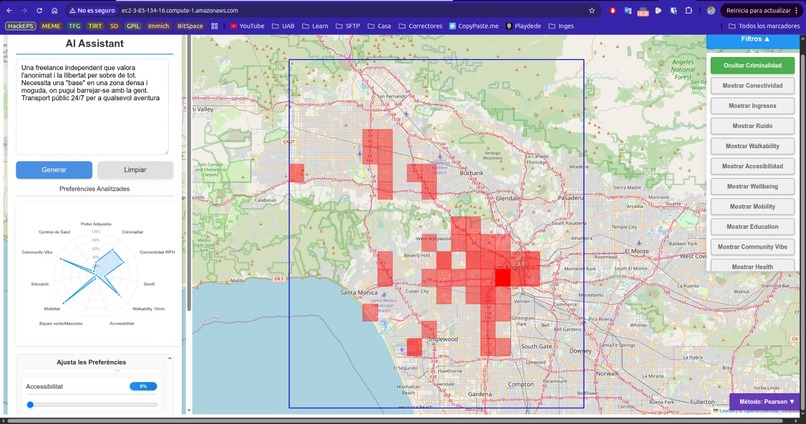
Output_freelancer_data
-
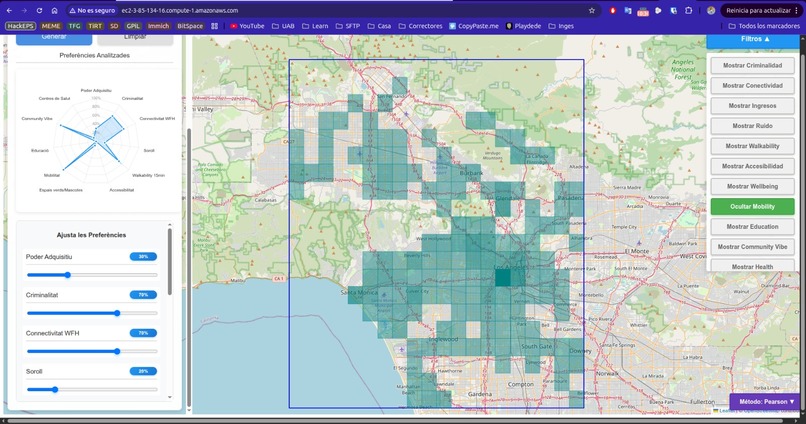
output_mobility
-
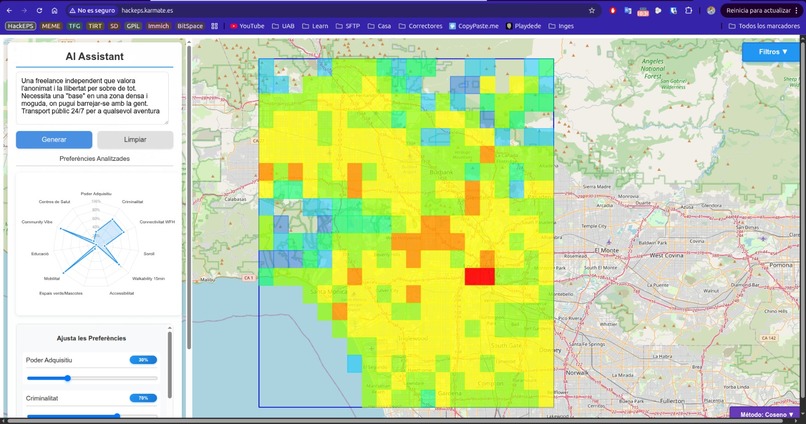
heatmap
Inspiration
What inspired us for doing this challenge was finding for us the best neighbourhood to do it, but in this case was only for the city of LA.
What it does
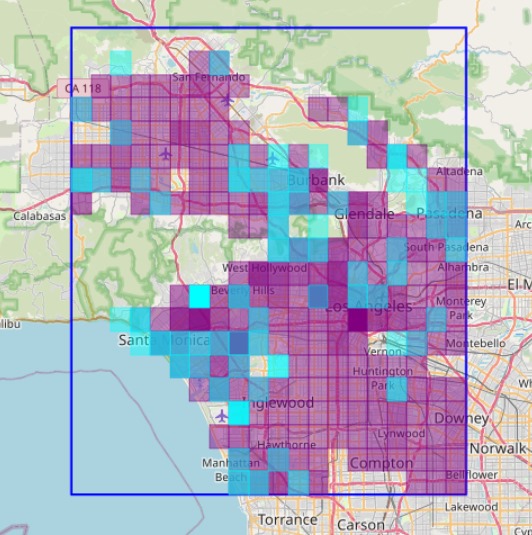
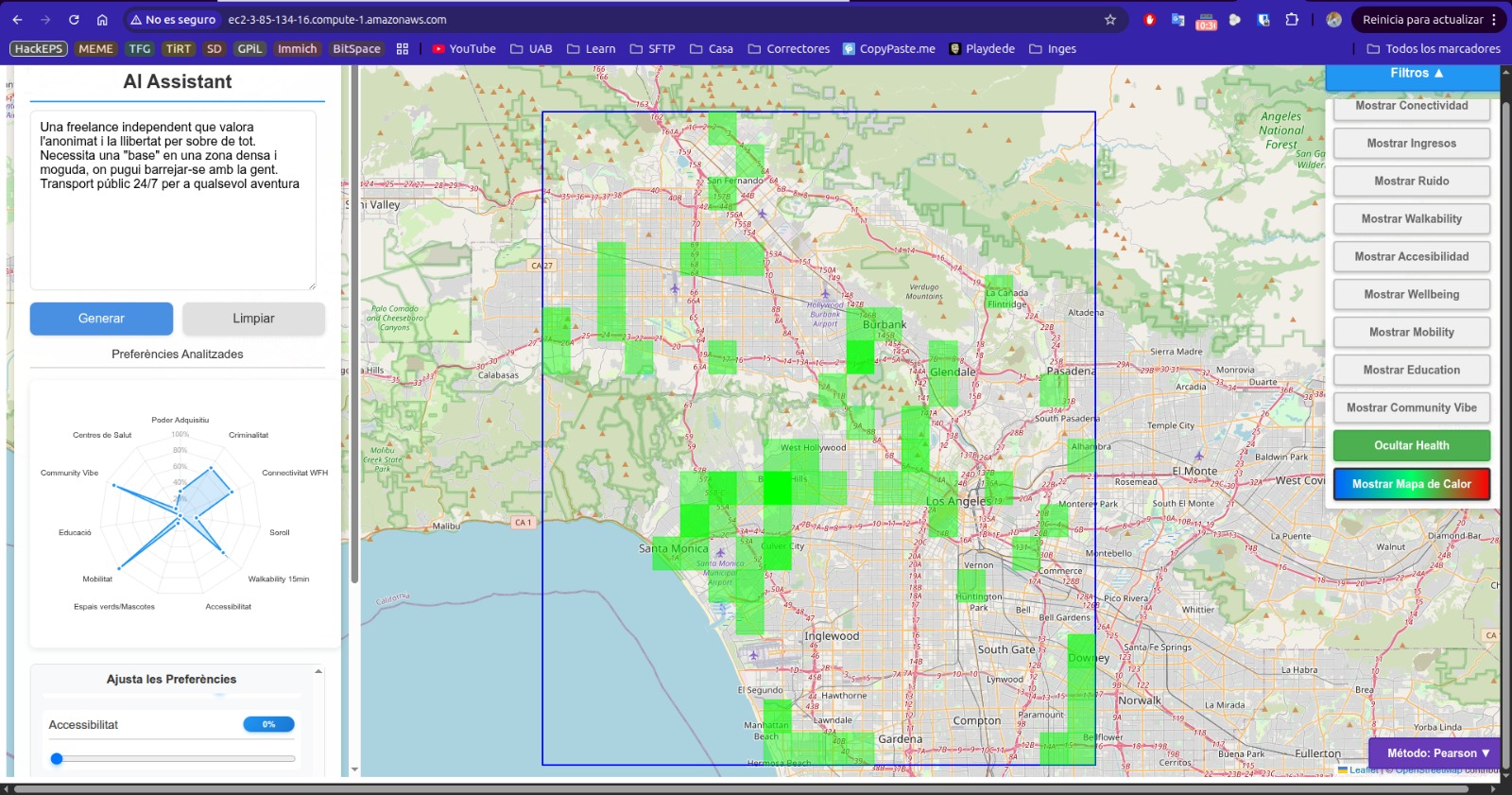
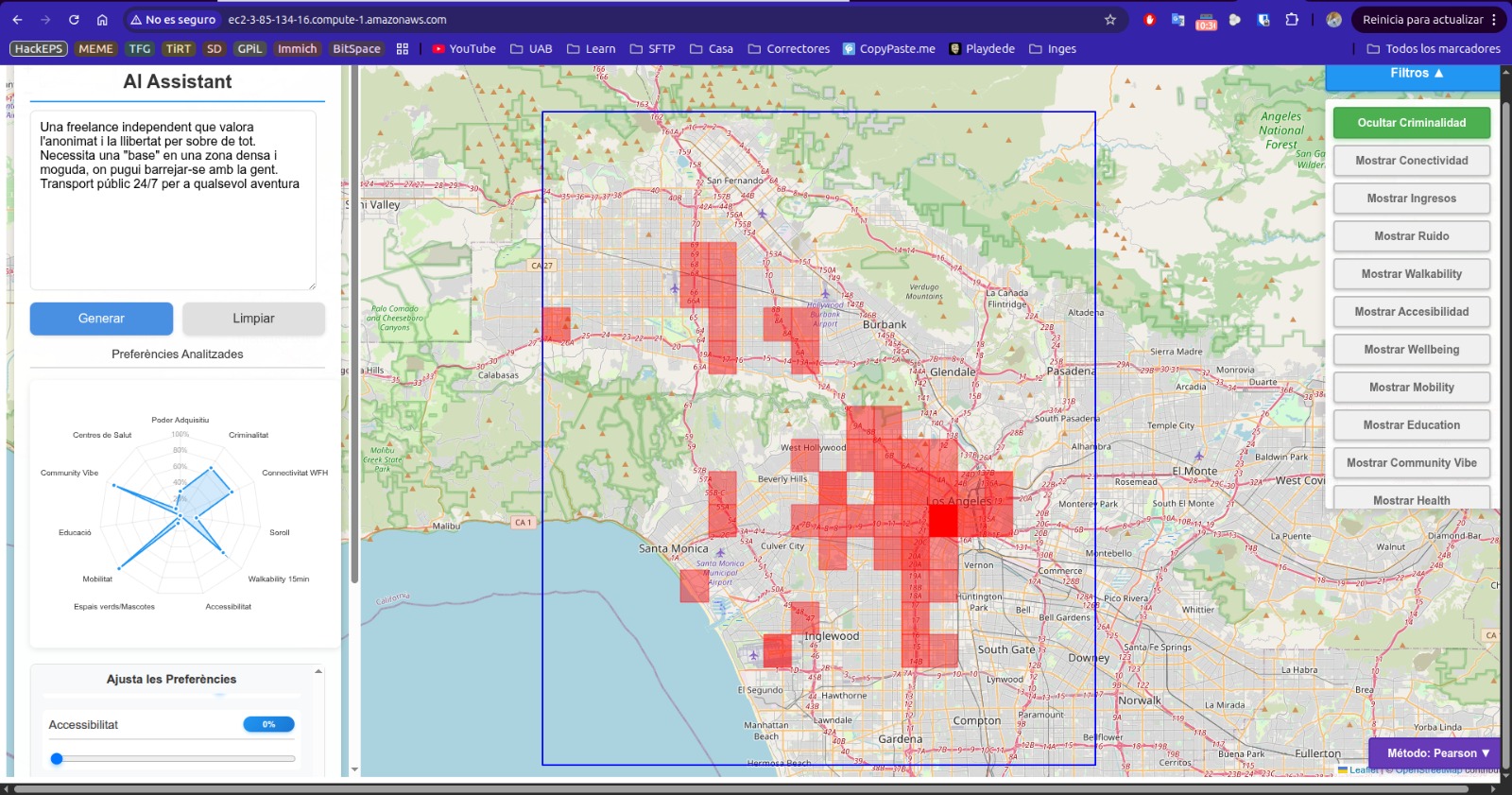
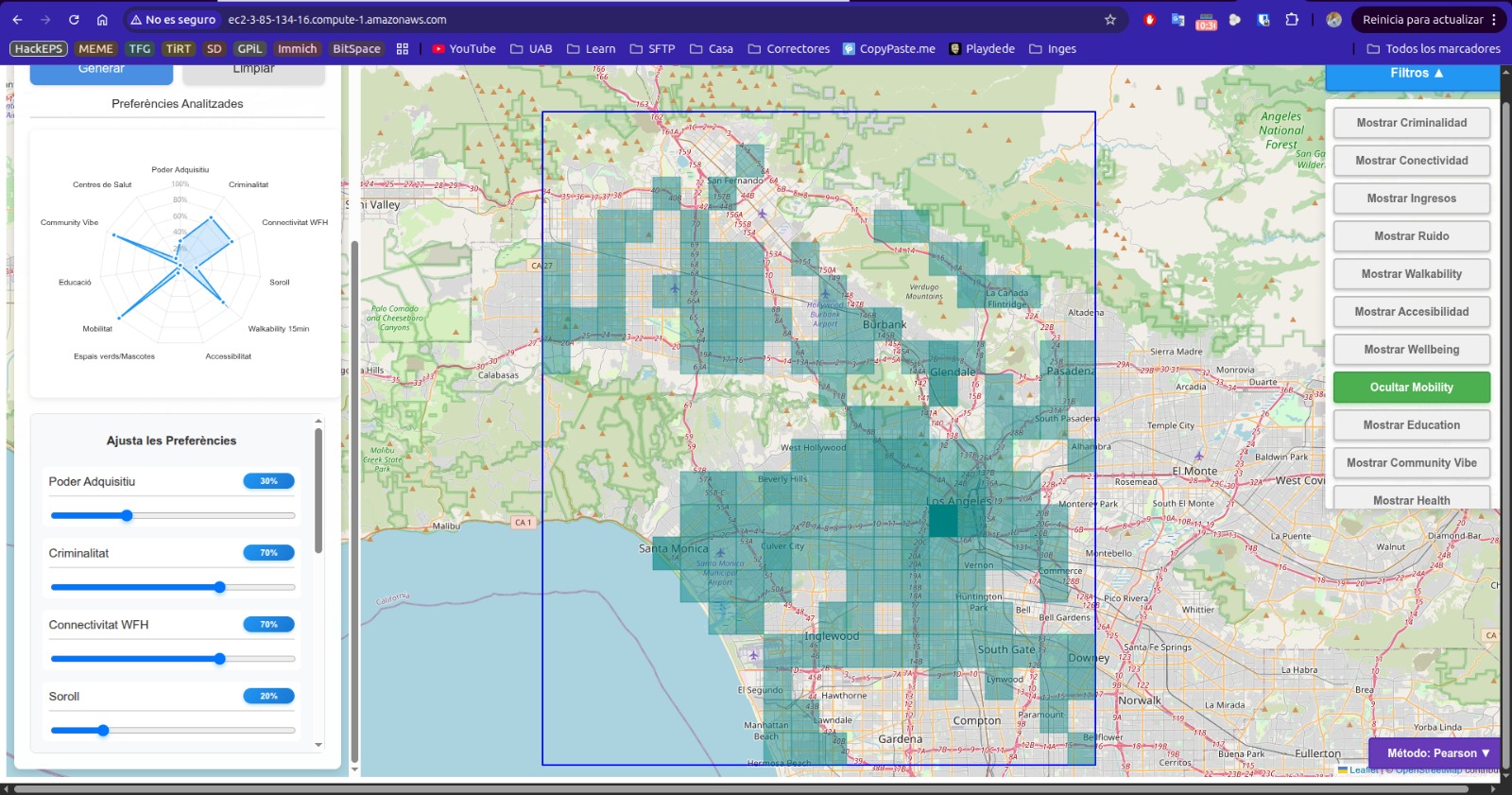
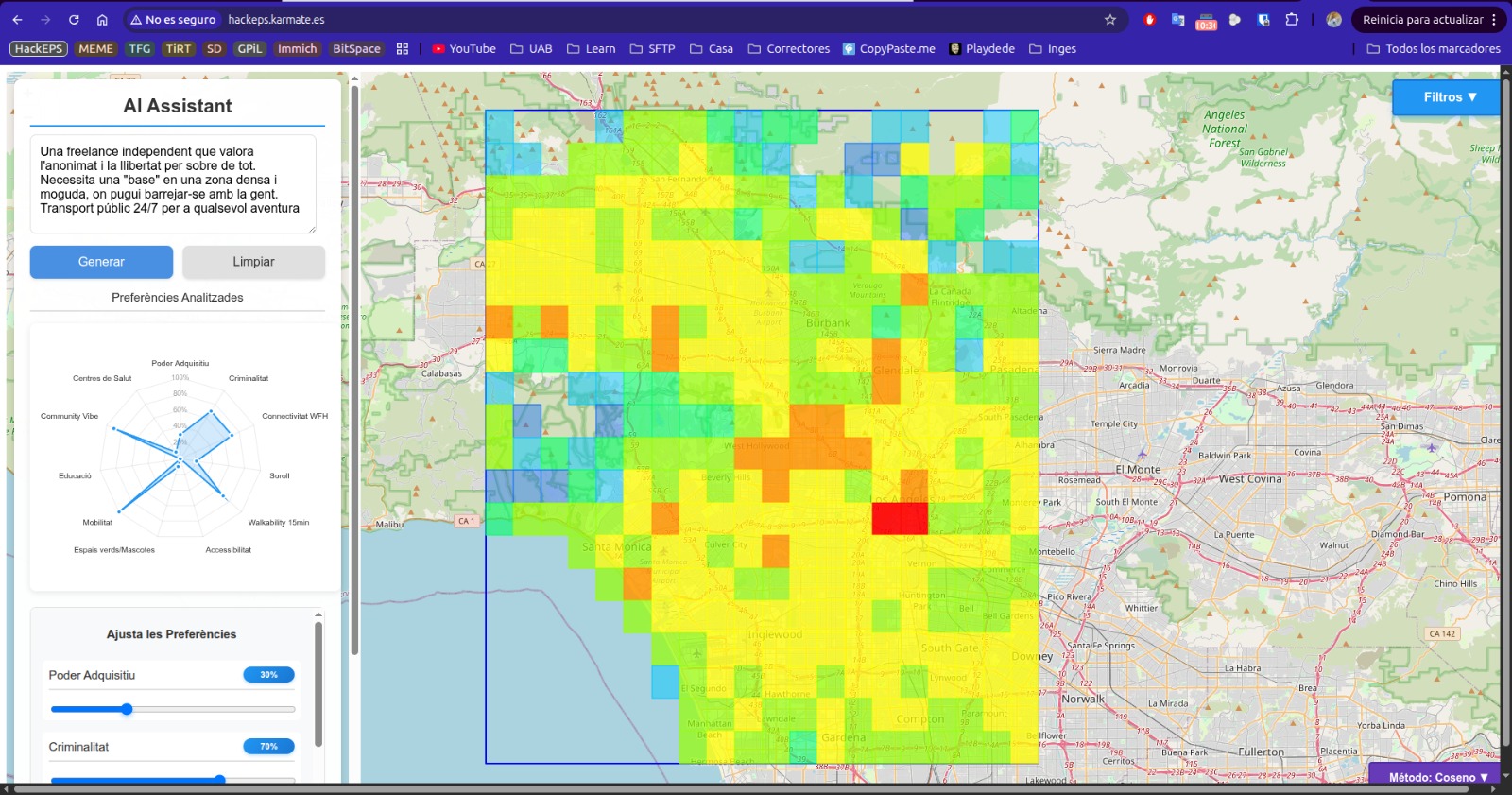
First of all, it takes an input in natural language, and with the help of a Gemini model, turns the input into a vector of segment values between 0 and 1. Then, using a map of the city of Los Angeles, it displays the areas that match those requirements.
How we built it
First of all, we built how to transform the data input into a vector of values between 0 and 1. Then we get the JSONs doing API calls in a python script, so we get the information and turn it into a matrix of 20x20. While we were doing that, we also programmed how to divide the city of Los Angeles into squares so we could create a matrix of 20x20.
Finally, each position of the matrix is a vector with values between 0 and 1, and from the input (which was turned into a vector), the programme selects the neighbourhoods that fit the best for the input.
Challenges we ran into
- Some APIs didn't work, so we had to look for similar ones.
- The deployment of the web in an EC2 instance.
Accomplishments that we're proud of
- Being able to deploy the Gemini model and transform the input into values between 0 and 1.
- Generating the matrix inside the map from the values obtained via API calls.
What we learned
- How to develop a correct prompt for transforming natural text into a vector of values.
- How to deploy a web in an EC2 instance and the difficulties of it.
What's next for LA AI survivor
The next step would be general deployment in all of the United States of America.


Log in or sign up for Devpost to join the conversation.