Inspiration
The lack of liquidity and excessive costs are stifling global e-commerce. Traditional payment gateways charge fees of 4-8% for cross-border sales and hold the merchant's funds for 3 to 7 days, in addition to exposing them to the risk of chargebacks (fraud). Today, multiple payment gateways (e.g., Stripe, PayPal) and banks are used, resulting in a slow, expensive, and fraud-prone system. Merchants simply absorb the losses and wait for their money back.
The global e-commerce market (TAM) is projected to reach $6.9 trillion USD by 2025. Kyro focuses on cross-border e-commerce, which suffers the greatest losses due to fees and capital retention. Kyro leverages a technology with a $166 billion value (stablecoins) to disrupt the inefficiencies of this trillion-dollar market, offering a solution with superior margins and instant cash flow—something traditional banks cannot match.
What it does
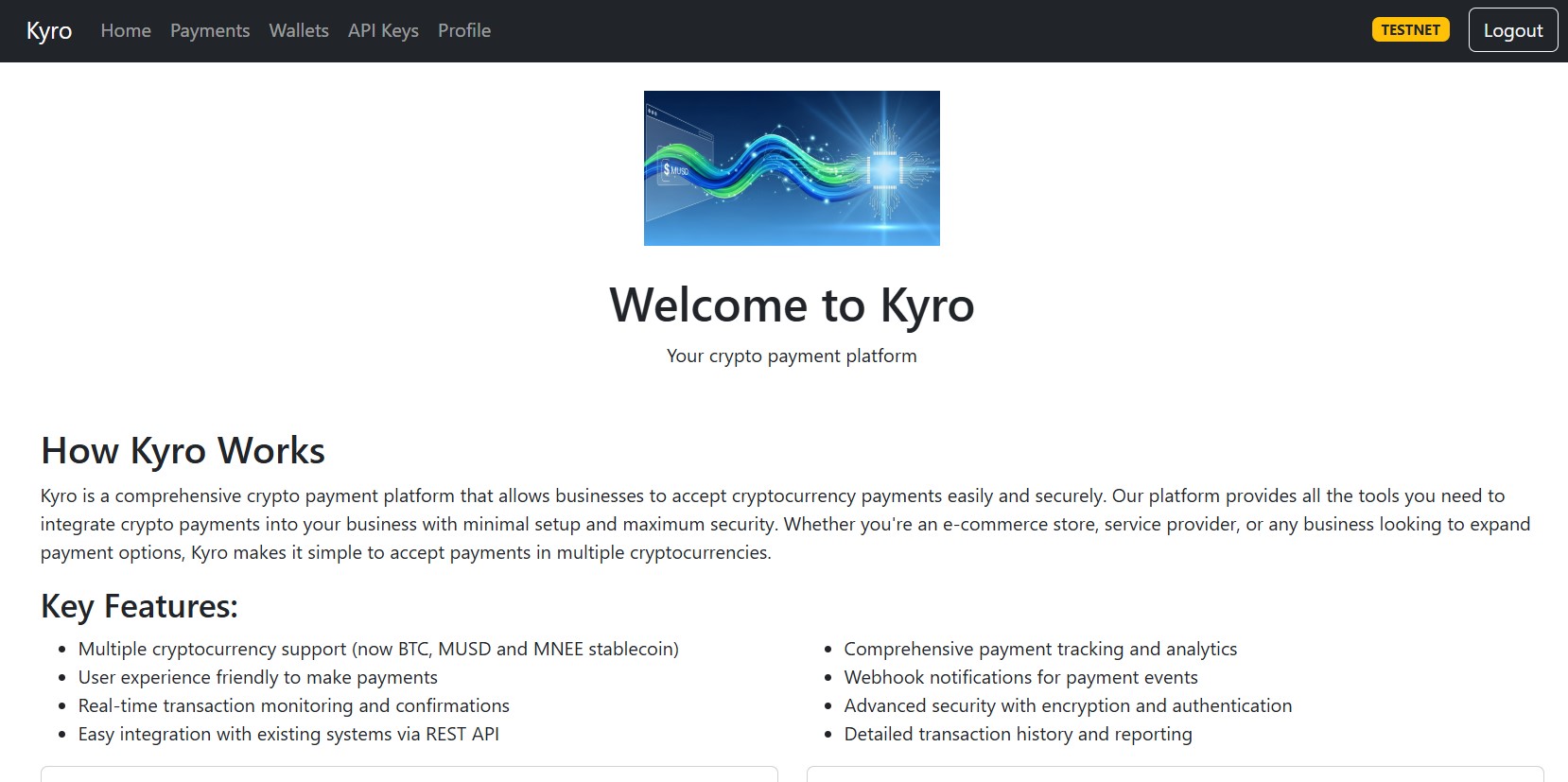
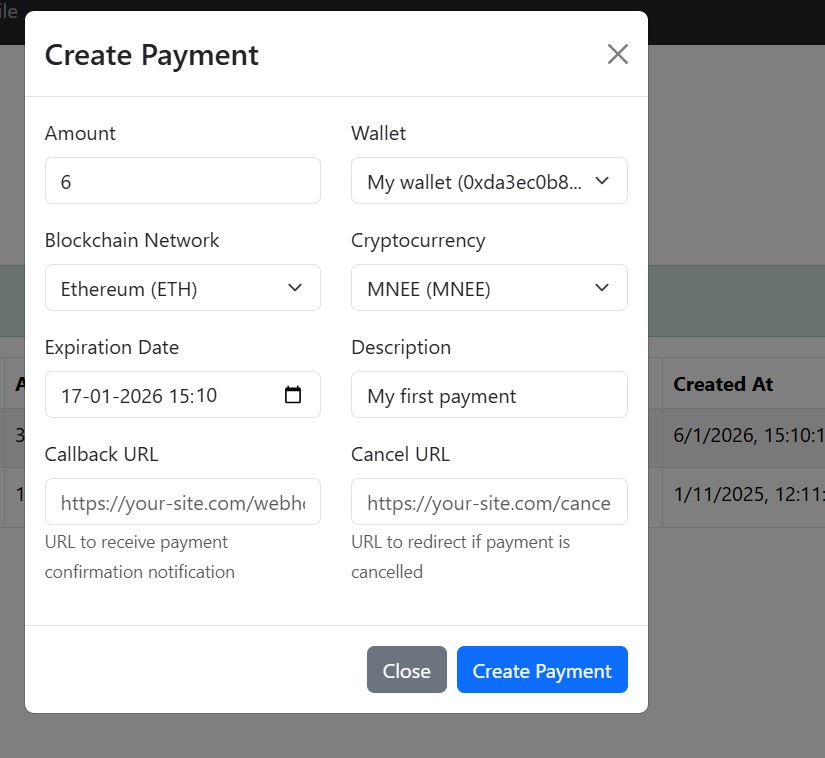
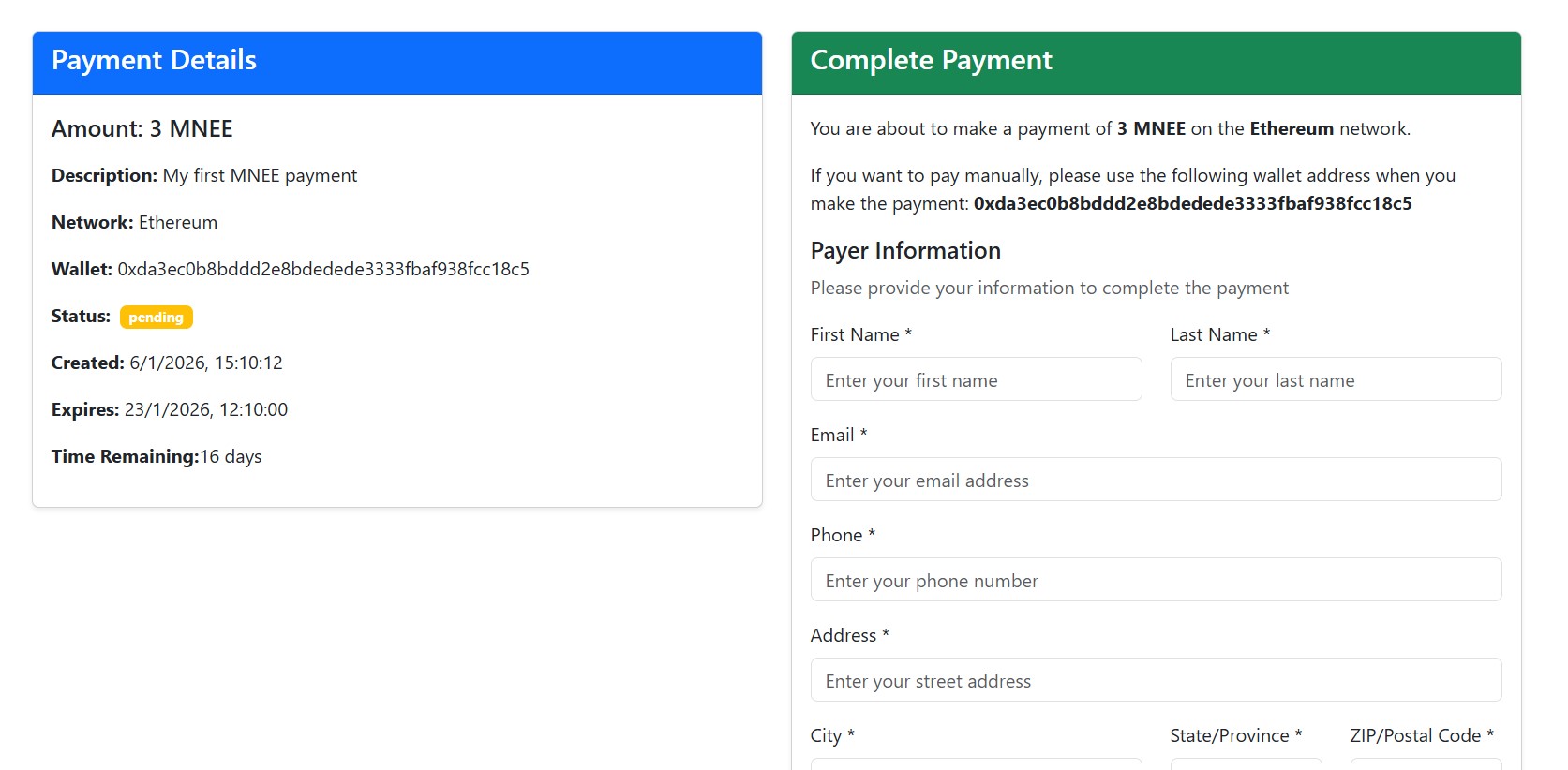
Kyro is a global payment gateway for e-commerce built on blockchain technology and stablecoins. Our core product is a plug-and-play API that allows merchants to accept payments in stablecoins and cryptocurrencies, guaranteeing instant settlement (in seconds) and eliminating chargeback risk and high cross-border fees (reducing them to <1%). Kyro transforms the liquidity of SMEs, offering a faster, more secure, and more cost-effective treasury system than the banking system.
Kyro offers payment finality (zero chargebacks) and instant liquidity, features impossible for competitors tied to the banking system to replicate. We will win on cost and speed, since we eliminate intermediaries, allowing us to offer fees up to 90% lower than the competition (such as Stripe, PayPal, and crypto gateways like BitPay and CoinGate). The key is that the real pain point is not just the fee, but liquidity retention (3-7 days) and fraud liability. By addressing both of these, Kyro becomes a cash flow engine, not just a payment processor.
How we built it
Kyro is built as a web platform and API (for developers), to interact and enable payments in any e-commerce platform. For the web, we are using React, web3 libraries, Metamask (the only available wallet right now) and Vercel for the deployment. And for the API, we use Node and Supabase for the backend, and Render as a hosting.
All the Blockchain configurations (networks and tokens) happen in the database. We integrate MNEE in the Ethereum for mainnet.
Challenges we ran into
The most difficult part was achieving a good connection between the API and the web, so that new changes wouldn't require so many additional configurations.
Accomplishments that we're proud of
Replicate a seamless experience similar to Stripe, and validate the prototype with some online stores in South America (there are already 10 stores testing the platform).
What's next for Kyro
The next steps for Kyro are:
- Enable fee for real payments.
- Improve UX.
- Attract more users and customers.
- Enable more wallets (for now, just Metamask).


Log in or sign up for Devpost to join the conversation.