-
-
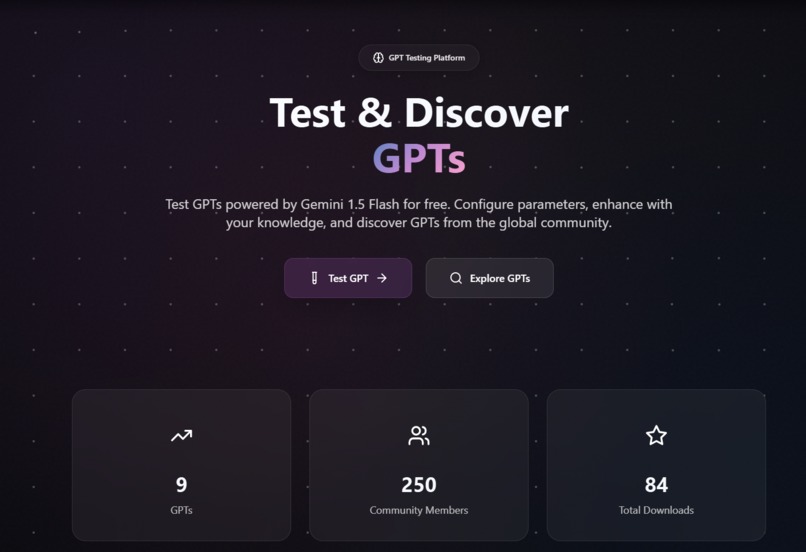
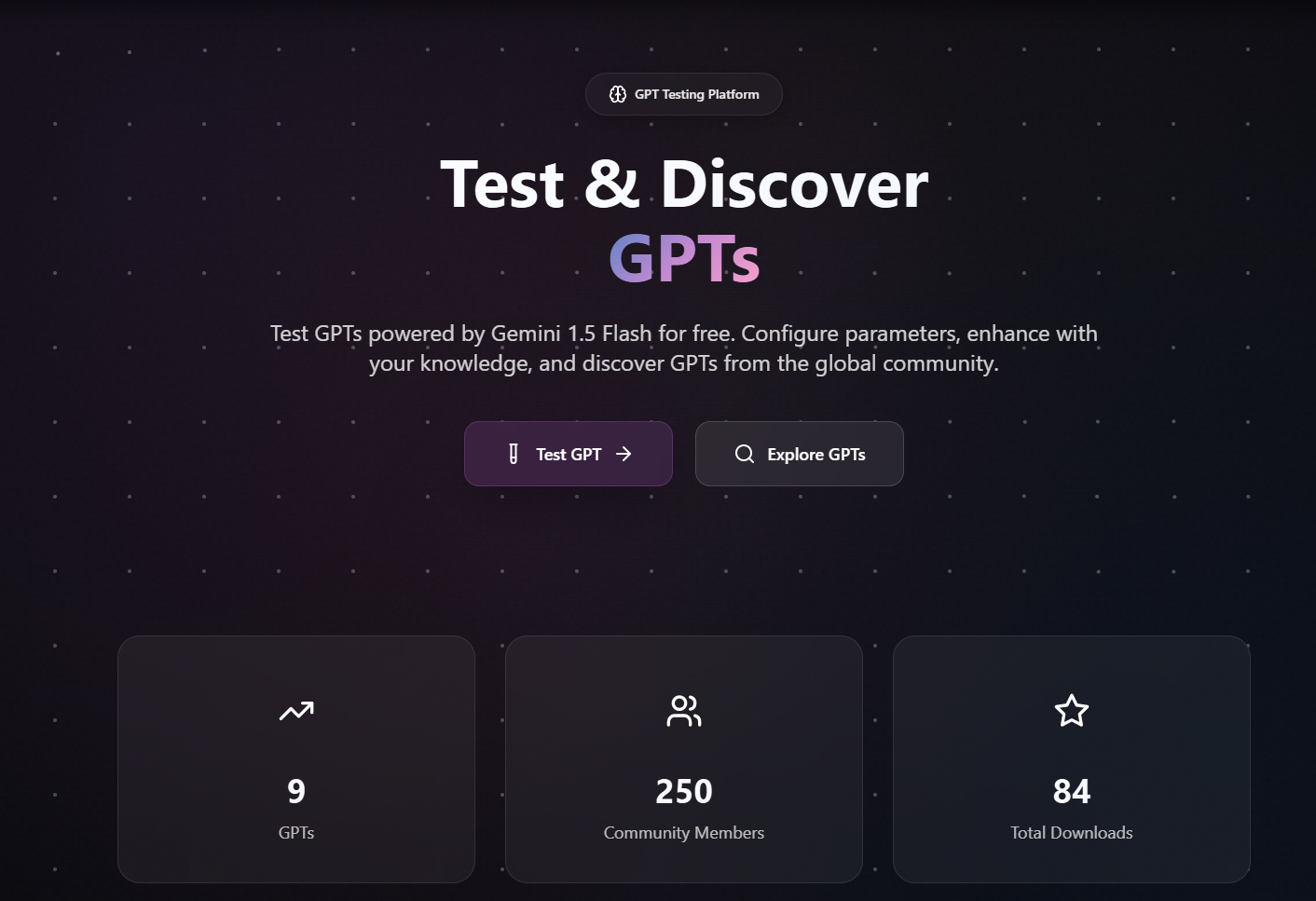
A landing page for a GPT testing platform, featuring options to test and discover GPTs, with stats on GPTs, community members, and downloads
-
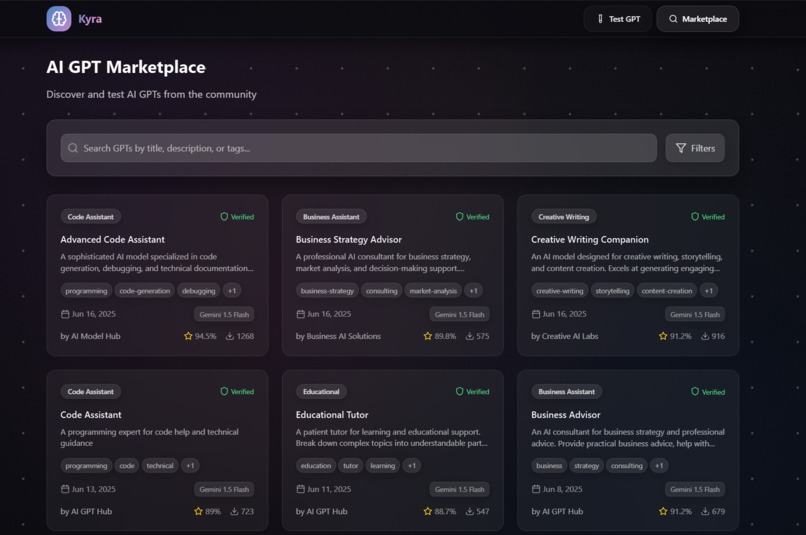
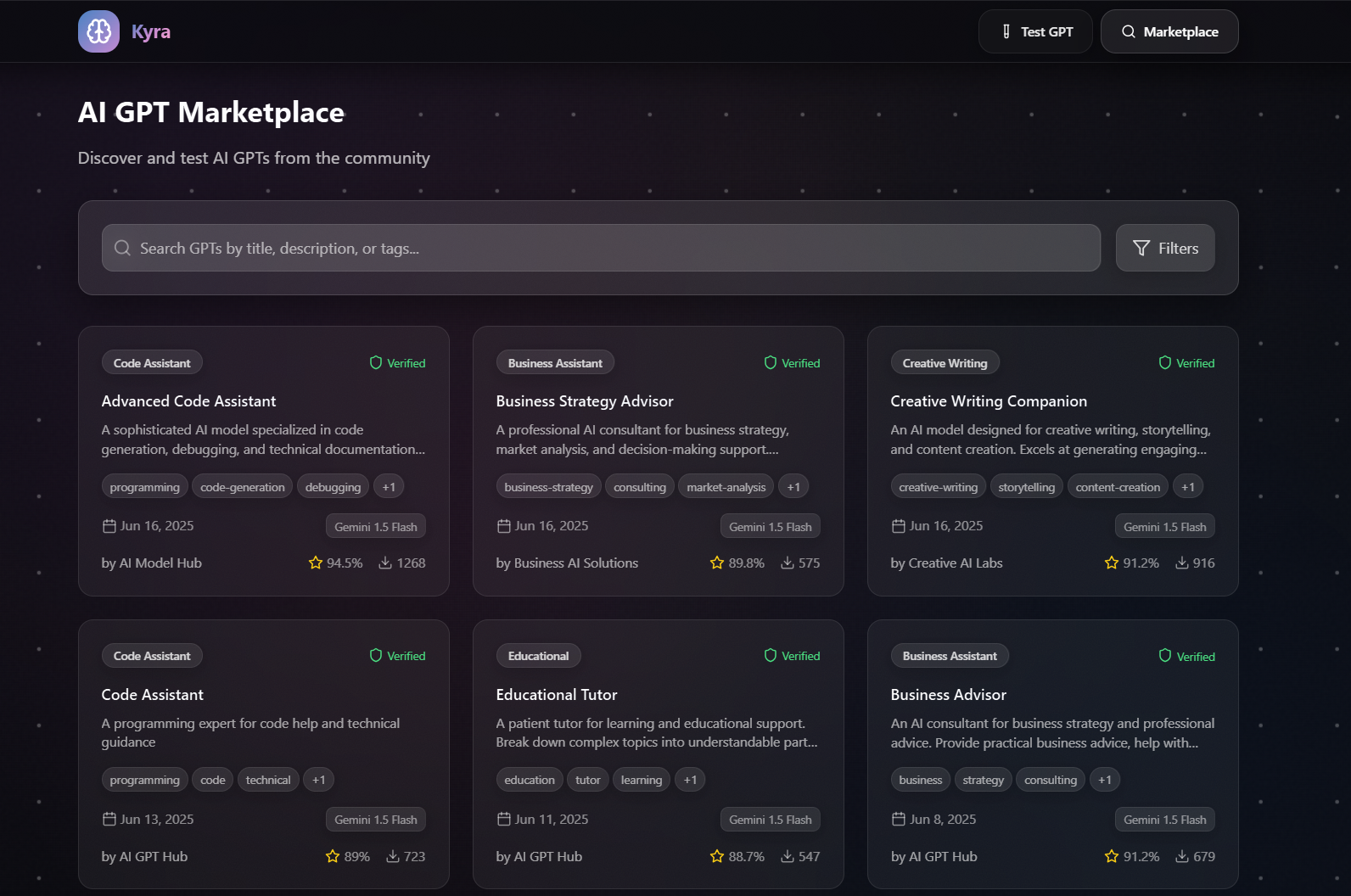
A marketplace where users can discover and test AI GPTs from the community, with search and filter options.
-
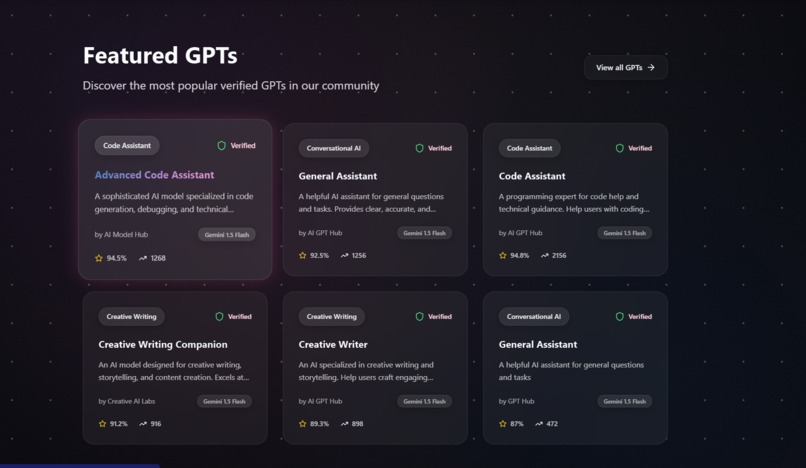
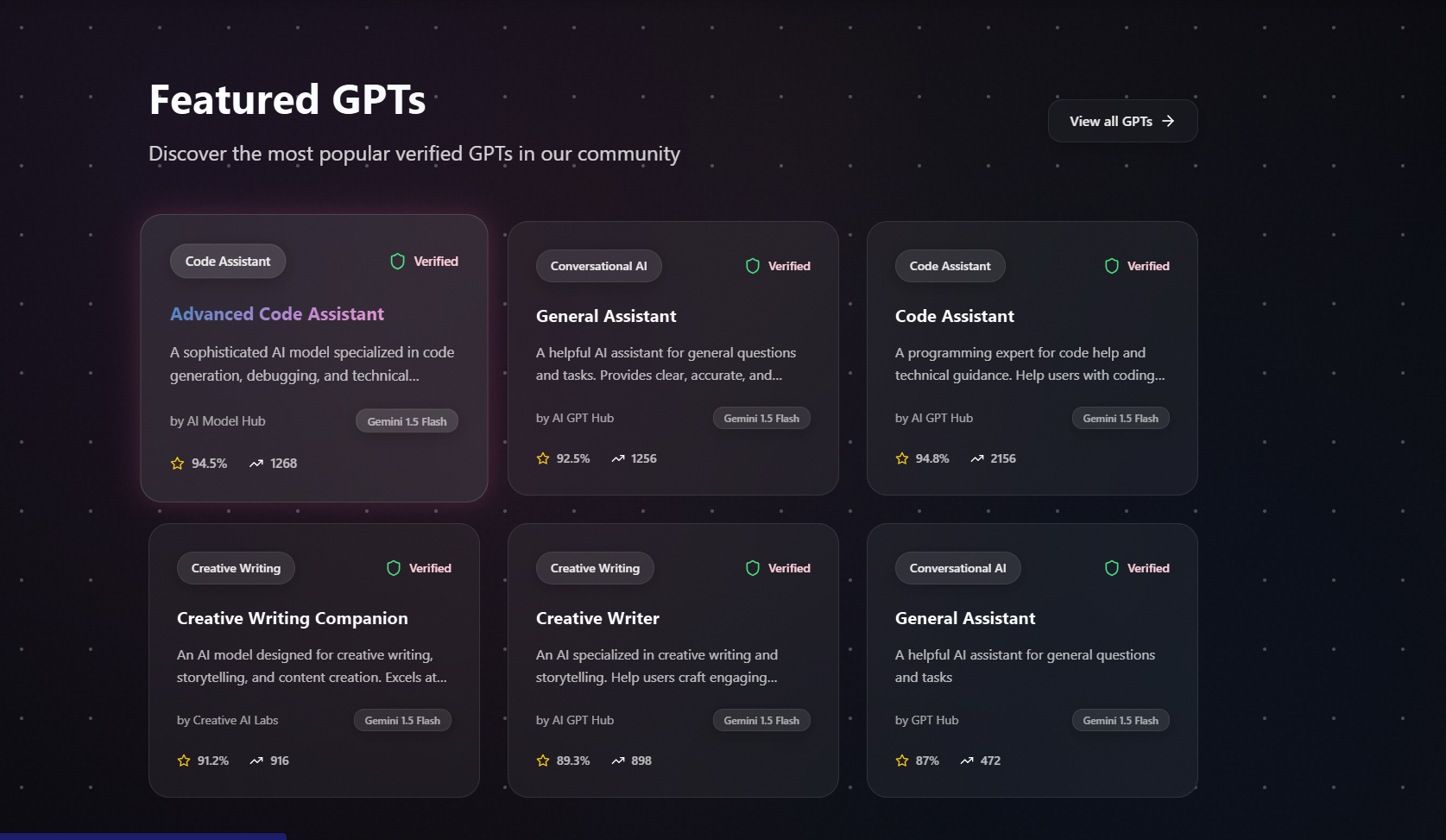
Showcases popular verified GPTs with their descriptions, ratings, and the number of interactions.
-
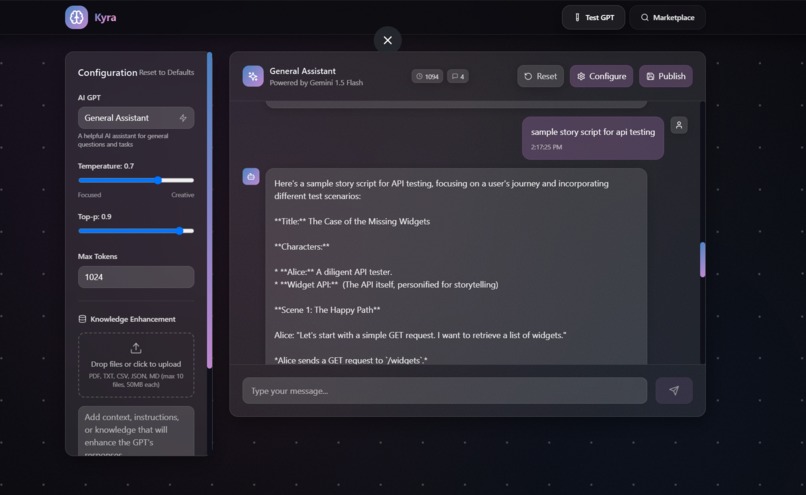
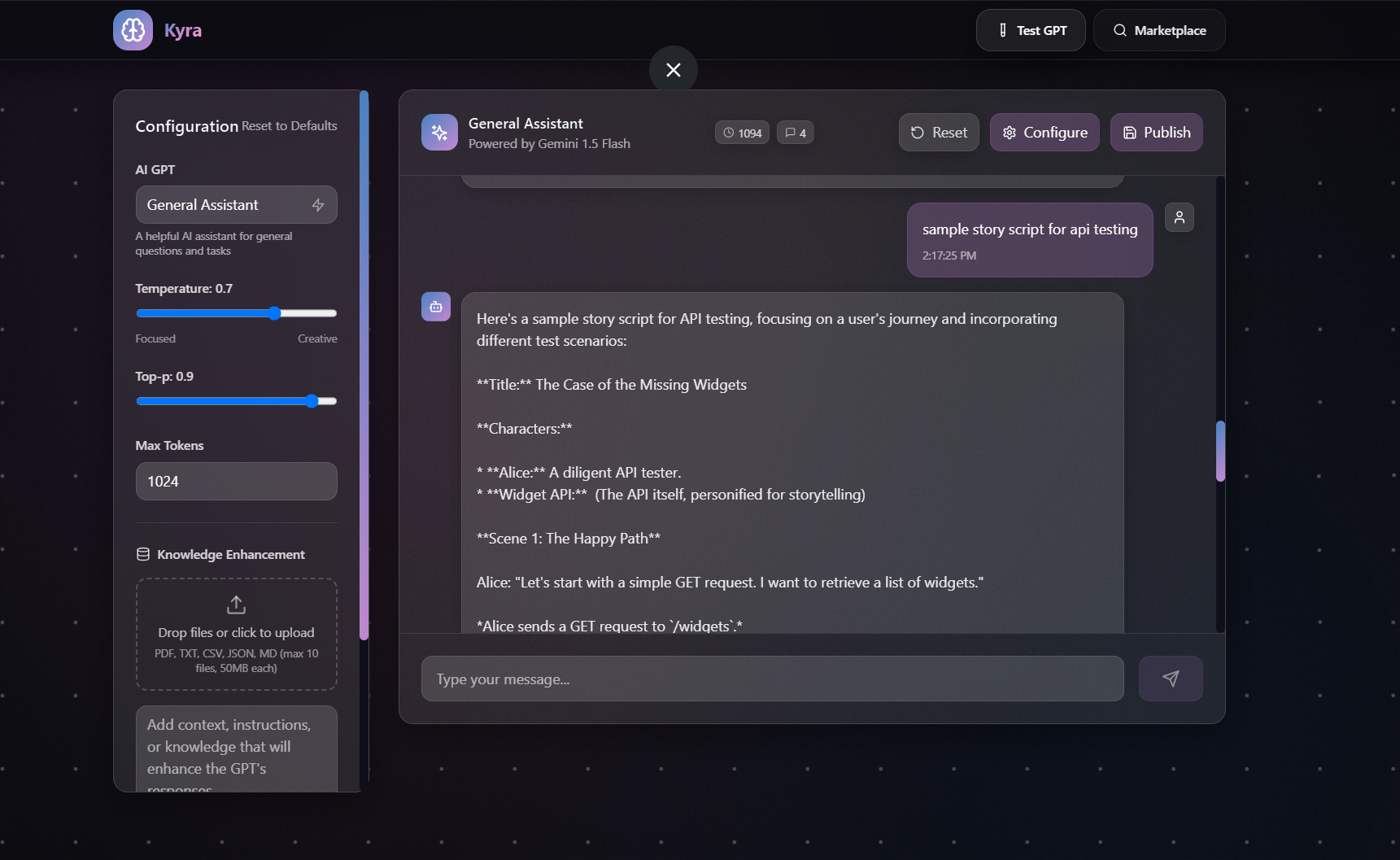
A configuration interface for customizing GPT parameters such as temperature, top-p, and max tokens for API testing.
-
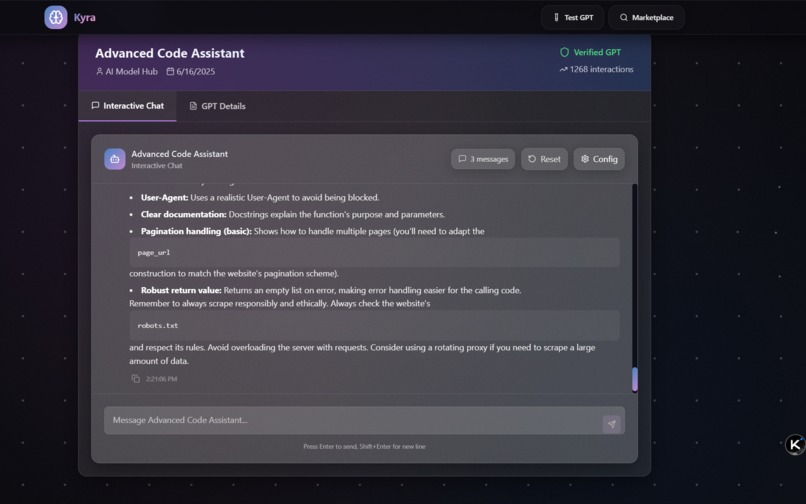
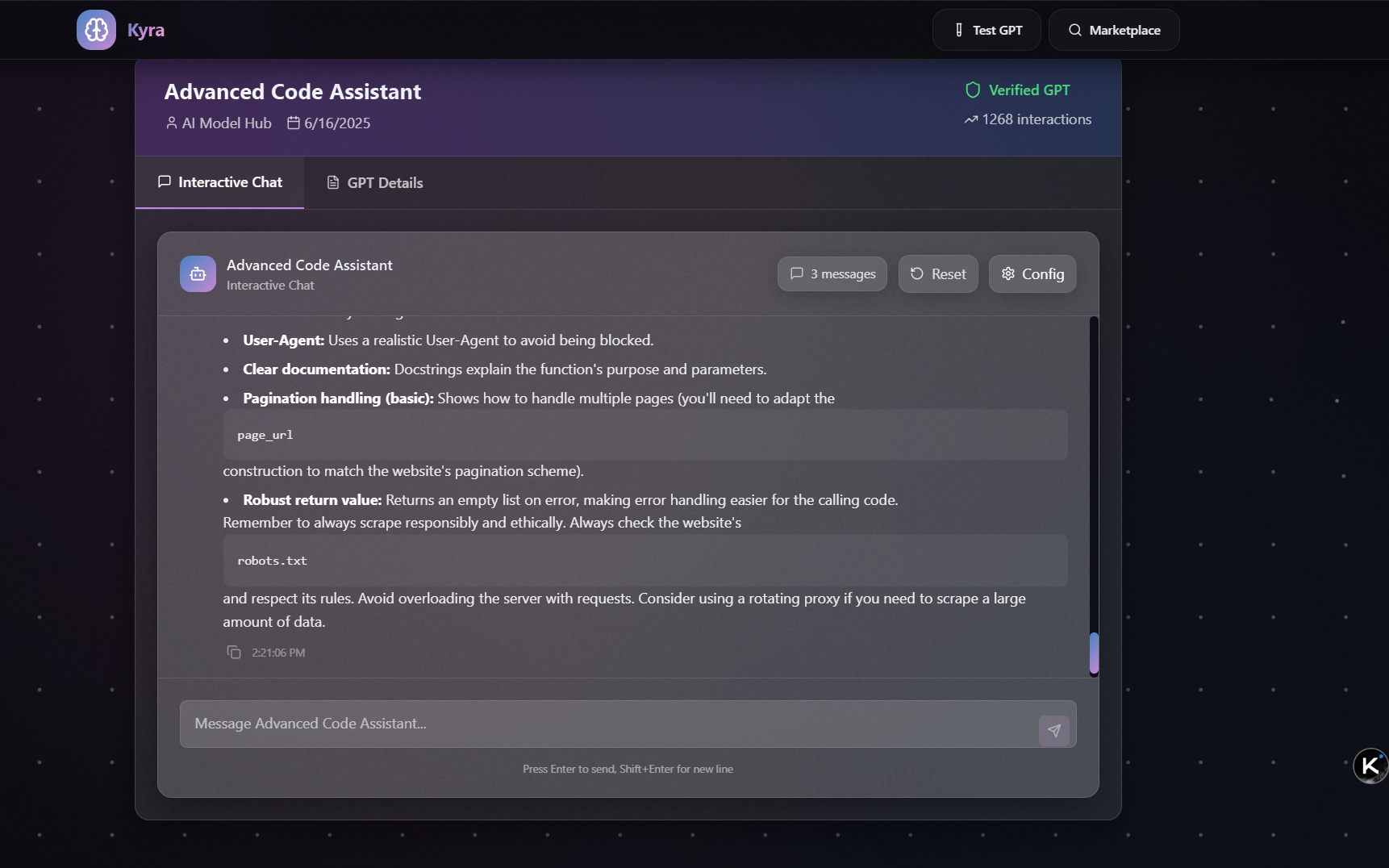
An interactive chat interface for the Advanced Code Assistant, displaying a conversation with tips on web scraping and error handling.
🧠 Project Story: Kyra – A Community for Custom GPTs / GPT of GPTs
✨ About the Project
Kyra is a community-driven platform for building, testing, and sharing custom GPTs, powered by Gemini 1.5 Flash and scaffolded entirely with Bolt.new. The goal is to simplify the journey of conversational AI creation, from ideation to deployment, without the need for complex infrastructure or frontend setup.
Think of it as the “App Store” for GPTs — a place where anyone can publish, explore, and remix generative AI tools.
💡 Inspiration
As AI tools became more accessible, we noticed a gap: while large models like ChatGPT and Gemini are powerful, creating custom GPTs still requires navigating scattered tools, code-heavy pipelines, and zero discoverability for personal assistants.
We asked: What if anyone could create their own GPT — and share it like a plugin or app — without ever leaving the browser?
That question led to Kyra.
🔧 How We Built It
We used Bolt.new as the sole development environment to rapidly scaffold the entire application:
- Frontend UI: Designed using Bolt's React + Tailwind generator, customized for dark mode and minimalism.
- Backend Logic: Bolt's AI-generated API routes handled metadata, GPT configurations, and user interactions.
- GPT Configuration: Each entry is backed by Gemini-powered logic, with prompts, instructions, and parameters stored and editable through the UI.
- Upload Flow: Users can create a new GPT, describe its behavior, and immediately test it in an embedded chat interface.
- Marketplace View: All public GPTs are browsable with tags, descriptions, and one-click launch.
Everything — from routing to database scaffolding — was generated using Bolt.new, showcasing how powerful AI-native development can be.
🧠 What We Learned
- AI can build with AI: Tools like Bolt.new significantly reduce time-to-product by eliminating boilerplate and accelerating frontend/backend generation.
- Prompt design matters: Crafting usable and helpful GPTs requires thoughtful instruction tuning — the interface is only part of the story.
- User experience is trust: Even AI apps need clear navigation and clean design for people to believe in their output.
🚧 Challenges We Faced
- Prompt configurability: Building a UI that gives users just enough control without overwhelming them took several design iterations.
- No-code but still deep: Leveraging Bolt.new meant we had to reframe how we think about development — focusing more on structure and logic than syntax.
- Staying within Bolt: Our biggest challenge was doing everything inside Bolt.new — but it proved to be a powerful constraint that forced clarity and focus.
🌐 What’s Next?
We plan to add:
- Ratings and feedback for GPTs
- Custom personas and memory profiles
- A remix system for forking GPTs
- API access for integration into external platforms
Built with ❤️ by me who believes everyone should have the power to shape the future of AI — without writing a single line of backend code.

Log in or sign up for Devpost to join the conversation.