-
-
Gameplay Screenshot 2
-
Gameplay Screenshot 1
-
Gameplay Screenshot 3
-
Gameplay Screenshot 5
-
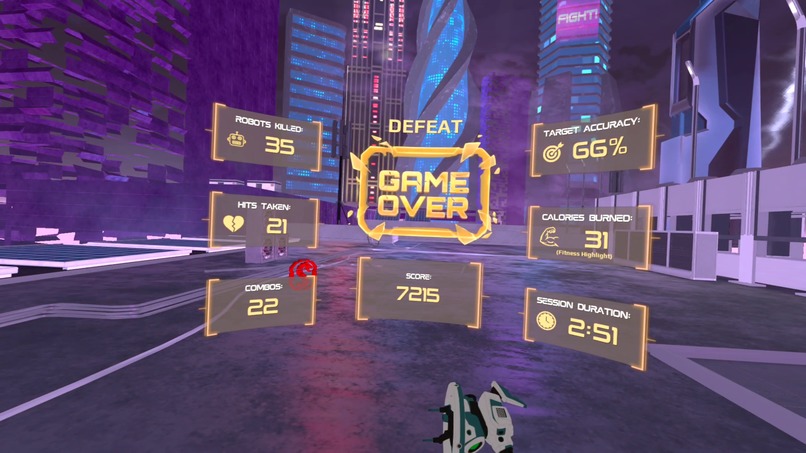
Gameplay Screenshot 6
-
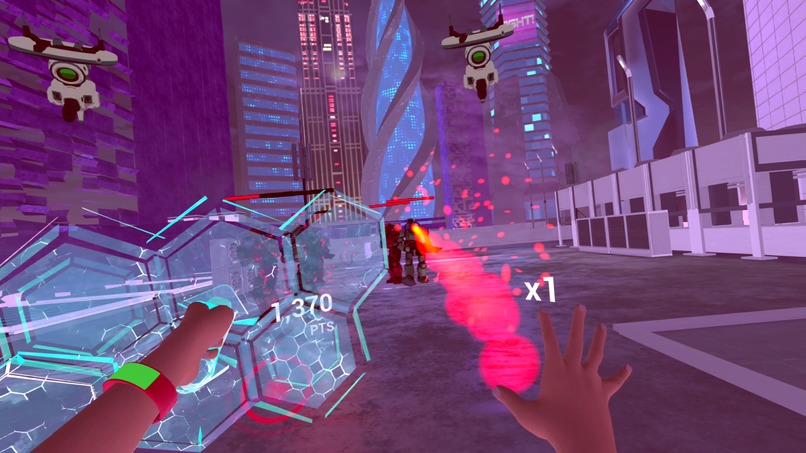
Gameplay Screenshot 4
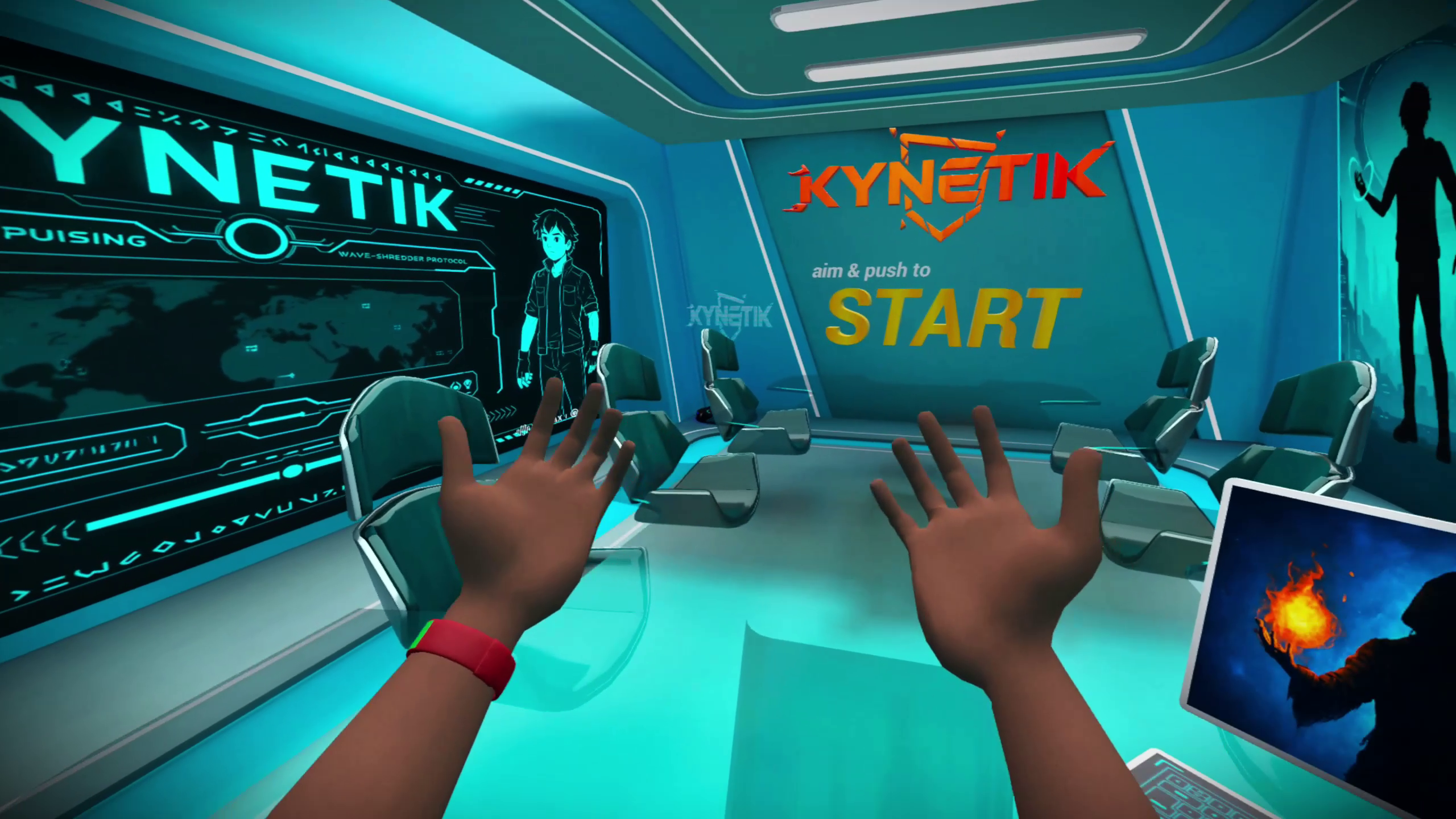
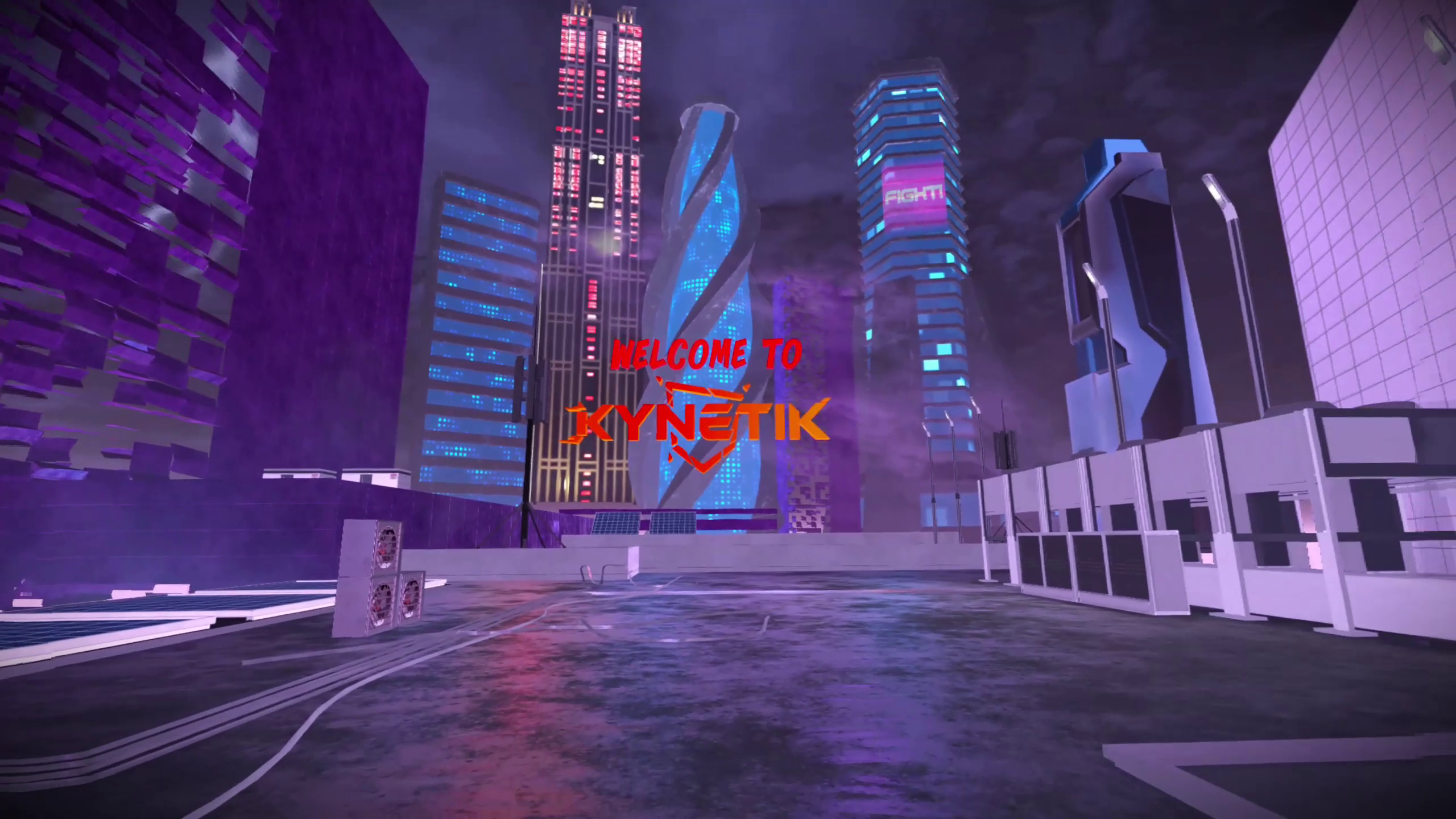
Inspiration
The idea for Kynetik was born from a simple thought — what if movement could feel like power? As VR developers and fitness enthusiasts, we wanted to create something that wasn’t just another shooter but a way to make players feel physically and mentally charged every time they played. With advancements in hand tracking, we saw an opportunity to remove controllers entirely and let players unleash energy directly from their hands. The goal was to merge sci-fi action with natural human motion — fast, intuitive, and endlessly replayable.
What it does
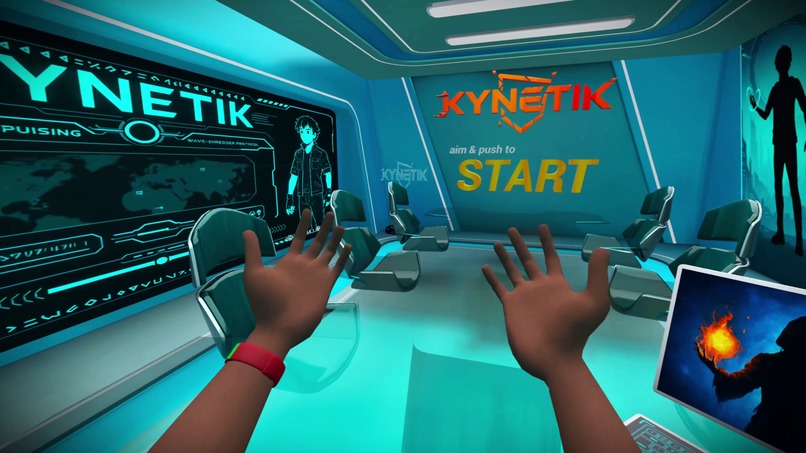
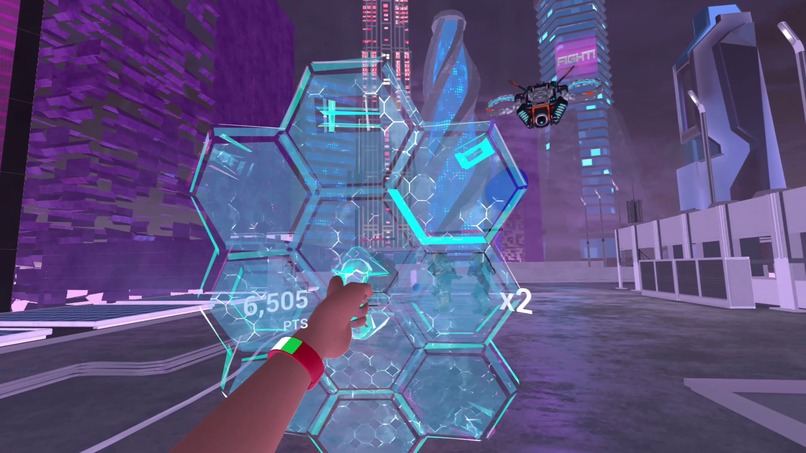
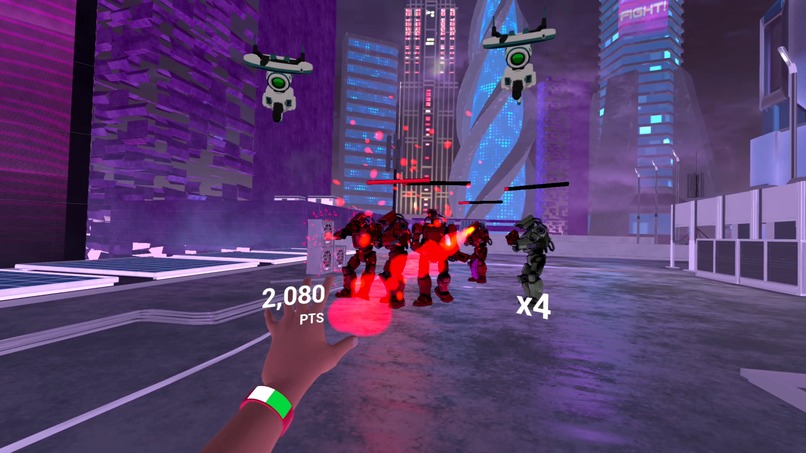
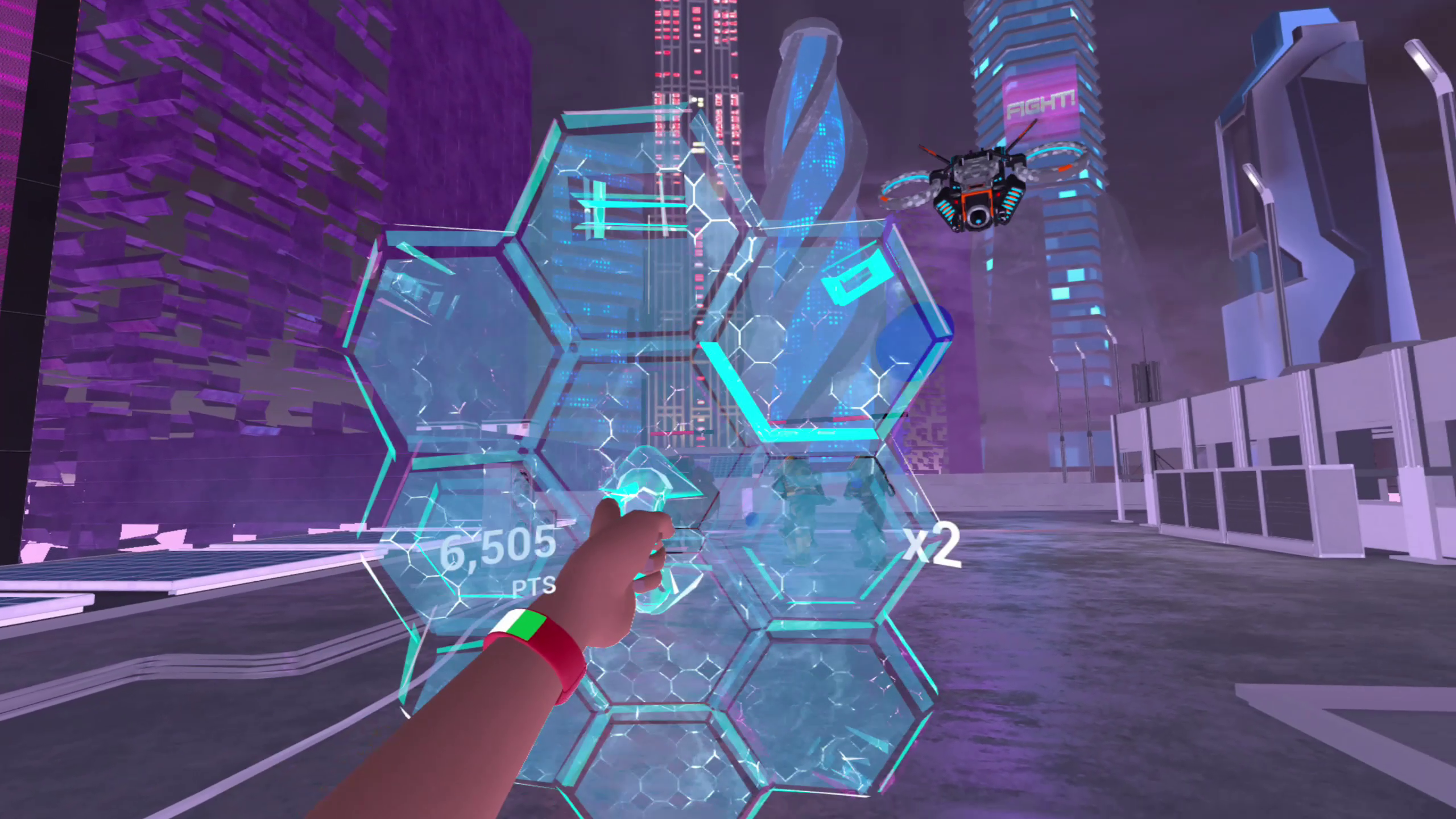
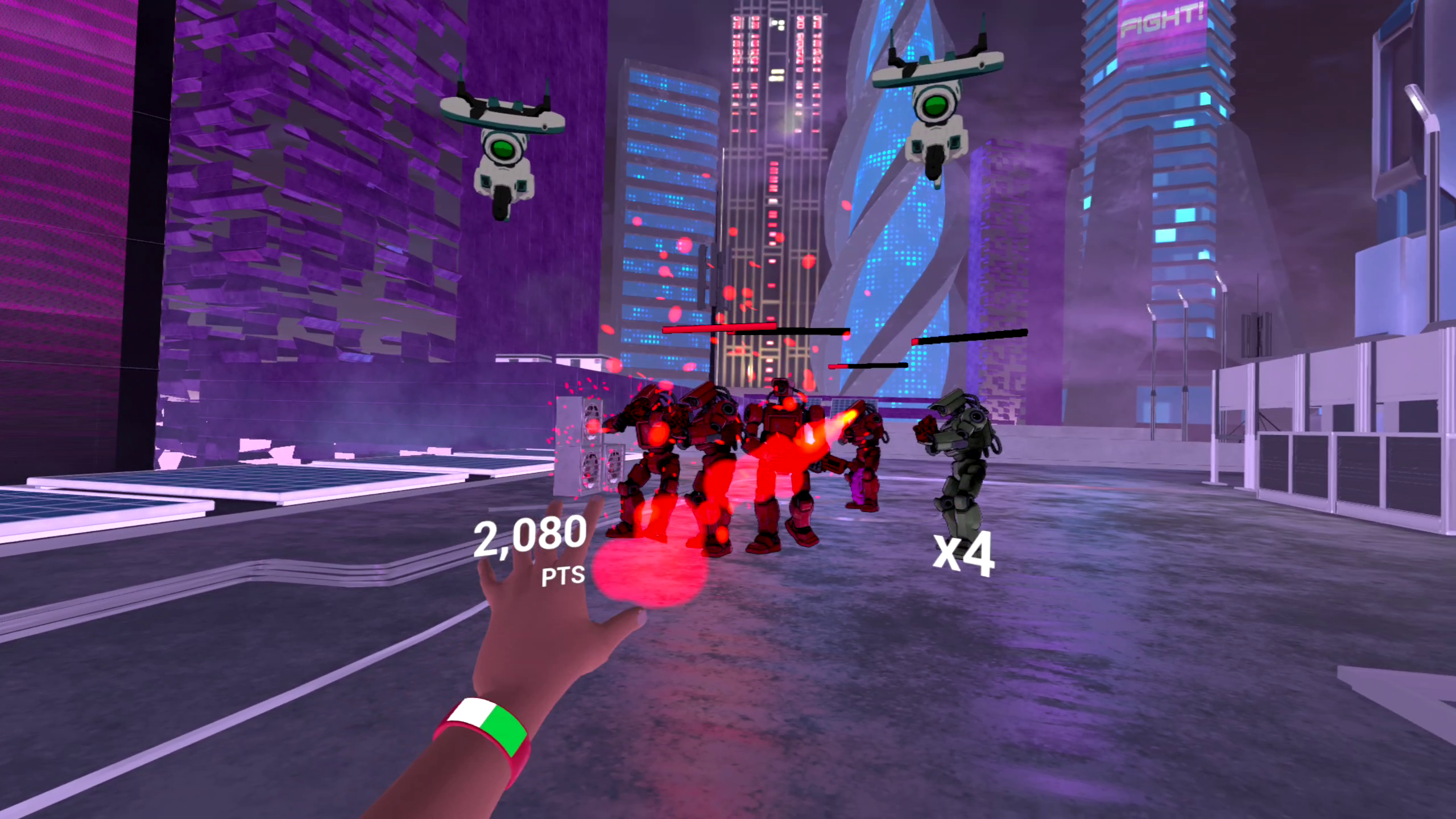
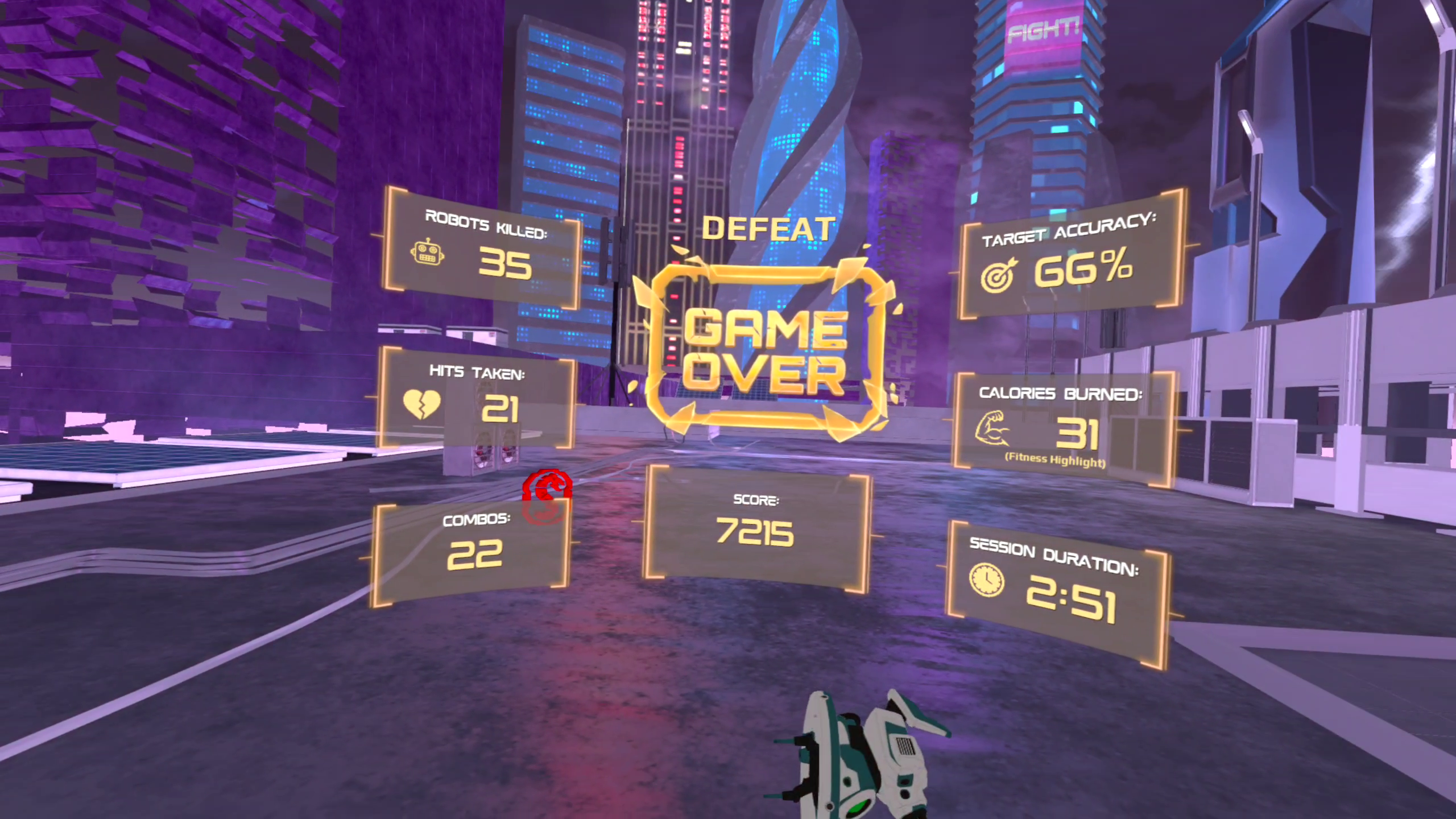
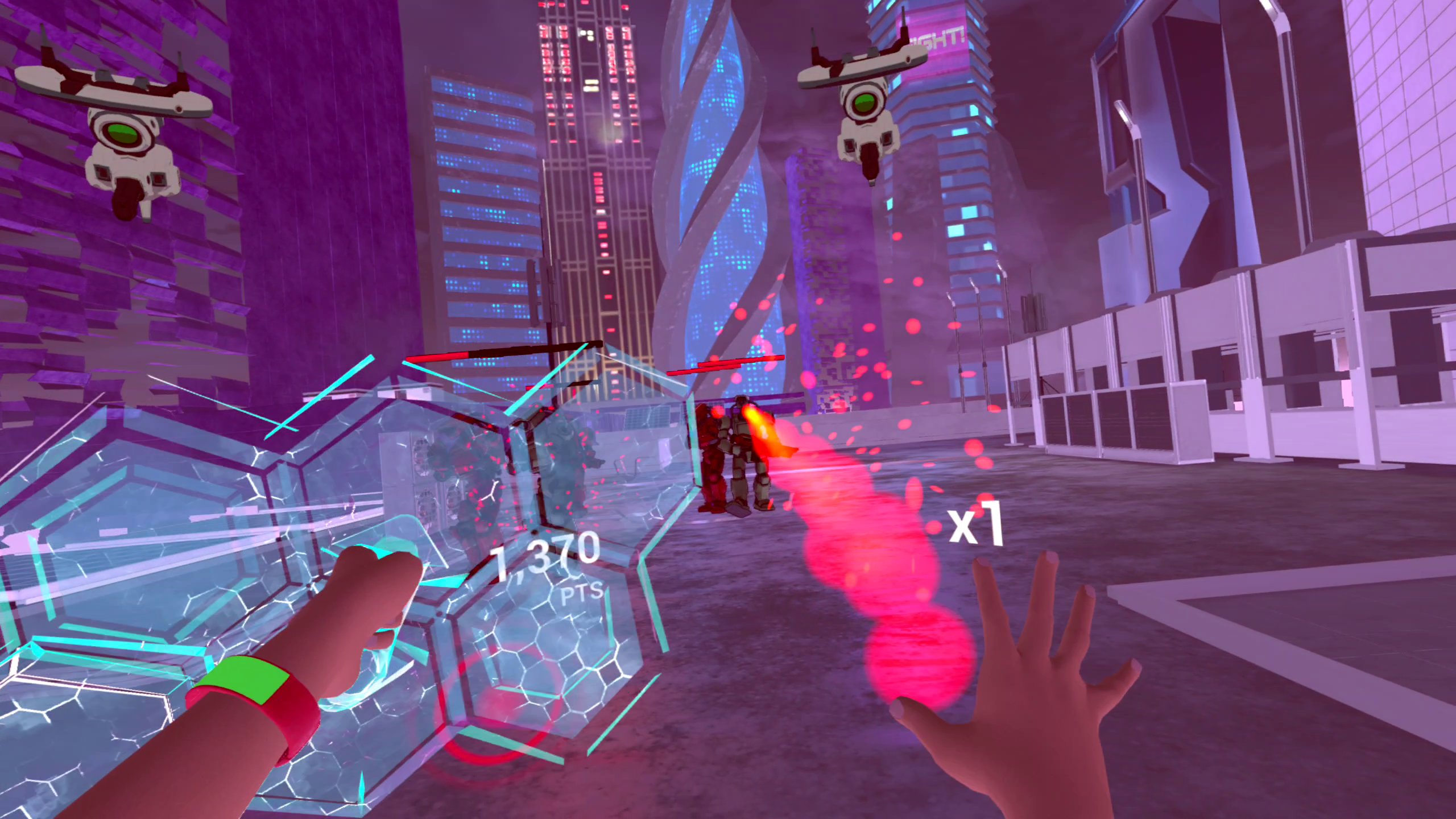
Kynetik is a hand-tracking, sci-fi wave shooter that turns your body into a weapon. Players face waves of robotic enemies and use their hands to shoot energy blasts, block incoming attacks, and dodge projectiles. It’s designed to deliver short, intense bursts of fun while keeping players active — a true hyper-casual fitness experience that’s as good for reflexes as it is for energy. Each wave gets faster and more challenging, creating a rhythm of movement that feels both empowering and addictive.
How we built it
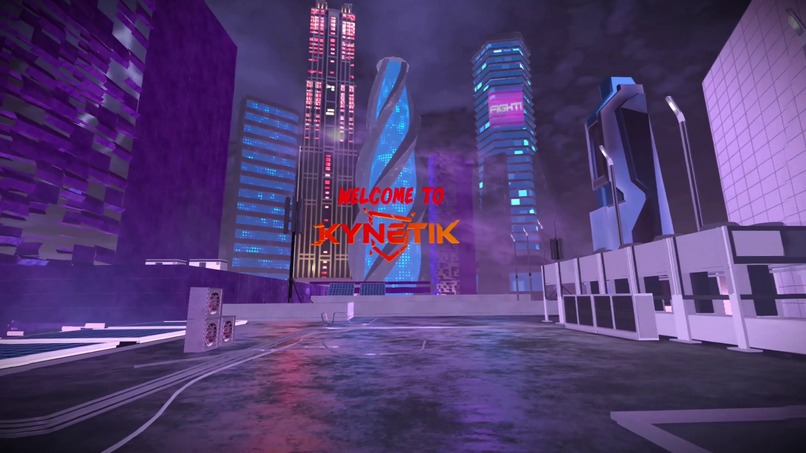
We built Kynetik in Unreal Engine 5, leveraging the Meta XR SDK for hand tracking. The combat system was designed entirely around gesture recognition and motion-based input — every attack, block, and dodge corresponds to real hand movement. The environments were crafted with a minimal sci-fi aesthetic using emissive lighting and volumetric effects to emphasize the sense of immersion without overwhelming the player. Performance optimization for Quest 2 and Quest 3 was a key focus, ensuring smooth frame rates and responsive tracking even during intense gameplay.
Challenges we ran into
Designing responsive hand tracking combat was one of the hardest parts. Getting gestures to feel natural without accidental triggers required extensive testing and fine-tuning. We also faced challenges balancing difficulty — since players move physically, fatigue becomes a factor. We had to find a rhythm that keeps gameplay exciting but sustainable. Performance optimization on standalone headsets, especially with dynamic VFX, was another major challenge we overcame through iterative refinement.
Accomplishments that we're proud of
We’re proud of creating an experience that’s both fun and physically engaging — a true fusion of gaming and fitness. The game’s motion flow feels natural and empowering, and early testers have called it “addictive and energizing.” We’re also proud of achieving high-performance, fully hand-tracked gameplay without relying on controllers, pushing the limits of current VR interaction.
What we learned
We learned how deeply body-driven gameplay can influence immersion and player engagement. Hand tracking requires a different design mindset — it’s about rhythm, motion, and feedback rather than button inputs. We also learned to simplify: the best VR experiences are often those that feel intuitive, not complex.
What's next for KYNETIK
We’re expanding Kynetik into a full-featured experience with leaderboards, global challenges, and a progression system that rewards consistency and performance. Future updates will include new arenas, enemy types, and fitness modes that adapt to player intensity. Our vision is to make Kynetik one of the most accessible and motivating VR fitness titles — where fun, energy, and sci-fi collide.
Built With
- meta-body-tracking
- unreal-blueprints
- unreal-engine


Log in or sign up for Devpost to join the conversation.