-
-
-
-
-
Ideas and brainstorm
-
-
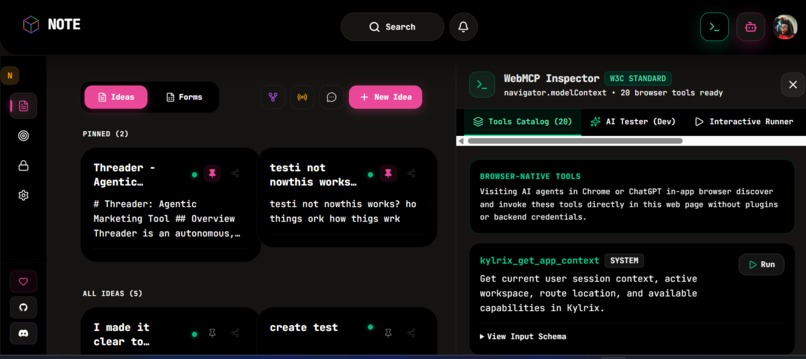
webMCP demo
Inspiration
Most modern productivity platforms treat AI as a disconnected sidebar chatbot—a separate window where you copy, paste, and prompt, while the model has zero awareness of what you are actually working on.
We built Kylrix on a different premise: human and artificial intelligence should share the exact same living workspace. When the WebMCP standard emerged, it provided the missing link. Rather than forcing browser agents to waste tokens and compute guessing button coordinates via screenshots or brittle DOM-scraping, WebMCP turns Kylrix into a machine-executable operating layer natively inside the active browser session.
What It Does
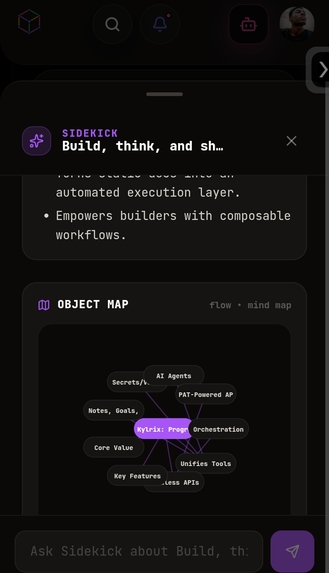
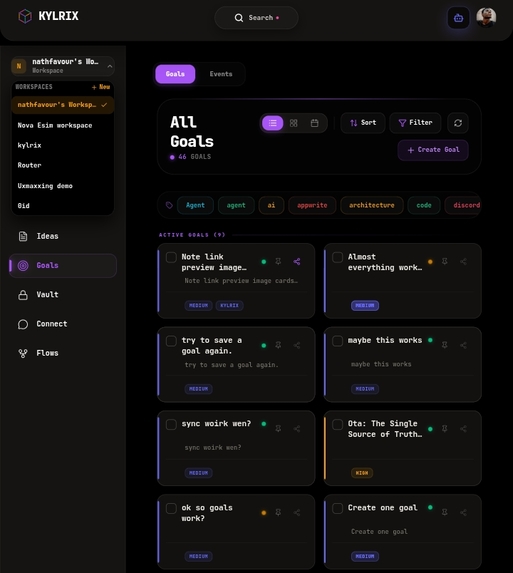
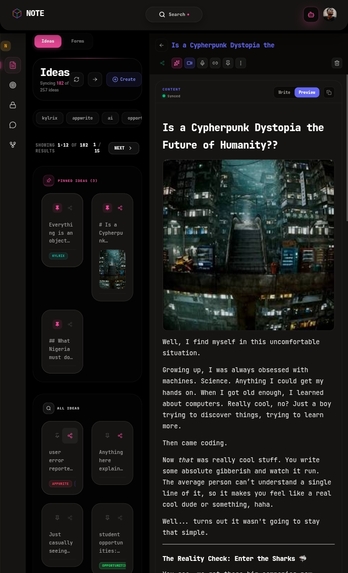
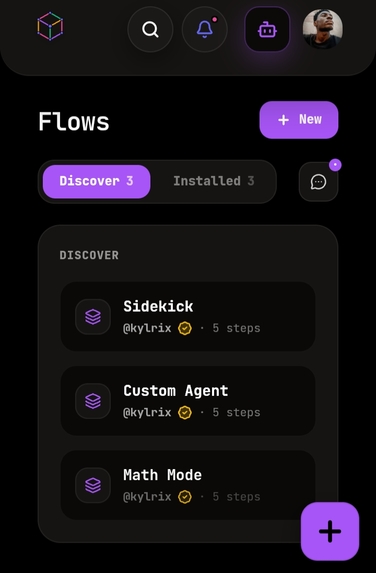
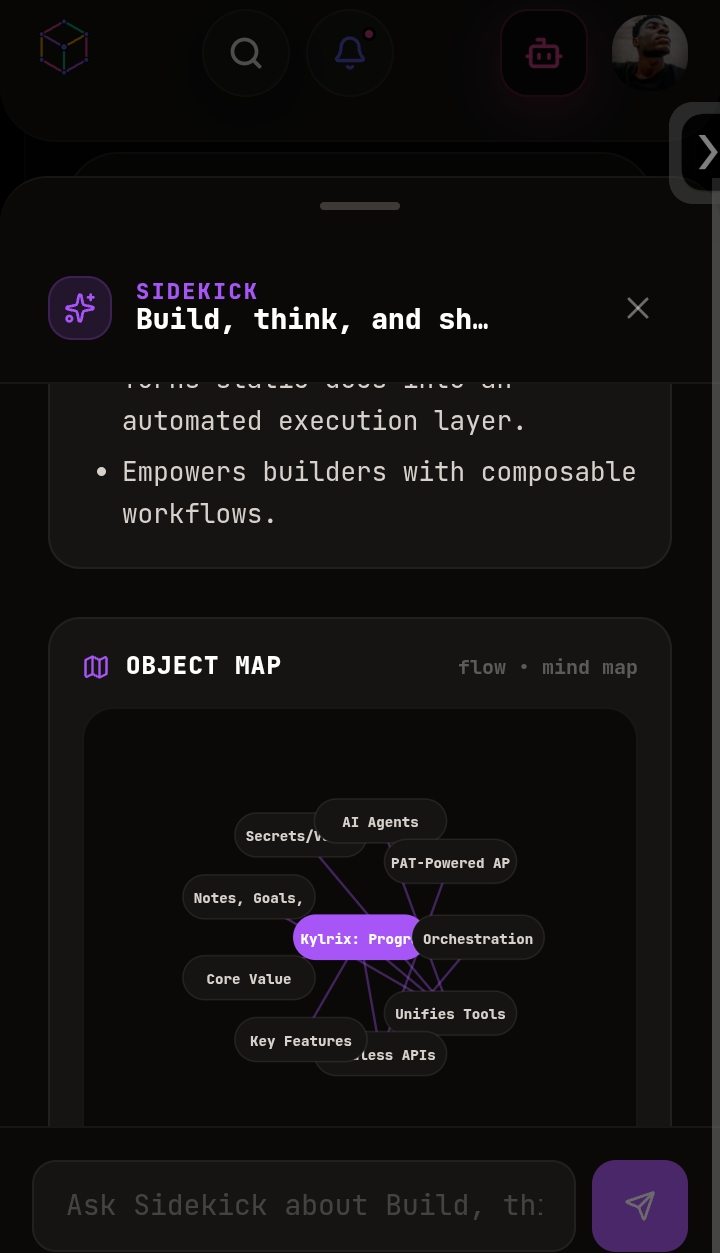
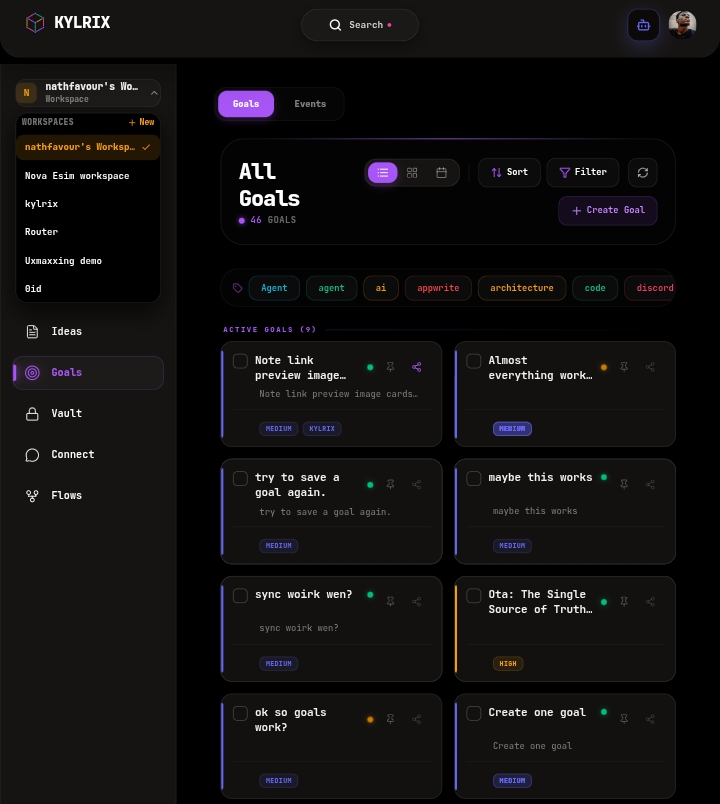
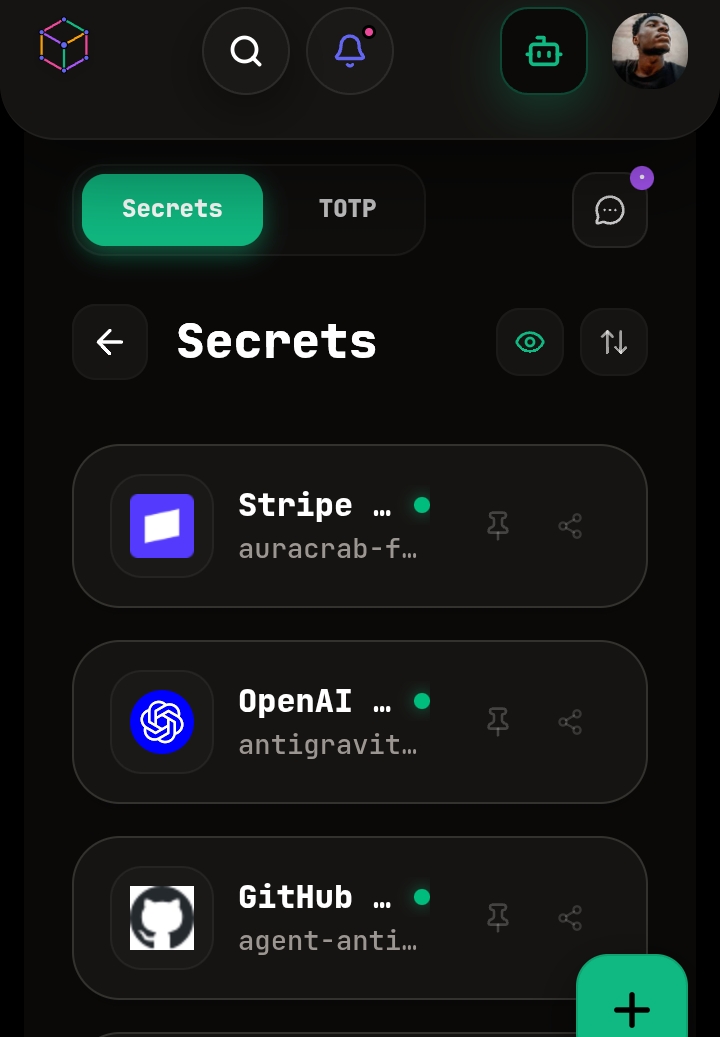
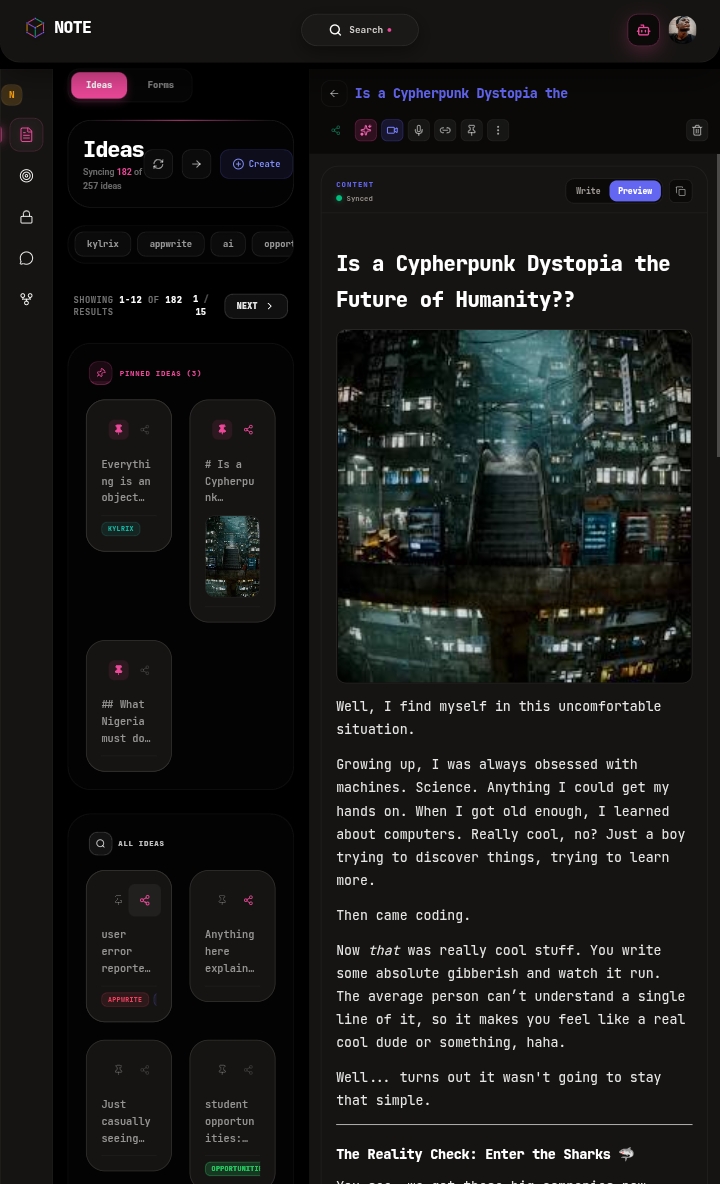
Kylrix is an open-source, local-first workspace for notes, goals, ideas, chat, vaults, and agentic workflows.
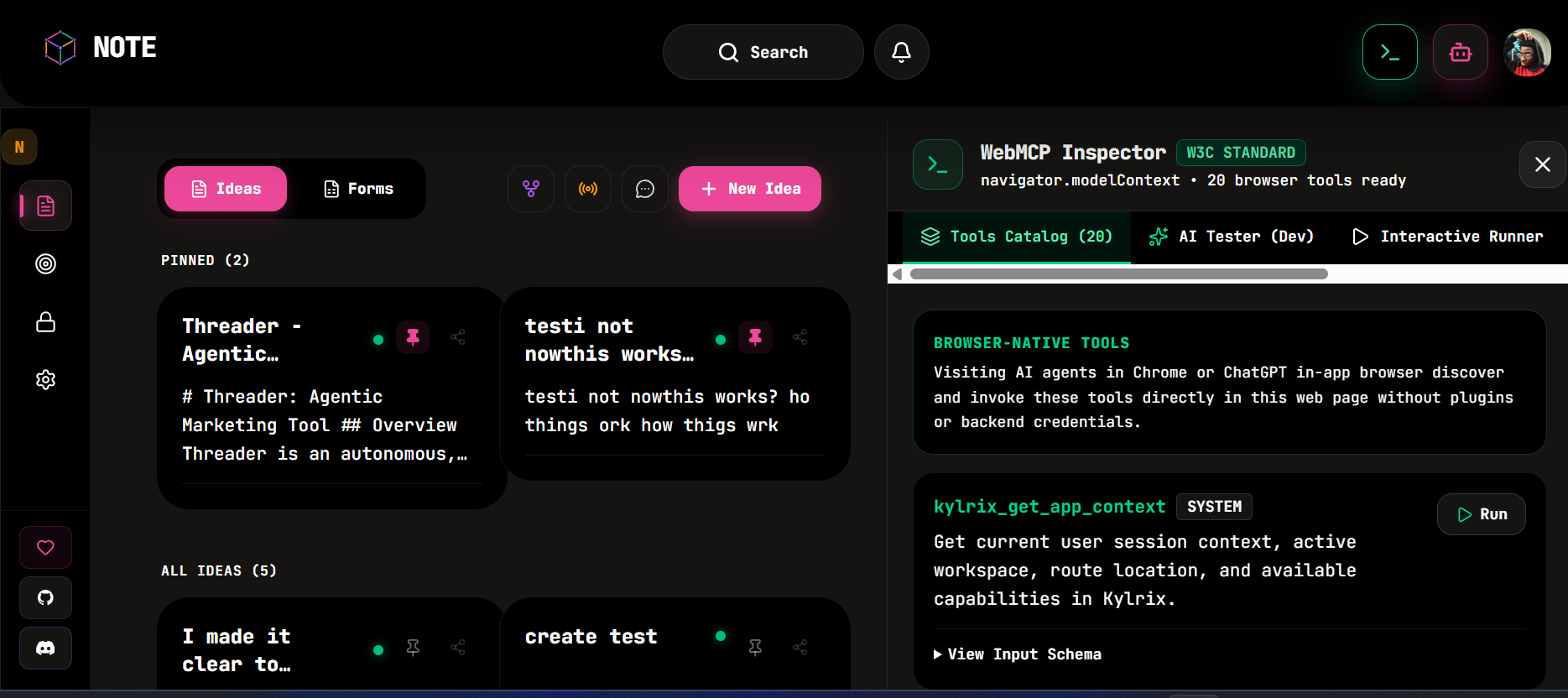
By integrating native WebMCP (navigator.modelContext), Kylrix exposes structured, typed client-side tools directly to visiting in-browser AI agents (such as Google Chrome's native agents and the ChatGPT desktop browser).
- Zero-Setup Agent Collaboration: No external API keys or server proxies required. The visiting agent inherits the user's active session, cookies, and local client state.
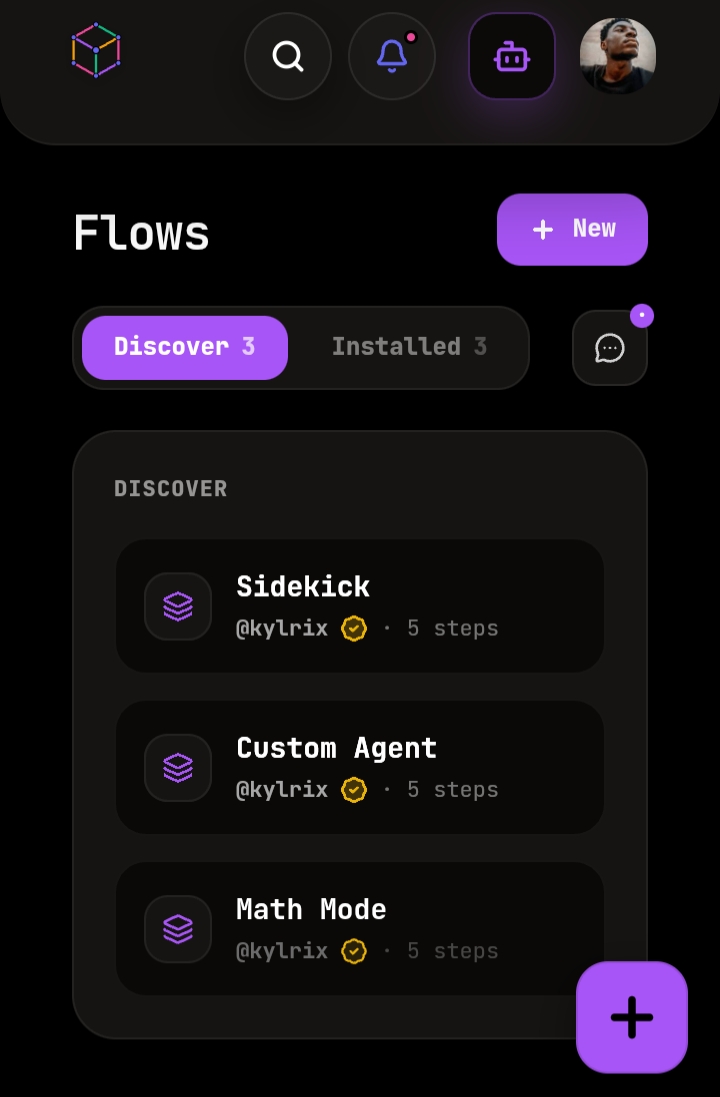
- Granular Tool Ecosystem: Agents can query, create, and refine Ideas, track and advance Goals, trigger custom Flows (workflow extensions), and structure rich Markdown/LaTeX documents.
- Instant State Reactivity: Tool execution directly mutates the active Next.js client state, giving the human and agent an instantaneous, zero-latency shared canvas.
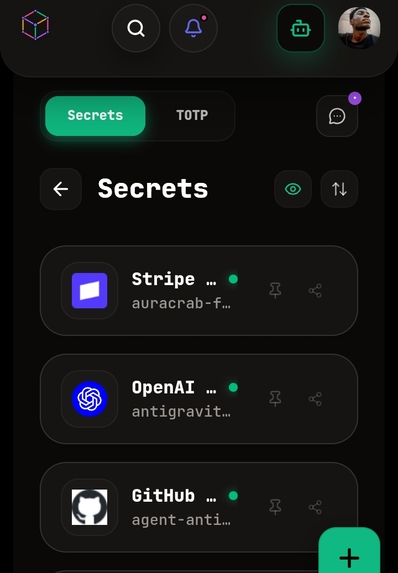
- Privacy & Vault Boundaries: Agents operate within verified client boundaries, keeping client-encrypted vaults and sensitive user secrets fully protected.
How We Built It
- Frontend: Next.js (App Router), React, and Tailwind CSS.
- WebMCP Client Core: Built a declarative registration layer around the W3C
navigator.modelContext/document.modelContextruntime withAbortControllersignal lifecycles to automatically bind and clean up in-page tools across dynamic routes. - Backend & Storage: Appwrite backend architecture paired with local-first client caching to guarantee offline resilience and instantaneous state updates.
- Security & Auth: Client-side encryption standards, session-bound tool execution, and fine-grained PAT / Agent Key permissions.
Challenges We Ran Into
- Experimental Browser Runtimes: Working with an emerging W3C standard meant dealing with browser flags (
chrome://flags/#enable-webmcp-testing), varying implementation quirks, and building custom fallback harnesses to verify tool registration and schema parsing reliably. - Real-Time Client State Mutations: Ensuring that agent tool executions triggered through the browser engine synced seamlessly with existing React component state and local storage caches without requiring full page reloads or conflicting with active human edits.
- Strict Context Boundaries: Structuring schemas so in-browser agents have rich tool access across Ideas, Goals, and Flows while completely isolating zero-knowledge encrypted vault modules from automated read scopes.
Accomplishments That We're Proud Of
- True Tool Parity: Agents inside Kylrix don't just "talk"—they perform the exact same operational CRUD workflows humans do, with typed schemas and strict parameter validation.
- Multi-Surface Interoperability: Kylrix bridges both worlds of the agent ecosystem: WebMCP for ephemeral, in-browser live session tools, and traditional MCP / REST for IDE loops (Cursor, Claude) and background workers.
- Production-Ready & Fully Open Source: Kylrix is deployed live at kylrix.space, completely self-hostable with a single bash command, and licensed under AGPL-3.0.
What We Learned
Exposing typed functional schemas directly to the browser runtime reduces token overhead by up to 90% compared to DOM-scraping or vision-based computer use. WebMCP proves that the future of web automation isn't about teaching AI to simulate a human mouse click—it's about giving web applications a clean, native protocol to speak directly to client agents.
What's Next for Kylrix
- Expanding WebMCP tools to cover real-time dynamic Flow template instantiation.
- Implementing semantic vector search across personal notes using edge-based embeddings.
- Deepening human-in-the-loop permission prompts for irreversible state actions triggered by autonomous browser agents.
Built With
- agent
- nextjs
- productivity
- react
- typescript
- webmcp

Log in or sign up for Devpost to join the conversation.