Inspiration
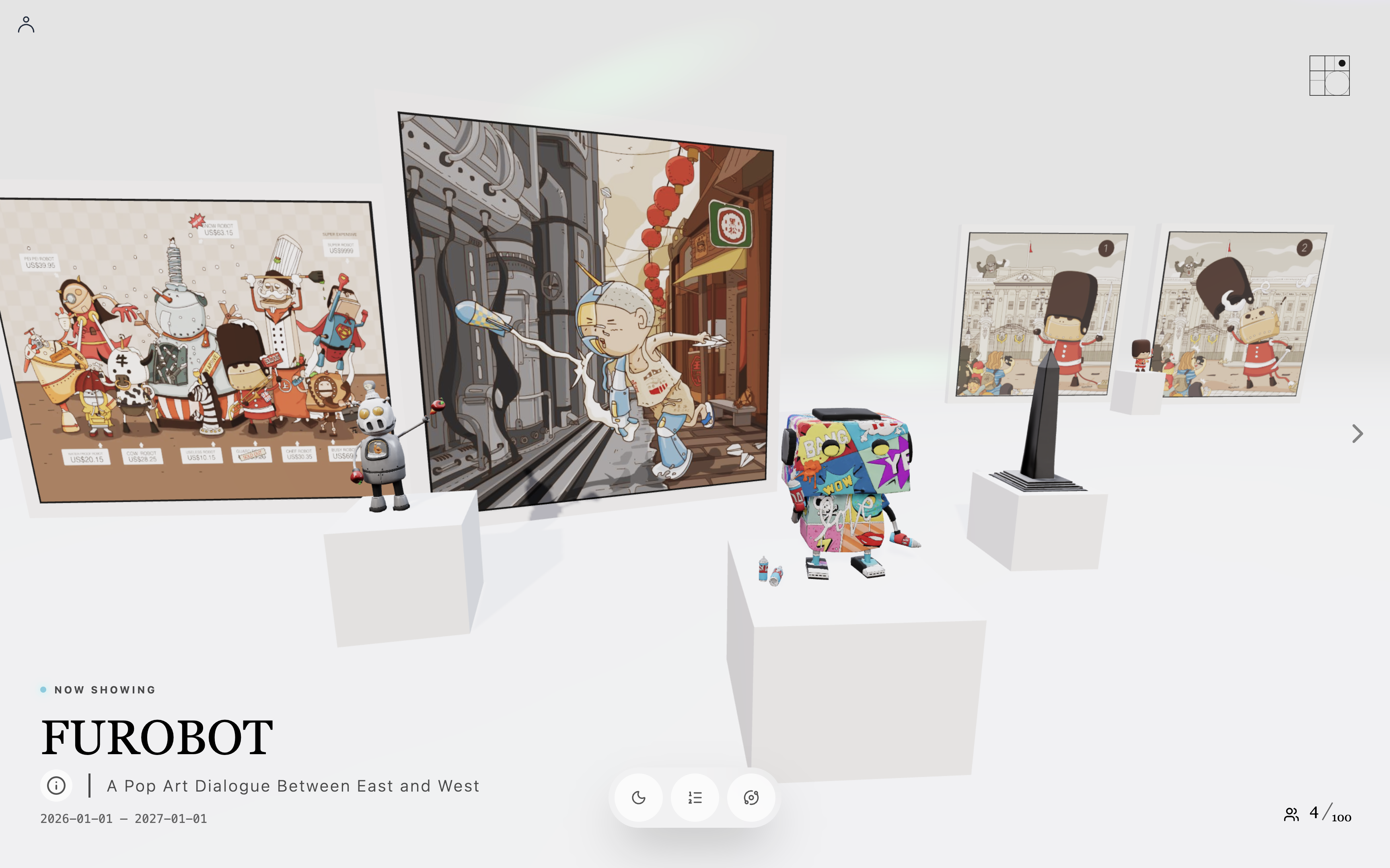
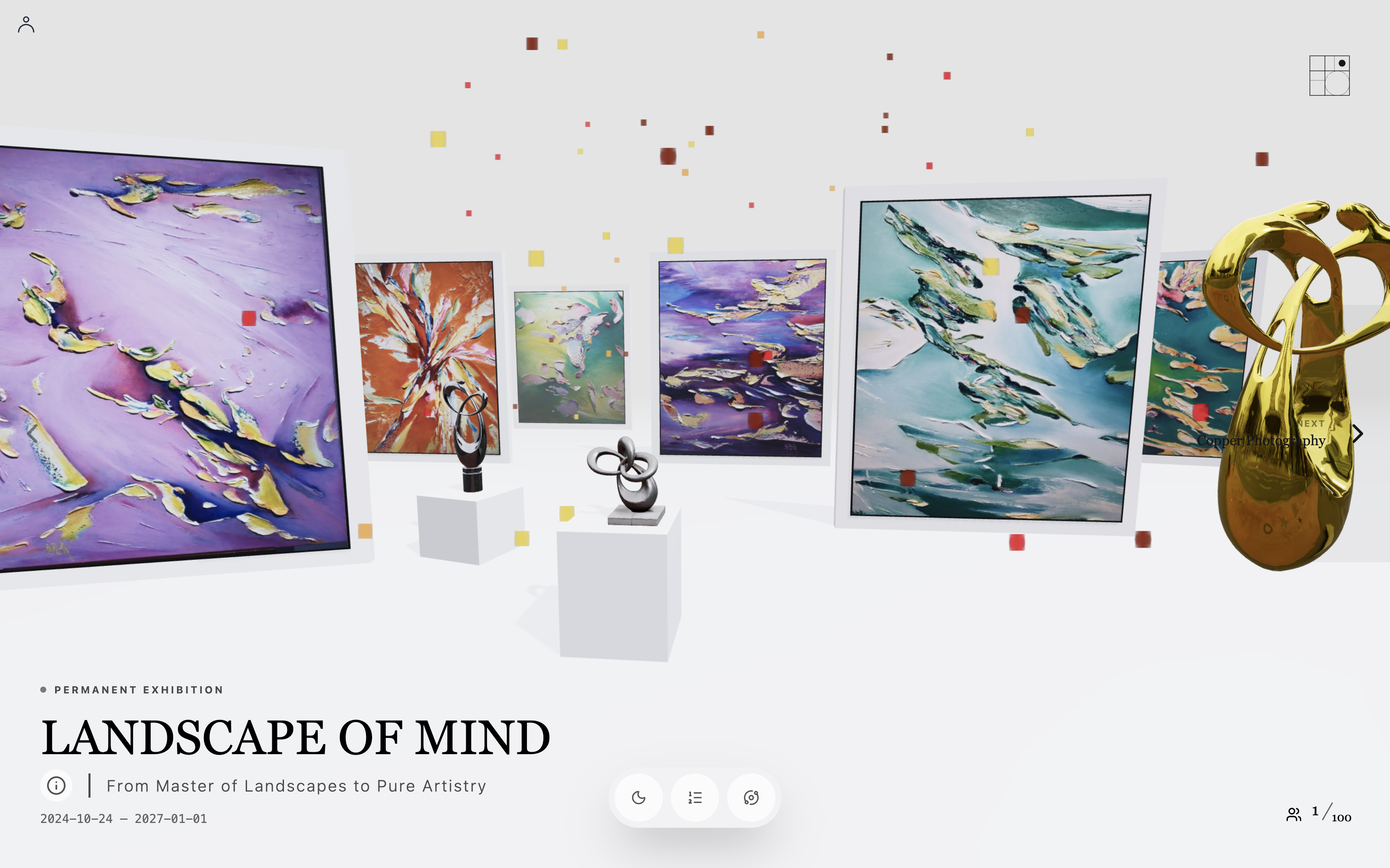
Established in late 2025, kurodot.io began as a personal mission to bridge the gap between physical sculpture and digital accessibility. As an artist, I found it challenging to find physical venues that could preserve the "spatial weight" of my work. I built kurodot.io to ensure that digital curation is as intentional and atmospherically rigorous as a physical museum, allowing physical artifacts to live on as high-fidelity digital twins.
What it does
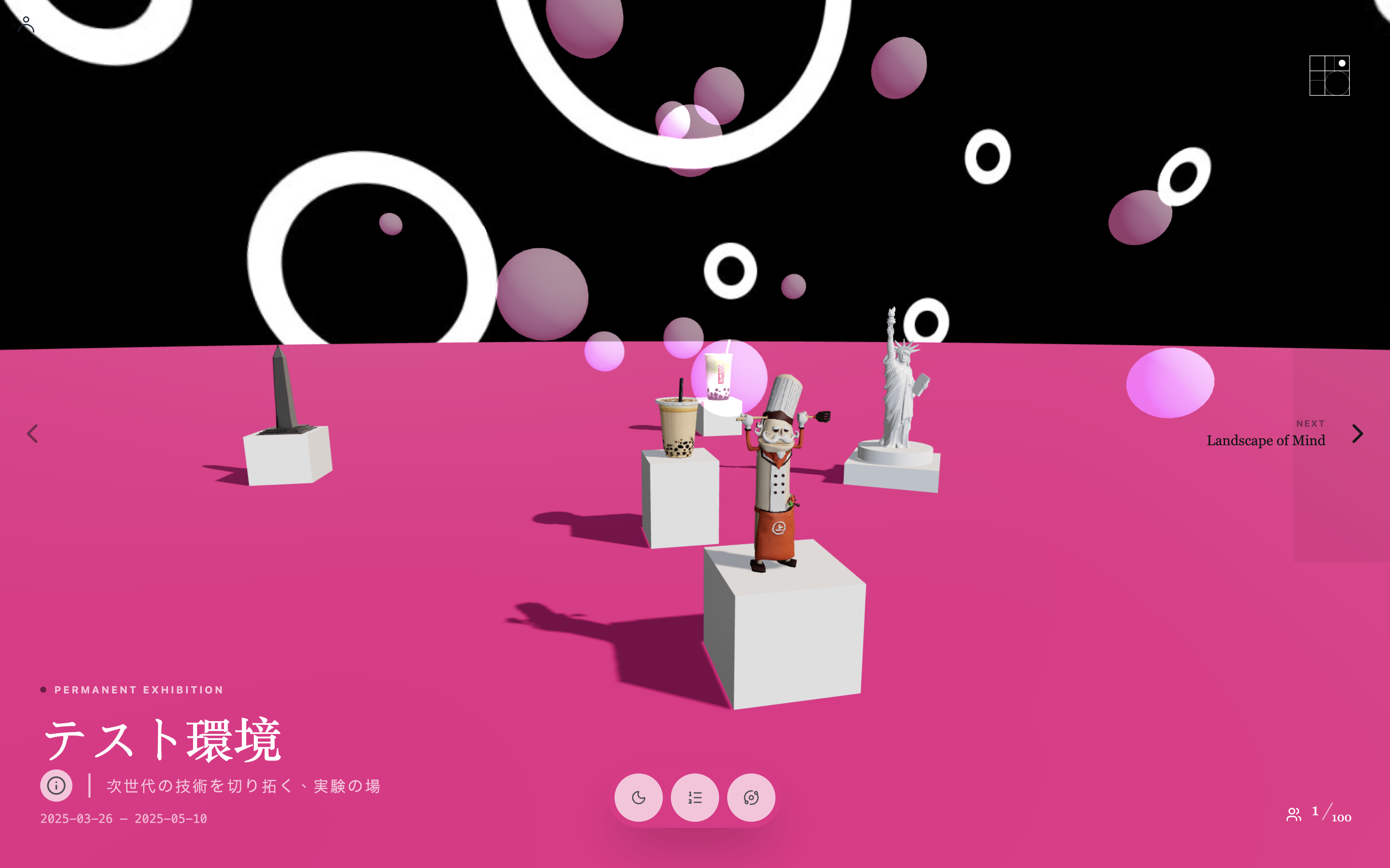
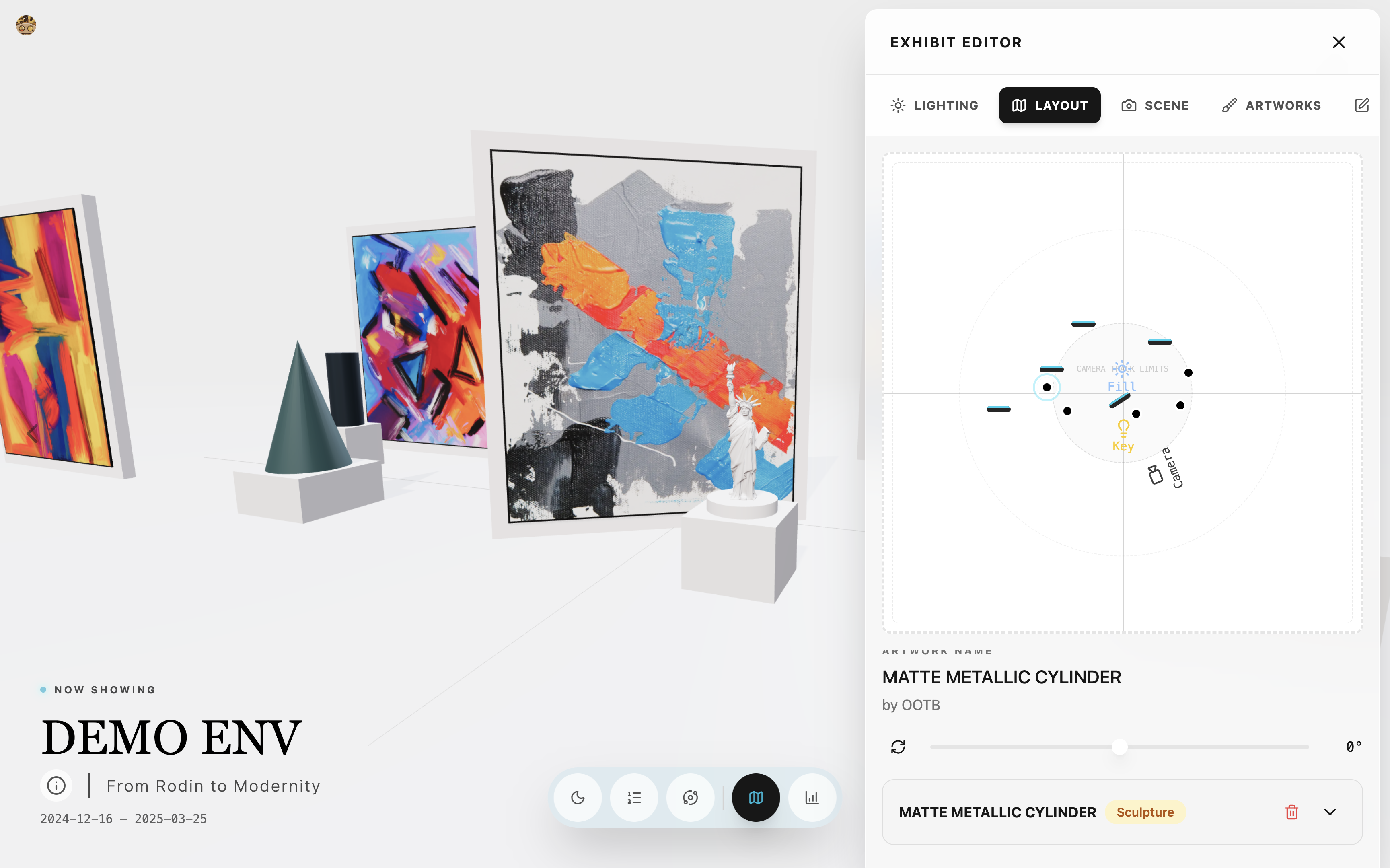
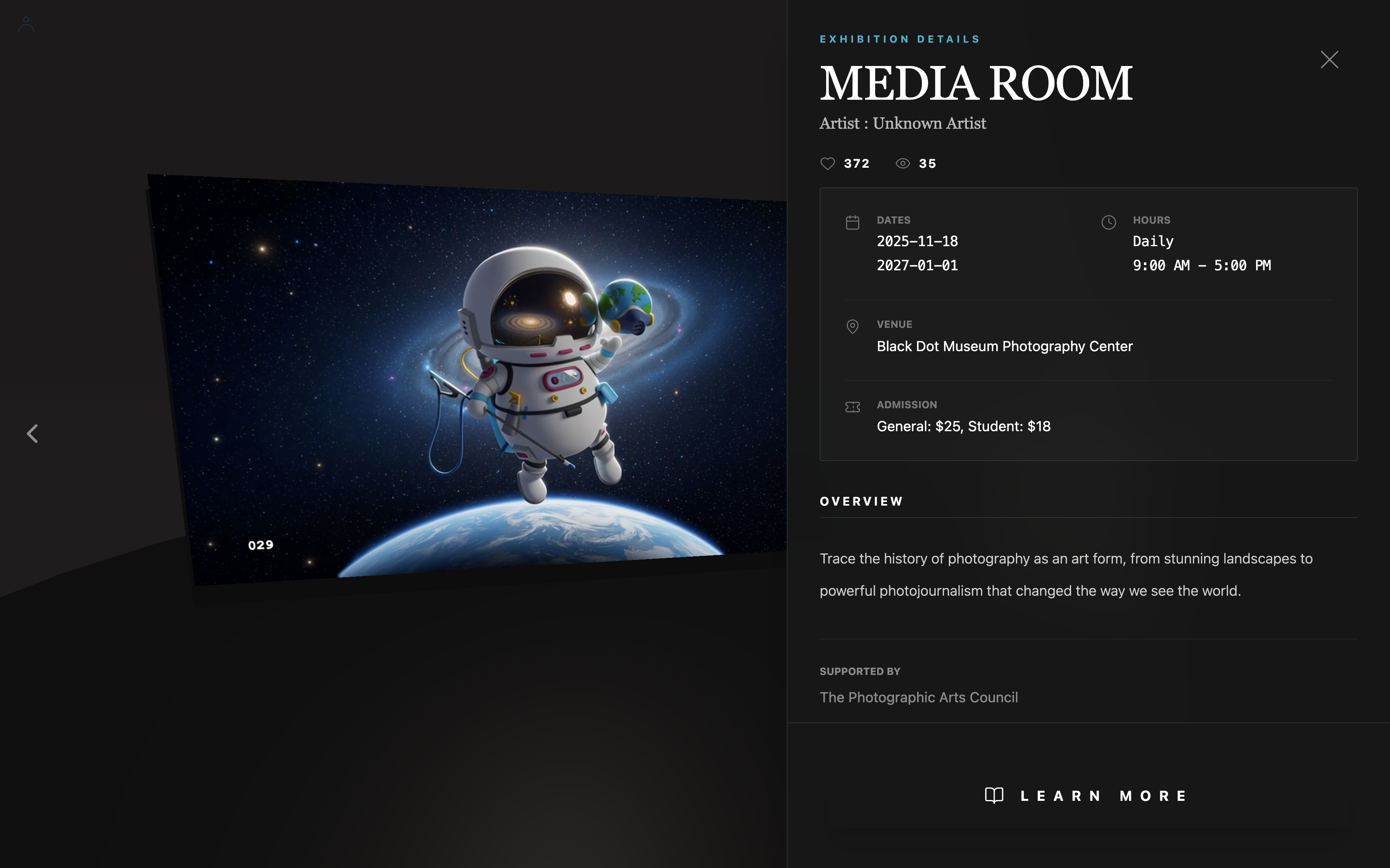
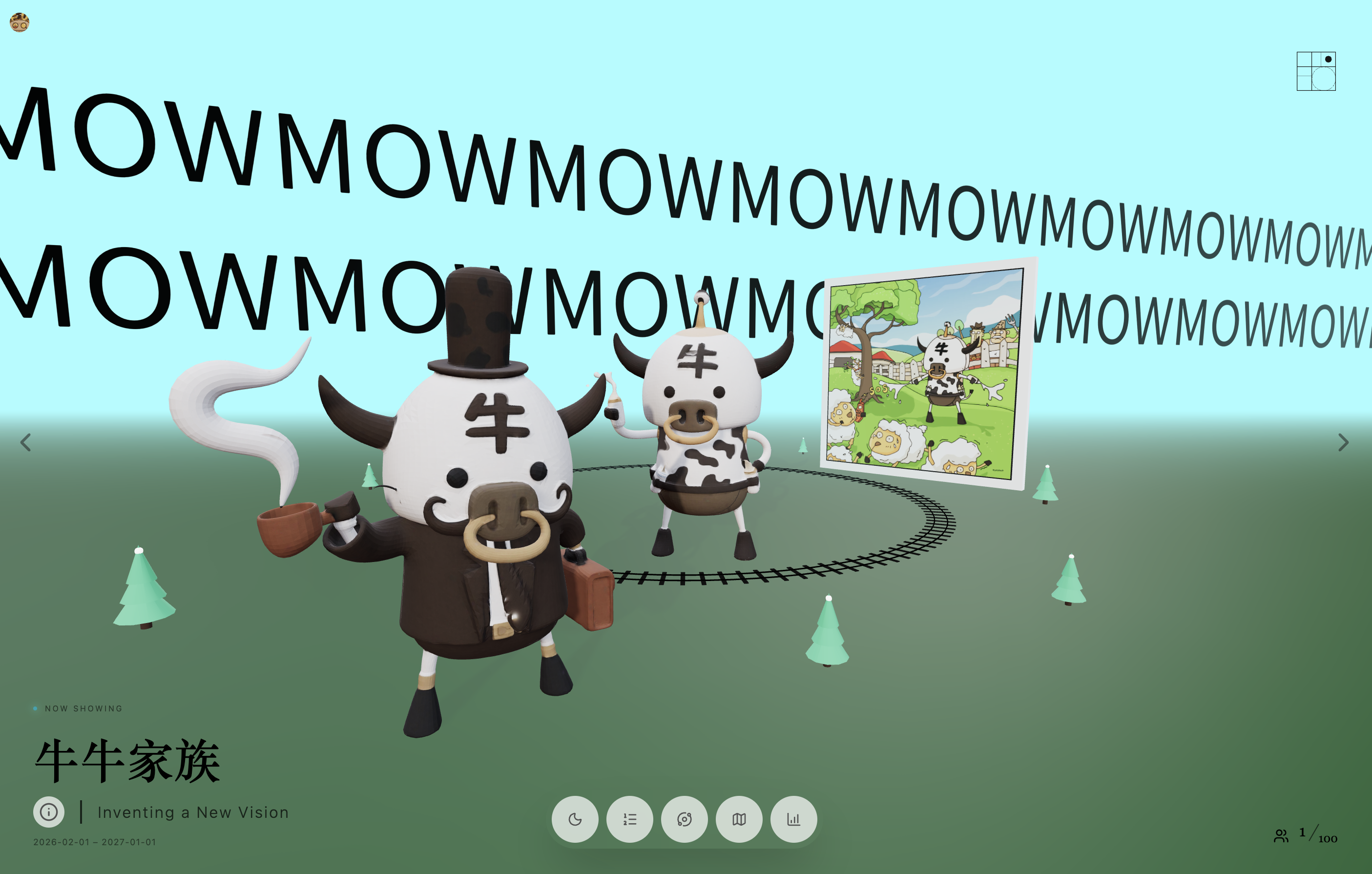
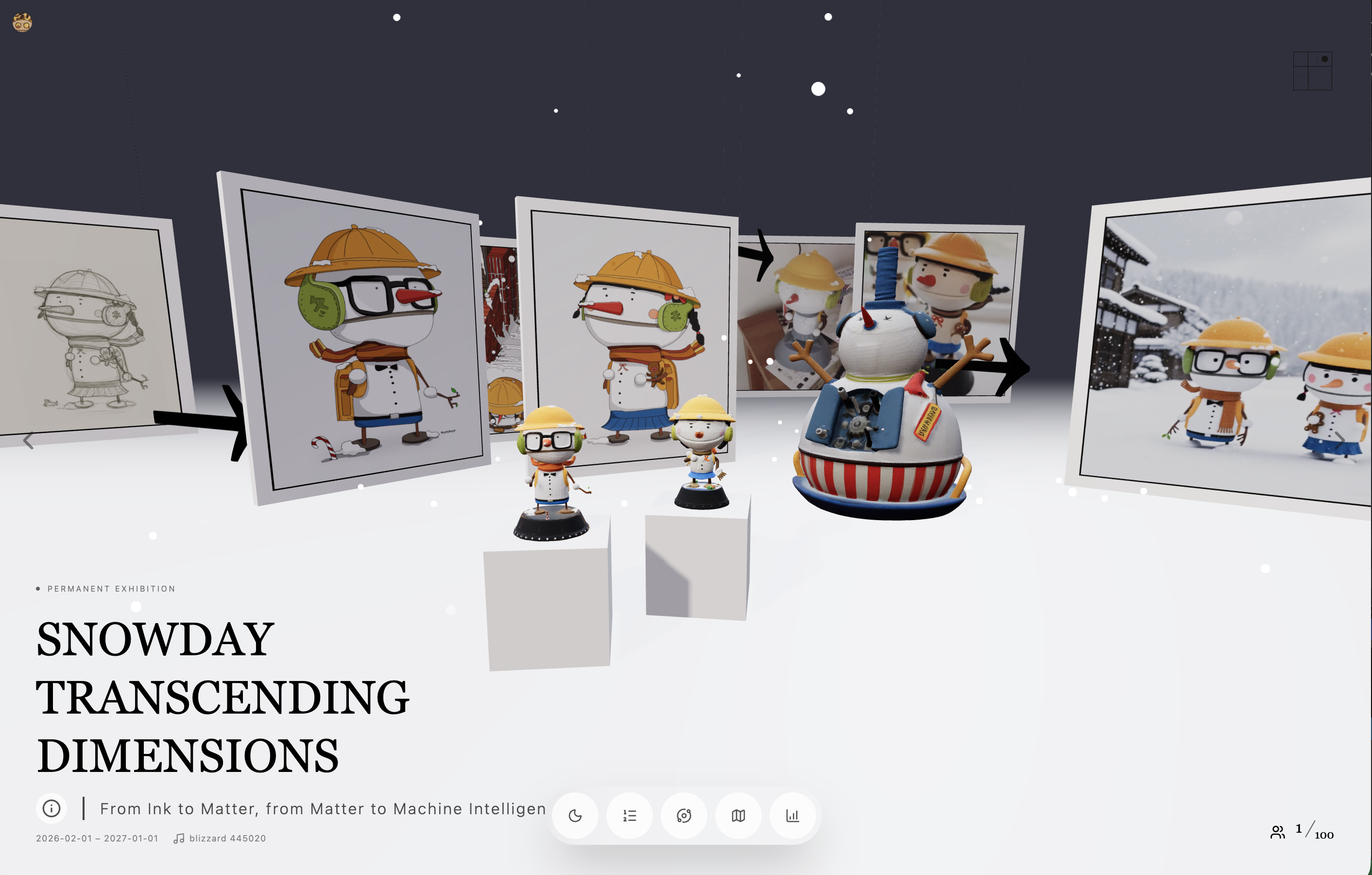
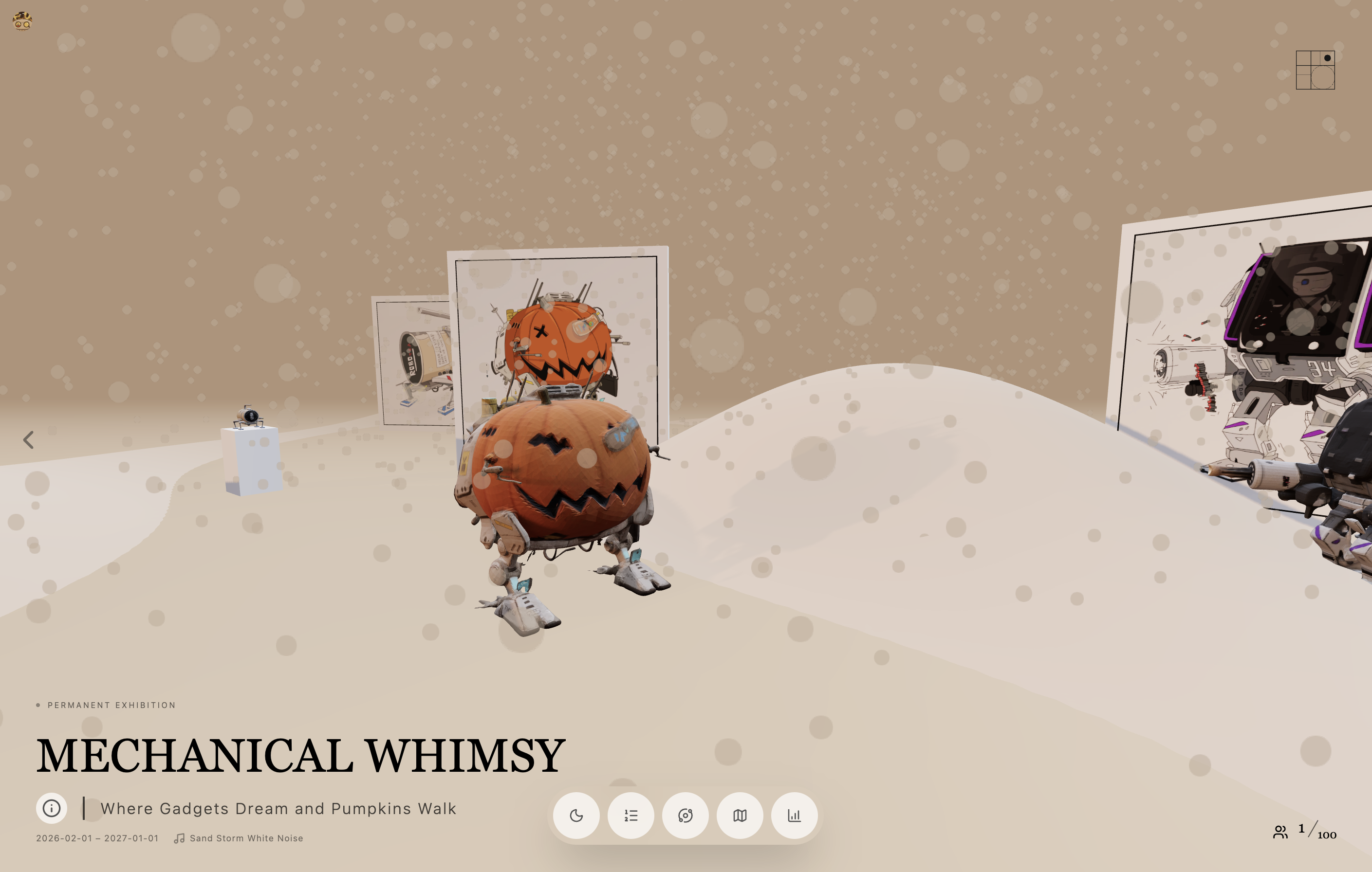
kurodot.io is a high-performance 3D engine that allows users to embed entire virtual museums into any platform with a single line of code. The platform features:
Intelligent Spatial Controls: Dynamic toggles for Ranking, Gravity, Lighting, and User presence. Precise URL Schemes: Deep-linking to specific spatial coordinates or lighting presets. Privacy-First Telemetry: Real-time engagement mapping without intrusive cookies.
How we built it with Gemini 3
We integrated the Gemini 3 Flash API to serve as the "Reasoning Engine" for our spatial environment. Gemini 3 analyzes the geometric properties of uploaded 3D assets to automatically suggest optimal lighting and spatial arrangements. Furthermore, it synthesizes raw telemetry data from Pusher and Umami into natural language insights, helping curators understand how audiences interact with their space.
Challenges
We faced Balancing high-fidelity 3D rendering with mobile performance was a primary hurdle. We overcame this by building an automated pipeline utilizing Draco geometry compression and WebP texture conversion.
Built With
- draco-compression
- firebase-(auth-&-firestore)
- gemini-3-flash-api
- pusher-(real-time-streaming)
- three.js
- umami-(analytics)

Log in or sign up for Devpost to join the conversation.