-
-

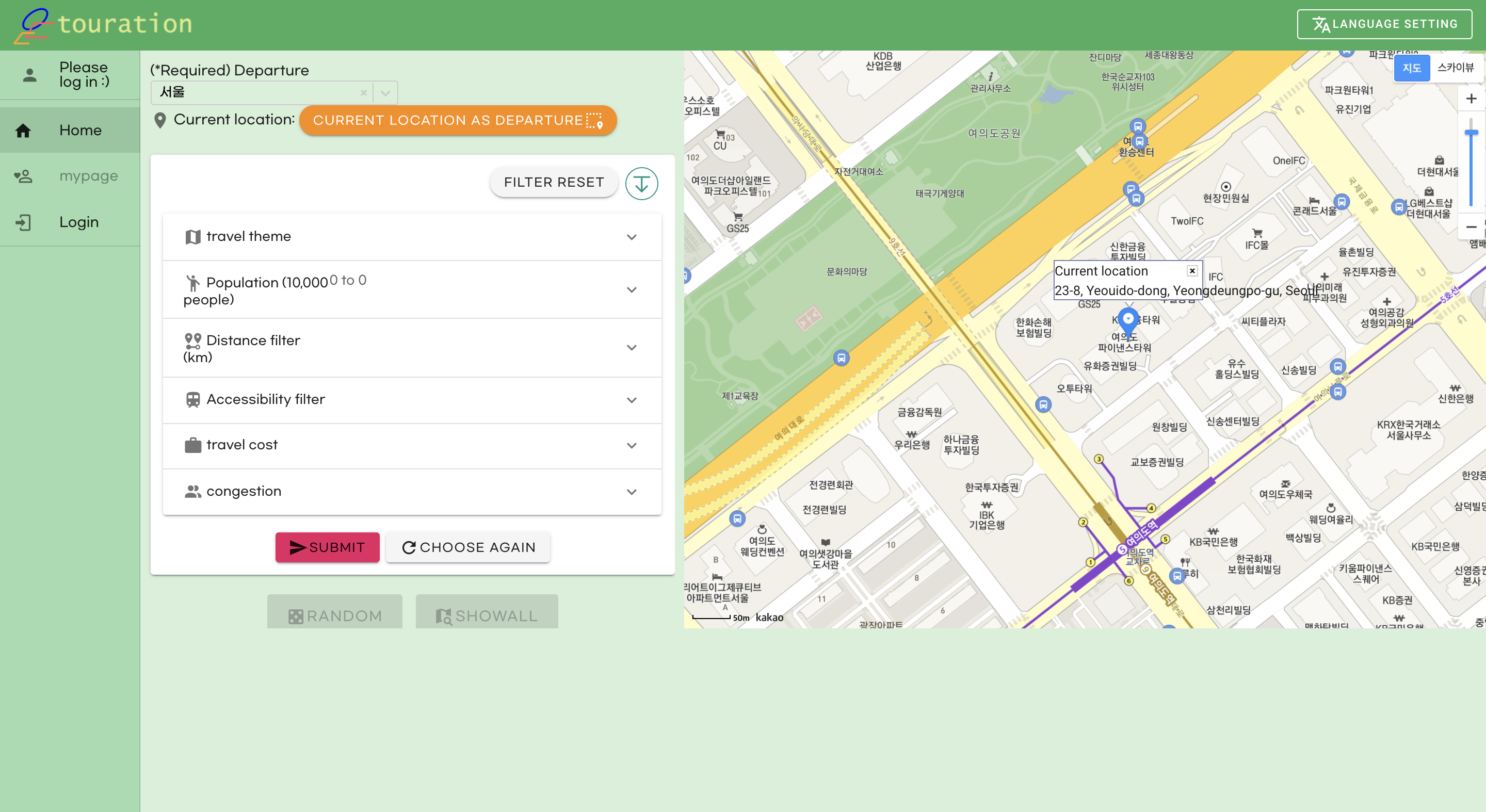
Homepage
-
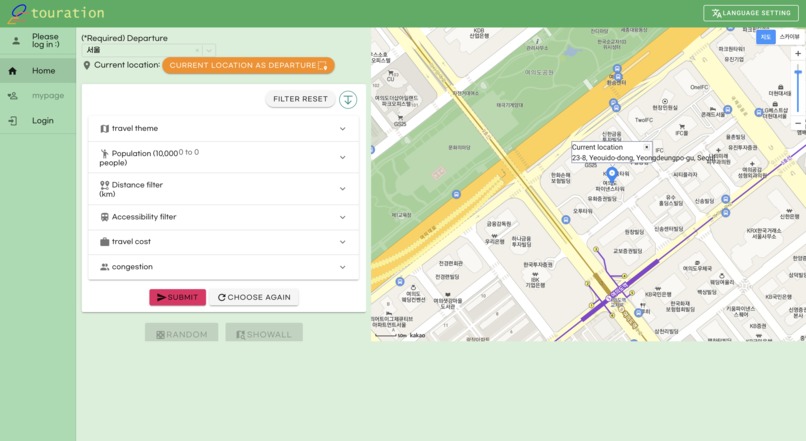
Search Page
-
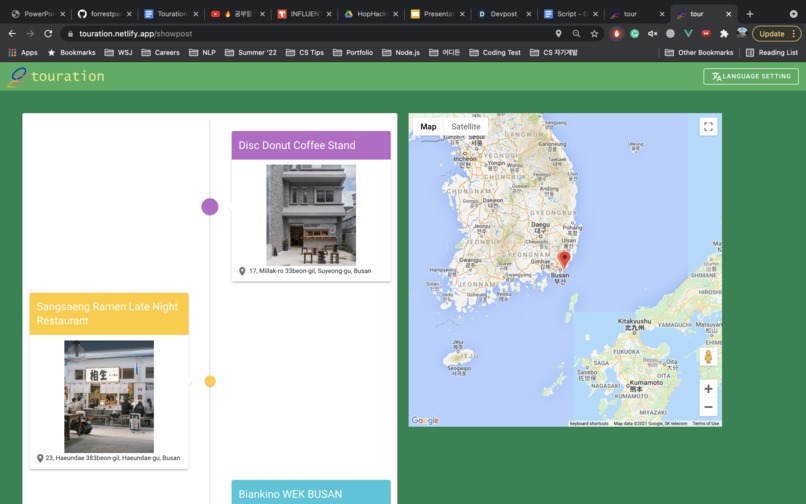
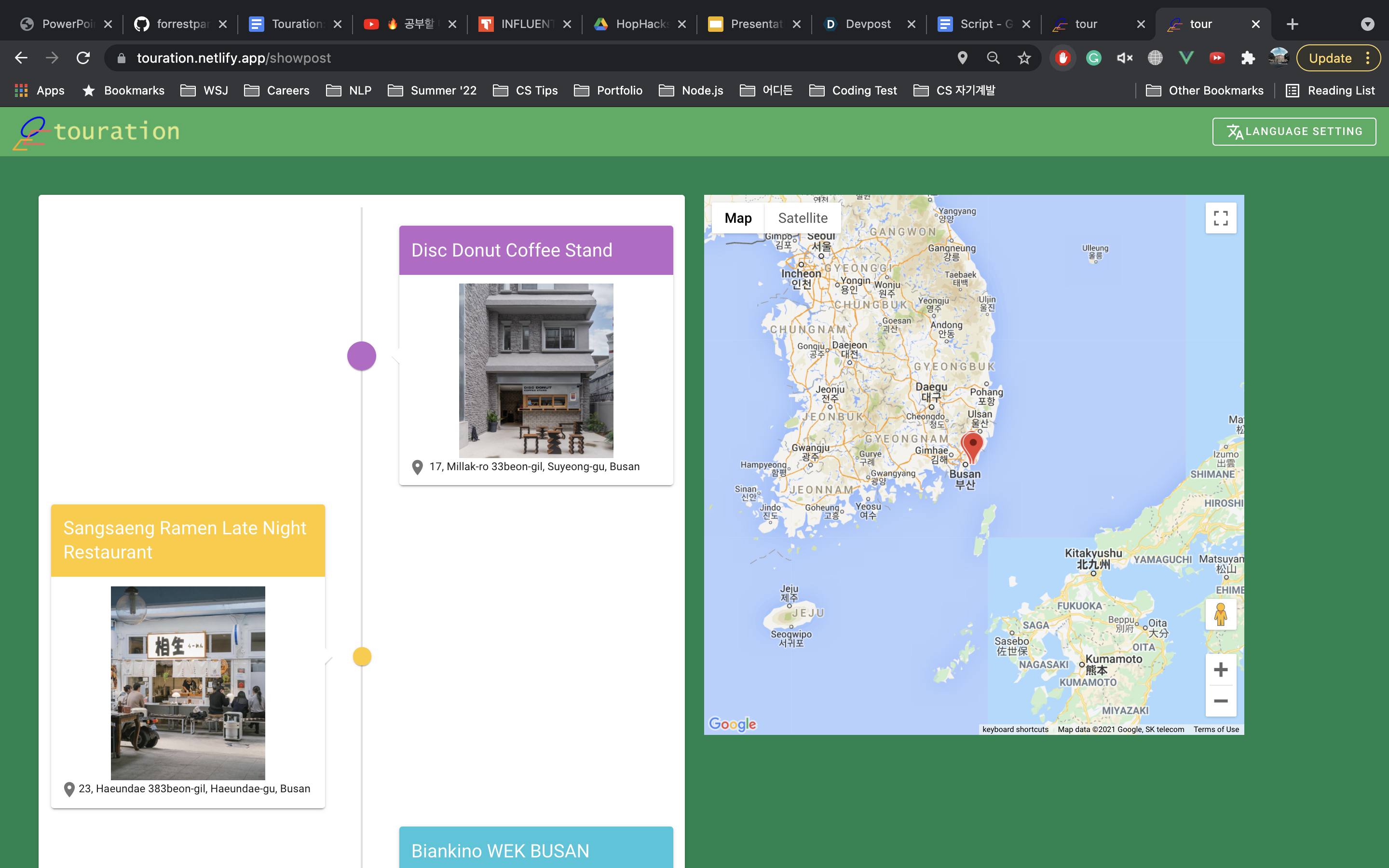
Curation Detail Page
-
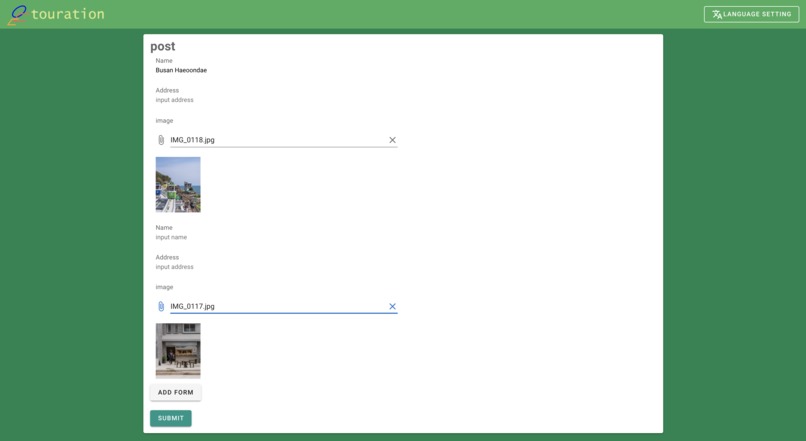
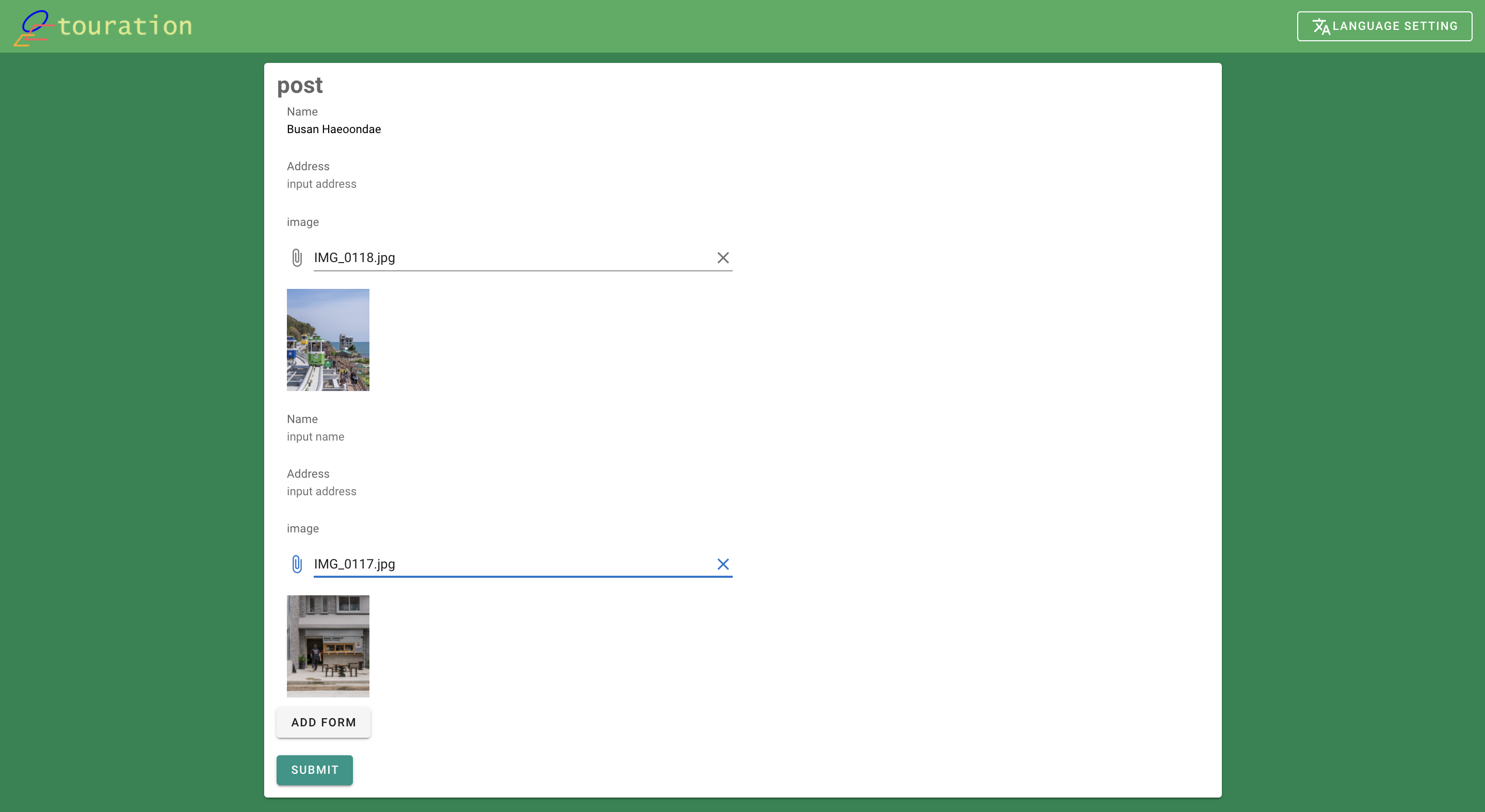
Curation Post Page
-
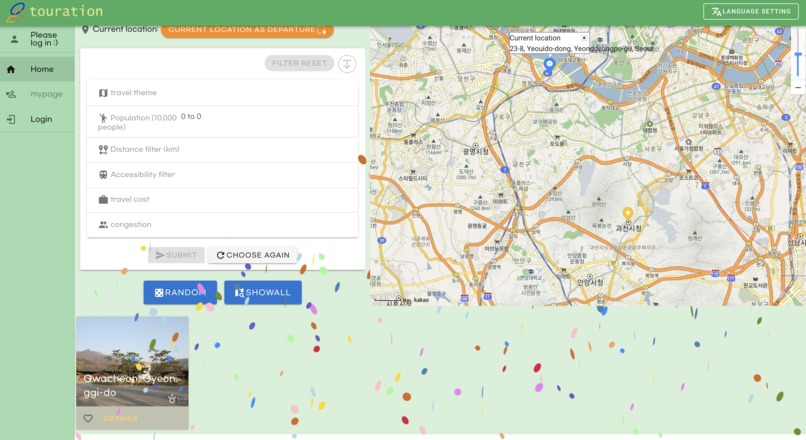
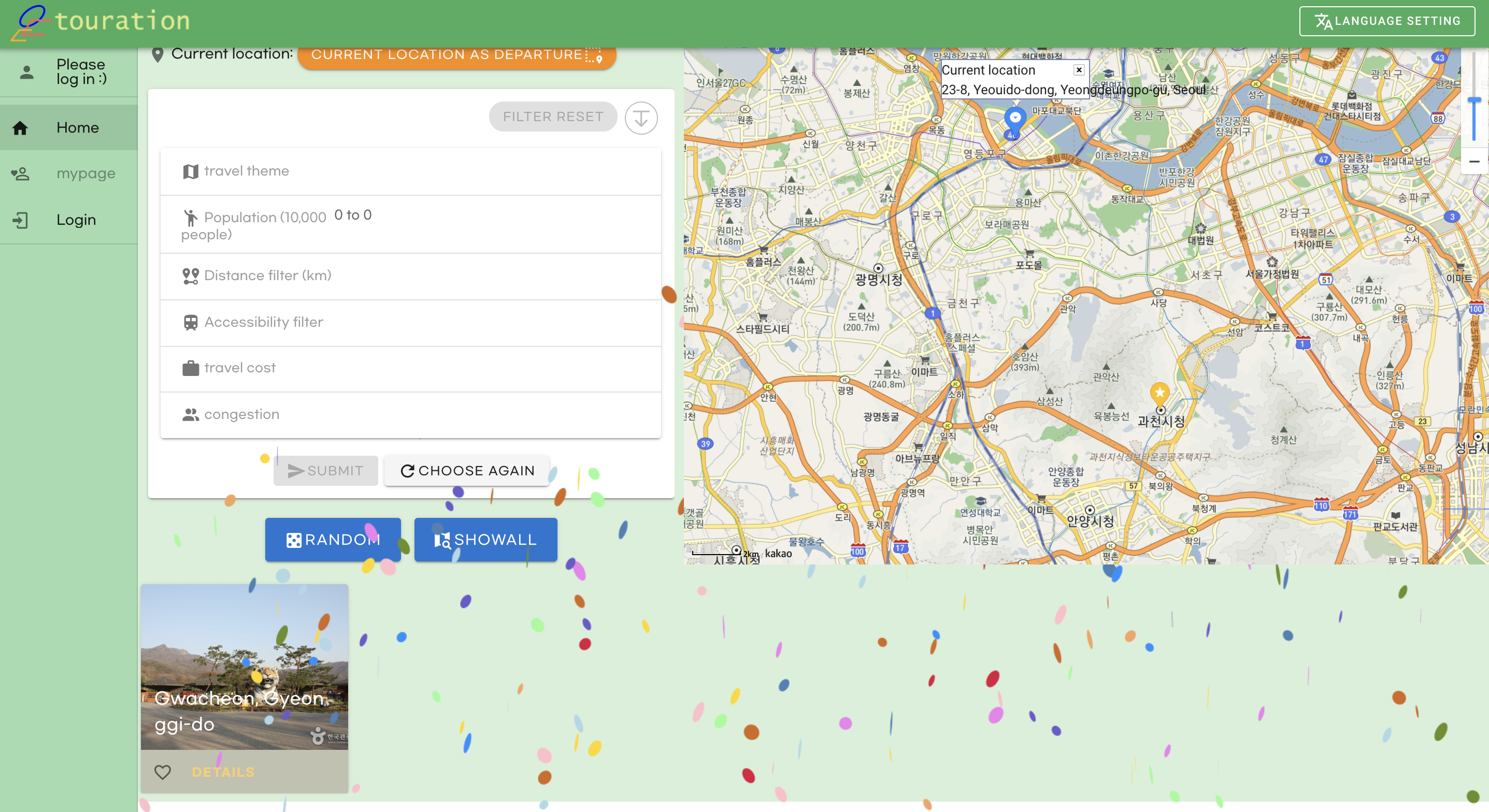
Travel Destination Randomize Function

Inspiration
The word "experience" has never been iterated this much in the travel industry. Airbnb, an industry leader, a few years ago launched its “Experiences” platform to target those travelers who want a more personalized and authentic experience. The travel industry for years has been switching from sightseeing to experience economy, and from group and business to individual leisure travel
(In 2020, 86% of millennial travelers chose new culture over partying (chosen by 44%) and shopping (28%).)
A short summary of recent trends in the travel industry would be the following keywords: independent-, leisure-traveling millennials and Gen Zs focusing on special, personalized travel experiences more than ever. Guided tours in groups have been on a steep decline, even before the pandemic, according to Expedia Group's 2020 Travel Report. Without the professional guide and curations, online travel information services are now more in need than ever, even more so for the tech-savvy millennials.
The way travelers search for travel inspirations has also changed; now 87% of all travelers use either Facebook or Instagram and over 50% either Pinterest or Twitter for travel inspirations. Such dominance of social media platforms in the travel information search space is no surprise, given the amount of content posted on such platforms; 97% of the millennial travelers of 2020 shared their travel experiences on social media, with two to three posts a day on average. However, what social media platforms fail to provide is contextual, unfragmented information for travel experiences. Users mostly see multiple photos of the same spot, smushed into a single post or snap, which then float around social media algorithms divided in discontinuous fragments that are out of context, making browsing harder for the inspiration-searchers looking for ideas and a fuller picture of the travel experience they dream of.
(All statistics are from https://www.condorferries.co.uk/millennials-travel-statistics-trends)
What it does
Touration is a comprehensive travel inspiration platform for travel experience curations and detailed personalized destination searches.
Touration serves the greatest current trend in the travel industry: travel inspiration search focused on experiences. On Touration, users post their own travel curations around the world, whether that be a full-day New York City stroll or a Shakespeare-themed three-hour-long travel curation in London. On Touration, users can also search, like, save and share travel curation posts. Touration’s travel curations posts are different from posts on social media platforms (Facebook, Instagram, Pinterest, etc.); users no longer need to flounder in a swamp of discontinuous, out-of-context travel information, where so much personalized experience-carrying data are divided into discrete fragments, losing much of its value. Instead, Touration’s posts share the entire route--the entire experience--providing users with fuller context and inspirations. Touration aspires to be the next travel-experience-sharing platform.
Should you do higher-level browsing first (so nationwide or regional search, and not city-level search), Touration has your back here, too! Touration provides various filters that any user can so easily pin down travel destinations of their preference, by distance, city size, public transit access, destination themes, and so much more! Filters vary from distance and city size to public transportation and destination themes. In fact, Touration supports a search function that no other service does; its public transit search filter is based on its own database built upon the integration of public transit (train, express, and suburban bus) data independently crawled from multiple APIs and websites. The travel destination filter-search function is only available for Korea at the moment.
How we built it
All public transit, tourism spots (beaches, valleys, etc.), and curation post data are crawled from publicly available APIs and websites, using BeautifulSoup and Selenium in Python. Crawled sources are listed below. The server-side and client-side are built with Node.js and Vue.js, respectively. Our database runs in PostgreSQL, accessed with Sequelize; maps are from Kakao and Google. The following is the tech stack upon which Touration is built. Backend JavaScript Node.js Express Sequelize PostgreSQL Frontend JavaScript Vue.js HTML/CSS Data (Crawling) Python Pandas BeautifulSoup Other frameworks/libraries/APIs Google Maps Platform Kakao Login/Maps/Local API TourAPI, Korea Tourism Organization Transportation OpenAPI (train, express bus, suburban bus), Ministry of Land, Infrastructure, and Transport Backend API server hosted on Heroku Frontend deployed on Netlify Site live at https://touration.netlify.app/
Challenges we ran into
There weren’t any publicly available API or dataset for city-to-public transit stations/bus terminals data or public transit connection data between cities. We had to crawl and integrate so much more data than we expected to implement all the functions we planned.
Accomplishments that we're proud of
Touration is the only travel information search portal to exist to date to provide such a combination of search features. Yet, the engineering that truly deserves attention is its offering of solutions to public transit access and connection that no other web service does. We have independently collected data from various websites and APIs, gathered them to create a database more comprehensive than that of any other travel-focused web service, and based on it, created an API server tailored to our service.
What's next for Touration
We plan to improve the user interface and experience with a pre-set search database to make adding spots easier. We will also expand the filter search functions internationally as well!
Built With
- google-cloud
- google-maps
- heroku
- javascript
- kakao-api
- node.js
- passport.js
- vue.js

Log in or sign up for Devpost to join the conversation.