-
-
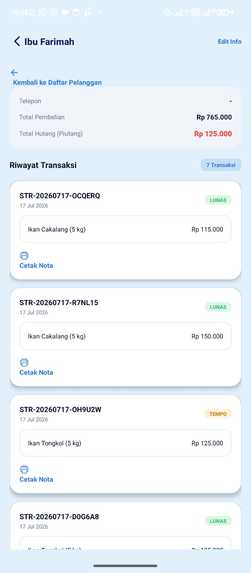
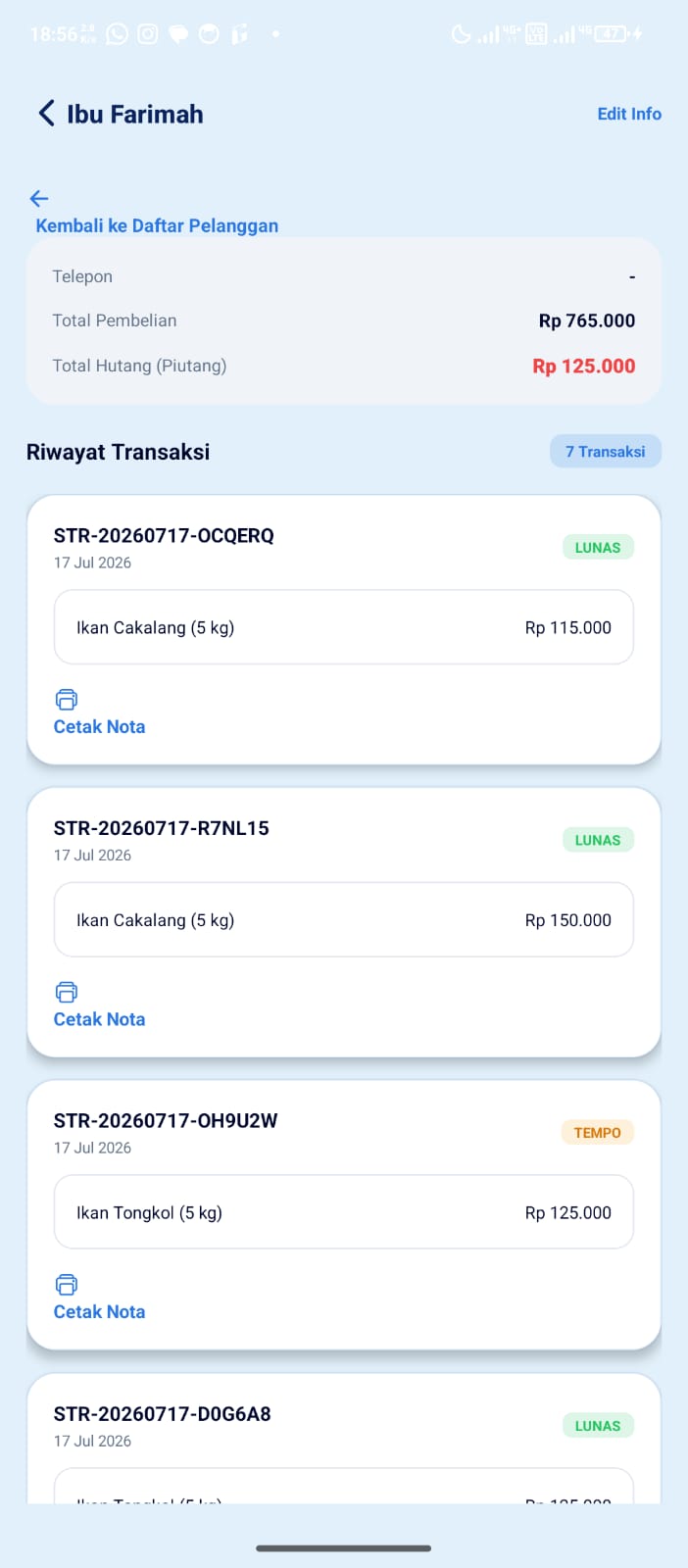
transaction history
-
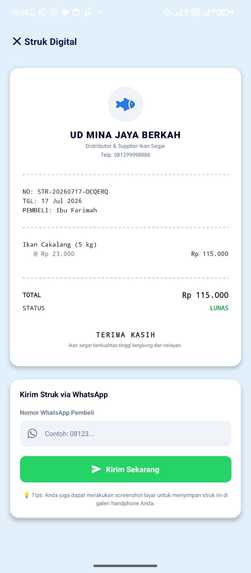
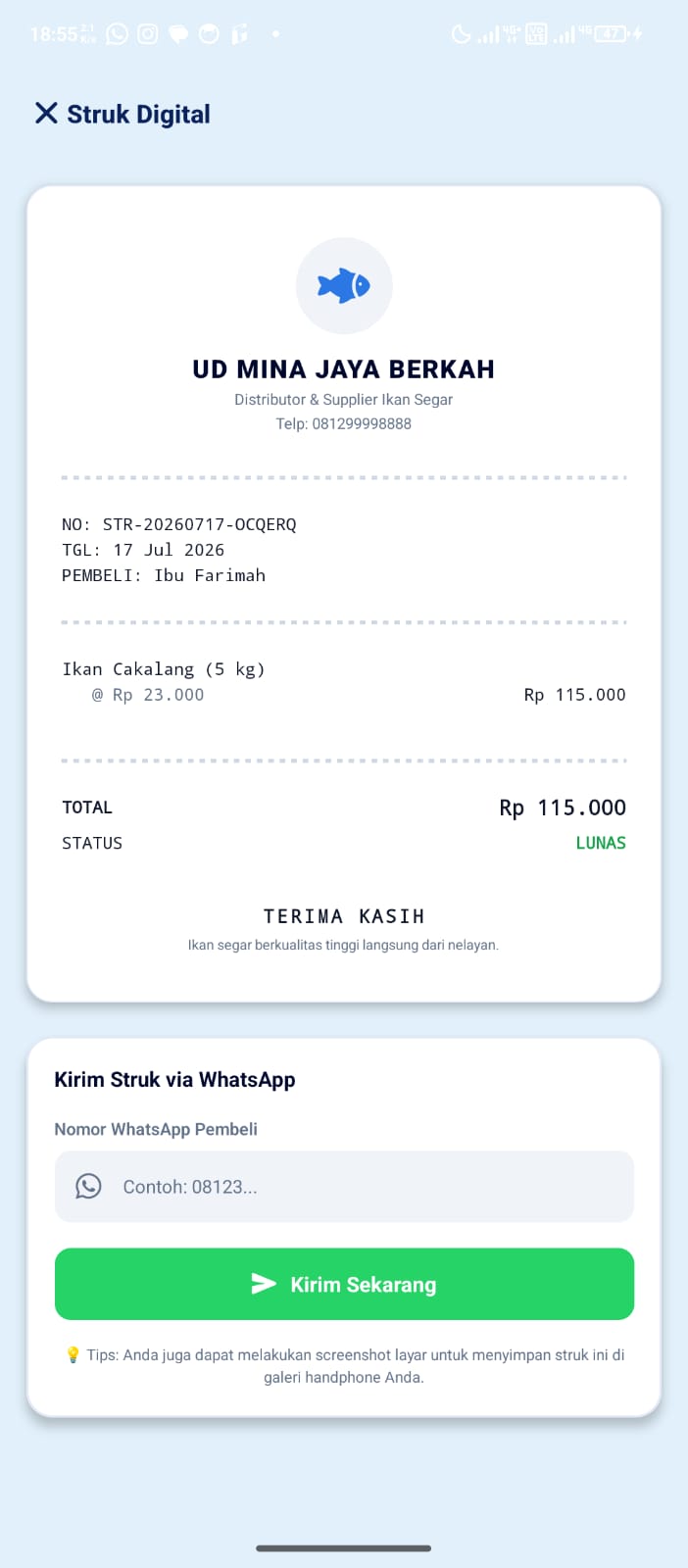
struck
-
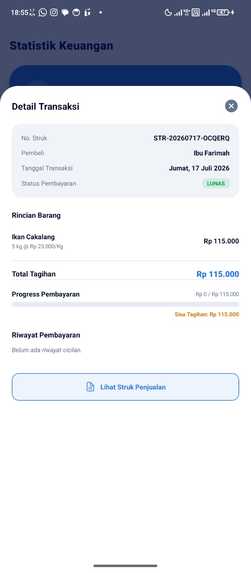
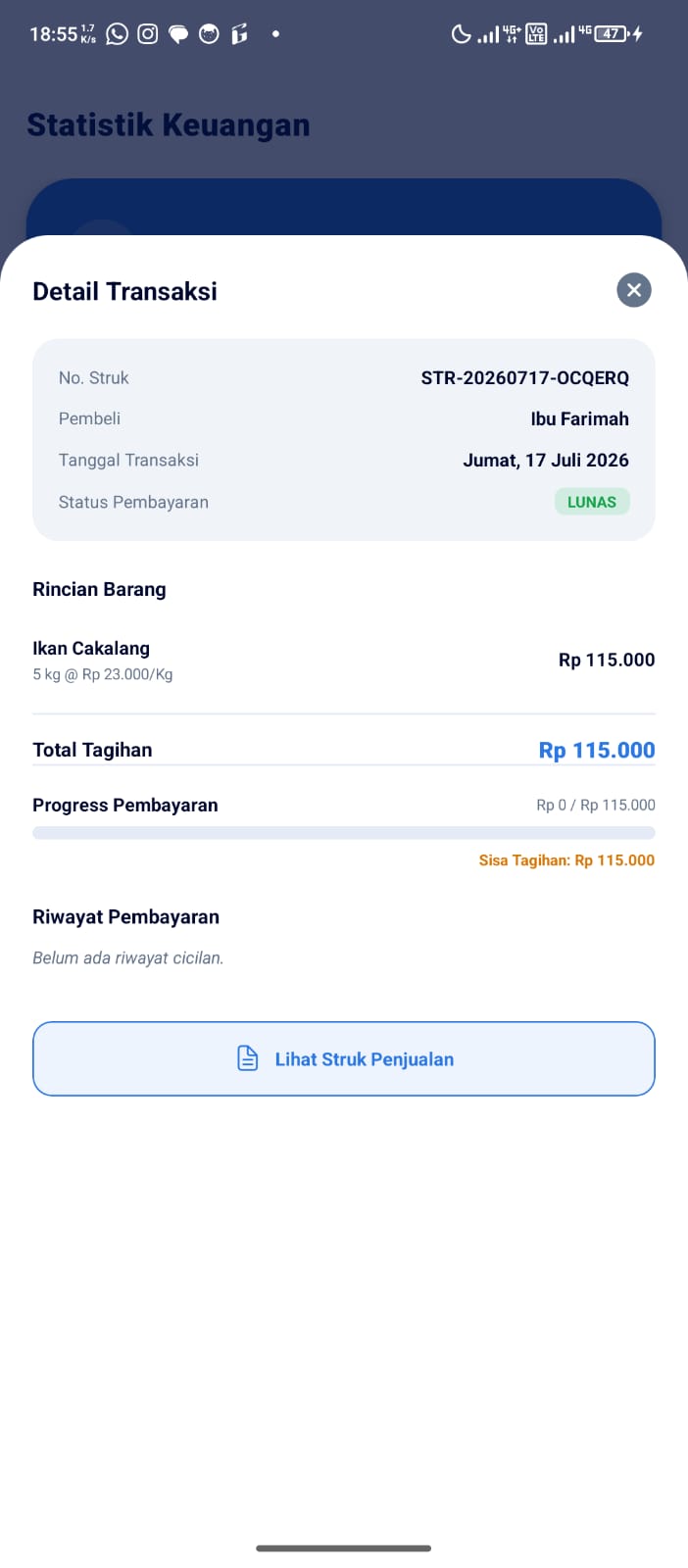
transaction details
-
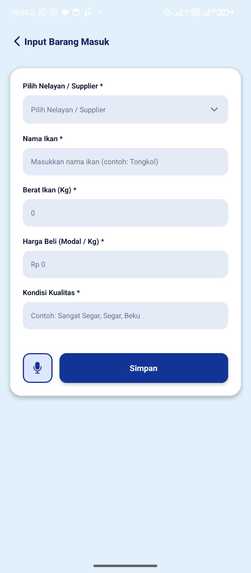
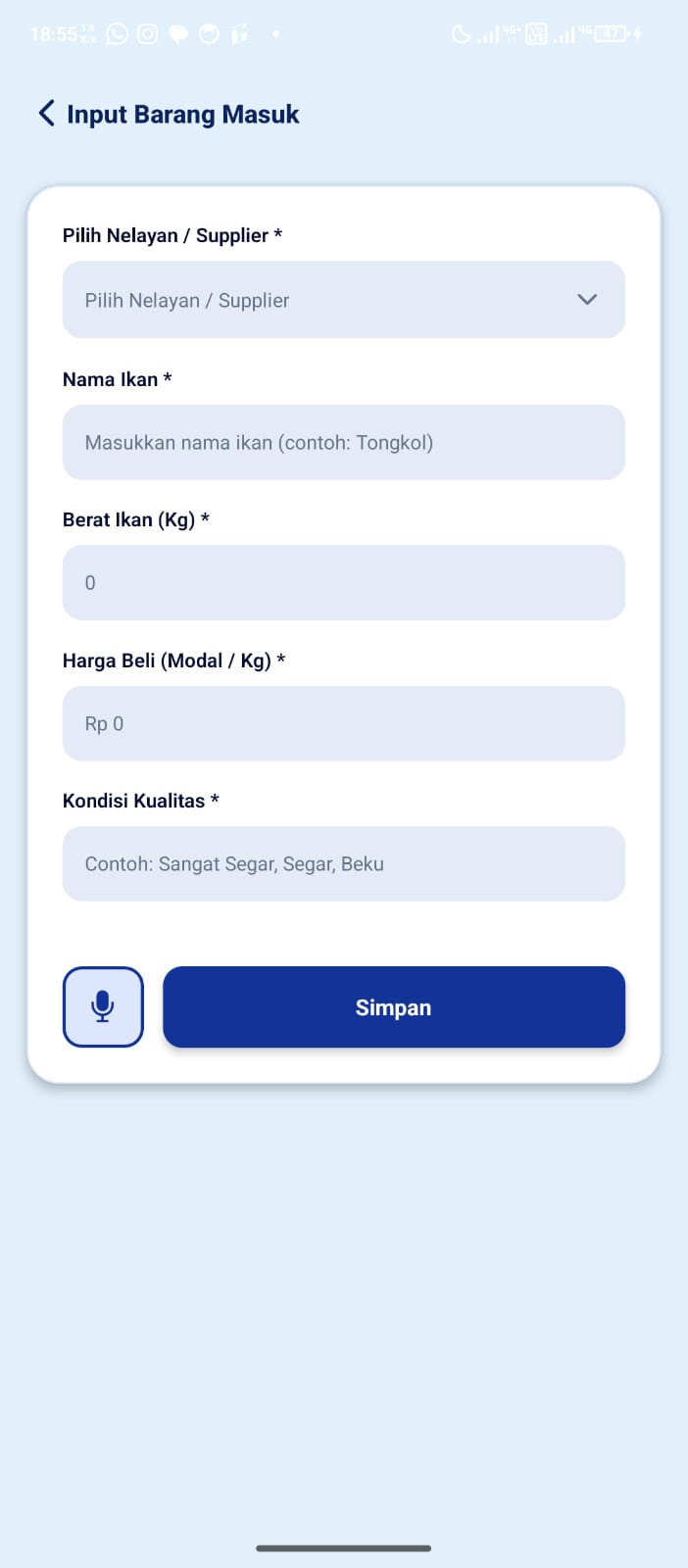
incoming goods input
-
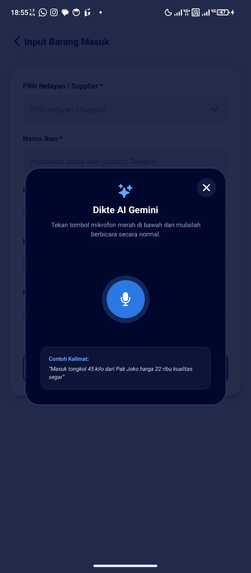
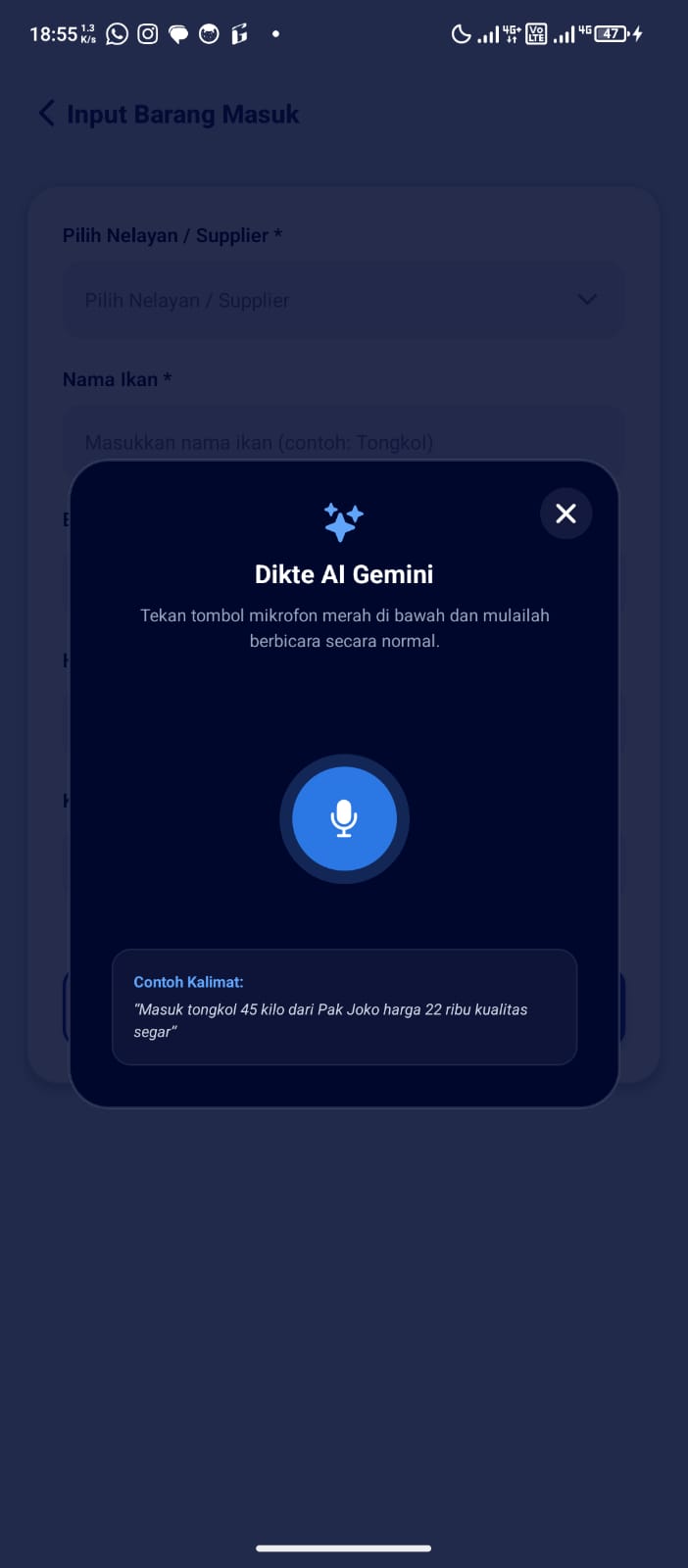
voice input
-
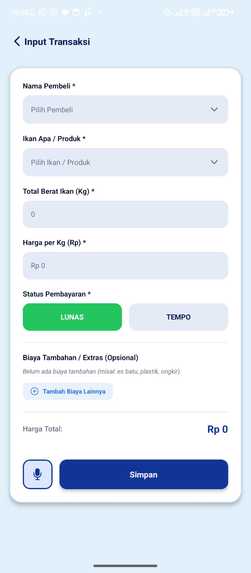
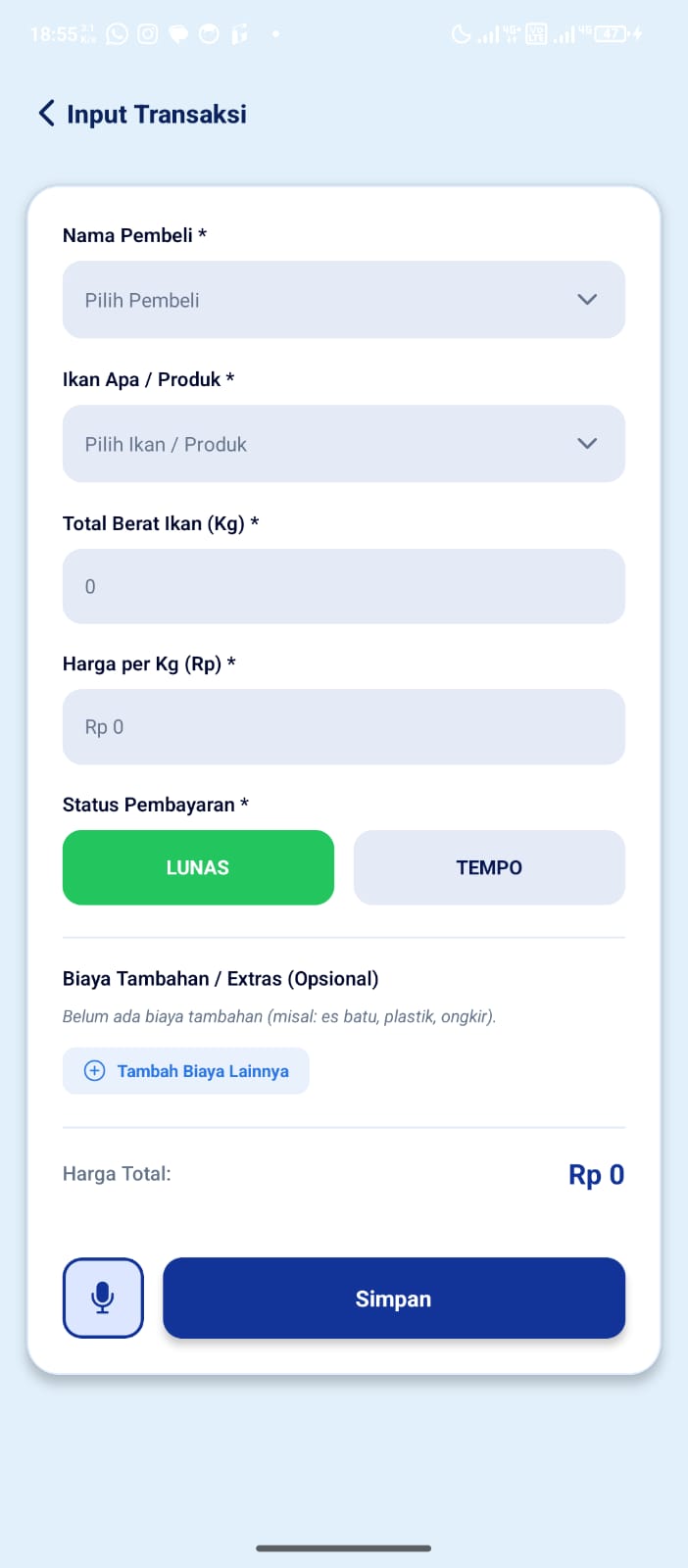
transaction input
-
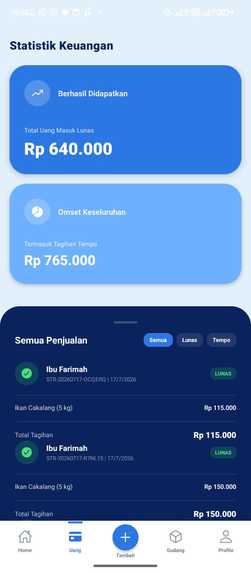
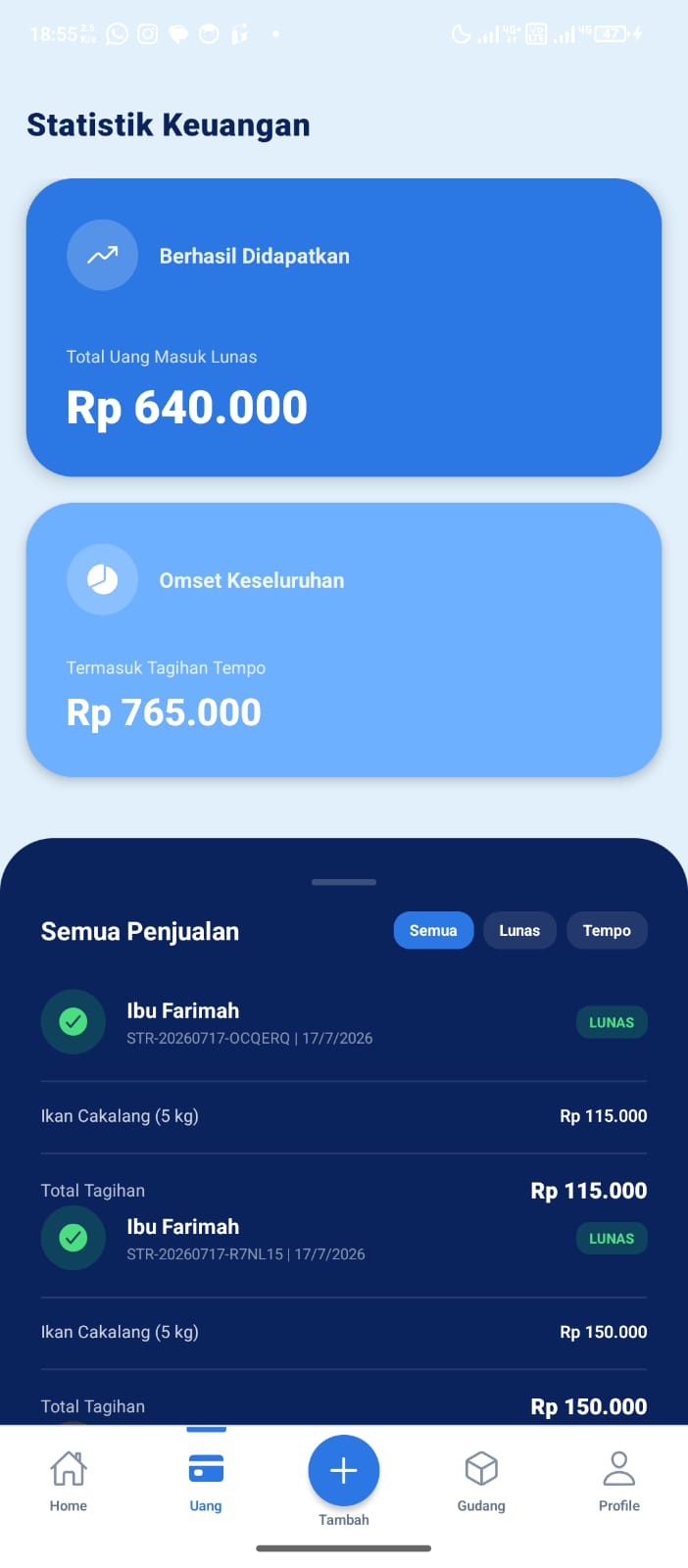
money statistic
-
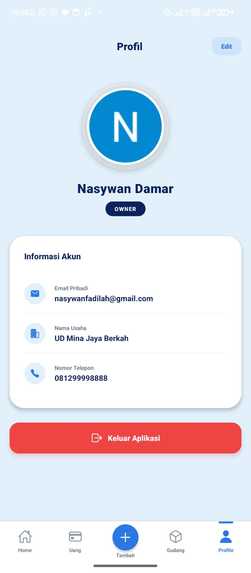
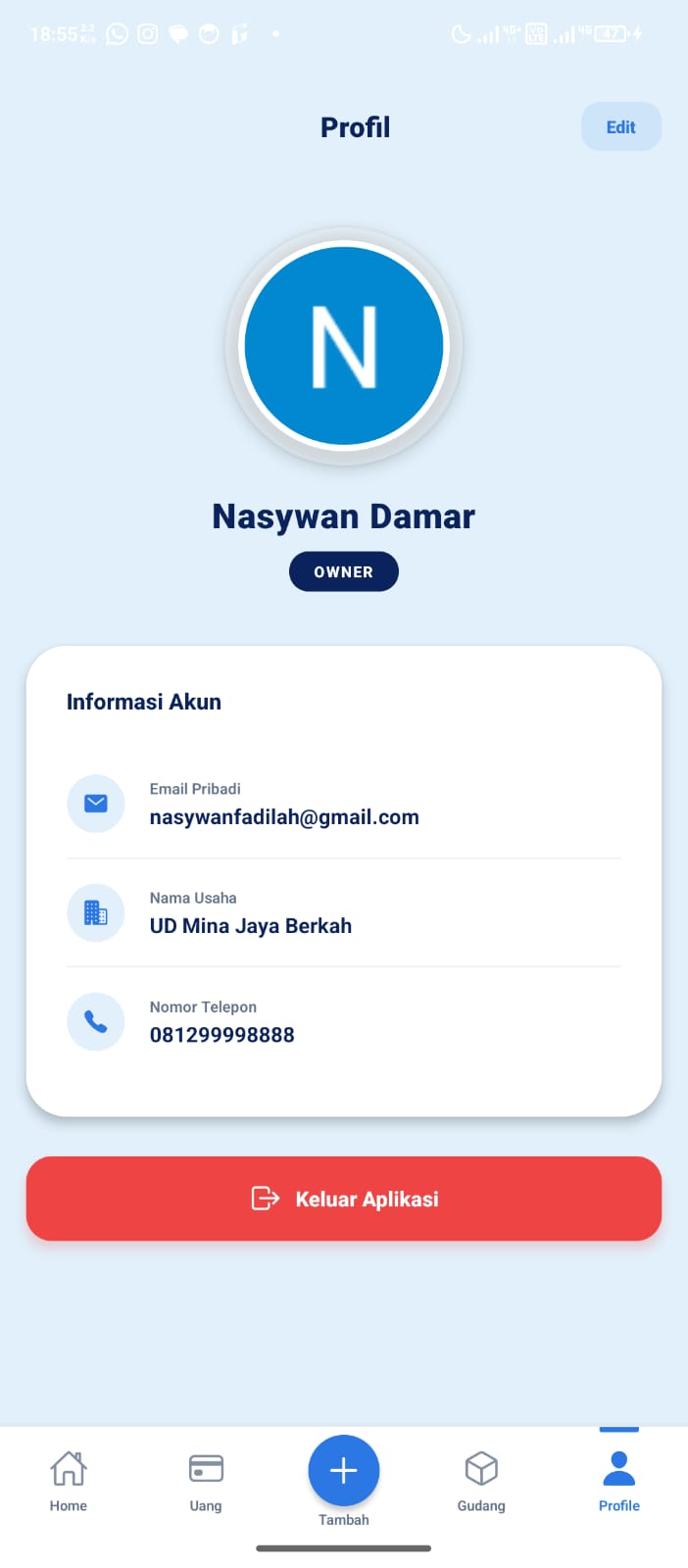
profile
-
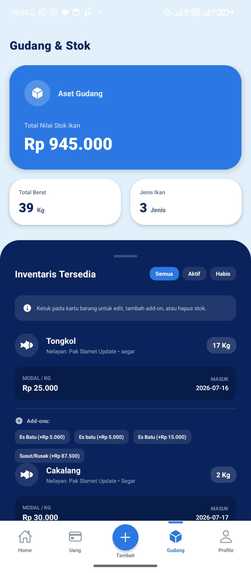
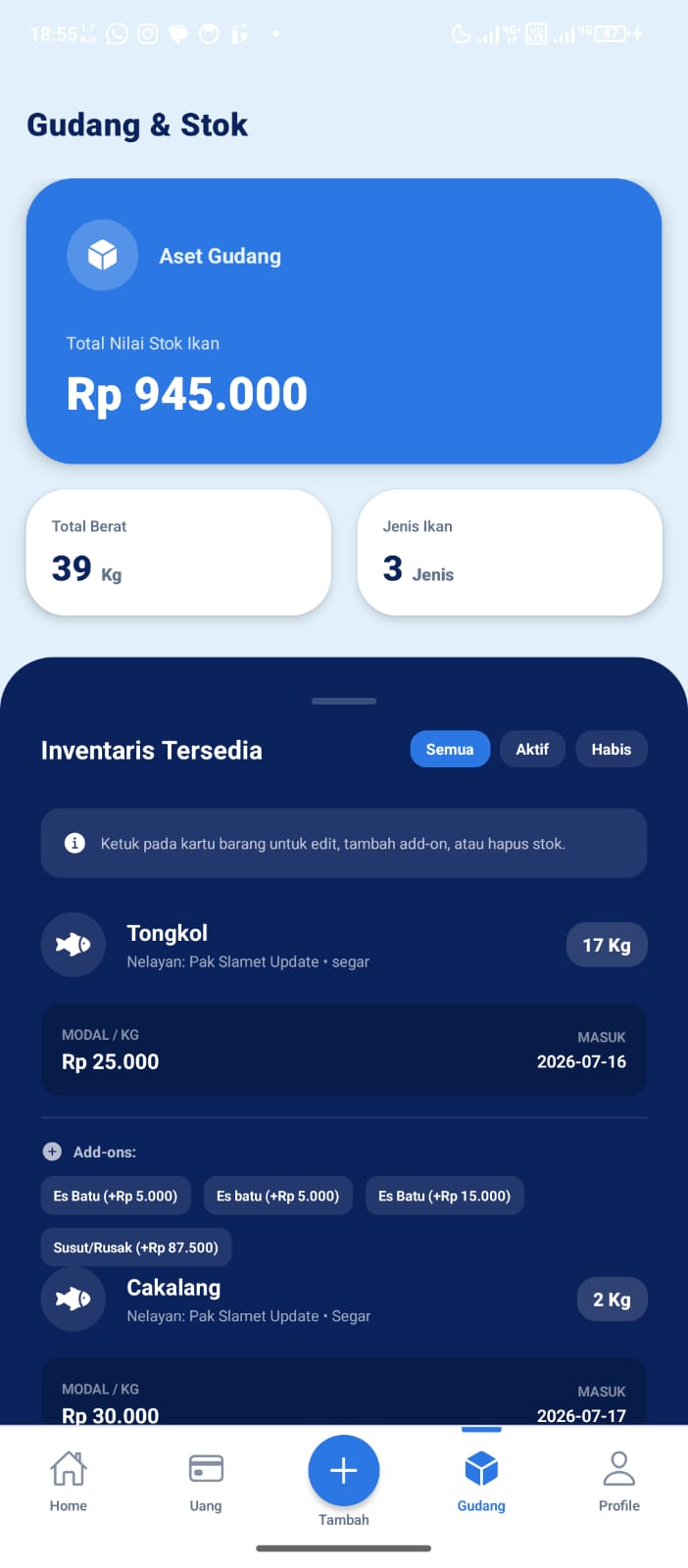
warehouse
-
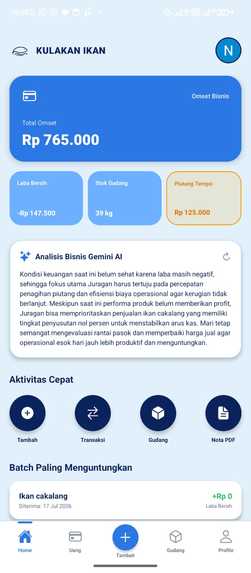
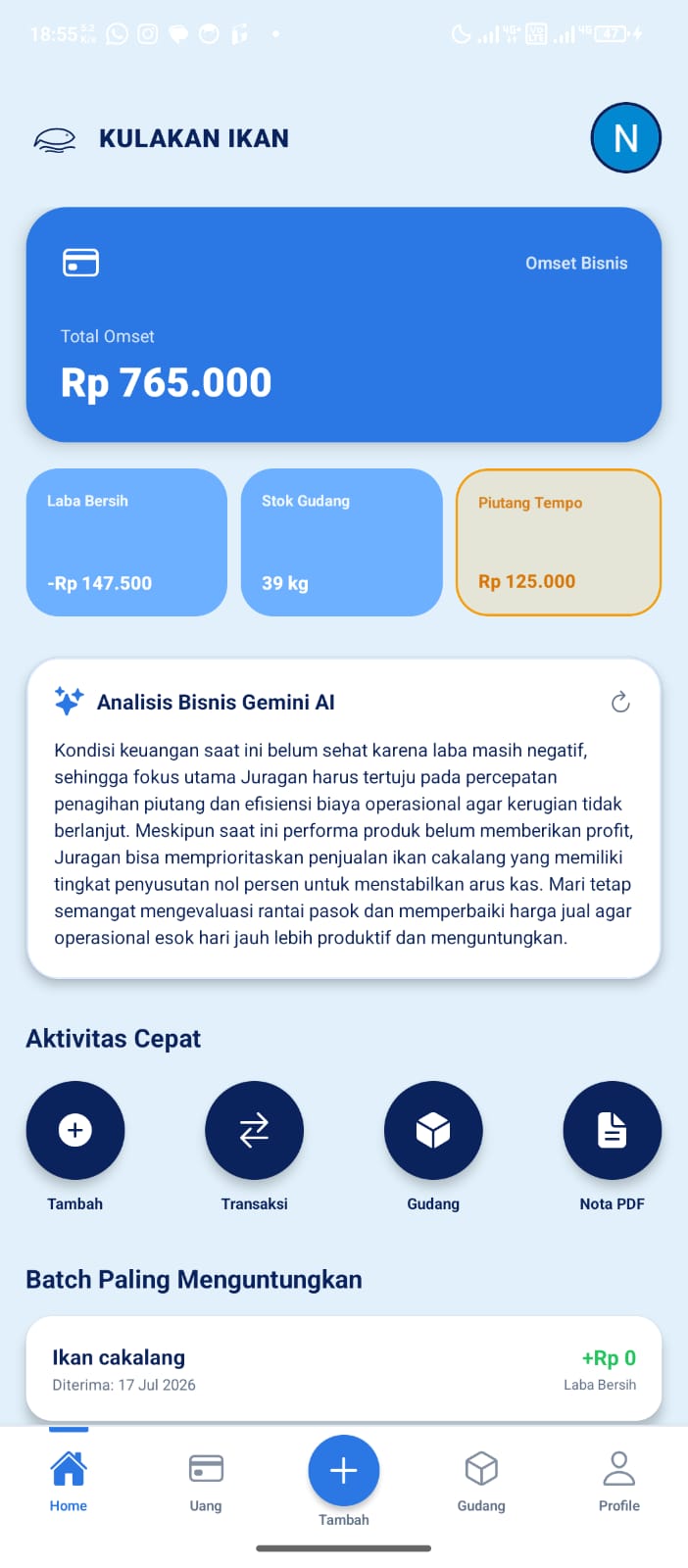
home
Inspiration
Growing up, I witnessed the daily realities of the fisheries supply chain firsthand. With my mother working as a fishmonger and my older sibling operating as a fish aggregator (distributor), I spent a lot of time on the ground observing the exact problems they faced. I saw how manual, paper-based record-keeping made it incredibly difficult for them to track real-time shrinkage, operational costs like ice, and actual profits. Watching my family struggle with these inefficiencies—and seeing the barrier it created for their financial inclusion—deeply inspired me to build Kulakan.
What it does
Kulakan is a digital operational and financial recording platform tailored specifically for small-to-medium fish aggregators. It digitizes the entire workflow: Voice-Powered Data Entry: Using AI, workers can log fish types, weights, and prices using their voice, which is essential in wet and fast-paced environments. Shrinkage Tracking: It tracks post-harvest waste and weight degradation per batch in real-time, allowing aggregators to distribute fish while it is still fresh. Automated Accounting: It automatically calculates real profit by factoring in dynamic costs (transport, storage) and manages client debts/receivables. Financial Reporting: It generates verified digital financial reports to help rural producers apply for bank credit, insurance, or investments.
How we built it
We started by designing the UI/UX in Figma to ensure the interface was highly intuitive for field workers. For the actual development: Frontend: We built a cross-platform mobile application using React Native. We integrated the Gemini API to handle the voice-to-text input, accurately parsing spoken data into actionable logs. Backend & Database: We utilized Hono as a blazing-fast, lightweight web framework for our API. This was connected to a PostgreSQL relational database to securely store transaction histories, manage supplier/buyer relationships, and dynamically execute the mathematical logic required to calculate real profits and shrinkage
Challenges we ran into
By far, the absolute hardest part of this project was the final build process. Everything was running perfectly in the development environment, but when it came time to compile the final React Native application, we encountered a barrage of unexpected native build errors at the very last minute. Debugging these while the submission clock was ticking was incredibly stressful. Additionally, refining the Gemini API to accurately parse specific fisheries jargon and numeric weights from raw voice input, and then securely mapping that data into our PostgreSQL database via Hono, required a lot of trial and error.
Accomplishments that we're proud of
We are incredibly proud to have built a fully functional platform that directly solves a real-world problem my family and many other local businesses face every day. Successfully integrating AI voice recognition (Gemini) with a fast Hono backend and getting it all working natively on a mobile device despite the last-minute build catastrophes is a massive technical win for us.
What we learned
Technically, we learned the hard way that early testing on physical devices is crucial; you can never underestimate the final build process. On a domain level, this project deepened my understanding of my family's trade. We learned that simply recording "money in" and "money out" isn't enough. Digitizing the physical degradation of the product (shrinkage) is the missing link to truly empowering these small-scale producers to understand their business and secure bank credit.
What's next for kulakan
Next, we plan to refine the Gemini voice recognition prompt to support more local dialects and slang used in traditional fish markets. We also aim to build an "offline-first" mode, as many coastal aggregation points have unstable internet connections. Most importantly, the immediate next step is to pilot the application directly with my sibling's aggregation business to gather real-world user feedback and iterate on the features before scaling it to other local distributors.
Built With
- geminiapi
- hono
- postgresql
- react-native


Log in or sign up for Devpost to join the conversation.