-
-
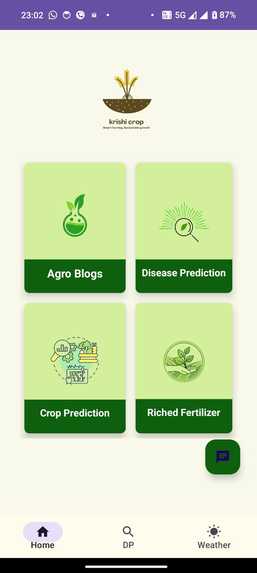
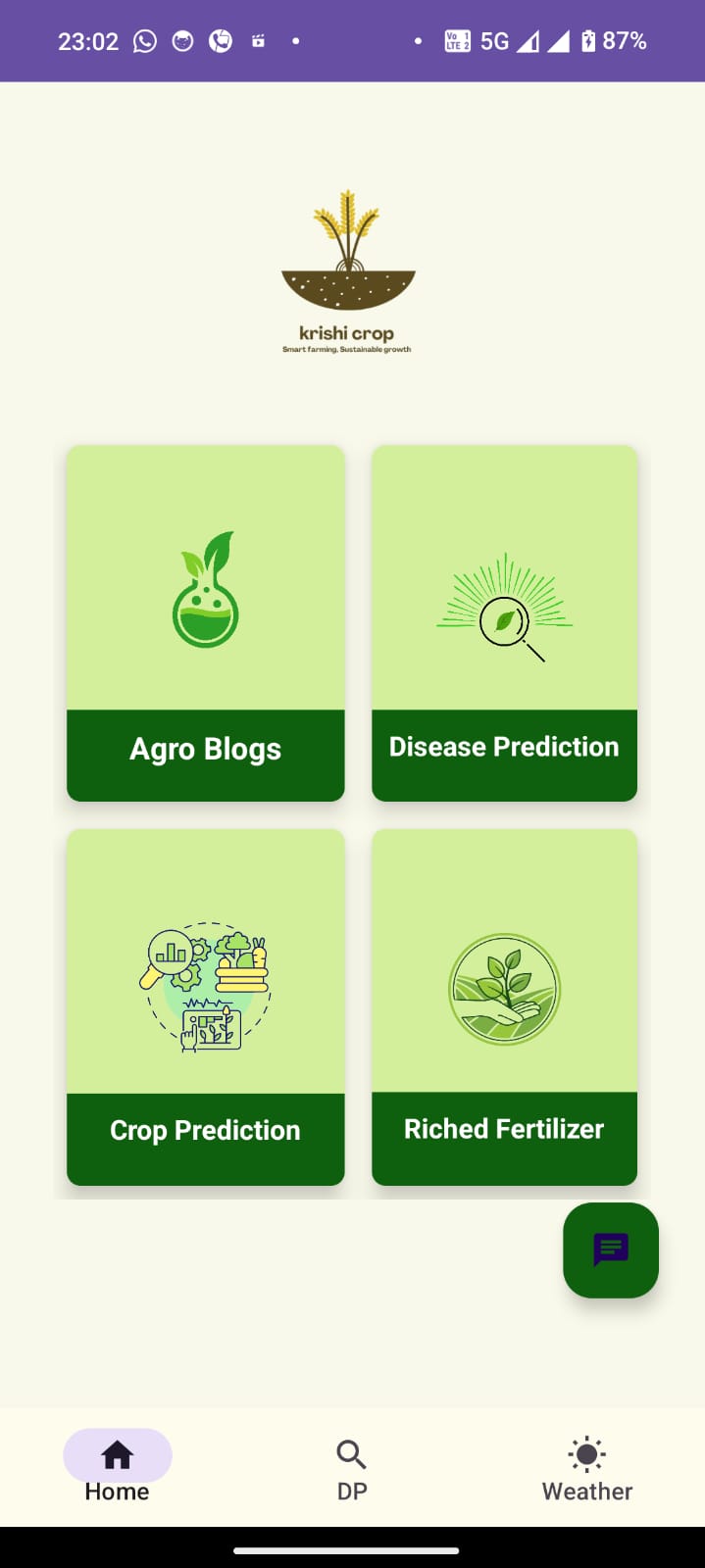
Home Screen
-
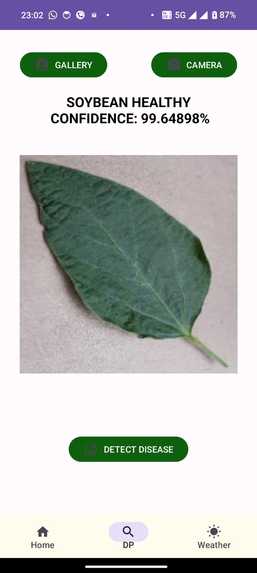
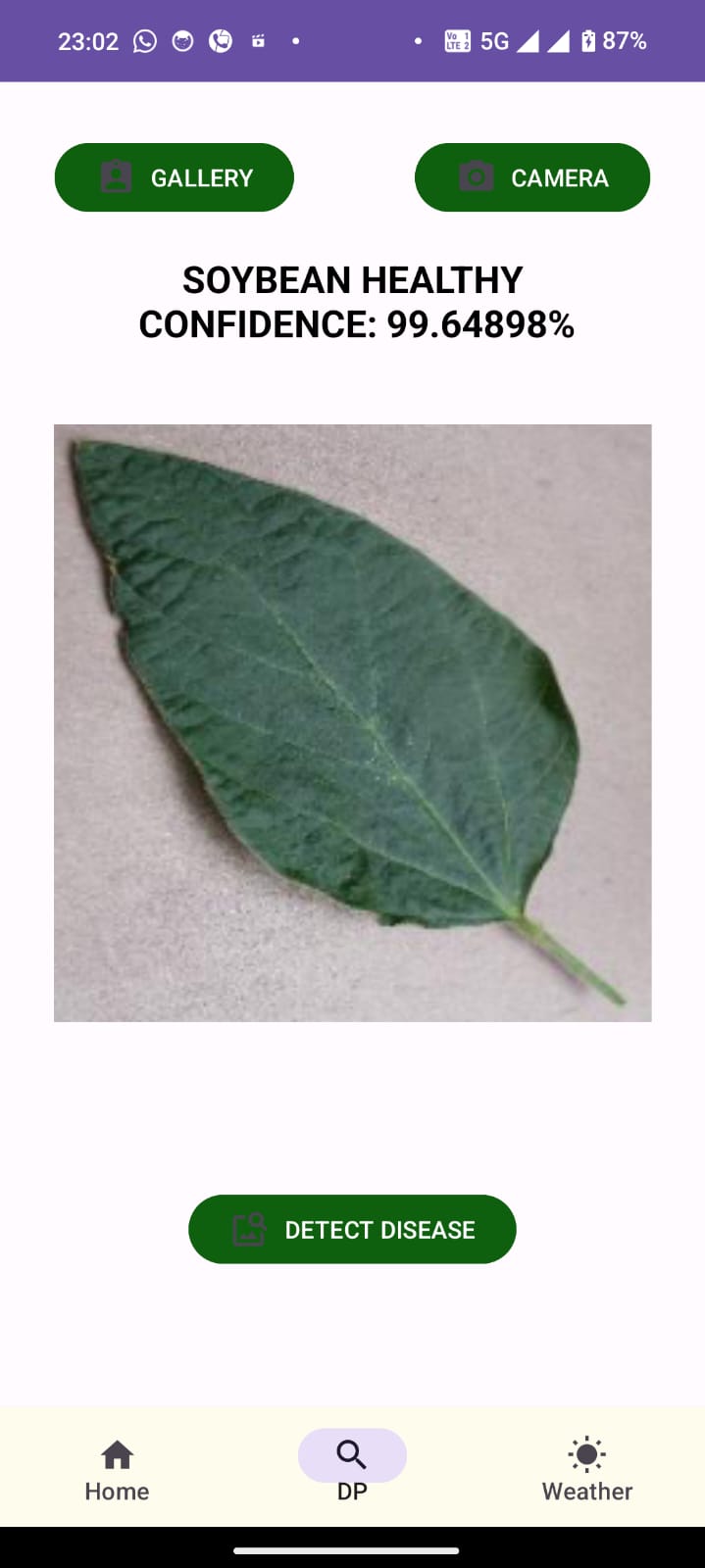
Disease Prediction Screen
-
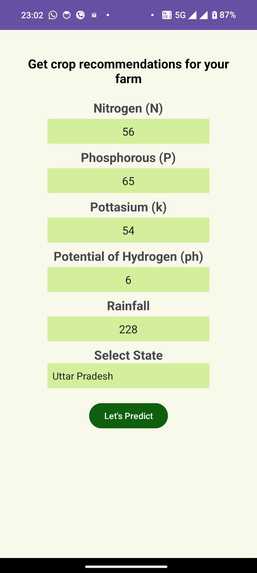
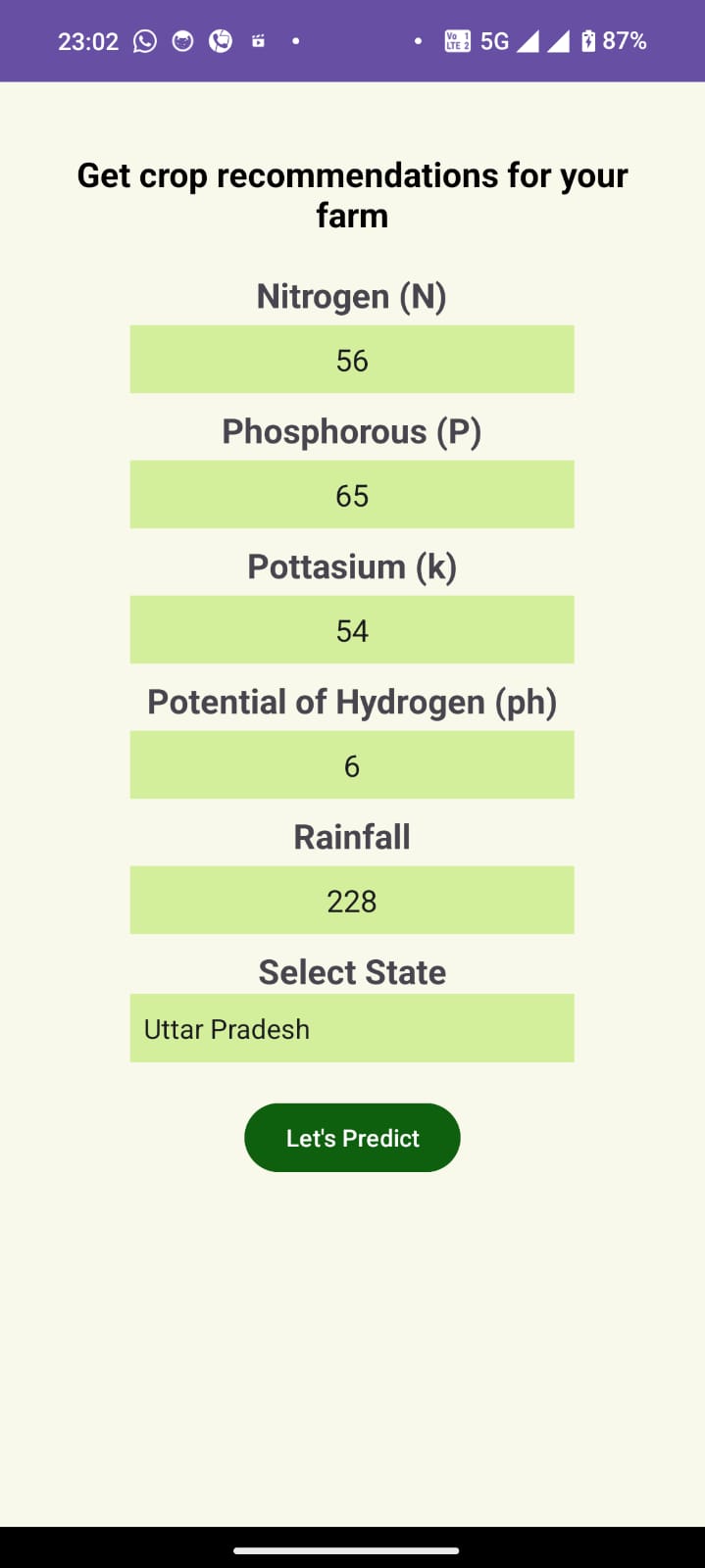
Crop Prediction Screen
-

Prediction Result
-
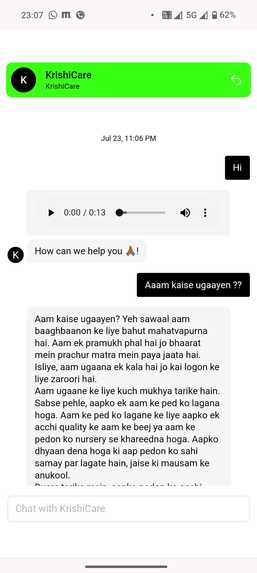
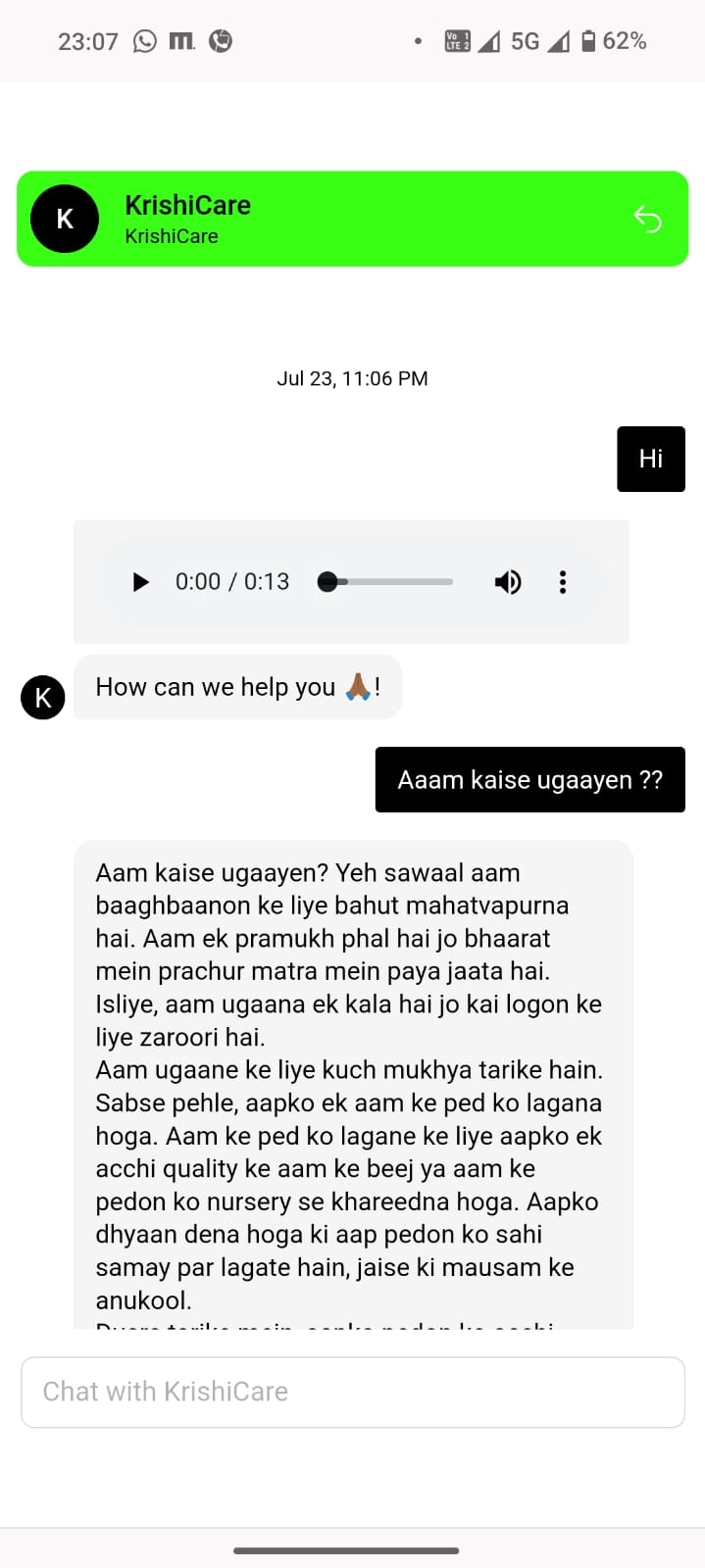
ChatBot Screen
-
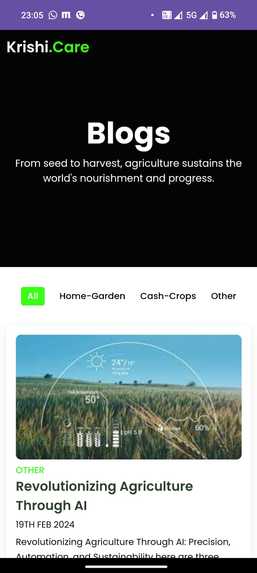
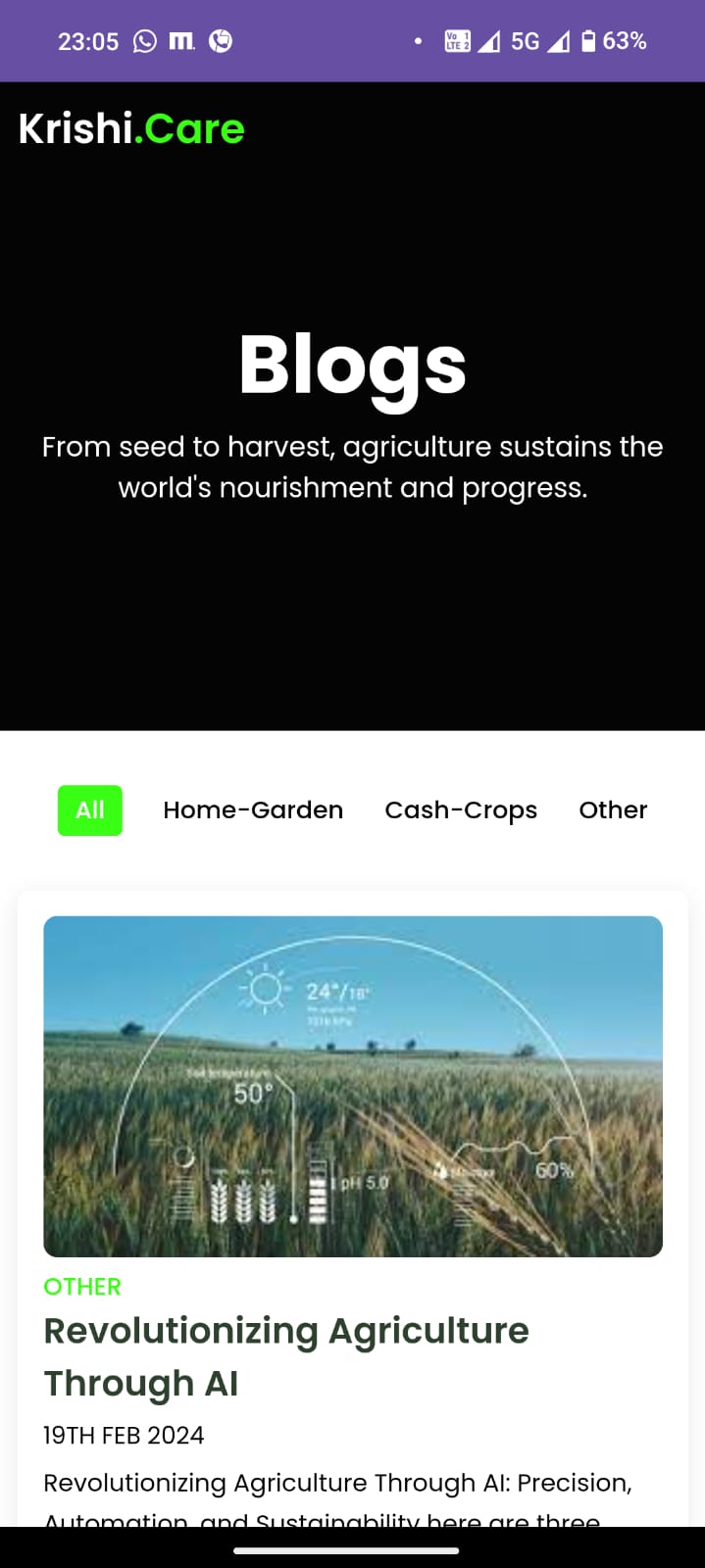
Blog Screen
-
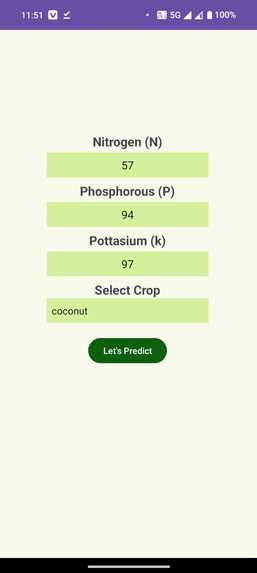
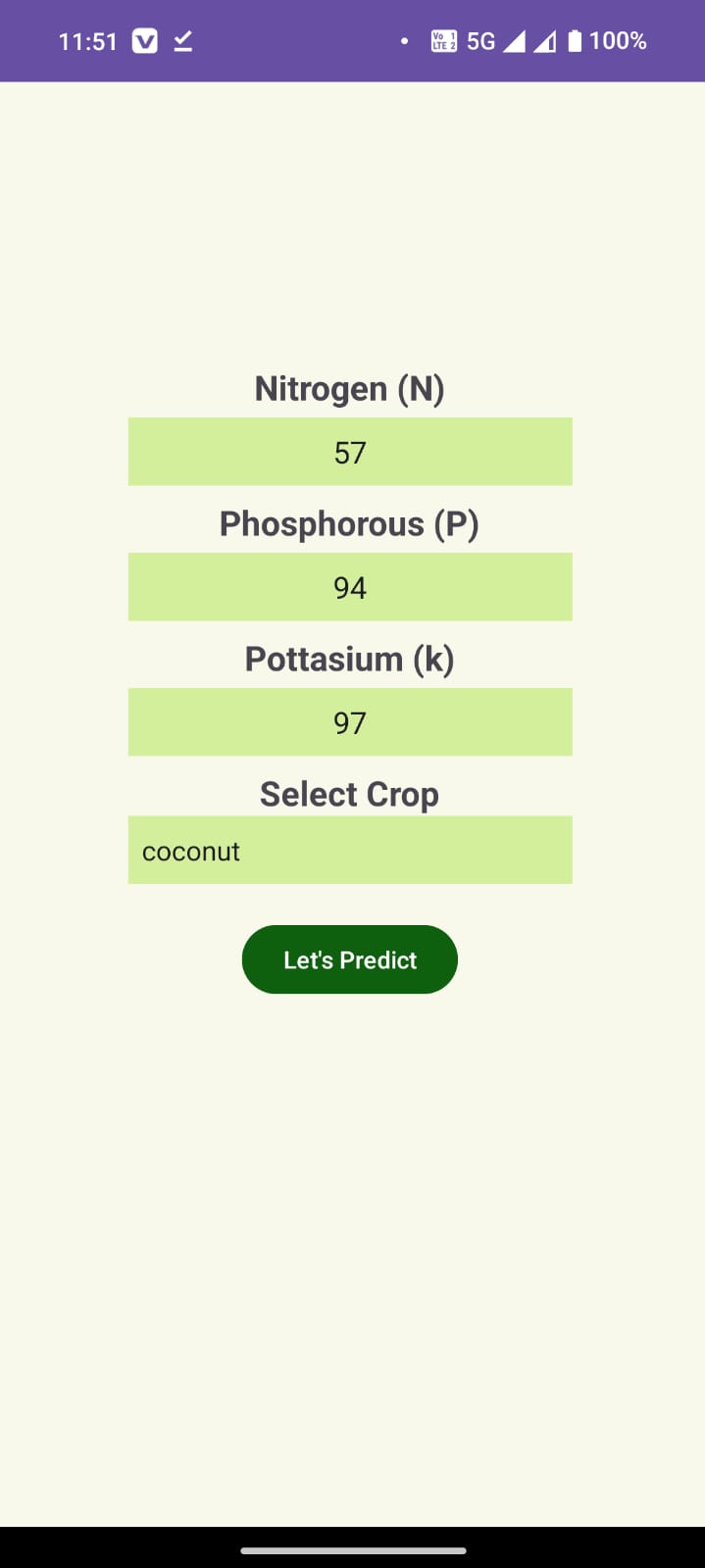
Riched Fertilizer Screen
-
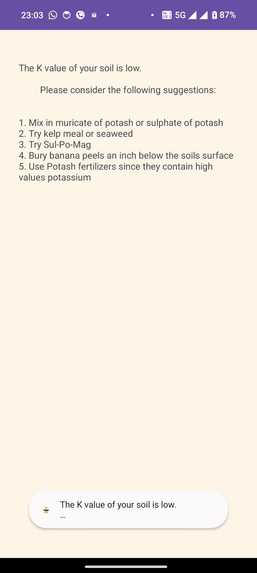
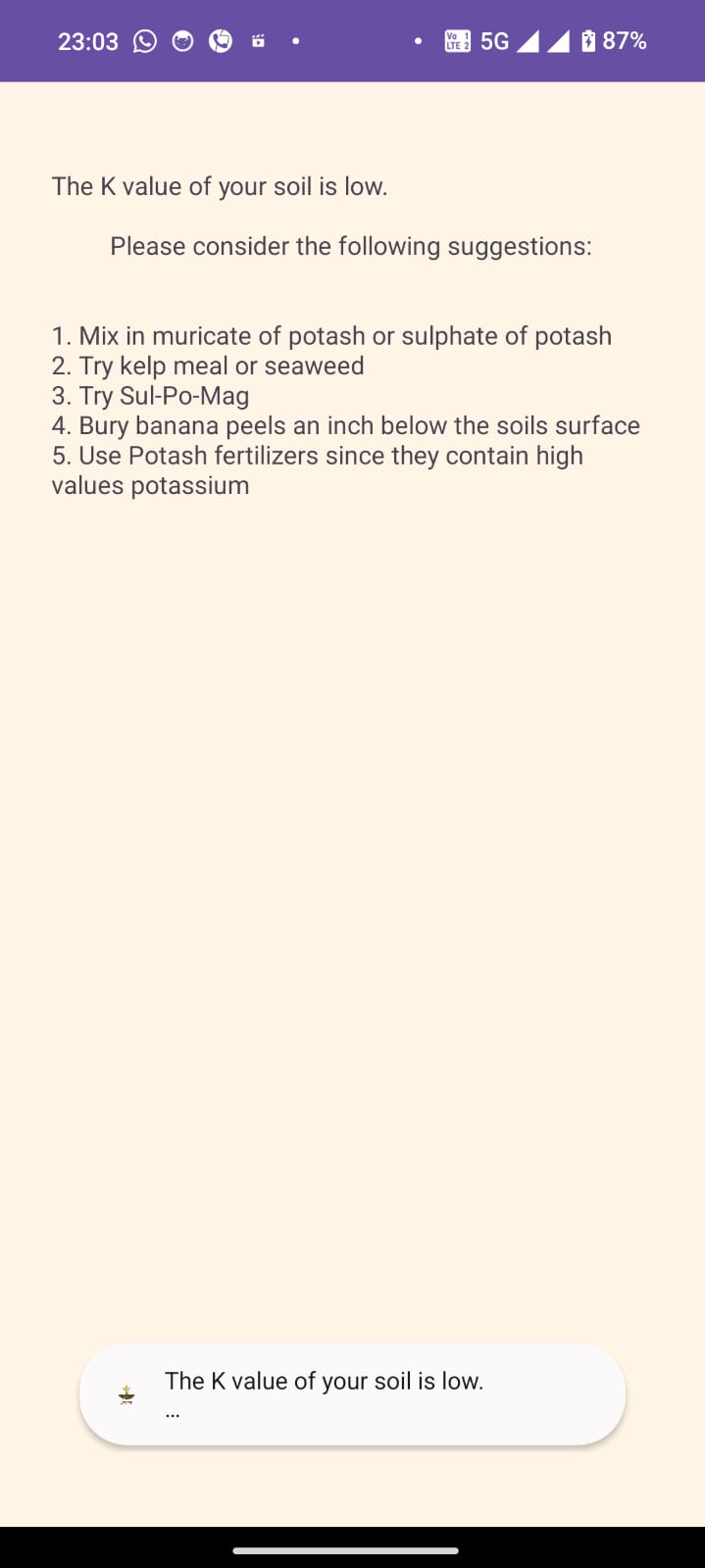
Output Riched Fertilizer Screen

Inspiration
KrishiCare was inspired by the need to empower farmers with cutting-edge technology to overcome the numerous challenges they face daily. Agriculture is the backbone of our society, yet farmers struggle with crop selection, disease detection, and efficient fertilizer management. The idea of leveraging Artificial Intelligence (AI) to provide real-time insights and personalized recommendations motivated the creation of KrishiCare, aiming to transform traditional farming practices.
What it does
KrishiCare was developed as a comprehensive farming app integrating multiple AI-powered features:
Crop Prediction: Utilizing AI to forecast suitable crops based on soil minerals and temperature.
Plant Disease Detection: Developing an image recognition system to identify plant diseases from photos.
AI Chatbot: Providing farmers with instant support and personalized agricultural insights.
Fertilizer Suggestions: Offering precise recommendations for optimized nutrient management.
Agriculture Blog: Sharing the latest farming techniques and trends
How we built it
We built KrishiCare using a combination of advanced technologies and tools to create a robust and user-friendly application. The development process involved:
Android Studio & Kotlin: The app was developed in Android Studio using Kotlin as the primary programming language. Kotlin's modern syntax and features made it easier to write clean and efficient code.
Python: Python was utilized for developing the Machine Learning models that power the app's core features, including crop prediction and plant disease detection.
Machine Learning & Deep Learning: We implemented ML and deep learning techniques to build accurate models for predicting suitable crops, detecting plant diseases, and providing personalized recommendations.
Image Processing: Image recognition capabilities were integrated into the app to allow farmers to capture photos of plants and receive instant diagnoses of potential diseases.
TensorFlow Lite: To ensure that our ML models could run efficiently on mobile devices, we used TensorFlow Lite to optimize and deploy the models within the app.
Retrofit: Retrofit was employed for making API calls and handling data exchange between the app and the backend, ensuring seamless communication and real-time updates.
Git & GitHub: We utilized Git for version control and GitHub for collaboration, ensuring smooth team coordination and managing the codebase effectively.
Challenges we ran into
Integrating ML Models into the App: One of the most significant challenges was integrating the machine learning models into the mobile application using TensorFlow Lite. Ensuring that the models operated efficiently on mobile devices without compromising performance or accuracy required extensive optimization and testing.
Image Processing and Disease Detection: Developing a reliable image recognition system for plant disease detection was complex. Handling varying image qualities, lighting conditions, and plant species to ensure accurate detection was a tough task that required fine-tuning the deep learning models.
Real-Time Data Handling: Implementing real-time data handling, especially for crop prediction and fertilizer suggestions, posed challenges in terms of ensuring responsiveness and maintaining low latency while processing large datasets.
Accomplishments that we're proud of
AI Integration: Successfully integrated AI technologies into KrishiCare, providing farmers with real-time insights and personalized recommendations.
Plant Disease Detection: Developed an accurate system that identifies 13 plant diseases across 38 classes using deep learning and image processing.
Optimized ML Models: Used TensorFlow Lite to ensure our ML models run efficiently on mobile devices, making advanced features accessible to all farmers.
User-Friendly Design: Created an intuitive interface that simplifies complex AI tools, making the app easy for farmers to use.
What we learned
AI's Impact on Agriculture: We deepened our understanding of how AI can transform traditional farming practices, offering real-time solutions to critical agricultural challenges.
Optimizing ML Models: Learned how to optimize and deploy machine learning models on mobile devices using TensorFlow Lite, balancing performance with accuracy.
Image Processing Techniques: Gained valuable insights into image processing and deep learning, particularly in building reliable systems for plant disease detection.
User-Centric Design: Emphasized the importance of creating user-friendly interfaces that make advanced technologies accessible and practical for end users, especially farmers.
What's next for KrishiCare
Expanding Crop and Disease Databases: We plan to increase the range of crops and plant diseases the app can predict and diagnose, ensuring broader applicability for farmers across different regions.
Advanced AI Features: Introducing more sophisticated AI-driven features, such as weather prediction integration, pest management recommendations, and yield forecasting, to further support farmers' decision-making.
Offline Functionality: Enhancing offline capabilities to allow farmers to access key features without an internet connection, making the app more useful in remote areas.
Localization and Language Support: Expanding language options and tailoring content to different regions to make KrishiCare accessible to farmers worldwide.
Community Engagement: Building a stronger community through interactive forums, expert Q&A sessions, and regular updates on agricultural trends and techniques.
Built With
- android-studio
- deep-learning
- git
- github
- image-processing
- kotlin
- machine-learning
- mvvm
- python
- retrofit
- tensorflow-lite


Log in or sign up for Devpost to join the conversation.