Inspiration
Farmers across India face unpredictable challenges — from erratic monsoons to rising input costs and limited access to expert advice. We were inspired by the women-led Krishi Sakhi movement and wanted to extend that empowerment through AI — giving every farmer a personal digital companion capable of guiding them 24×7 with data-driven insights, local language support, and real-time decision-making help.
What it does
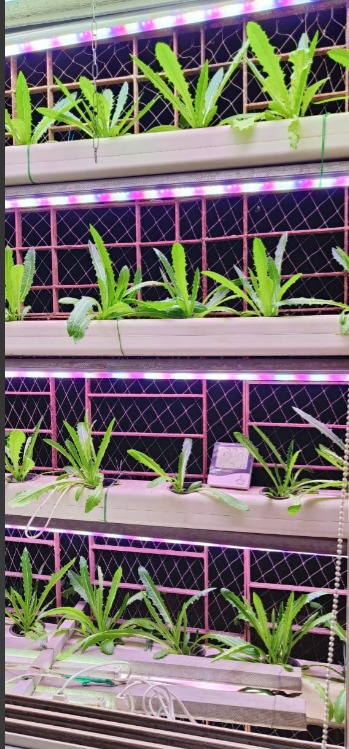
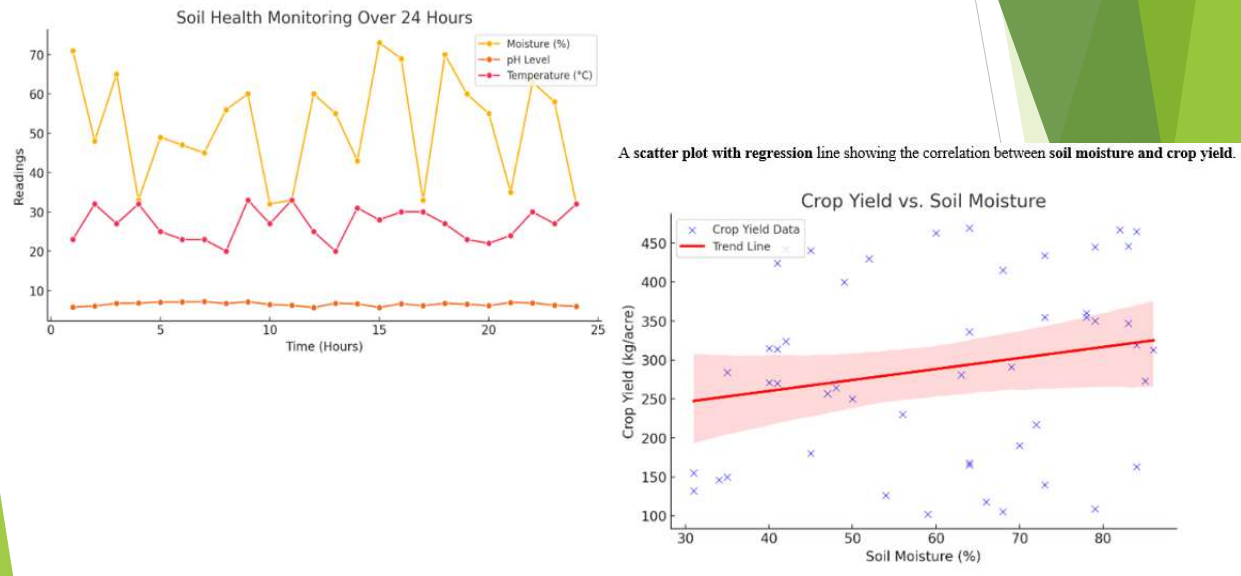
Krishi Sakhi is an AI-powered personal farming assistant that helps farmers make better agricultural decisions. It integrates soil data, weather forecasts, crop growth models, and market trends to:
Recommend crops best suited for current soil and weather conditions.
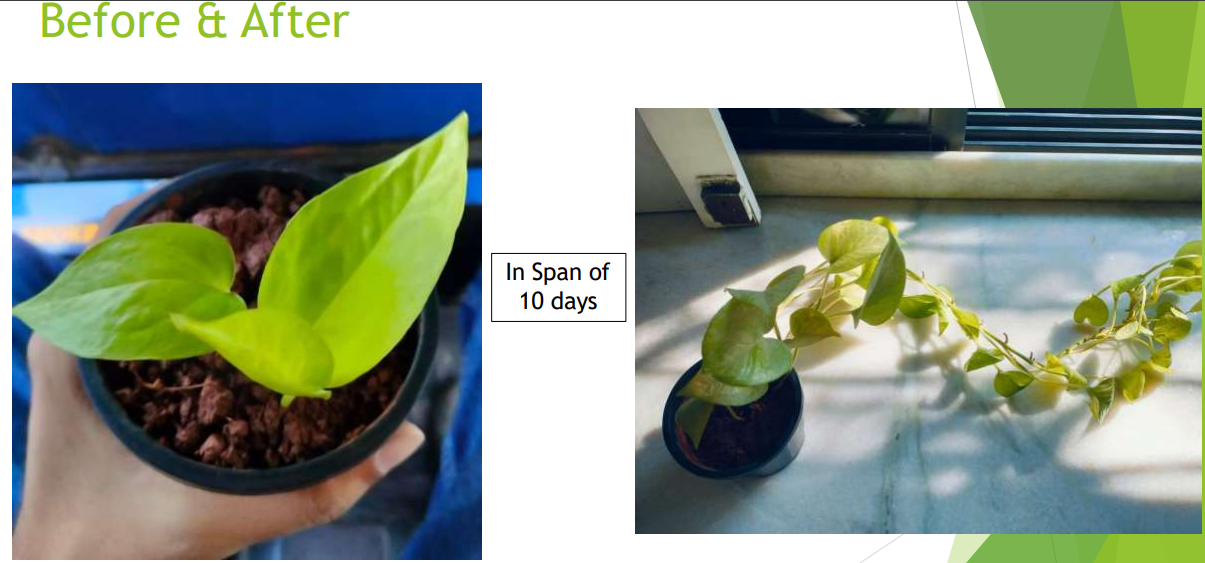
Suggest precision irrigation and fertilizer schedules.
Detect crop diseases using image recognition.
Predict yield and market prices.
Connect farmers with government schemes and nearby cooperatives. All of this is available through a voice-based chatbot in regional languages, accessible via smartphone or low-cost IoT voice modules.
How we built it
We combined multiple layers of AI, IoT, and cloud infrastructure:
AI/ML Models: Trained with TensorFlow and PyTorch on agronomic datasets for disease detection and yield prediction.
Language Interface: Deployed multilingual NLP using IndicBERT for Hindi and Marathi voice translation.
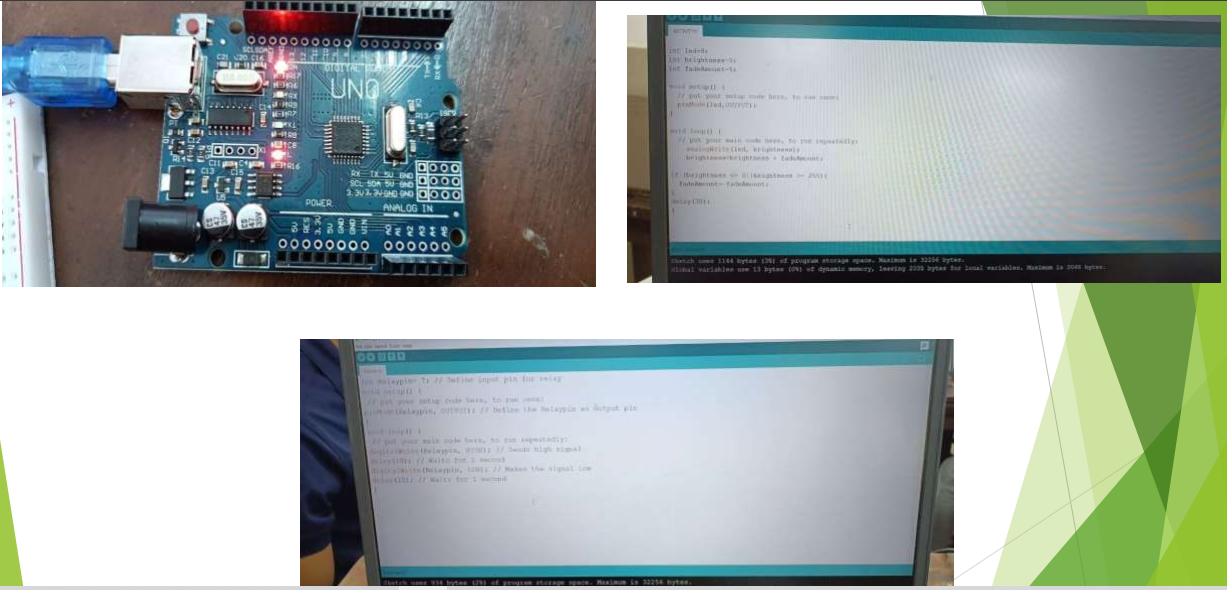
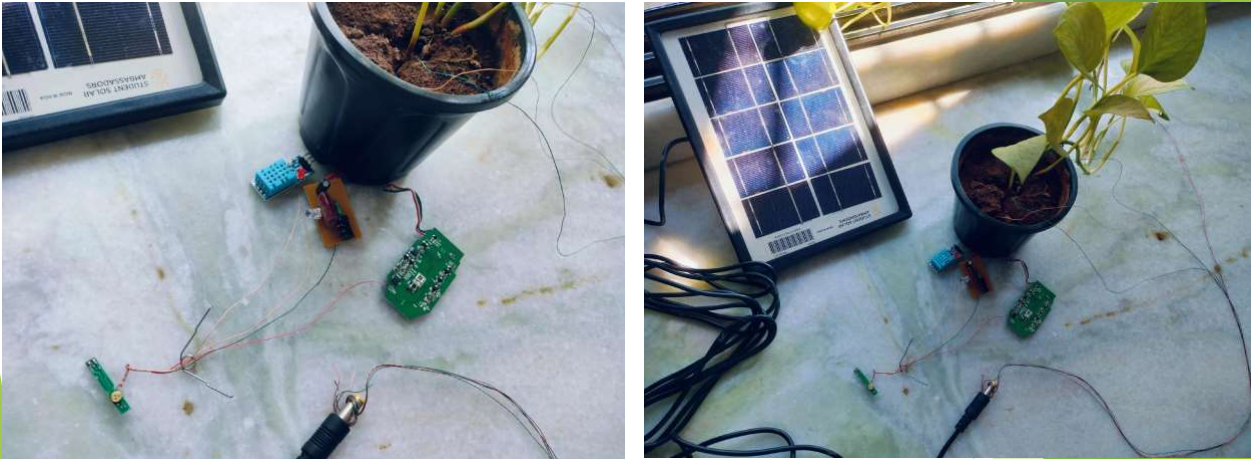
IoT Integration: Soil sensors and weather stations connected via NodeMCU for real-time data streaming to Firebase.
Backend: Flask API on AWS EC2 handling user data and analytics.
Frontend: Flutter app providing an intuitive farmer dashboard.
Database: MongoDB for storing crop, soil, and weather logs.
Visualization: Integrated PowerBI dashboards for agricultural officers.
Built with
Hardware: NodeMCU, soil moisture sensor, DHT11, GPS module, pH sensor, relay-based irrigation controller.
Software: Python, TensorFlow, PyTorch, Flask, Flutter, Firebase, AWS EC2, MongoDB, PowerBI, IndicBERT, OpenWeather API.
Challenges we ran into
Integrating low-cost IoT hardware with real-time AI inference was a challenge due to connectivity limitations in rural regions.
Training multilingual NLP models to understand local dialects required domain-specific data that was hard to source.
Optimizing model performance on edge devices with limited computational resources.
Balancing usability and affordability while maintaining system reliability.
Accomplishments that we're proud of
Developed a fully functional AI–IoT prototype that responds to farmers’ voice queries in real time.
Created an offline-first mode for regions with low internet coverage.
Deployed the solution on a scalable architecture that can integrate with government digital agriculture platforms.
Recognized by local farming communities for its simplicity and practical impact potential.
What we learned
We learned the importance of designing AI systems with empathy, especially when the end-users are non-technical individuals. Building trust in technology requires simplicity, cultural understanding, and tangible benefits. We also gained hands-on experience in IoT integration, multilingual NLP, and sustainable data-driven agriculture.
What's next for Krishi Sakhi: Your AI Farming Companion
We aim to scale Krishi Sakhi into a national-level smart agriculture network by:
Integrating satellite and drone imagery for field health assessment.
Introducing AI-driven crop insurance recommendations.
Partnering with agri-startups and cooperatives for supply chain visibility.
Deploying edge-based inference for real-time operation without internet dependency.
Collaborating with state governments under the Digital Agriculture Mission for wide-scale pilot implementation.
Built With
- amazon-web-services
- django
- ethereum
- firebase
- flutter
- mongodb
- native
- node.js
- postgresql
- pytorch
- react
- tensorflow

Log in or sign up for Devpost to join the conversation.