Inspiration
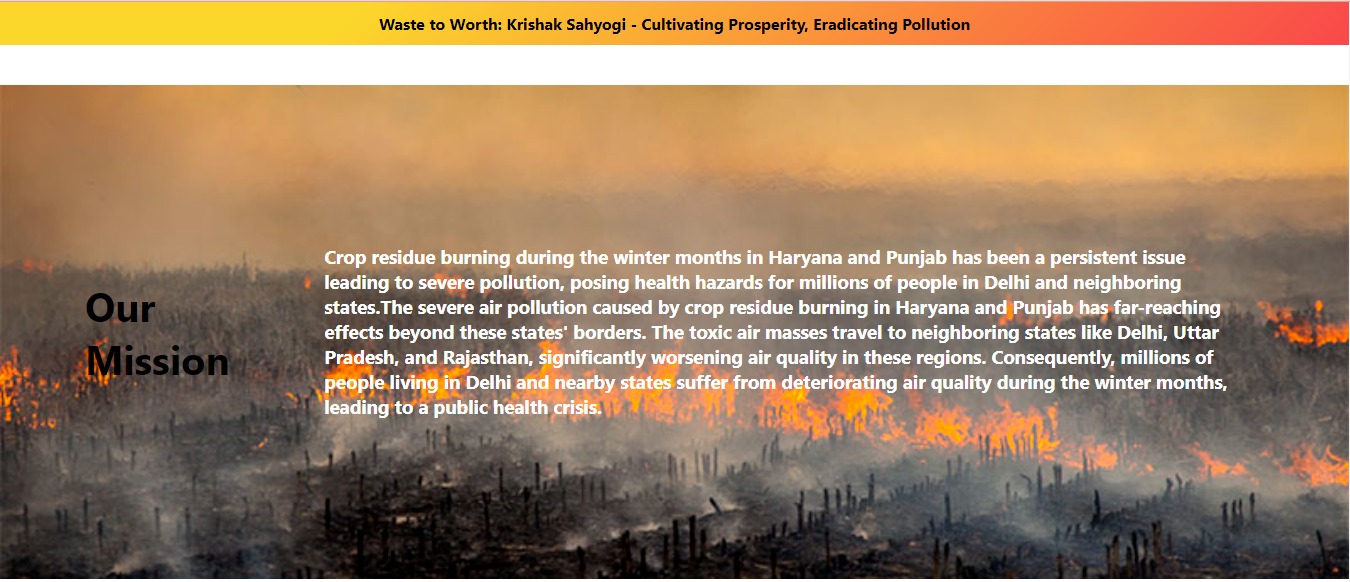
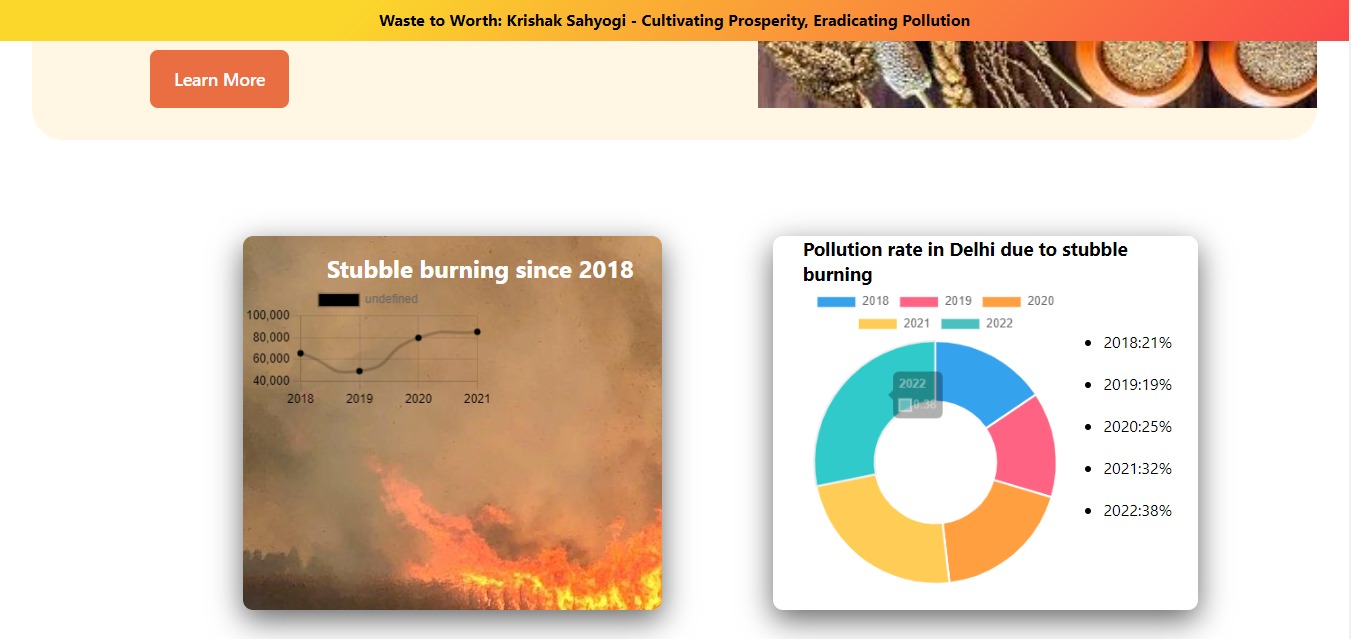
-The inspiration behind the project "krishak Sahyogi" - Empowering Farmers for Sustainable Agriculture" is rooted in addressing the pressing environmental and socioeconomic challenges caused by crop waste burning in the regions of Haryana and Punjab, India. -The team's inspiration also stems from the power of technology and collaboration in solving real-world challenges. -By leveraging an online platform, the project seeks to bridge the gap between farmers, waste management services, recycling facilities, potential buyers, and experts in the field. The team believes that by fostering collaboration and knowledge-sharing, they can drive transformative change in the agricultural waste management landscape.
What it does
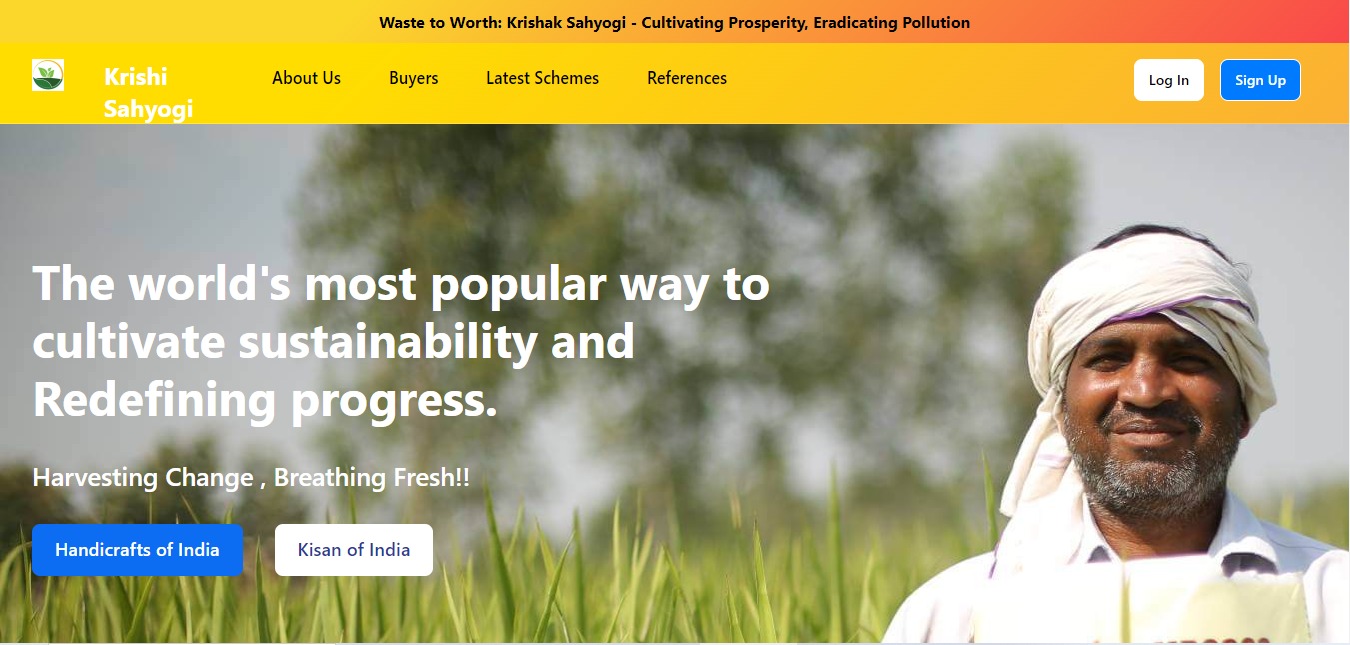
-Krishak Sahyogi is an innovative online platform that aims to empower farmers and address the environmental and socioeconomic challenges caused by crop waste burning in the agricultural regions of Haryana and Punjab, India. -The project takes a comprehensive and integrated approach to tackle the issue of crop waste management and promote sustainable agriculture. -Krishak Sahyogi is a holistic and transformative solution that empowers farmers, promotes sustainable waste management practices, reduces air pollution, and fosters collaboration among stakeholders. The project envisions a future where sustainable agriculture thrives, air quality improves, and farmers become key players in environmental conservation.
How we built it
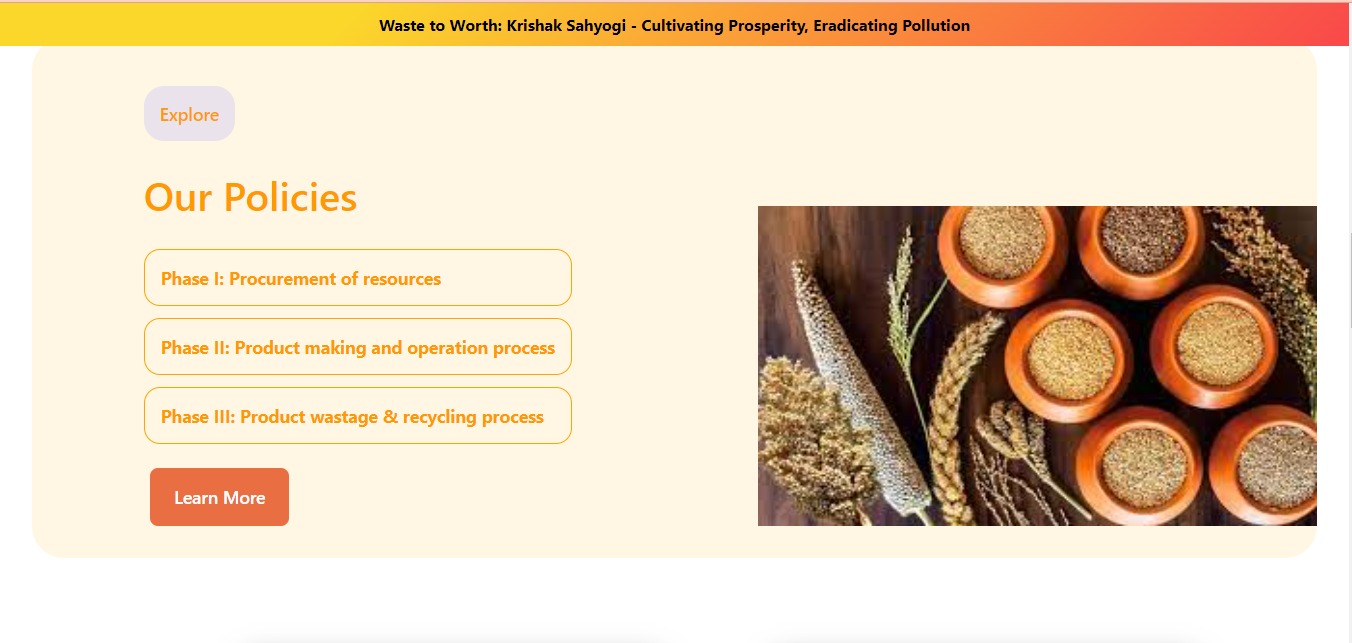
-The team starts by conducting extensive research to understand the challenges faced by farmers in managing crop waste. We interacted with farmers, agricultural experts, and other stakeholders to identify pain points and potential solutions. -Then we implemented a website which connects farmers with potential buyers and suggests various policies that reduces the problem of air pollution by eradicating the problem of burning waste by utilizing waste into building some valuable products
Challenges we ran into
-Developing an online platform that connects multiple stakeholders and handles data from different sources can be technically challenging. Integrating various features and ensuring the platform's stability and security have been a complex task. -Convincing farmers to adopt a new platform and change their waste management practices was challenging. Overcoming resistance to change and building trust in the platform required effective communication and awareness campaigns. -Raising awareness about the platform's benefits and educating farmers about sustainable waste management practices required well-planned marketing and educational campaigns.
Accomplishments that we're proud of
-Positive Environmental Impact: The project has made significant strides in reducing crop waste burning, leading to a substantial reduction in air pollution and greenhouse gas emissions in the regions of Haryana and Punjab. As a result, the air quality in farming communities and neighboring areas has improved, contributing to better public health outcomes. -Empowered Farmers: Krishak Sahyogi Connect has successfully empowered farmers by providing them with a viable and sustainable solution for managing crop waste. By selling their crop waste to recycling facilities or potential buyers, farmers have gained an additional source of income, improving their financial stability and reducing dependence solely on crop sales.
What we learned
-Understanding Farmers' Needs: Through research and interactions with farmers, the team would gain a deeper understanding of the challenges farmers face in managing crop waste. -Importance of Collaboration: The hackathon would emphasize the significance of collaboration with various stakeholders, such as waste management services, recycling facilities, agricultural experts, and government agencies. -Tech Solutions for Social Impact: The hackathon experience would showcase the power of technology in addressing real-world challenges and making a positive impact on society. -Team Work: During the process of building the project "Krishak Sahyogi" - Empowering Farmers for Sustainable Agriculture," the team members got the opportunity to learn and experience the essence of effective teamwork
What's next for 432-Krishak Sahyogi
-Scaling and Expansion: The team can explore opportunities to scale the project beyond the hackathon and reach more farmers in different regions. They can identify other agricultural areas facing similar challenges with crop waste management and tailor the platform to suit their specific needs. -User Feedback and Iterative Improvements: Gathering feedback from farmers and other stakeholders who have used the platform during the hackathon will be crucial. The team can use this feedback to make iterative improvements to the platform's features, user interface, and overall user experience. -Community Building: Building a strong and engaged community around the platform will enhance its sustainability. The team can facilitate forums, discussion groups, and knowledge-sharing platforms where farmers and stakeholders can interact and collaborate.

Log in or sign up for Devpost to join the conversation.