-
-
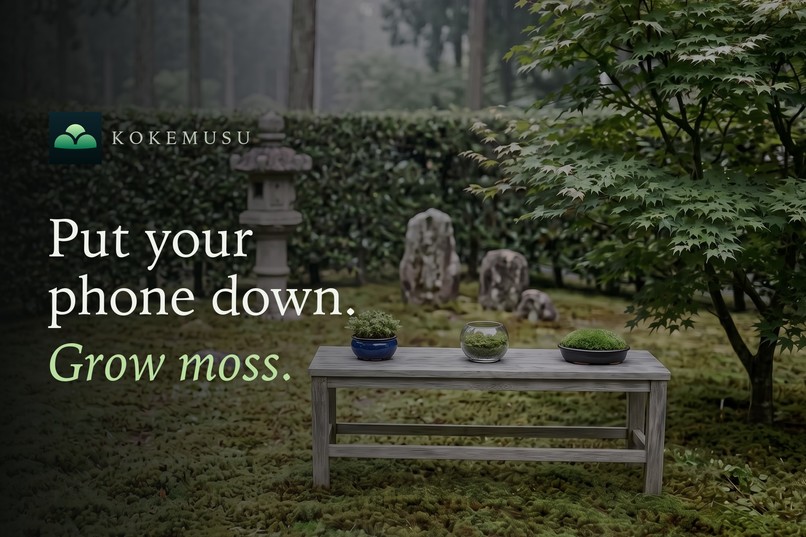
KOKEMUSU: a quiet Japanese moss garden that grows only while your phone rests.
-
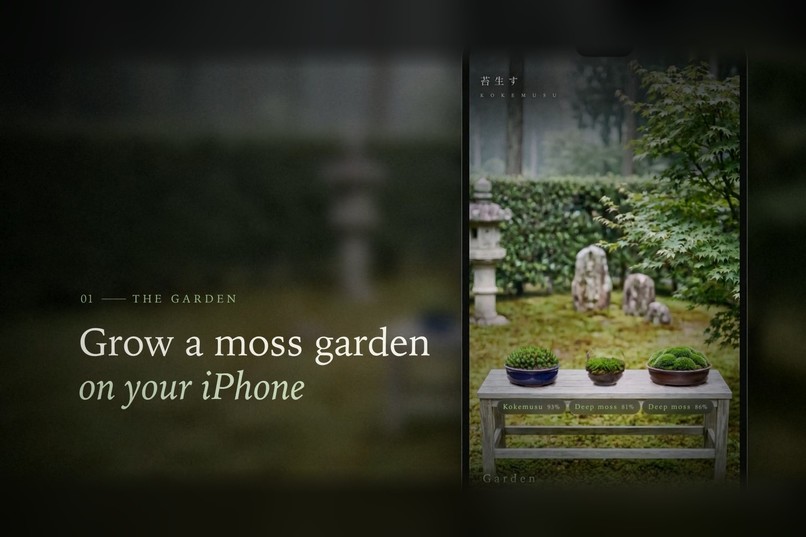
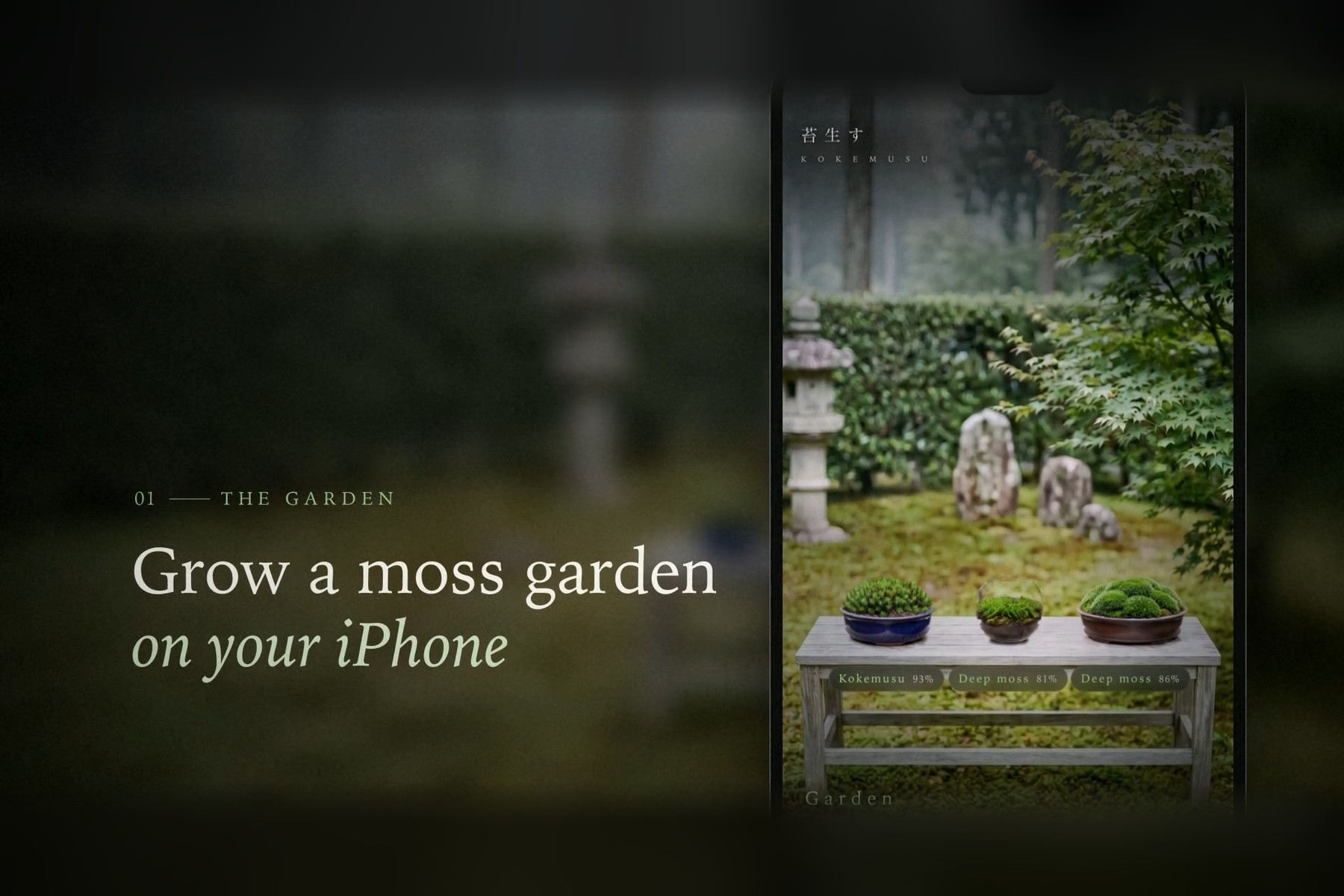
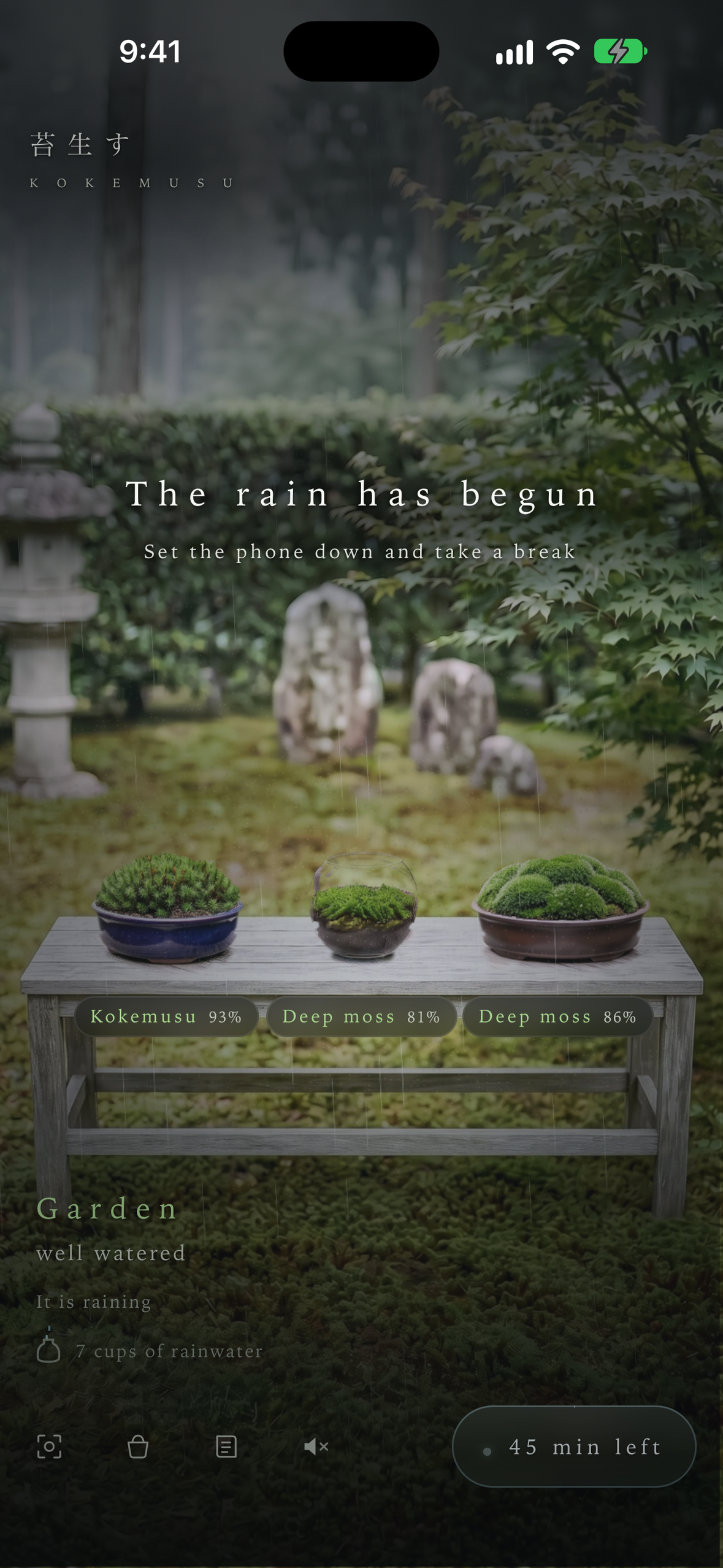
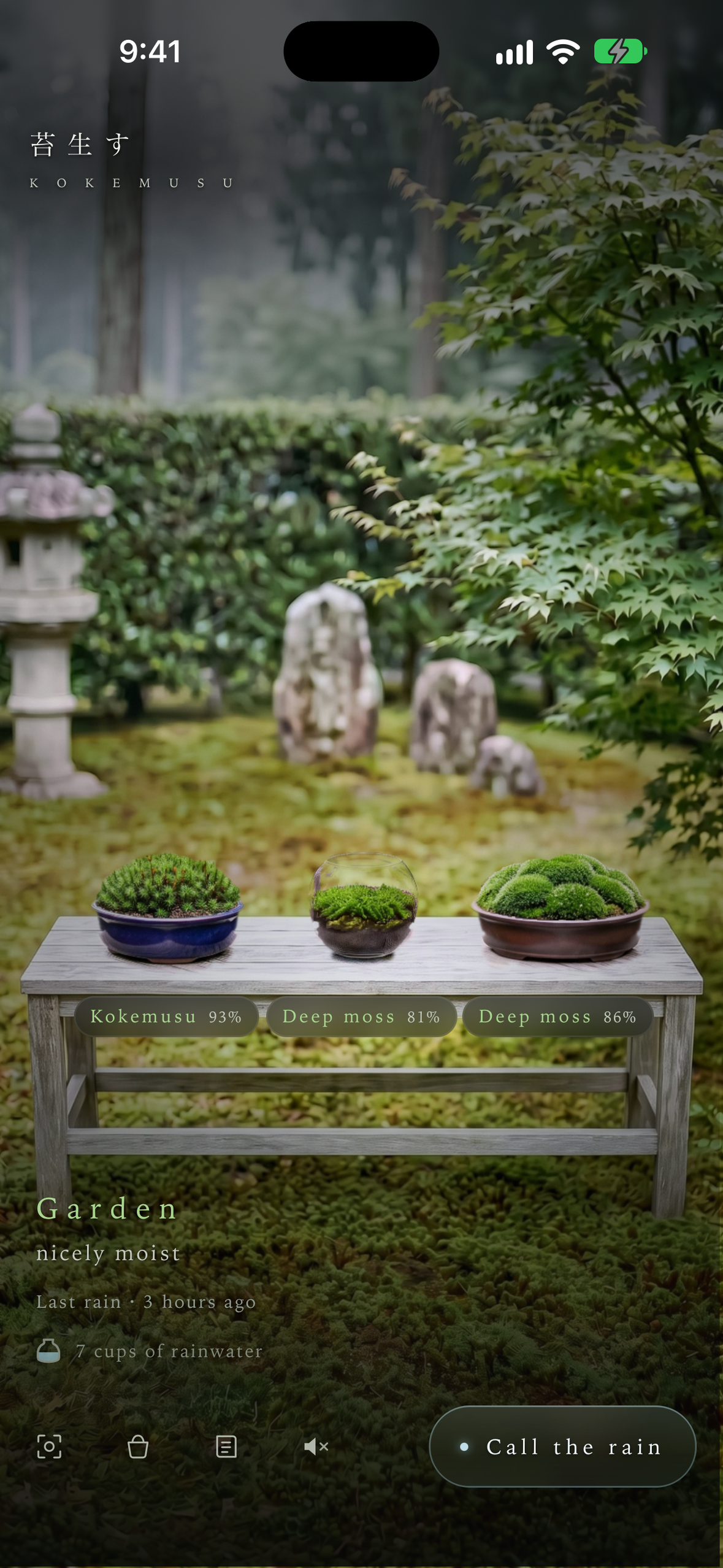
Your garden lives on your iPhone: a bench of moss pots in a misty Kyoto-style garden.
-
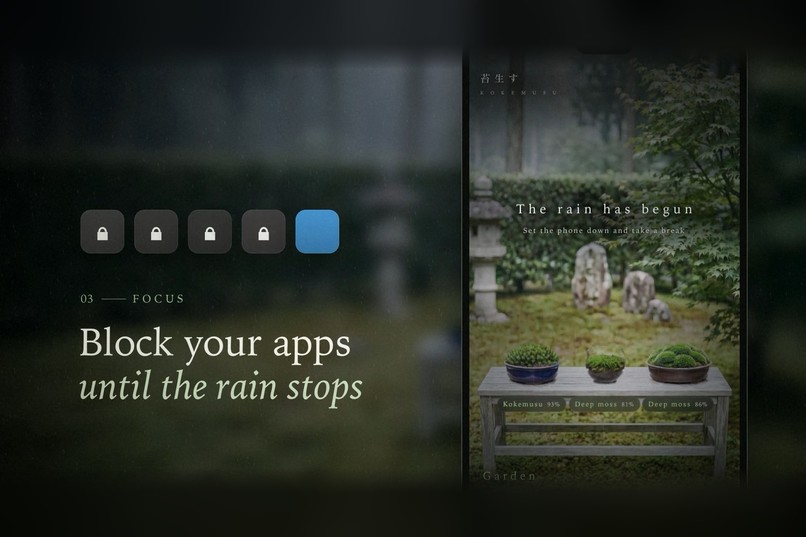
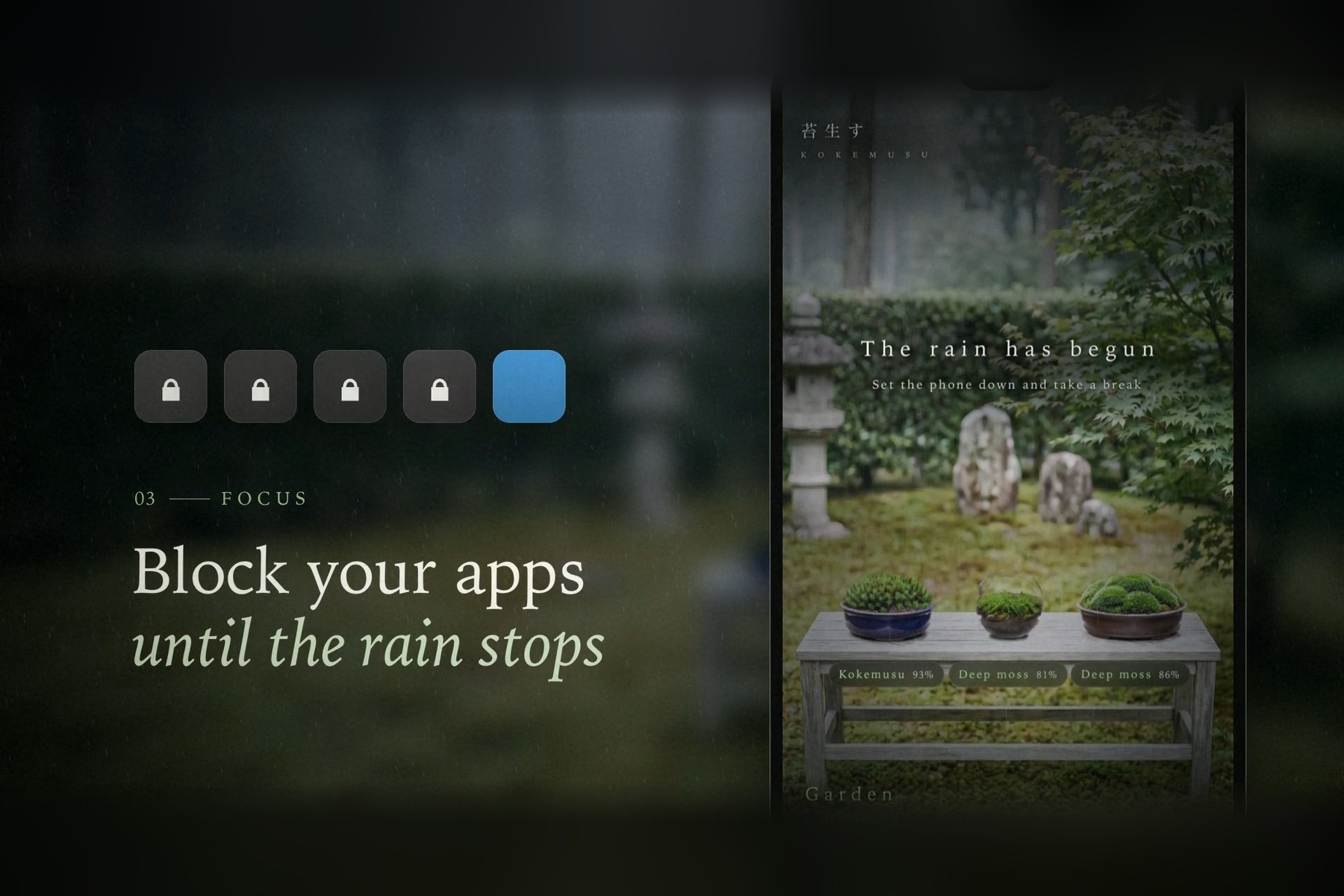
While it rains, the apps you choose stay closed. Uses Apple's Screen Time APIs.
-
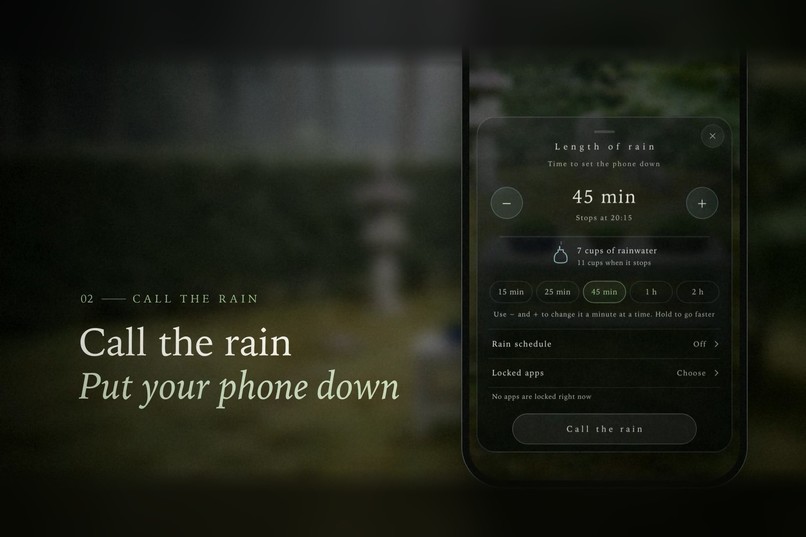
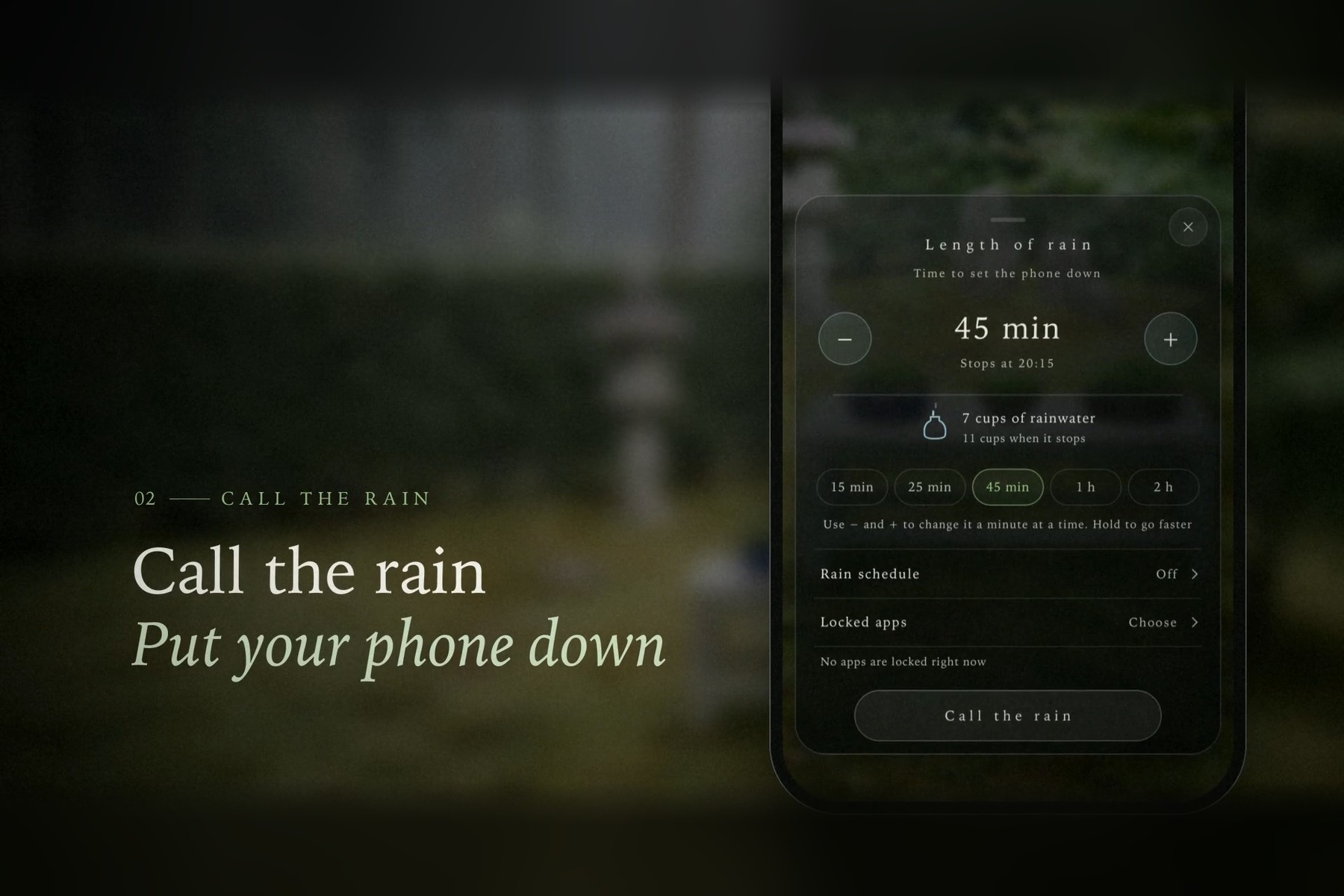
Call the rain. Choose how long to put your phone down, from 15 minutes to 3 hours.
-
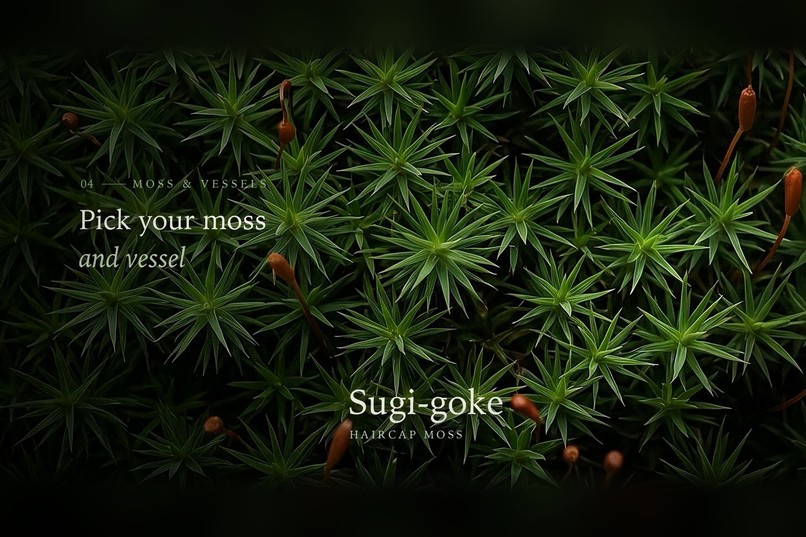
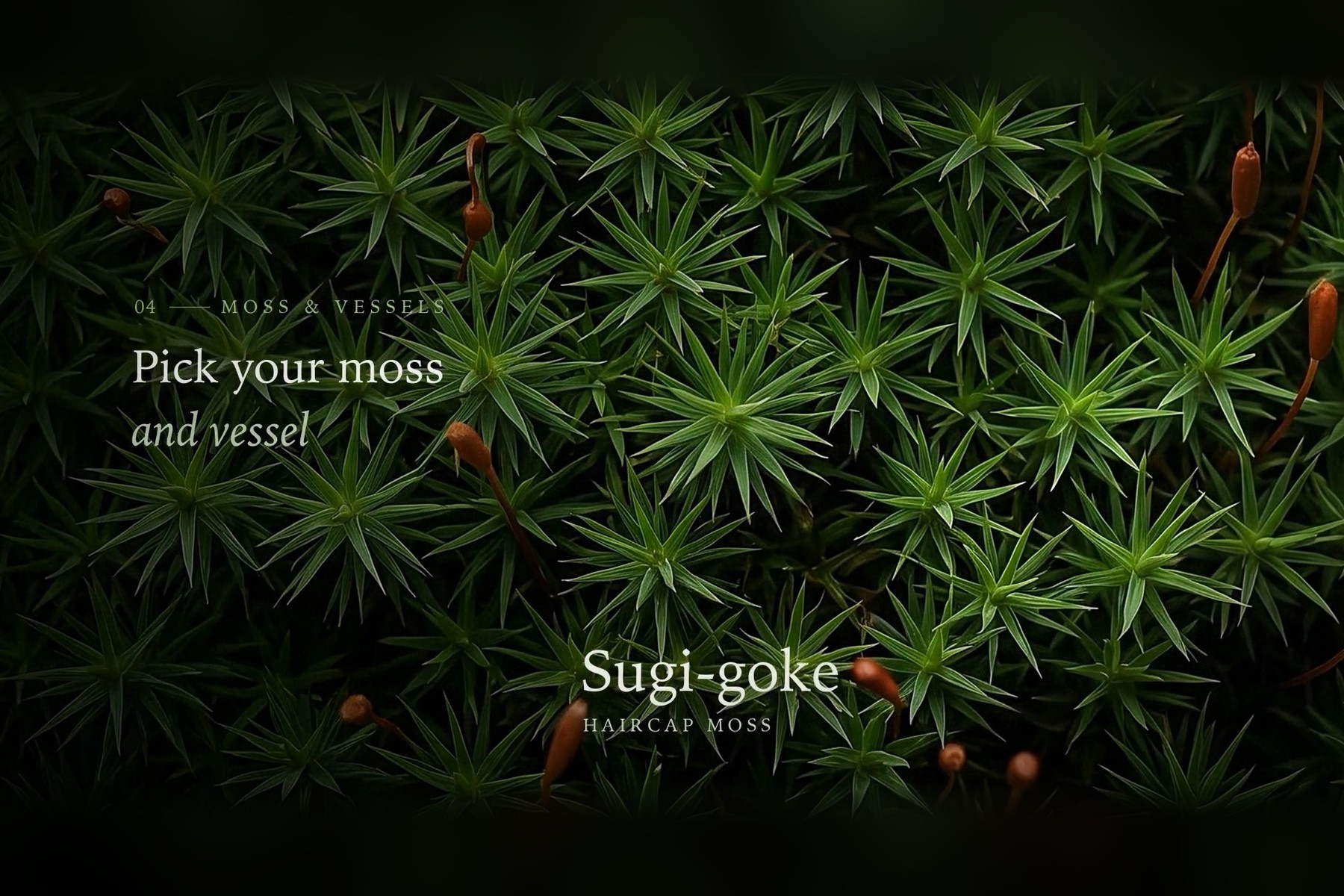
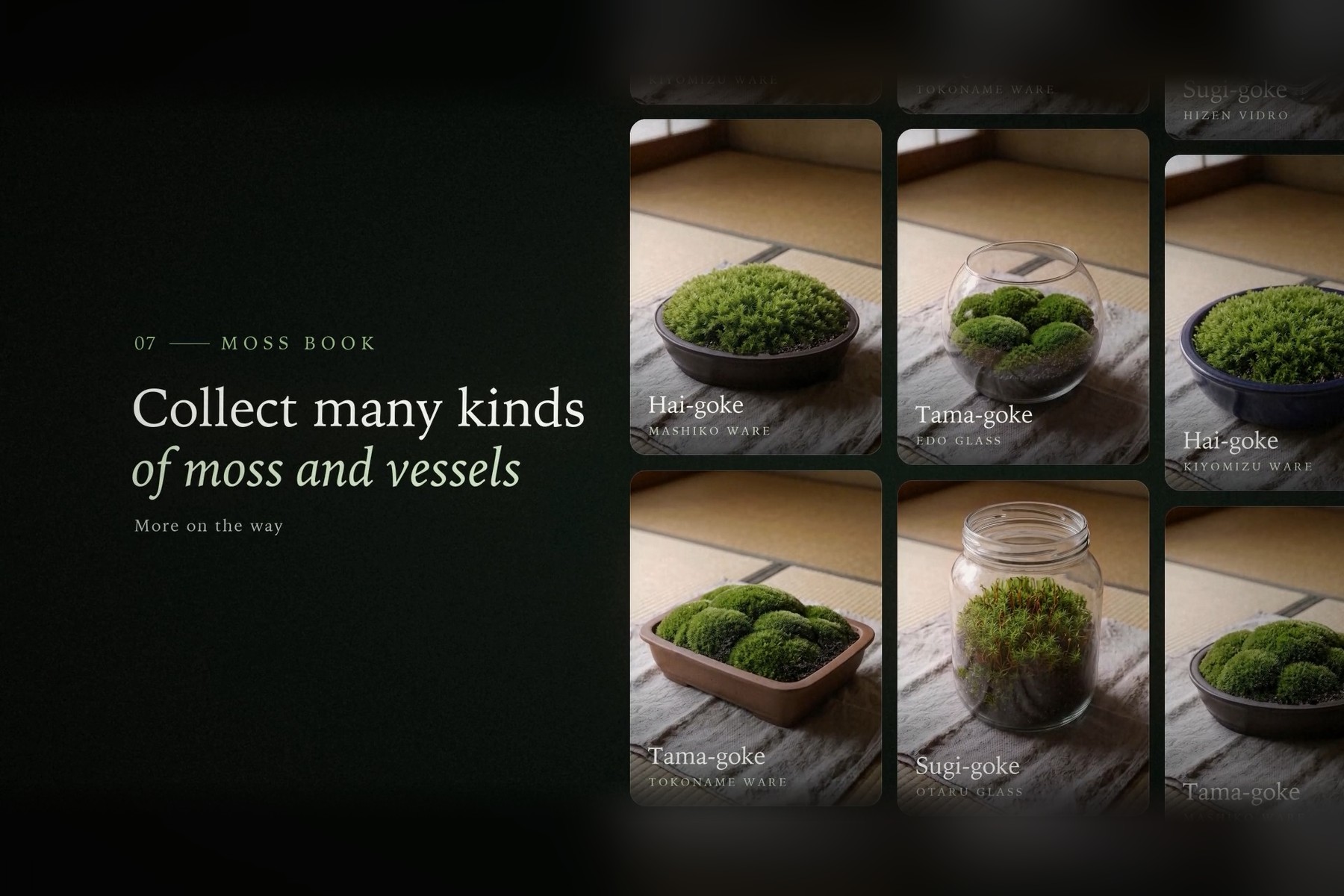
Real moss species, like sugi-goke (haircap moss), each growing at its own pace.
-
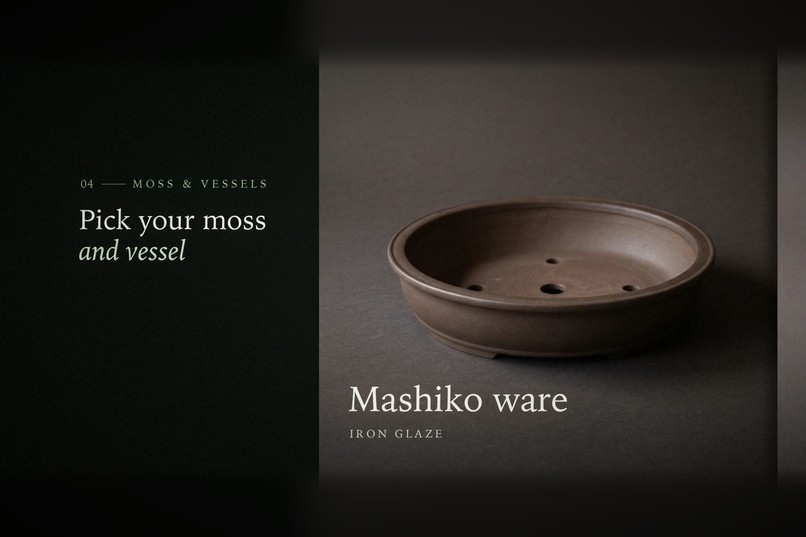
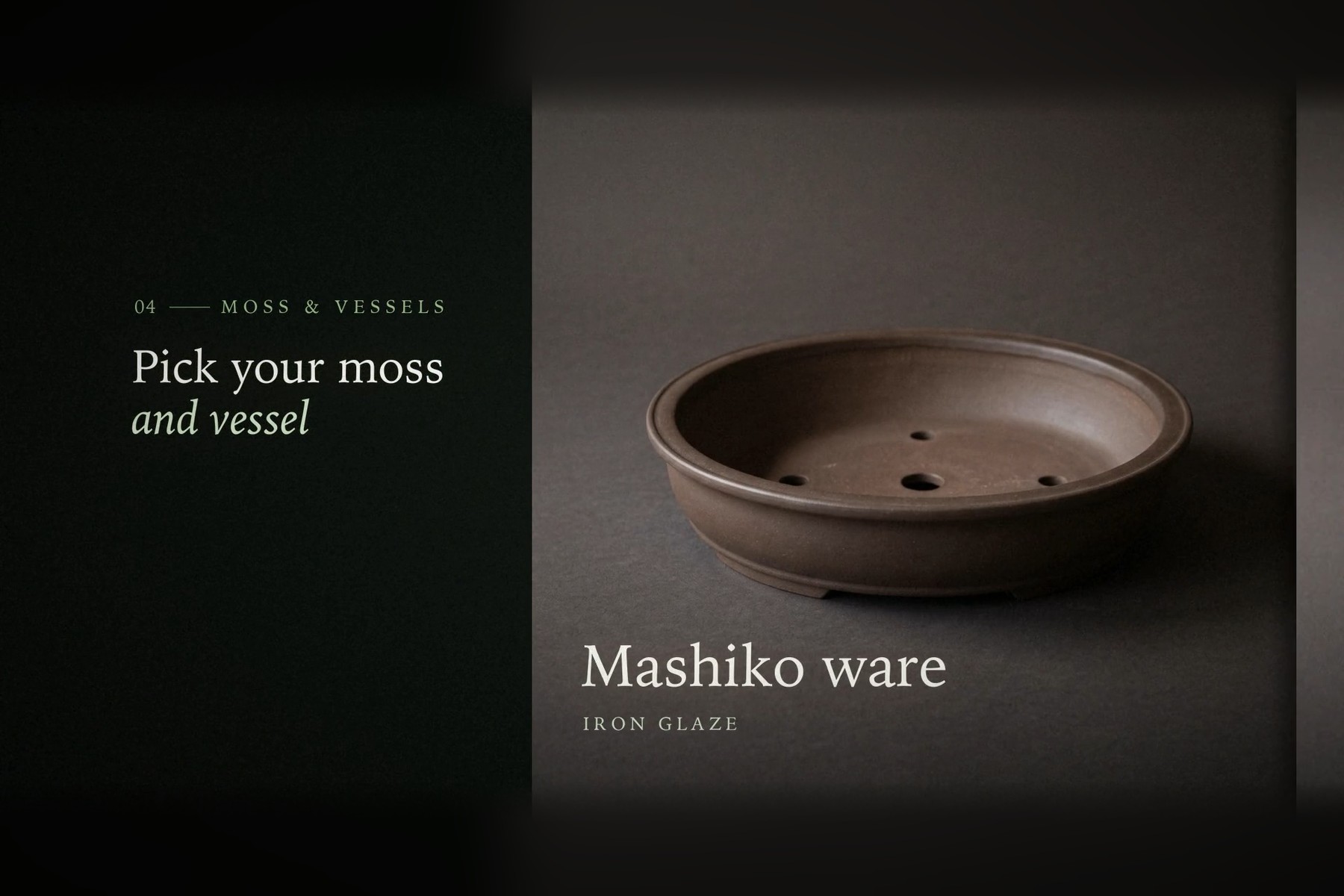
Handmade Japanese vessels, from Mashiko ware to Edo glass.
-
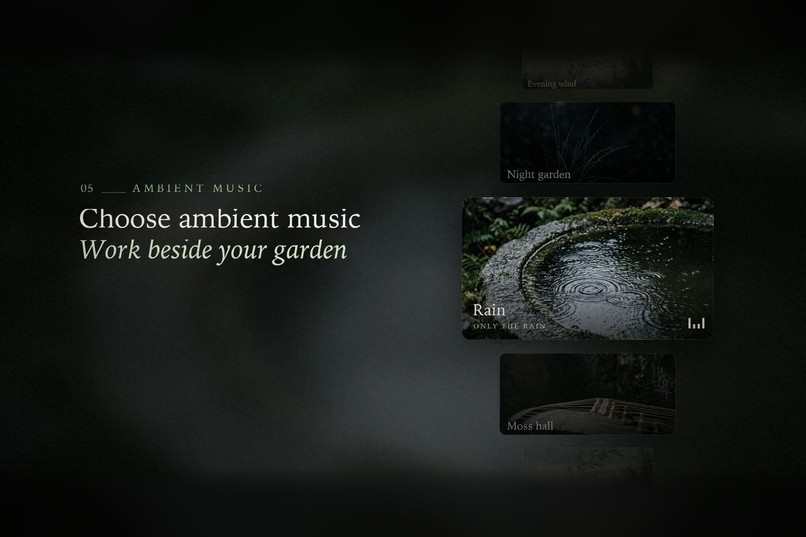
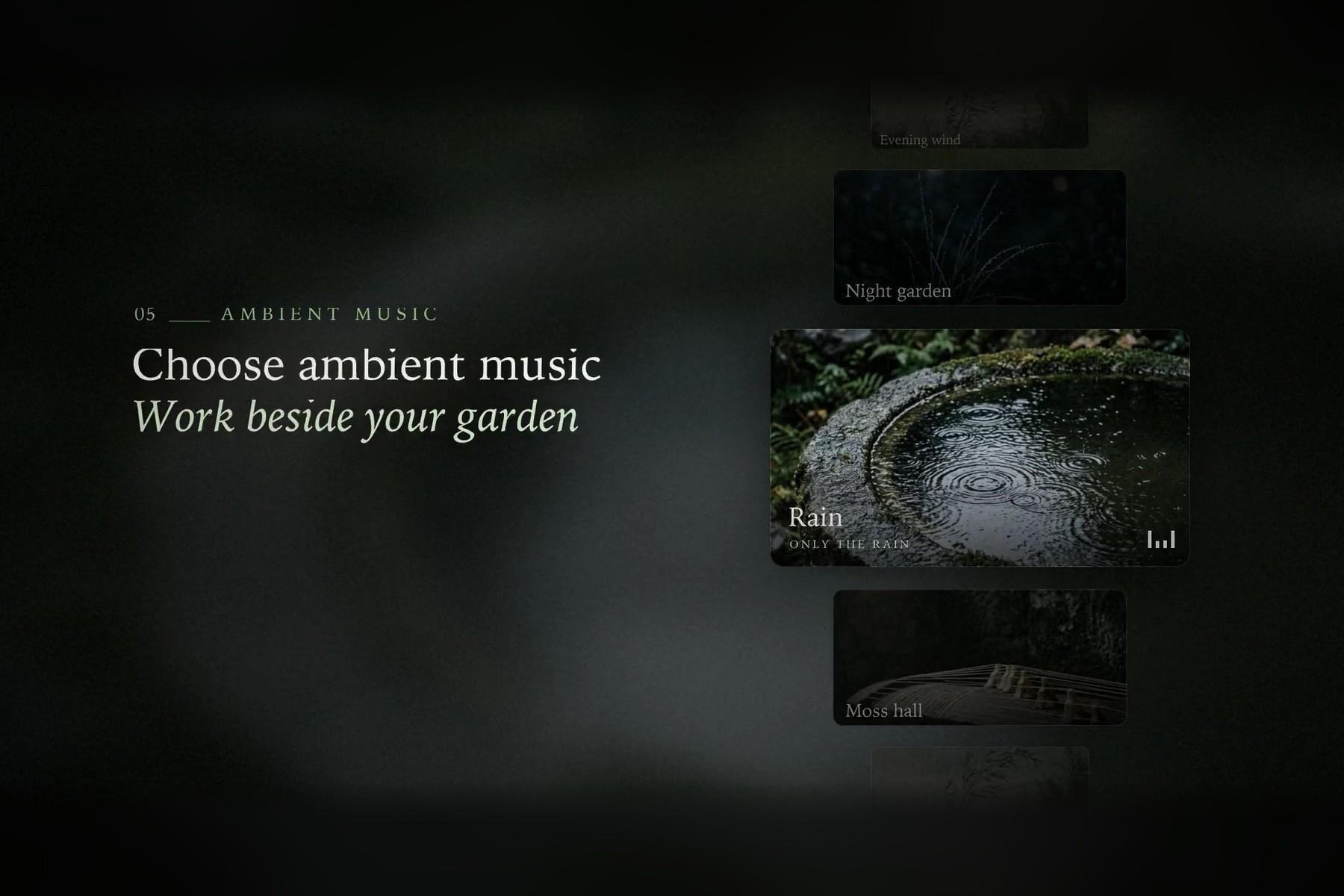
Ambient music to work beside your garden: moss hall, evening wind, night garden, rain.
-
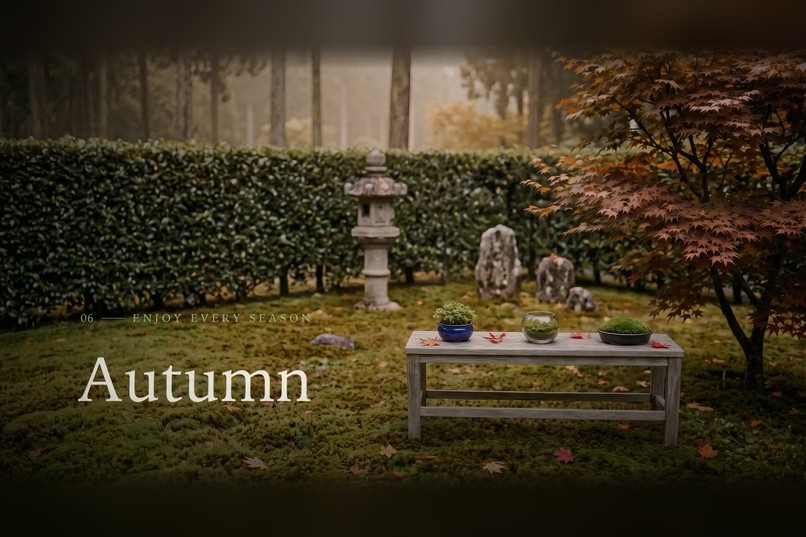
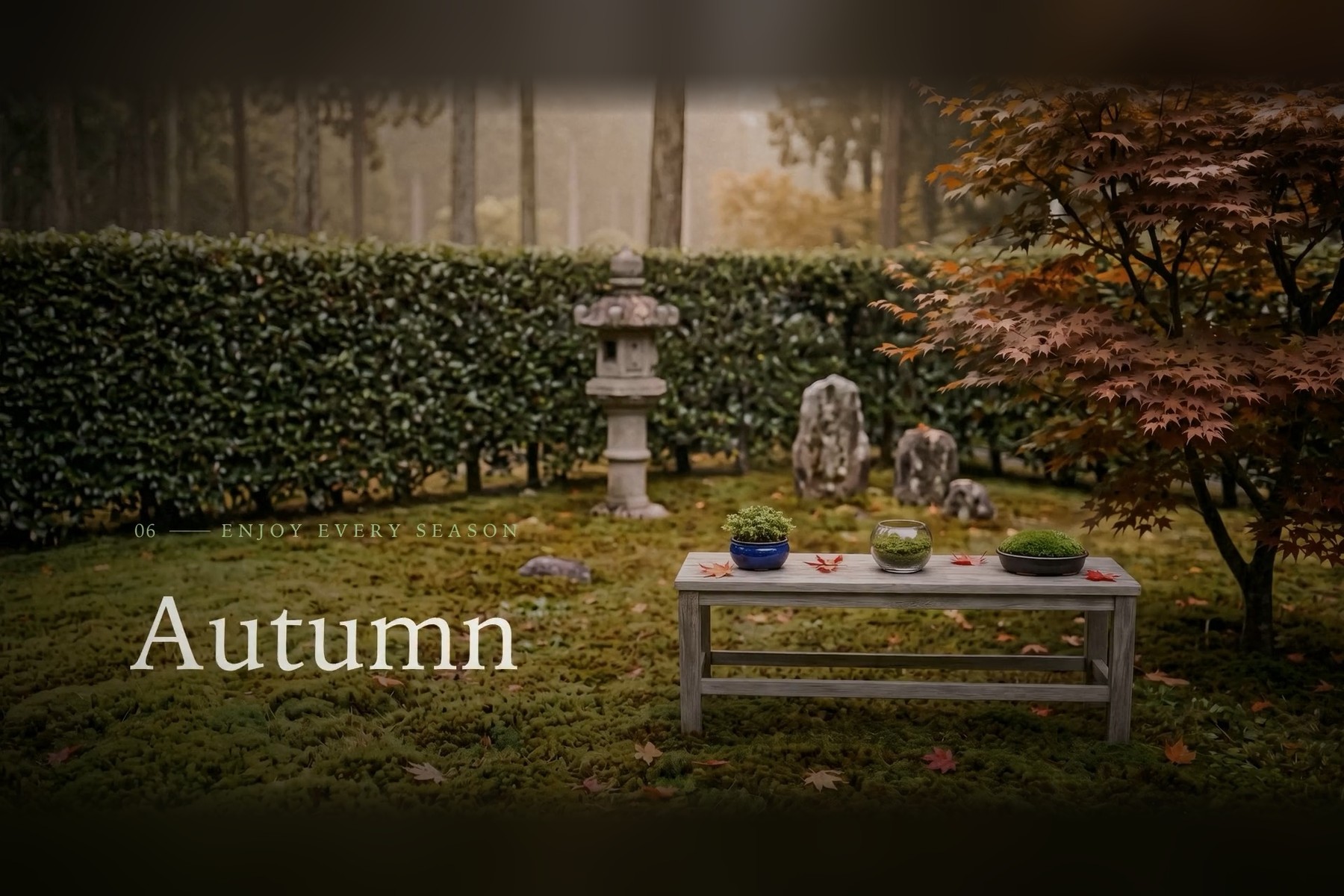
The garden changes with the seasons: spring, rain, autumn, winter.
-
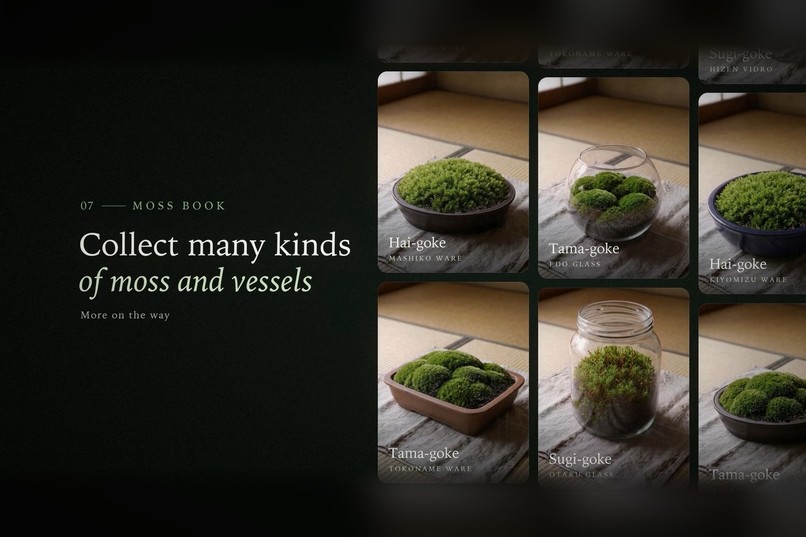
Collect many kinds of moss and vessels in your moss book. More on the way.
-
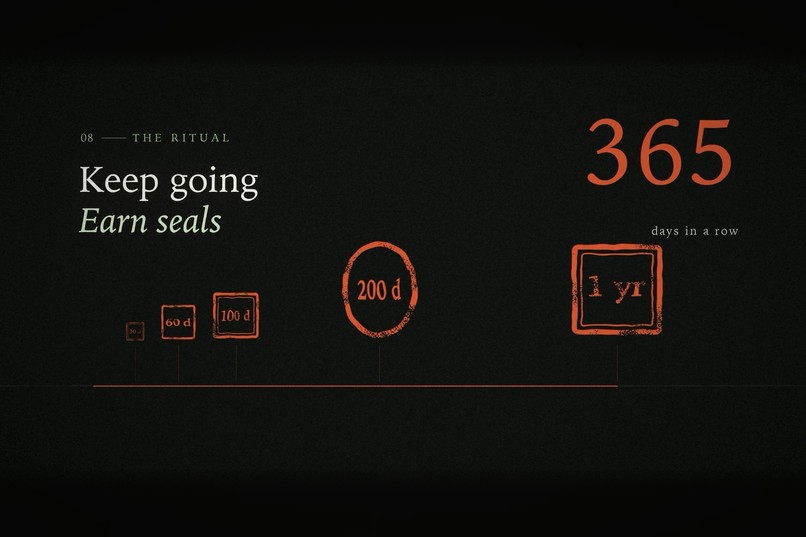
Keep going and earn seals. A rain shelter keeps your streak safe on days you miss.
-
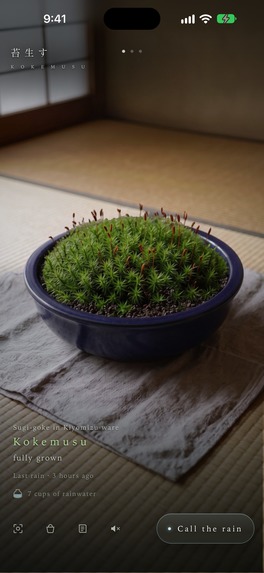
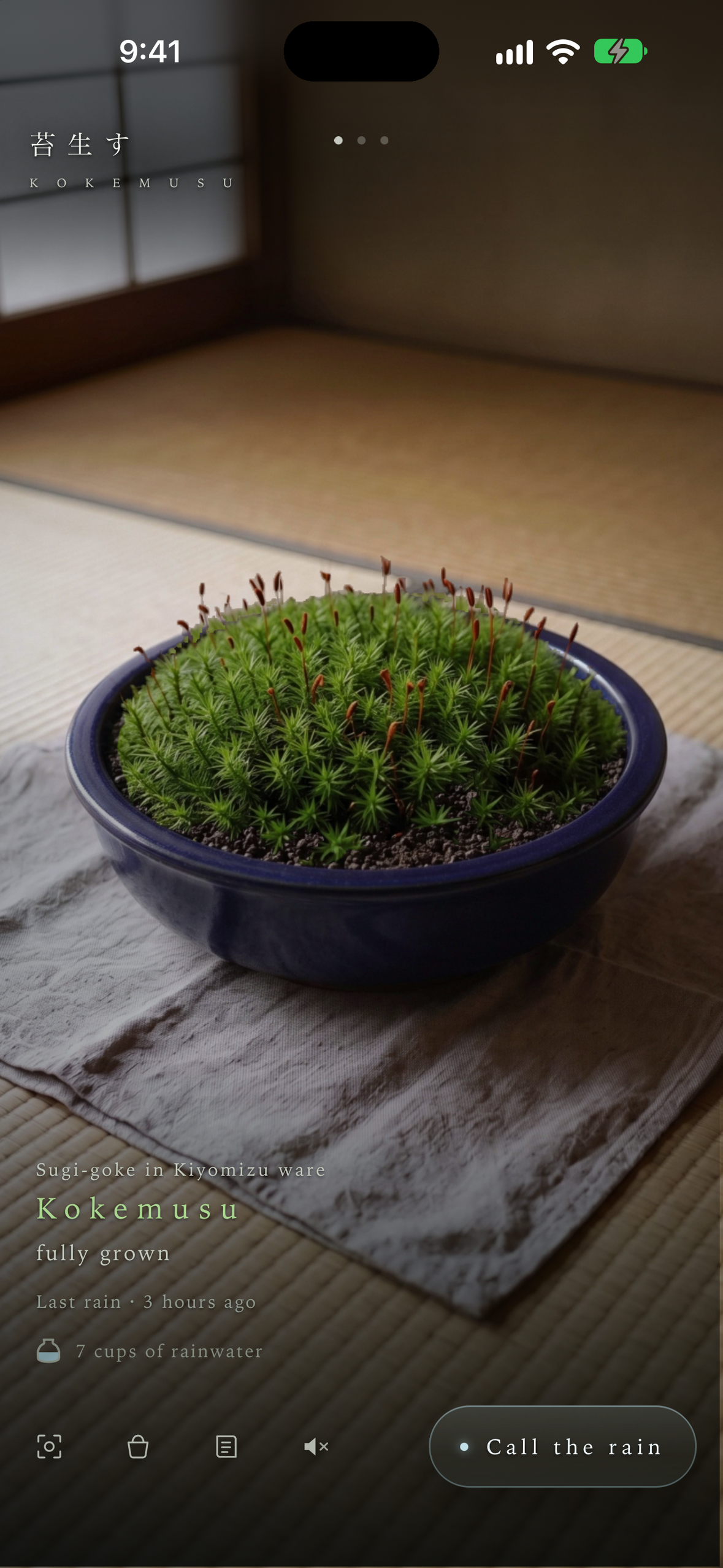
Tap a pot to step into the tatami room and see your moss up close.
-
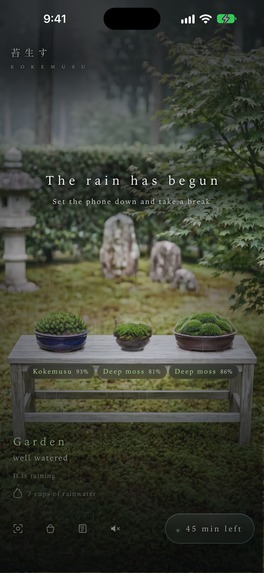
Tap a pot to step into the tatami room and see your moss up close.
-
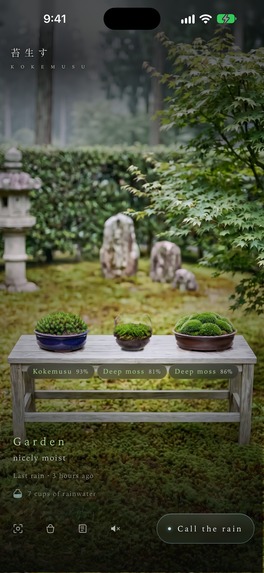
The garden, as you see it in the app. Three pots on a bench, growing only while your phone rests.
-

The KOKEMUSU app icon: three hills of moss, drawn as a single mark.


Inspiration
In Japanese, kokemusu (苔生す) means "to become covered in moss." It describes something that has been left alone long enough to grow quiet and beautiful. In a Kyoto moss garden, nothing happens quickly. The moss grows because nobody is rushing it.
Most focus apps feel like a stopwatch pointed at you. We wanted the opposite: a small, living garden that rewards you for simply setting your phone down. Nothing is punished, nothing is counted against you. You call the rain, you step away, and the moss grows.
What it does
- Call the rain. Choose how long to put your phone down (25 minutes free, up to 3 hours with Niwamori). A soft drizzle falls over your garden.
- Your apps rest until the rain stops. Using Apple's Screen Time frameworks, the apps you picked stay locked while it rains. Everything else still works. The block screen shows your own garden in the rain.
- Moss grows only in the quiet. Each pot grows through photographic stages, from bare soil to a fully covered cushion. There is no timer anxiety, just a garden slowly changing.
- A daily ritual, sealed in red. Keep coming back and you earn vermilion seals (inspired by goshuin, the stamps collected at Japanese shrines). If you miss a day, a "rain shelter" keeps your streak safe.
- Collect mosses and vessels. Haircap, creeping and apple moss, in Kiyomizu, Mashiko and Tokoname ceramics or Edo, Otaru and Hizen glass. Finished pots go into your Moss Book.
- Look back gently. A weekly review shows how much time you gave back to yourself.
- Ambient music, made in code. Four generative pieces (moss hall, evening wind, night garden, rain) play while you work. No audio files, everything is synthesized live.
How we built it
- App: TypeScript + Vite, wrapped with Capacitor for iOS.
- Garden rendering: three.js / WebGL. The garden is photographic, but it is not a video. Each pot is composited from separate soil, moss and growth-stage layers, blended in shaders so growth appears from the bottom of each plant, and a drizzle "veil" lowers contrast when it rains. Seasons (snow, autumn, spring, night) swap the whole garden.
- Art direction: we directed hundreds of photographic generations (Gemini) against a strict visual brief: one common tatami room and cloth, the same camera angle for every vessel, deep charcoal darks, no sparkles. Then we cut and aligned them into layers with our own Python tools so every combination of moss and vessel lines up.
- Screen Time: native Swift extensions using FamilyControls, ManagedSettings and DeviceActivity: a monitor that lifts the block when the rain ends, a custom shield configuration in the app's own colors, and a shield action that sends you back to the garden.
- Widgets: WidgetKit home and lock screen widgets showing your garden.
- Sound: Web Audio. Orin bells, koto-like plucks, breathy flute and rain, all synthesized, all rooted in D so the rain's opening and closing bells always resolve.
- Monetization: RevenueCat (purchases-capacitor). One auto-renewable yearly subscription, Niwamori ("garden keeper"), with a 1-week free trial. The entitlement "niwamori" unlocks longer rain, scheduled rain, three pots at once, widgets and all ambient music.
Challenges we ran into
- Making generated photos behave like one world. Every vessel initially came back in a different room with a different light. We rebuilt the pipeline around one shared room photo and only composited the vessel and its shadow, so switching pots feels like the same camera on the same afternoon.
- Growth that looks natural. Early versions faded moss in everywhere at once. We now decide where each clump starts on the soil surface, so new moss appears from the edges and connects to the previous stage, the same way in the garden view and the close-up view.
- Screen Time without guilt. Apple's shield UI is fixed, so the words mattered. We rewrote the block screen until it read as an invitation ("It is raining. Time to set the phone down.") rather than a scolding.
Accomplishments that we're proud of
- A focus app that feels like a place, not a tool.
- Photographic visuals that hold up at full screen on a 6.9-inch display.
- An entire soundtrack with zero audio files.
What we learned
Calm is a design feature. Every time we removed a number, a timer or an animation, the app got better.
What's next for KOKEMUSU
More mosses and vessels, seasonal gardens, and an Android version.

Log in or sign up for Devpost to join the conversation.