-
-

Kohab
-
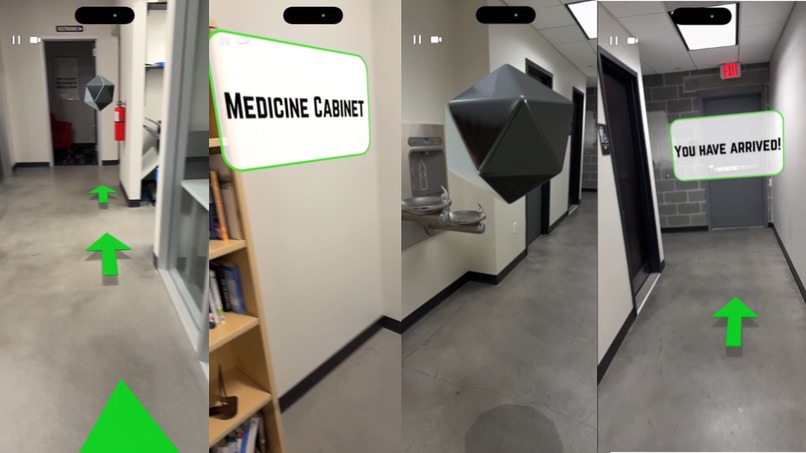
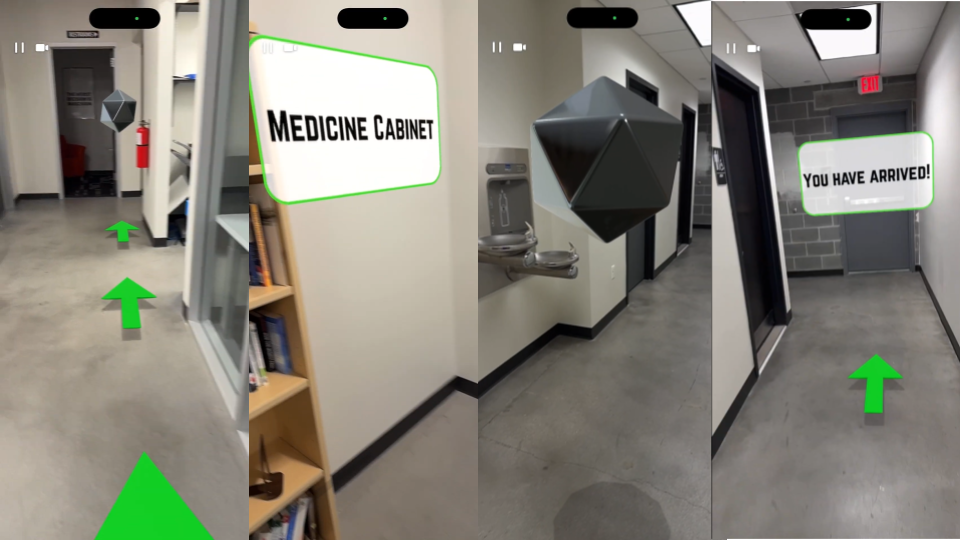
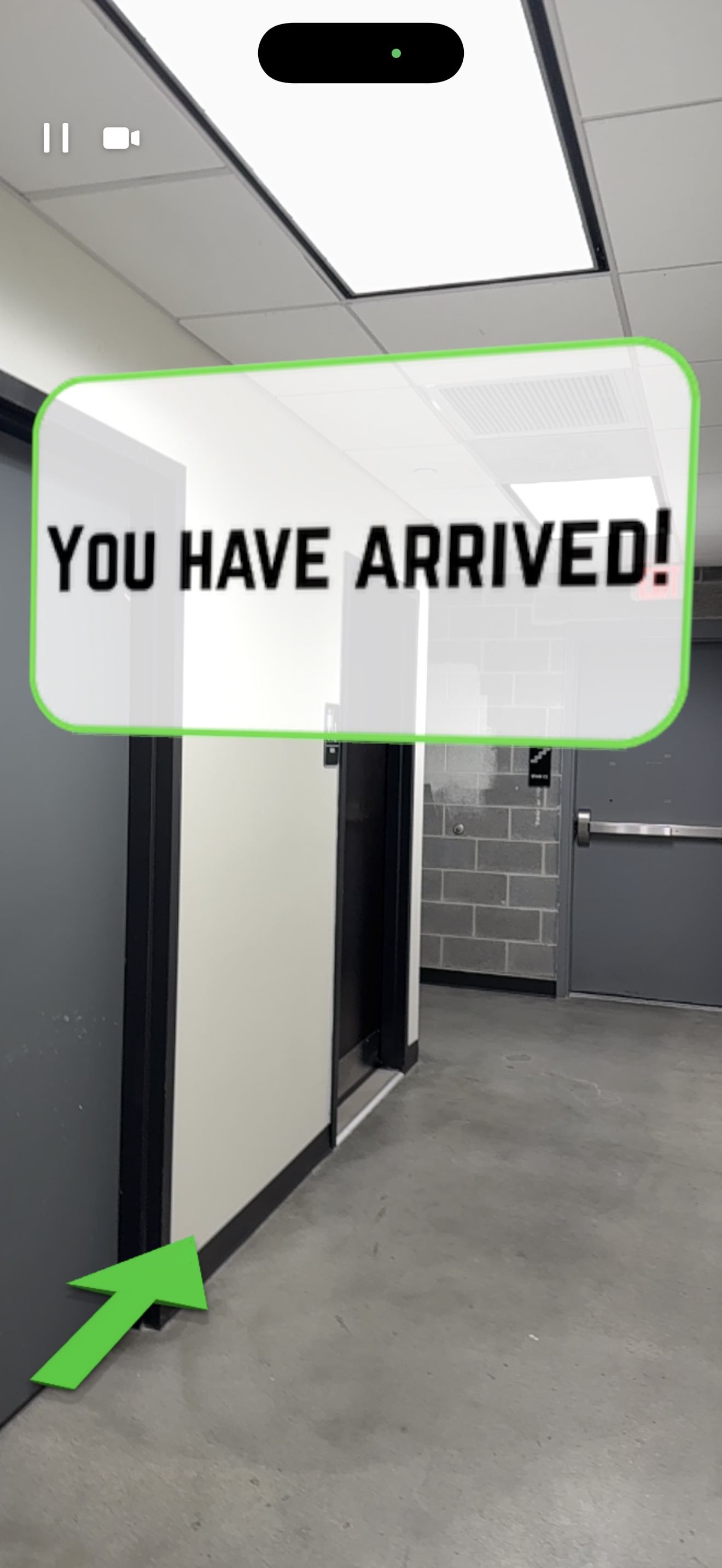
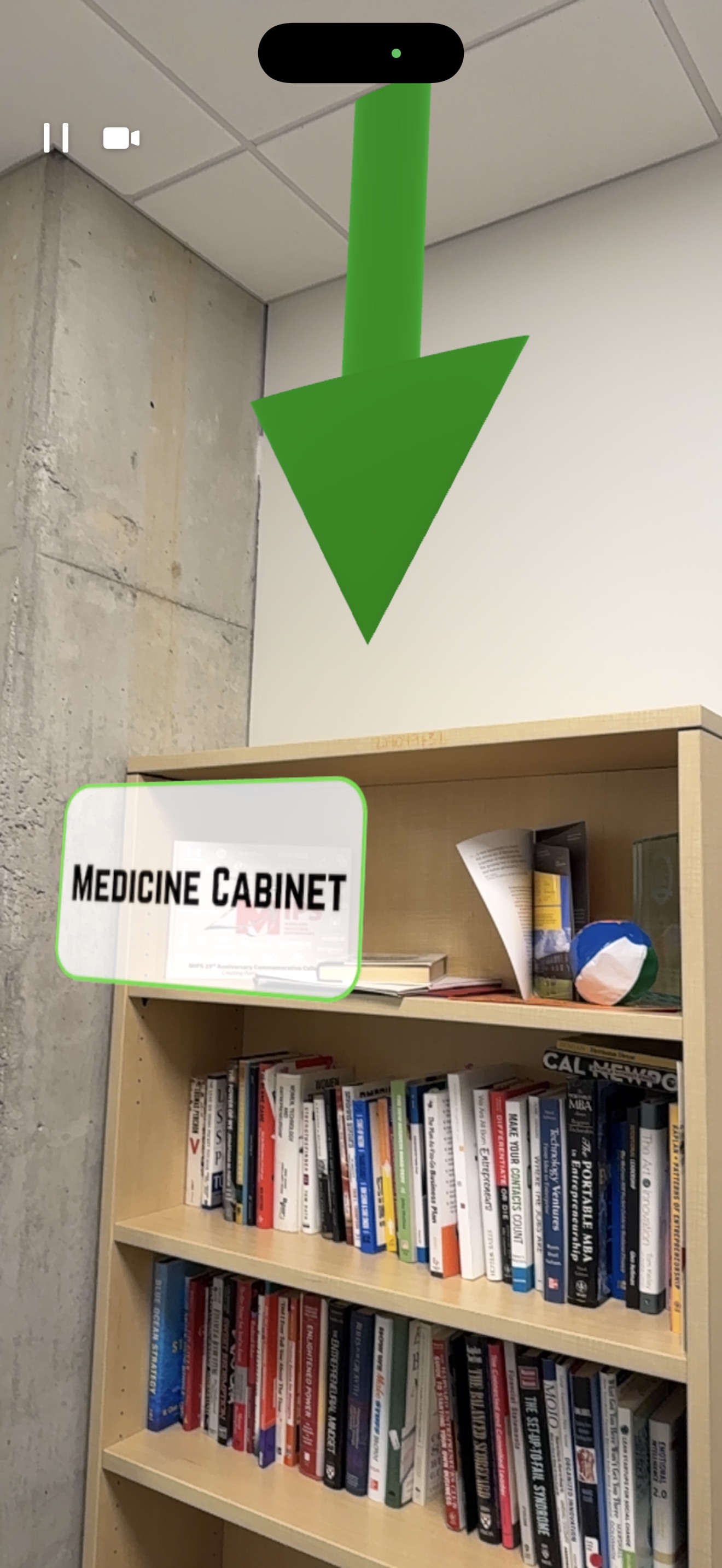
Screengrabs of Kohab Experience
-
-

Inspiration
This project was deeply personal. Many of us have seen grandparents or loved ones struggle with memory issues or dementia. These are people who have lived full, independent lives—and it’s painful to see them feel lost or ashamed to ask for help.
We wanted to create something that gives back dignity and autonomy—something that allows them to feel at home again, even when memory fails.
What it does
Kohab is an AR-based indoor navigation system tailored for elderly users with cognitive impairments.
- Users wear AR glasses to interact with the system
- An AI assistant understands simple intent (e.g., “I need water” or “medicine” or “I need to use the restroom”)
- The system guides them with:
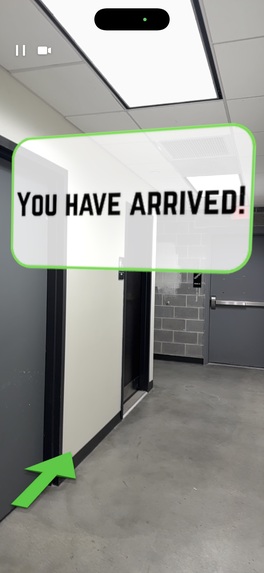
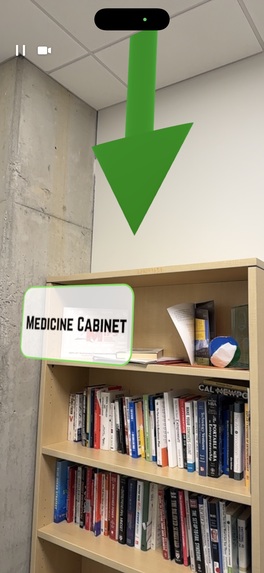
- Visual cues (arrows, overlays, paths)
- Audio instructions (step-by-step guidance)
- Navigation is contextual—focused on function-based goals, not memory recall
Instead of remembering where something is, users only need to know what they need.
How we built it
We followed an iterative design philosophy: Experiment → Fail → Learn → Improve (v1 → v2 → v3)
- Designed a story-driven user experience centered on real elderly behavior
- Built AR navigation flows using spatial anchors and indoor mapping concepts:
- Started by capturing the floorplan of the indoor environment to understand spatial layout
- Used position anchors to manually place markers at key decision points (doorways, turns, destinations)
- These anchors act as reference points to generate directional cues for navigation
Once anchors were placed, we disabled the visible mesh of the floorplan in Scenery, allowing the experience to seamlessly adhere to the real-world space without visual clutter
- Focused on accessibility-first design:
- Prioritized a seamless, low-friction experience tailored for elderly users
- Recognized that one of the most common and familiar objects for this population is a pair of glasses
- This informed our direction to move toward AR glasses integration in future prototypes, making interaction natural and intuitive
- Integrated:
- AR-based directional guidance
- Voice/AI assistance layer
- Scenario-based navigation (e.g., kitchen, medicine, bathroom)
We emphasized simplicity, clarity, and emotional comfort in every interaction.
Challenges we ran into
- User familiarity gap: Elderly users may not be tech-savvy, so interaction design had to be extremely intuitive
- Indoor navigation complexity: Mapping and guiding indoors is harder than GPS-based outdoor navigation
- Cognitive load: Instructions had to be simple, non-overwhelming, and repeatable
- Designing for emotion: Avoiding feelings of failure or embarrassment was just as important as functionality
Accomplishments that we're proud of
- Built a human-centered solution for a deeply sensitive problem
- Created a functional AR navigation concept tailored for indoor use
- Designed an experience that prioritizes dignity, not just usability
- Developed a system that shifts from memory-based navigation → intent-based navigation
What we learned
- Designing for elderly users requires rethinking assumptions about technology
- Simplicity is not easy—it takes multiple iterations to get right
- Emotional design matters as much as technical design
- Accessibility is not a feature—it’s a foundation
What's next for Kohab
- Real-world testing with elderly users and caregivers
- Improved indoor localization and mapping accuracy
- Personalization (habit learning, routine prediction)
- Integration with smart home systems
- Expanding beyond homes → assisted living and care facilities
Built With
- elevenlabs
- polycam
- scenery


Log in or sign up for Devpost to join the conversation.