-
-
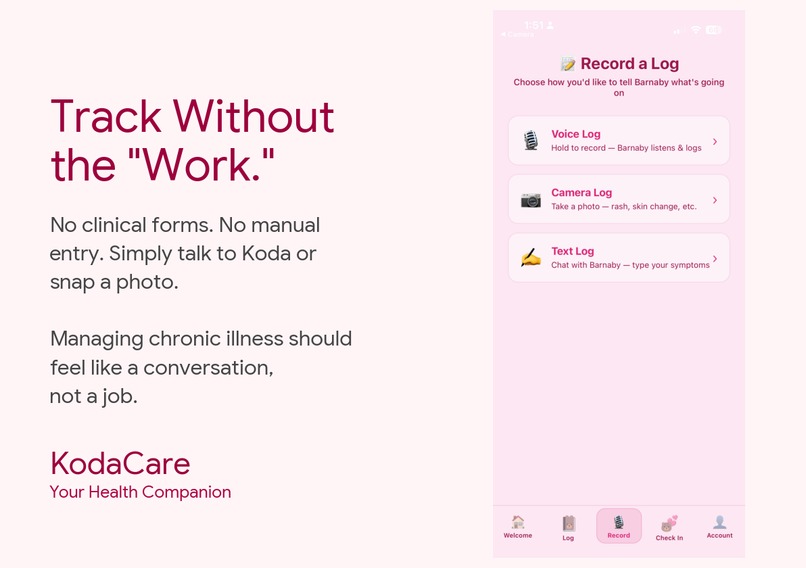
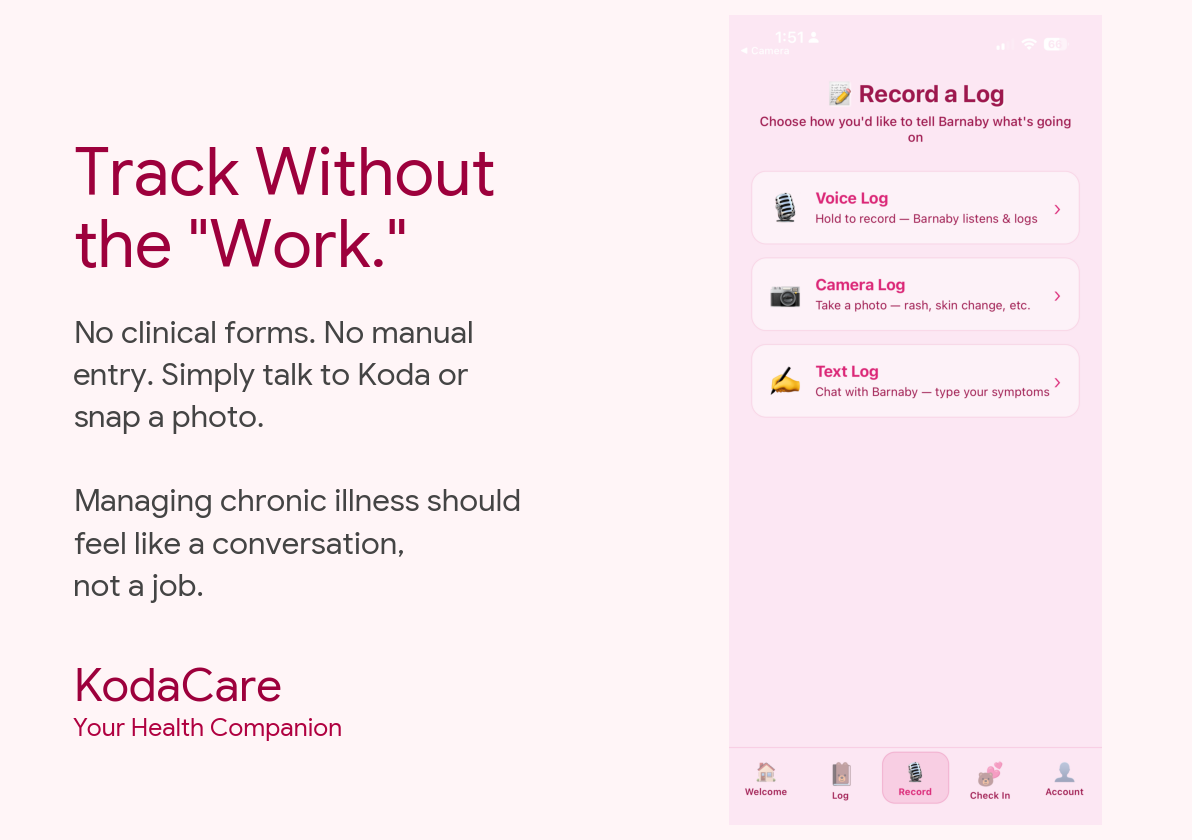
flyer
-
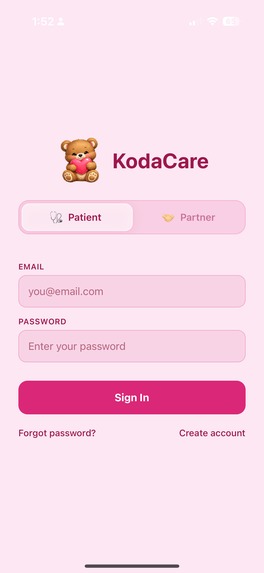
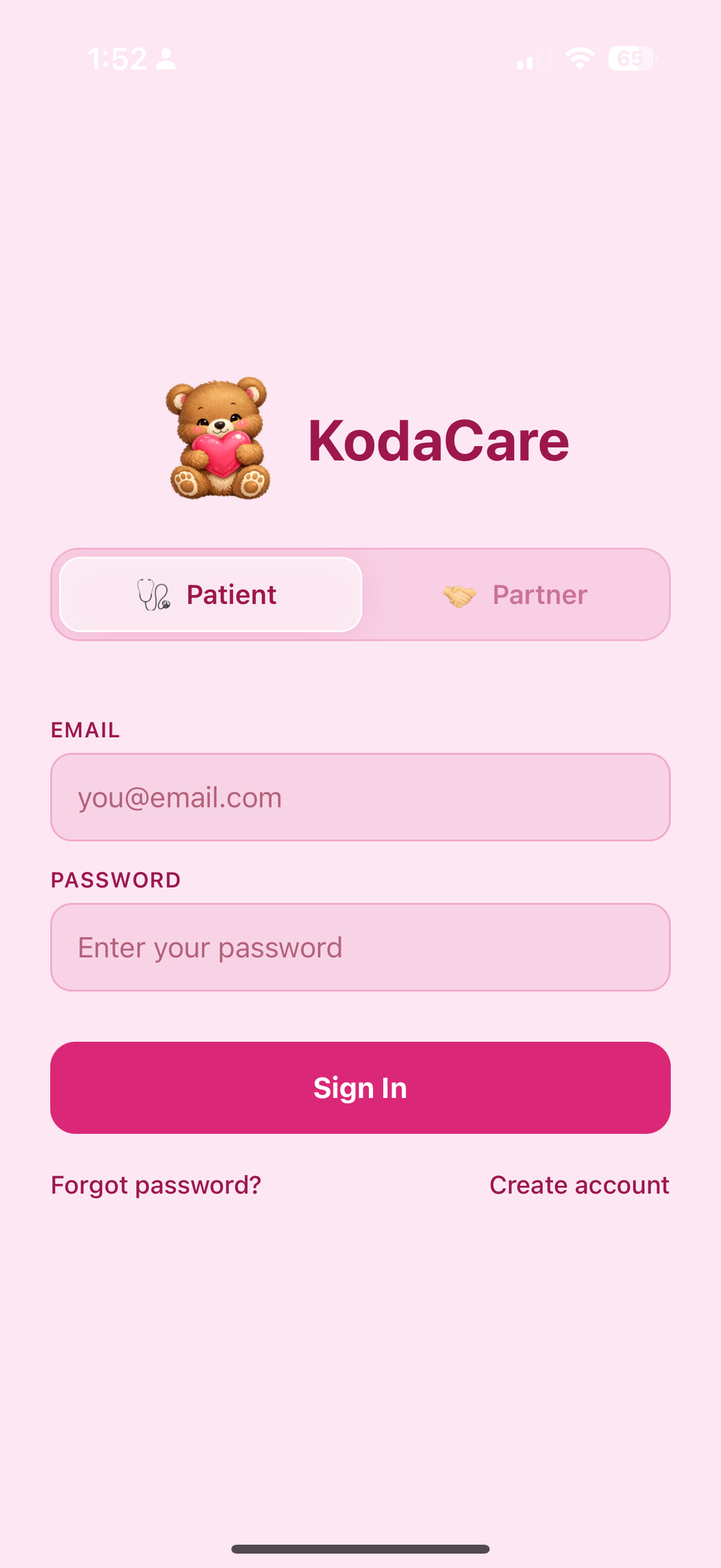
log in page
-
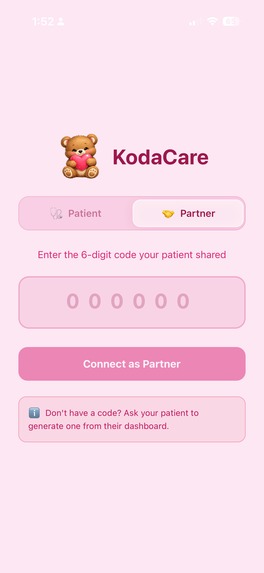
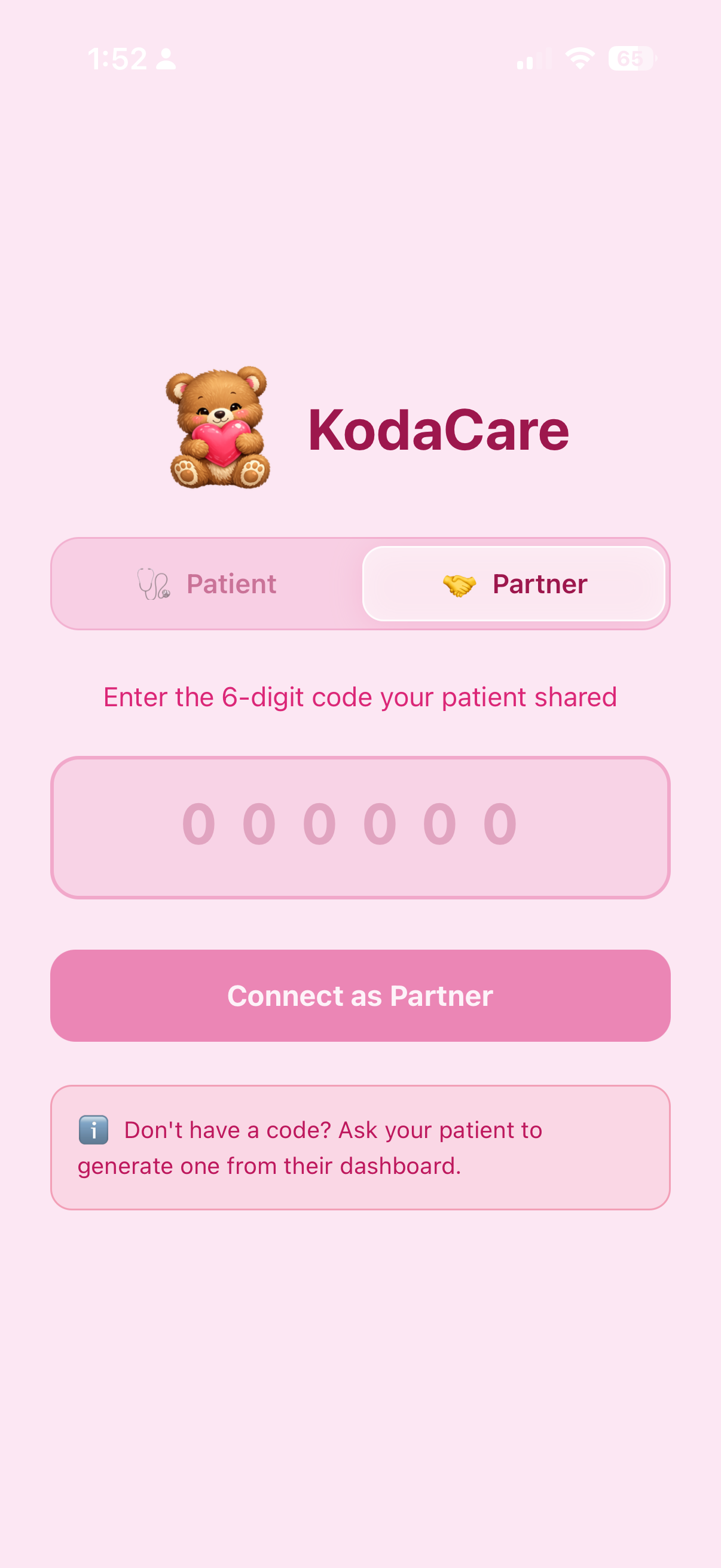
partner log in page
-
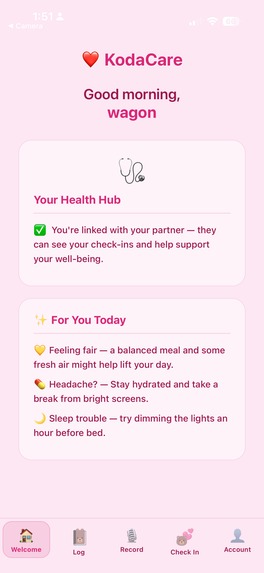
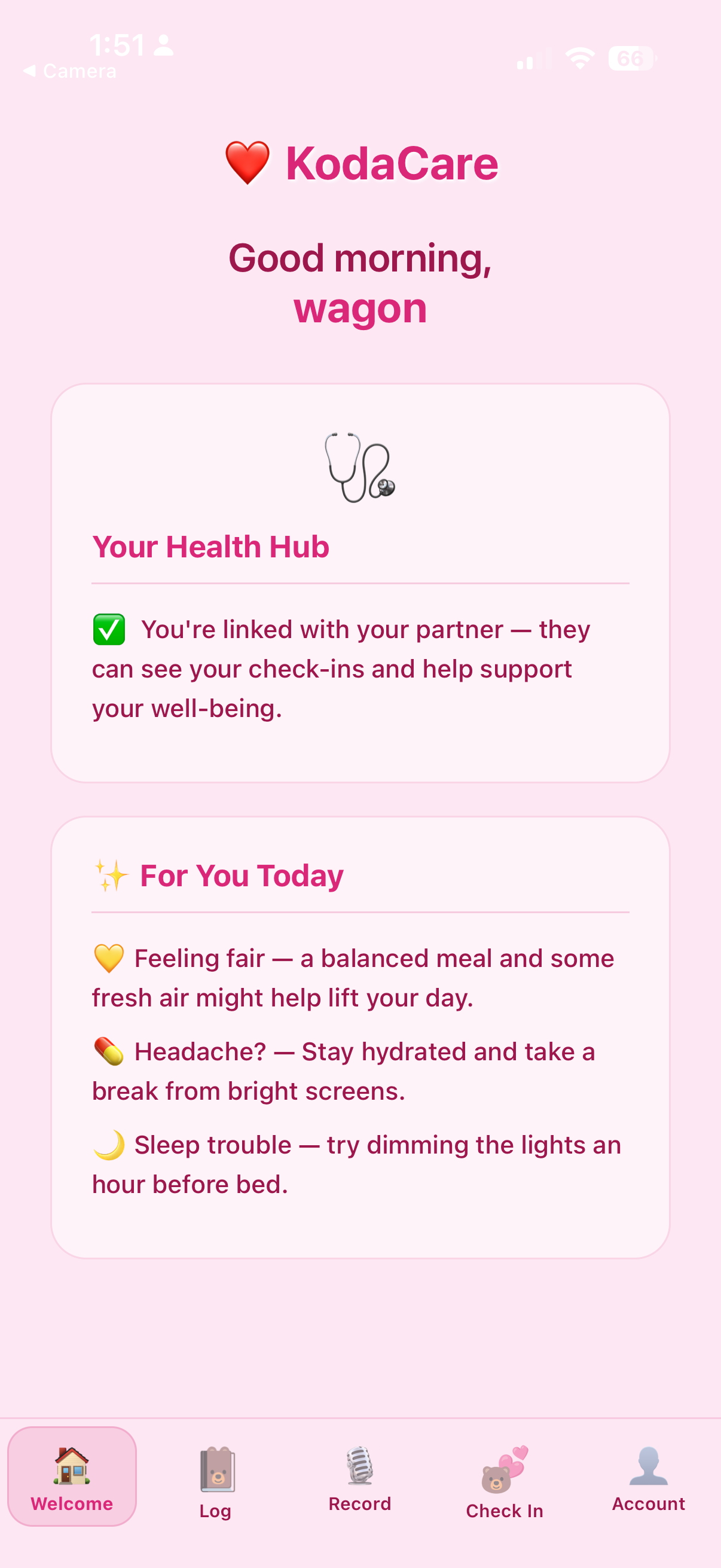
main dashboard
-
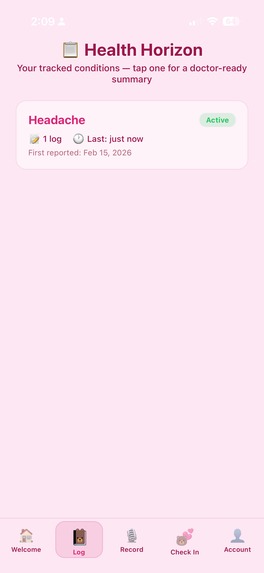
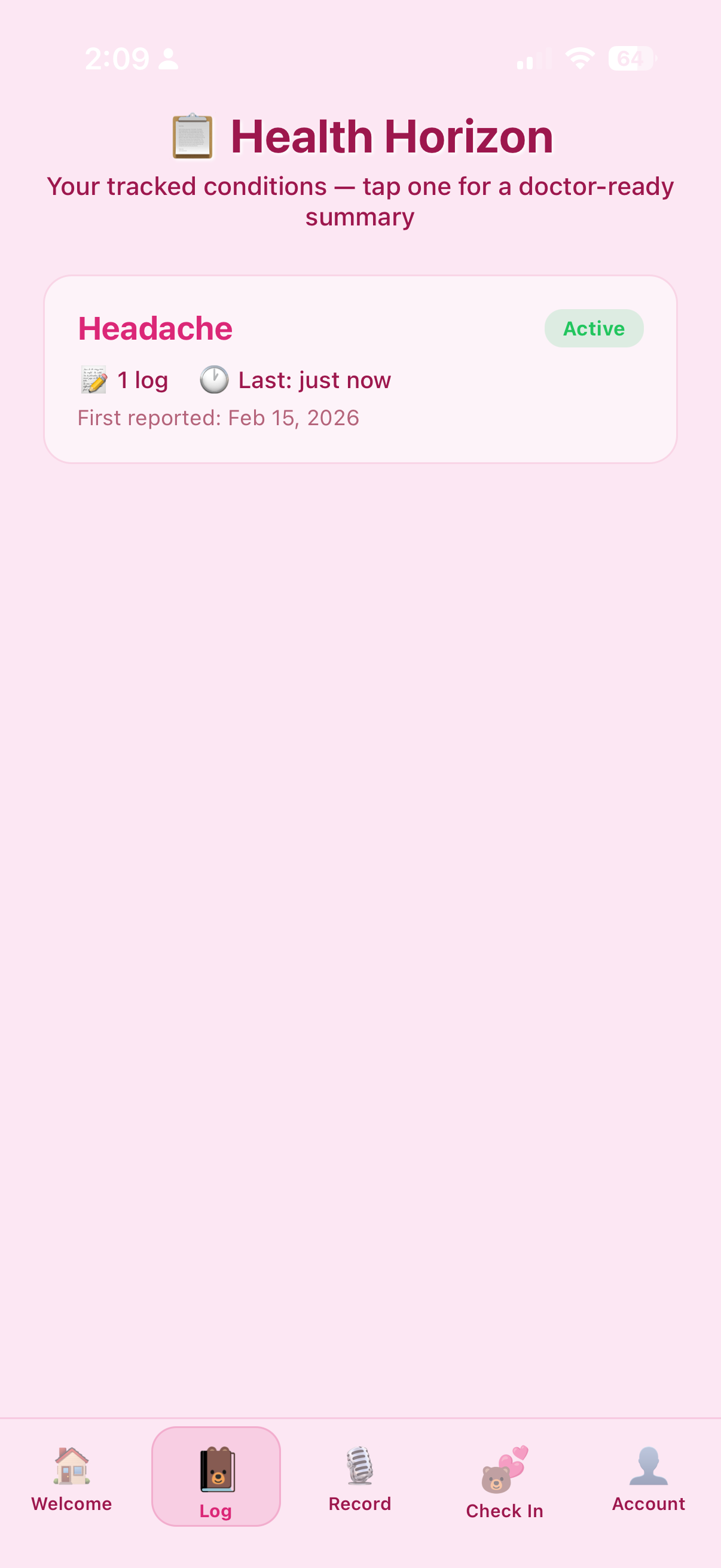
logs section
-
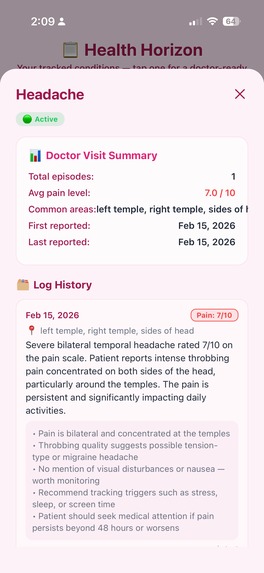
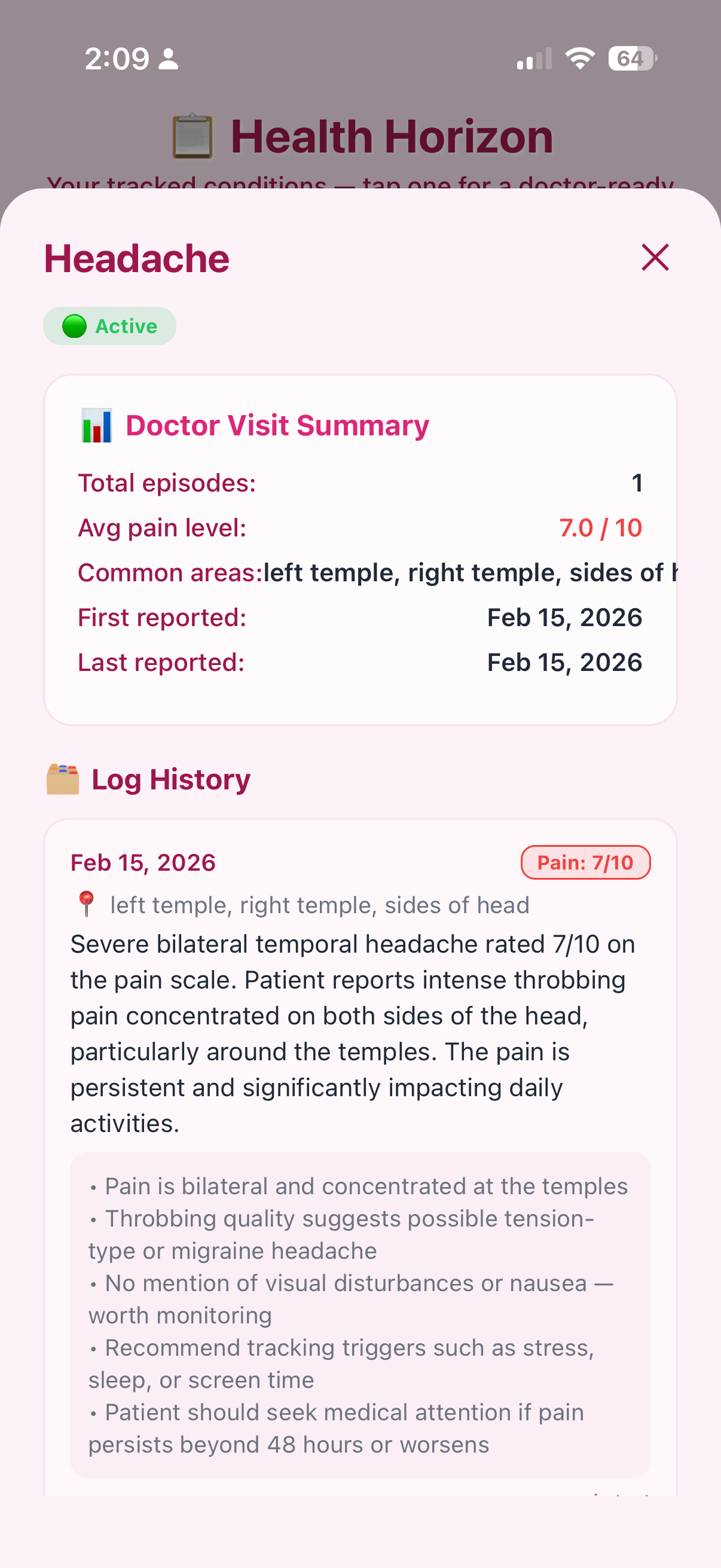
detailed logs example
-
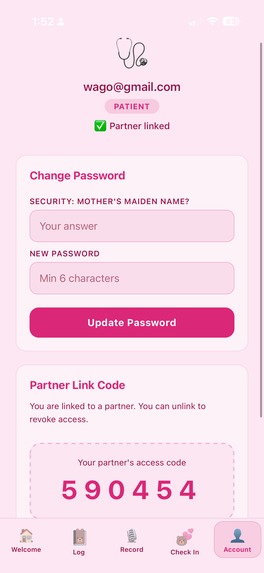
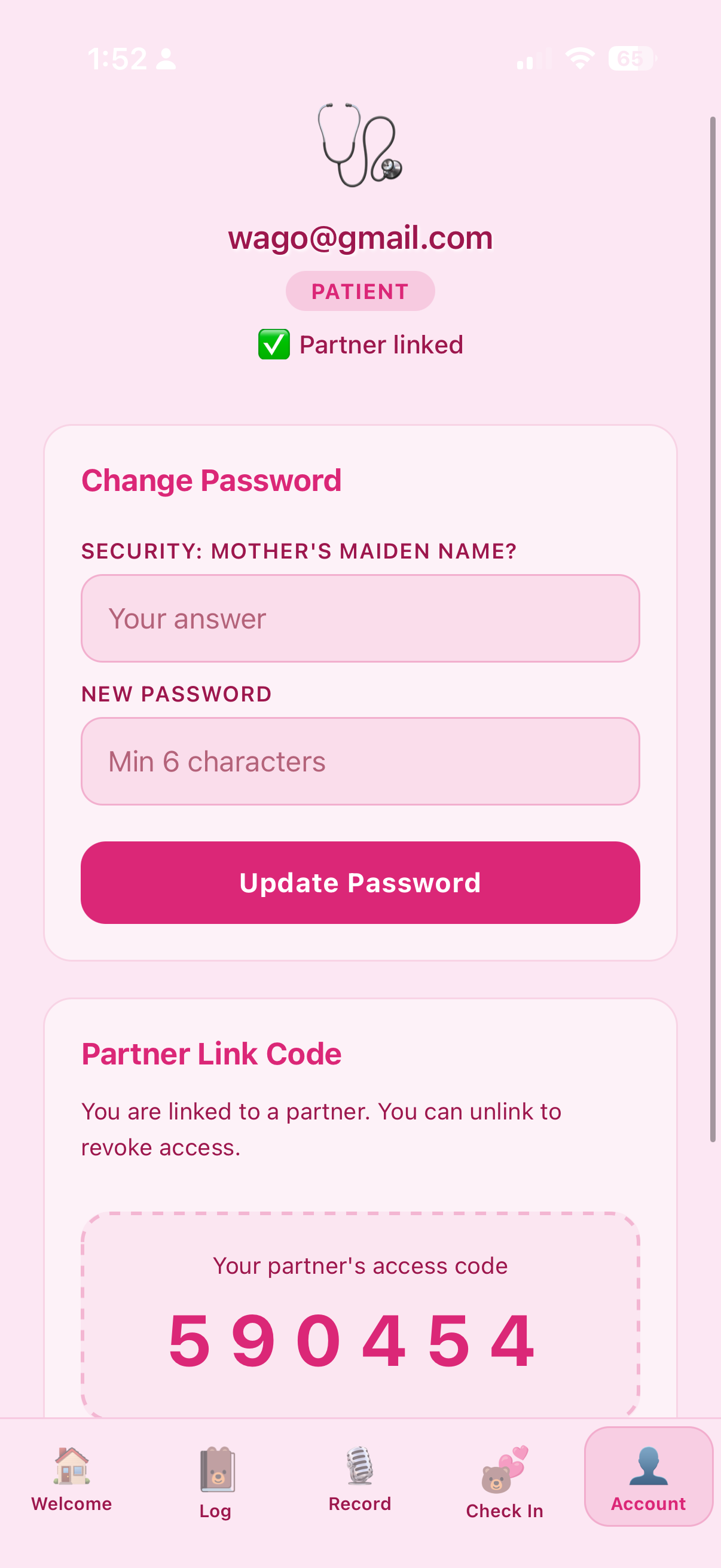
password reset
-
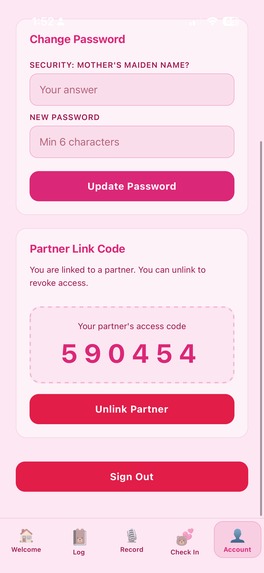
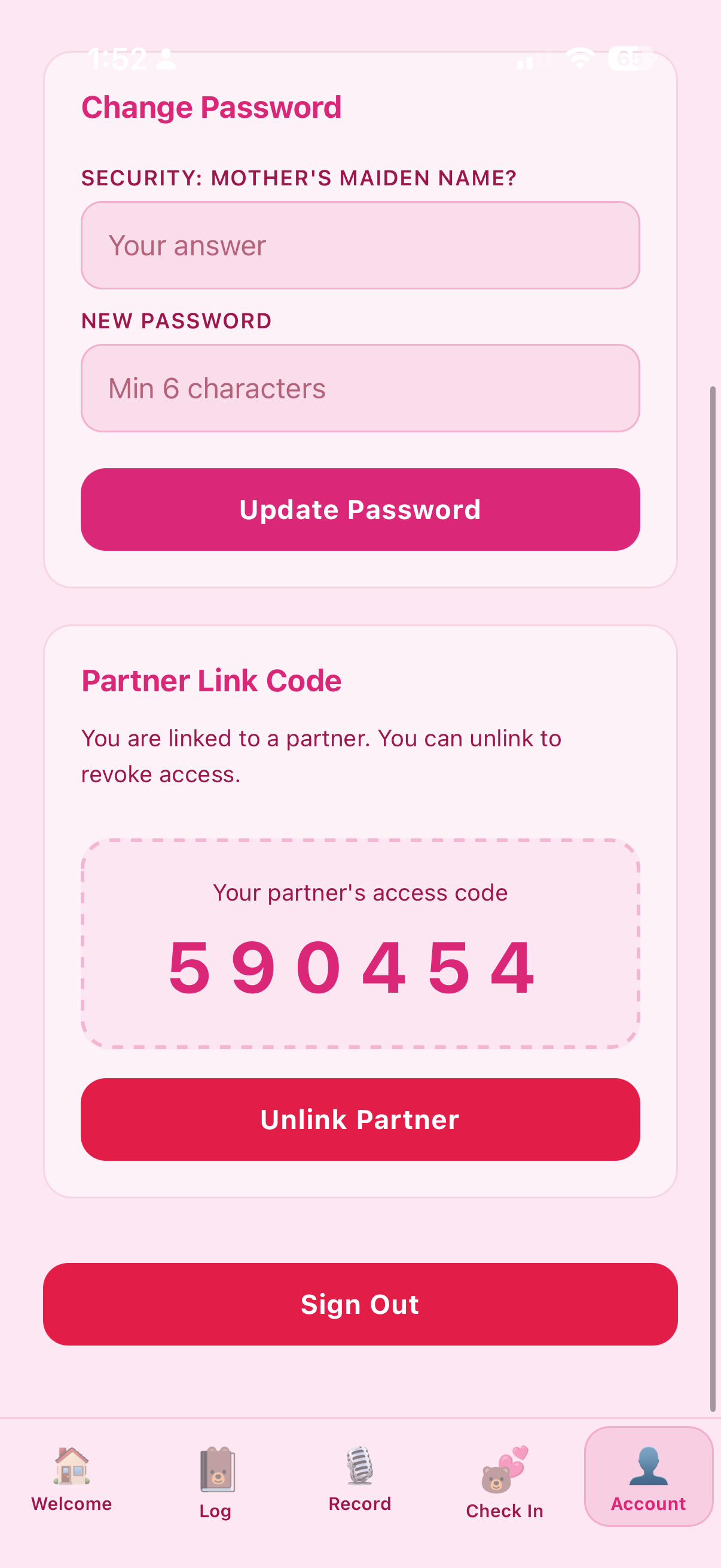
partner code generation
-
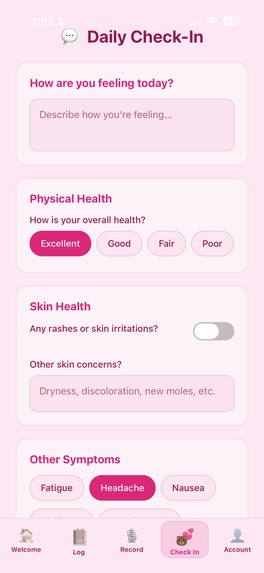
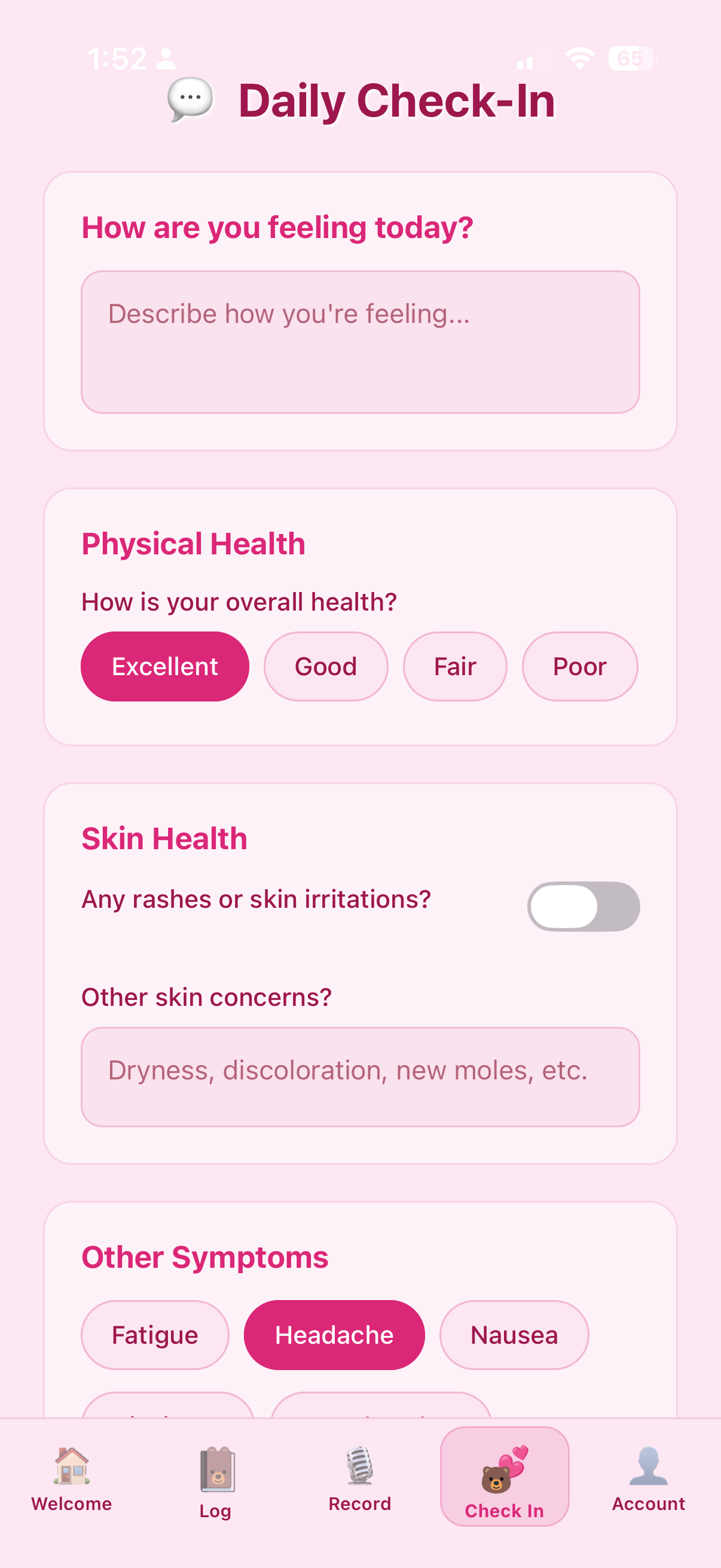
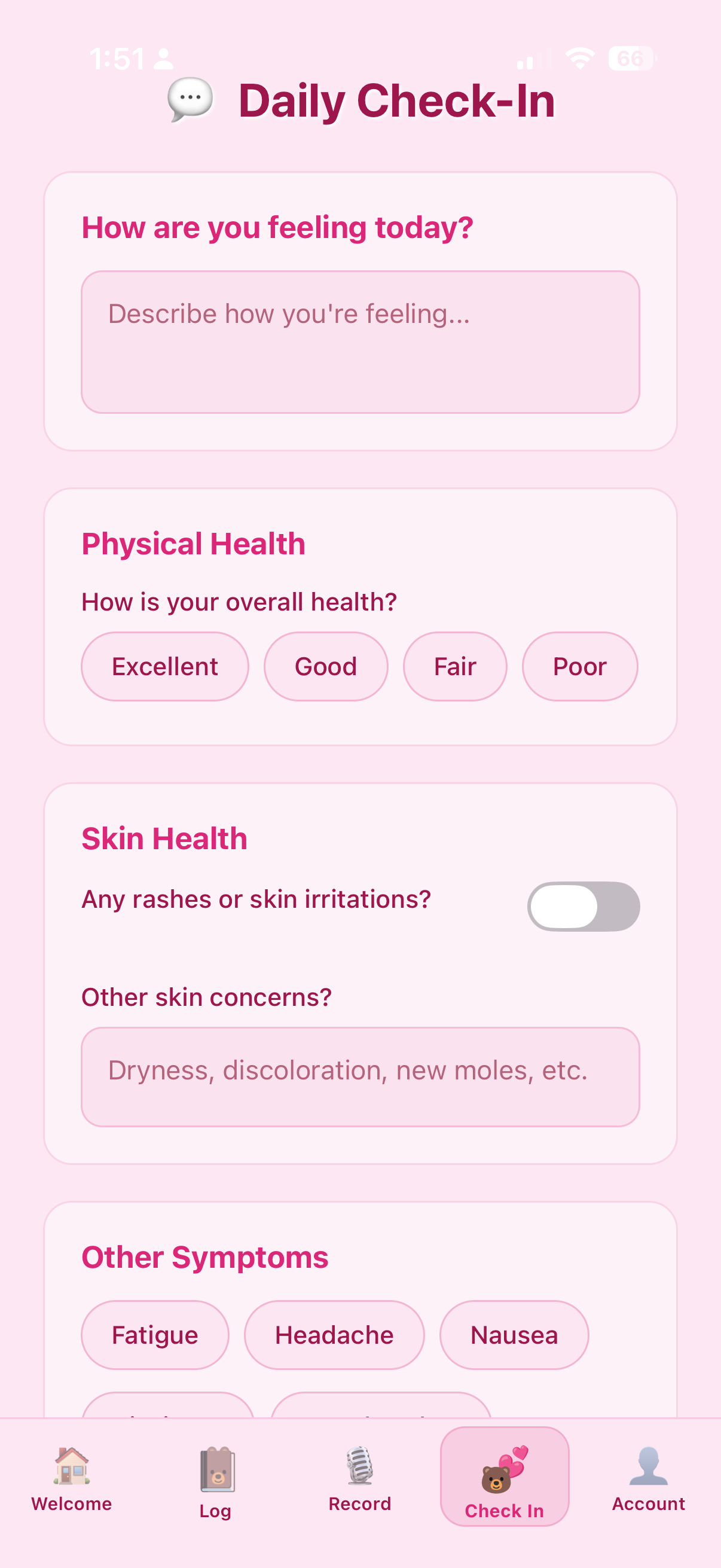
check in
-
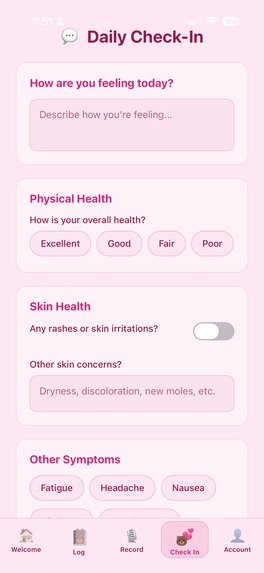
check in cont.
-
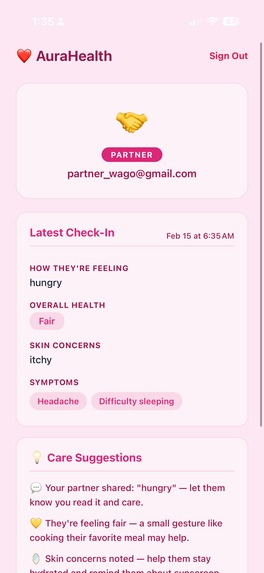
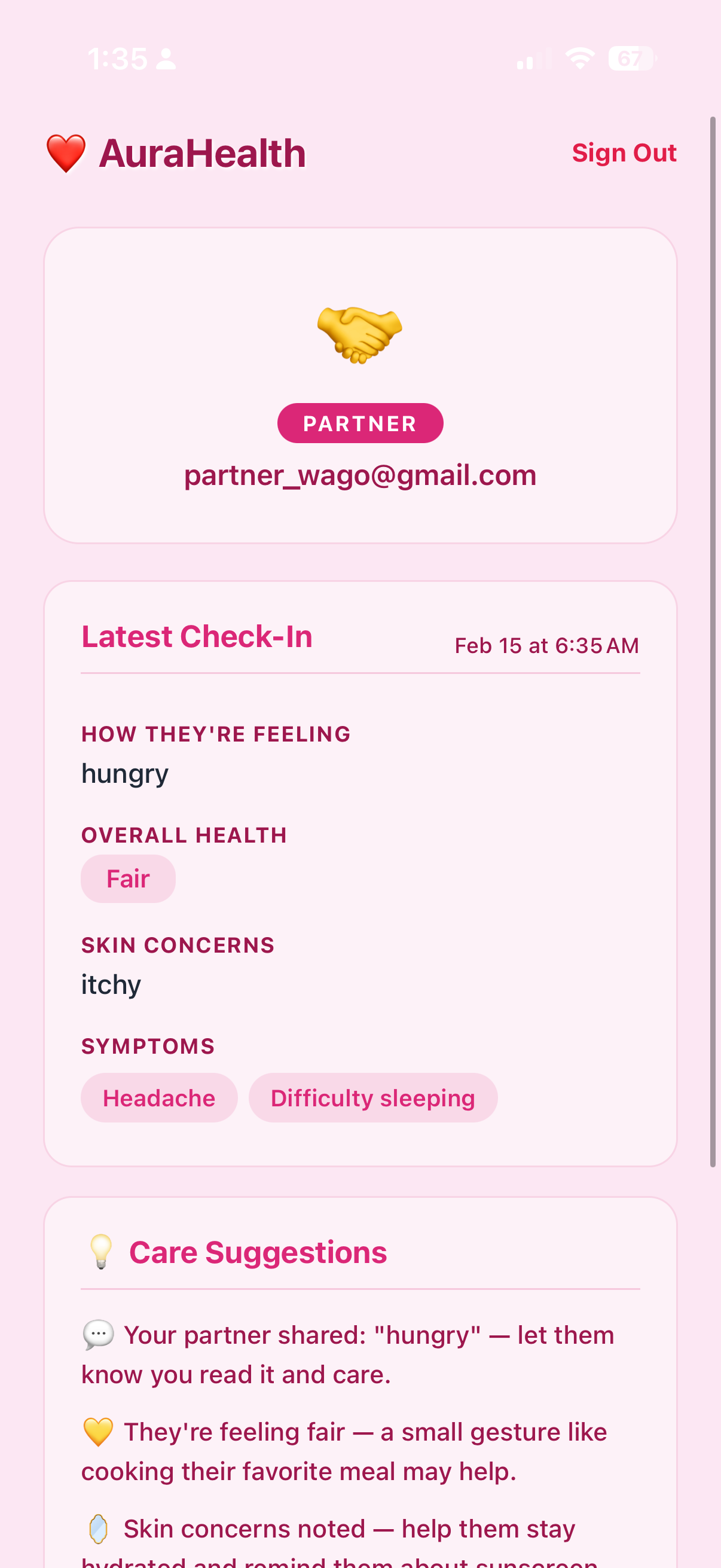
partner section
-
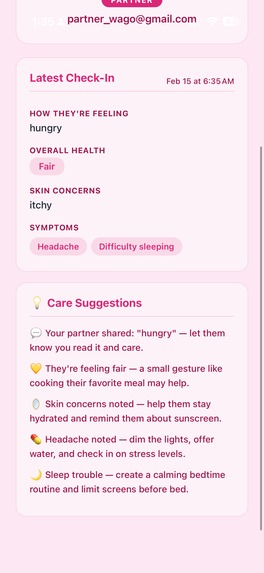
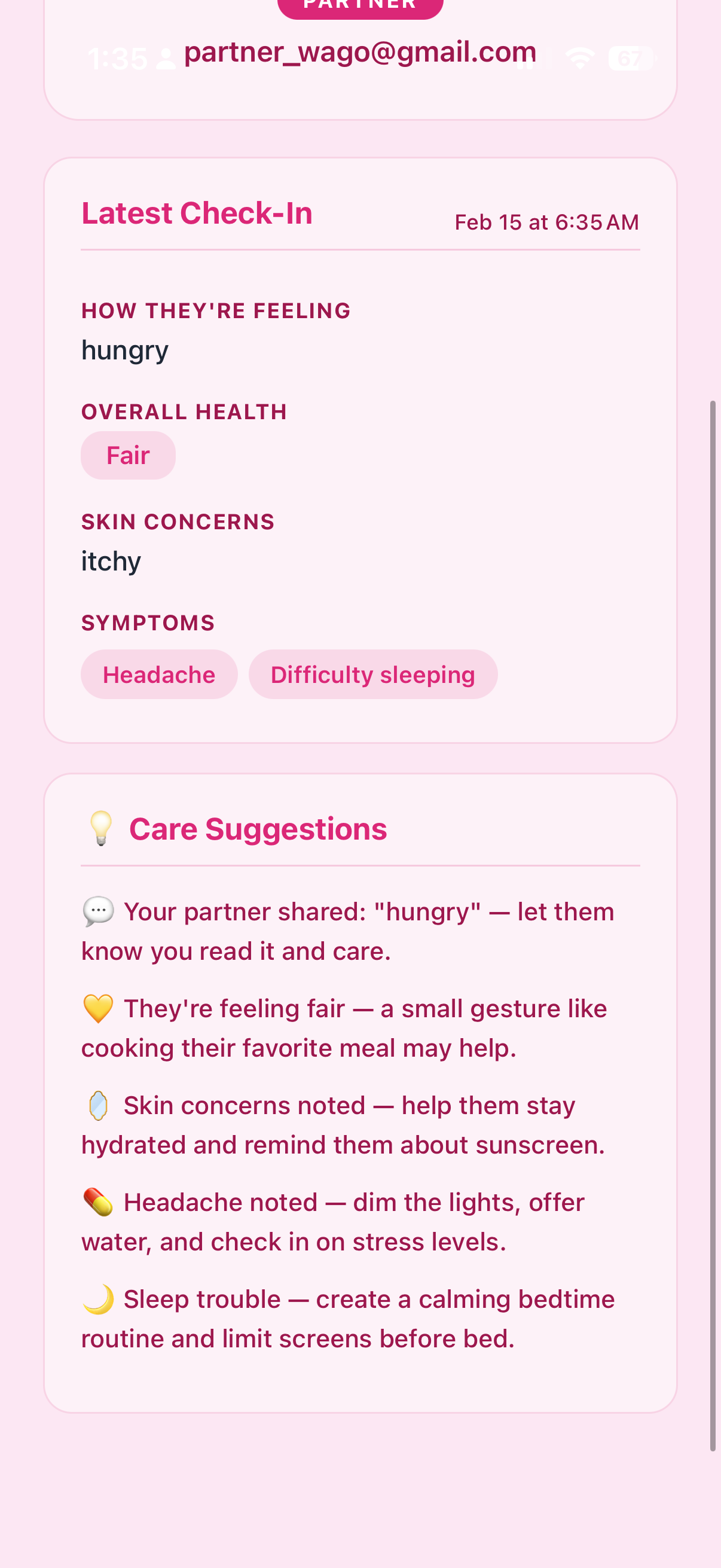
partner section cont
-
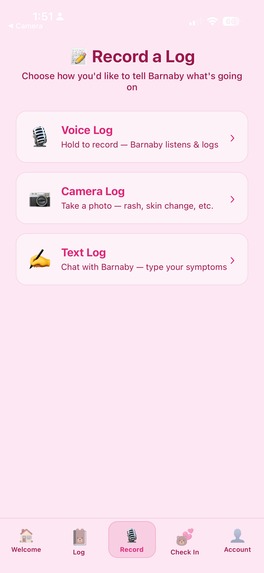
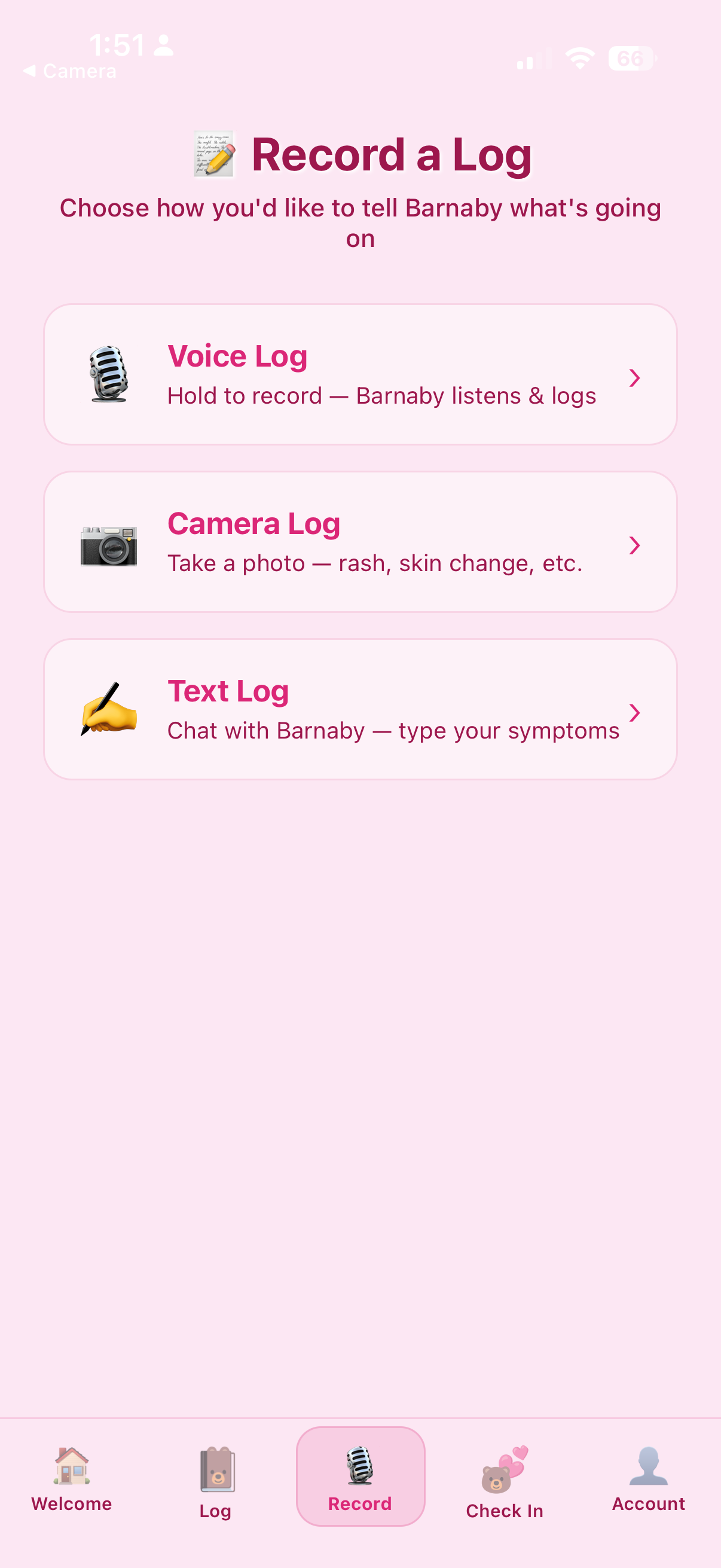
record feature
-
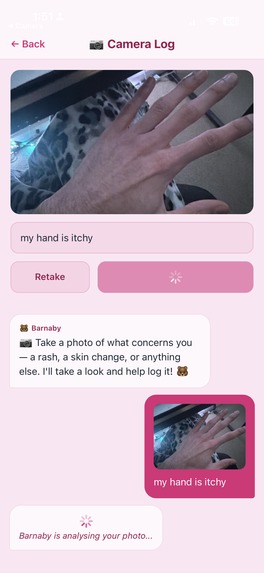
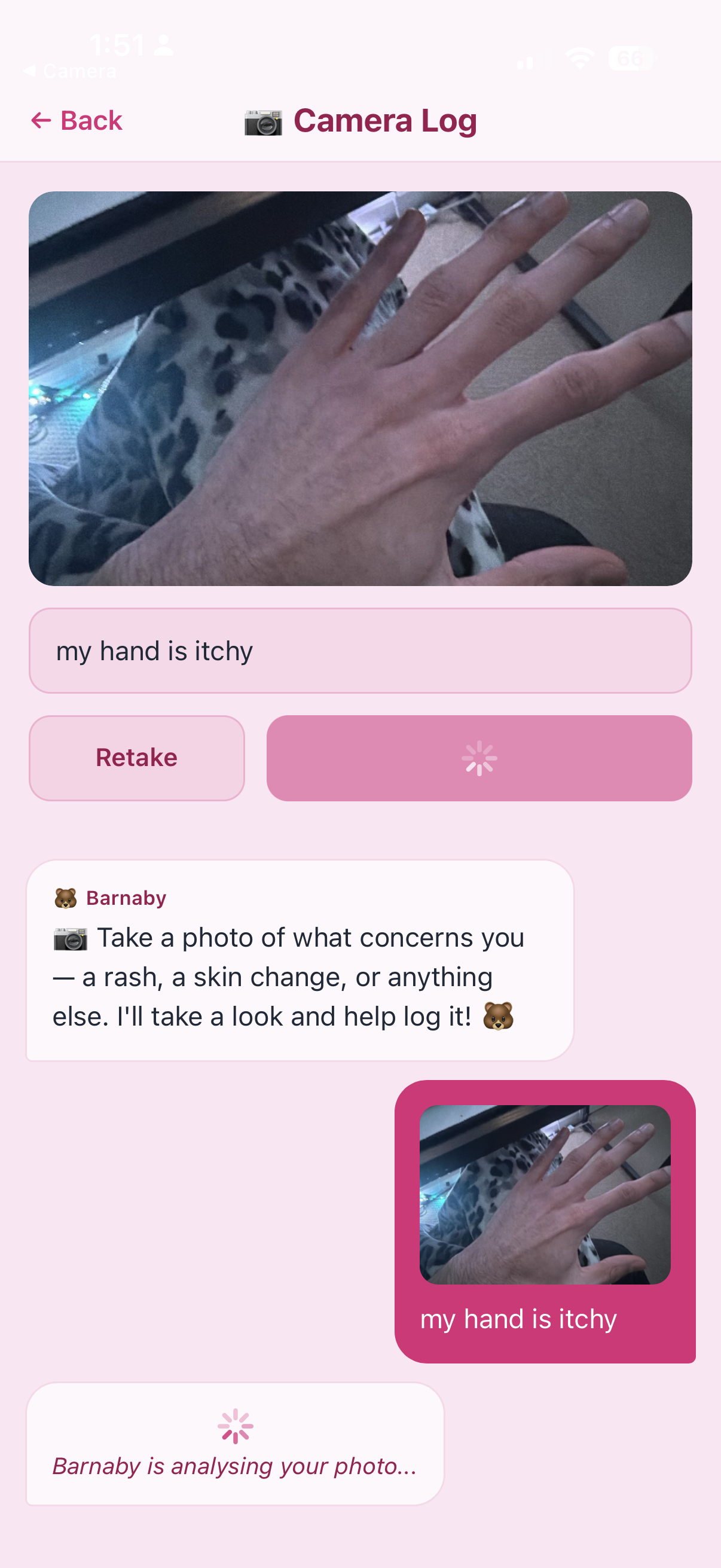
image log feature
-
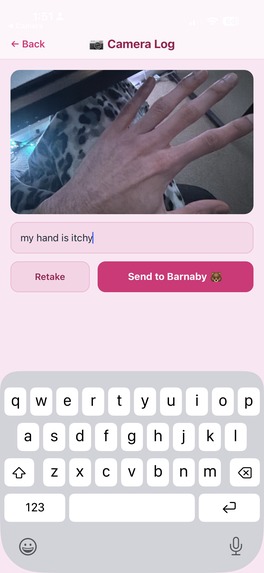
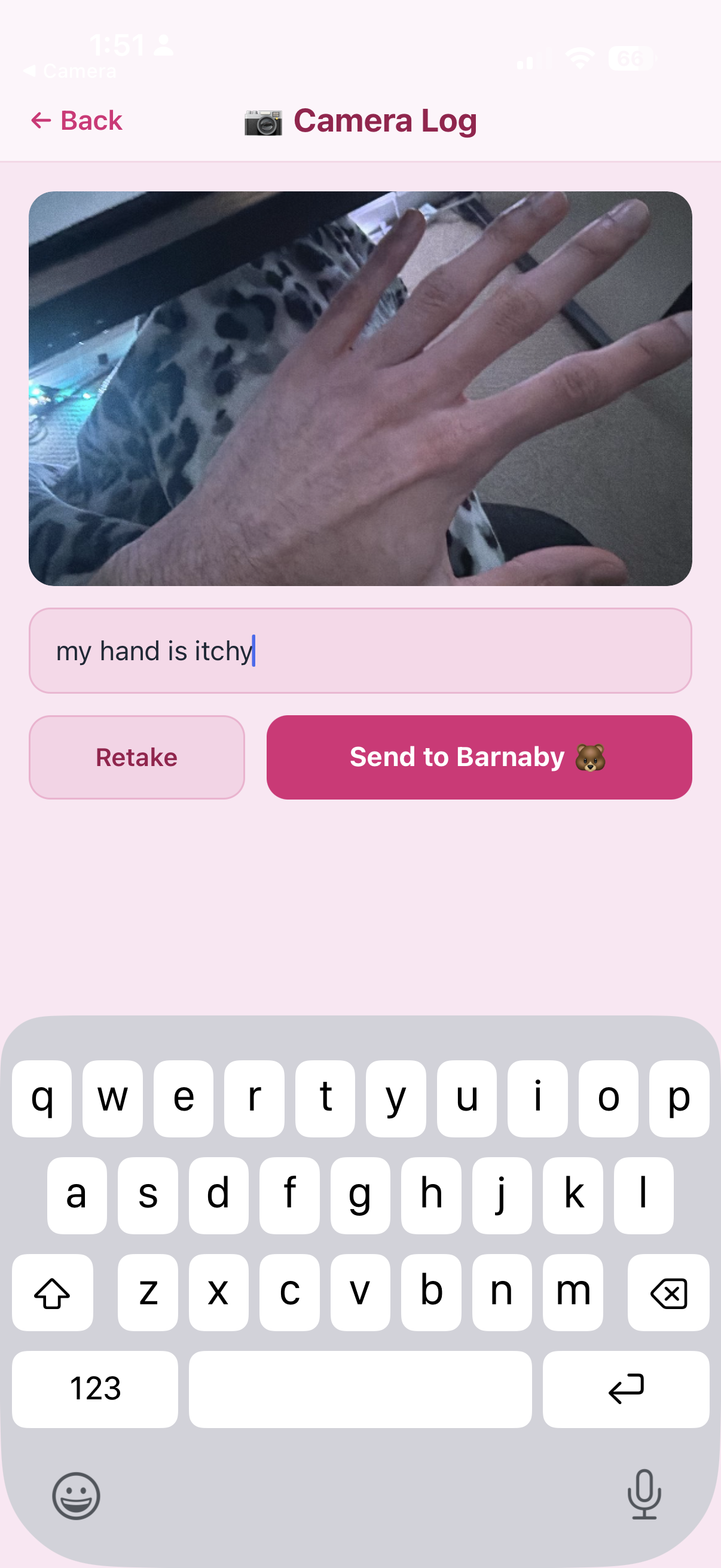
image log feature cont
-
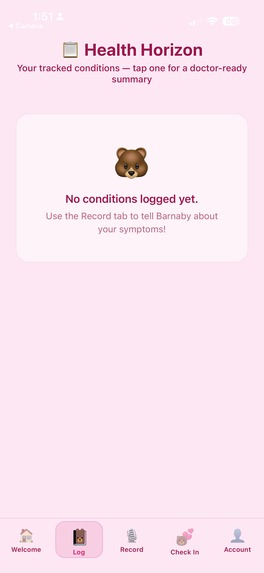
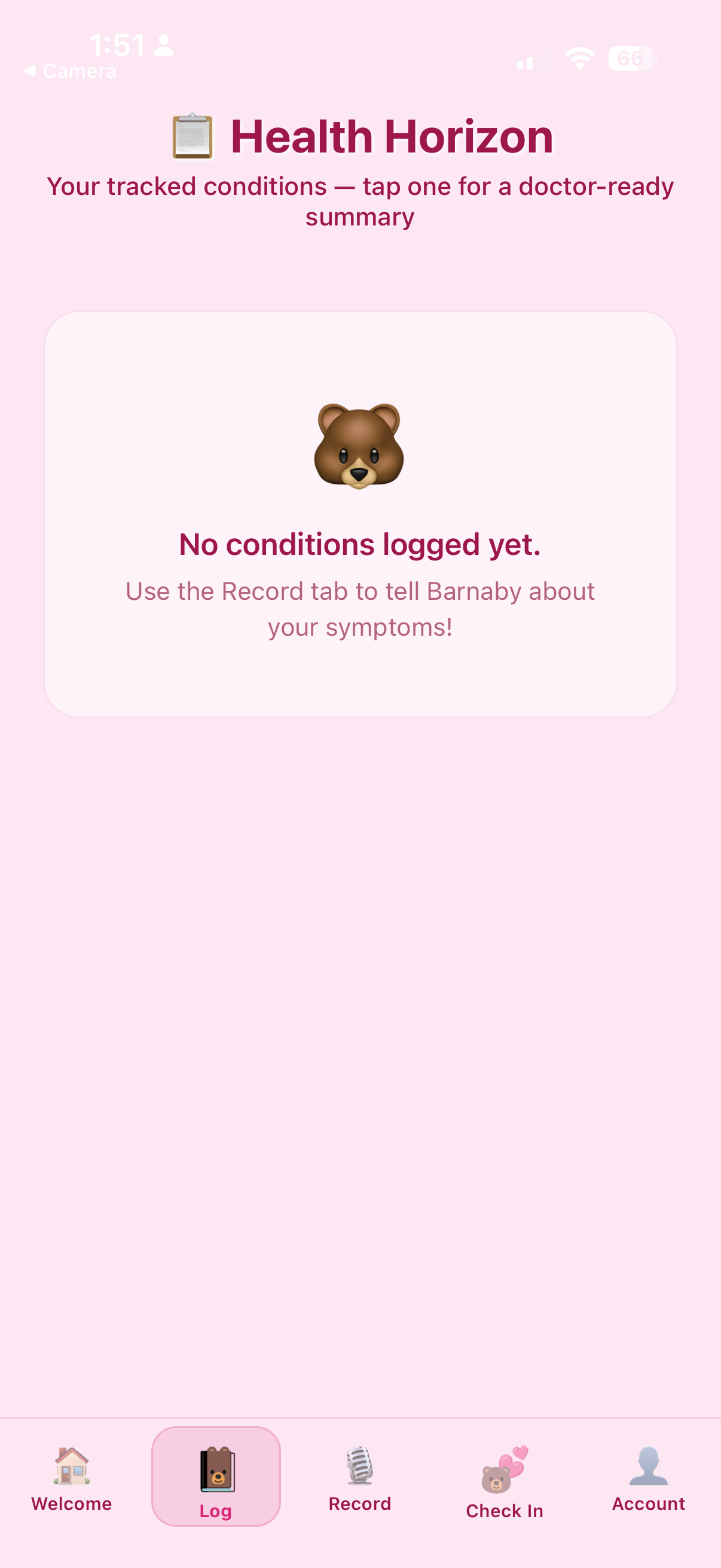
empty logs section
Inspiration
Managing a chronic illness as a teenager or adult is a lonely, high-friction experience. We noticed that patients often feel like "professional patients", constantly tracking, measuring, and reporting. The real problem arises in the 30-day gap between doctor visits: the nuances of a flare-up or a shift in mood are forgotten by the time the appointment rolls around. We wanted to build a tool that takes the "work" out of being a patient, replacing clinical forms with a supportive companion that captures the truth of daily life in real-time.
What it does
KodaCare is a multimodal health companion centered around Koda the Bear, an AI mascot designed to reduce medical anxiety.
For the User: Instead of manual data entry, teenagers and adults simply talk to Koda or snap a photo of a symptom (like a skin flare-up or a specific injury). Koda uses Gemini 2.0 to parse these logs into a structured "Health Horizon" dashboard, tracking pain, location, and severity.
For the Partner: A secure Partner Portal allows a parent, spouse, or close friend to see wellness trends. Koda translates complex internal moods into actionable "support tips," helping partners know exactly how to help without the patient having to explain it every time.
How we built it
We utilized the FReMP stack (Flask, React/Angular, MongoDB, Python) for a robust, object-oriented foundation.
Intelligence: Gemini 2.0 Flash serves as the "brain," performing native multimodal analysis of audio and images to extract structured JSON data.
Architecture: The backend is built with Flask, using a Singleton Database Manager to handle MongoDB transactions.
Frontend: An Angular PWA provides a mobile-first experience, allowing users to access the camera and microphone seamlessly, mimicking a native app.
Connectivity: We developed a secure 6-digit Partner Link system to bridge the communication gap between patients and their support network.
Challenges we ran into
The primary challenge was perfecting the Mascot Persona. For teenagers and adults, the bear needs to be supportive but not "childish." We spent significant time engineering the system prompts to ensure Koda provides sophisticated, clear, and non-judgmental feedback. Additionally, managing the asynchronous nature of health data where a voice note might be followed by a photo ten minutes later required building a smart "Context Linker" in our logic to ensure both logs were attached to the same condition.
Accomplishments that we're proud of
We are proud of creating a tool that solves "White Coat Syndrome." Our automated Clinical Export feature summarizes weeks of messy life into a concise, professional report for doctors. We’re also particularly proud of the Partner Portal logic; it successfully turns "How are you feeling?" (a question that can be exhausting to answer) into a proactive, data-driven support system that eases the burden on both the patient and the caregiver.
What we learned
We learned that data is only useful if it’s effortless. By using multimodal AI, we removed the "barrier to entry" for health tracking. We also discovered that for teenagers especially, having an AI intermediary like Koda makes it easier to communicate difficult mental health or physical symptoms to parents or partners, acting as a "buffer" that facilitates better care.
What's next for KodaCare
Next, we plan to implement Predictive Wellness. By analyzing historical data in MongoDB, Koda will eventually be able to spot "pre-flare" patterns and suggest preventative measures before a condition worsens. We also aim to integrate FHIR-compliant API exports, allowing KodaCare logs to be uploaded directly to hospital portals, making the patient’s data a permanent, useful part of their official medical history.

Log in or sign up for Devpost to join the conversation.