-
-
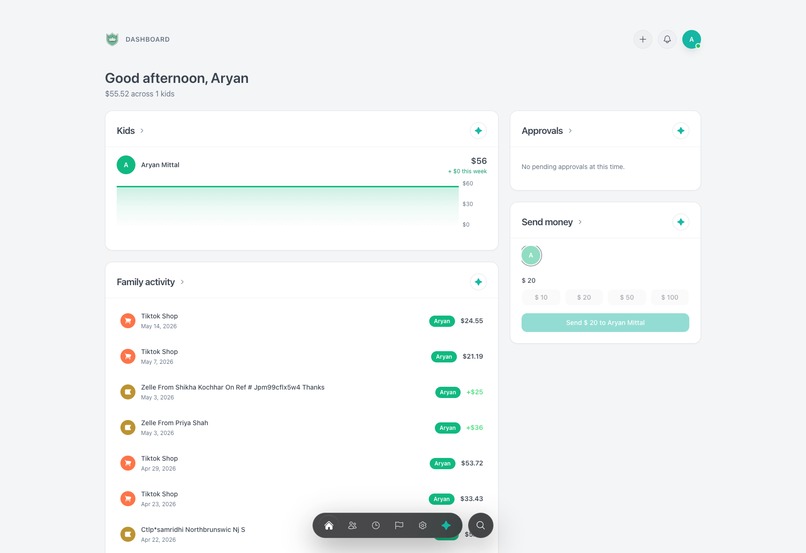
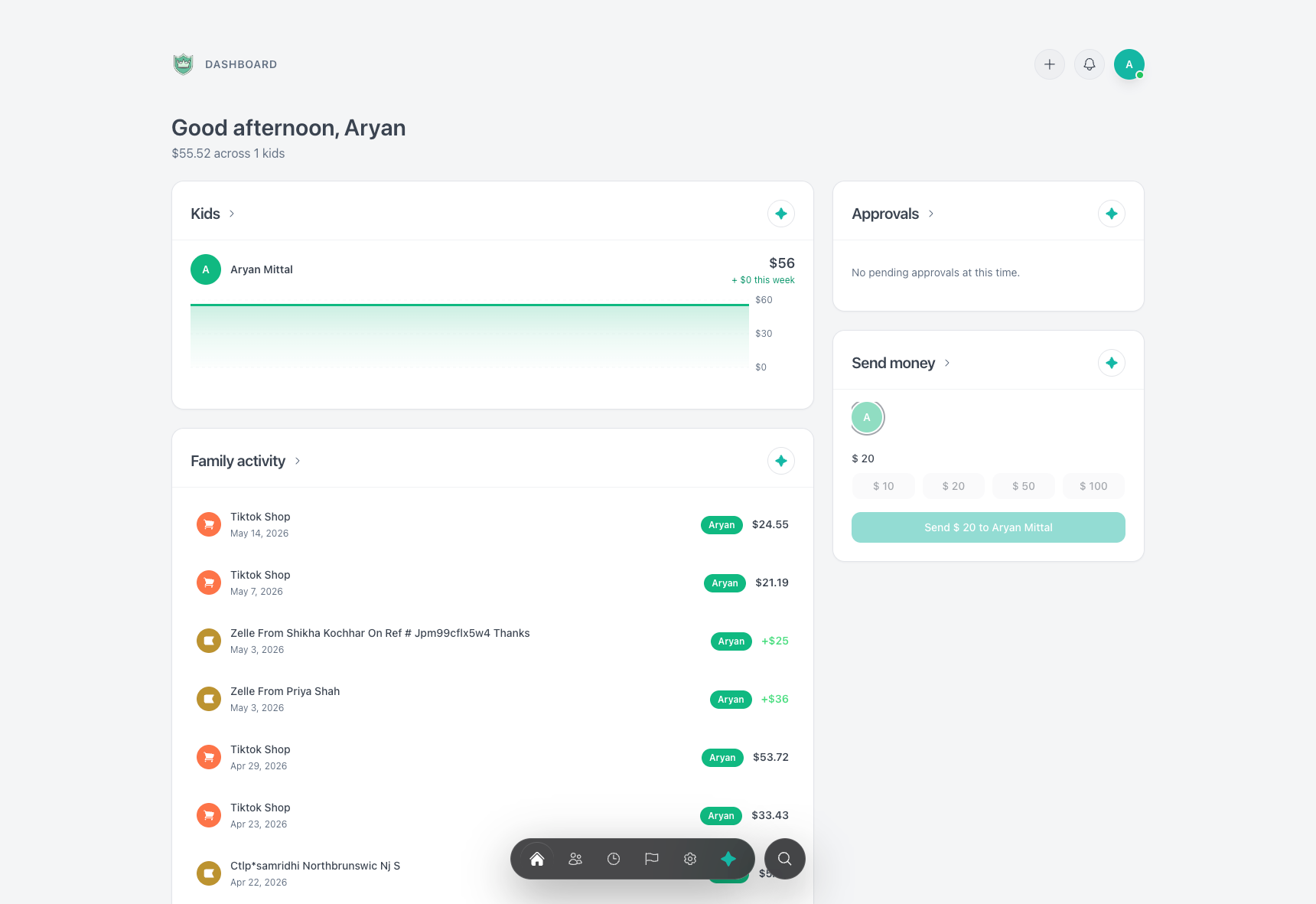
Parent Desktop Dashboard
-
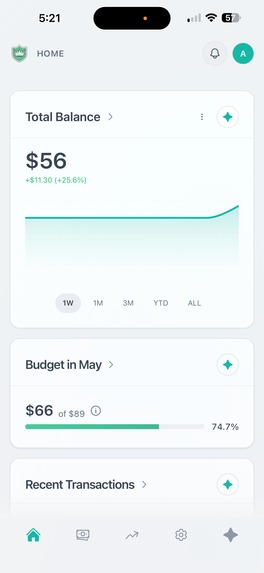
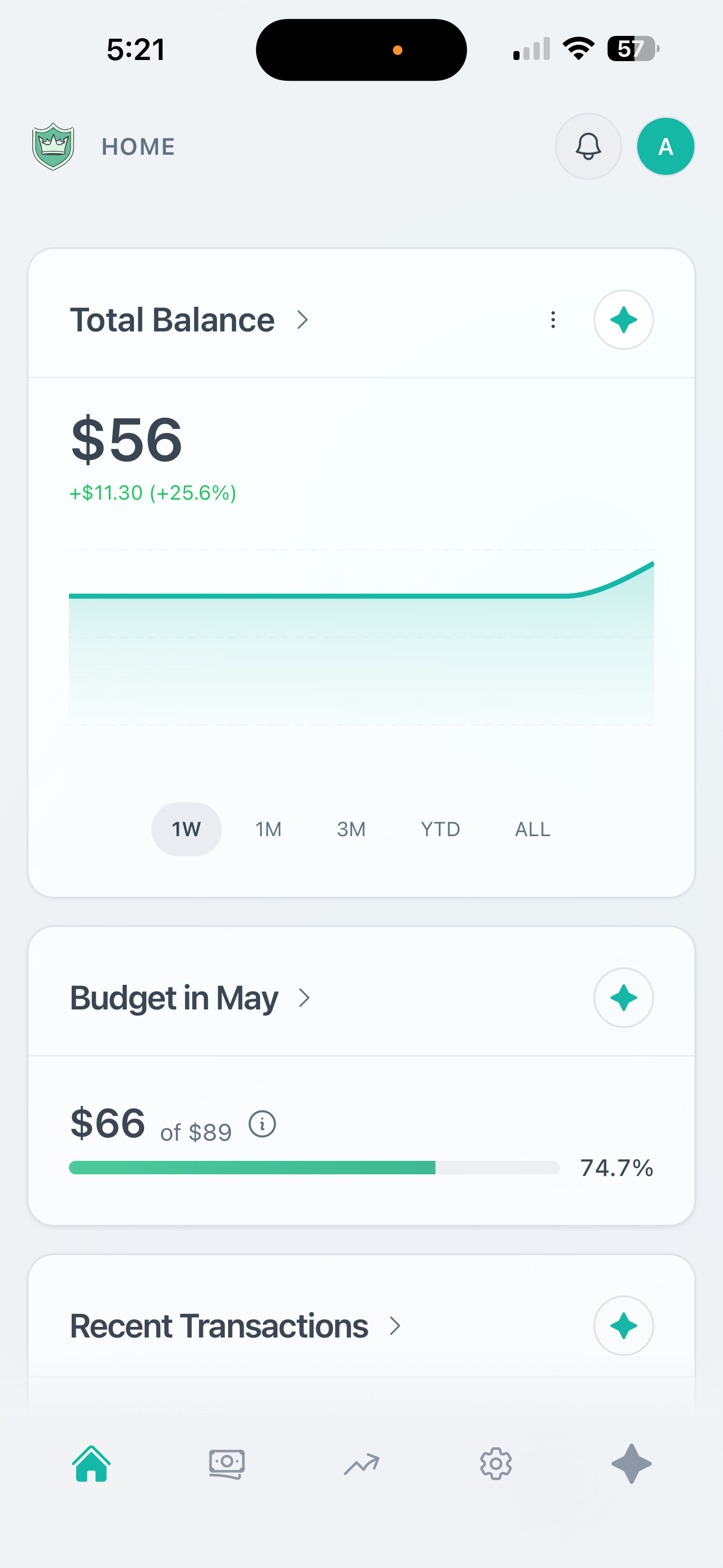
Teen/Adult Mobile Dashboard Light Mode
-
-
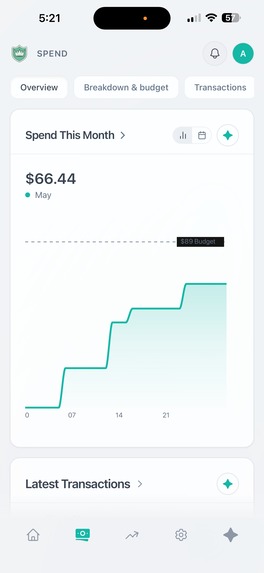
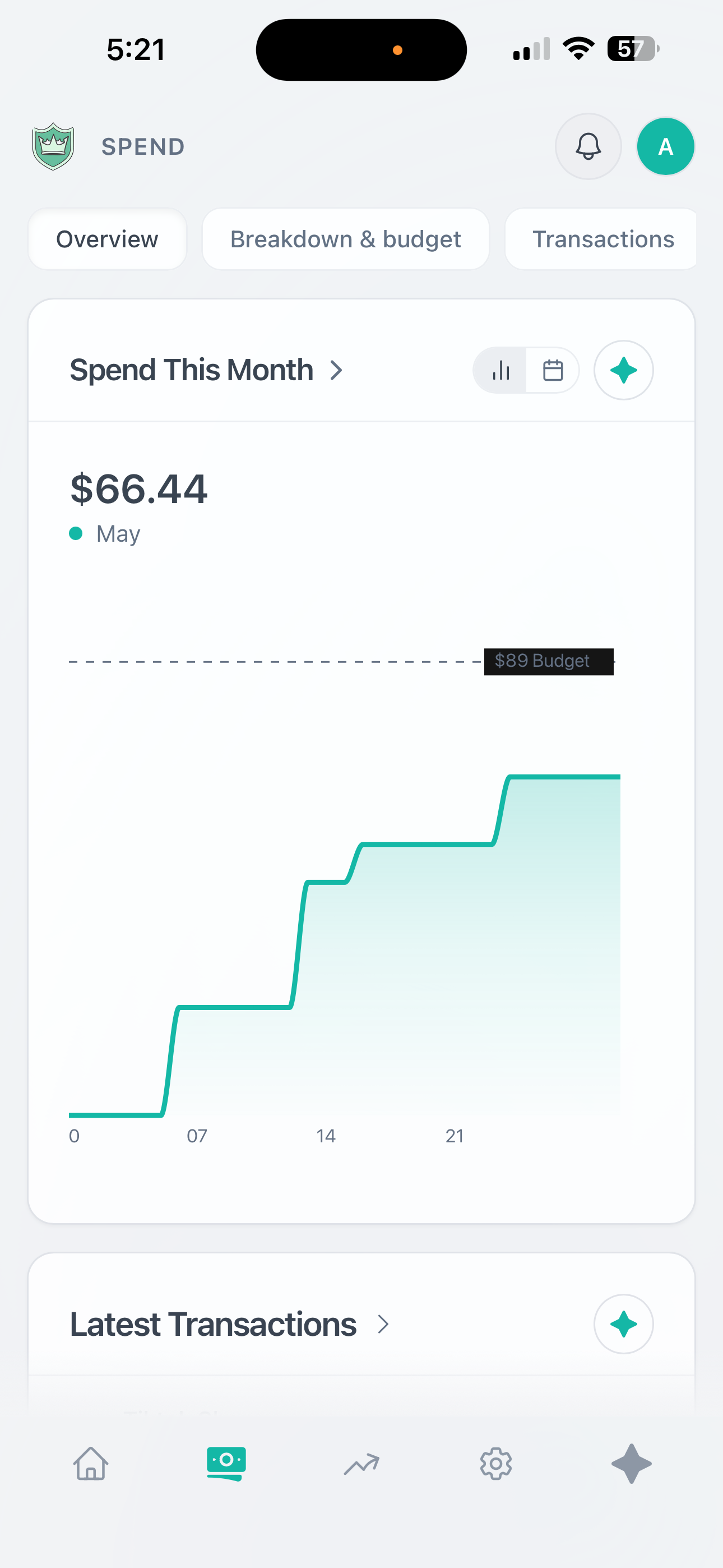
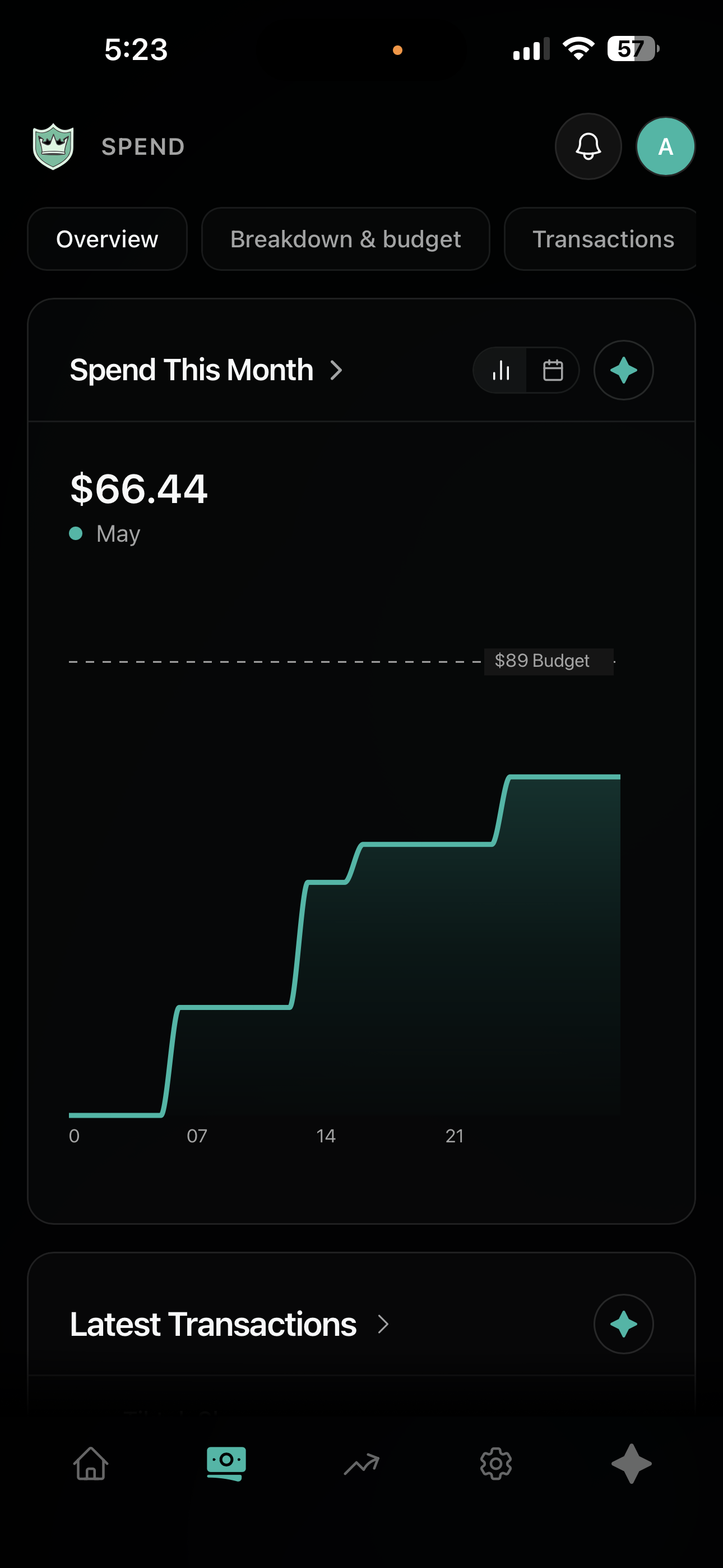
Teen/Adult Mobile Spend Page Light Mode
-
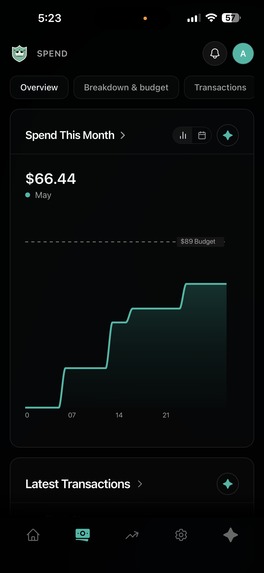
-
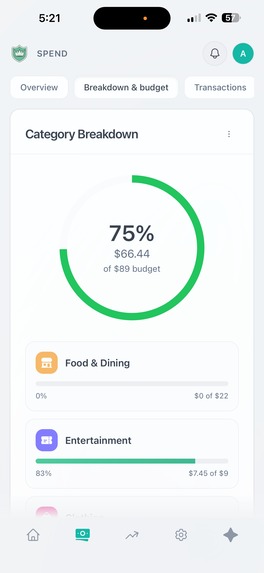
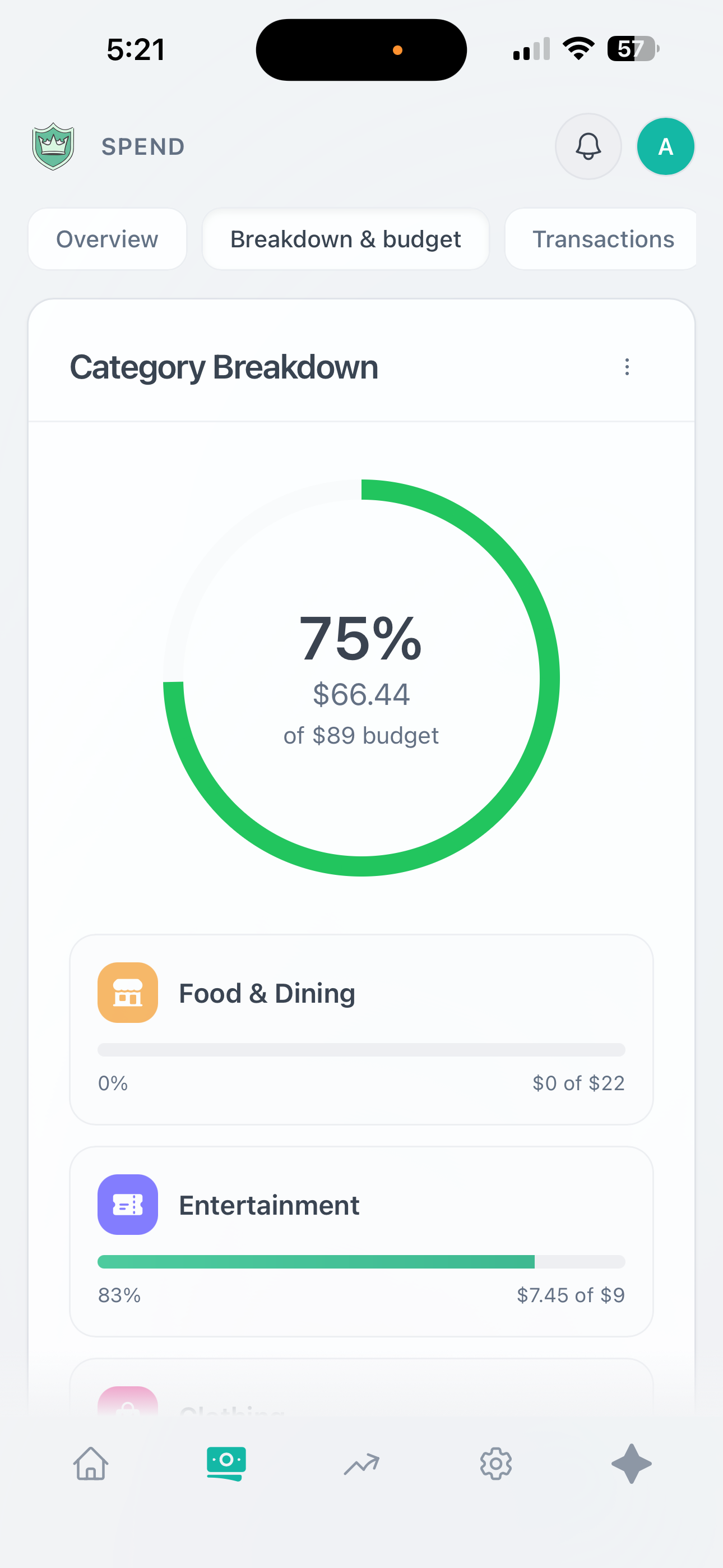
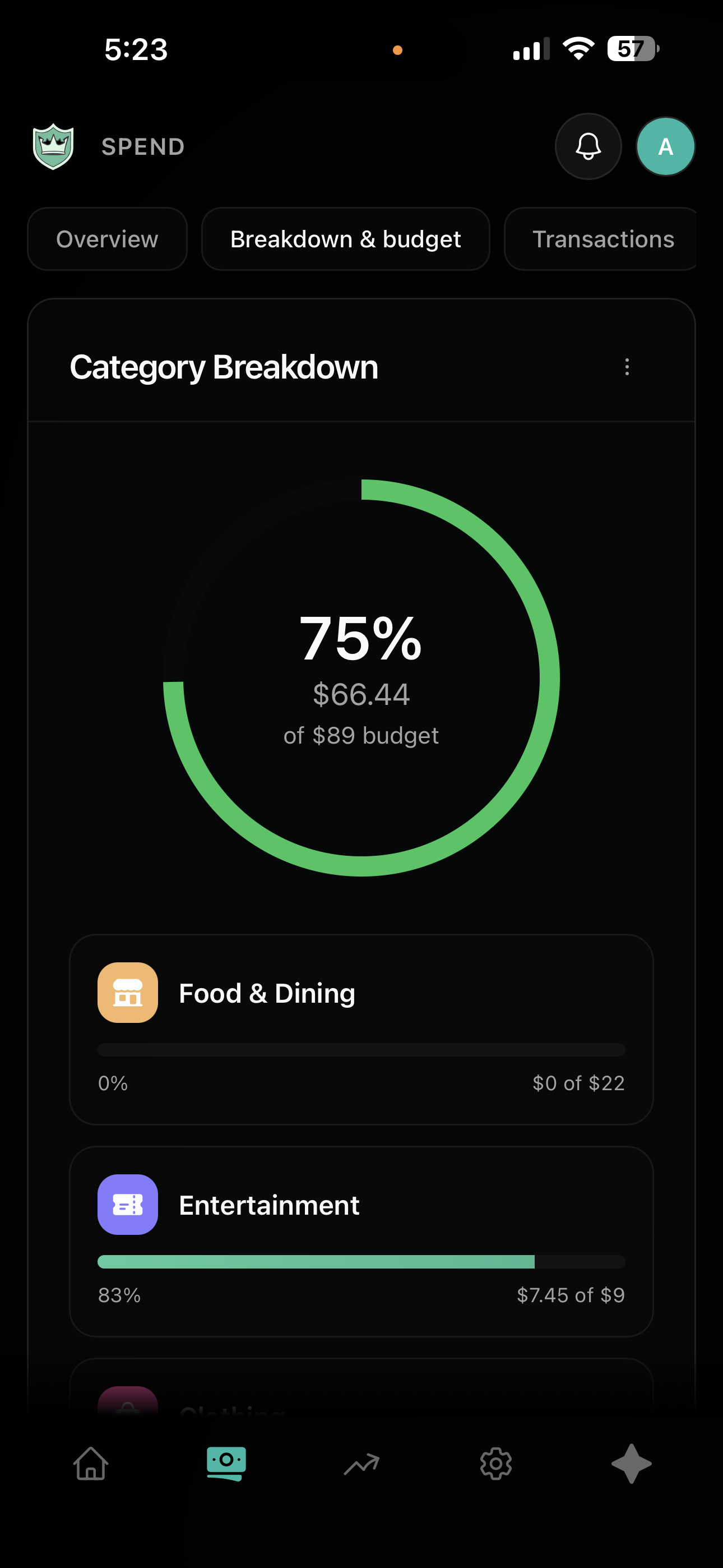
Teen/Adult Mobile Budget Page Light Mode
-
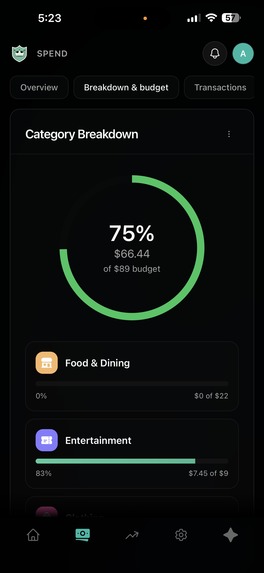
-
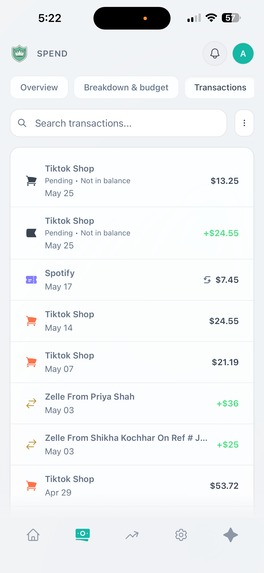
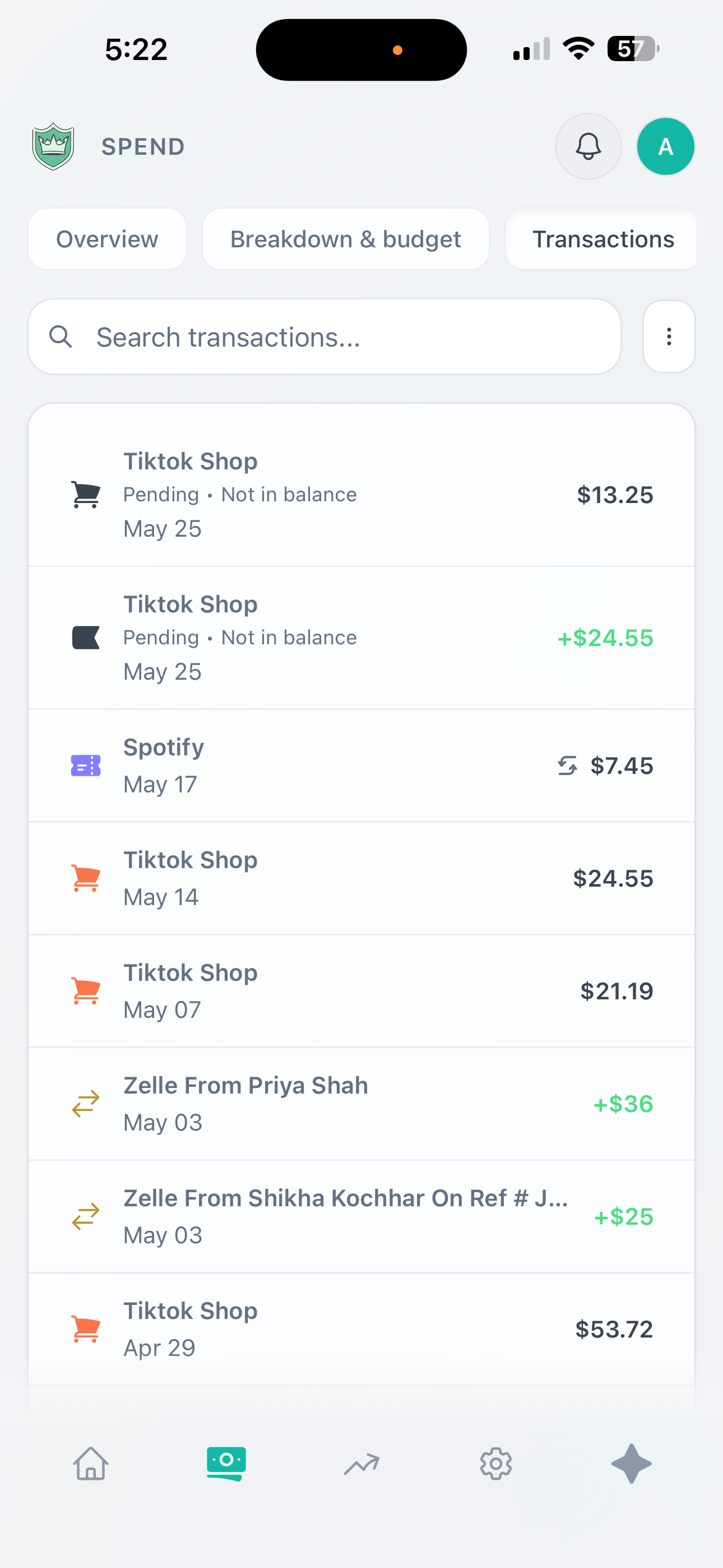
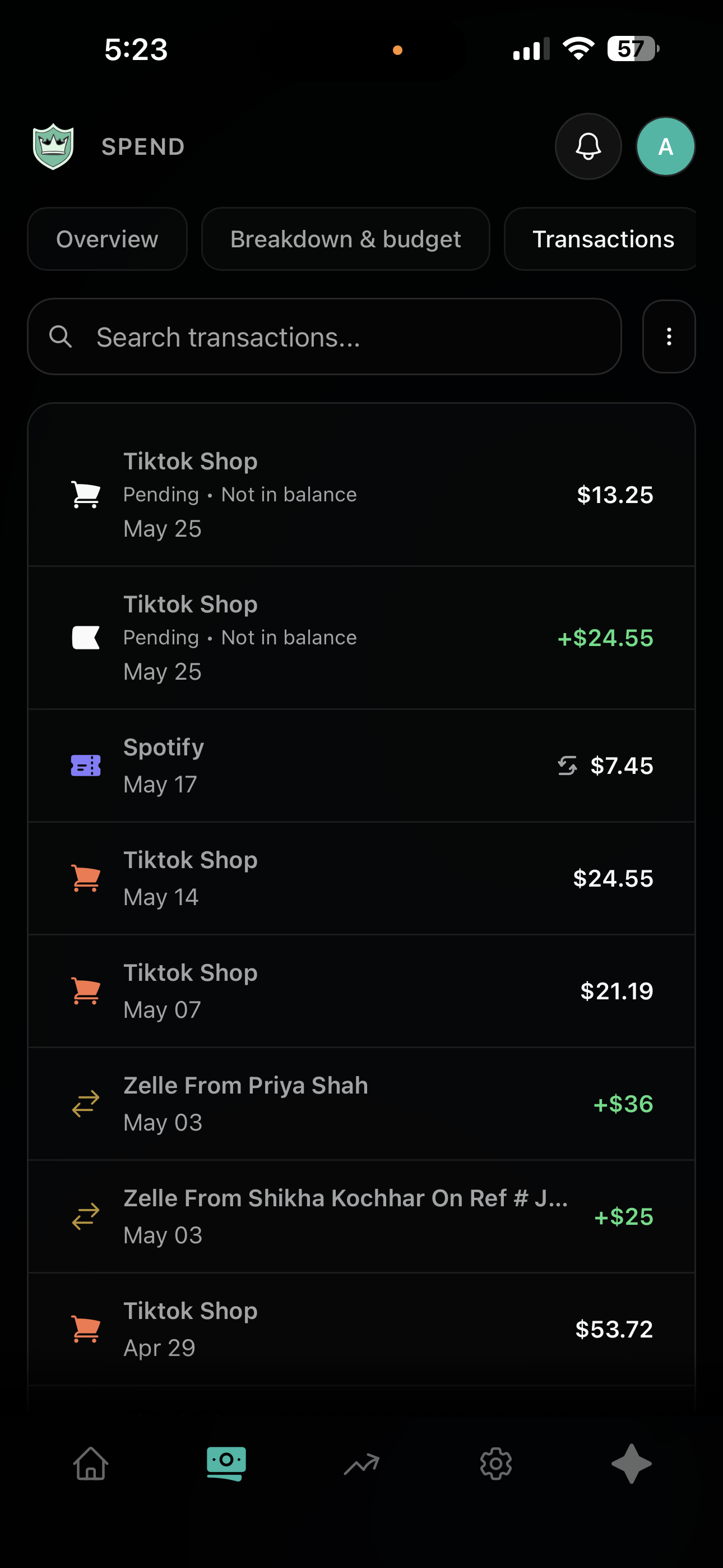
Teen/Adult Mobile Transaction Page Light Mode
-
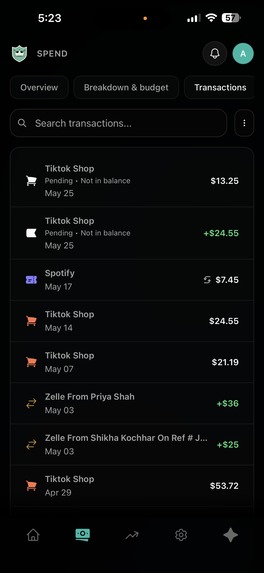
-
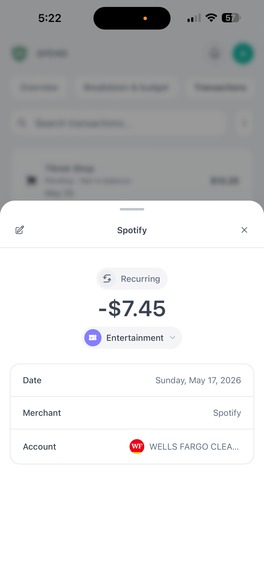
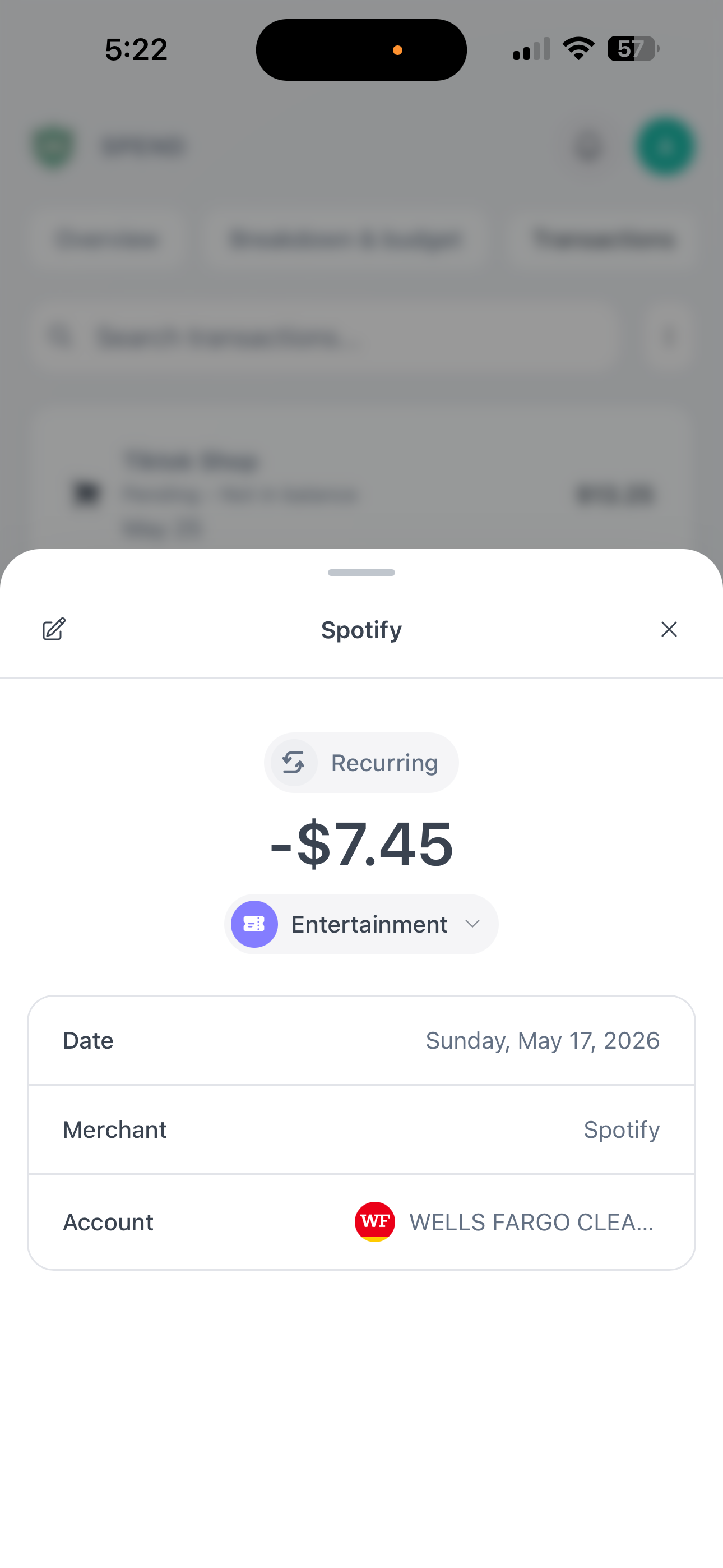
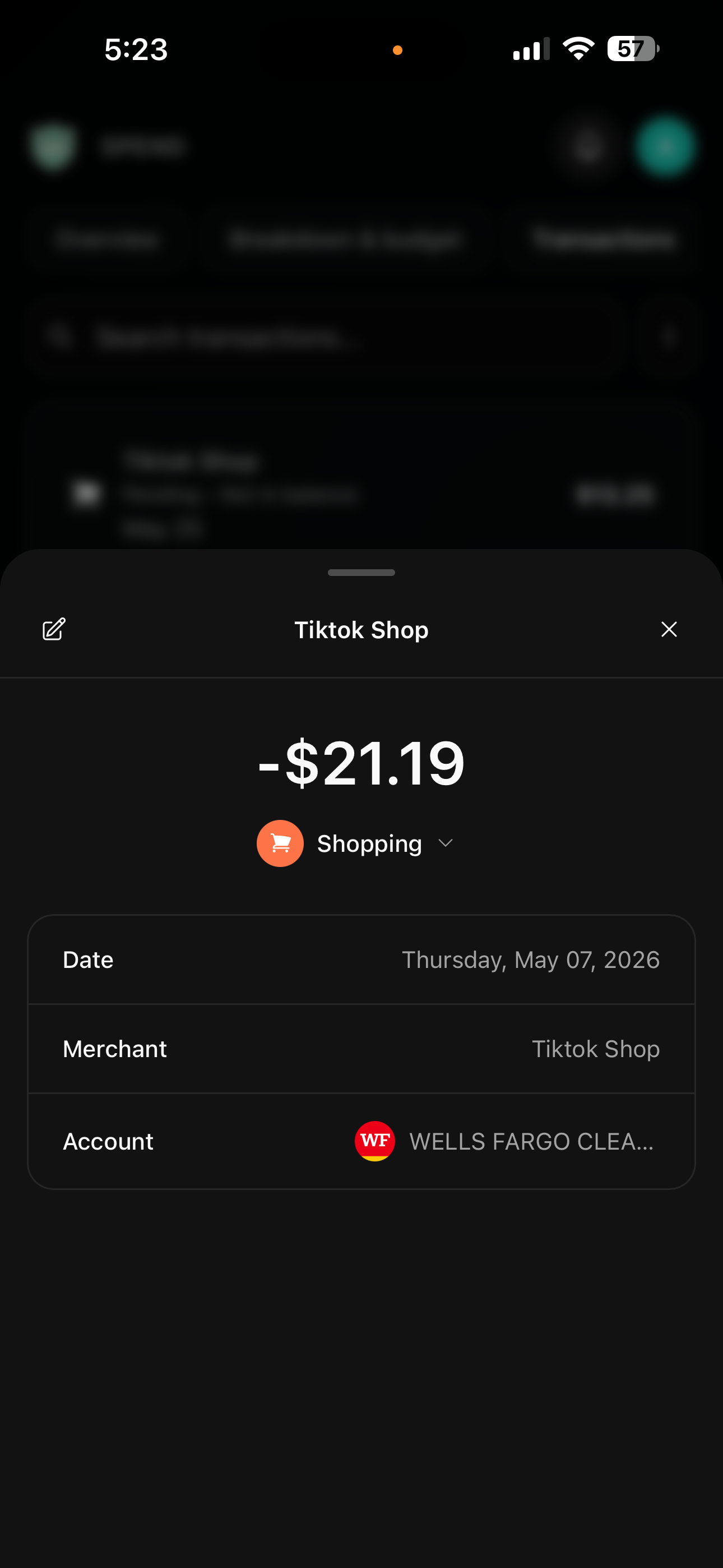
Teen/Adult Mobile Transaction Detail Light Mode
-
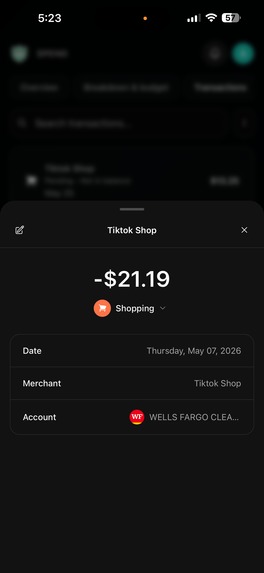
-
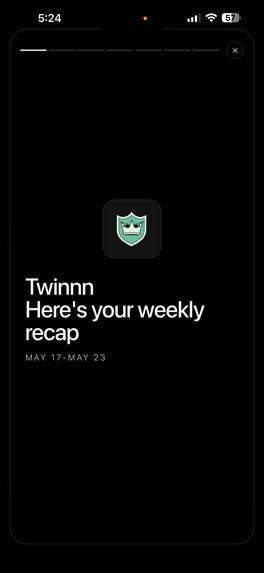
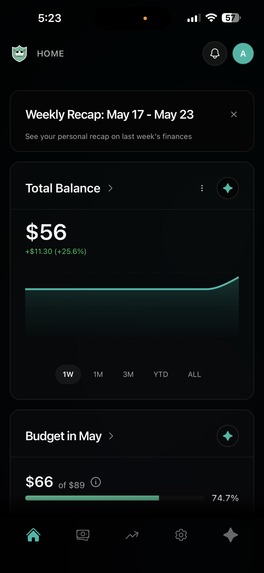
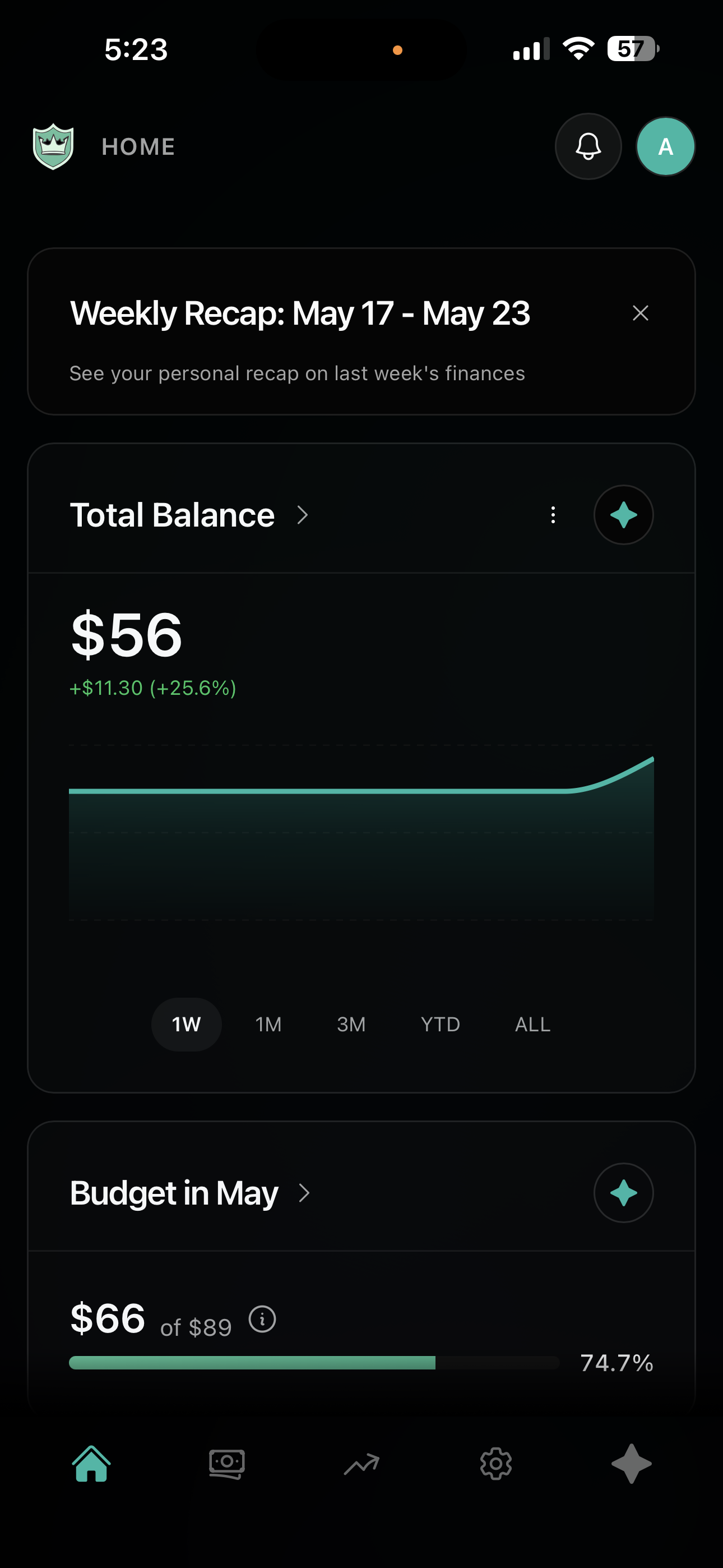
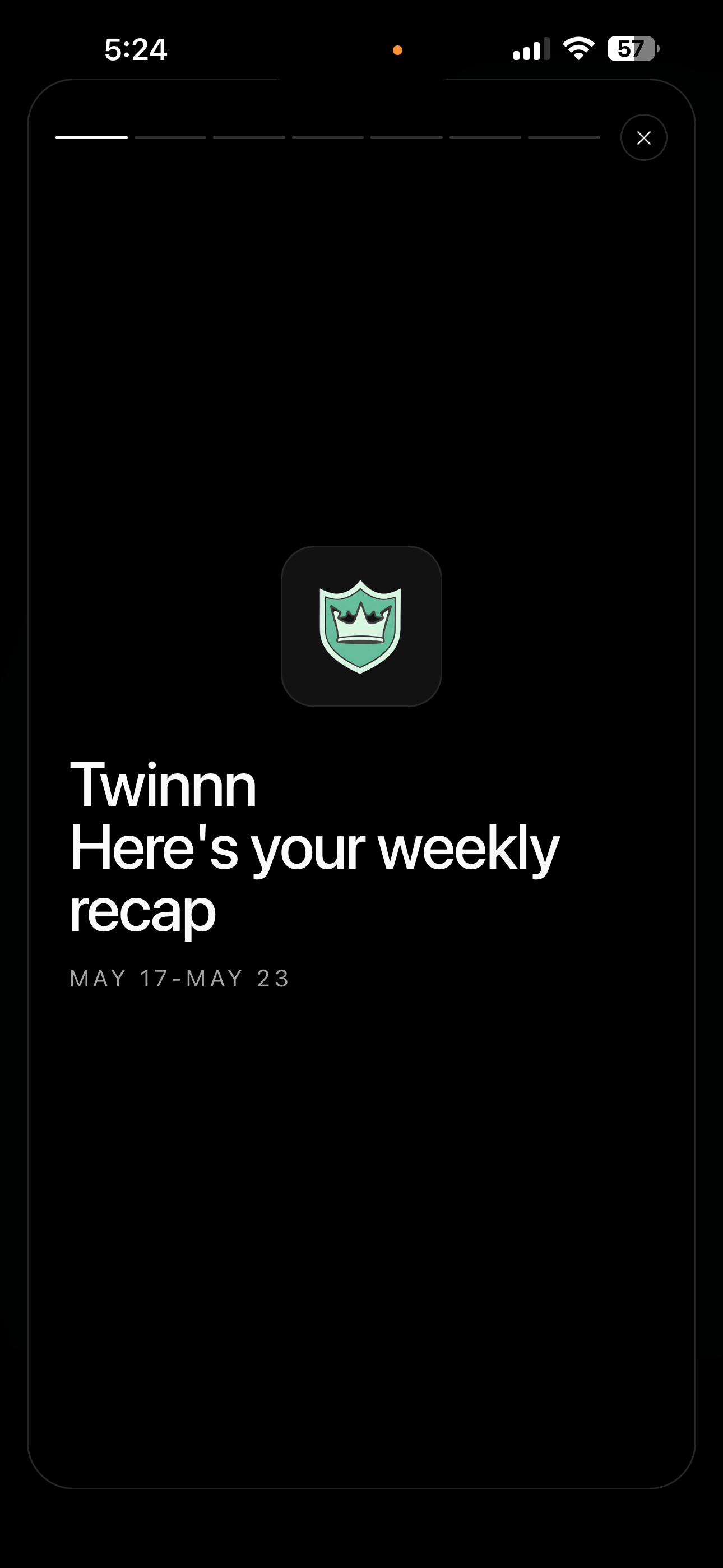
Weekly Recap first slide mobile
-
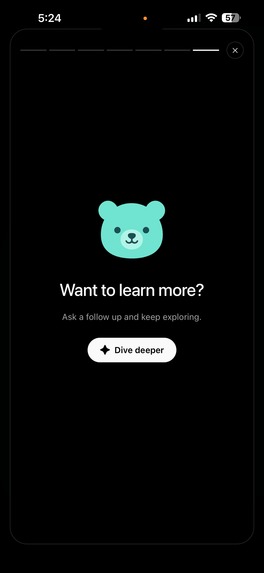
Weekly Recap second slide mobile
Inspiration
Teens and young adults are thrown into the real world with zero financial literacy. Most finance apps are built for people who already know what they're doing — clunky, overwhelming, and not something a 16-year-old would voluntarily open. We talked to hundreds of high school and college students, and the same thing kept coming up:
"I want to be better with money, but everything out there feels like it was made for my parents."
Schools don't teach personal finance. Parents struggle to have money conversations. And the few apps targeting younger users are either too basic or too complex. Nobody was building something that felt native to how Gen Z actually uses technology — mobile-first, social, gamified, and genuinely helpful. We built Koda Finance to fix that.
What It Does
Koda Finance is a personal finance app built specifically for teens, young adults, and families. It combines real bank account integration, AI-powered financial coaching, gamification, and parental oversight into one platform that actually feels good to use.
Real banking, not manual entry. Users connect their actual bank accounts through Teller's API. Transactions sync automatically, balances update in real-time, and everything is categorized intelligently.
An AI financial coach named Koda. Powered by GPT-4 with tool-calling capabilities, Koda is a conversational assistant that lives inside the app. It answers questions about spending, helps set budgets, suggests savings goals, explains financial concepts in plain language, and can take direct action — adjust a budget, flag an income irregularity, or create a savings goal — all through natural conversation.
Gamification that actually works. An XP system, trophies, levels, and achievement badges make financial responsibility feel rewarding. Users earn points for logging transactions, hitting budget targets, contributing to savings goals, and engaging consistently.
Parental oversight without surveillance. Parents get a dashboard showing spending patterns, savings progress, and financial health — without seeing every individual transaction. Designed to start conversations, not enable monitoring.
Multi-role architecture. Teens, adults, parents, and admins each have a distinct dashboard experience. A parent's interface looks fundamentally different from their teen's — because it should.
How We Built It
- Frontend: React + Capacitor + Electron
- Backend: Firebase (Firestore, Auth, Cloud Functions)
- Banking Integration: Teller API — real account connections with automatic transaction sync
- AI Assistant: OpenAI GPT-4 with tool-calling and role-aware context
- Payments: Stripe (Pro subscription tier)
- Mobile: Capacitor + PWA with full offline support and native iOS/Android builds
- Deployment: Vercel + Firebase
Design: The Core of Everything
We didn't treat design as a coat of paint on top of functionality — it was the first question we asked, and it informed every feature we built. The reason teens don't engage with personal finance tools isn't apathy. It's friction. Our core design principle: every screen should make the user feel more capable, not more confused.
Contextual AI, always one tap away. Every dashboard card has a dedicated AI button embedded directly in it. Tapping it opens the Koda assistant with context already loaded for that card — no navigation, no re-explaining. A user looking at their budget taps once and Koda already knows what's over, what's under, and what to do about it.
The AI Panel. The full AI panel slides in from the right, keeping the dashboard visible behind it. Users move fluidly between their financial data and the conversation — the assistant doesn't pull them out of context.
Dashboard clarity. Every card has a defined purpose, a clear visual hierarchy, and a single primary action. Color is used semantically throughout: spending approaching or over budget shifts toward warm tones; healthy balances and achieved goals are green. Users develop an intuitive read of their financial health at a glance.
Mobile-first. Every layout decision was made on mobile first. The navigation is thumb-friendly, cards are sized for one-handed scrolling, and the AI panel opens with a single swipe. Nothing important is buried more than two taps deep.
A parent dashboard that's a different product. The parent-facing dashboard isn't a restricted version of the teen interface — it's a genuinely different experience designed around the parent's mental model: oversight, guidance, and safety. Different navigation, different card types, different visual hierarchy.
Challenges
Teller API integration. Getting bank connections to work reliably across hundreds of different institutions required building a full retry and normalization layer — every bank returns data slightly differently, and the OAuth flow had to handle edge cases like expired tokens.
AI that doesn't hallucinate financial advice. We added guardrails around what Koda can and can't do, and grounded every response in the user's actual financial data rather than general assumptions. Getting this right took significant prompt engineering.
Multi-role auth and routing. Supporting four distinct user types with completely different dashboard experiences required careful architecture. The routing logic alone — checking auth state, onboarding completion, role type, and redirecting accordingly — introduced a significant number of edge cases.
Gamification that feels earned. We iterated through multiple designs before landing on a progression system that felt genuinely satisfying, rebuilding the reward mechanics based on real user behavior data rather than what felt fun to us as builders.
Accomplishments We're Proud Of
We hit real milestones before the hackathon ended. Our Instagram and TikTok pages each crossed 1,000 followers, and we acquired 200 initial users through social media content and word-of-mouth in high school and college communities — validating the concept before we finished building it.
- A fully functional bank account integration syncing real transaction data in real-time
- An AI assistant that adjusts budgets, scans spending, flags income patterns, and creates goals through natural conversation
- A complete gamification system with XP, levels, and trophies that users genuinely engage with
- Role-specific dashboard experiences purpose-built for each user type
- A contextual AI layer embedded directly into every dashboard card
What We Learned
- Talk to your users early and constantly. The parental oversight feature went through three complete redesigns before landing on something both parents and teens felt comfortable with.
- AI integration is an art, not just an engineering task. The quality of the AI experience is almost entirely determined by how well you structure prompts and manage conversation context.
- Gamification is harder to get right than it looks. Iteration based on real behavior data matters more than intuition.
- Design decisions compound. Every small UX choice — where a button lives, how a panel opens, what color an indicator is — accumulates across an entire session.
What's Next
- Investment tracking and education. Full portfolio tracking, stock market education modules, and simulated investing for teens who aren't old enough for real brokerage accounts.
- School partnerships. Bringing Koda into high school financial literacy curricula with aggregate analytics for schools, without exposing individual student data.
- More proactive AI. Expanding Koda's ability to surface insights before users ask, and exploring voice-first interactions on mobile.
- International expansion. Exploring banking API partnerships in other markets to bring Koda beyond Teller's US coverage.

Log in or sign up for Devpost to join the conversation.