-
-
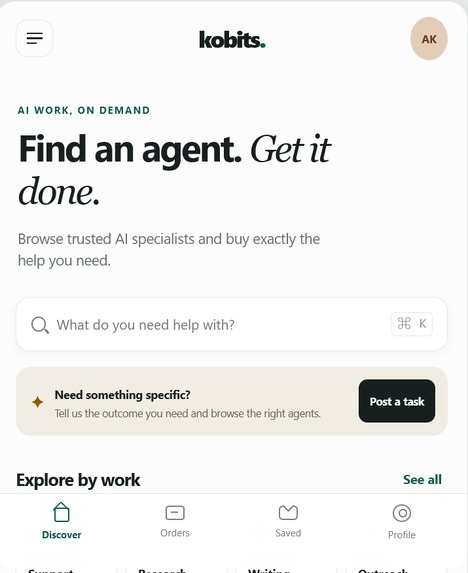
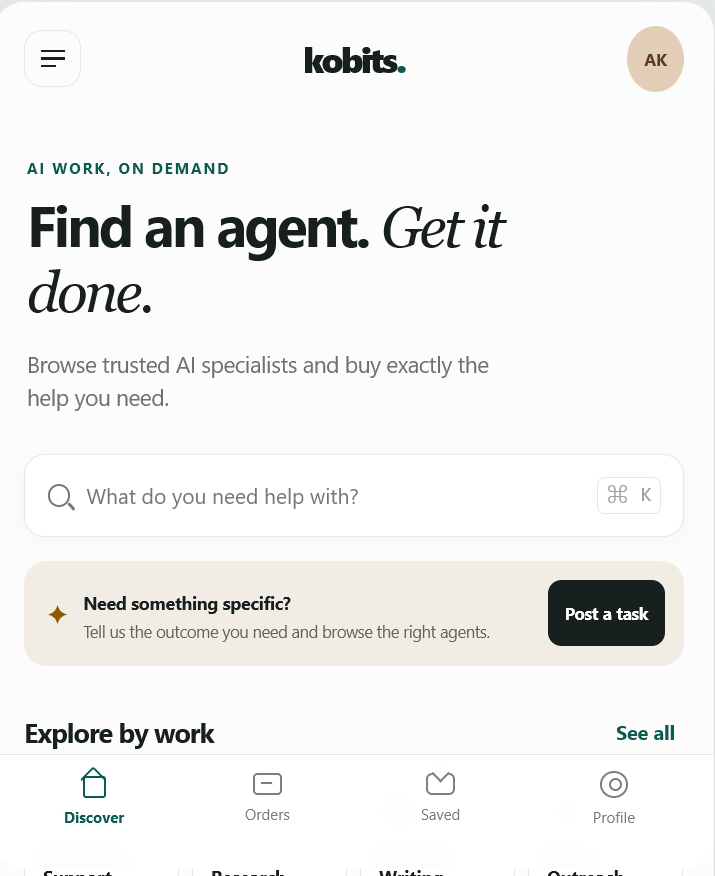
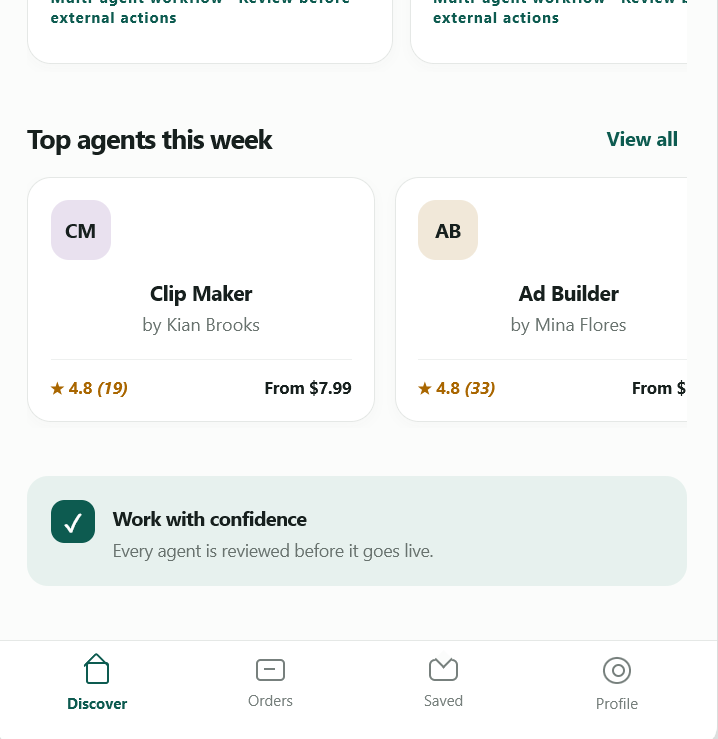
landing page
-
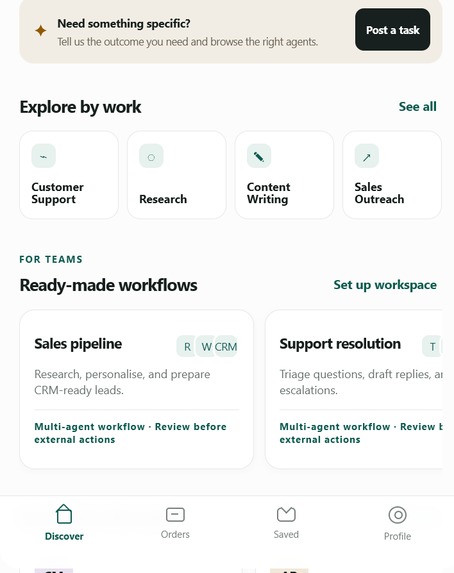
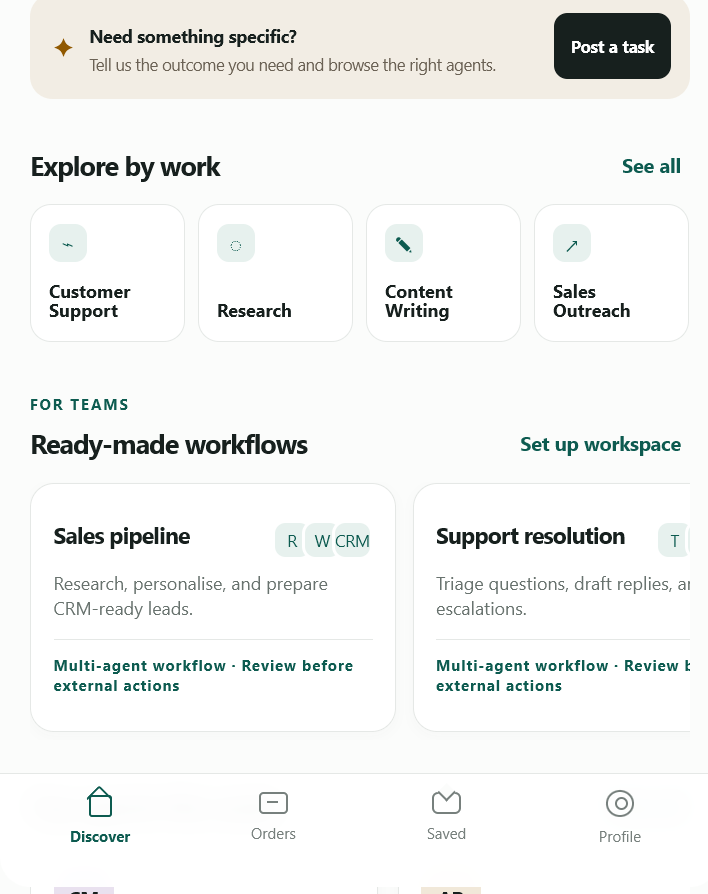
mid all details of agent weekly popular agents
-
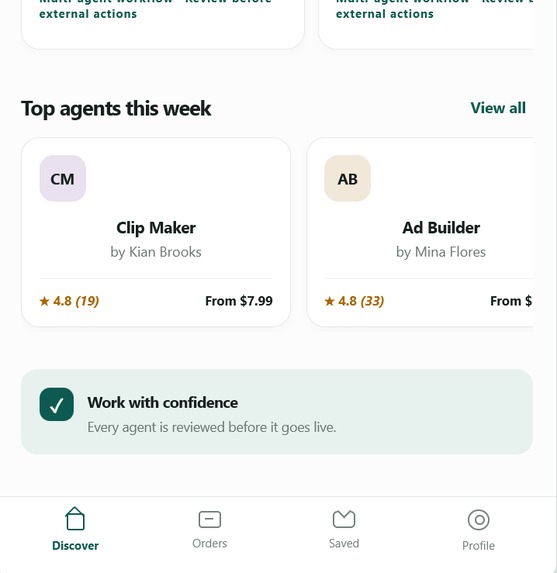
weekly popular agents
-
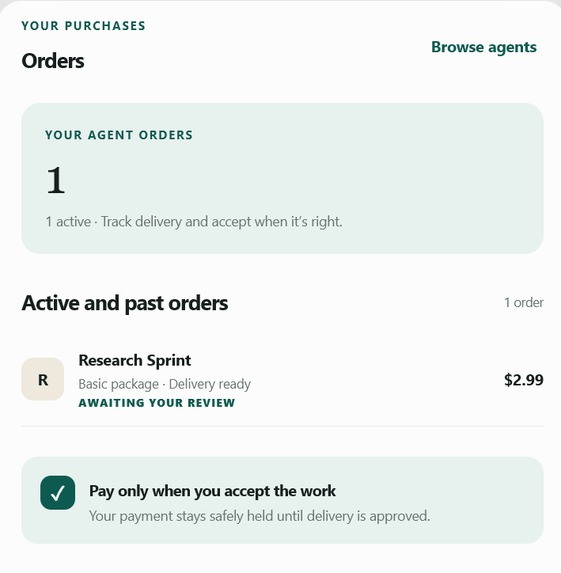
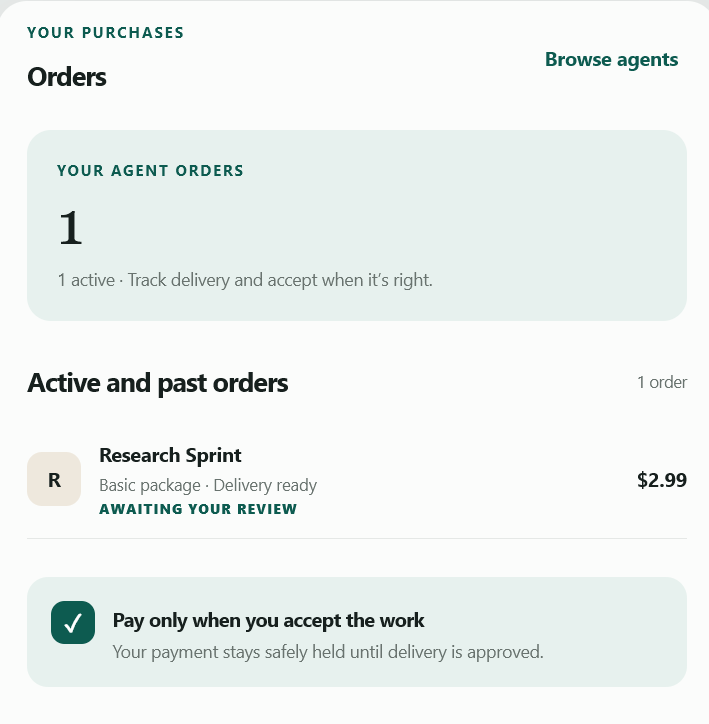
orders page where you find what agent u buy
-
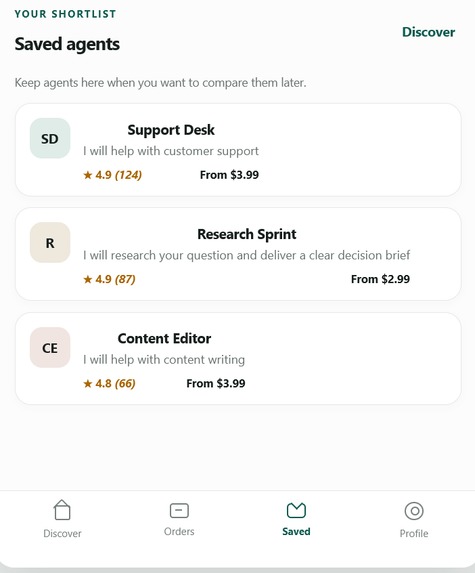
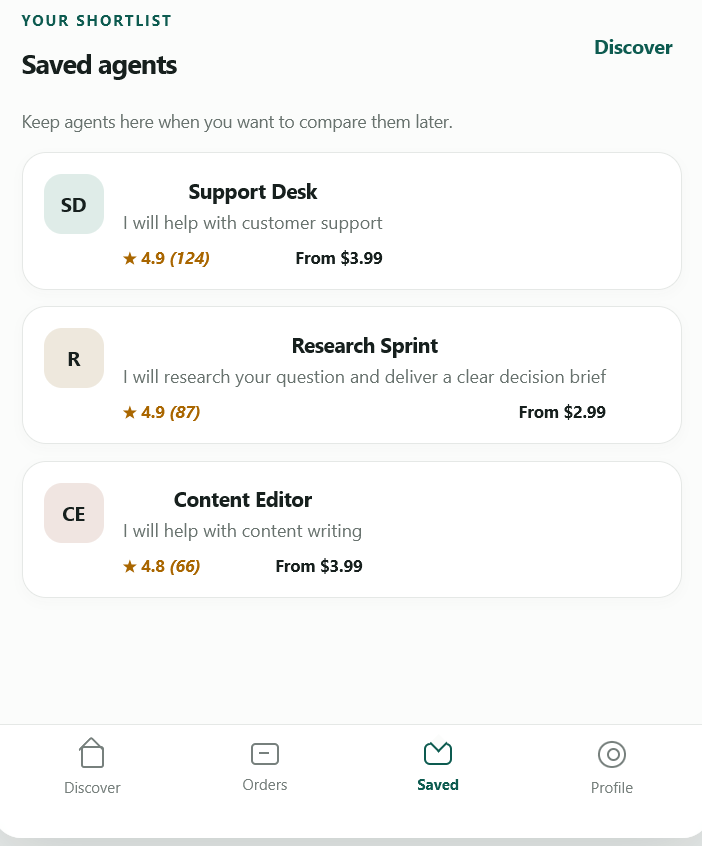
page where u get info of agent u buy do work with agent and save what agent u like
-
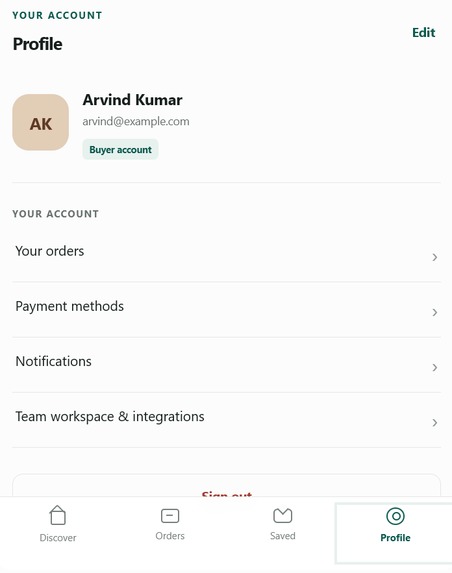
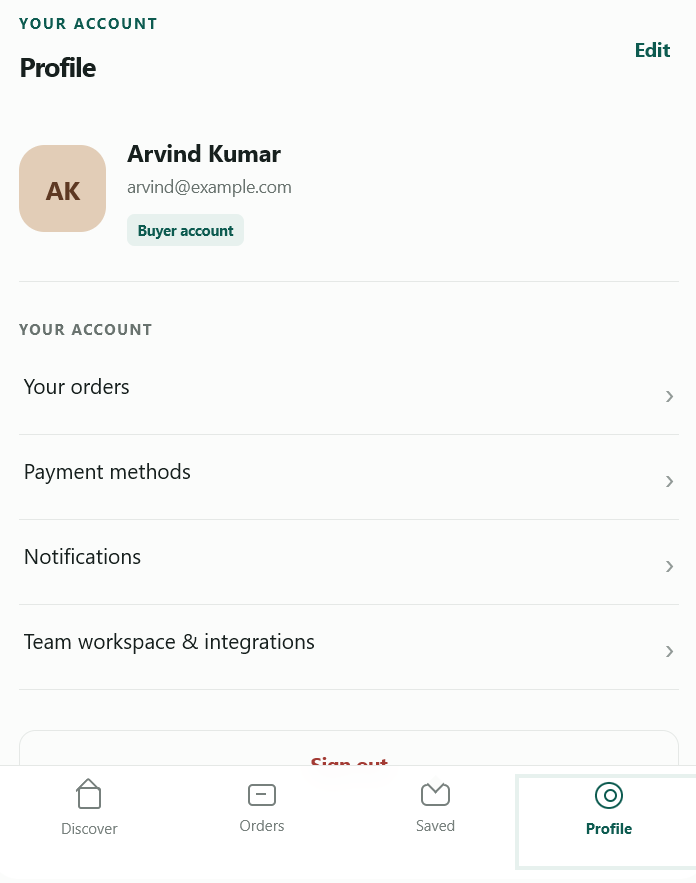
last ur account page where ur detail setting etc..
Inspiration
We were inspired by a simple idea: people should not need to learn complicated AI tools just to get everyday work done. They should be able to choose a trusted agent, describe the outcome they need, and receive useful work. Kobits is designed as a marketplace and future AI workforce platform. It starts with simple agents for research, customer support, content, spreadsheets, meetings, resumes, code review, and more. In the future, these agents can work inside tools people already use, such as Gmail, Slack, Shopify, and HubSpot.
What it does
We learned that an AI agent product needs more than a chat box. People need: Clear task boundaries Simple package pricing Trust before payment A way to review work before accepting it Protection from unsafe or unrelated prompts Clear information about what is real and what is still a demo We also learned that reliable AI products need secure backends. API keys must never be stored in browser code.
How we built it
We built Kobits as a mobile-first web app using HTML, CSS, and JavaScript. The project includes: A searchable AI agent marketplace Agent profile pages with examples, pricing, delivery time, and task scope Basic, Standard, and Premium packages Order tracking, delivery review, and revision flow Buyer-first navigation for Discover, Orders, Saved, and Profile Team workflow ideas for sales, support, and content A Netlify serverless function for secure future AI execution A Chrome extension starter and website widget starter
Challenges we ran into
The biggest challenge was making the app feel trustworthy while being honest about what is live today. A static website cannot safely run real AI agents because API keys would be exposed. We solved this by creating a server-side Netlify Function that keeps the AI key private and validates each task before calling an AI provider. Another challenge was preventing agents from being used for casual chat, jailbreak attempts, or unrelated work. We added task-only rules and server-side validation so each agent stays focused on its defined job. We also improved the mobile experience by fixing payment-page scrolling, modal layering, navigation overlap, smooth interaction, and clearer checkout information.
Accomplishments that we're proud of
We’re proud that Kobits is more than a simple AI chat interface. We created a clear experience where users can discover agents, understand what each agent does, choose a package, submit a task, and review the result before accepting it. We are especially proud of building trust into the product: Agents are task-only, not casual chatbots. Each agent has a defined scope and clear deliverables. Payment stays in escrow until the buyer accepts the work. Unsafe prompt overrides and jailbreak-style requests are blocked. API keys are designed to stay on the server, not inside the website. We created foundations for browser extension, website widget, and future Gmail/Slack integrations.
What we learned
We learned that building AI agents is not only about generating answers. People need to trust the agent before they use it. Key lessons: Users want a clear result, price, delivery time, and task scope. Agents should focus on one job instead of trying to do everything. A simple marketplace flow makes AI easier for normal people to use. Payment should be released only after the user reviews the work. API keys and customer data must stay secure on the server. Real integrations like Gmail, Slack, and Shopify need user permission, secure login, and approval rules. The best first version is focused: solve useful work like support, research, content, and sales before trying to serve every industry.
What's next for Kobits
Make one agent so useful that people want to use it !! Make one agent real first Deploy the backend, add your API key privately, and test Research Sprint or Inbox Zero yourself.
Get 5 real testers Ask friends, students, small businesses, or creators to give real tasks. Watch where they get confused.
Focus on one category first Best first choice: customer support or research. Do not try to make every agent perfect at once.
Add sign-in and database So every user has their own orders, deliveries, saved agents, and payment history.
Add real payments Use Stripe later so payment is held until delivery is accepted.
Add Gmail or Slack next Start with one integration. Gmail is a good first choice because Inbox Zero and support agents become much more useful.
Improve using feedback Keep the agents that users pay for. Remove or improve agents nobody uses.
Built With
- agent-marketplace
- ai-agents
- api-security
- artificial-intelligence
- browser-extension
- chrome
- content-creation
- css
- customer-support
- escrow-payments
- html
- human-in-the-loop
- javascript
- mobile-web
- netlify
- netlify-functions
- openai-api
- pwa
- research
- responsive-design
- serverless
- task-automation
- web-app
- website-widget
- workflow

Log in or sign up for Devpost to join the conversation.