-
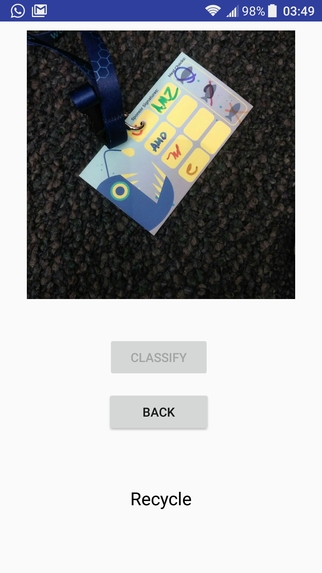
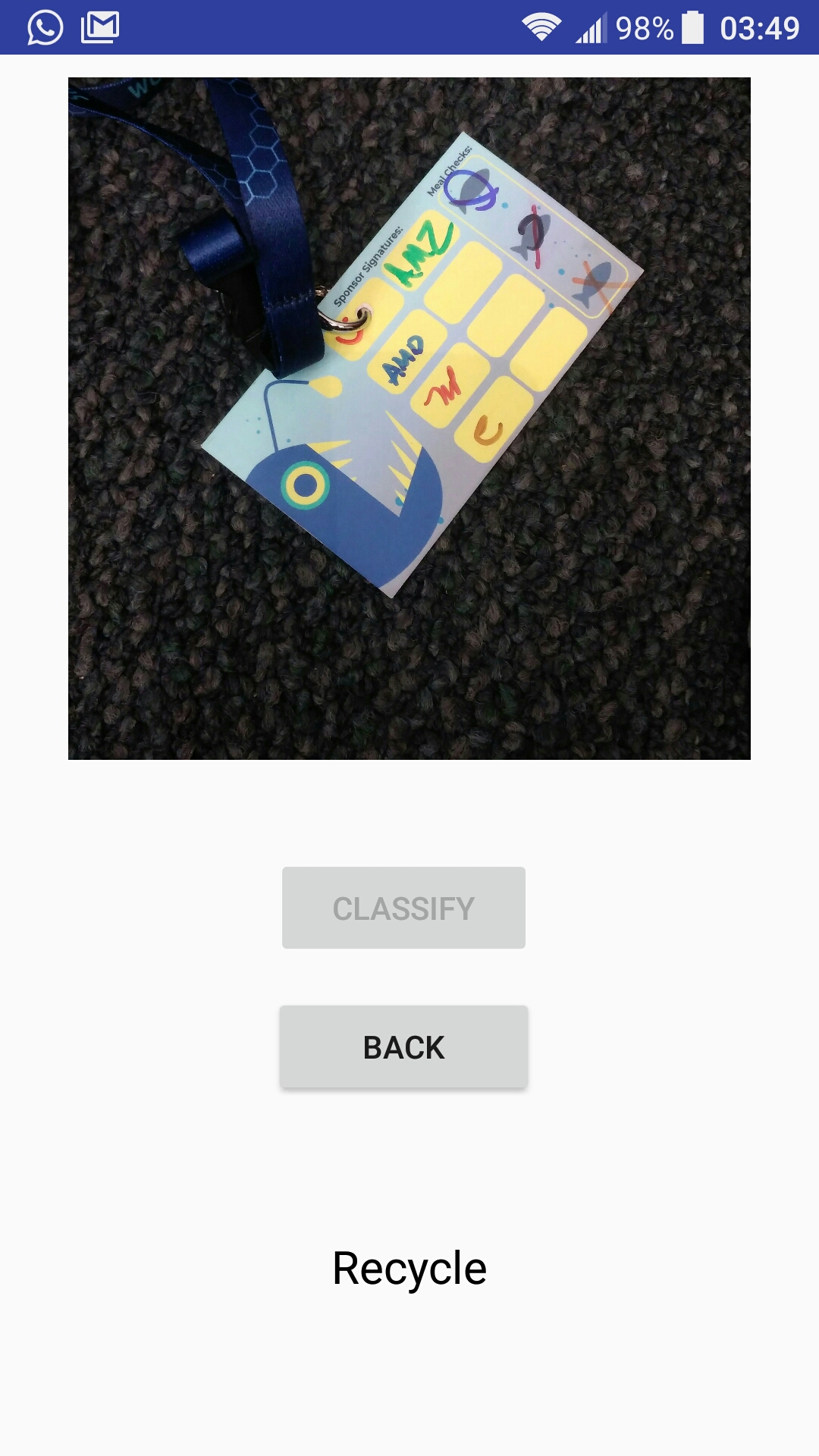
Sample output of recyclable waste
-
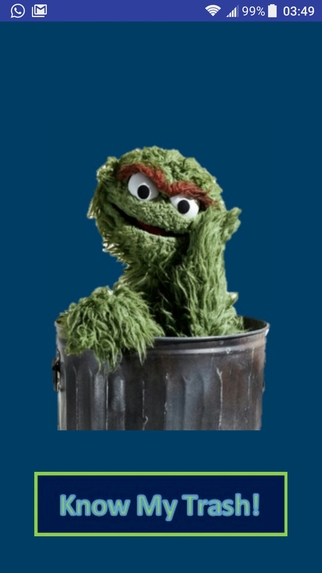
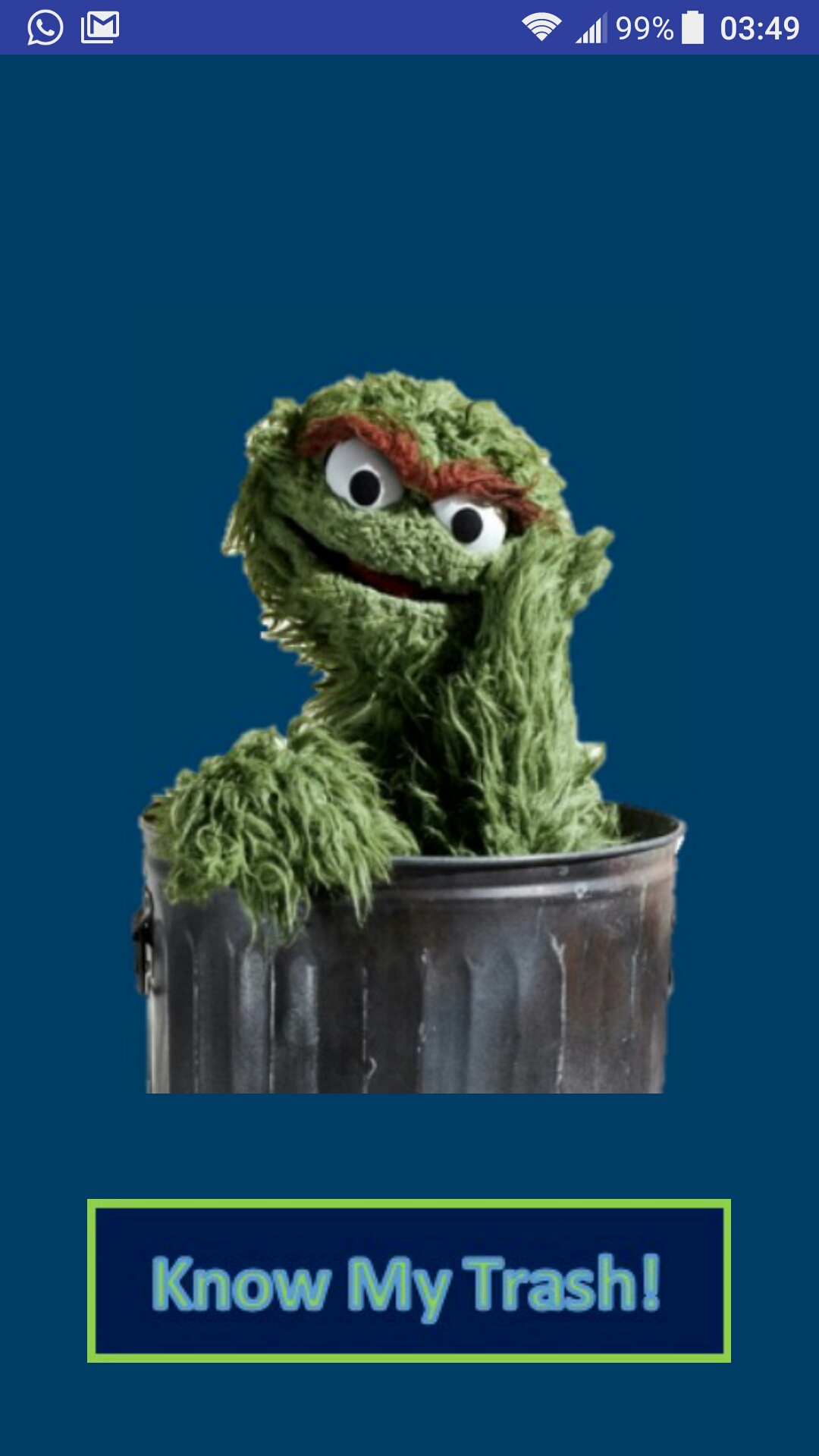
Home page of the mobile application
-
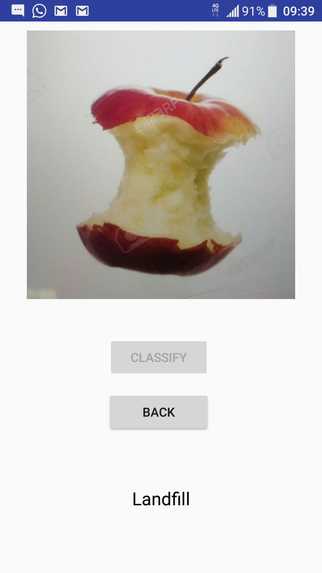
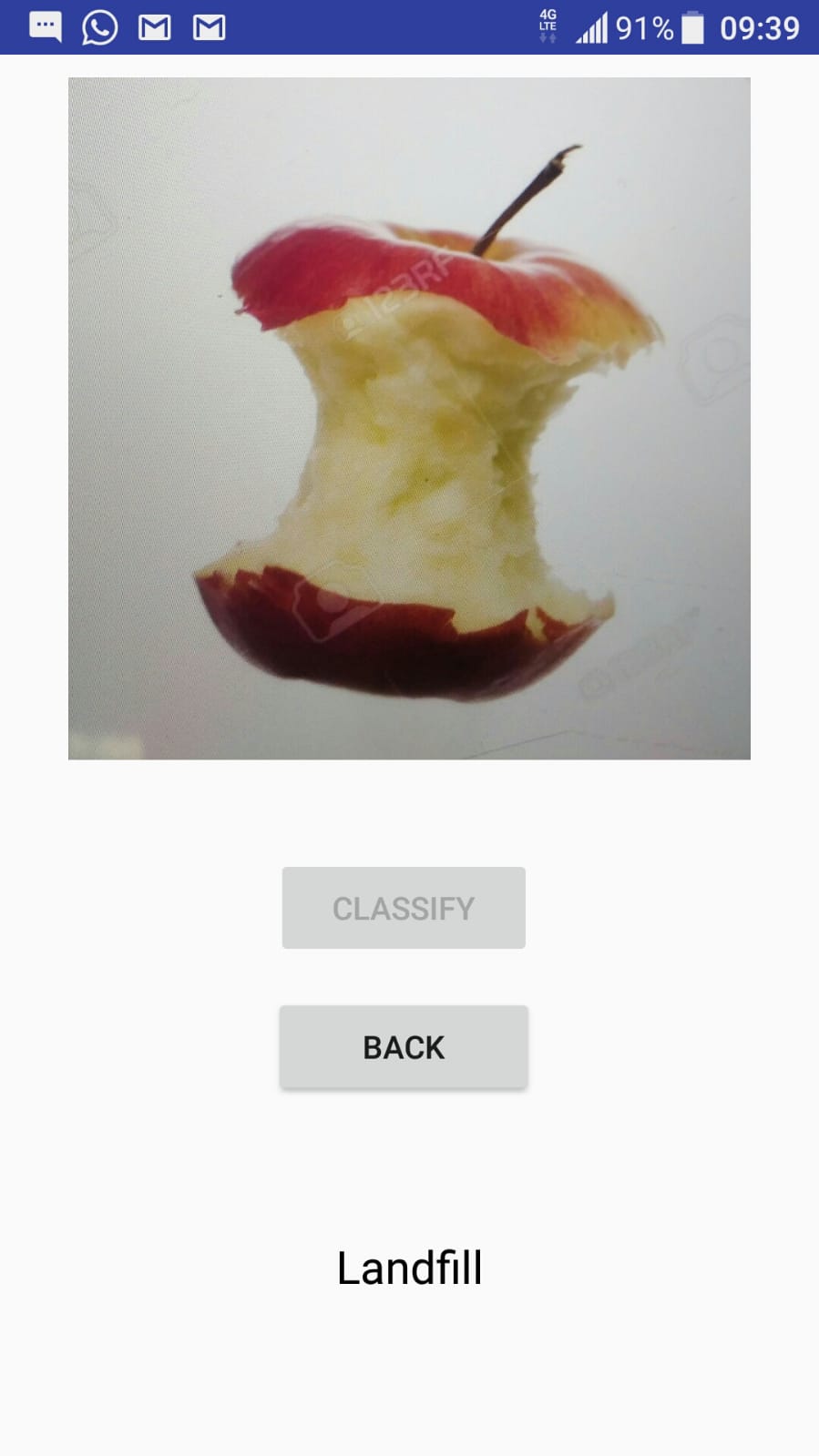
Sample output of landfill waste
Know Your Trash!
By: Aakanksha Patel, Anuja Patil, Shamali Shinde, Tram Tran Advanced Team
What inspired us? Knowing that the main focus of the Women Hacks 2.0 Hackathon is sustainability, our team brainstormed different causes of unsustainable living and came up with the idea to build an app that could help users understand which type of trash is recyclable and which one is not. We arrived at this idea because garbage classification had confused all of our team members at some point and we had all hoped that there was a way to make the process easier and more precise. Moreover, after doing some research, we learned that simply throwing several wrong pieces of non-recyclables into the recycling bin could render the whole batch of recyclables non-recyclable.
What we learned? One of the most important skill we learn while building our Know Your Trash app is time management since the team had to not only come up with an idea but also made it work in only 36 hours. Additionally, we learnt about each other's strengths and weaknesses and how to make the best use of everyone's strengths for the team's benefits. We also tried to work on technologies and frameworks which we are unfamiliar with to make the product come to life. Lastly, we practiced how to be better team players and got a chance to network with people from the industry as well as students from all kinds of backgrounds. Overall, it has been a great learning experience for all of our team members.
How we built it? Data: Collected from Kaggle, and combined different types of waste to two categories: landfill and recycle. Machine Learning Model: Used transfer learning (InceptionV3) using TensorFlow to build our ML model. Then converted the model to a .tflite to make it compatible for the Android app. Android Application: Developed an Android app that uses camera functionality to get the input from the user and pass it to the model. The model returns the probabilities of the two categories. We return the class of maximum probability as a predicted category.
Challenges we faced? The whole process of integrating the machine learning model with the Android application, which included figuring out which type of format of the ML model was integrable with the Android app and understanding Tensorflow's Java API.
Future Work
- Adding more waste categories, like compost, hazardous electronics, non-hazardous electronics, etc.
- Increasing the size of data, by including more images for each category of waste.
- Instead of having to manually select the object after taking the picture, first perform object detection to automatically detect the waste piece, which is then classified.
Built With
- android-studio
- google-colab
- java
- jupyter-notebook
- python
- tensorflow

Log in or sign up for Devpost to join the conversation.