-
-
Logo
-
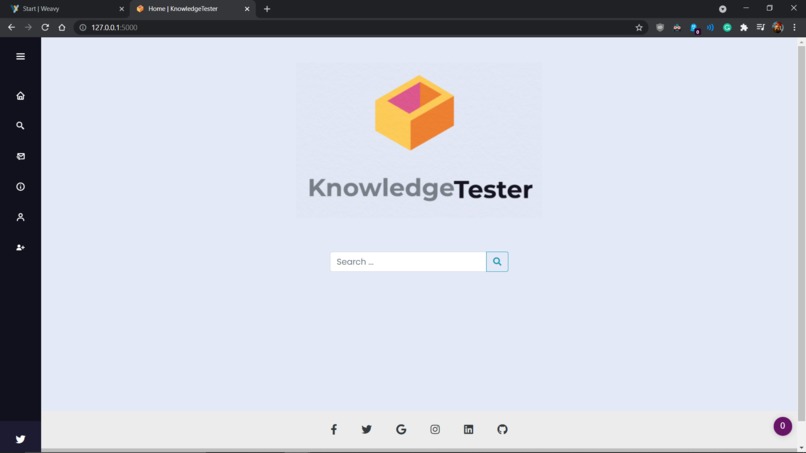
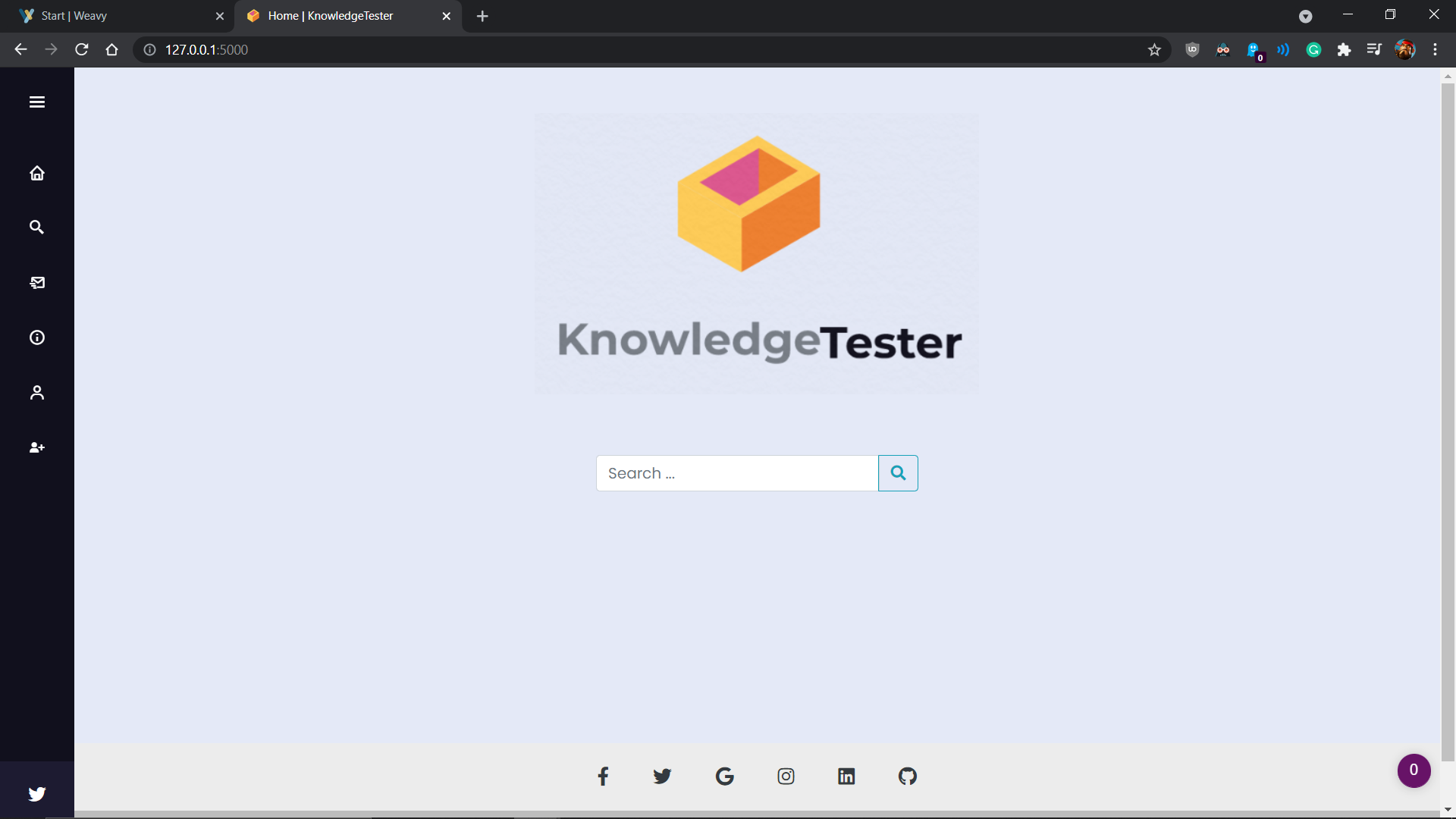
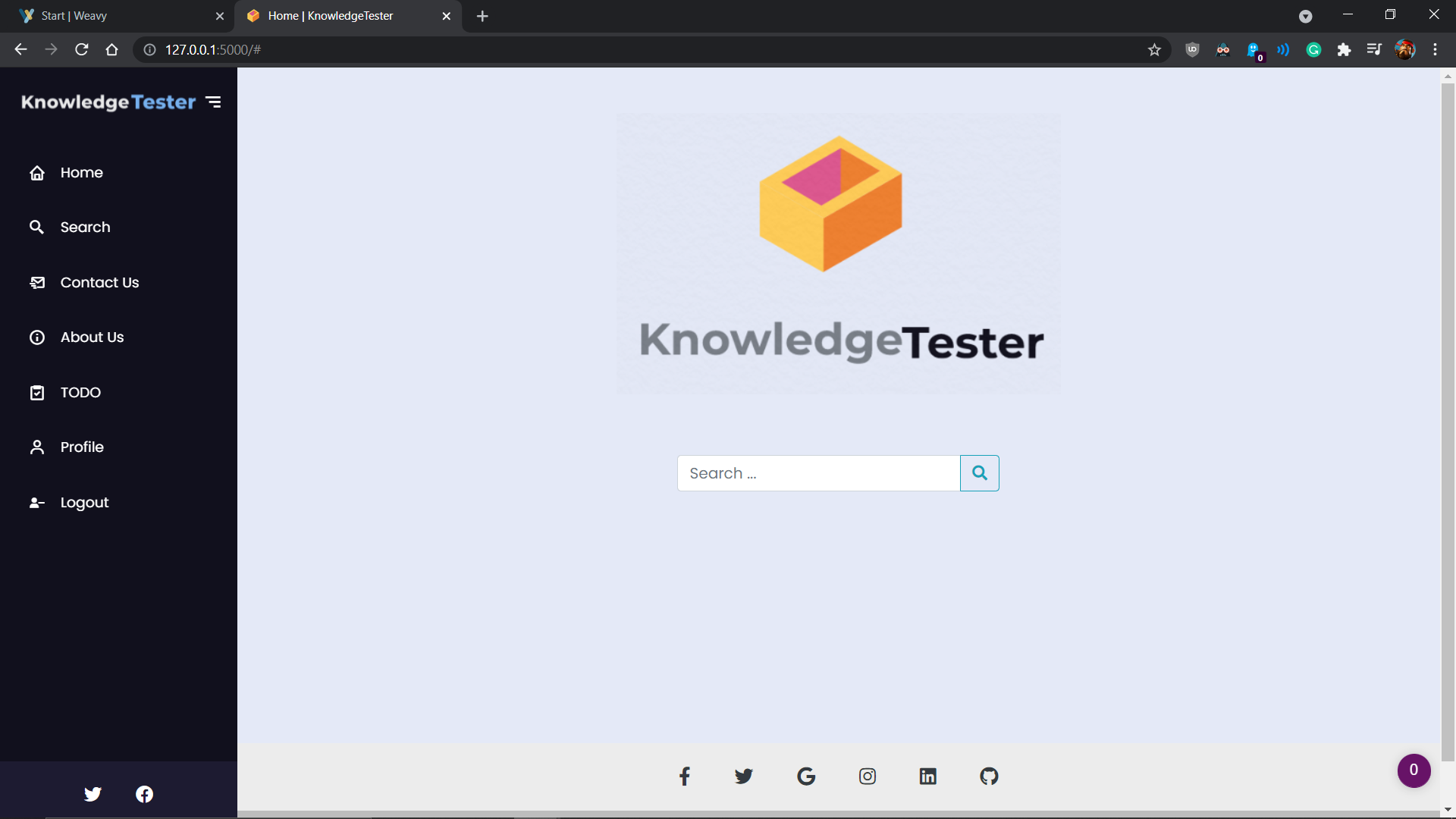
Home page/search page
-
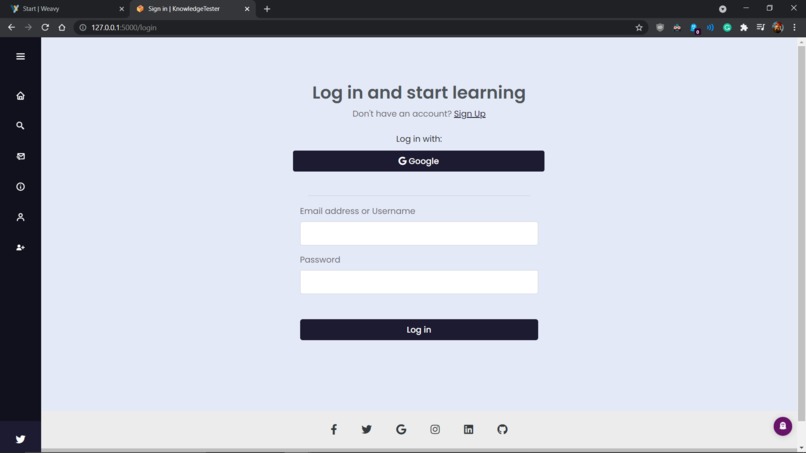
Sign-Up page
-
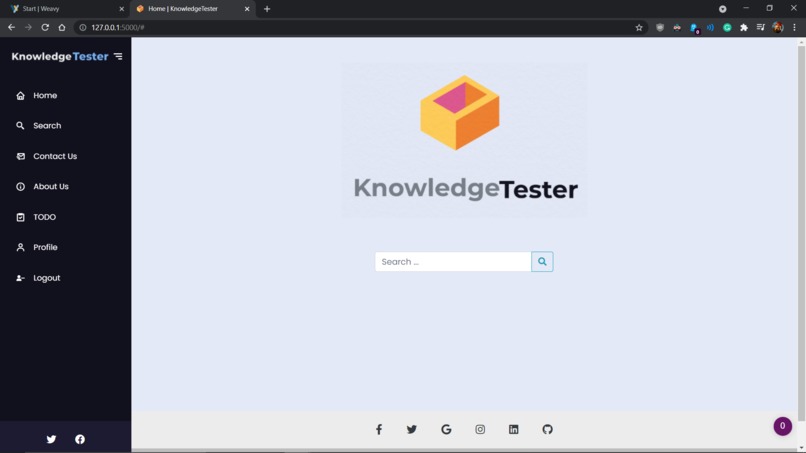
-
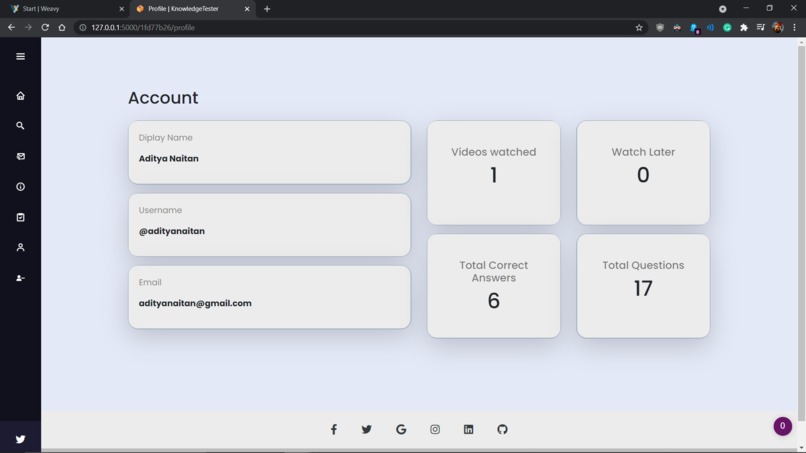
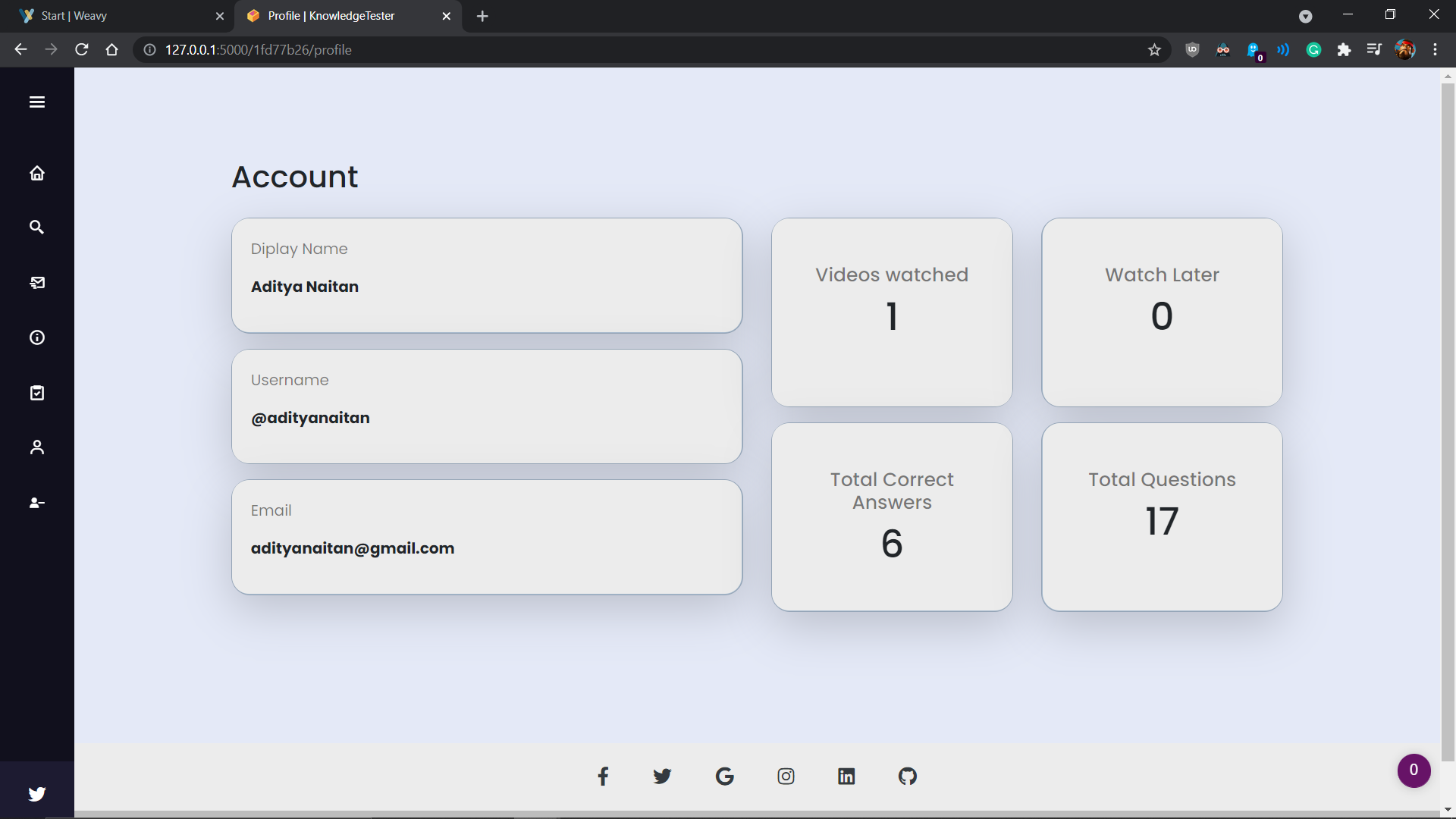
User Profile
-
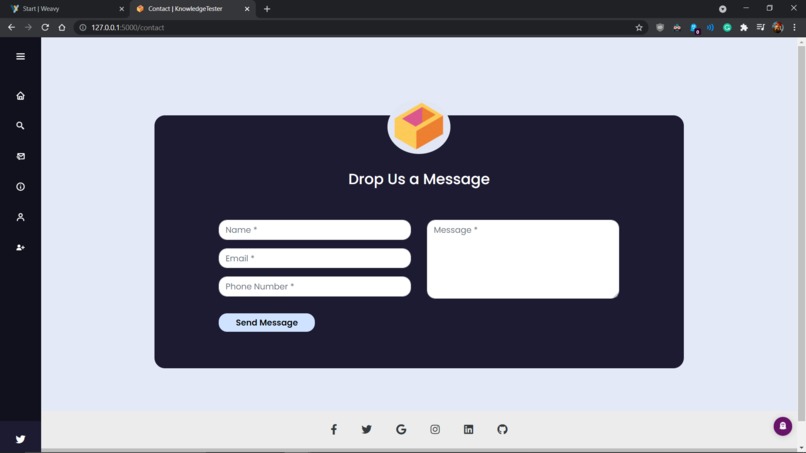
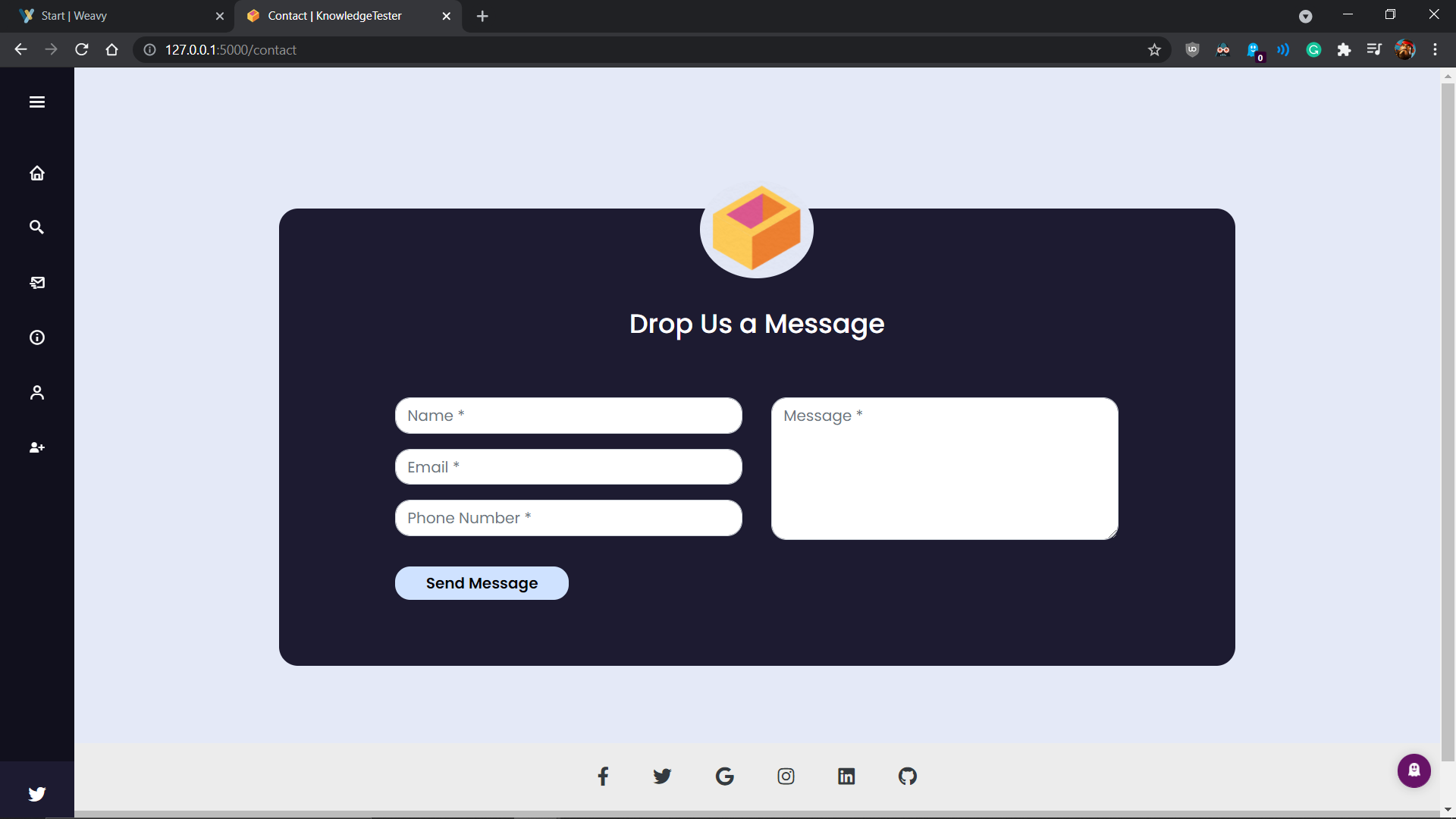
Contact Us
-
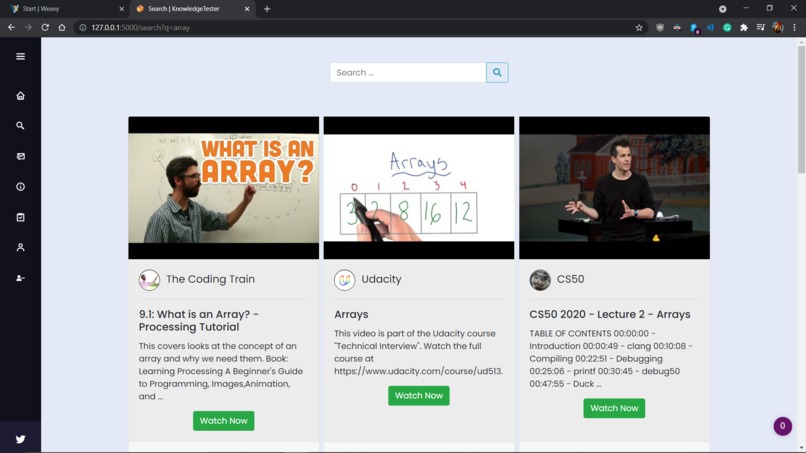
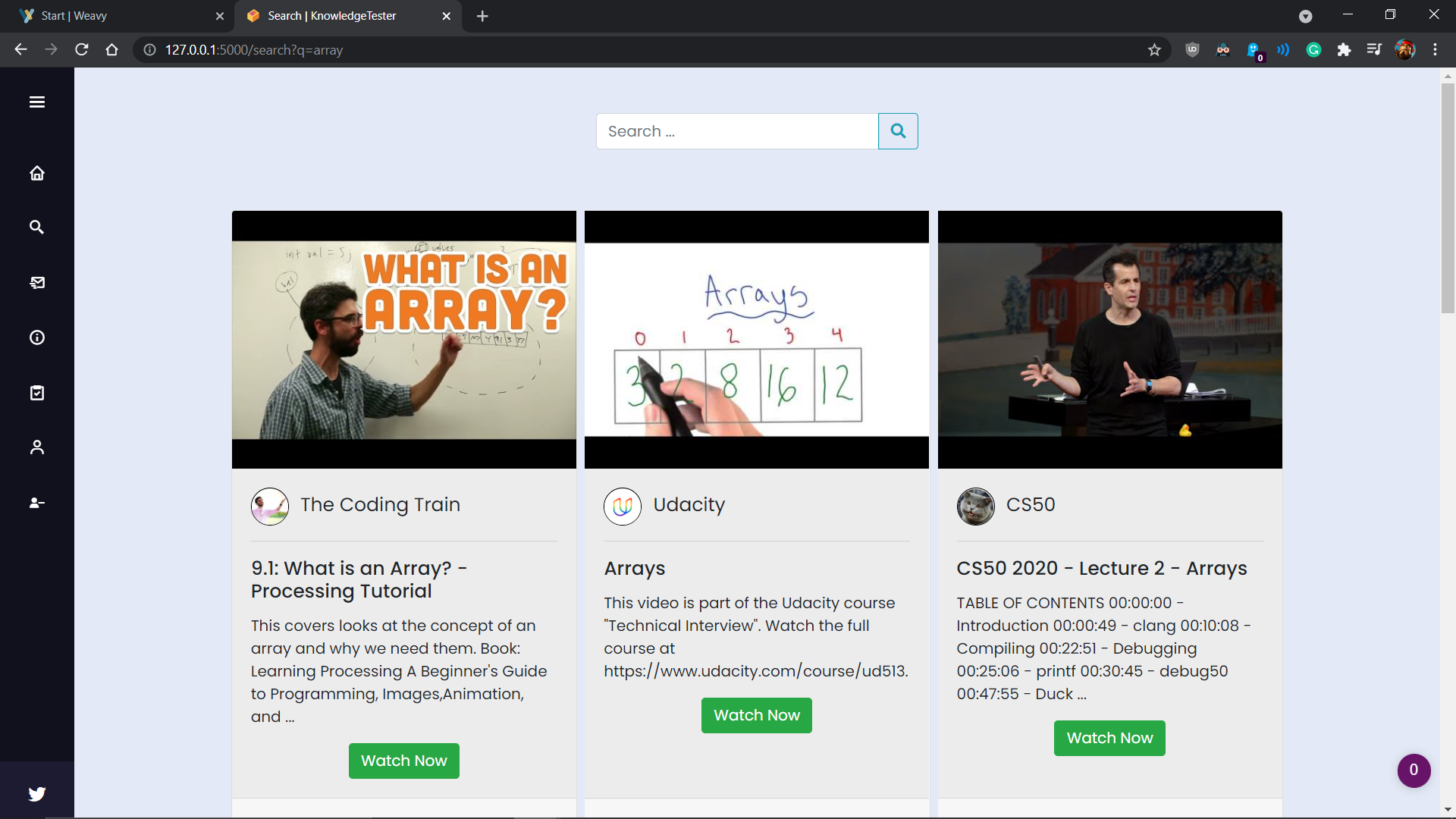
Video Search Page
-
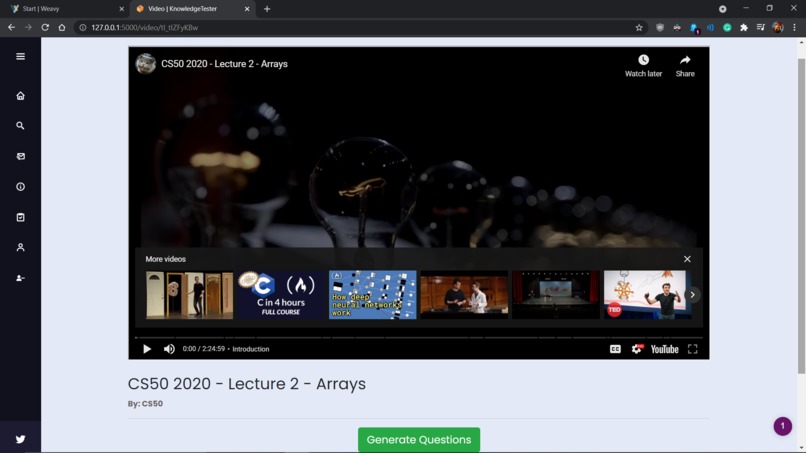
Generate questions
-
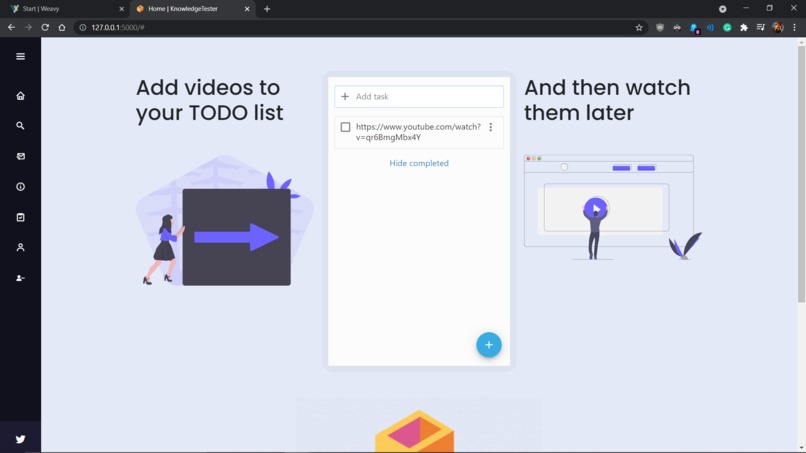
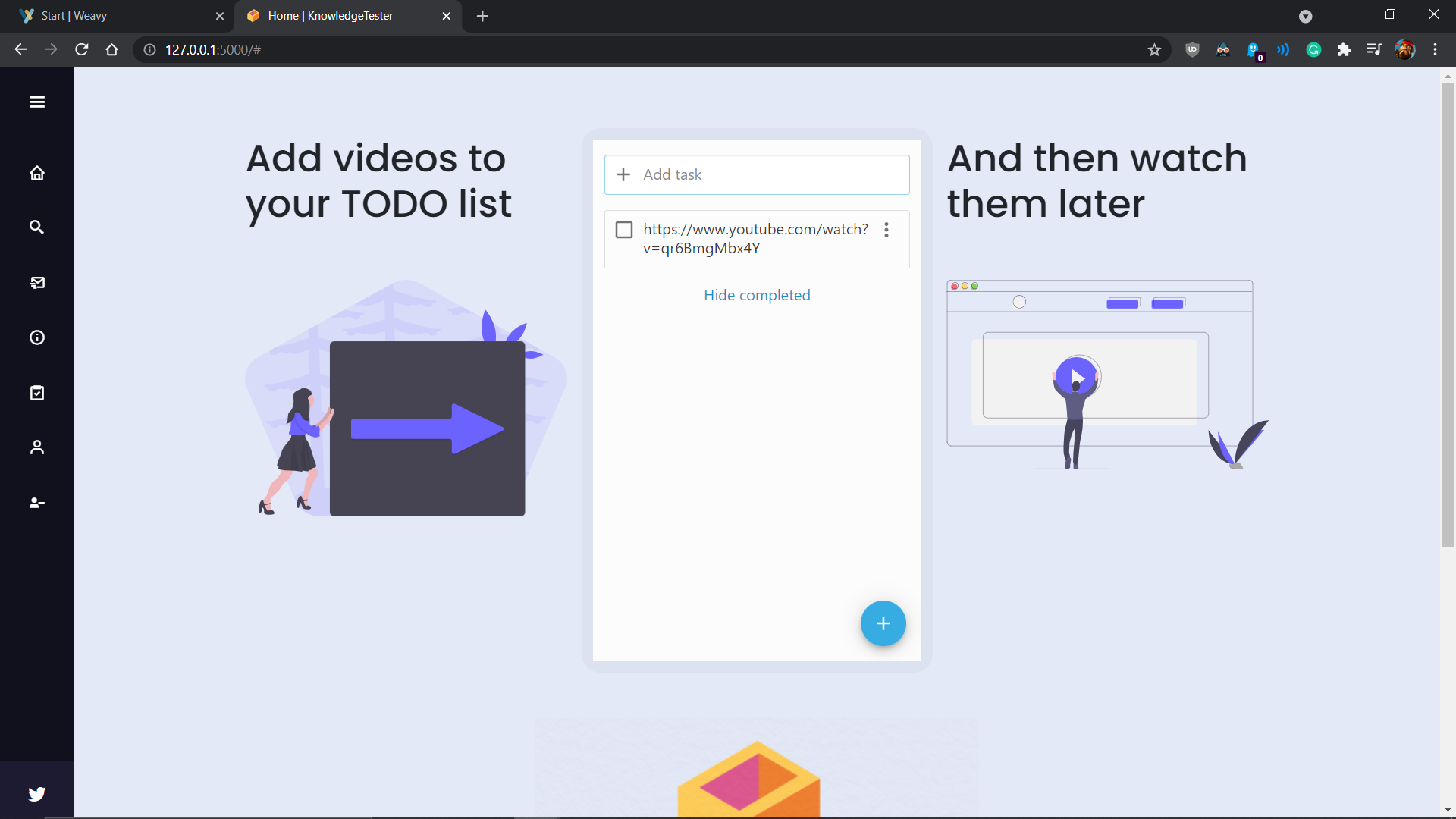
Add video to watch later


Inspiration
The inspiration for KnowledgeTester came from observing the challenges students face when learning from YouTube videos. While YouTube offers a vast array of free educational content on almost every topic imaginable, it lacks interactive elements to reinforce learning. Unlike traditional textbooks that provide exercises and questions for self-assessment, YouTube videos do not offer a built-in way for students to test their understanding of the material. This gap highlighted the need for a tool that could bridge this gap and provide students with an opportunity to evaluate their knowledge effectively.
What it does
KnowledgeTester is a website designed to enhance the educational experience for students using YouTube for learning. It allows students to search for and watch YouTube videos directly on the platform. After watching a video, KnowledgeTester generates a set of questions based on the video's captions. These questions are tailored to the content of the video, enabling students to test their understanding immediately after viewing. The platform then provides a score based on the student's answers, helping them to self-assess their grasp of the material and identify areas needing further review.
How we built it
We built KnowledgeTester using a combination of technologies to ensure a robust and user-friendly experience. The backend of the website was developed using Python Flask, which provided a solid framework for handling the server-side logic and integrating with the YouTube API. For the frontend, we utilized HTML, JavaScript, and CSS to create a responsive and interactive user interface.
To generate questions from the YouTube video captions, we employed Python's Natural Language Toolkit (nltk) package. This involved processing the captions to extract key information and formulating relevant questions that accurately reflect the content of the videos. The integration of these technologies allowed us to seamlessly fetch videos, generate questions, and display the results to the users, creating an effective tool for self-assessment and knowledge testing.
Challenges we ran into
- Caption Accuracy: One of the significant challenges was ensuring the accuracy of the questions generated from YouTube captions, as captions can sometimes be incomplete or inaccurate. 2.Question Relevance: Developing an algorithm that generates relevant and meaningful questions based on the video content.
- API Limitations: Working within the constraints of the YouTube API, especially concerning data retrieval limits.
Accomplishments that we're proud of
- Functional Prototype: Successfully developing a working prototype that can fetch YouTube videos, generate relevant questions, and provide a scoring mechanism.
- Algorithm Development: Developing an effective algorithm for generating relevant questions from video captions, significantly improves the utility of YouTube as a learning resource.
What we learned
- Algorithm Improvement: Learned valuable lessons in natural language processing and the development of algorithms for generating educational content.
- API Integration: Improved our technical skills in integrating third-party APIs and managing the limitations and constraints associated with them.
What's next for KnowledgeTester
- Enhanced Question Generation: Improving the algorithm to generate more diverse and challenging questions to cater to different learning levels.
- Multimedia Integration: Incorporating other forms of media, such as articles and podcasts, to provide a more comprehensive learning tool.
- User Customization: Allowing users to customize their learning experience by selecting the difficulty level of questions and specific topics of interest.
- Analytics Dashboard: Developing an analytics dashboard to provide detailed insights into students' performance, helping them track their progress over time.

Log in or sign up for Devpost to join the conversation.