Inspiration
The creation and distribution of educational content has been dramatically altered by technology over the last two decades. Learning no longer requires large institutions, high costs, much less leaving home. Likewise, the distribution of this content has become increasingly easier, with the advent of platforms specialized in the sale of courses and e-books. Although redundant in the age of digital distribution, the network of intermediaries still persists, making the producers of these contents depend on large conglomerates to distribute their work.
In 2021, the e-learning industry generated $317 billion in revenue, but only a fraction of it went into the pockets of true creators. As an example, on one of the largest online course platforms, a Brazilian teacher is able to sell his courses to the entire world, but leaves up to 50% in fees for the platform. Centralized user-generated education delivery platforms have succumbed to the influence of legacy institutions, struggling to find sustainable business models and institutions reap the rewards of their (and creators') labors.
The creators, so far, find themselves without alternatives for distributing their materials, the only way out is to make them available on a centralized platform. However, this generates a major problem of trust, given that all content published there actually belongs to the desires of the platforms, their censorship as well as their audience limitation. In addition, there is no real incentive method for these authors, causing them to fight a price battle and be forced to provide fragmented content or lower production cost, leaving quality aside.
What it does
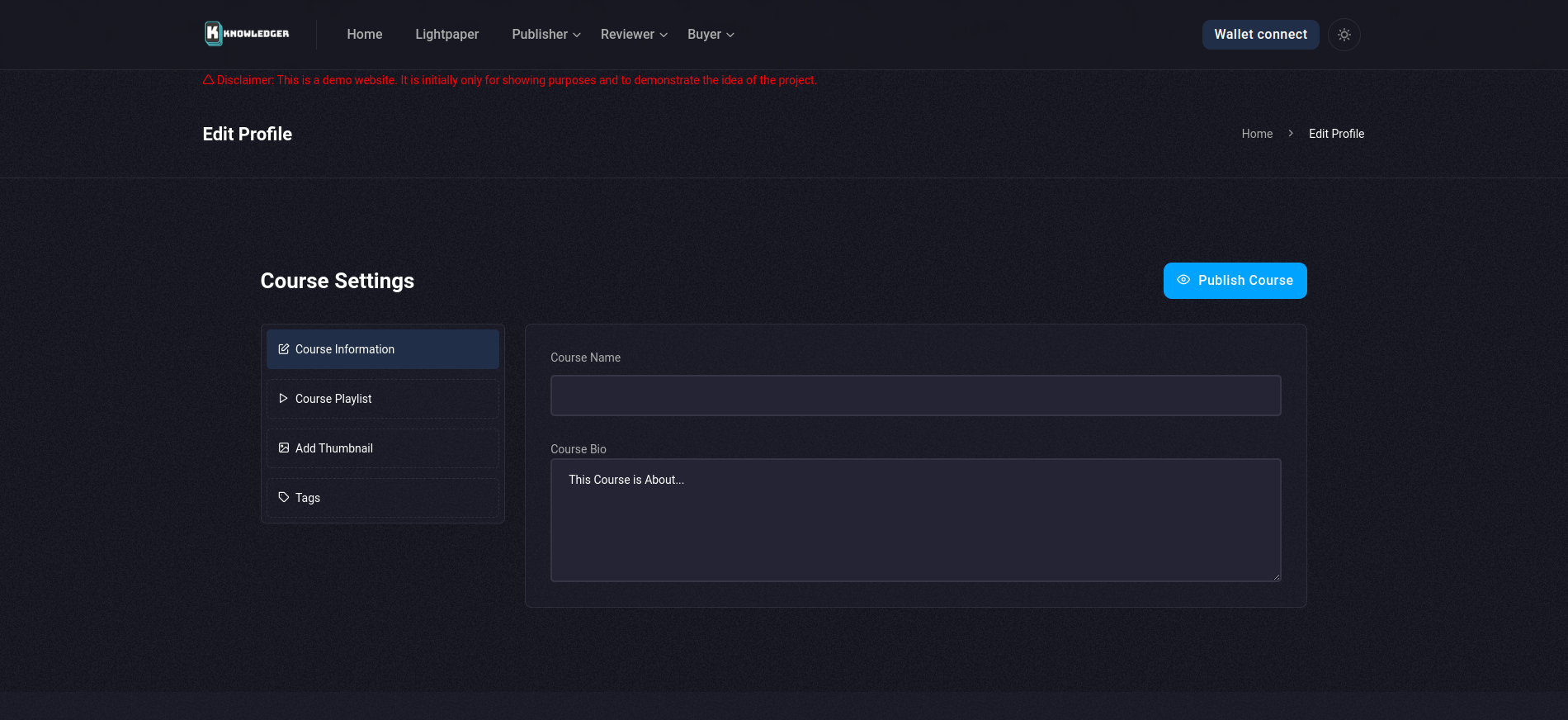
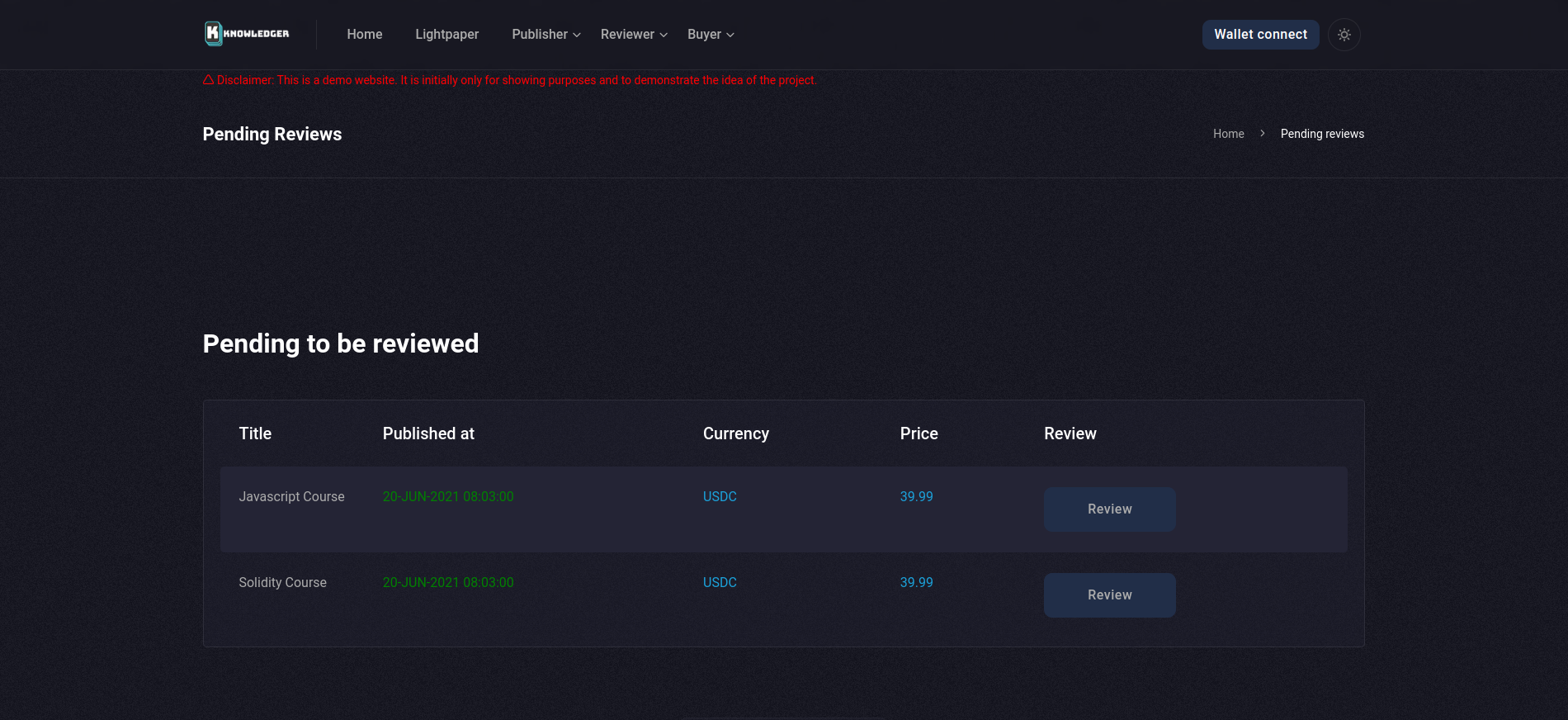
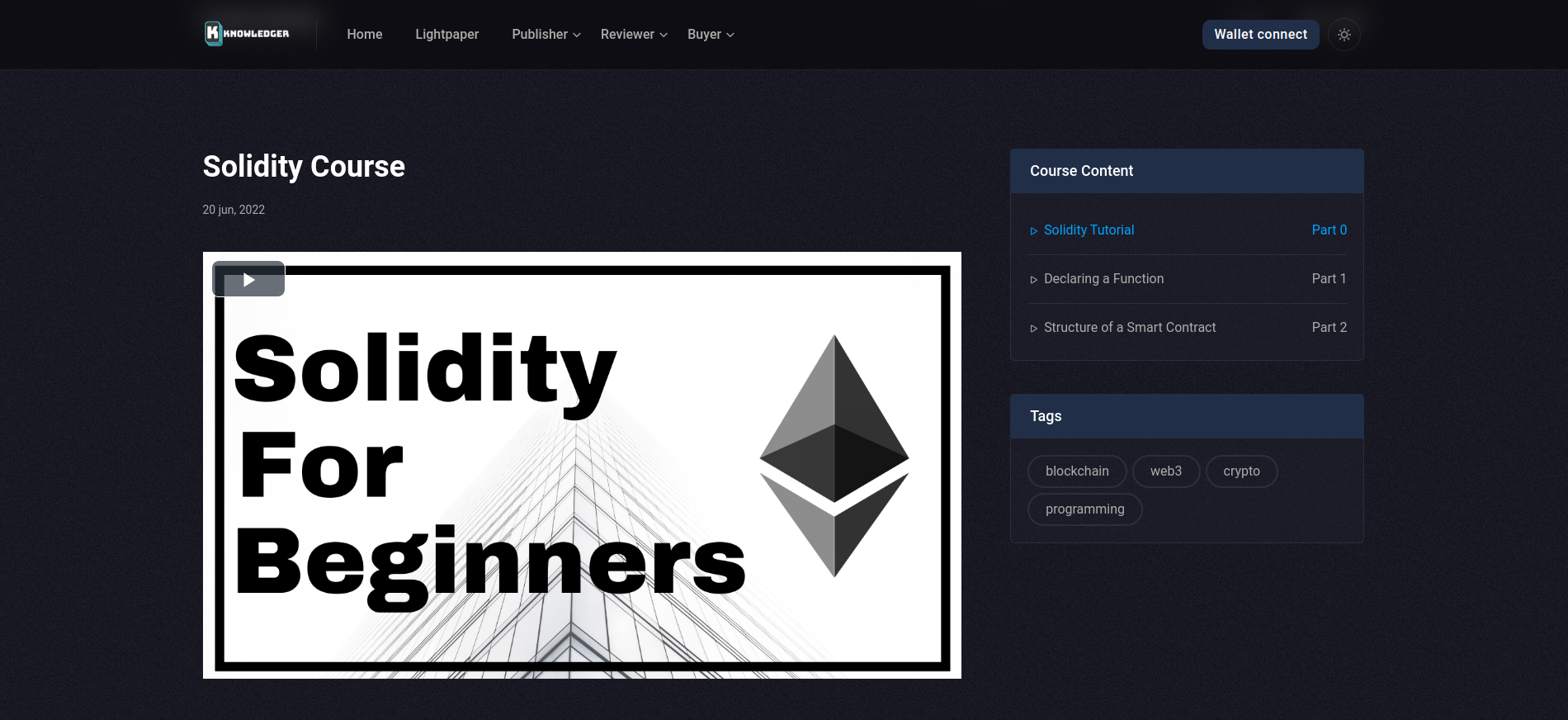
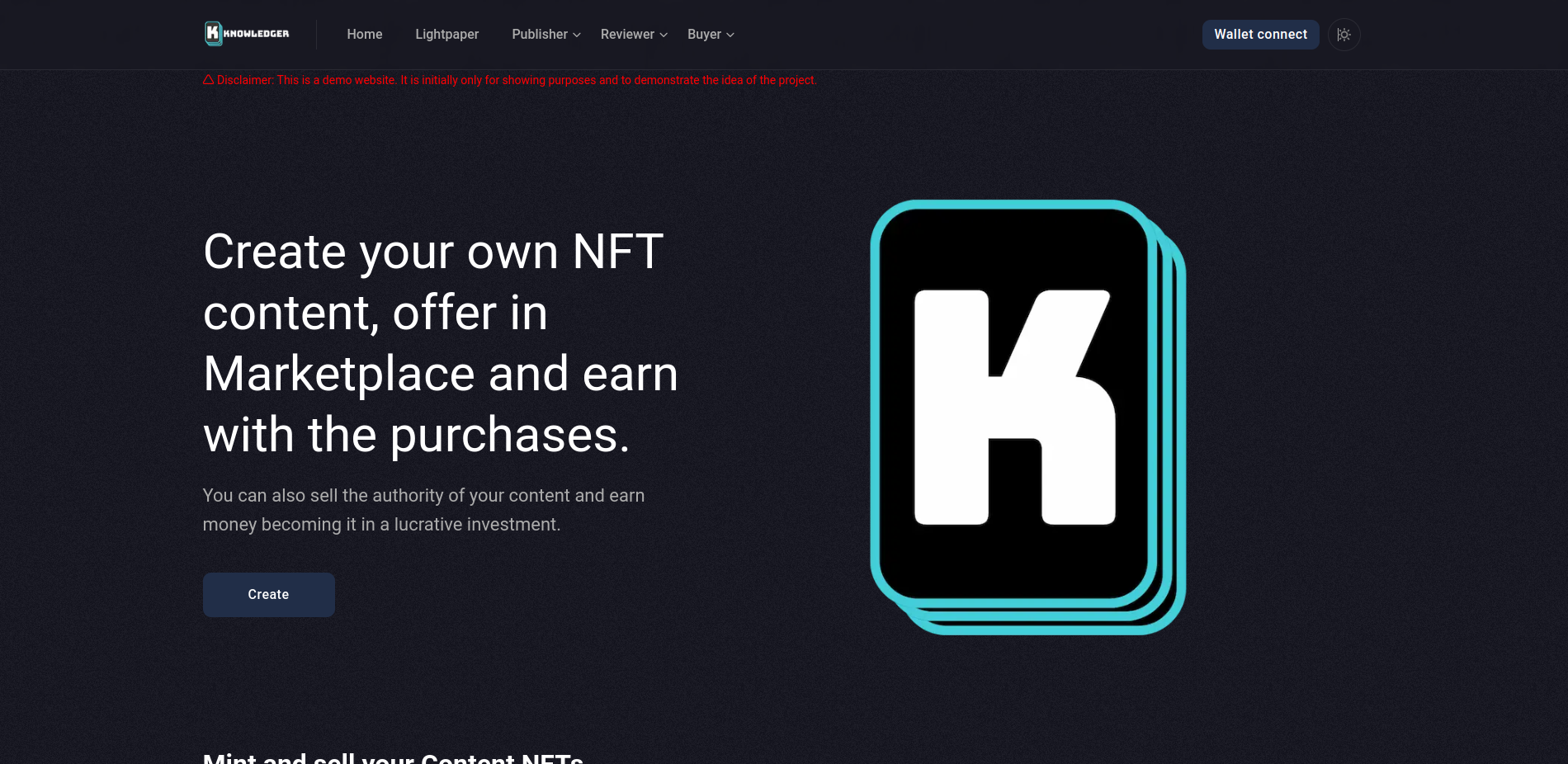
Knowledger's mission is to provide everyone the freedom to distribute, monetize and transmit any educational content. The Knowledger ecosystem brings creators, reviewers, and students together in line with incentives, allowing these actors to collectively provide a completely decentralized education experience.
How we built it
A Platform Token and Shared Token Economy, that aligns the incentives of all participants with three key points of functionality: access, security, and governance.
Decentralized Storage Protocols. We use the Filecoin network, the main form of decentralized storage available.
Content Distribution Protocol. From the integration with IPFS, we make the stored contents available in a decentralized way, granting access to the buyers of each material to get access to contents.
Governance and financial rights. A DAO, with mechanisms for modifications, improvements and investments in the best creators of Knowledger, that shares control between those who created and are creating value continuously.
Challenges we ran into
The 2 biggest challenges so far, were first we need to figure out how to get up and running our own IPFS node, since using third-party for that service made our content upload and download really slow. This was a big game changer for our project. The second challenge is the one we are facing right now, that involves getting first-users to try our beta-test.
Accomplishments that we're proud of
We are really happy to bring so many solutions in so little time, and we are proud that we have an MVP that is live to test.
What we learned
We learned a lot from working close to public web3 solutions, since back then we only were used to develop private blockchain consortiums.
What's next for Knowledger DAO
We hope to win this hackathon and gain visibility to make our project get credibility. This way, we know that we will be able to build a large community and change the way e-learning contents are distributed.
Built With
- amazon-web-services
- azure
- docker
- ethereum
- ganache
- javascript
- react
- solidity
- terraform
- truffle
- typescript
- web3


Log in or sign up for Devpost to join the conversation.