-
-
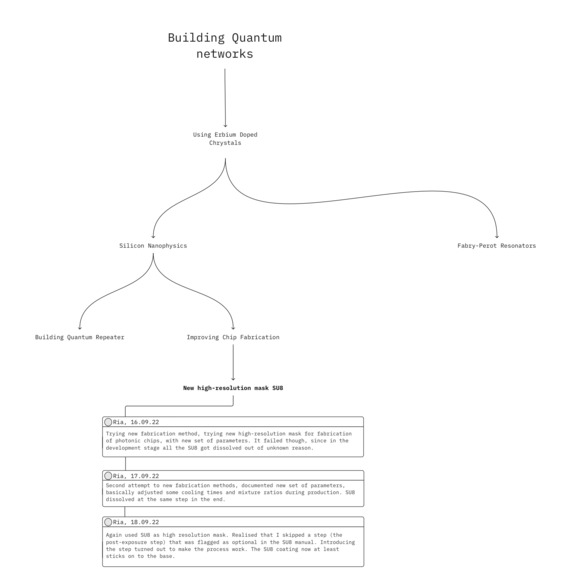
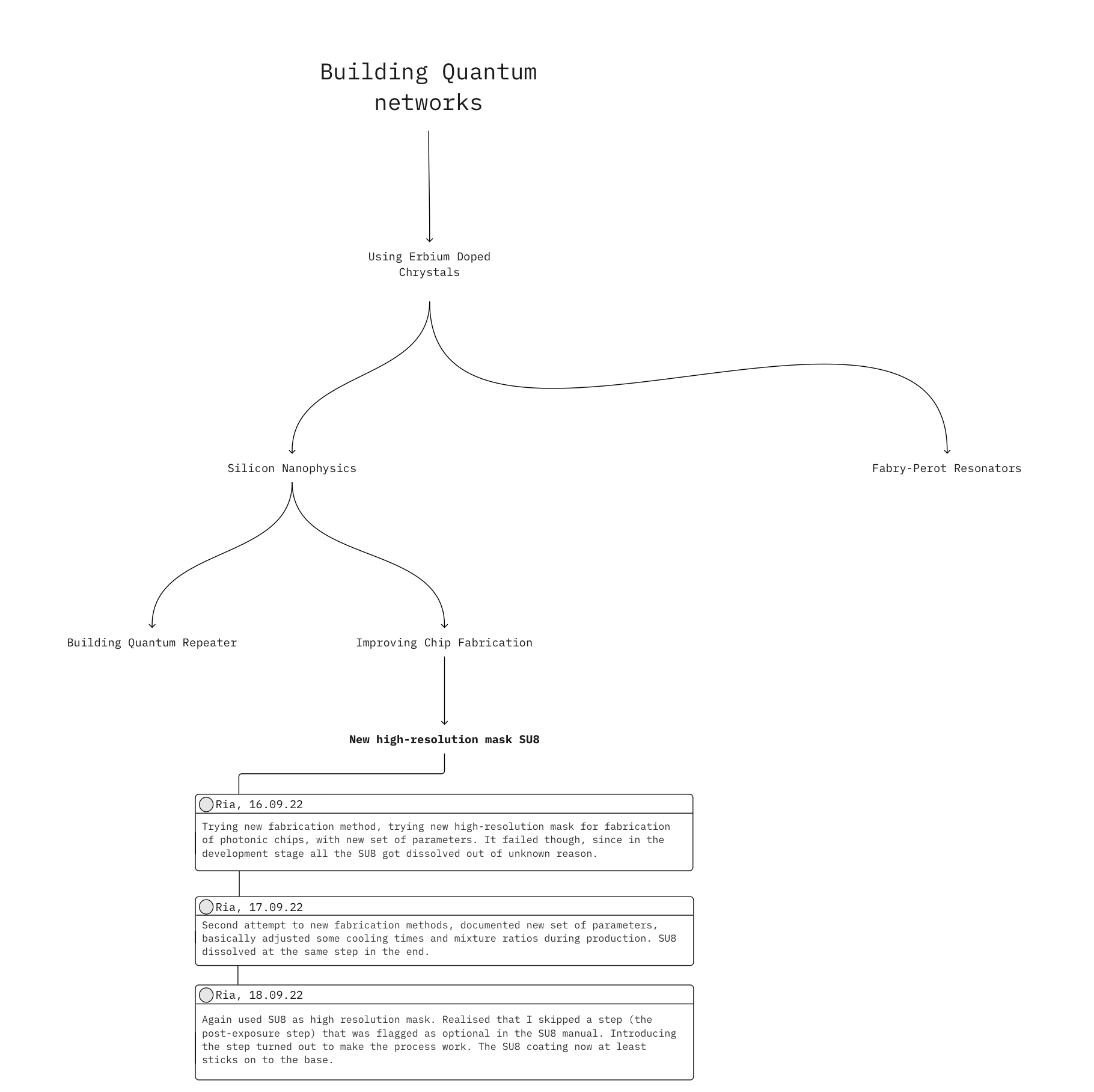
Conceptualising research process graph
-
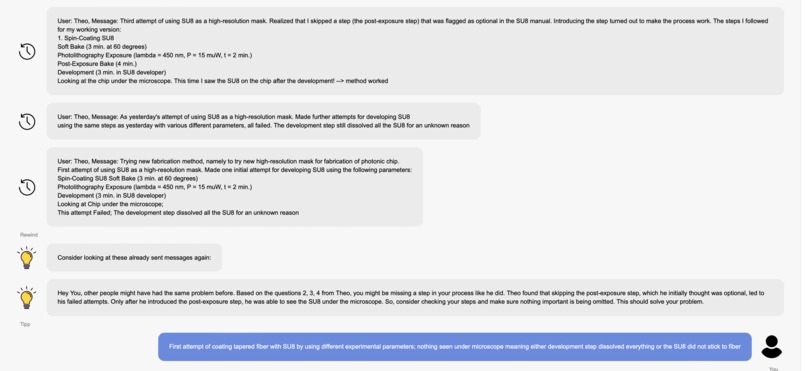
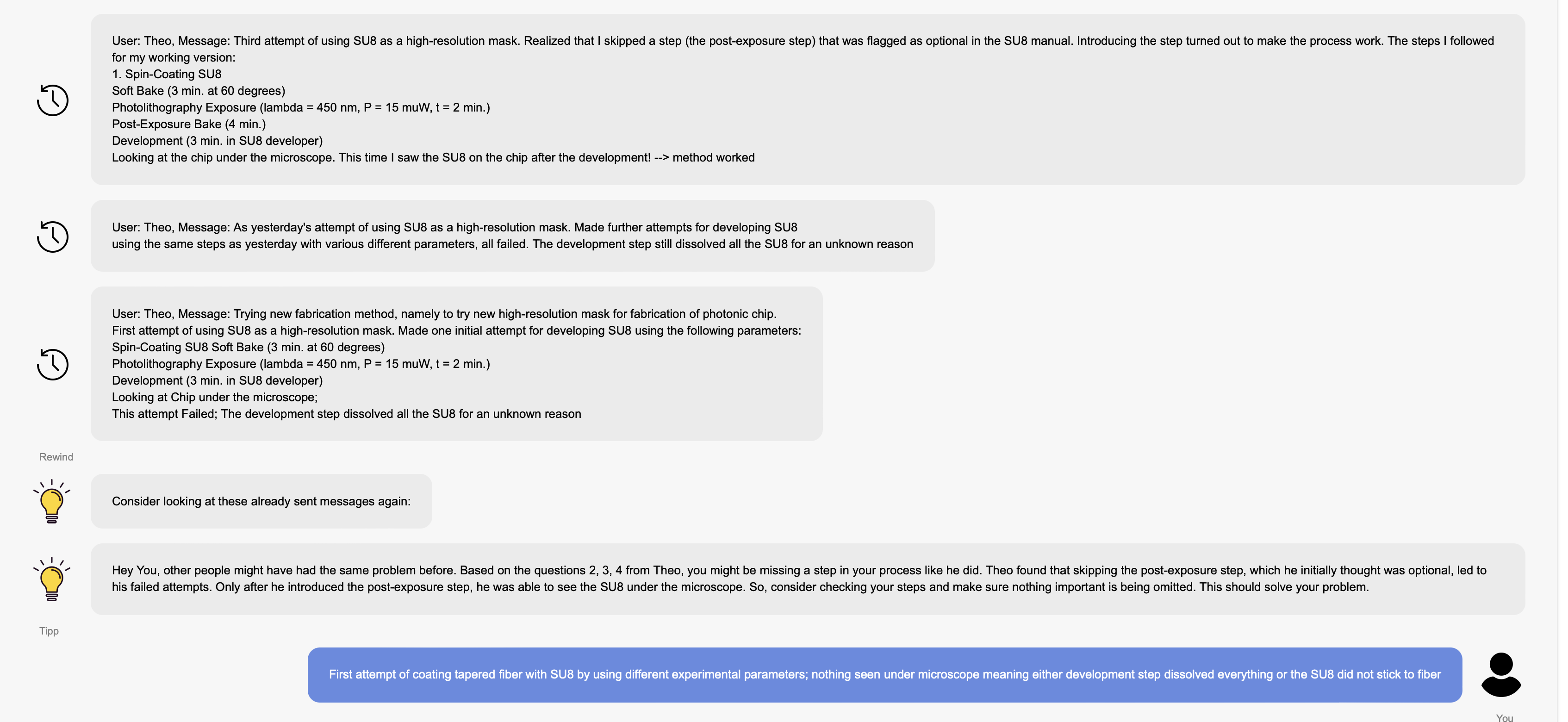
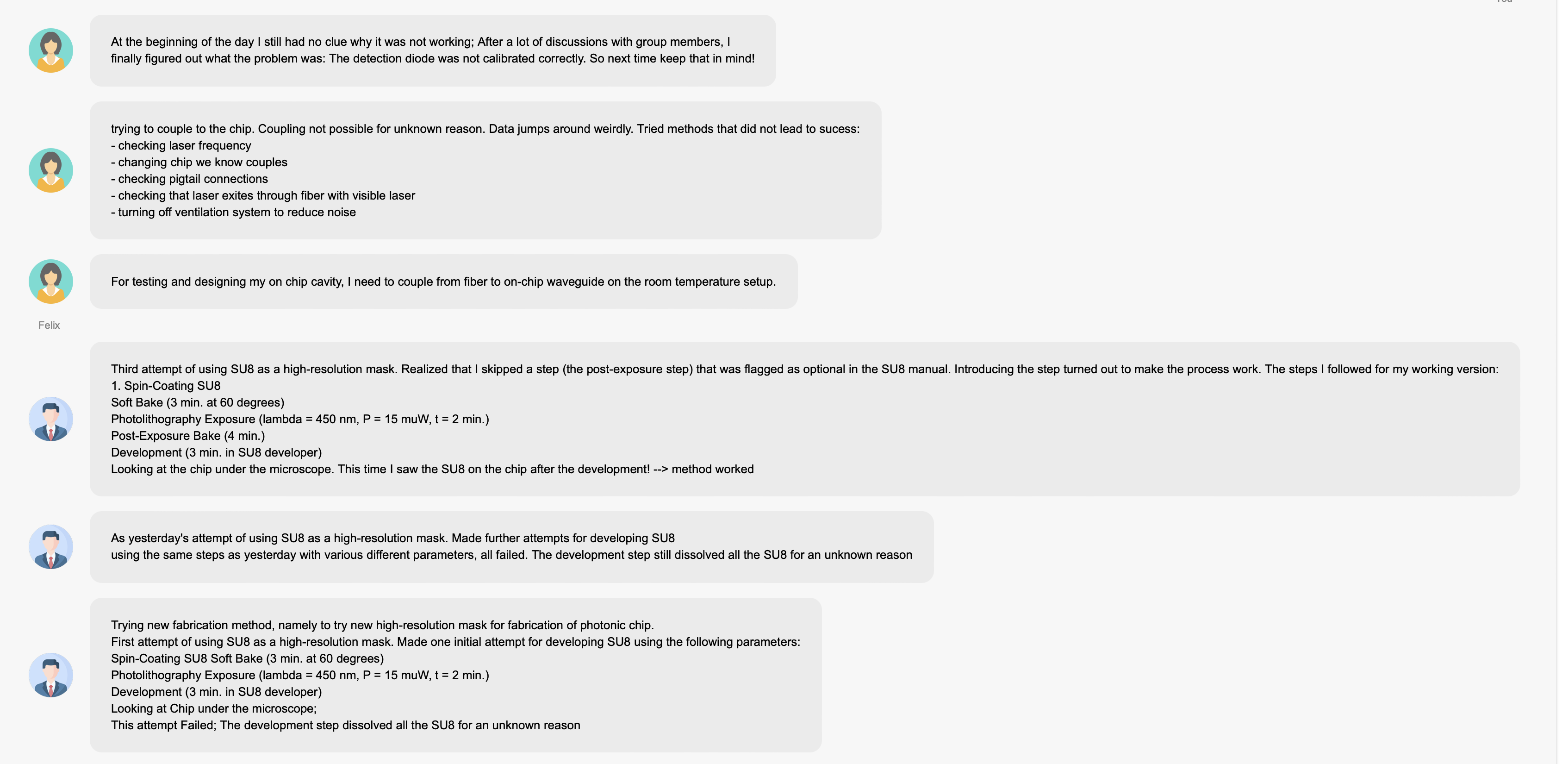
Examples of past journal entries from other people
-
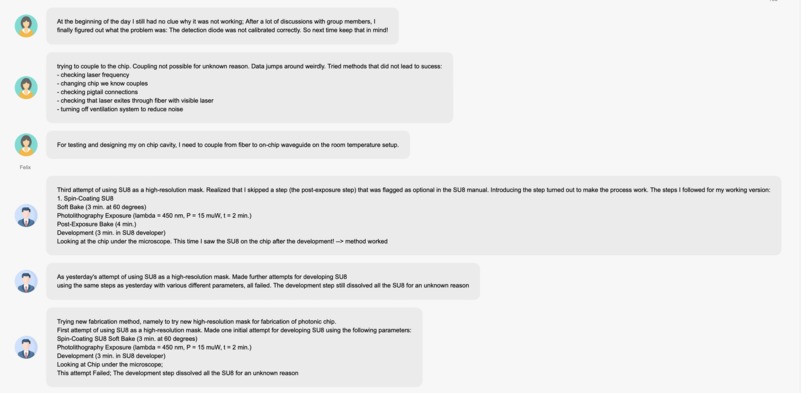
Example 1: ChatGPT generated proposal of past problem
-
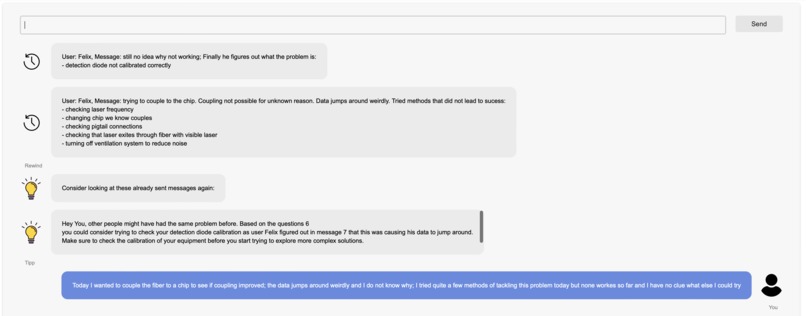
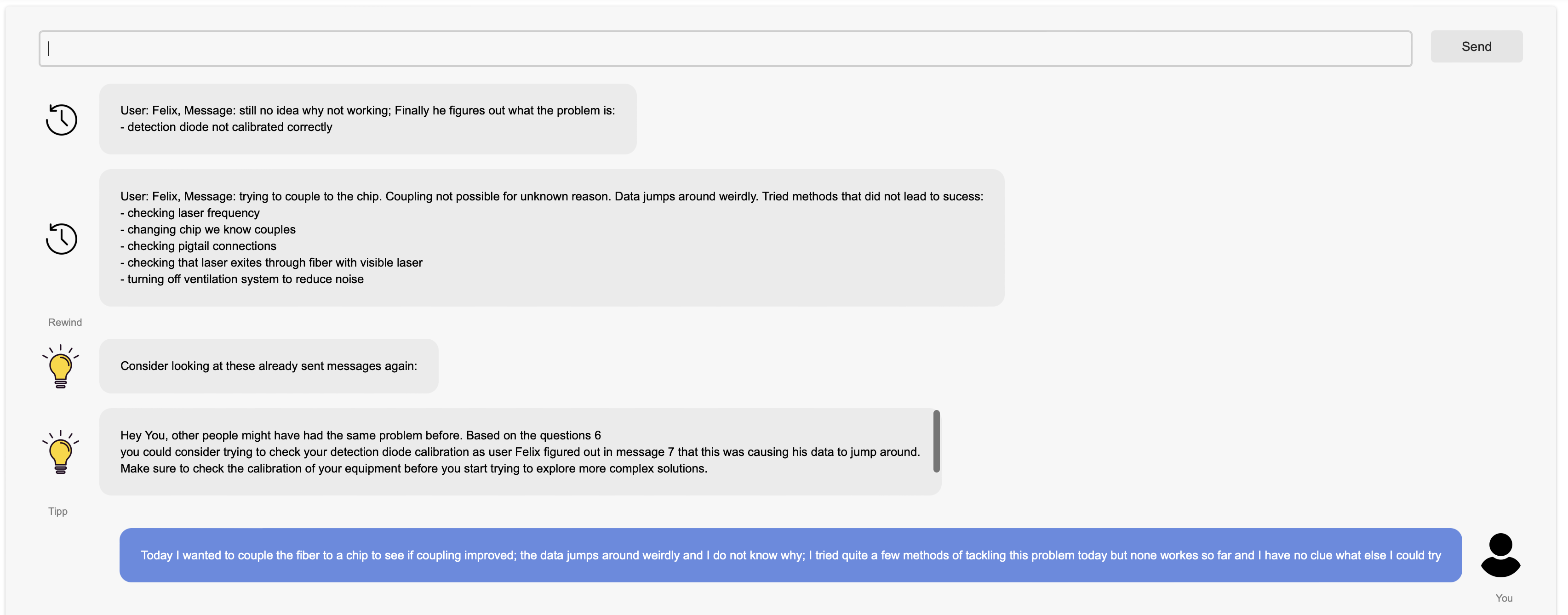
Example 2: ChatGPT generated proposal of past problem
Project Description: Knowledge Management for Research Groups
Problem Statement
This project addresses the inefficiencies in research information management within experimental STEM research groups. Two primary issues have been identified:
Lack of Documentation for Failed Attempts: Failed experiments are often undocumented, leading to repetitive efforts and wasted time as group members unknowingly repeat unsuccessful tasks.
Time Spent on Tedious Problem-Solving: Significant time is dedicated to solving mundane but necessary tasks, such as troubleshooting equipment or process optimization, which often goes undocumented due to perceived unimportance. However, this documentation could dramatically reduce redundant work when correctly implemented.
These challenges are not limited to academia but also affect research departments in manufacturing companies, making research groups less efficient than they could be.
Solution in Brief
Our solution involves the daily documentation of five minutes of work and problem-solving efforts. Researchers enter their daily progress and encountered problems into a custom knowledge management platform. Behind the scenes, a Natural Language Processing (NLP) application analyzes the entries to identify similar problems and solutions from past researchers. The system then suggests solutions and allows researchers to access journal entries from peers who faced similar challenges.
Detailed Description
This platform serves as an alternative to traditional research journals shared within working groups. It offers researchers a simplified journal entry system, where they summarize their daily activities, successes, and challenges in just five minutes. Entries are categorized by research branch. The NLP application processes these entries, functioning as an internal knowledge repository, much like an automated stack exchange comparator.
In addition, think of it as a "Git for research." A graphical representation tracks the progress toward the overarching research goal. You can zoom in at any point on this graph, gaining a detailed view of the steps taken and the problems addressed to reach your current position.
Development Process
Our team spent considerable time conceptualizing and understanding the project's requirements, ensuring we aligned with the needs of research groups. For the proof of concept, we developed a chat application using Python and Panels, integrating it with OpenAI's API. Initial tests demonstrated ChatGPT's capability to provide relevant suggestions and identify similar past problems.
Personal Experience
From personal experience, we've observed that if implemented correctly, this knowledge management solution can save up to 50% or more of research time. By avoiding repeated mistakes and benefiting from collective knowledge, your research group can achieve breakthroughs faster and more efficiently.
Challenges Faced
The primary challenge was not the technical implementation but finding a solution that researchers would realistically adopt for knowledge management in their groups.
Future Potential
This knowledge management tool holds promise for broader applications. With just five minutes of daily journaling, companies can gain valuable insights into their employees' daily tasks, identify areas of duplicated work, and pinpoint inefficiencies. Future developments may even automate the journaling process through the automatic detection of work-related activities.
Built With
- gpt
- panel
- python


Log in or sign up for Devpost to join the conversation.