Inspiration
Many students around the world don't know their basic rights — like the right to education, privacy, fair treatment, or disability support. This information usually lives in dense legal documents (UN conventions, UNESCO papers) that are hard to understand. We also noticed that asking a general AI chatbot for this information isn't reliable — answers can vary and aren't always verifiable against real sources.
What it does
"Know Your Rights" is an offline Android app that teaches students their rights in simple, plain language. Content is organized into 4 categories:
- Right to Learn — access to education, non-discrimination, disability inclusion
- Right to Privacy — student data protection and records safety
- Right to Fair Treatment — due process, non-discrimination, dignity
- Right to Support — accessibility, accommodations, and safety
Every single right shown in the app is sourced from a verified international document — including the Universal Declaration of Human Rights, UNESCO conventions, the UN Convention on the Rights of the Child, the UN Convention on the Rights of Persons with Disabilities, and UNICEF guidelines. No AI- generated guesses — only authentic, cited information.
How we built it
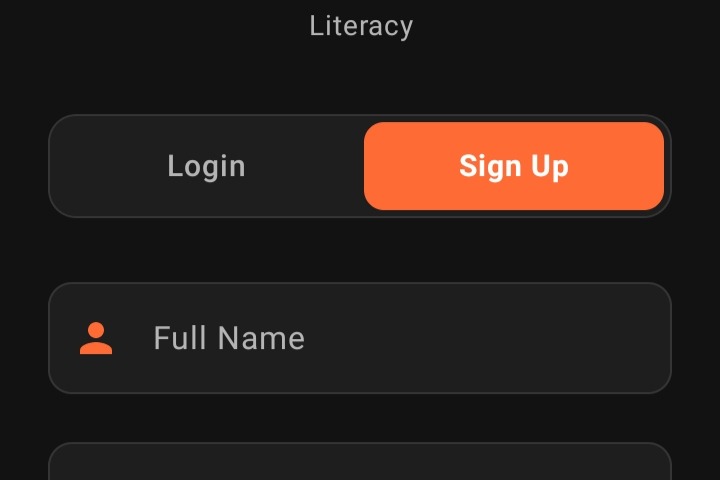
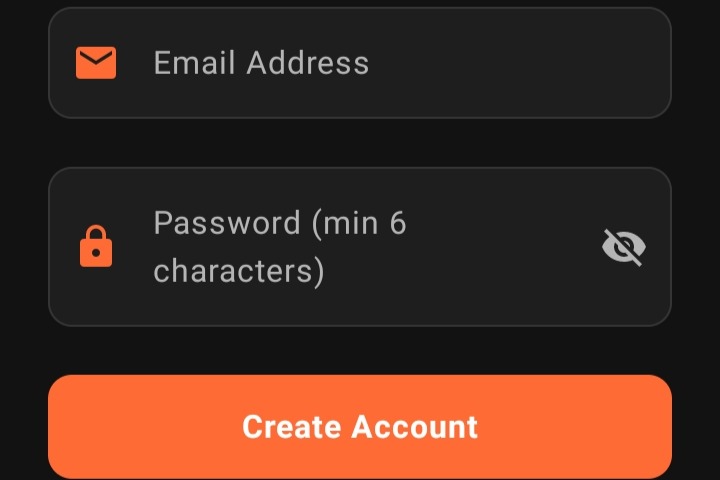
The app was built using Kotlin and Jetpack Compose for a modern, responsive UI, with a local Room database for offline login/signup. All rights content was researched from official UN/UNESCO/UNICEF sources and converted into a structured local dataset. We used Claude AI (Anthropic) to help write and debug the code throughout development.
Challenges we ran into
Making sure the content stayed 100% accurate and didn't include AI-invented information was our biggest priority — we deliberately used pre-written, source-verified content instead of a live AI chatbot to avoid unreliable answers. We also worked through several rounds of debugging to remove developer-only features (like a JSON export button) that weren't meant for end users, and to add smooth animations without overcomplicating the app.
What we learned
We learned how to structure an offline-first Android app with Jetpack Compose, how to responsibly source and verify legal/rights information from international bodies, and how to balance simplicity with a polished user experience.
What's next for Know Your Rights
Expanding the rights database with more categories, adding multi-language support so students worldwide can read in their own language, and adding country-specific rights information alongside the universal rights already included.
Built With
- ai
- android-studio
- claude
- jetpack-compose
- kotlin
- room-database

Log in or sign up for Devpost to join the conversation.