-
-
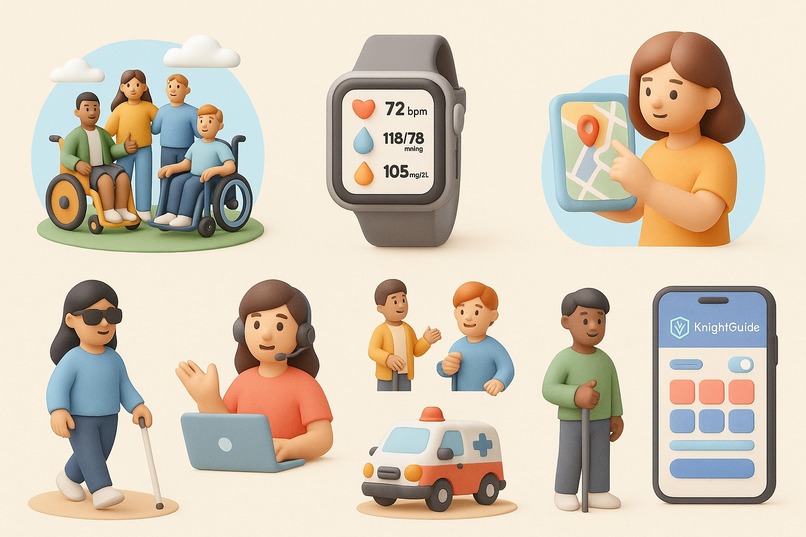
Knight Guide Project Logo
-
Project intro slide
-
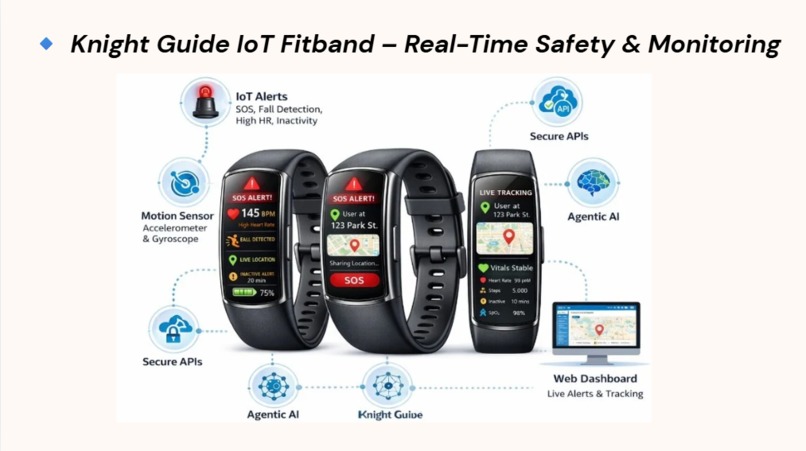
IOT intro
-
-
-
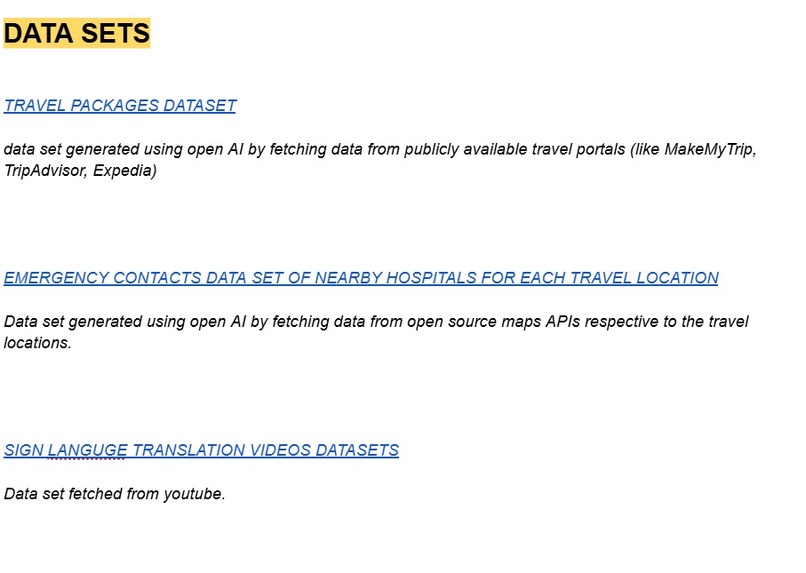
data sets file
-
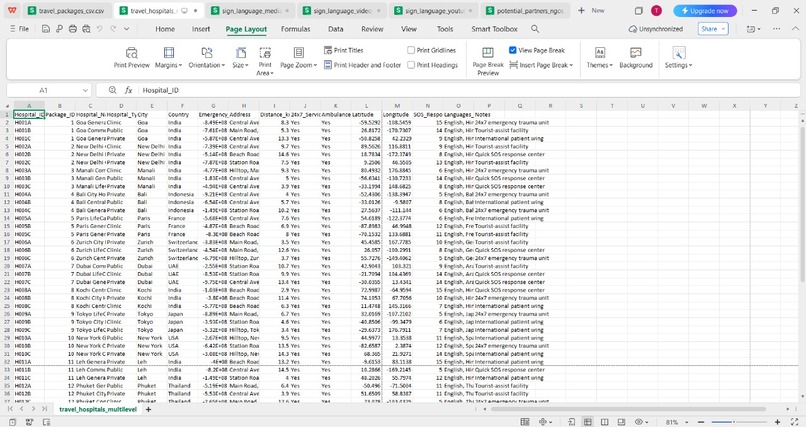
CSV data set file
-
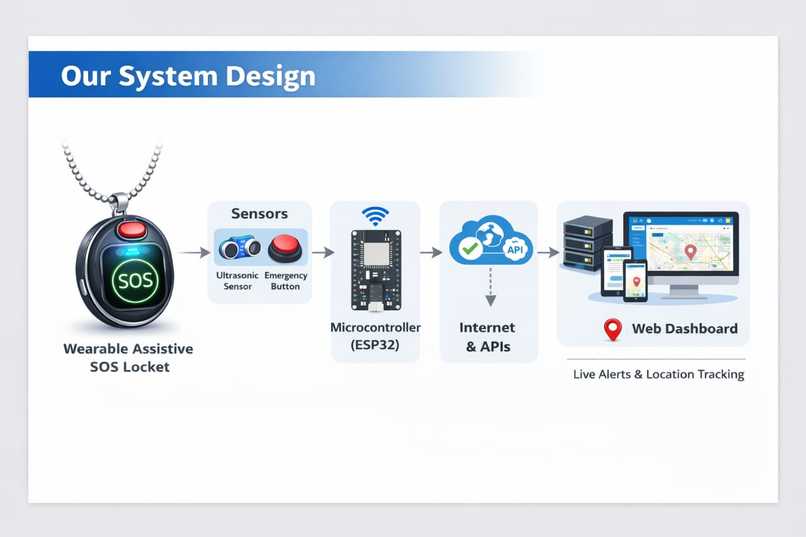


KNIGHT GUIDE #Accessibility is not a privilege, it’s a right#
🌟 Inspiration
Our inspiration came from a simple but powerful observation: There are countless travel and tourism apps for normal travelers, but almost none are designed specifically for people with disabilities.
While regular travelers have access to:
route planners
tourist guides
booking platforms
safety and navigation apps
BUT disabled travelers still struggle with the basics like -\finding accessible routes, communicating with people, and ensuring their own safety\
This accessibility gap inspired us the most.
✨\ There is a lot of talk about “inclusive tourism,” but very few real, technology-driven solutions that truly support disabled travelers\
What it does🤔
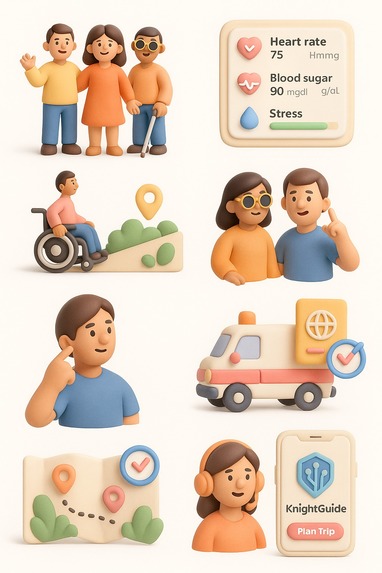
Knight Guide is an AI-powered accessible travel platform designed specifically for people with disabilities. It helps them travel safely, independently, and confidently
- Creates Personalized Travel Plans
Uses Generative AI to build custom itineraries based on disability type, comfort level, and accessibility needs.
- Provides Accessible Navigation
Voice-based navigation for visually impaired users
Sign-language output for deaf and mute users
Real-time route guidance using Google Maps and sensors
- Ensures Safety Through Agentic AI
Sends automatic emergency alerts to hospitals, NGOs, or guardians
Detects unusual movements or health risks
Tracks user location in real time via the wearable band
- Helps With Communication
Text-to-speech
Speech-to-text
Sign-language translation for easier communication
- Accessibility Score Map
Shows accessible places using a color-coded rating system.
- Connects Users With Volunteers & Caretakers
Matches travelers with volunteers, guides, or support organizations nearby.
🛠️ How We Built It
We built Knight Guide by combining AI, accessibility tools, and navigation technologies into one platform.
- Planning & Research
We studied the real challenges faced by visually impaired, deaf–mute, and physically disabled travelers — especially safety, navigation, and communication issues.
- Designing the System
We created a simple architecture connecting:
"Generative AI for planning"
"Agentic AI for safety"
"A web app for users"
"A wearable band for tracking and alerts"
- Development
*Frontend: HTML, CSS, JavaScript, React
*Backend: Python, MySQL
*AI: GPT-based assistant, TTS/STT tools, sign-language model
*Maps & Sensors: Google Maps + sensor-based navigation
*Safety: Emergency alert system linked to hospitals & NGOs
- Testing
We tested:
voice navigation
emergency alerts
accessibility features Then improved everything based on user feedback.
🚧 Challenges We Ran Into
One of the biggest challenges was integrating the IoT-based health and safety system
Our goal was to detect emergencies — sudden health issues, abnormal movements, or risky incidents — using wearable sensors.
This was difficult because:
1.sensors needed high accuracy
2.avoiding false alerts was challenging
3.syncing real-time sensor data with AI + backend was complex
4.emergency alerts had to reach hospitals/NGOs without delay
We kept testing and refining until the system became stable and reliable.
🏆 Accomplishments We’re Proud Of
Built an AI-powered travel assistant specially for disabled travelers
Successfully integrated IoT sensors for emergency detection
Created voice navigation + sign-language support
Designed communication tools for easier interaction
Developed an Accessibility Score Map
Combined Generative AI + Agentic AI for planning + safety
Promoted inclusive tourism with a real-world impact
📚 What We Learned
\AI can make travel more accessible for visually impaired and deaf–mute users\
\IoT sensors can provide real-time health and safety monitoring\
\Experience with Google Maps APIs, navigation tools, TTS/STT, sign-language models\
\Generative AI and Agentic AI complement each other\
\Accessible tech must be user-friendly, dependable, and inclusive\
\Technology can bring powerful positive impact to real lives\
🚀 What’s Next for Knight Guide ❓
"We aim to make solo travelling possible even for people with disabilities."
Though challenging, stronger AI, better sensors, and advanced safety monitoring can make independent travel a reality.
Next steps:
``AI-assisted solo travel guidance
``Improved health + emotional monitoring
``Advanced wearable device
``Expansion to more cities and destinations
Our vision is simple: To make independent, safe, and confident travel possible for every DISABLED traveler


Log in or sign up for Devpost to join the conversation.