Inspiration
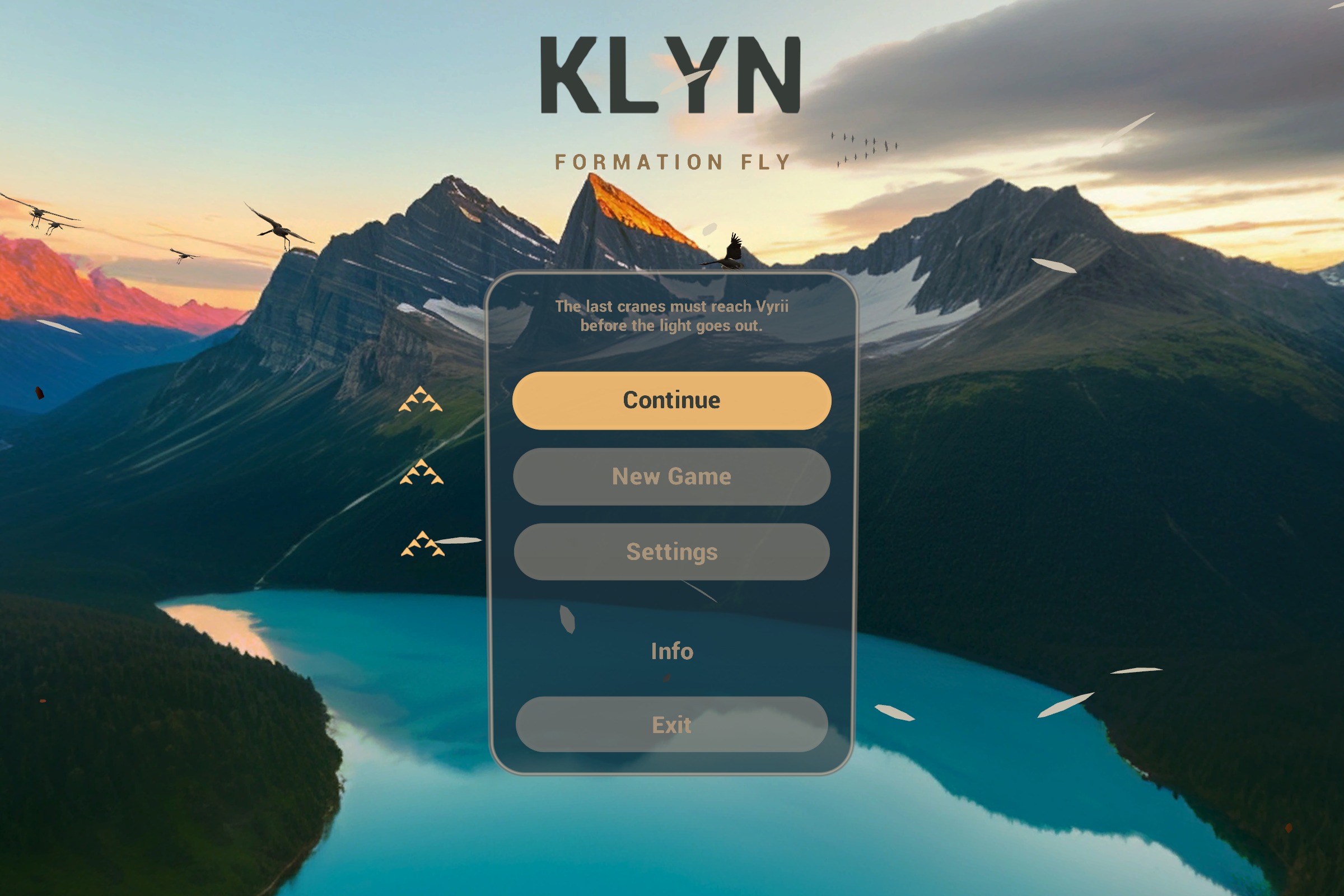
Every autumn cranes fly over Ukraine in a long V, and you hear them calling before you see them. We call that V a klyn, a wedge. It is our old image of the road home and of those who did not come back. I wanted to put you at the point of it, with the whole flock behind you and your own arms as the wings. Hand tracking on Quest made that possible without a single button: you raise your arms and you fly.
What it does
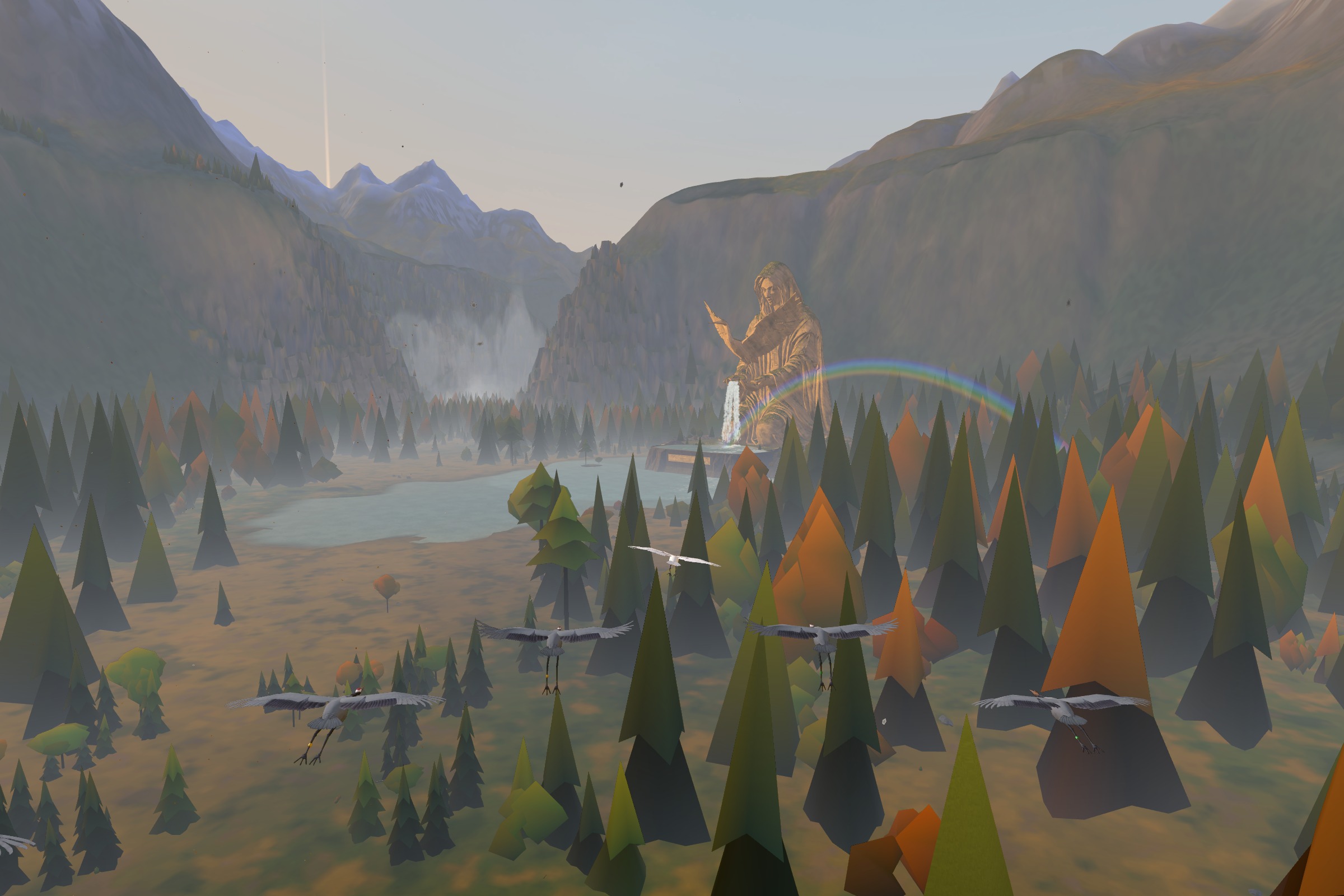
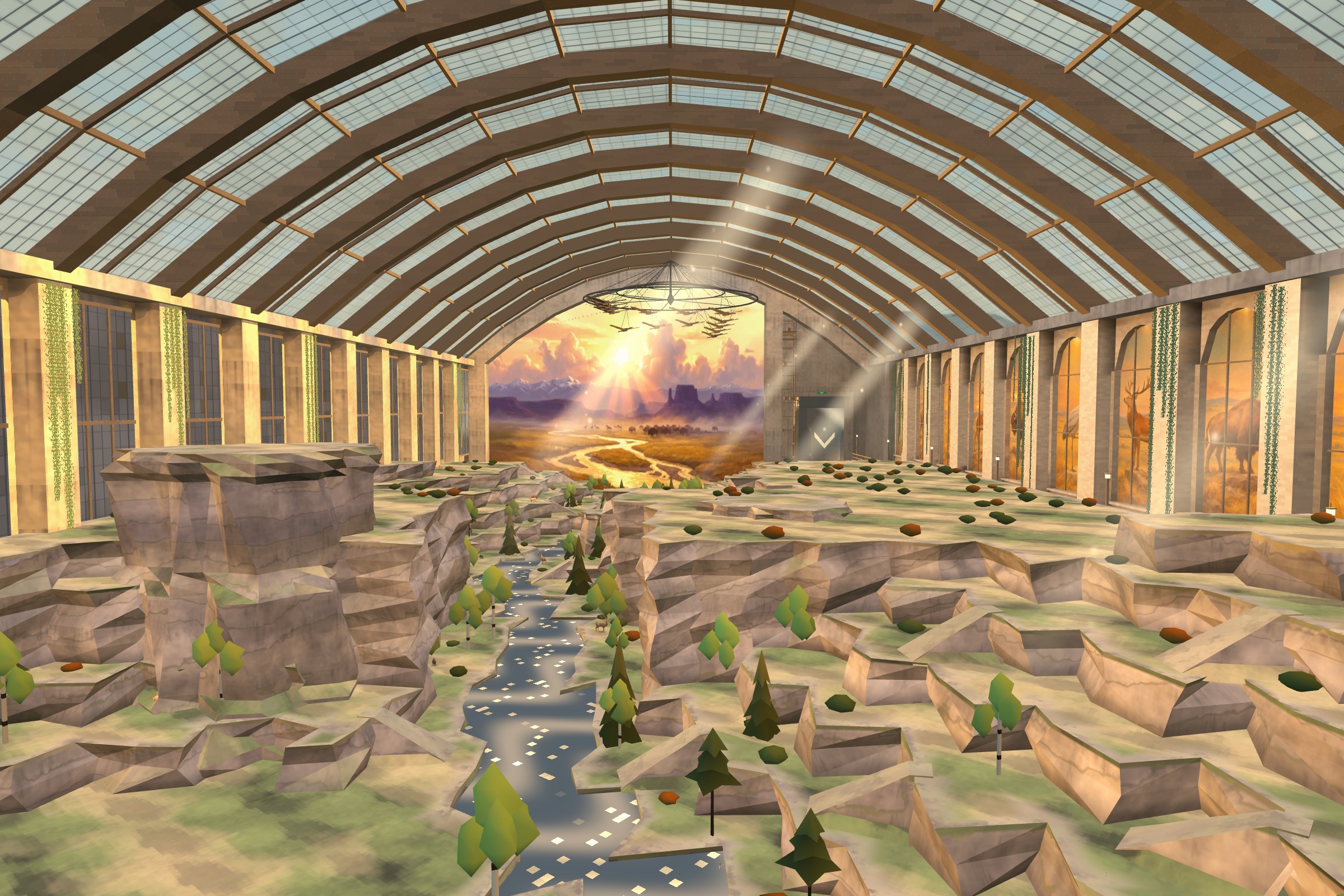
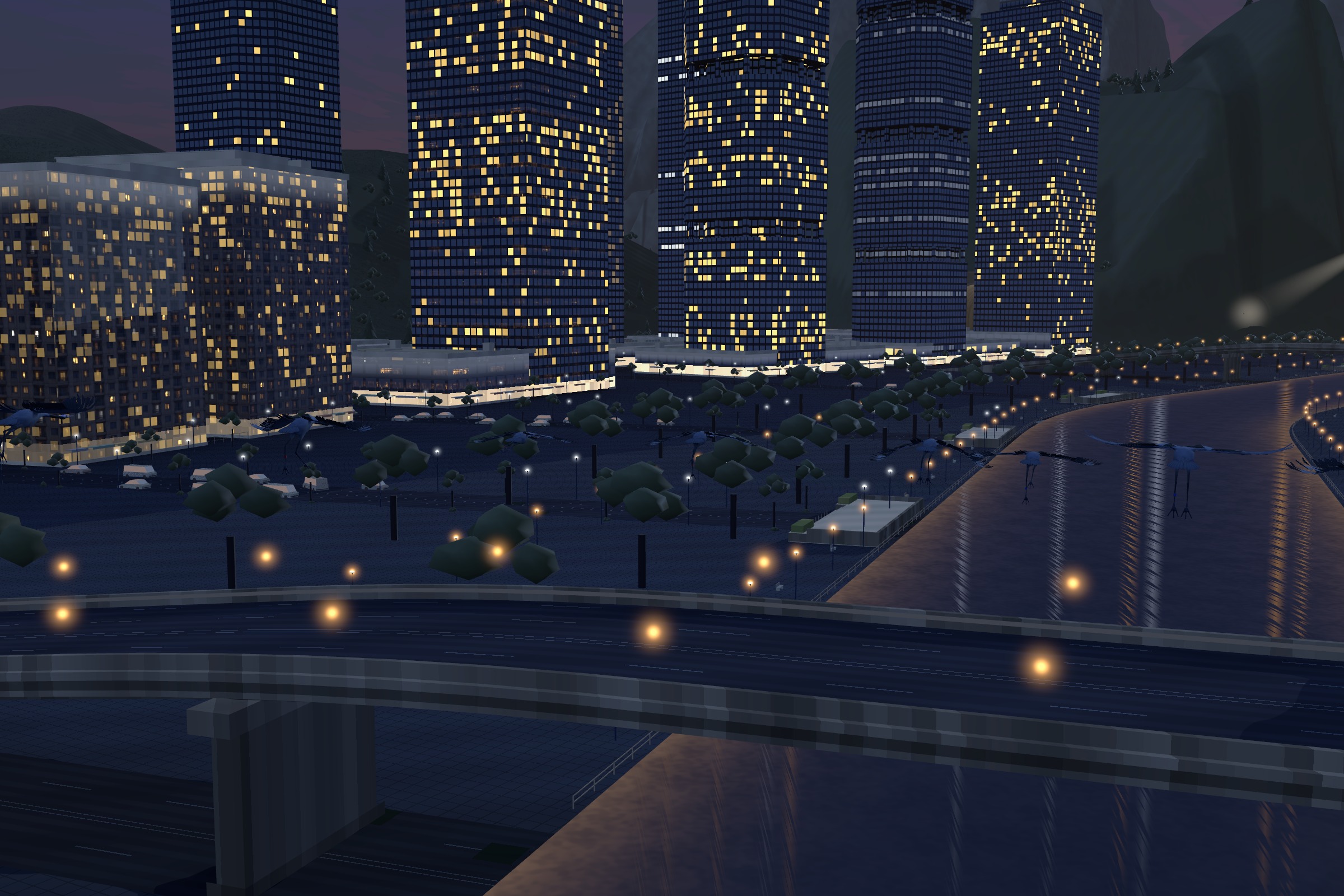
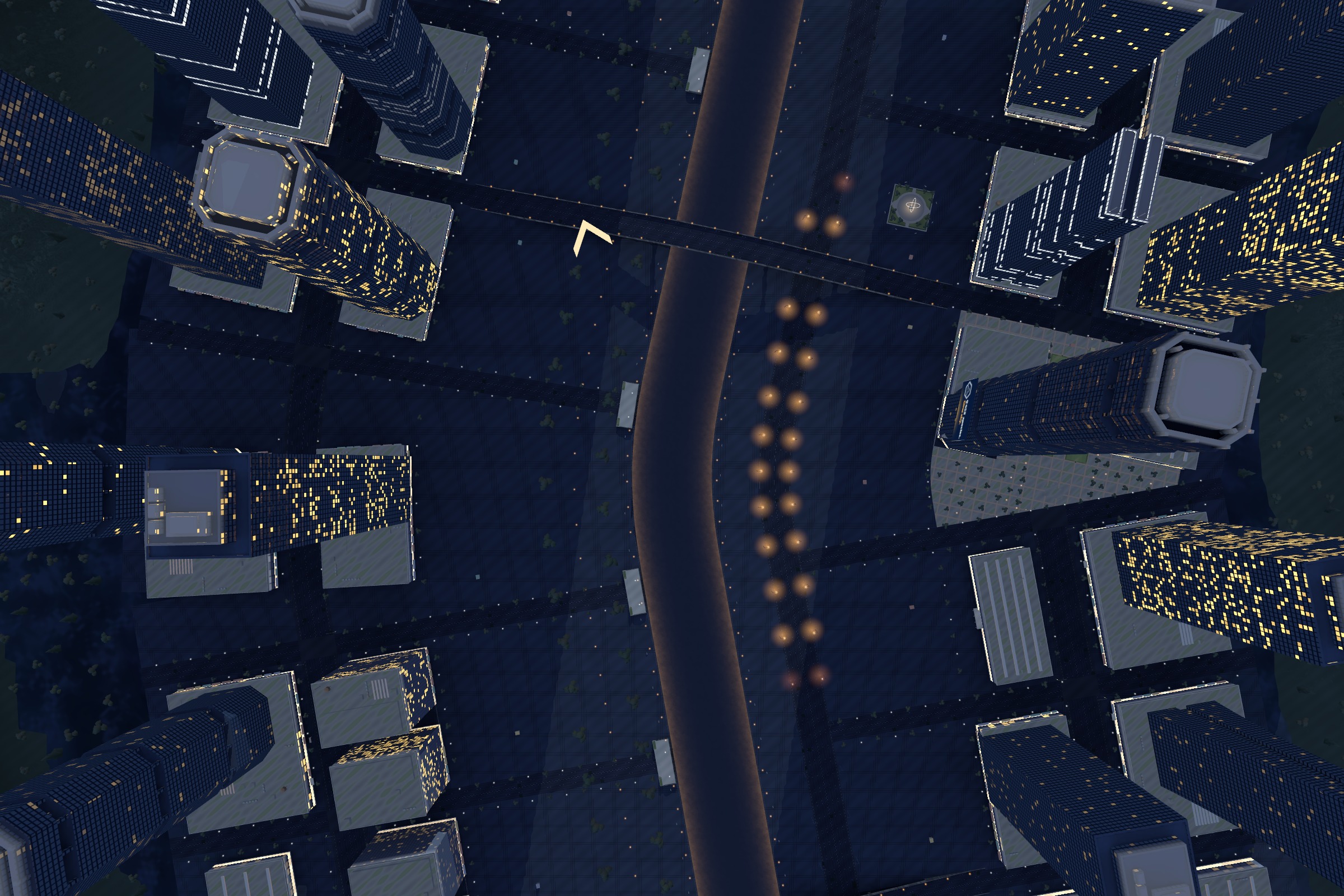
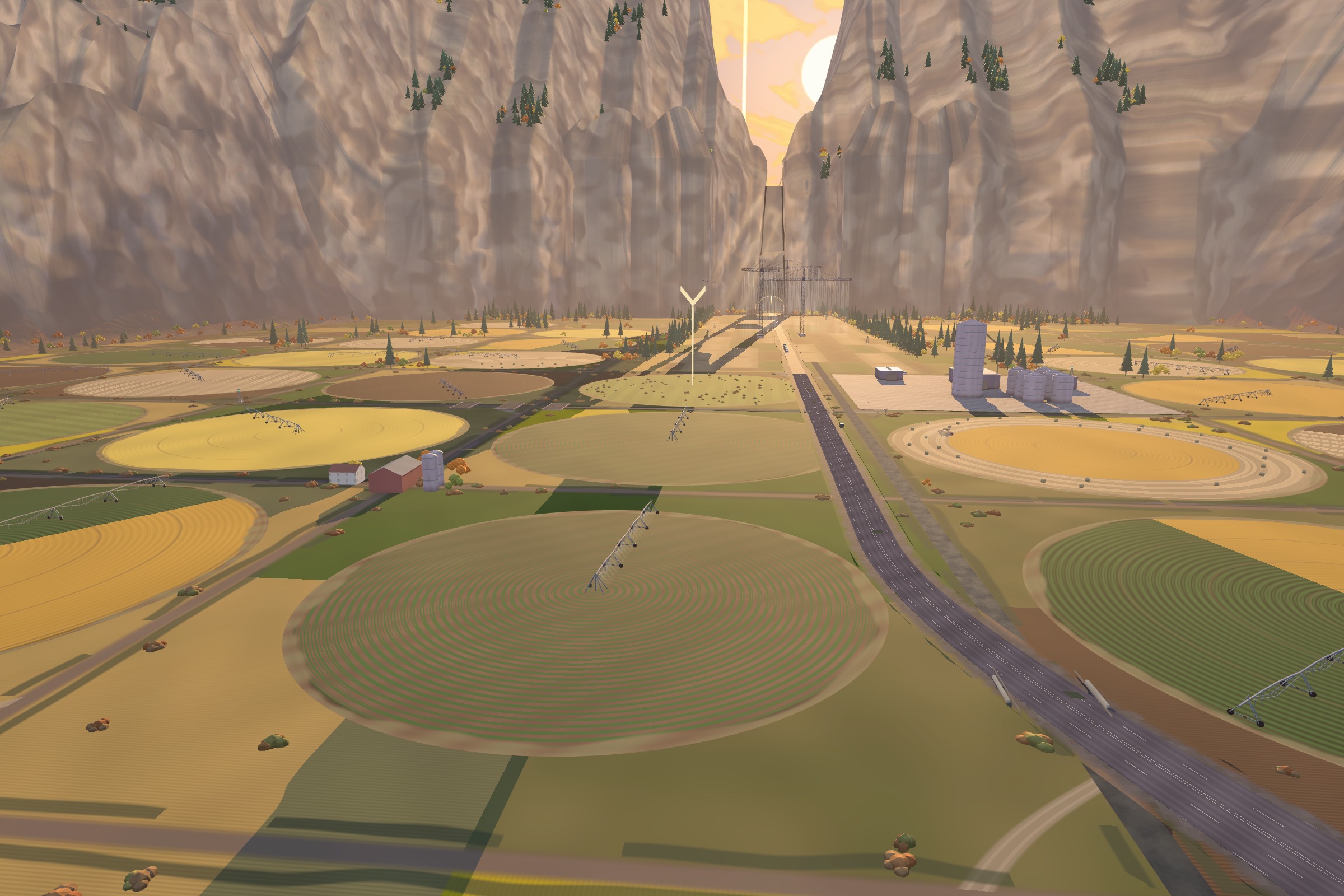
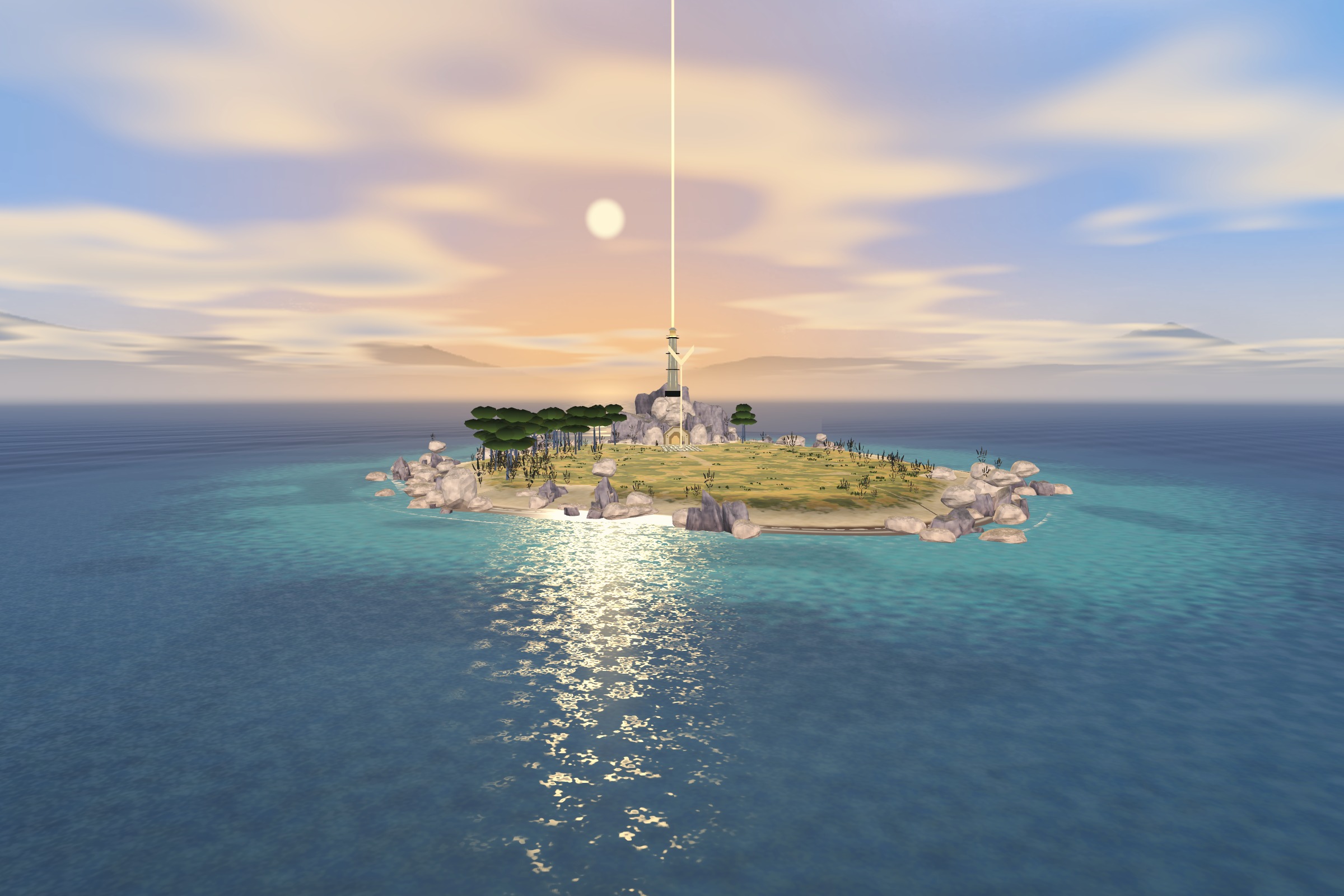
You lead a flock of cranes south. Your hands turn into feathered wingtips. On the ground you walk, peck and take off with them; in the air you bank, climb, flap, dive and land. Each bird tracks its own food, strength, warmth, calm and trust. A tired crane drops to the back of the V, and a bird that trusts you answers your call sooner. Wolves and a golden eagle hunt the flock on the way, and the world below hides more than it shows. Six scenes and three migrations: each one changes the route, the dangers and what you learn, and the third breaks off into a new final scene.
How we built it
- Engine. Unreal Engine 5.8 (Meta fork) with the Meta XR plugin on OpenXR, hands only, for Quest 3 and 3S at 72 Hz.
- Gestures in C++. One component reads 26 joints per hand, calibrates your neutral "wings" pose and turns the joints into flight axes and gestures. Every threshold lives in a tuning DataAsset, so I tune by feel in the headset without recompiling.
- Test bot. A bot with synthetic hands plays every scene, and it can replay hand data I recorded in the headset. I ran it after each change, before I put the headset on.
- Performance. Baked lighting, impostor forests, vertex-animated distant birds and disc shadows under the cranes.
- Assets. Animals and Megascans from Fab, CC0/CC-BY models from Sketchfab, Poly Haven and Smithsonian Open Access, props generated with Meshy and finished in Blender, sound and music generated with ElevenLabs.
Challenges
- Gestures that collide. A flap, a take-off push and a call all start with a fast hand movement. My first crane cry was a fist flung open, and it fired on every take-off. I moved it to both palms cupped round the mouth, a pose no wingbeat passes through. Each gesture now has its own shape, a hold time and checks against the others.
- Comfort. The camera never rolls. A beak at the bottom of the view anchors your eyes, a soft vignette closes in on sharp turns, and view changes cut through black.
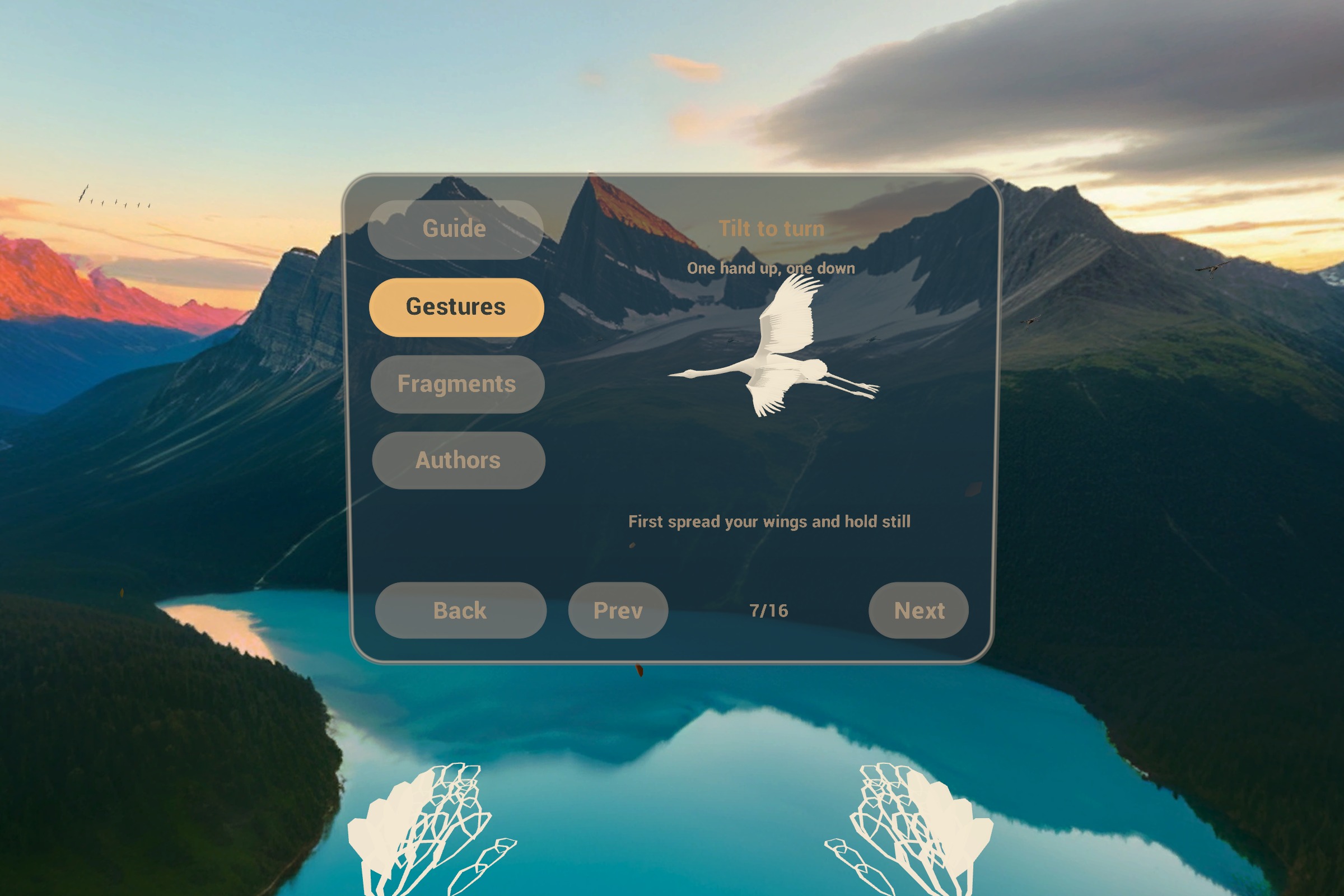
- Teaching. Hollow ghost hands play each gesture at its real tempo while the old mentor crane makes the same move, and the lesson waits for you.
- 72 Hz on a mobile chip. I patched the Meta engine fork: fading the sun's colour at dusk re-cached about 400 draw commands every 0.1 s, though a directional light's colour never needed it. I also ship a pre-built Vulkan pipeline cache, so the first look at a new material doesn't stutter.
Accomplishments that we're proud of
- Working solo, I went from an empty project on October 1 to six scenes in seven weeks.
- You play the whole game with your hands: flight, walking, flock commands, the eagle fight, menus and pause. The game reads more than 15 gestures, and each one fits a seated 60 cm reach.
- Measured on a retail Quest 3, each scene averages 69.6 to 72 fps, with forests, water, a flock of eleven and predators on screen.
- Settings and help are in the game: Calm, Normal and Hardcore difficulty, subtitles, a beak toggle, wing recalibration from the pause menu, and an Info section with a guide, a practice page for every gesture and a journal of the fragments you find.
What we learned
Hands work best when the gesture copies a motion your body knows, like a wingbeat. Two gestures that share a motion misfire against each other, so I test them in pairs.
What's next for KLYN: Formation Fly
- Playtests with people who have never tried VR, then a release on the Meta Horizon Store.
- More reasons to fly again: side quests such as a lost Siberian crane to bring home, a forest fire in the first valley on a later migration.
- The next part of the story: on your way south you fly past the statues, halls and stairs of the Watchers, giants who left long ago. In part two you find out who they were.
Built With
- c++
- quest3
- unreal-engine
