-
-
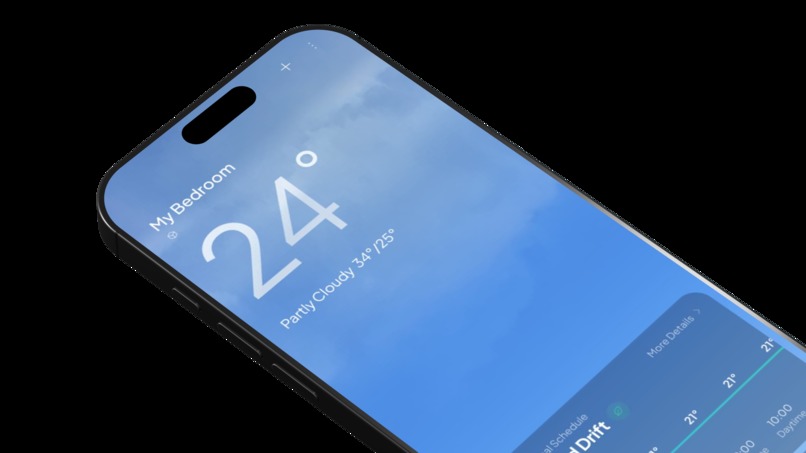
Klimata's Homescreen
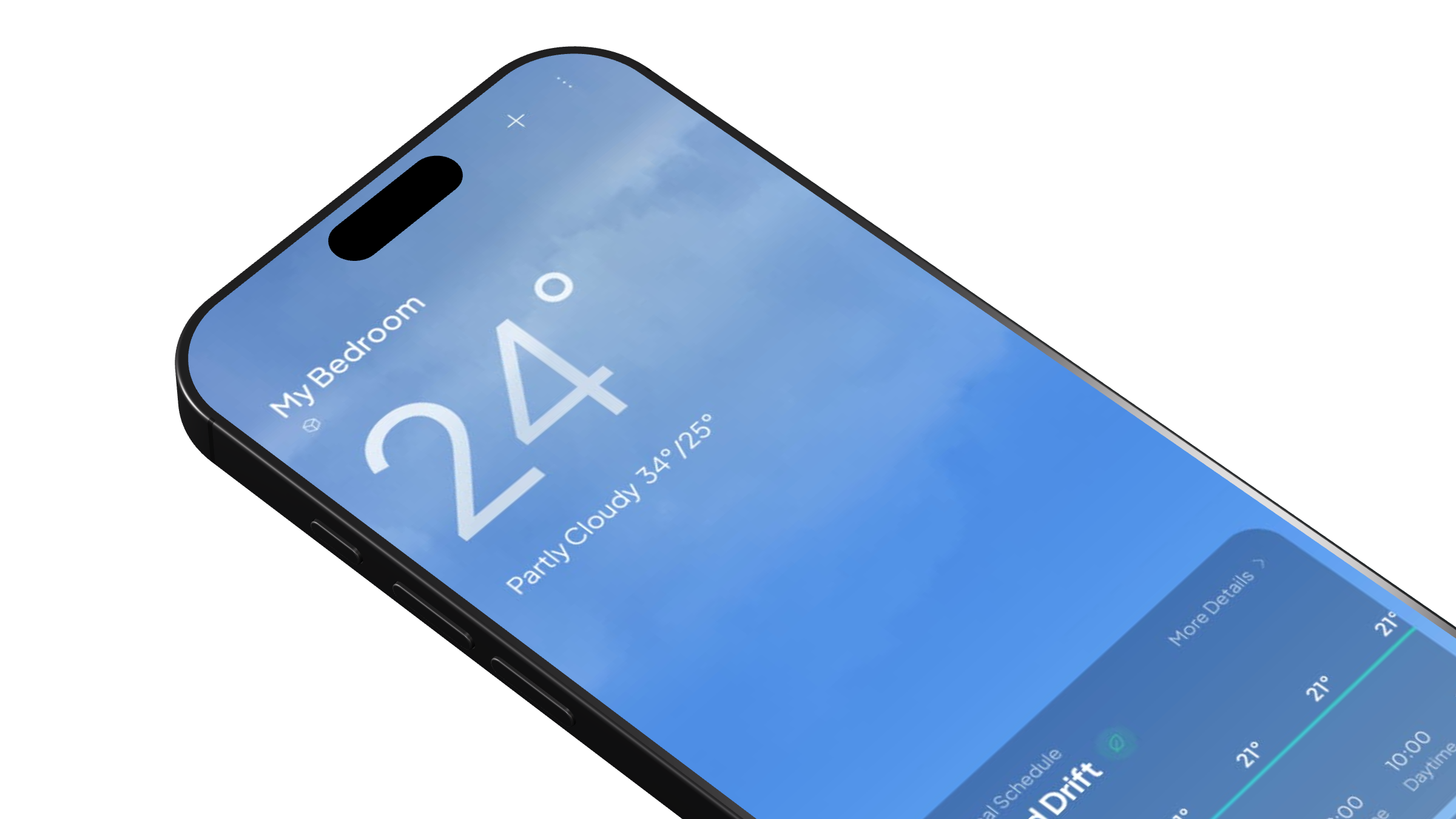
Turn dumb ACs autonomous with zero new hardware.
Inspiration
Non-inverter AC units are standard in most homes here in my country, and they are notoriously inefficient. They only have two states: blasting at 100% or sitting completely idle. Most people set them to 18°C and forget about them, which wastes power overnight when the outside temperature drops anyway.
Buying a new inverter AC costs hundreds of dollars, and throwing away a working appliance just to get smart scheduling makes no sense. I wanted to see if I could turn the dumb AC already on my wall into an automated, energy-efficient setup using software, existing phone hardware, and vision AI.
What it does
Klimata automates legacy air conditioners without requiring expensive smart thermostats or proprietary hubs:
- Camera-Based Setup: Take a photo of the AC. Google Gemini identifies the brand, form factor, and matching IR remote protocol directly from the image.
- Autonomous Sleep Curve: Instead of running a flat freeze for eight hours, Klimata shifts temperature through the night to match human sleep stages and ambient weather, cutting the compressor early to coast on the fan.
- Direct IR Control: Dispatches commands using the phone's built-in IR blaster or an inexpensive DIY microcontroller puck.
- Savings & Carbon Tracking: Tracks reduced compressor runtime, translating efficiency directly into lower electricity costs and avoided carbon emissions.
How I built it
- Vision Pipeline: Used the Gemini API to analyze photos of AC units. The prompt extracts visual markers from the casing and badge, matching them against known IR timing protocols (NEC, Daikin, Gree) to return clean configuration data.
- Thermal Logic: Built a lightweight scheduling engine that factors in sleep stages and outdoor temperature trends to calculate setpoint adjustments throughout the night.
- Hardware Dispatch: Built the signal sender to trigger raw IR pulse timings directly from mobile hardware transceivers.
Challenges I ran into
This is my first hackathon ever, and handling everything solo under a hard deadline meant hitting technical and production walls constantly.
| CHALLENGE | IMPACT RISK | LESSON |
|---|---|---|
| Identical Generic Shells | Budget AC brands reuse identical plastic casing across different internals, risking mismatched IR codes. | Tuned Gemini prompt constraints to prioritize badge geometry and vent patterns, backed by a quick user confirmation step. |
| Camera Reality Check | Filming a dark 3 AM bedroom scene on my POCO phone produced muddy, noisy footage that looked unusable. | Ditched the dark-room setup entirely, and did it in the light. |
| Mockup Paywalls | Online 3D phone mockup services were locked behind expensive subscriptions with a $0 project budget. | Built and animated mockups manually, leveraging CapCut motion blur and fast 0.2s slide cuts to keep UI pacing snappy. |
| Solo Hackathon Scope | Perfectionism risked burning the clock on motion design rather than shipping the core functionality. | Scoped ruthlessly to the MVP. Focused on a fast, legible demo that lets the working product do the talking. |
Accomplishments that I'm proud of
- Shipping a fully functioning end-to-end prototype and demo video solo for my very first hackathon.
- Getting Gemini to consistently map the correct IR protocol from a single, casual photo of an AC grille.
- Proving that real energy efficiency does not need expensive hardware upgrades: a working phone and software can achieve inverter-style savings for zero dollars.
What I learned
- As a first-time hacker, simplicity beats perfectionism (even though I am a perfectionist). When the countdown is running, practical cuts and clear explanations matter far more than overcomplicated production setups.
- Multimodal AI makes retrofitting old physical tech surprisingly practical. You do not have to wait years for people to buy modern appliances when AI can bridge the gap to legacy hardware right now.
What's next for Klimata
- Standalone Sensor Pucks: Developing firmware for $3 ESP32 boards so the system can run continuously in rooms without needing a phone in direct line-of-sight.
- Expanded Protocol Library: Adding support for older, niche regional AC models that use non-standard IR encodings.
Built With
- android
- android-studio
- consumerirmanager
- gemini
- jetpack-compose
- kotlin
- material-3
- open-meteo
- open-meteo-forecast
- phosphor


Log in or sign up for Devpost to join the conversation.