-
-
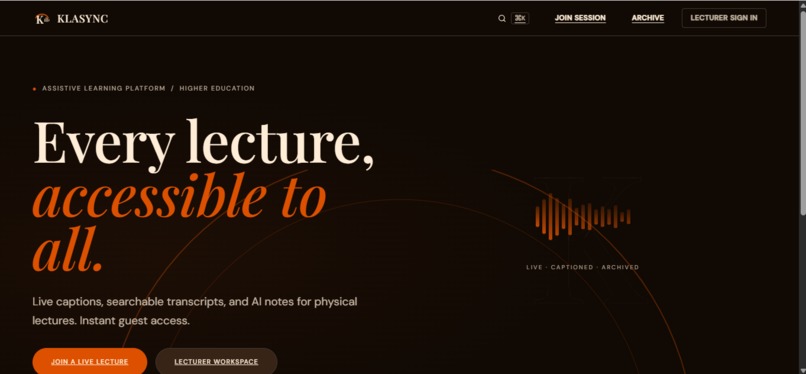
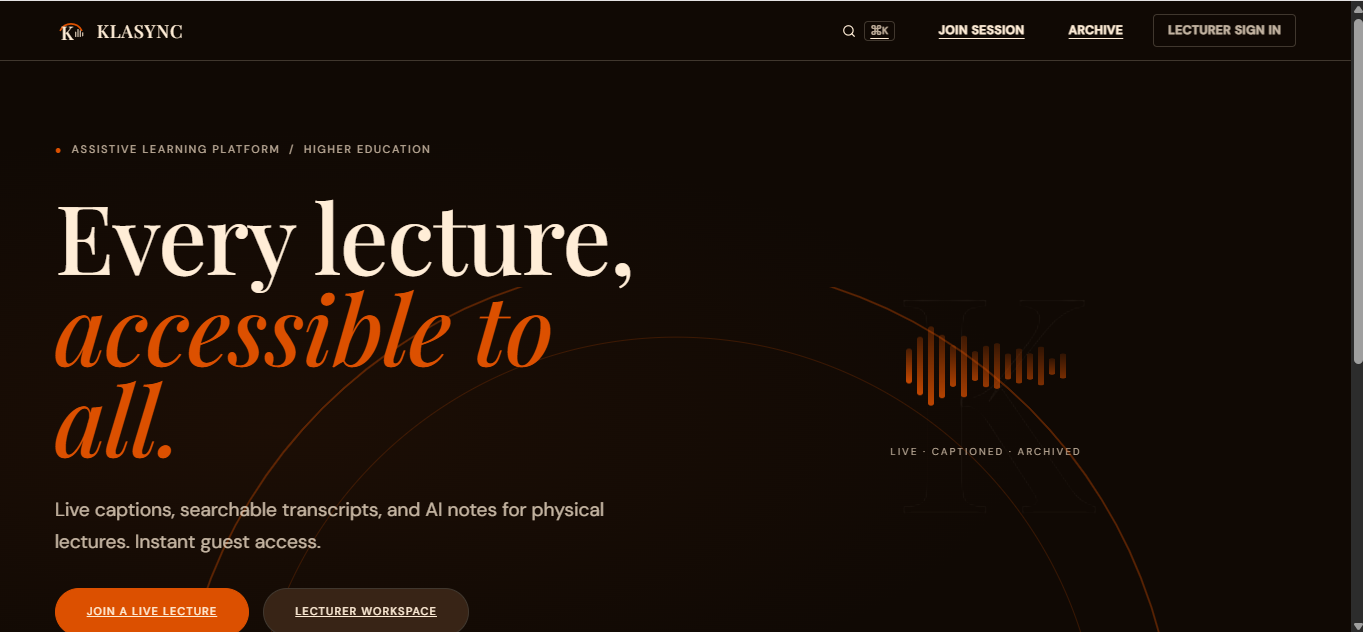
HomePage
-
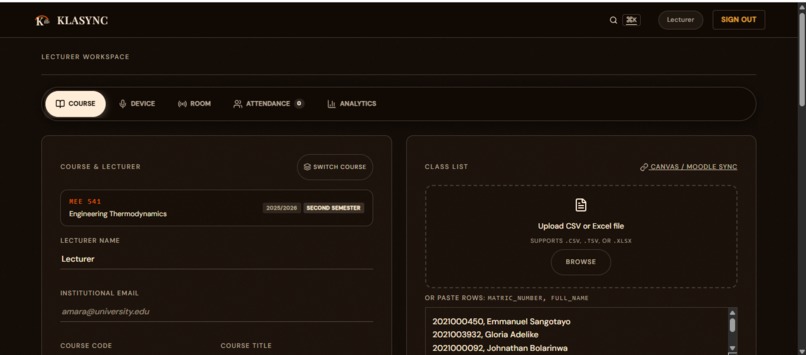
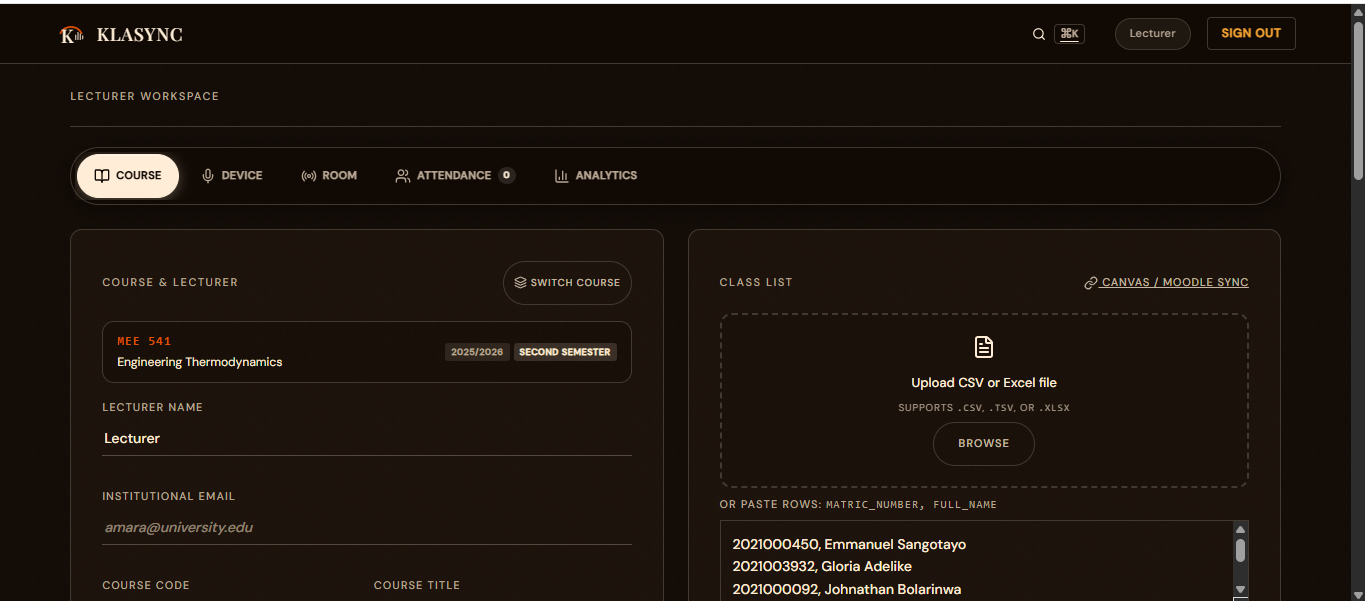
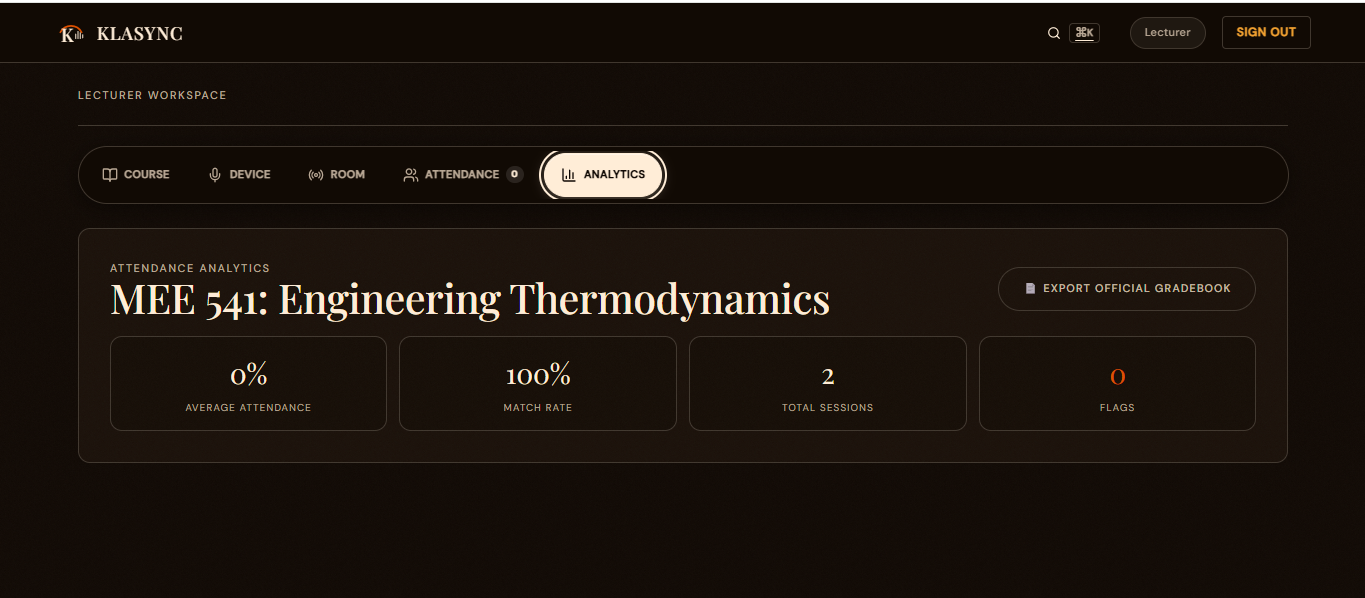
Lecturer Workspace
-
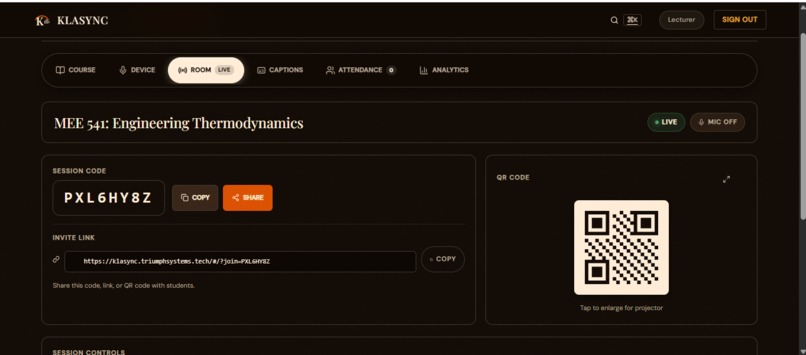
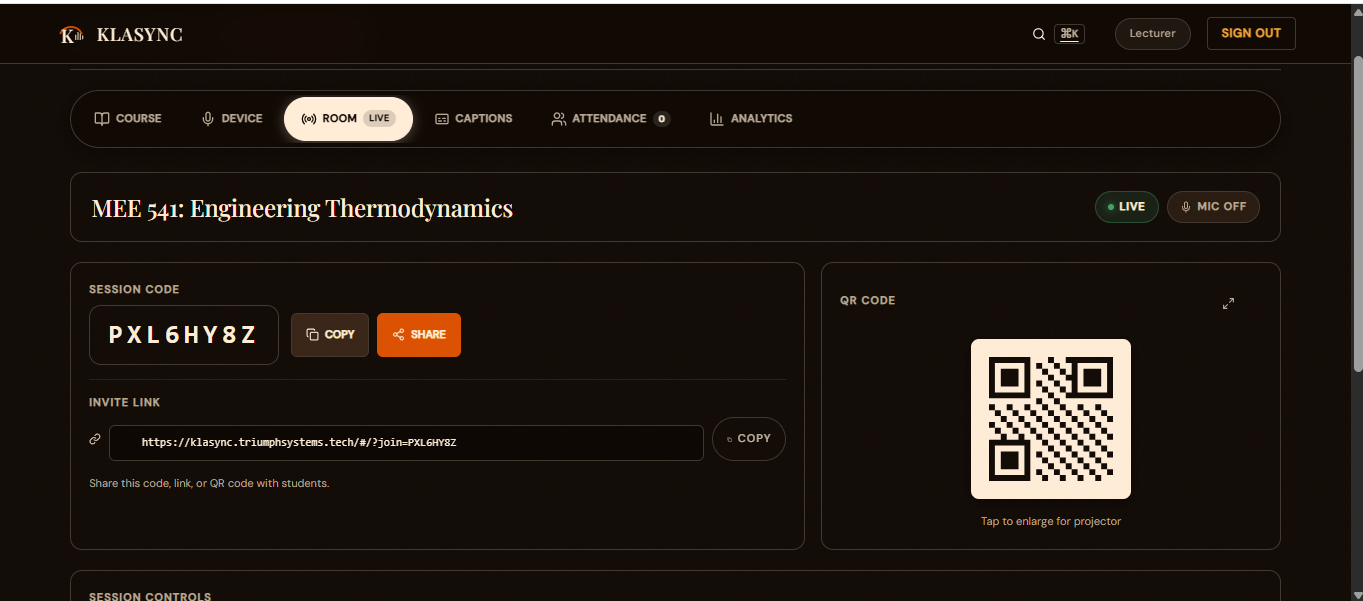
Lecture Room
-
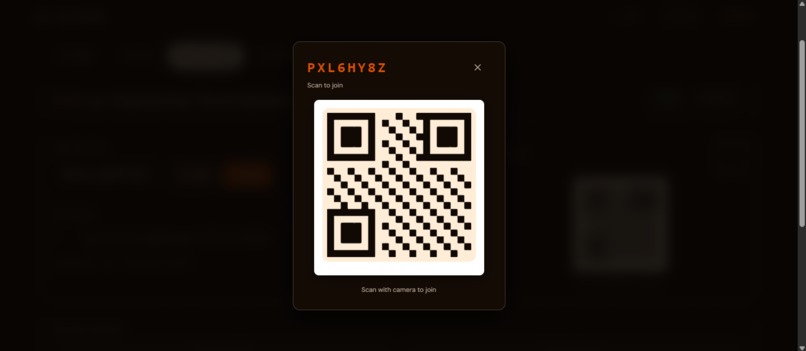
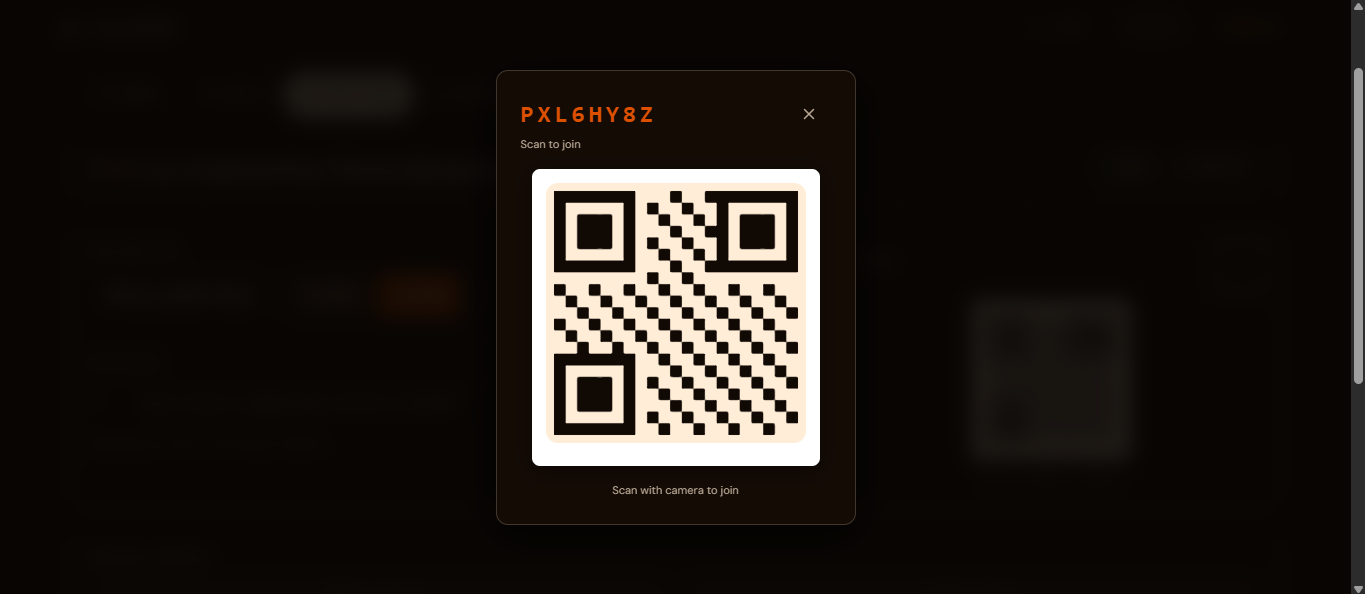
QR Code Join
-
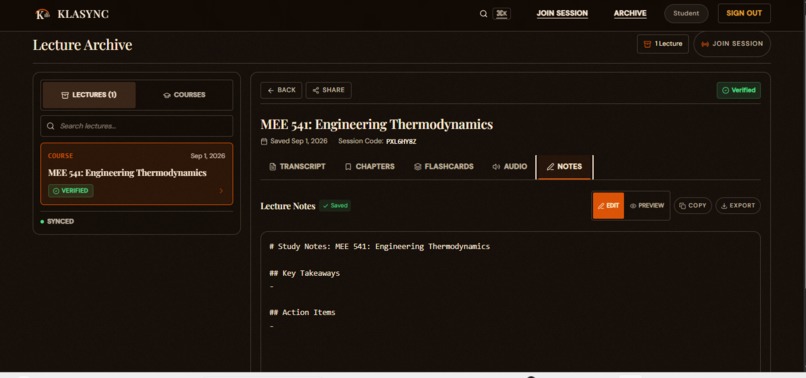
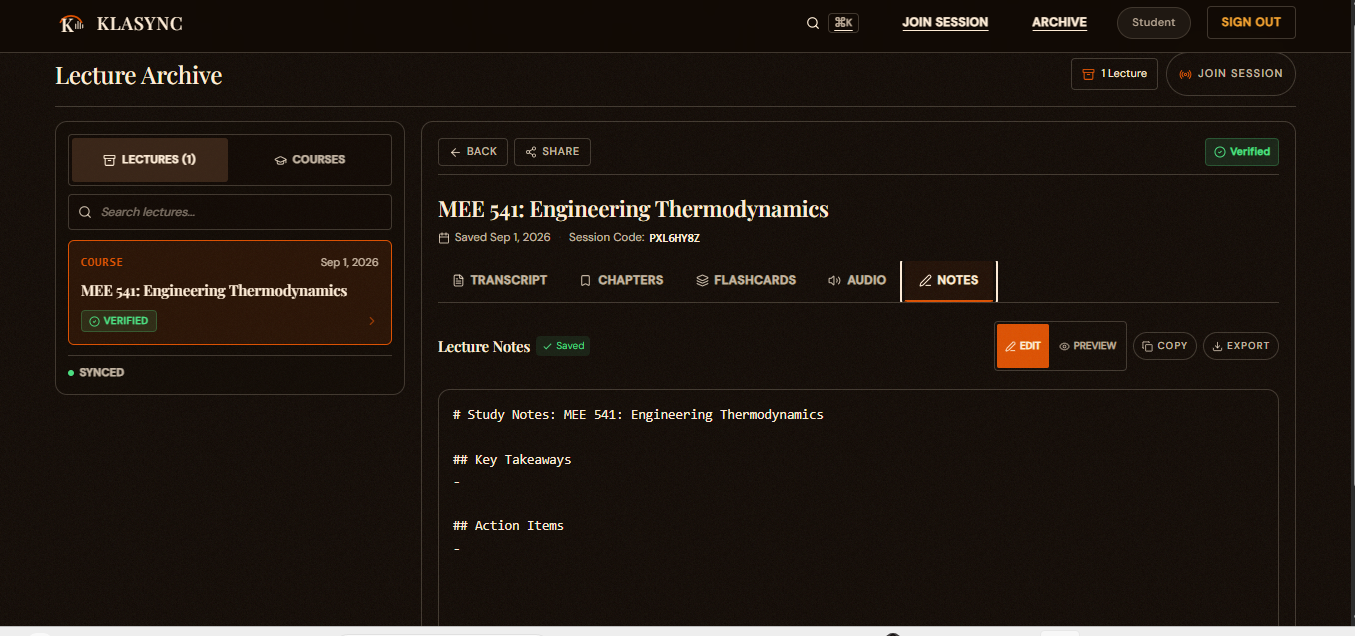
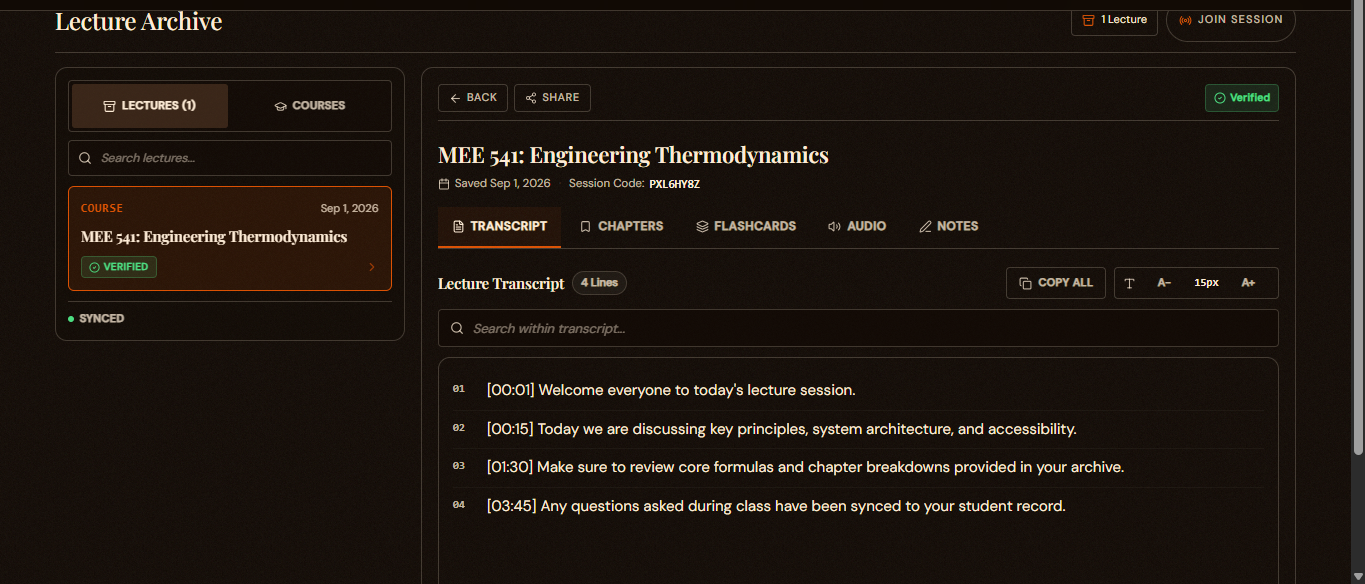
Student Archive Screen
-
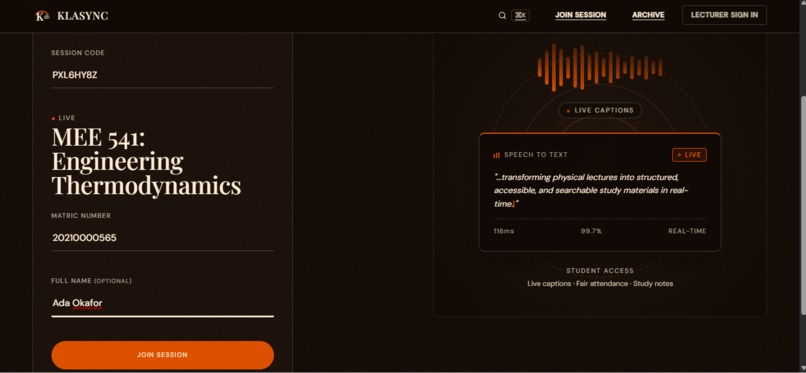
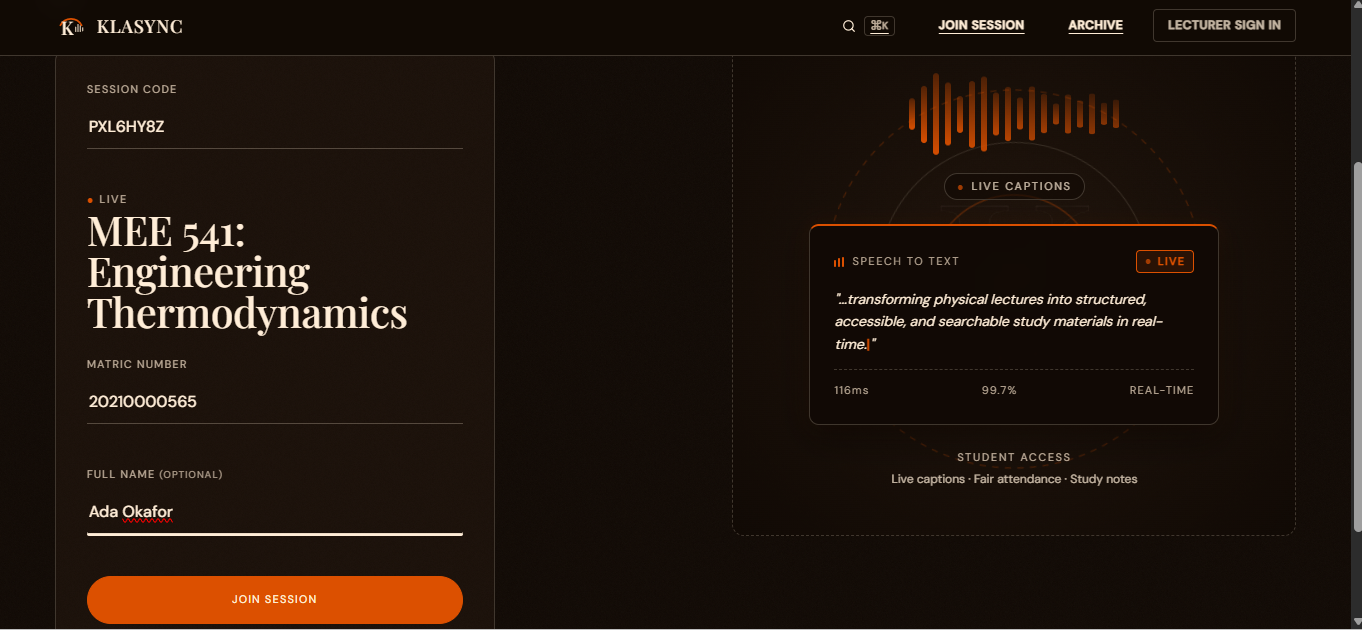
Join Screen
-
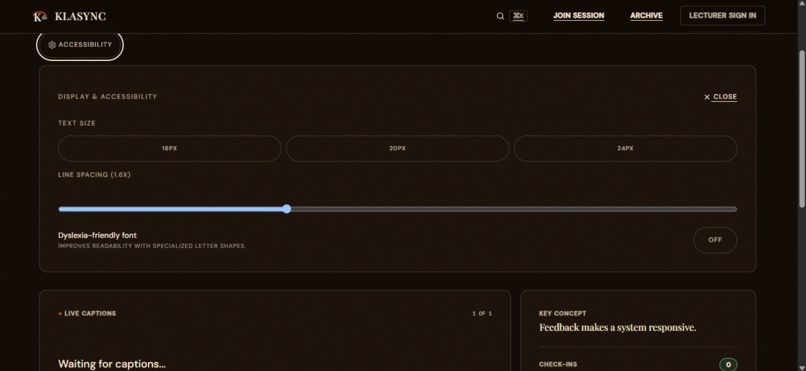
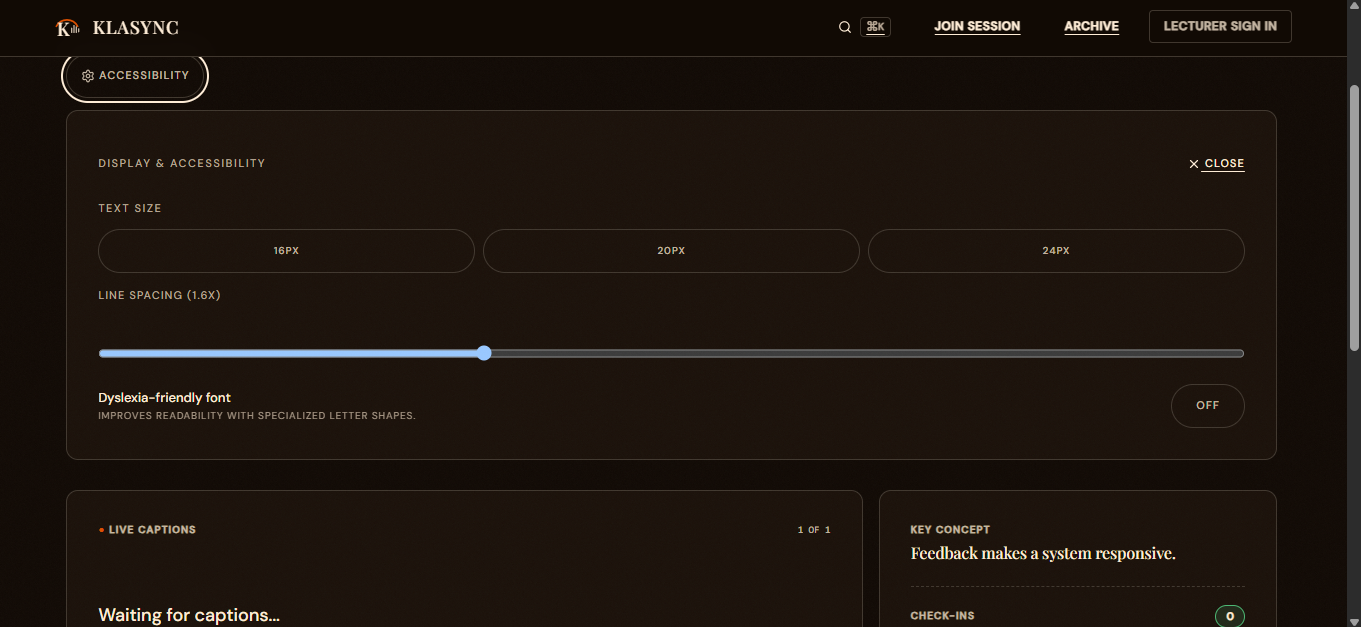
Accessibility Focused Live Lecture
-
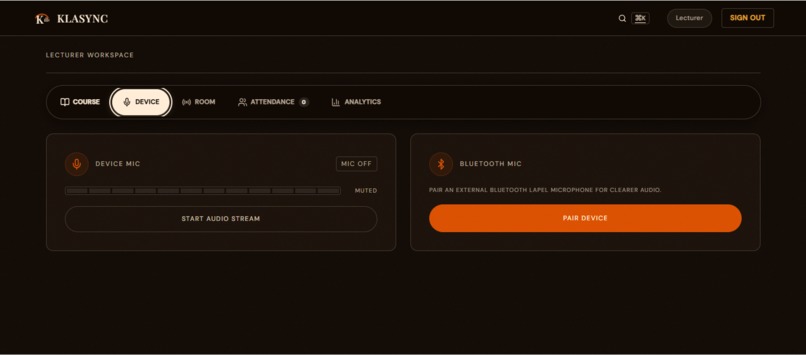
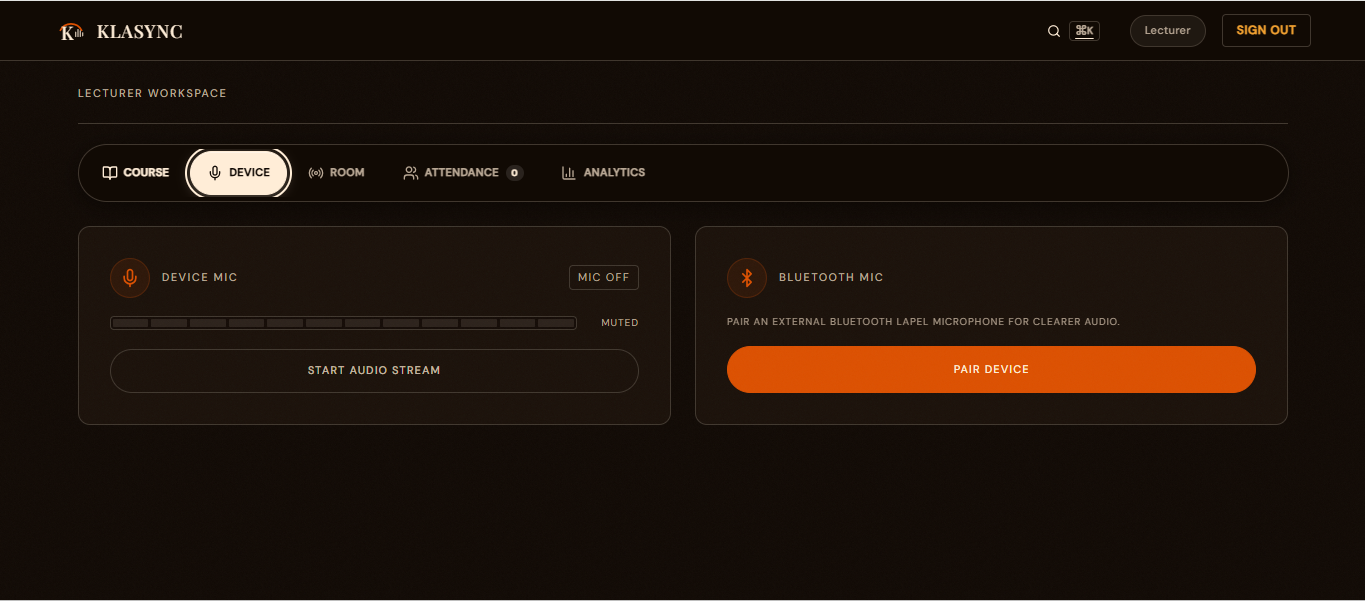
Audio Controls
-
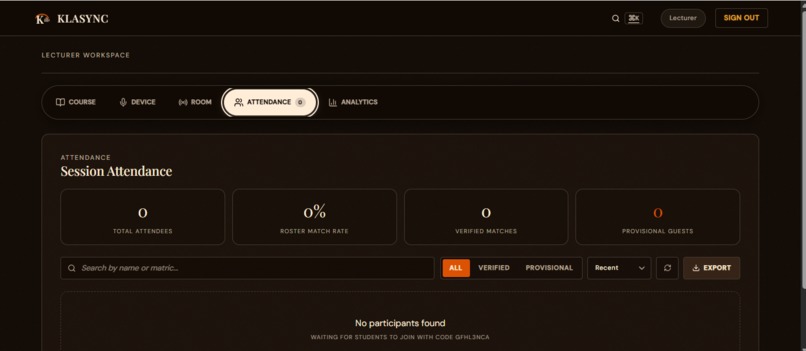
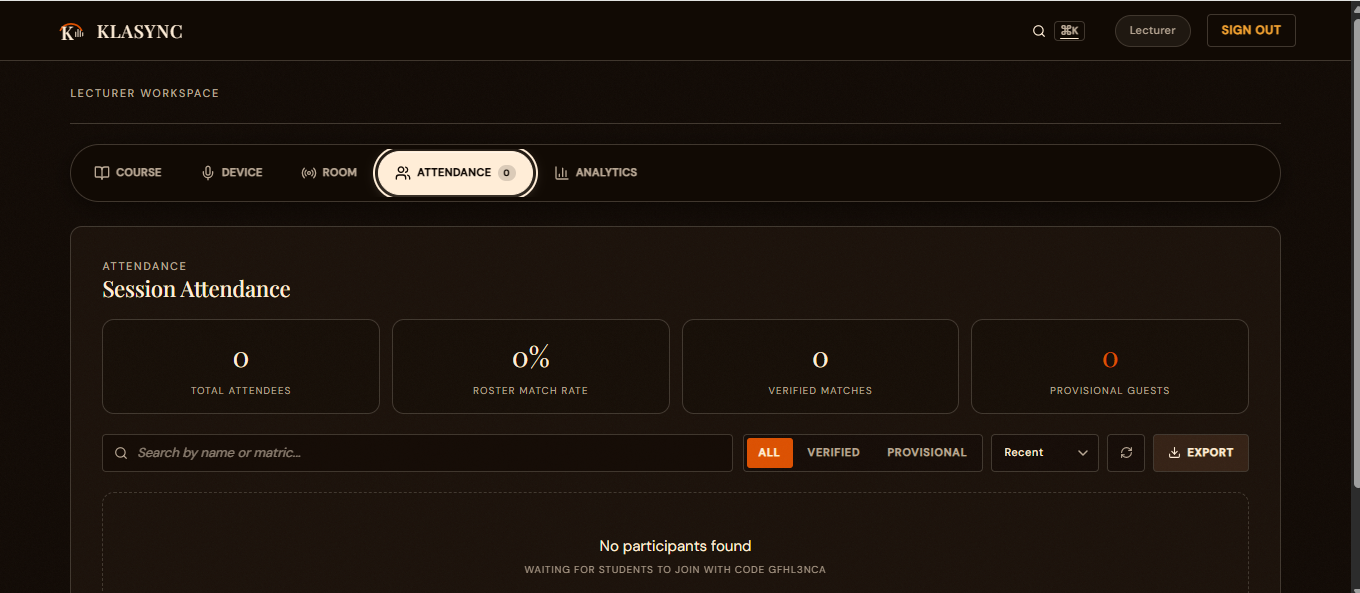
Attendance Controls
-
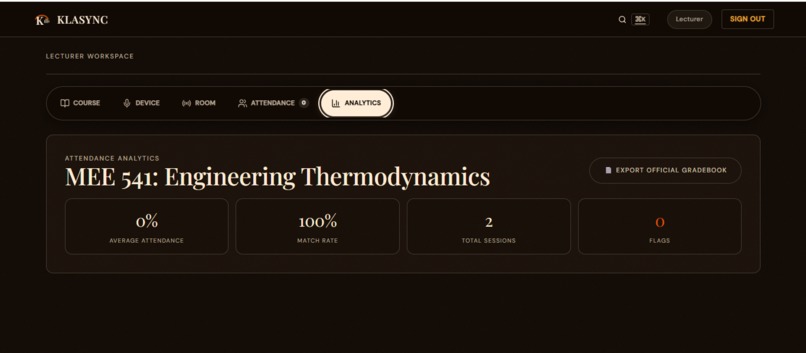
Gradebook Controls
-
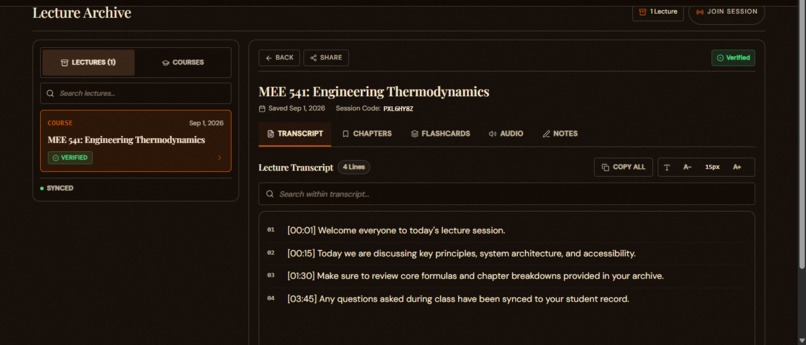
Student Workspace
Inspiration
In many Nigerian universities, students with disabilities face barriers that have little to do with their ability to learn. Deaf students can struggle to follow lectures in noisy, overcrowded halls. Students with ADHD may find it difficult to process long, unstructured lectures. Students with mobility impairments may be unable to physically access lecture rooms, yet still face strict attendance requirements.
We built KLASYNC to address this gap. Our goal is simple: make the physical lecture accessible to every student, regardless of where they are or how they learn.
What We Built
KLASYNC is an assistive IoT and AI-powered learning platform that transforms a traditional lecture into an accessible digital experience.
A lightweight wireless microphone captures the lecturer's voice and streams the audio to our platform. OpenAI's speech-to-text capabilities convert the lecture into a real-time transcript, which is delivered to students as live captions. The platform also uses AI to generate rolling summaries that help students process complex lectures in smaller, more digestible sections.
Students can participate remotely, access lecture recordings, review transcripts, and revisit AI-generated summaries. At the institutional level, KLASYNC provides digital attendance validation and creates an archive of recorded lectures and learning materials.
The result is a system where one affordable IoT device can make an entire lecture hall more accessible.
How We Built It
KLASYNC combines embedded hardware, real-time communication, and AI.
The hardware layer uses an ESP32 microcontroller paired with an INMP441 microphone to capture clear, localized audio from the lecturer. The audio is processed through our backend and passed through speech recognition to produce a live transcript.
The frontend is built with Svelte and TypeScript, with Tauri enabling the same application to run across web, desktop, and mobile environments. The backend uses Rust for high-performance real-time communication and WebSocket-based delivery of live captions and session data.
AI is central to the experience. Speech is converted into text, then processed into structured summaries that support students who may struggle with noisy environments, information overload, or traditional lecture formats.
What We Learned
Building KLASYNC taught us that accessibility is not simply about adding assistive features to existing systems. The architecture itself must be designed around the needs of the people who are most likely to be excluded.
We also learned the importance of designing for real-world constraints. Nigerian universities often have large classrooms, unreliable connectivity, limited infrastructure, and diverse student devices. This pushed us toward a lightweight architecture, efficient real-time communication, and a hardware approach that requires minimal intervention from lecturers.
Challenges
One of our biggest challenges was designing a reliable pipeline for real-time audio, transcription, AI processing, and caption delivery while keeping latency low.
We also had to balance accessibility with simplicity. The platform needs to be powerful enough to support AI-assisted learning while remaining calm, readable, and distraction-free for students who may already be dealing with cognitive or physical barriers.
Another challenge was designing a solution that could work within existing university infrastructure rather than requiring institutions to rebuild lecture halls or completely replace their existing academic systems.
Why KLASYNC Matters
KLASYNC is built on a simple belief: a student's ability to access education should not depend on whether they can hear a lecturer over a crowded lecture hall, navigate a flight of stairs, or process a long lecture in real time.
By combining one affordable IoT device with AI-powered accessibility tools, KLASYNC creates an inclusive layer around existing university infrastructure.
We are not trying to replace the classroom. We are making the classroom accessible to everyone.
Built With
- axum
- esp32
- rust
- svelte
- tauri

Log in or sign up for Devpost to join the conversation.