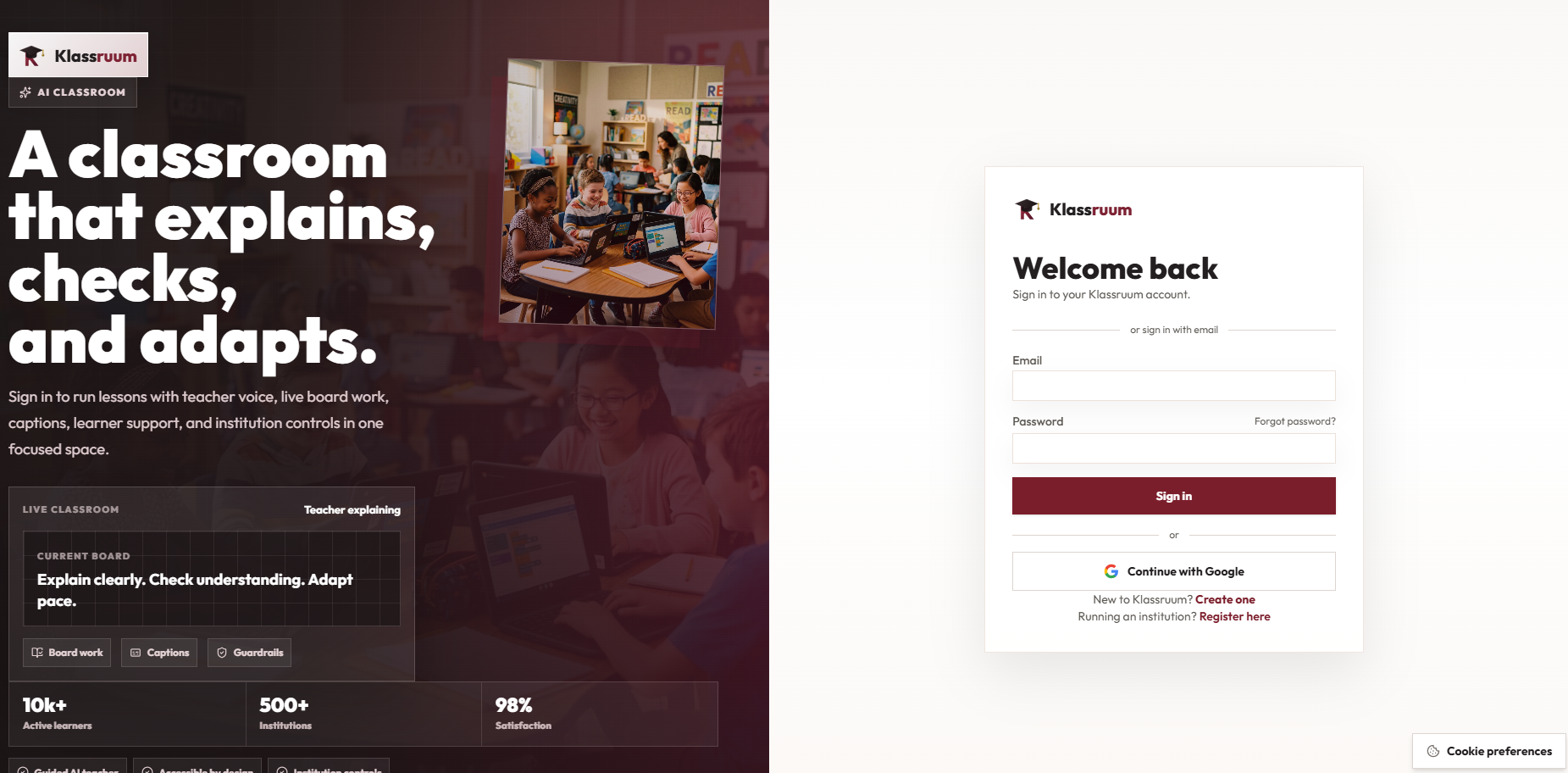
Klassruum — AI Teachers That Deliver Real Lessons
Inspiration
Education has made tremendous progress with online learning, but most digital classrooms still rely on video calls, static presentations, and pre-recorded content. Learners often struggle to stay engaged, ask meaningful questions, or receive personalized support.
We asked a simple question:
What if every learner could have access to an exceptional teacher at any time?
Klassruum was built to answer that question. Instead of creating another AI chatbot, we set out to build a complete AI teaching platform capable of delivering structured lessons, adapting to learners, and recreating the experience of a real classroom.
What Klassruum Does
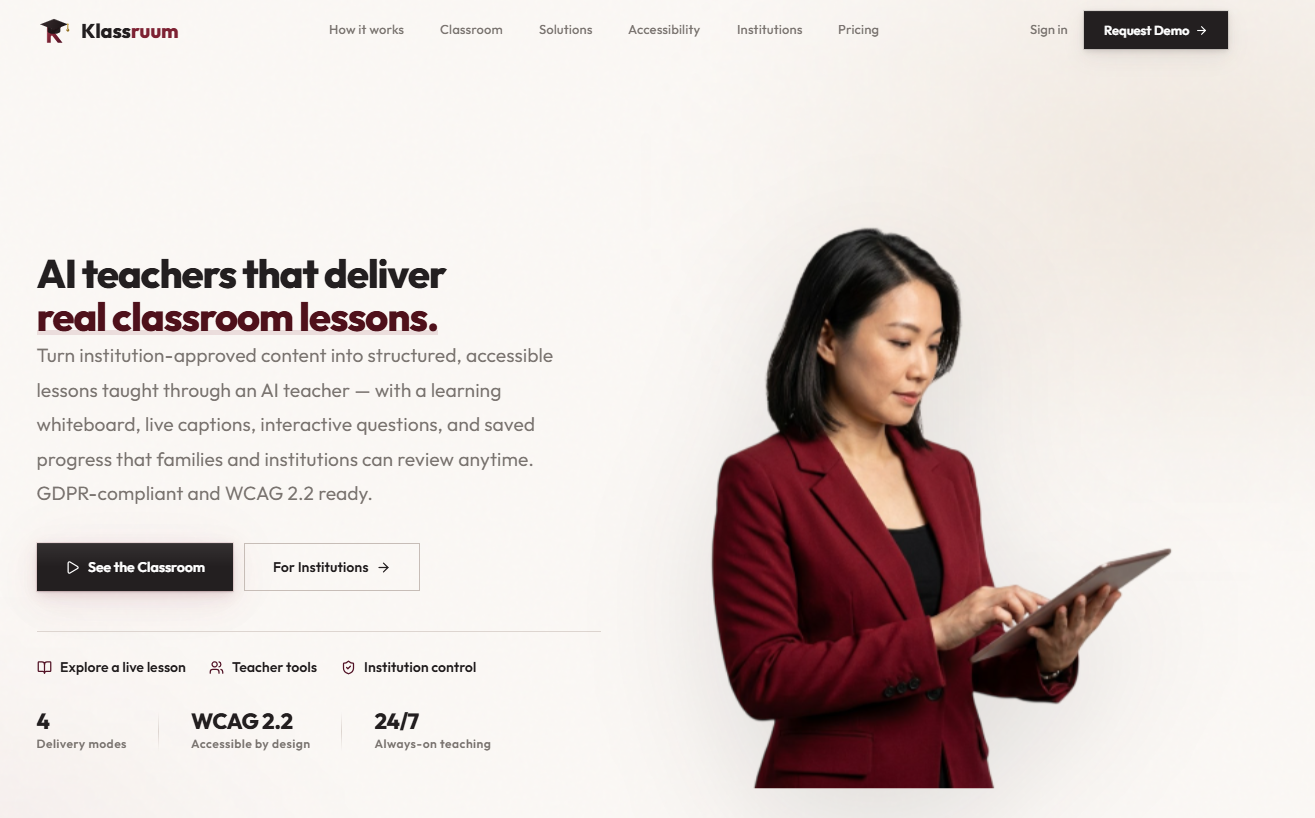
Klassruum is an AI-powered virtual classroom that transforms educational content into fully interactive lessons.
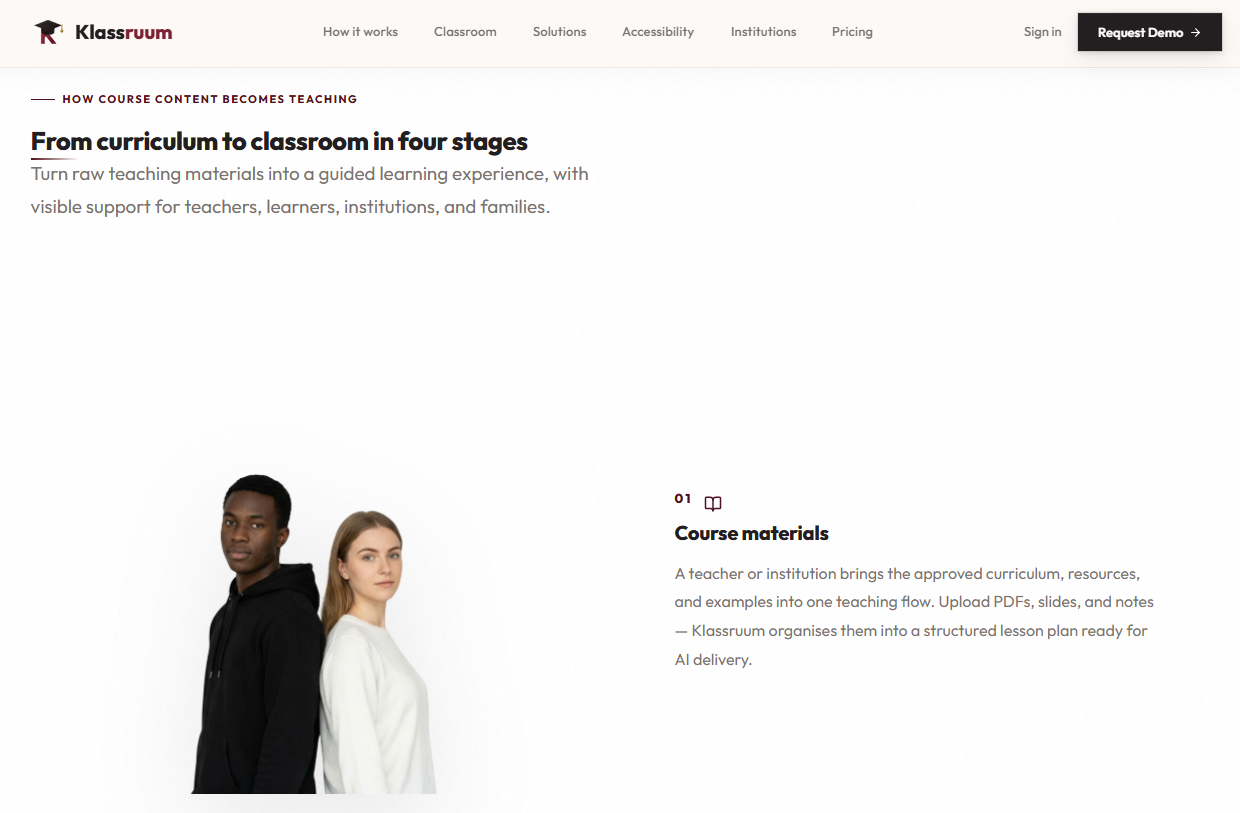
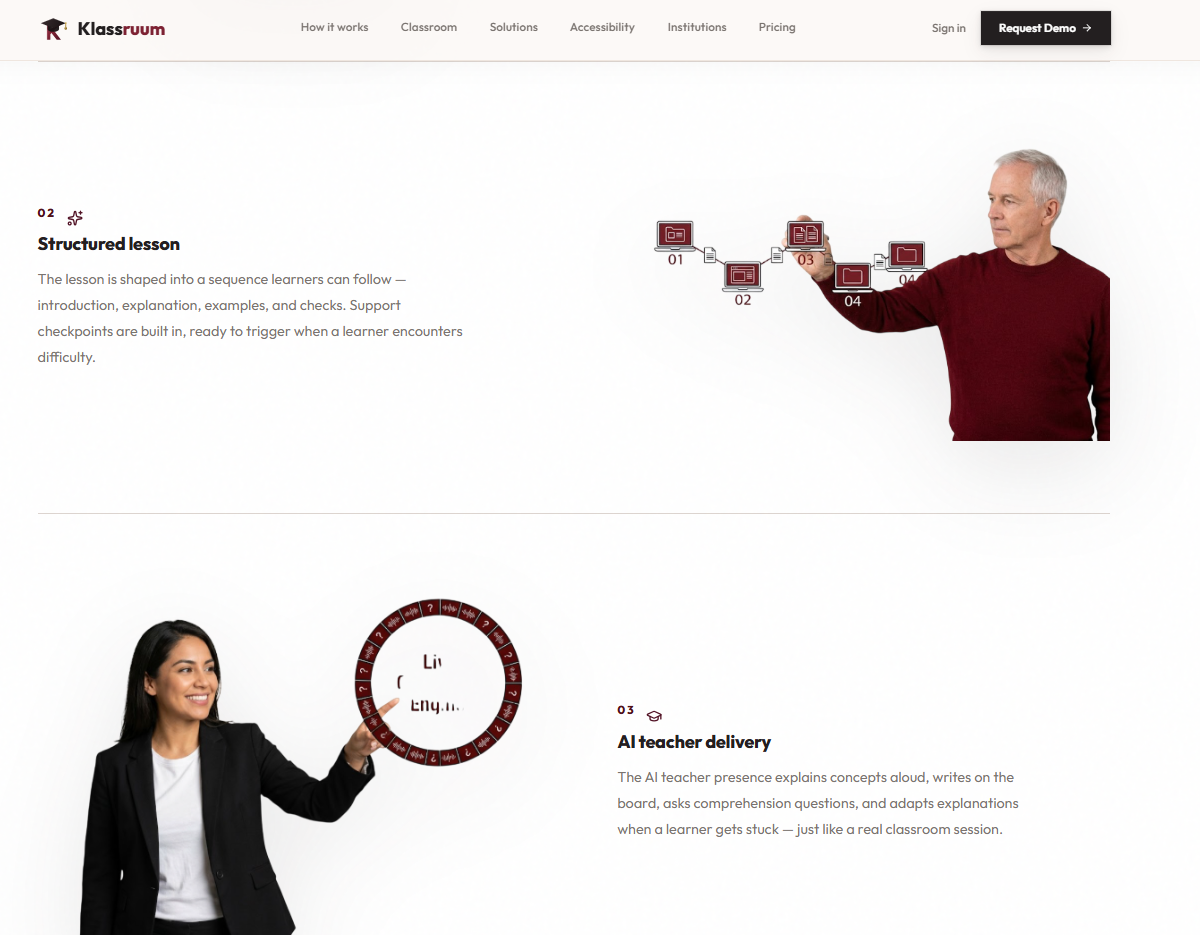
Institutions upload their curriculum, course materials, or learning resources, and Klassruum automatically organizes them into structured courses, lessons, assessments, and classroom experiences.
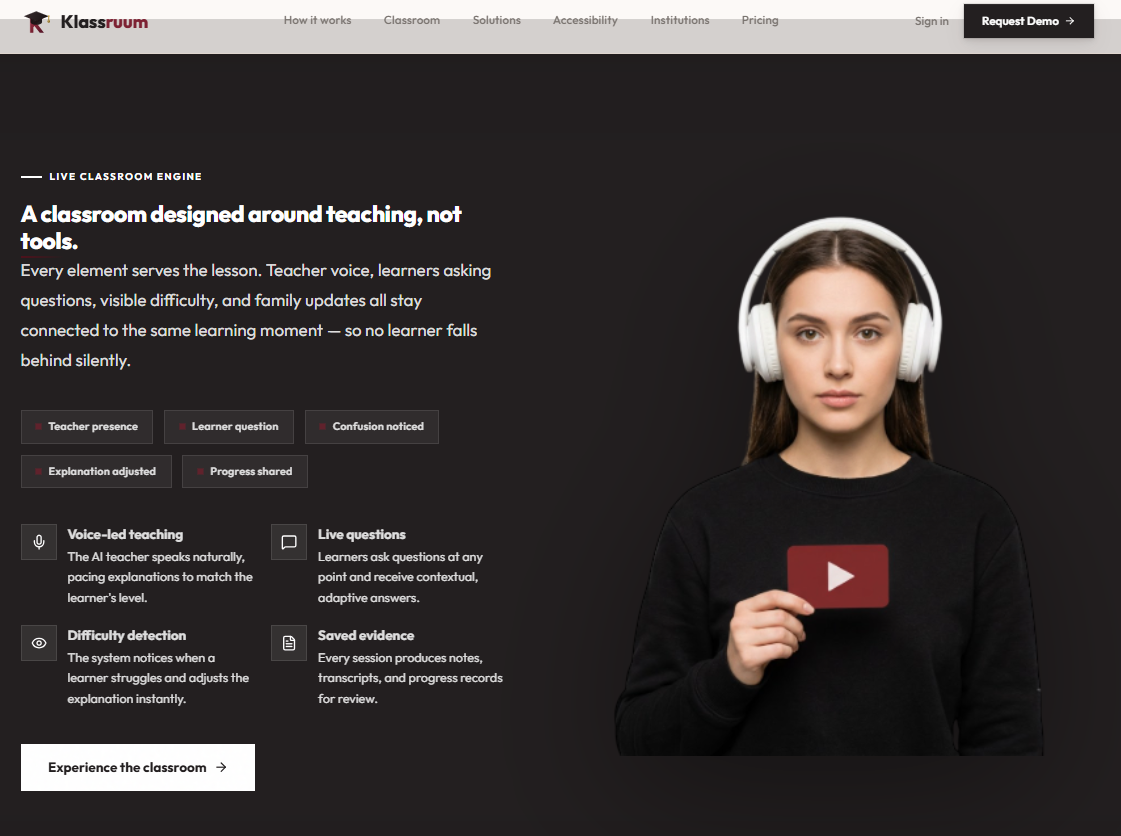
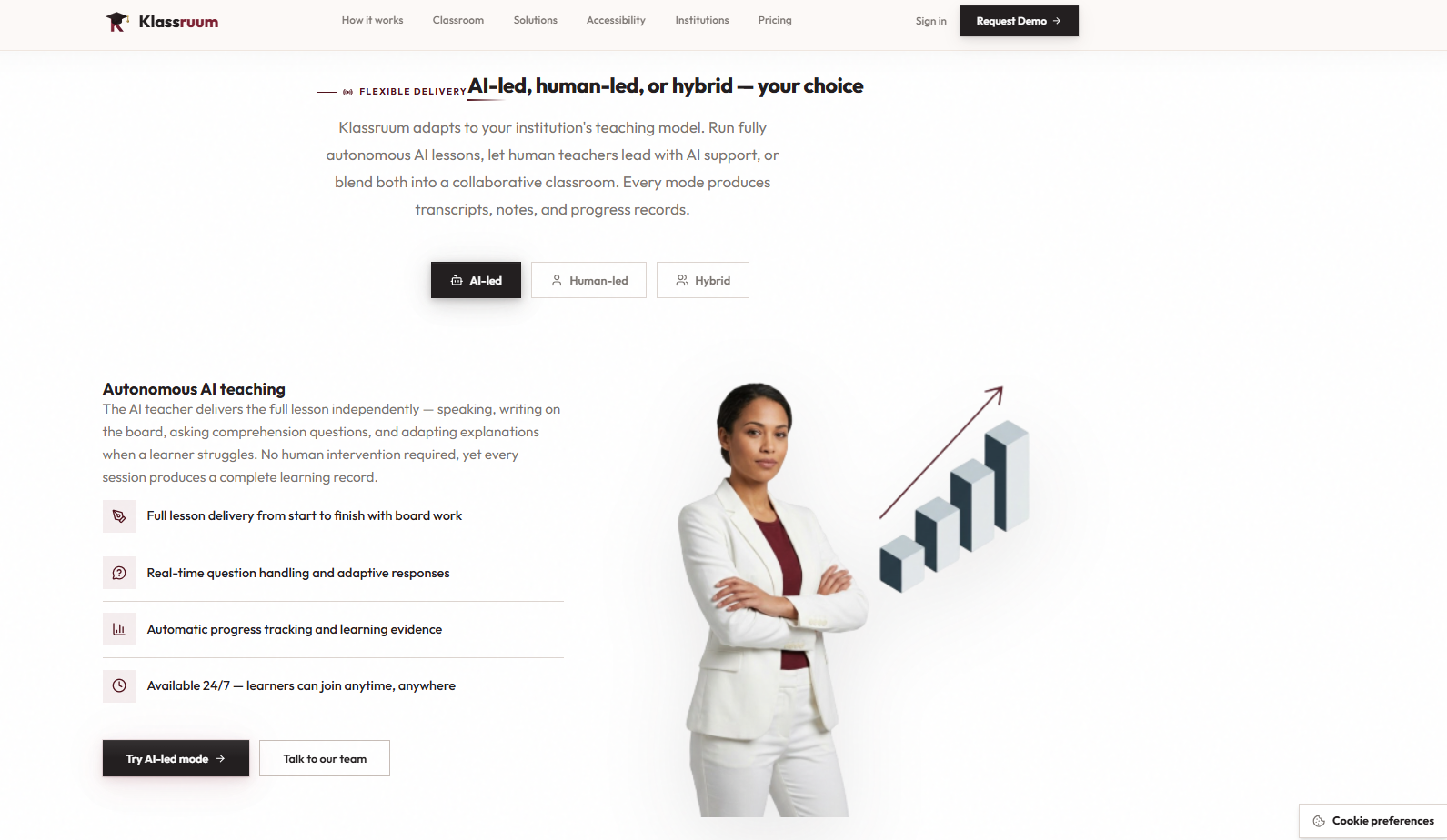
During a lesson, the AI teacher:
- Introduces learning objectives
- Explains concepts naturally using voice
- Writes on an animated whiteboard
- Draws diagrams and solves problems step-by-step
- Checks learner understanding throughout the lesson
- Answers questions using the lesson context
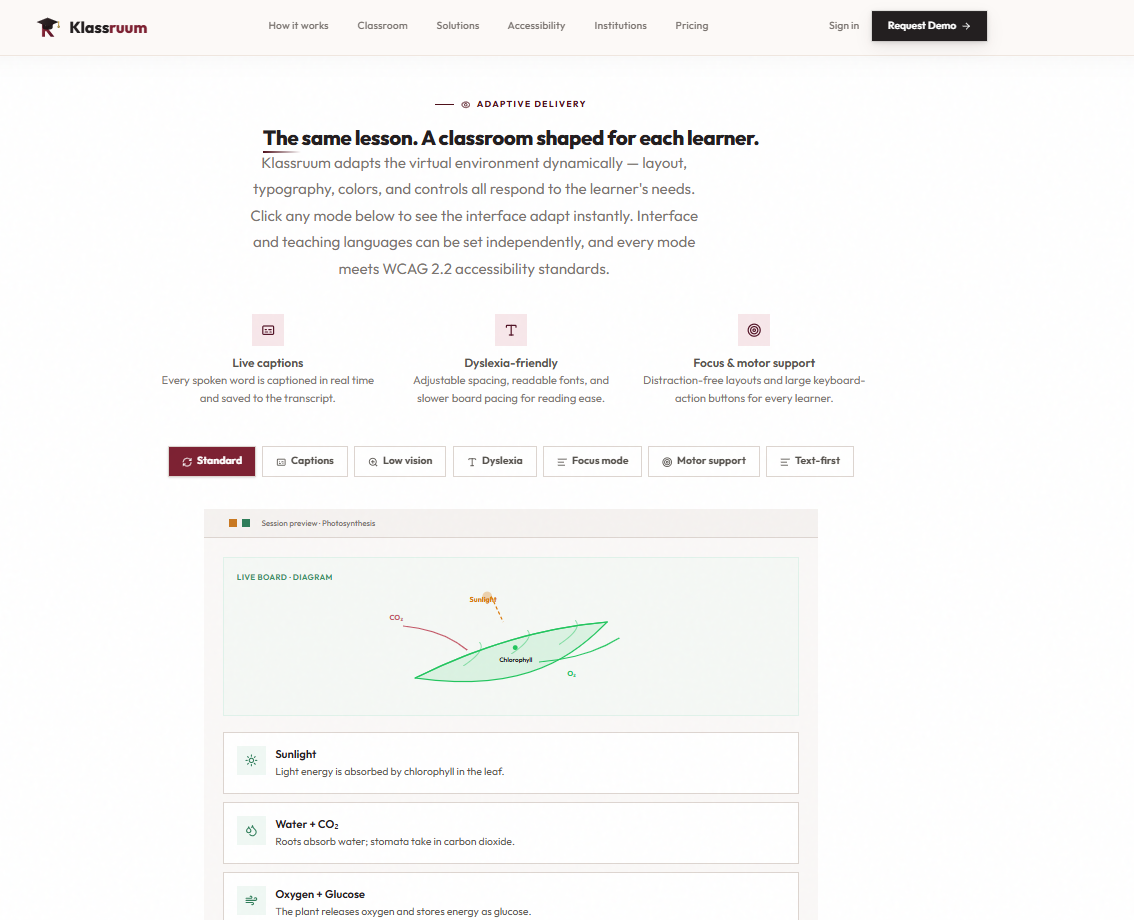
- Adapts explanations when learners struggle
- Generates quizzes and practice activities
- Summarizes learning outcomes before ending the session
Rather than acting as a chatbot, the AI behaves like a trained educator following proven teaching practices.
How We Built It
Klassruum combines a modern web platform with AI-powered teaching orchestration.
The frontend is built using TanStack Start, TanStack Router, React, and TypeScript, providing a fast and responsive learning experience.
Supabase powers authentication, PostgreSQL, storage, real-time updates, and backend services.
OpenAI models provide the reasoning layer that enables the AI teacher to:
- understand lesson context
- explain concepts naturally
- answer learner questions
- adapt explanations
- generate assessments
- support personalized learning
The classroom itself includes:
- synchronized voice and whiteboard teaching
- lesson orchestration
- adaptive questioning
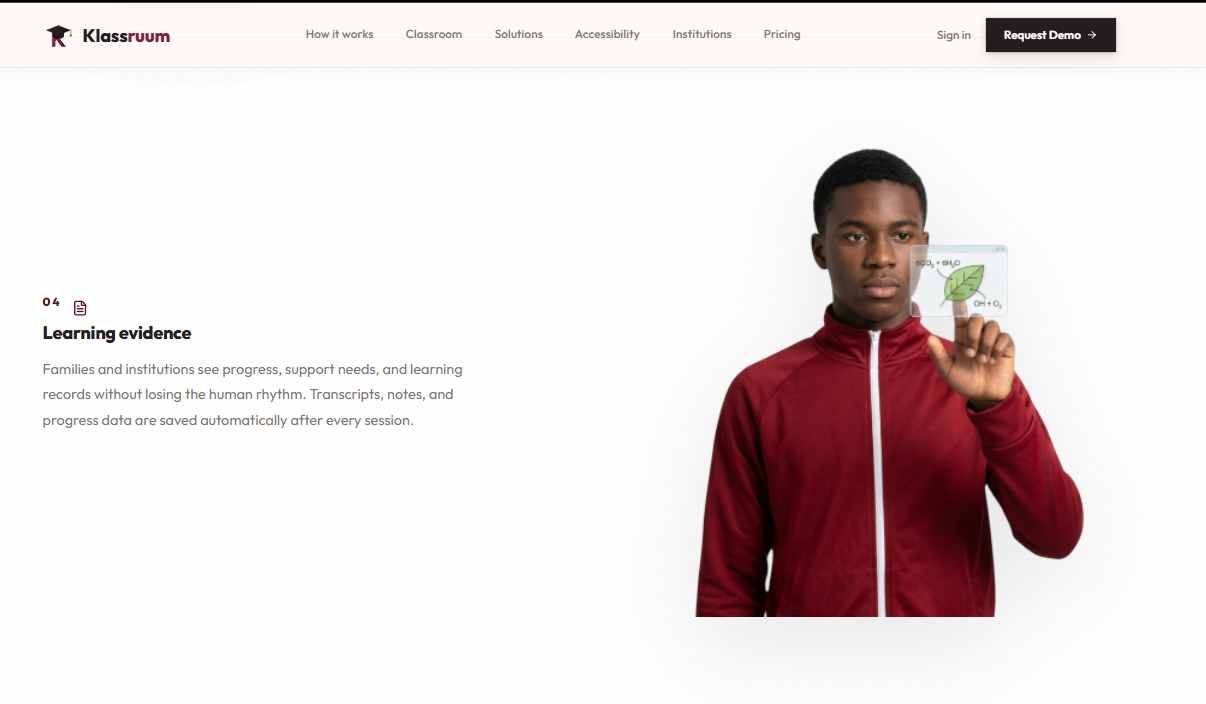
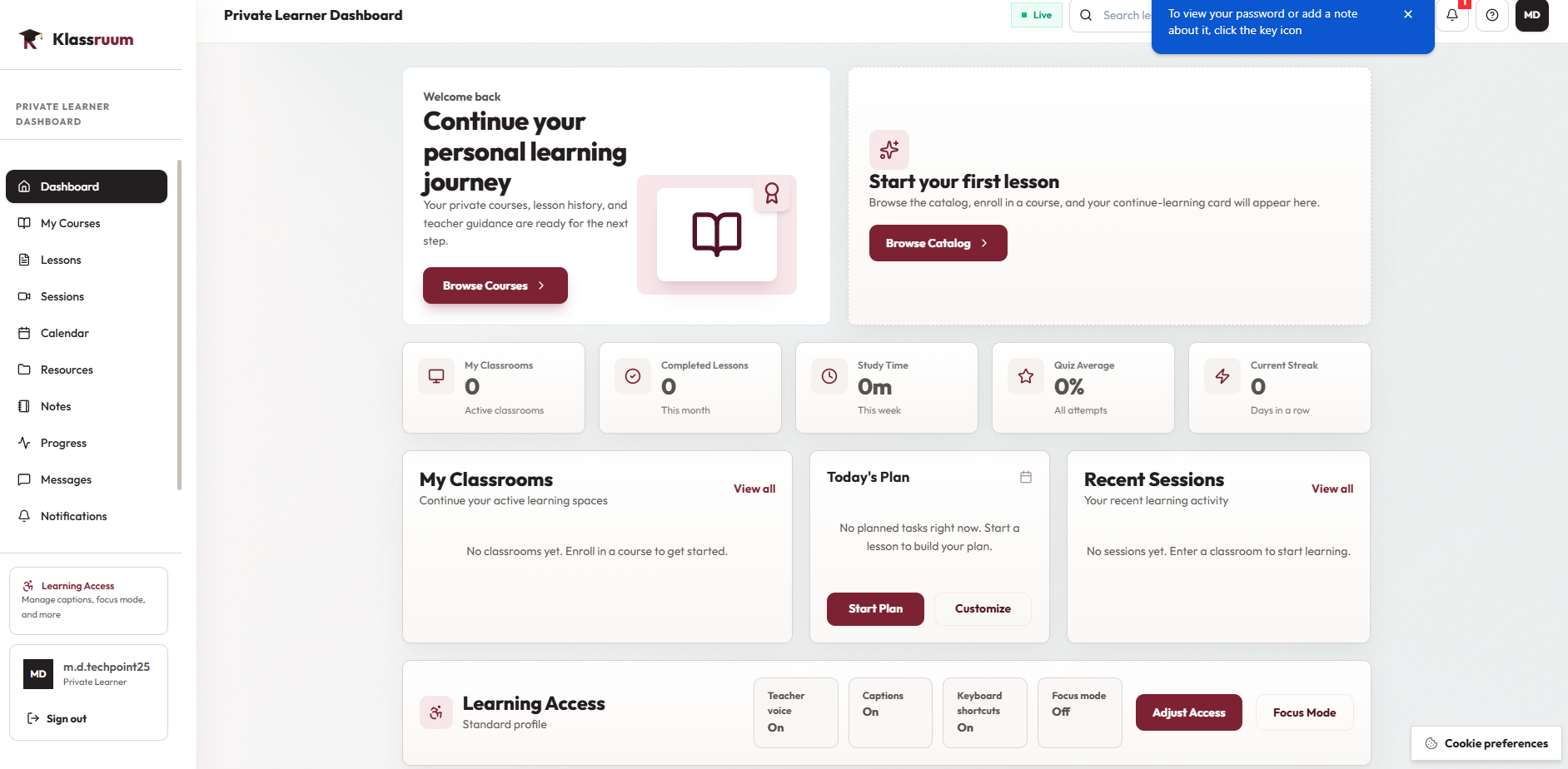
- learner progress tracking
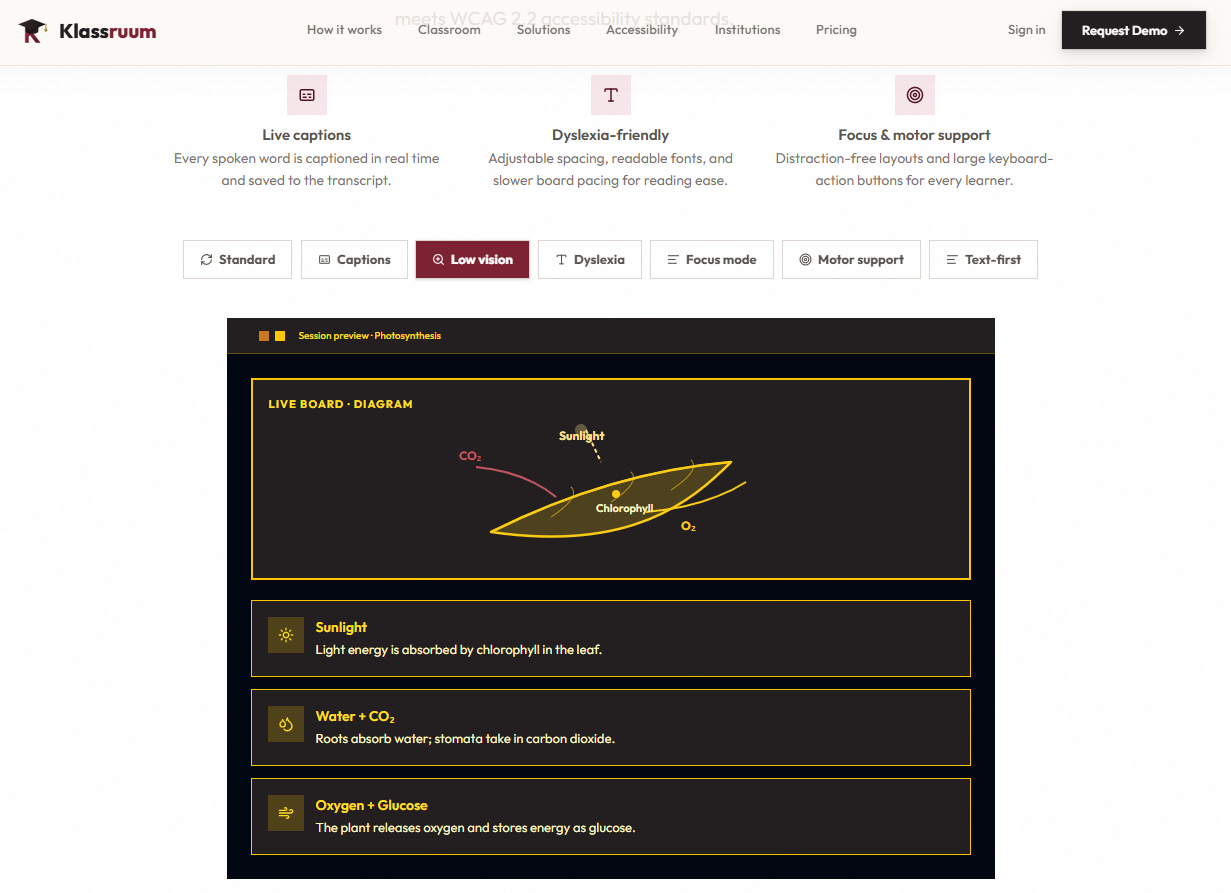
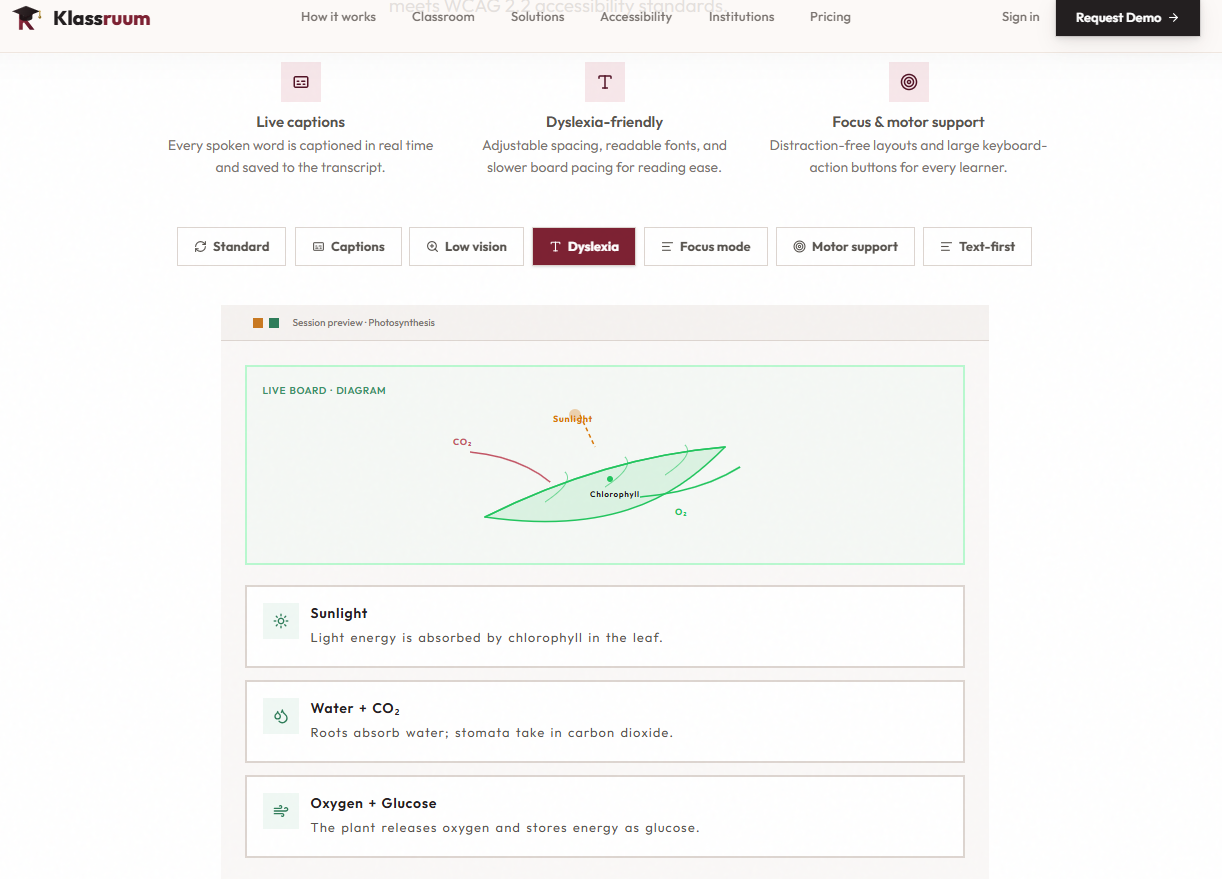
- accessibility features
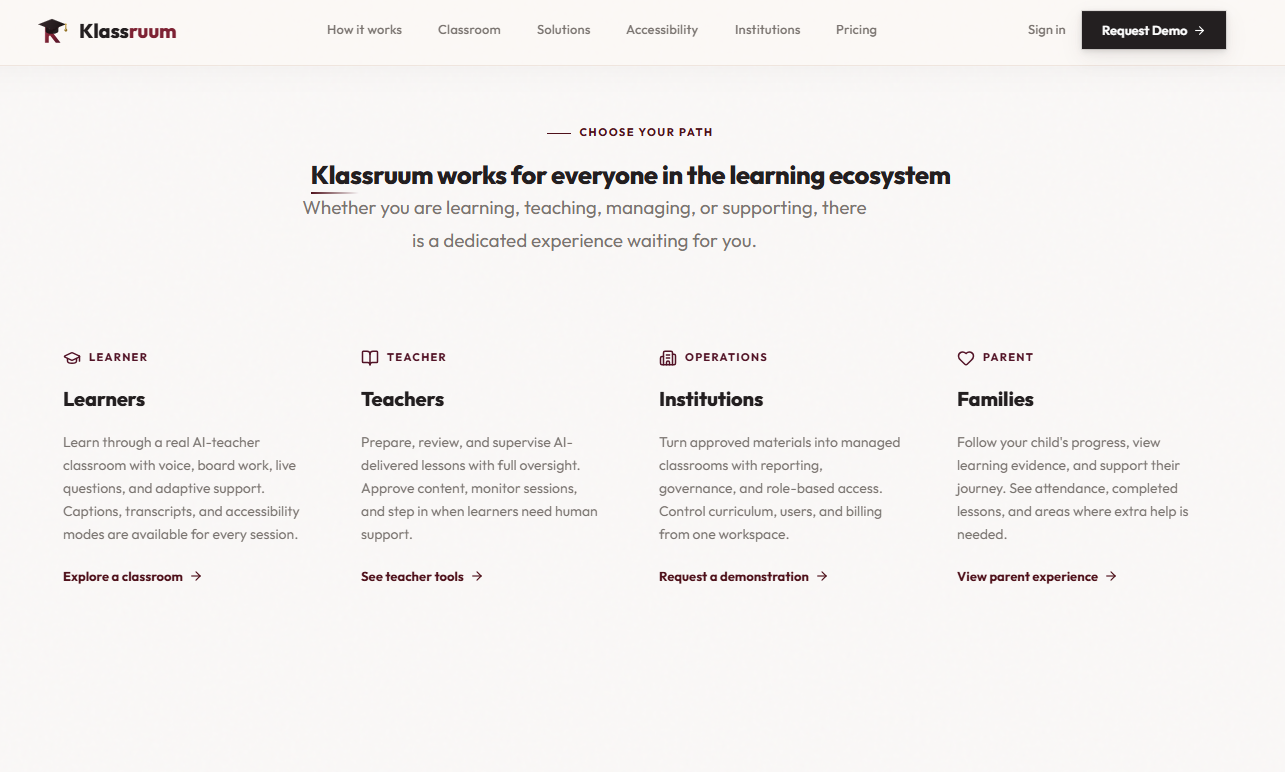
- analytics for teachers and institutions
Challenges
Building an AI teacher is fundamentally different from building an AI chatbot.
One of our biggest challenges was designing a teaching system that feels like a real educator rather than a question-answer assistant.
We needed to coordinate multiple systems simultaneously:
- lesson sequencing
- voice generation
- whiteboard animations
- learner interactions
- adaptive questioning
- accessibility
- progress tracking
Another challenge was ensuring that AI responses always remain grounded in the institution's curriculum while still allowing learners to ask natural follow-up questions.
What We Learned
We discovered that effective AI teaching requires much more than a language model.
Great teaching depends on pedagogy, timing, structured explanations, formative assessment, learner modeling, accessibility, and continuous adaptation.
This led us to design Klassruum around a Teaching Engine where OpenAI provides reasoning while the platform orchestrates the entire classroom experience.
What's Next
Our roadmap includes:
- Automatic curriculum extraction from uploaded materials
- More realistic AI teacher voices
- Real-time multilingual teaching
- Collaborative classrooms
- Institution APIs
- Parent insights
- Rich analytics
- Offline-first classroom support
- AI-powered lesson improvement
- Personalized learning pathways for every learner
Our long-term vision is to make high-quality education accessible to every learner by giving institutions AI teachers that can teach with the clarity, patience, and adaptability of the world's best educators.
Built With
- accessibility
- ai
- edtech
- education
- elevenlabs
- github
- gpt-4.1
- markdown
- node.js
- openai-api
- postgresql
- pwa
- react
- realtime
- rest-api
- supabase
- tailwind-css
- tanstack-router
- tanstack-start
- typescript
- virtual-classroom
- vite
- voice-ai
- web-speech-api


Log in or sign up for Devpost to join the conversation.