-
-
Kitty's Adventure App Icon
-
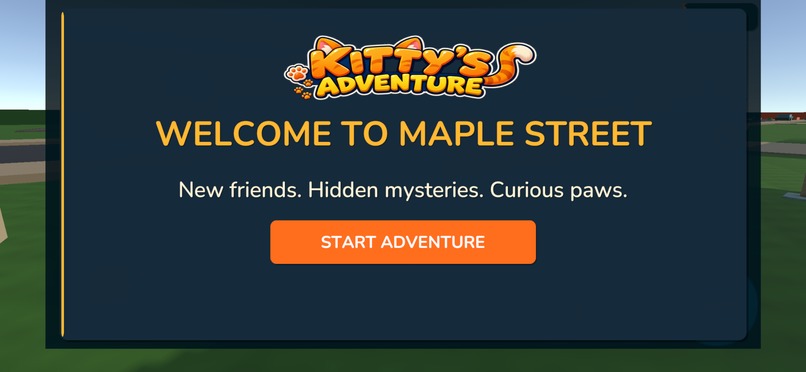
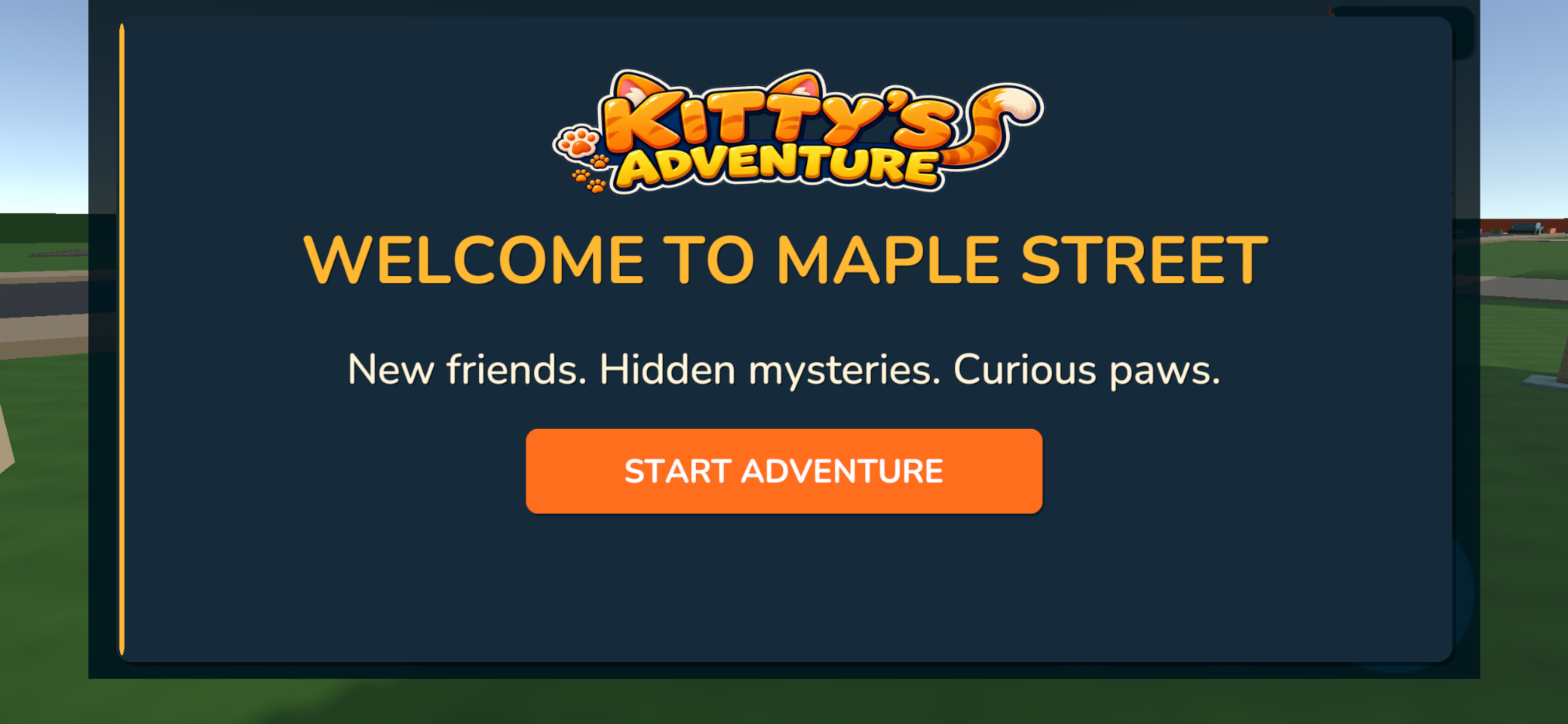
Welcome screen.
-
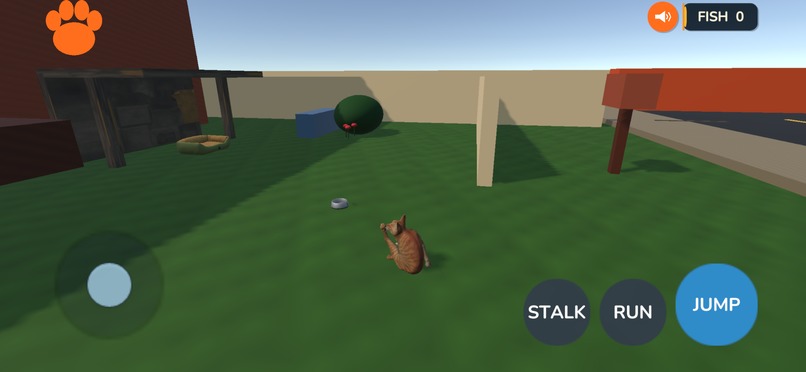
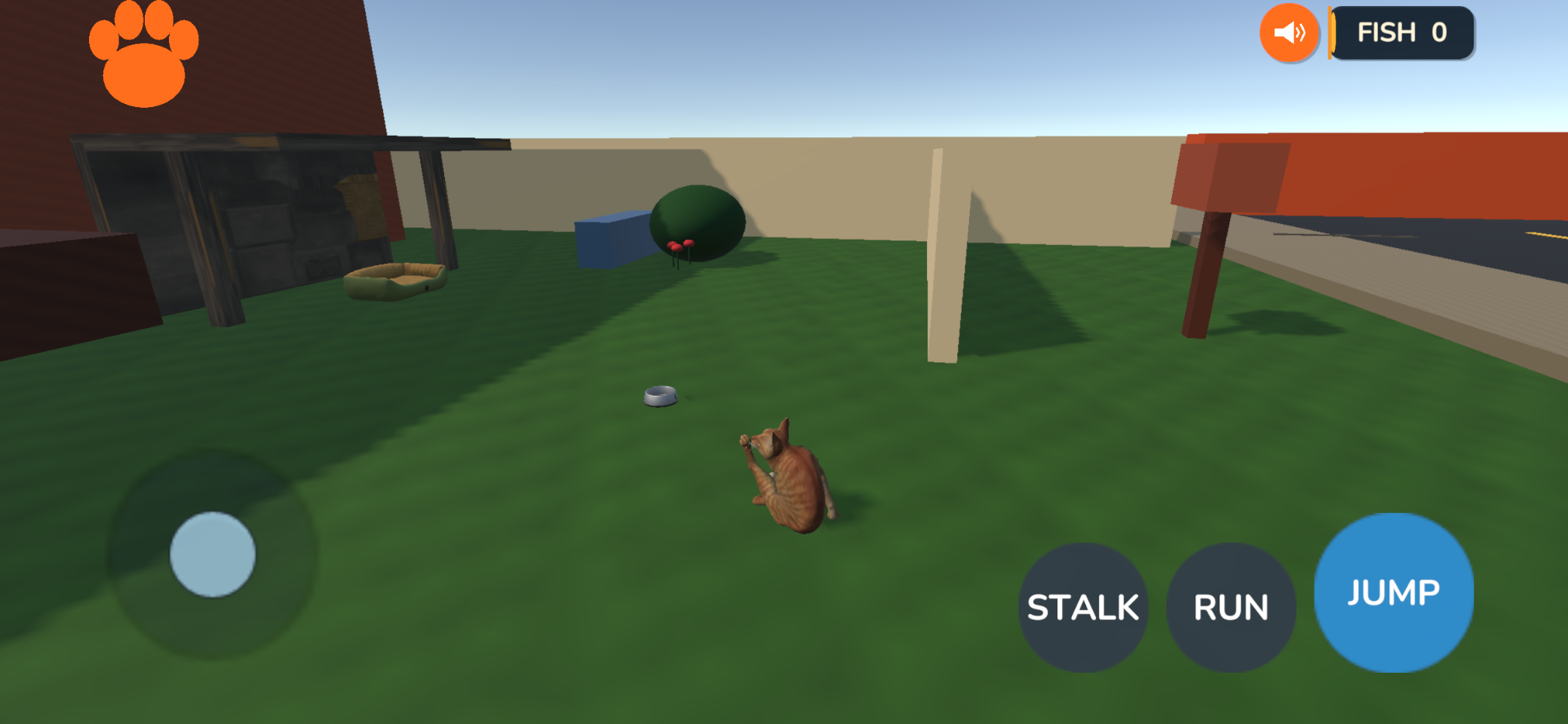
Kitty chilling by her house!
-
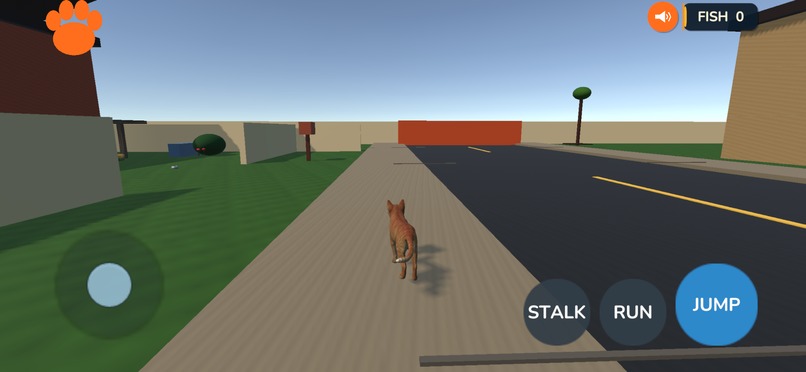
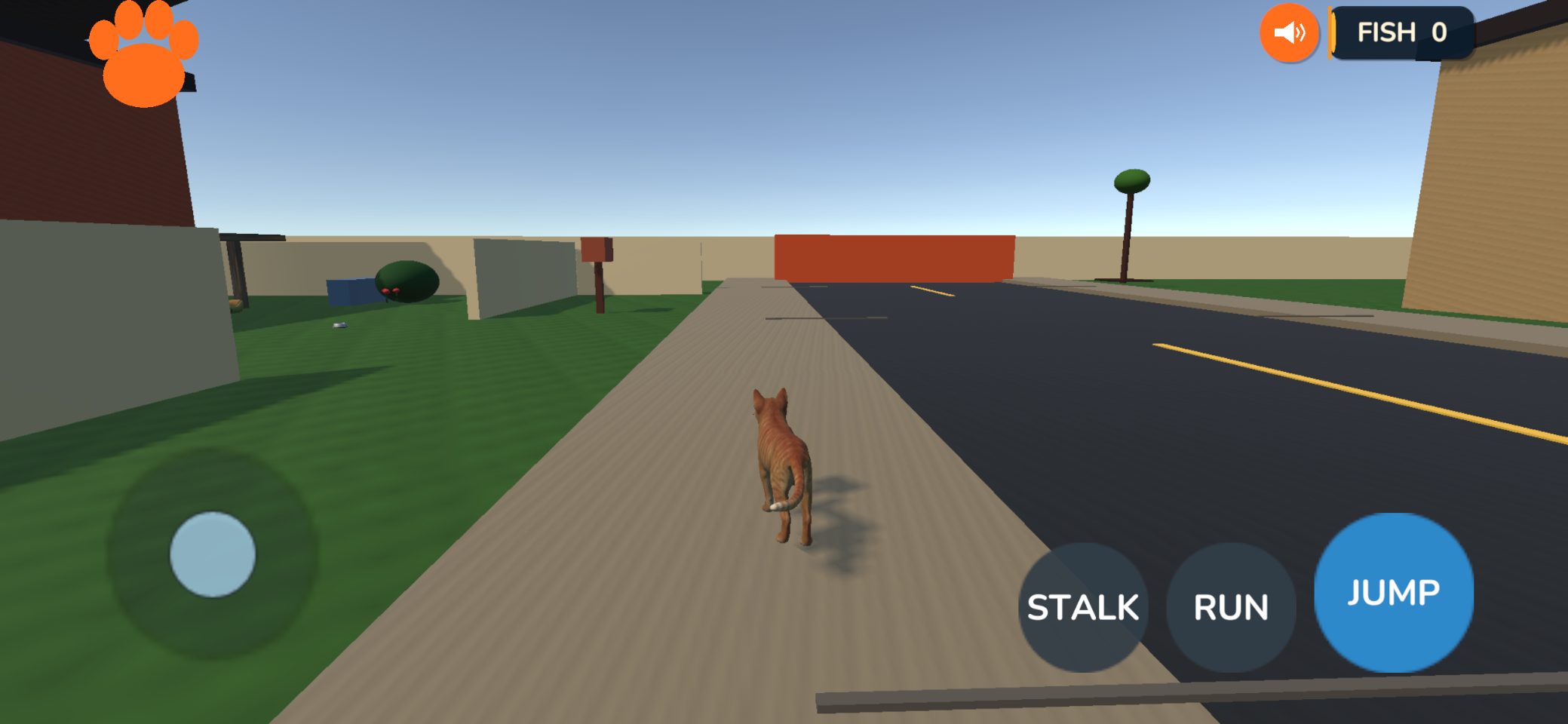
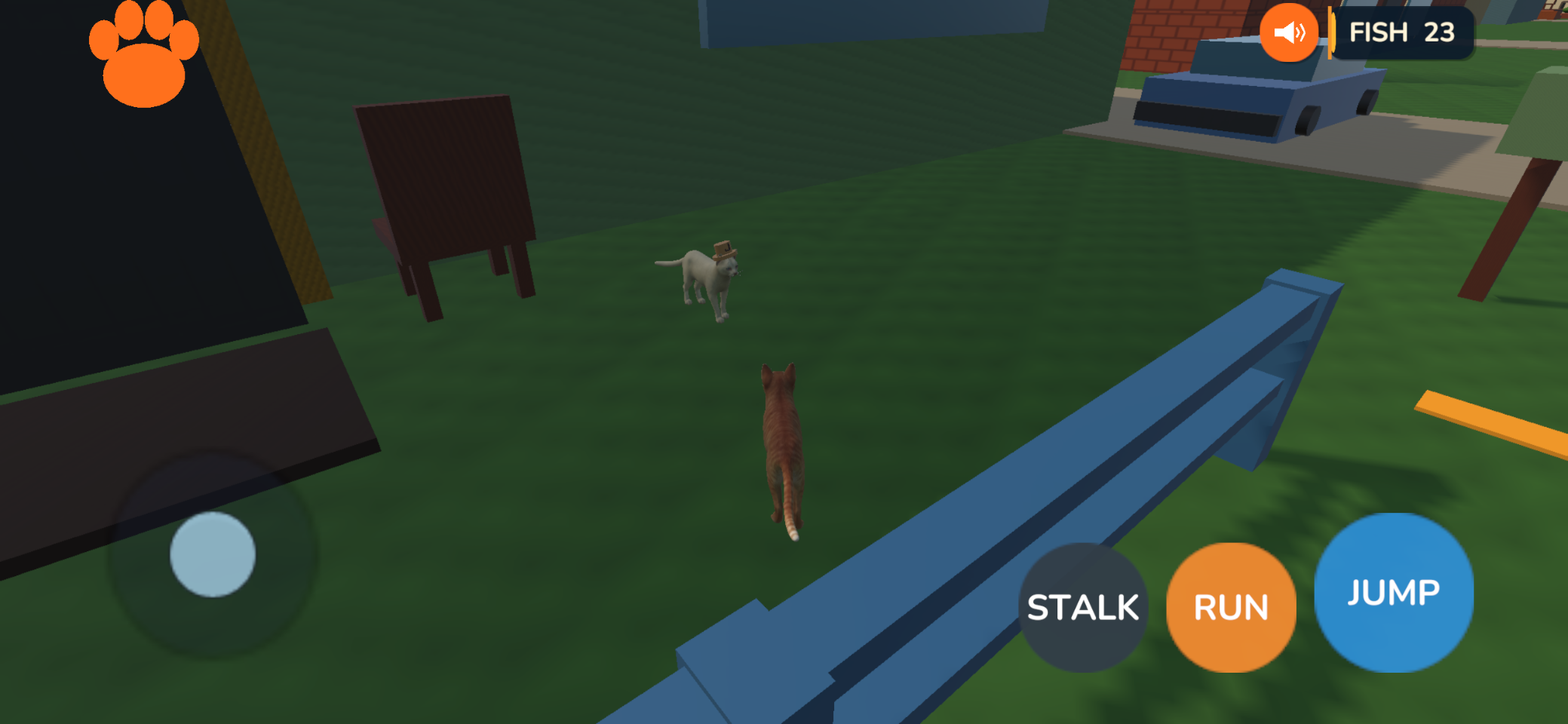
Kitty at the Maple street.
-
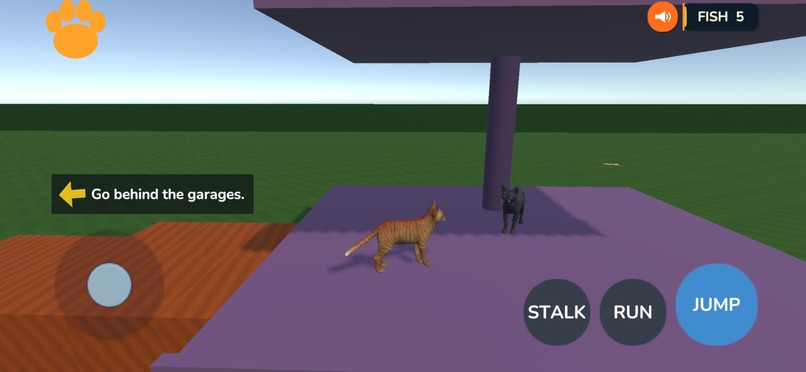
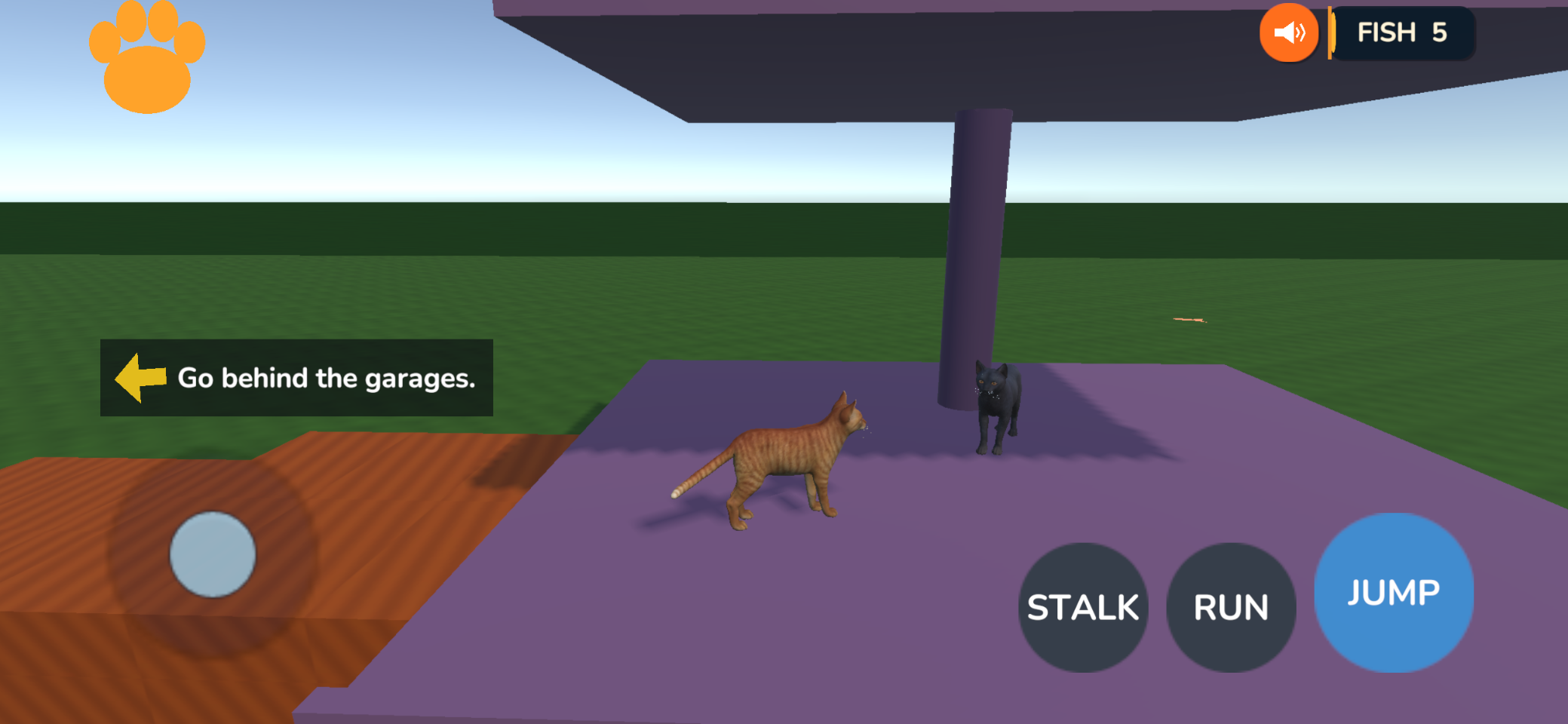
The first friend from Maple street - Philly.
-
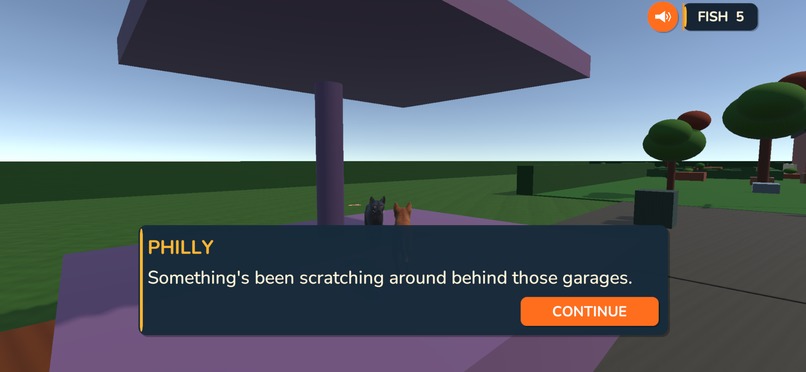
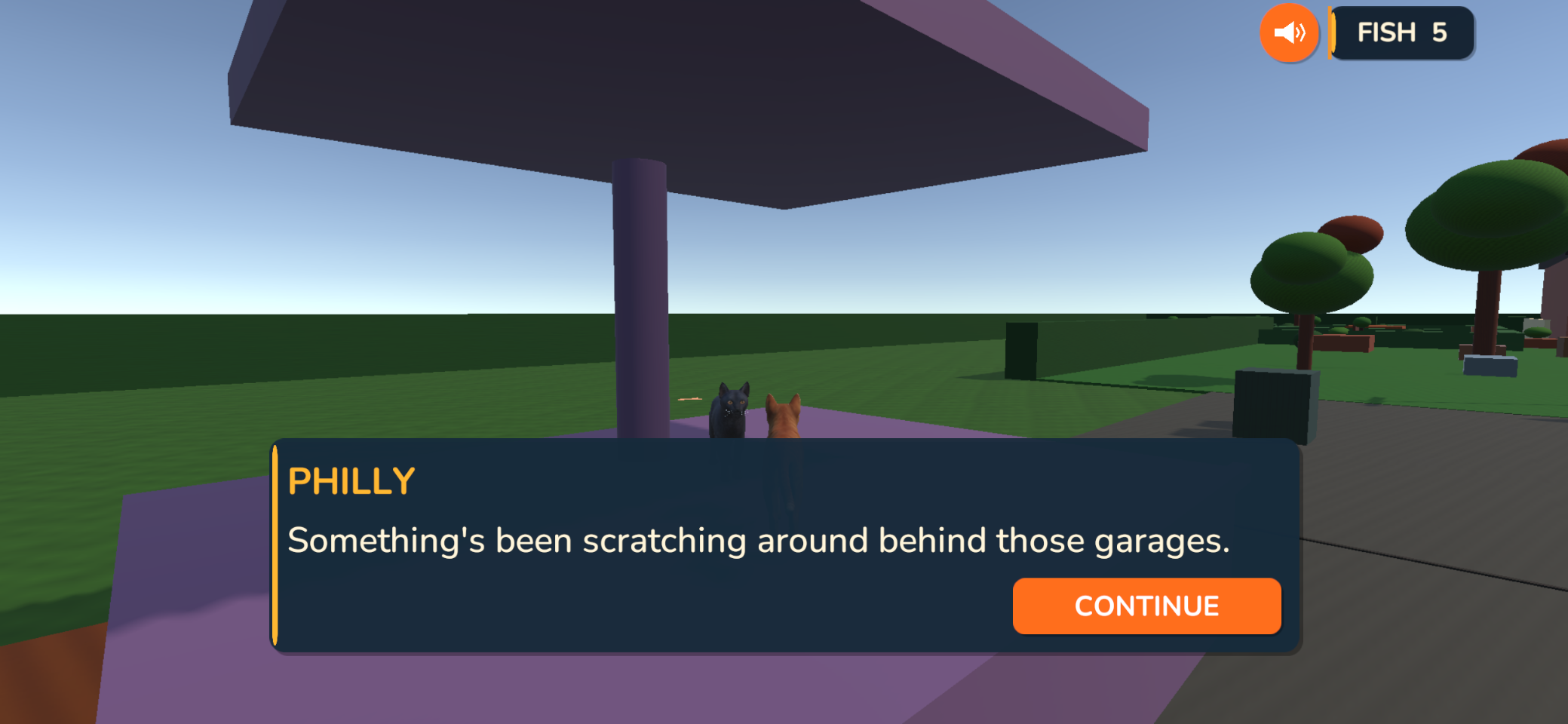
Something happening in those garages!
-
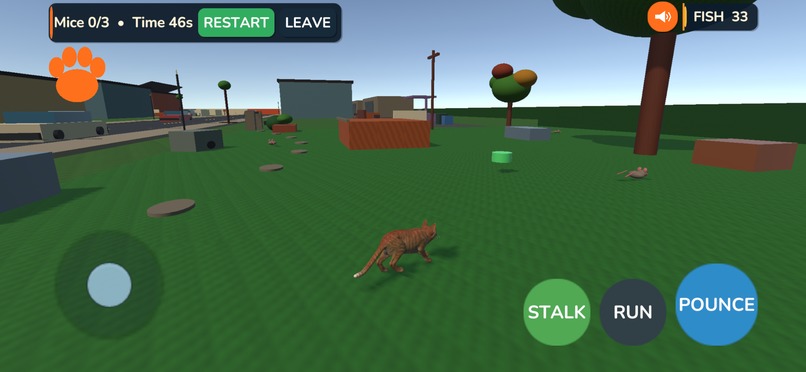
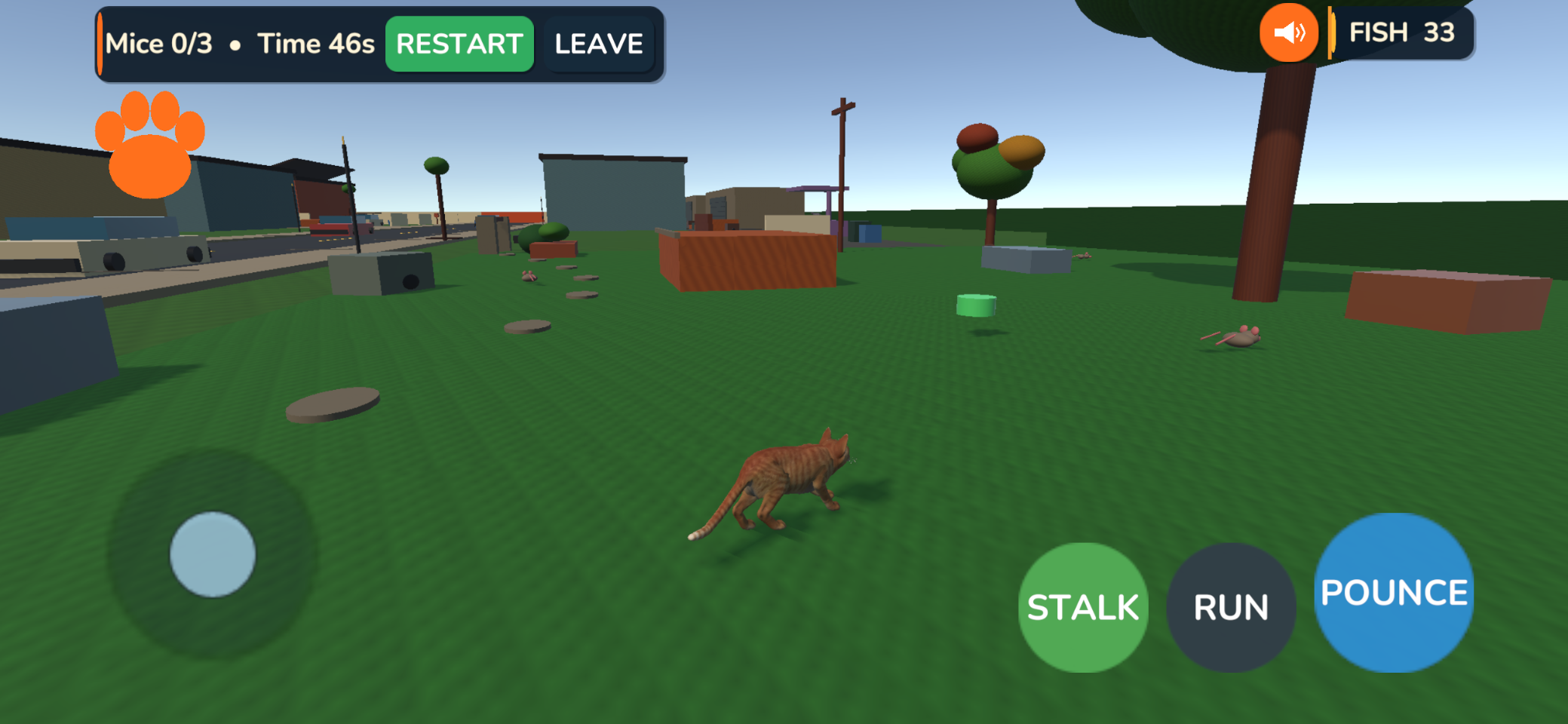
Kitty stalking a mouse.
-
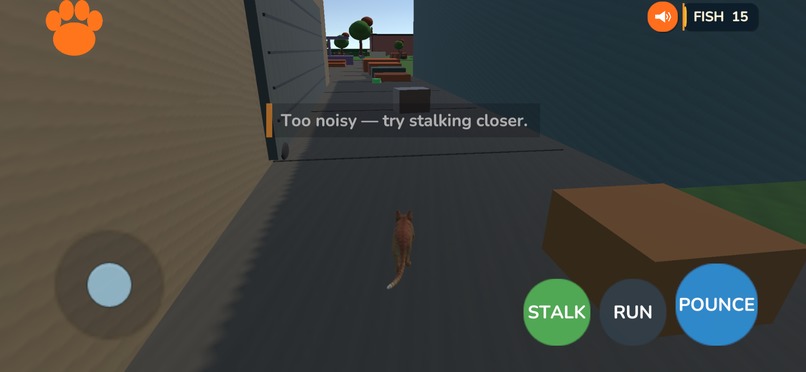
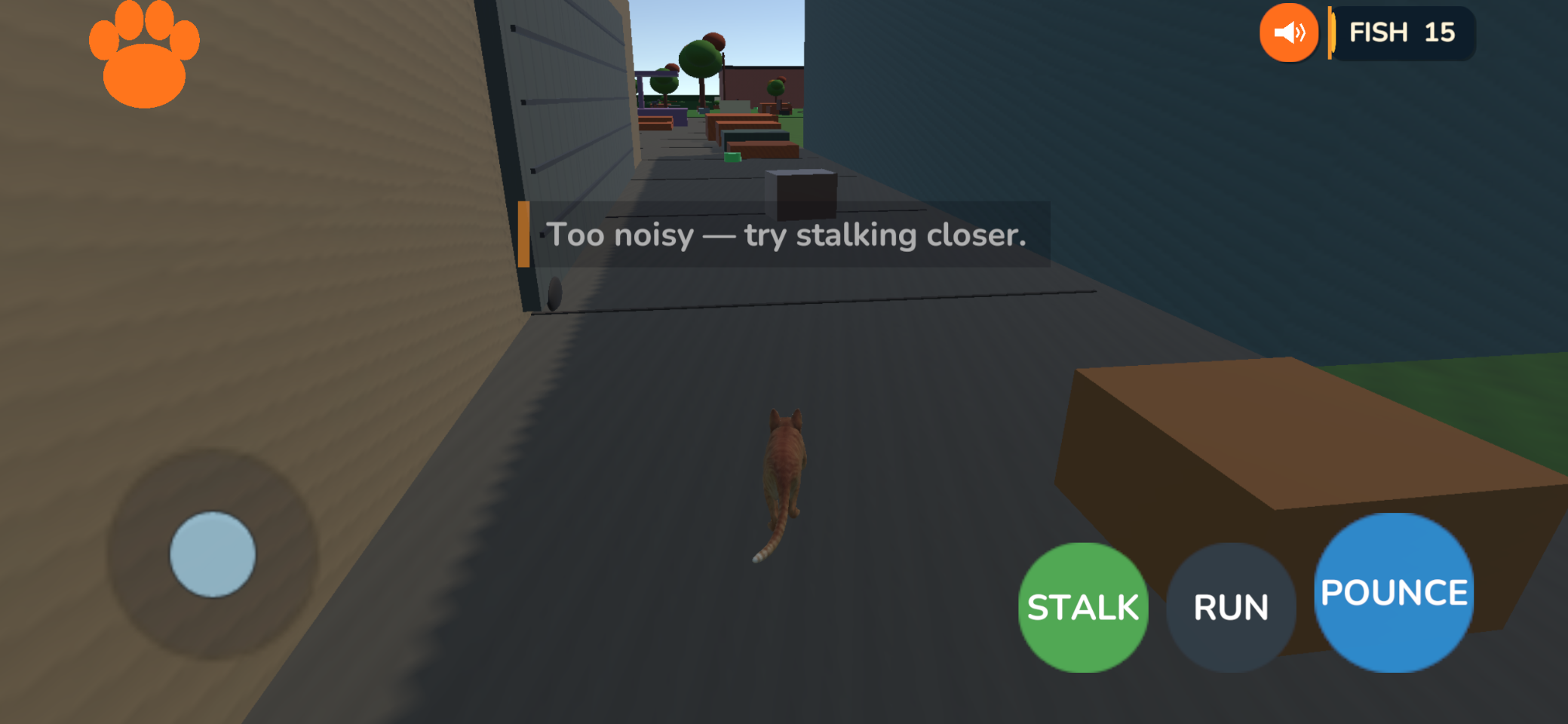
If you make too much noise, mouse will run away!
-
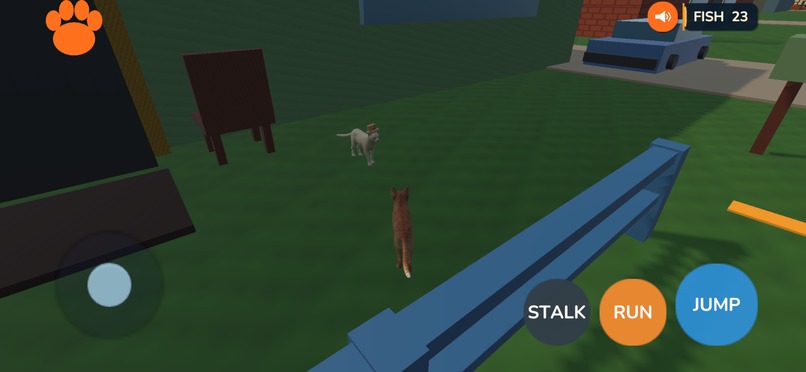
Kitty and Jimmy.
-
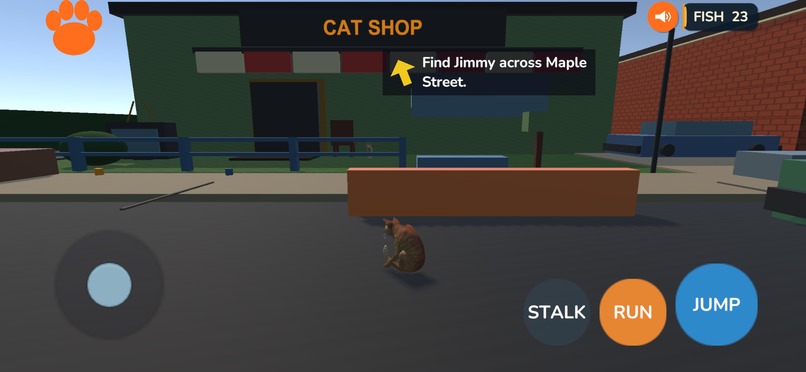
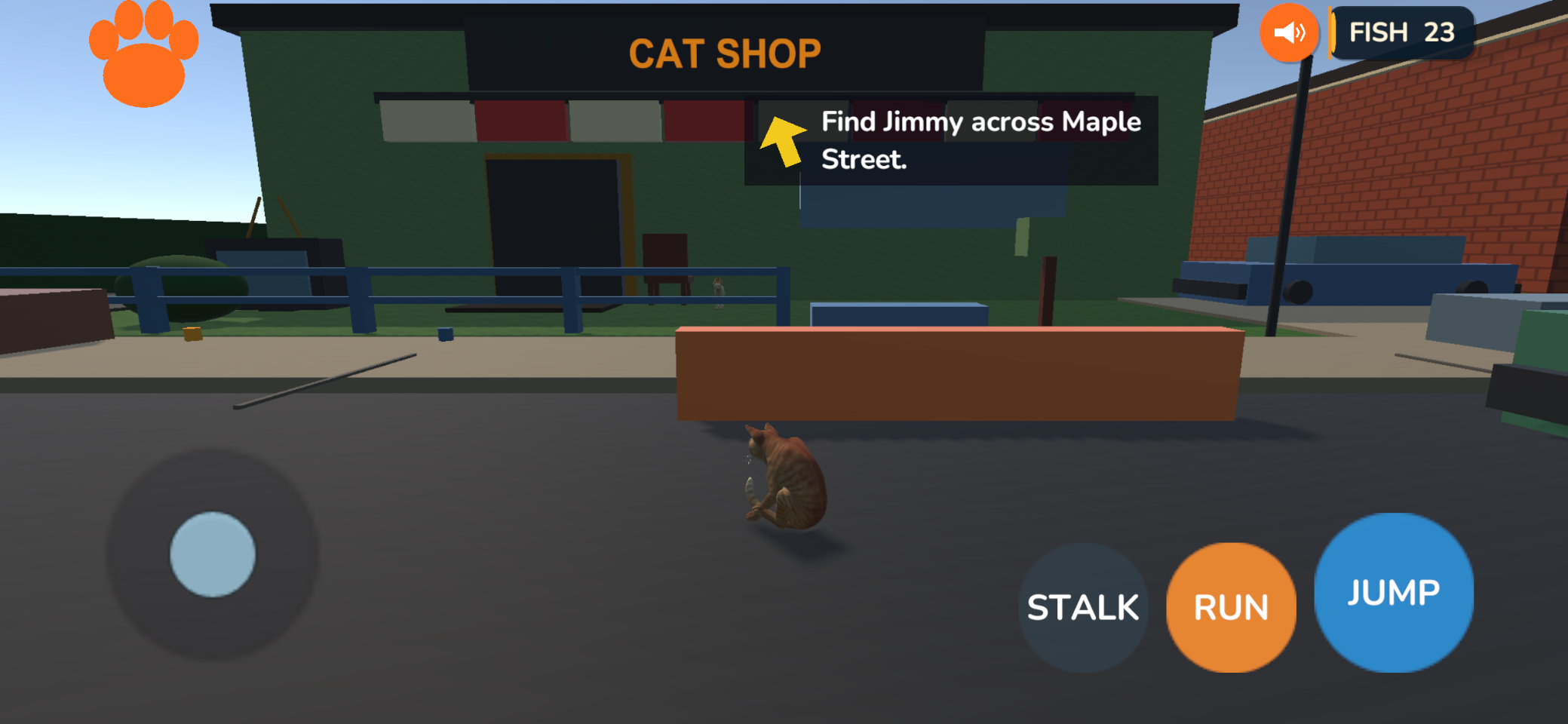
Cat shop at the Maple street.
-
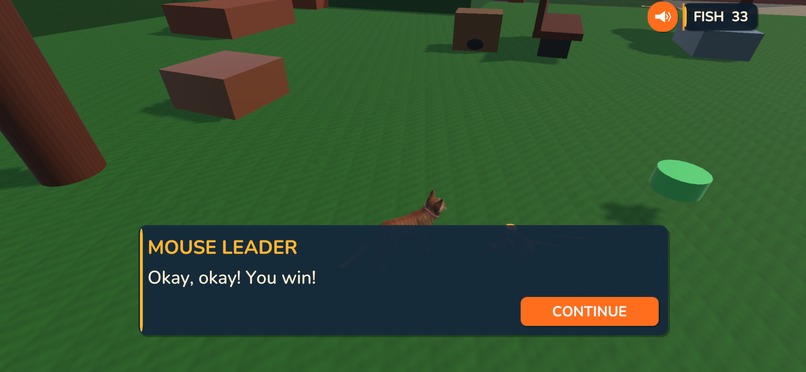
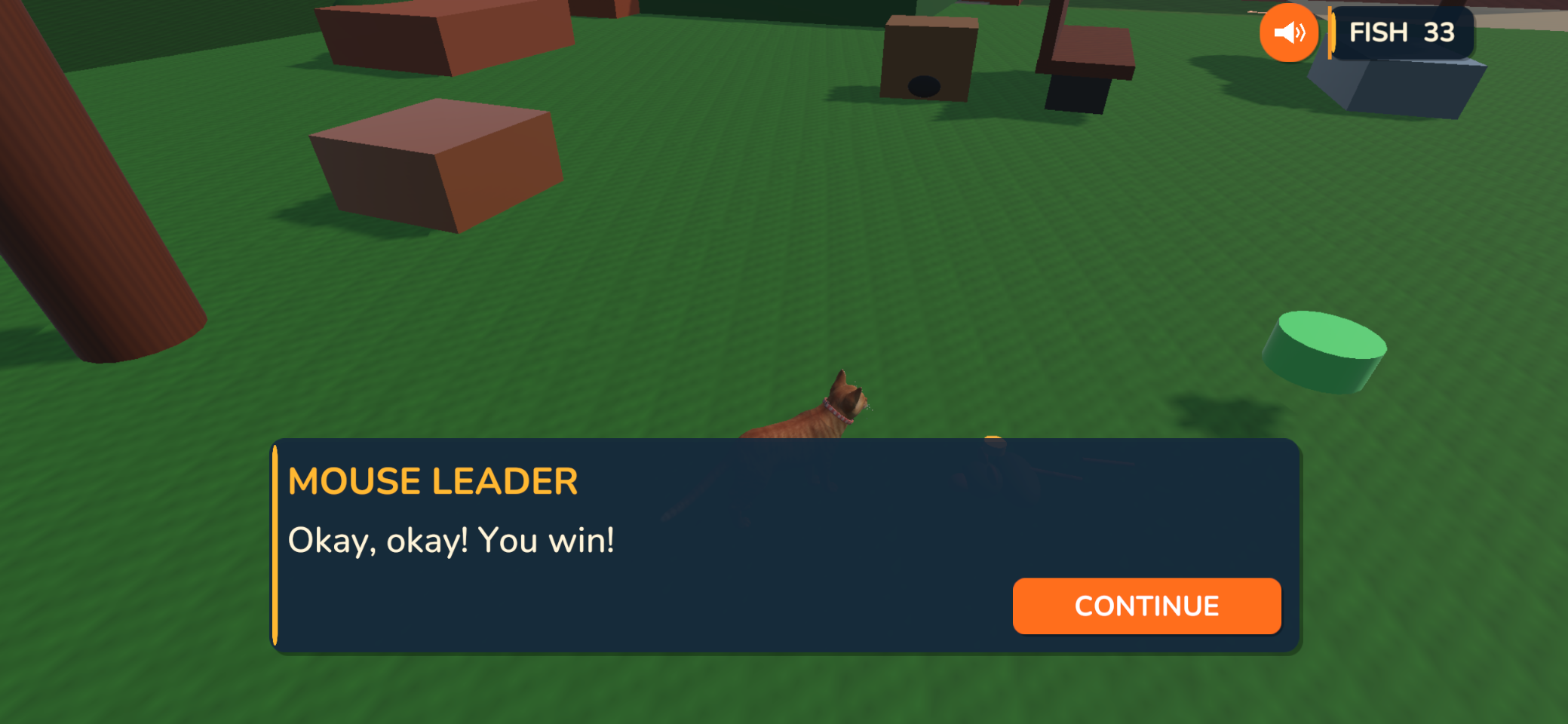
Mouse leader cornered.
-
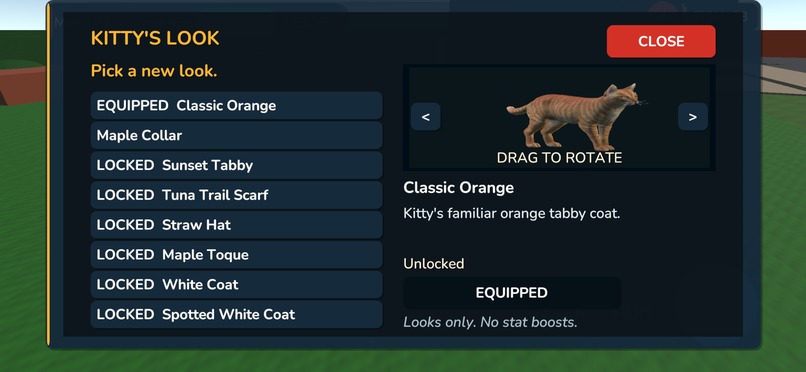
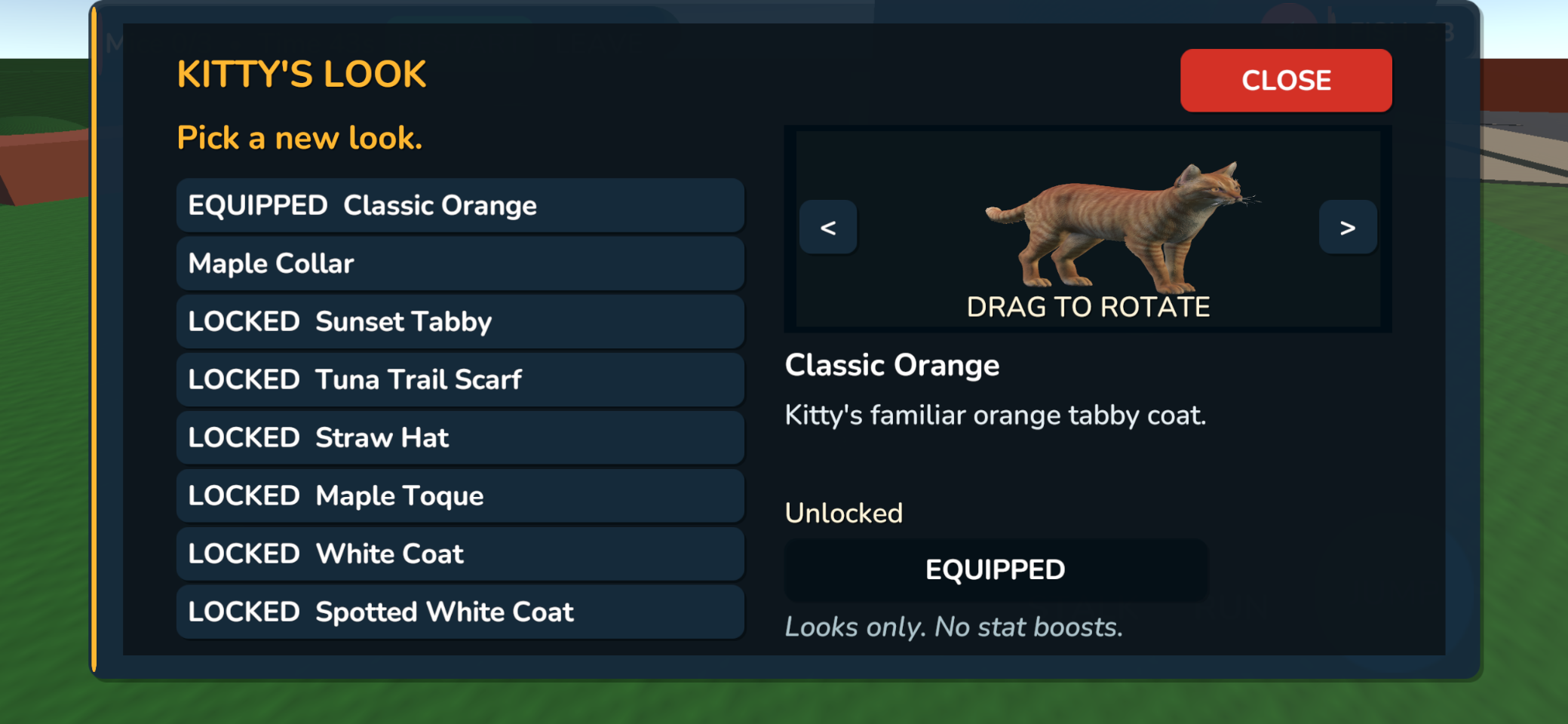
Custom Kitty Style
-
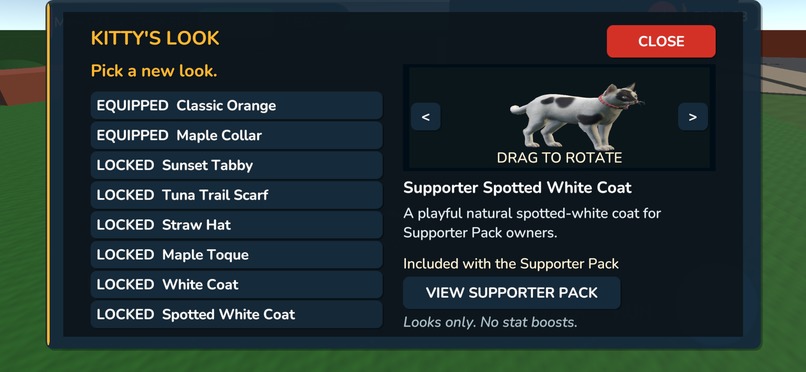
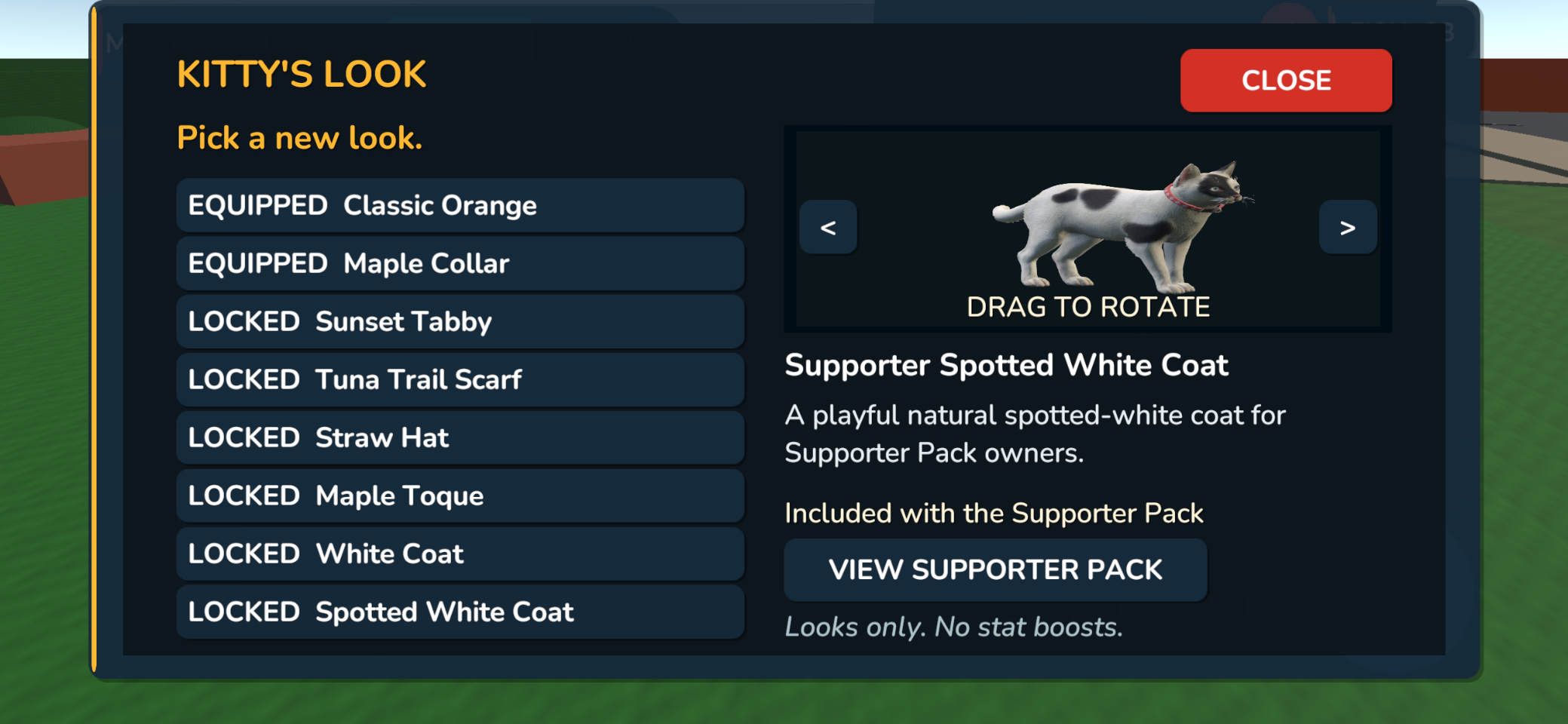
Custom Kitty Style
-
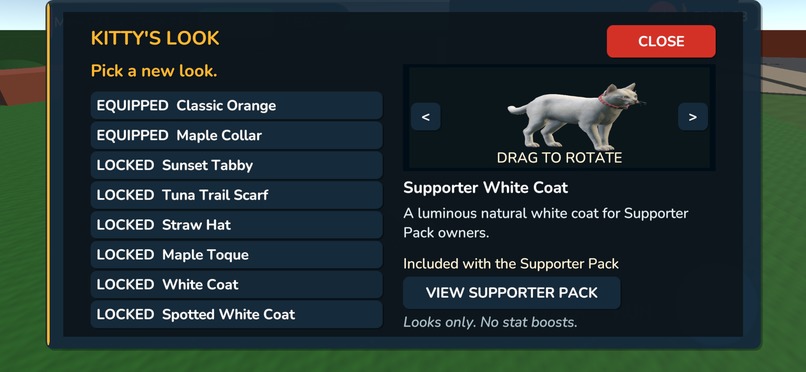
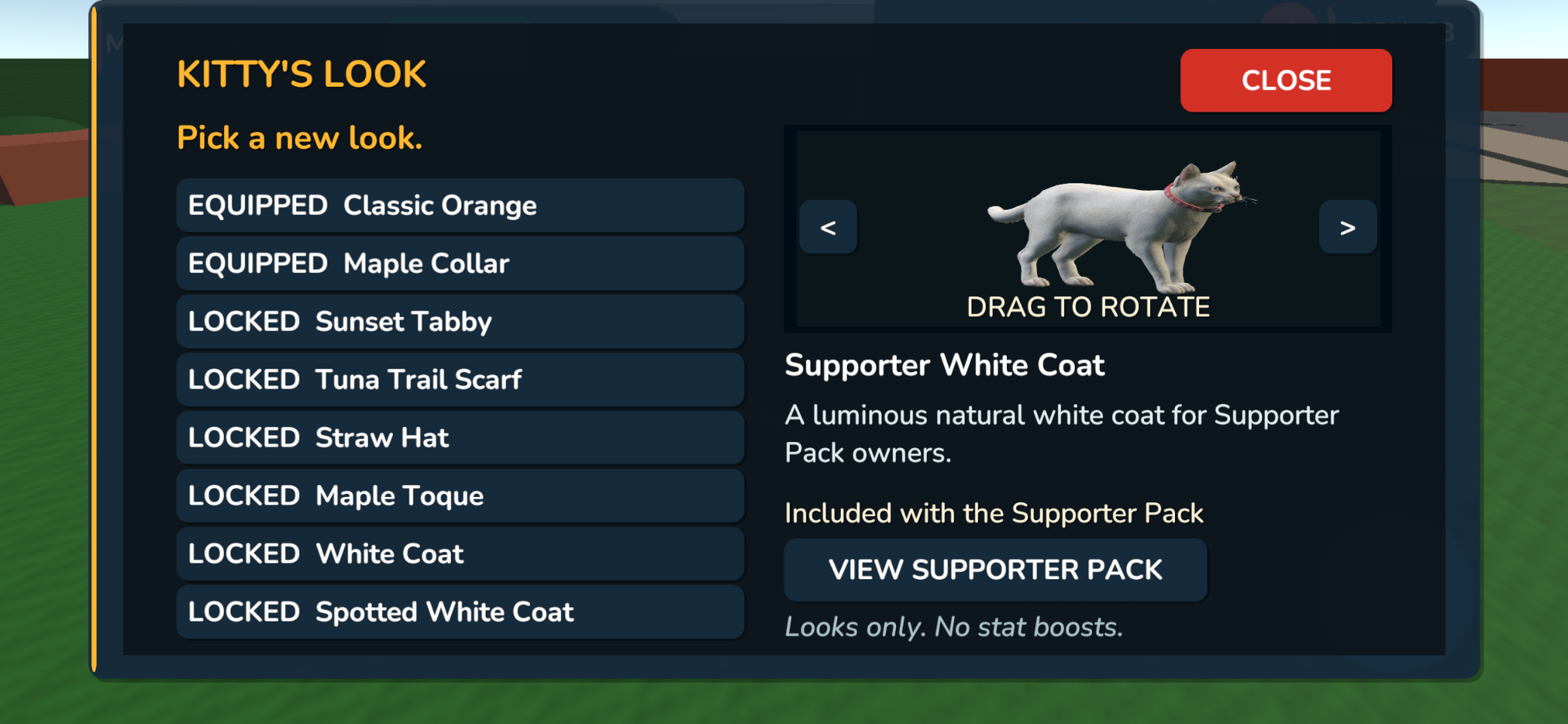
Custom Kitty Style
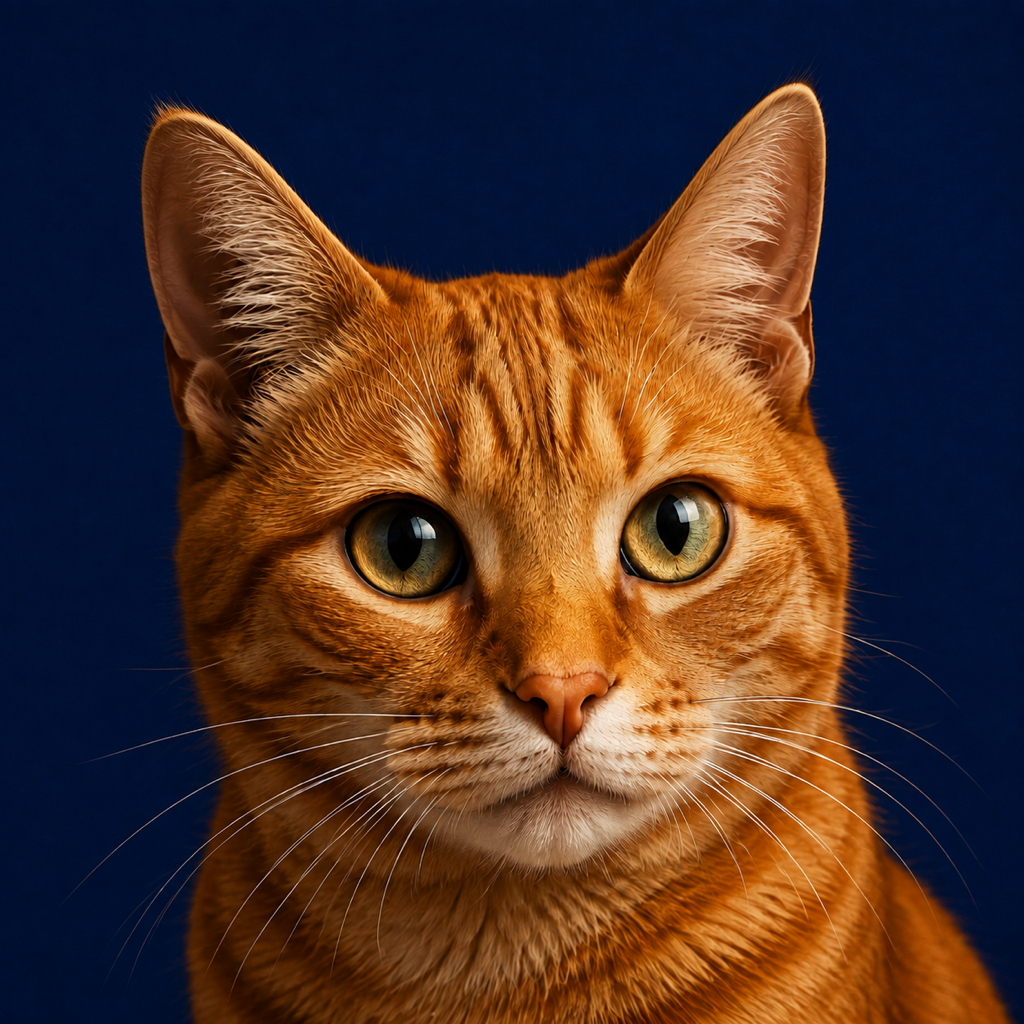
Inspiration
I love cats. They are cute, cuddly little rascals—curious about everything and always ready to turn an ordinary moment into an adventure, whether they are exploring outside or causing chaos at home.
Most cat games let you look after a pet. I wanted to make one that lets you be the cat: to explore a cat’s life, build a world around that perspective, and create a cozy experience about one curious kitty discovering how big and interesting the everyday world can be.
That idea changed the way I looked at everything. A quiet residential street becomes a whole world when the camera is only a few paws above the ground. A hedge becomes a maze, a mouse becomes a mission, and the trip home for a nap becomes part of the adventure. I wanted to capture the joyful unpredictability of a cat: helping neighbors one moment, chasing something that moved the next, and occasionally ignoring the plan because a scratching post looked more interesting.
That became Kitty’s Adventure: a warm, playful game about courage, community, and finding your place on Maple Street.
What it does
Kitty’s Adventure* is a cozy 3D mobile adventure where you play as Kitty, a curious orange tabby exploring an oversized human neighborhood from paw height.
Players can run, jump, stalk, pounce, explore, meet the cats next door, and follow a complete Chapter One story. Along the way, Kitty helps neighborhood friends, uncovers a mouse mystery, trains with Luffy, and works toward becoming the Boss Cat of Maple Street. After the story, the neighborhood stays open for replayable mouse hunts, friendly sparring, races, hidden Tuna, personal records, collectibles, and new looks for Kitty.
The little cat moments matter too: Kitty can eat, scratch, play with toys, curl up at home for a nap, or simply wander wherever curiosity leads.
The game requires no account, saves progress locally, and keeps its core story and exploration playable without a purchase or ad. Optional Fish packs, a permanent Maple Supporter Pack, and an opt-in rewarded Cat TV experience support the game without putting the story behind a paywall.
How we built it
I built Kitty’s Adventure in Unity 6 with C#, the Universal Render Pipeline, Unity’s Input System, and an iOS IL2CPP release pipeline. The project began as a small movement prototype and grew paw by paw into a complete mobile game.
The code is organized around small, reusable systems: input is separated from movement, missions listen to gameplay events, dialogue is data-driven, and ScriptableObjects hold tunable settings. The same foundations support touch controls, cat traversal, interaction, hunting, combat, races, progression, customization, audio, and versioned local saves without turning every new activity into a one-off script.
For the business side, RevenueCat manages StoreKit products and the permanent Supporter entitlement using anonymous App User IDs. Consumable Fish delivery is journaled and deduplicated so delayed or replayed purchase events cannot grant rewards twice. Google Mobile Ads and UMP power the optional Cat TV flow, with consent, ATT, session/day limits, and verified rewards handled as part of the experience.
As a solo developer, I used Codex as my development collaborator throughout the project. I directed the product, story, priorities, and feel of the game, while using a task-by-task roadmap, acceptance criteria, code review, automated validation, and physical iPhone testing to turn ideas into reliable features. GitHub kept the work reviewable, and Xcode/TestFlight closed the loop between development and a real device.
Challenges we ran into
The first big challenge was making movement feel like a cat instead of a small human. Camera height, turning, jumping, stalking, pouncing, step handling, touch input, and animation all had to feel natural together. Tiny tuning changes could make Kitty feel playful—or frustrating—so repeated testing on an actual iPhone was essential.
The second challenge was fitting a real 3D adventure onto a small landscape screen. Dialogue, missions, stamina, combat, touch controls, safe areas, menus, and accessibility settings all competed for space. We repeatedly simplified the HUD, moved long-form information into the Paw menu, built layout validation for every mission and dialogue state, and kept timed activities compact enough that the player could still see the world.
Persistence and monetization brought a different kind of difficulty. Story state, rewards, collectibles, records, cosmetics, and interrupted activities all needed safe restore behavior. Purchases had to grant exactly the right amount exactly once—even if callbacks arrived late or in an unexpected order. Cat TV also needed to feel optional and friendly while correctly handling consent, ATT, failed loads, incomplete views, cooldowns, and verified rewards.
Finally, shipping was its own feature. Performance, heat, memory, audio, privacy manifests, App Store disclosures, signing, screenshots, TestFlight builds, review notes, and release validation demanded as much care as the visible gameplay. Getting from “it works in Unity” to “a stranger can safely download it” was the hardest and most valuable stretch of the project.
Accomplishments that we're proud of
I am proud that, as a solo developer, I turned a simple greybox movement test into a complete game and released it on the App Store on September 25, 2026—just over a month after development began and without losing the cozy idea that started it.
I am especially proud of:
- Building a complete Chapter One with recurring characters and a satisfying Boss Cat ending.
- Creating several connected play styles—exploration, hunting, racing, friendly combat, collecting, and customization—from reusable systems.
- Making Maple Street feel large and interesting from a cat’s point of view while keeping it performant on a phone.
- Shipping a fair free-to-play design: no account, no hard energy gate, no required ads, and no purchase required to finish the story.
- Turning Cat TV into a playful, diegetic rewarded experience instead of interrupting players mid-adventure.
- Building release checks for progression, save/load behavior, UI layouts, purchase accounting, audio, performance, and production configuration.
- Completing the full journey from idea and prototype to TestFlight, App Review, and a real App Store launch.
What we learned
The biggest lesson was that cozy is not the absence of challenge; it is the feeling that the game respects you. Clear feedback, forgiving retries, optional monetization, a home to return to, and the freedom to wander all matter more than adding endless features.
I also learned that mobile controls are part of the game design, not a layer added at the end. Every mechanic has to earn its space under the player’s thumbs. Testing on the target device early and often changed the camera, HUD, tutorials, mission pacing, and even the shape of several activities.
Working in small, verifiable milestones made an ambitious solo project possible. Reusable systems helped, but the real advantage came from defining what “done” meant for each step, validating it, and protecting the scope of the first release.
The hackathon timeline also taught me to make deliberate tradeoffs. The development process was genuinely fun because every feature raised the same creative question: what is the most delightful version of this idea that I can also build, test, and ship reliably in the time available? Choosing a small, dense neighborhood and a few strong cat-like activities gave the game more personality than chasing a much larger but unfinished world.
Most of all, I learned that launch is not the finish line. A shipped game creates the opportunity to learn from real players—and that feedback is more valuable than another month of guessing in private.
What's next for Kitty's Adventure
The game has only just launched, so the next step is to improve the reach of the game and listen. I am excited to hear the first player reactions, watch where people get stuck, learn which activities they return to, improve onboarding and retention, and quickly fix anything that gets between them and the joy of being Kitty.
As an update, we released a minor update 1.0.1 today after listening to feedback from early users.
Then the world can grow beyond Maple Street. Kitty finishes Chapter One having made friends, faced challenges, and learned what it means to become the Boss Cat of her neighborhood—but Maple Street is only her first little corner of a much bigger world.
The next step is expanding this connected cat universe—the Catverse—with new places, characters, stories, and lessons for Kitty to discover. Development is already underway on Moonlight Harbor, the next setting in her journey. It will carry forward the warmth, curiosity, and cat-sized sense of adventure established on Maple Street while opening the door to new mysteries, new friends, and a world Kitty has only begun to explore.
The long-term dream is to make the Catverse feel like a living world of digital cats, with each new place adding its own personality while remaining part of Kitty’s larger adventure. The way forward stays the same: expand carefully, keep it warm and fair, and make every chapter feel unmistakably like a cat adventure. Maple Street taught Kitty how to begin; Moonlight Harbor will show her how much more there is to discover. 🐾

Log in or sign up for Devpost to join the conversation.