-
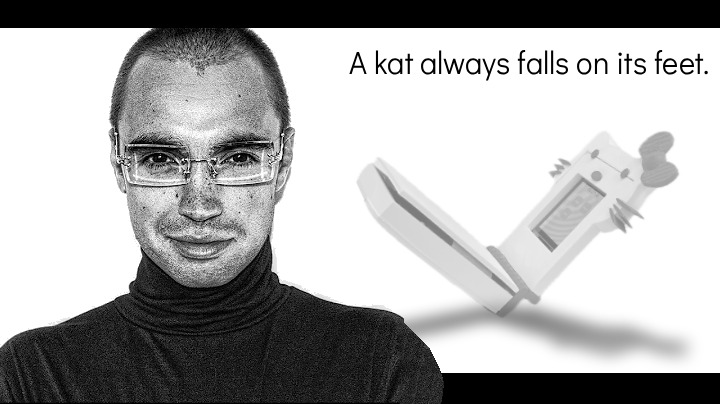
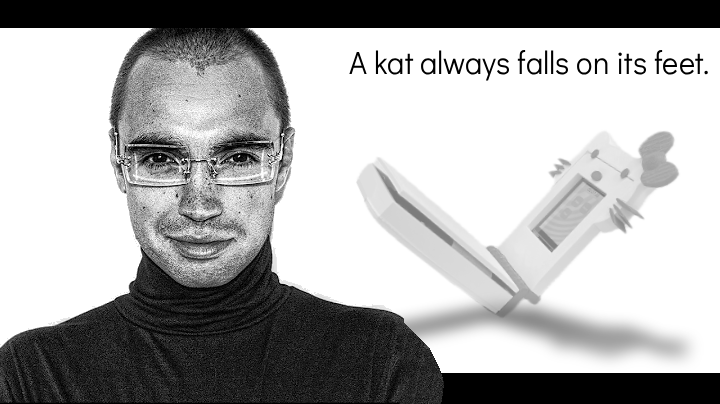
Iconic 'falls on its feet' advert, 1999
-
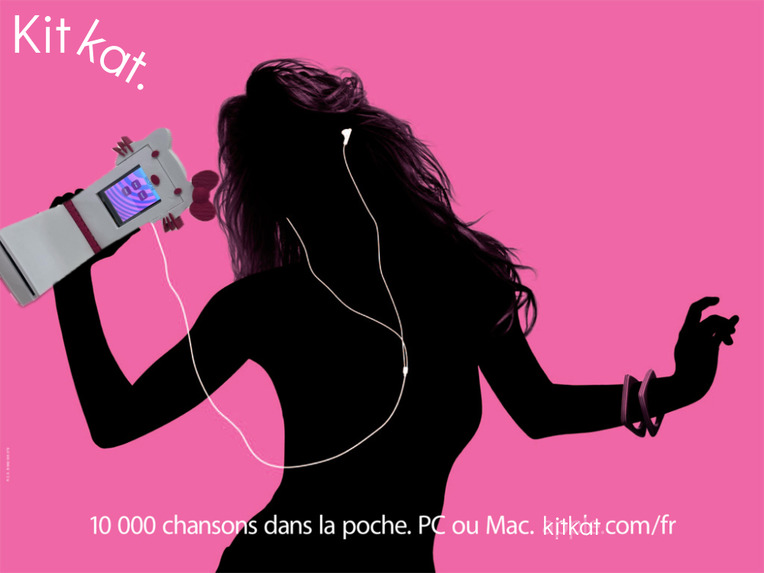
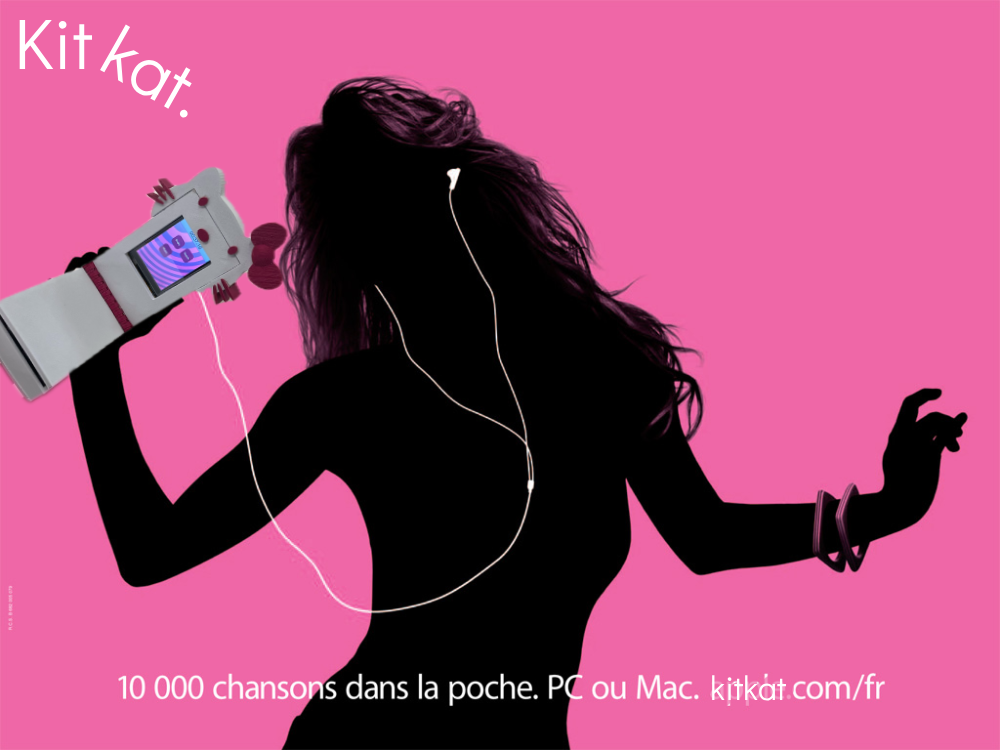
Iconic 'Silhouette' advertisements, 2002
-
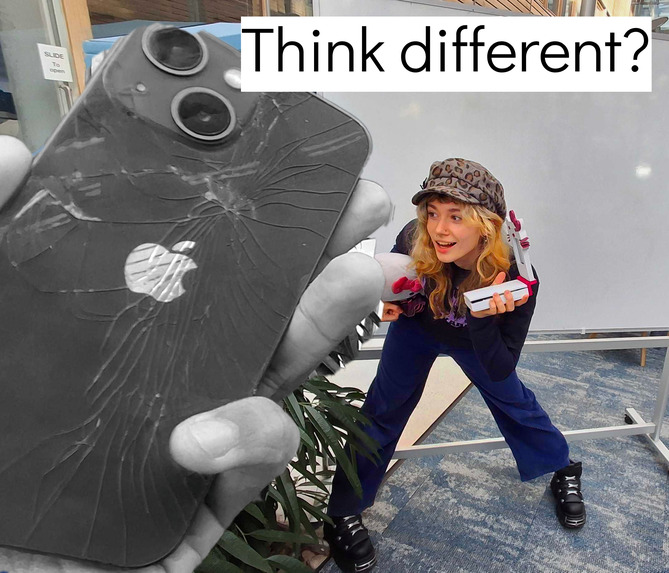
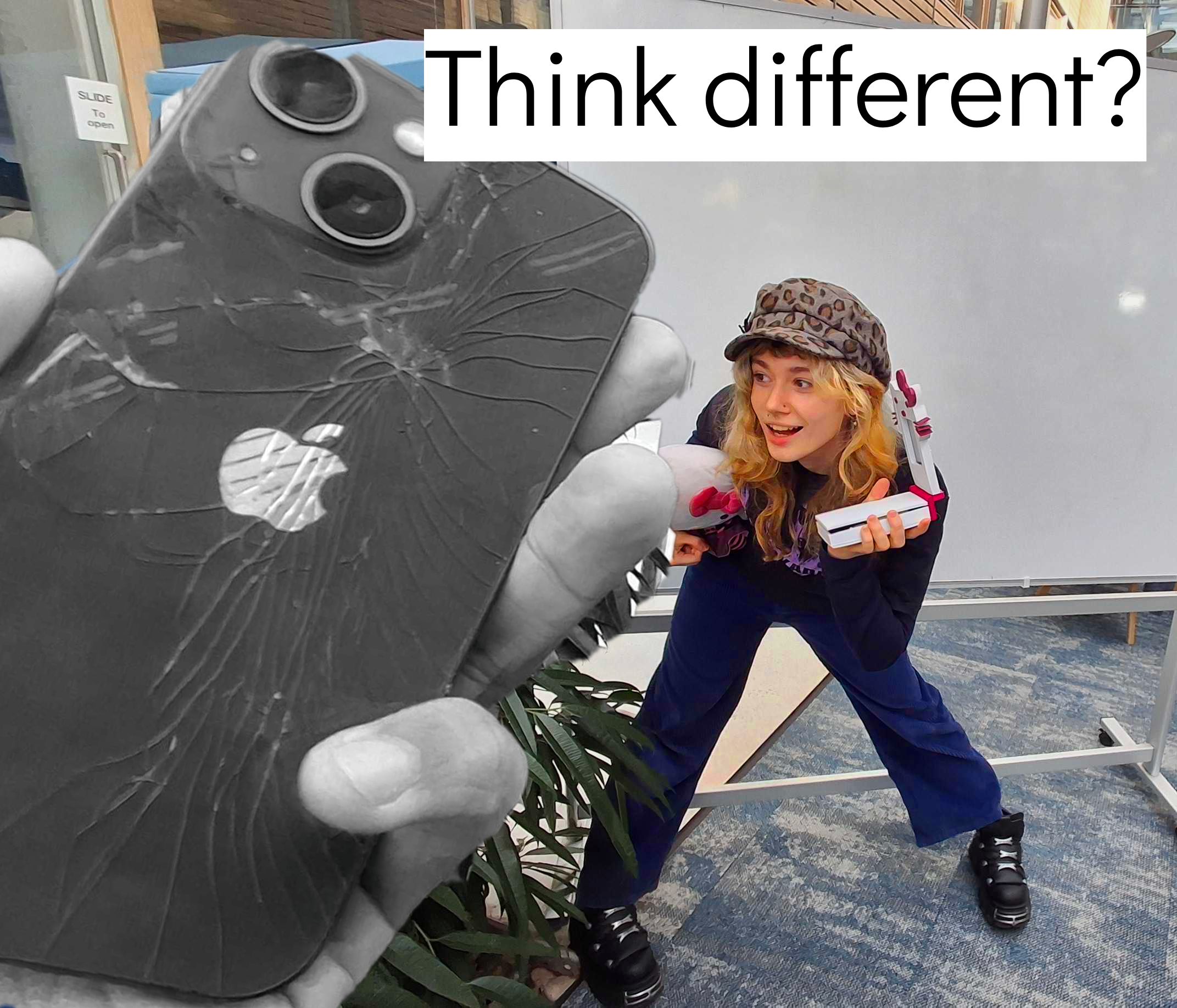
Iconic 'Think different?' campaign, 2001
-
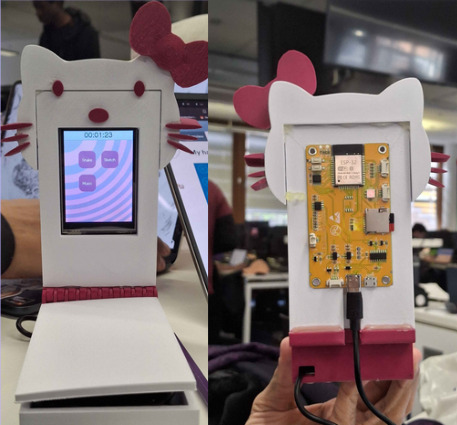
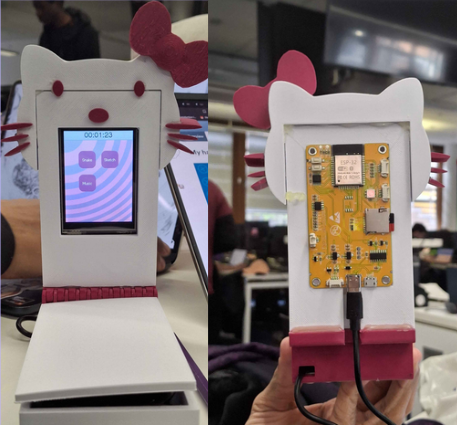
Picture of the final product
Inspiration
The inspiration for kitkat was originally cyberdecks, a recent trend. We thought we should walk backwards, seeing what the concept of a cyberdeck evolved from. We naturally landed on the flip phone, and the rest was history.
What it does
Kitkat is a revolutionary mobile computing handheld device, using a state of the art ESP32 chip, it runs a custom operating system with a litany of entertaining applications; including but potentially not limited to: the classic 'Snake' game, reengineered for the 21st century. A cutting edge illustration studio, built to empower creativity. And a nearly unlimited music library, with flawless wireless audio.
The quasi-artifact is adorned in a case reminiscing the gods the egyptians worshipped, cats. More specifically, Hello Kitty. The innovative flip-case mechanism protects the phone during transport whilst fitting neatly in your pocket. And with a battery life that can last you months, you won't ever put it down.
How we built it
Kitkat was built using the Italian IDE 'Arduino' (lit. "Brave Friend"). Using it, we crafted a custom operating system using C++, which features a frictionless toolchain for app development. The premium case was machined out of PLA plastic in our higher-dimensional printing facilities, and designed in Fusion 360 and Blender by intercontinental designers.
Challenges we ran into
A major challenge we ran into was that the ESP32 chip only has 2 buses. This means we could not run all three of the Touchscreen, the Graphics, and the SD card IO running simultaneously.
Another challenge was manufacturing the case. Imprecise measurements caused us to have to perform a couple reprints, and (under extreme time pressure to bring revolutionary technology to the public) made it anxiety inducing watching if each reprint would turn out good.
Accomplishments that we're proud of
We are proud of having produced a physical, tangible product, with a fittingly beautiful software suite. Bringing a design from paper to our hands in 25 hours was extremely rewarding.
What we learned
We learned some of the intricacies of developing for a microcontroller and their limited resources. For example, the codebase eventually grew too large for the flash memory. The solution was to change our partition scheme.
What's next for Kitkat
Stay tuned.


Log in or sign up for Devpost to join the conversation.