-
-

Logo
-
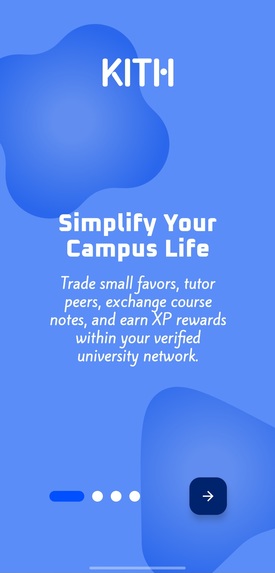
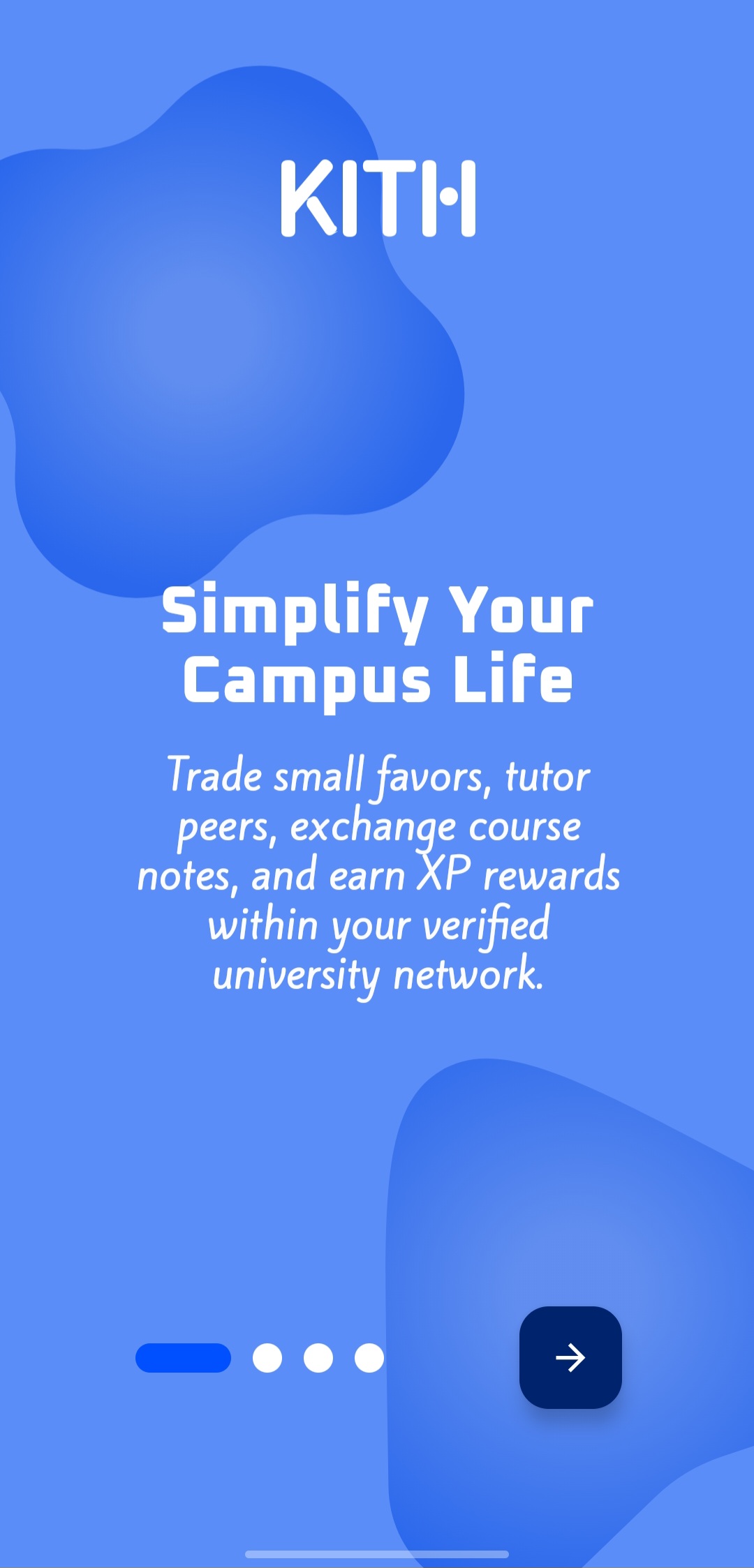
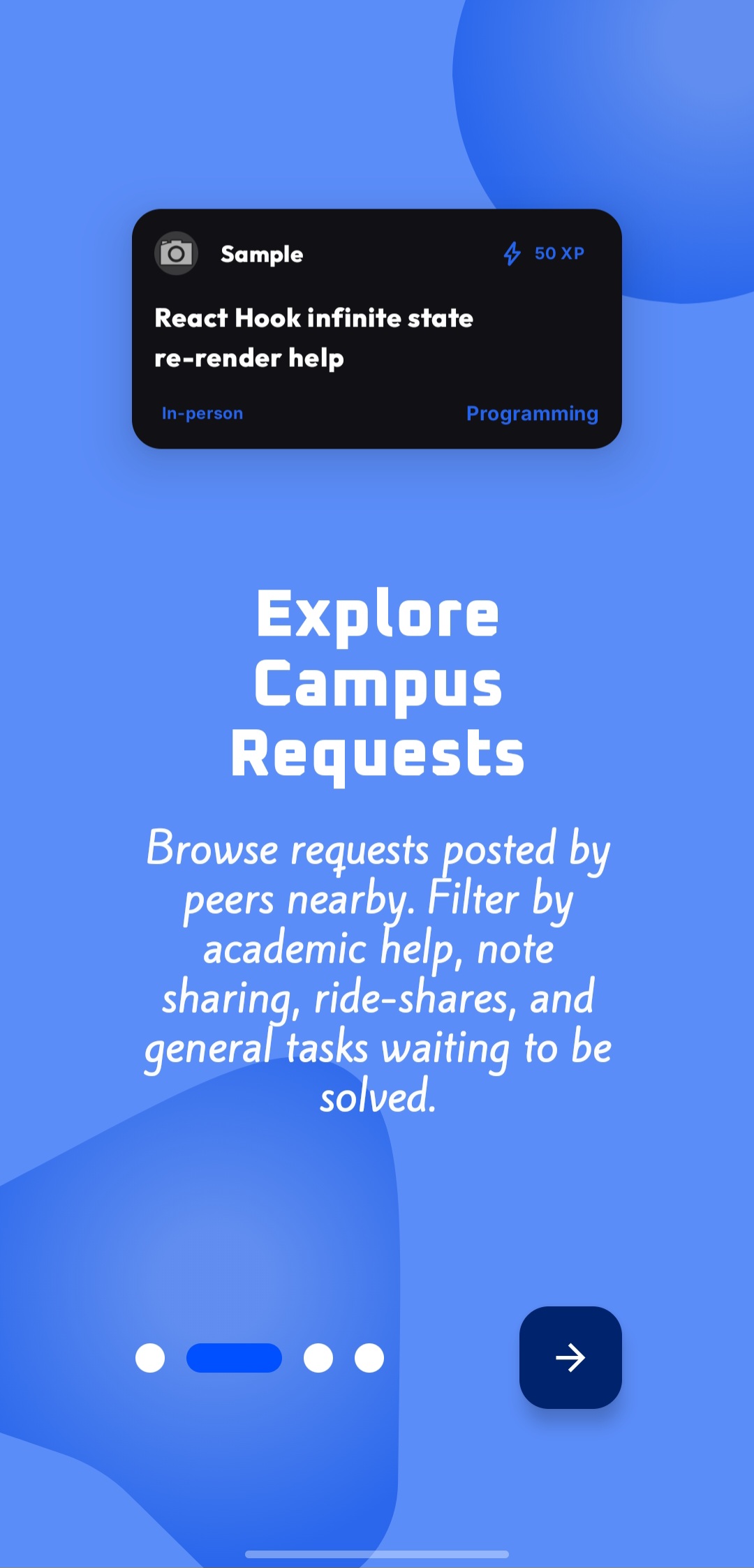
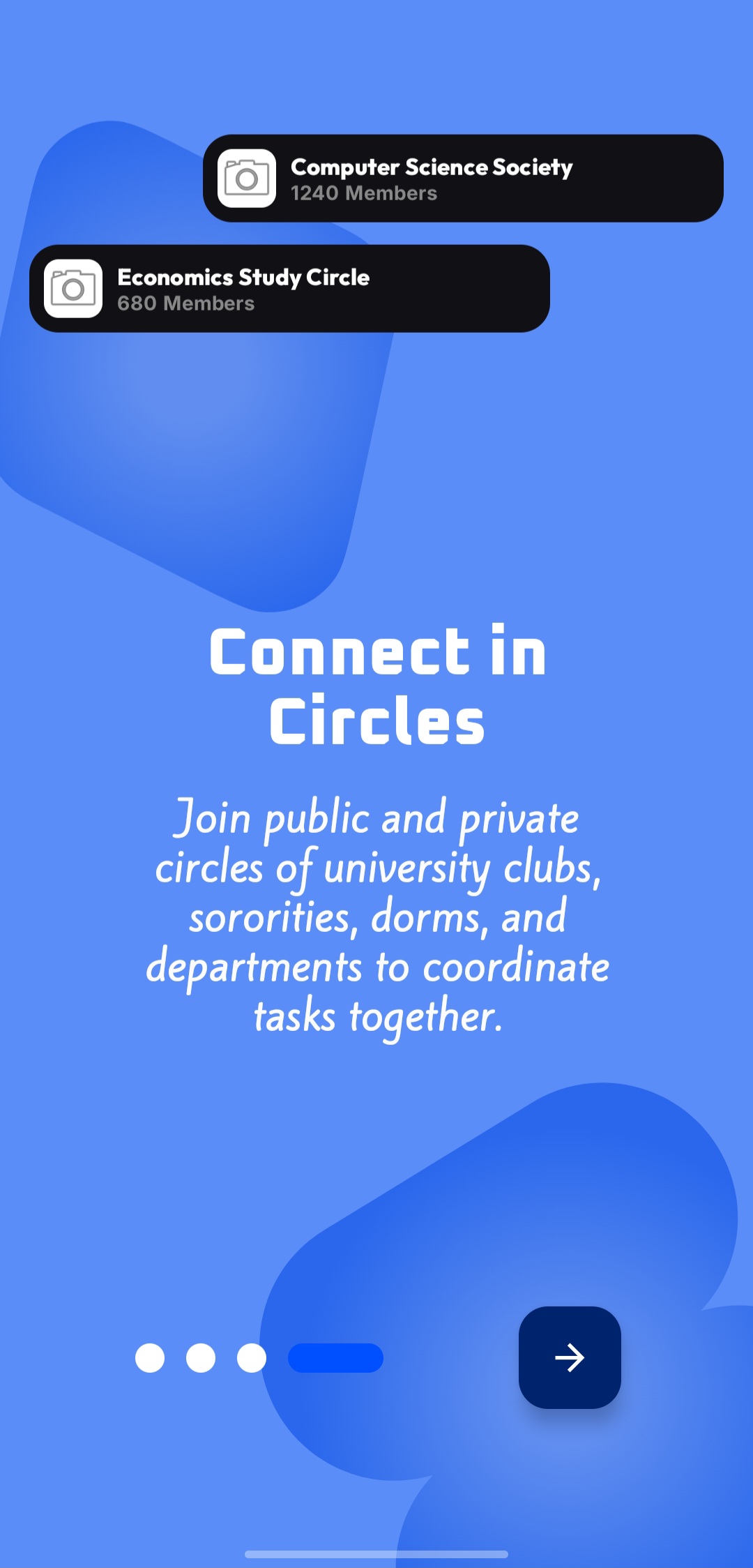
Onboarding screen
-
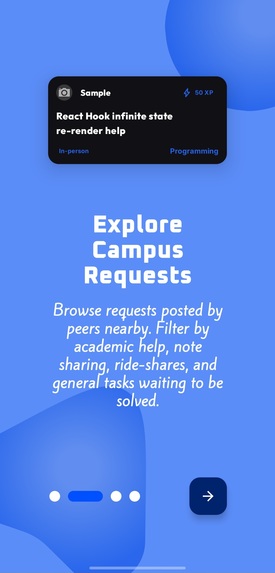
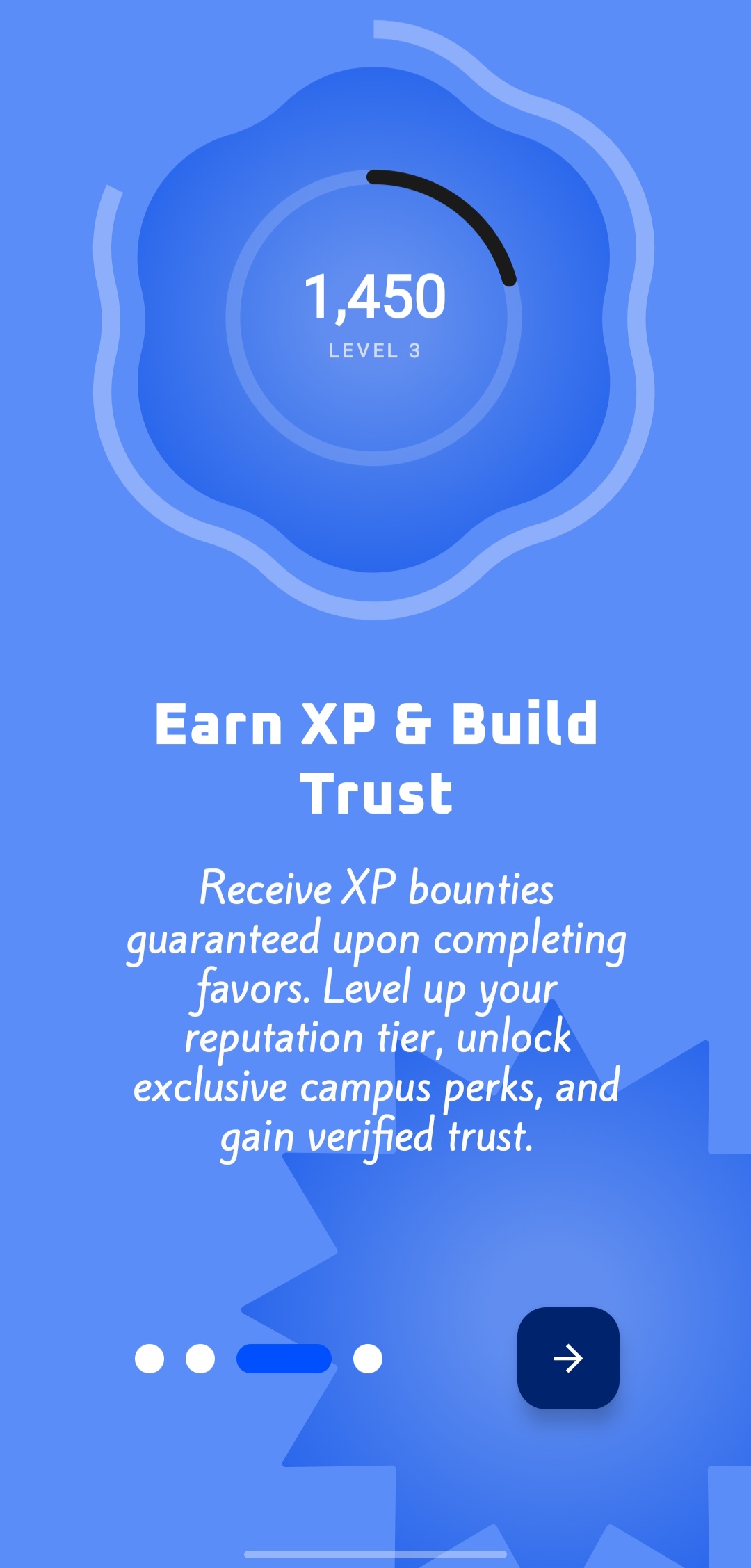
Onboarding screen
-
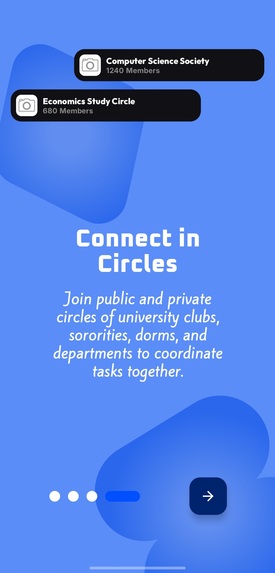
Onboarding screen
-
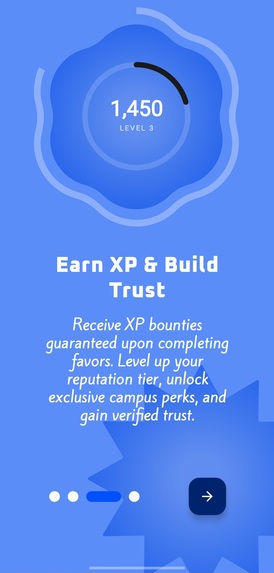
Onboarding screen
-
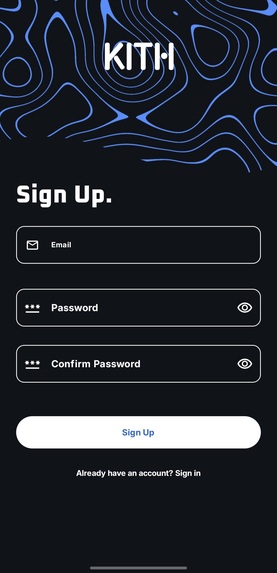
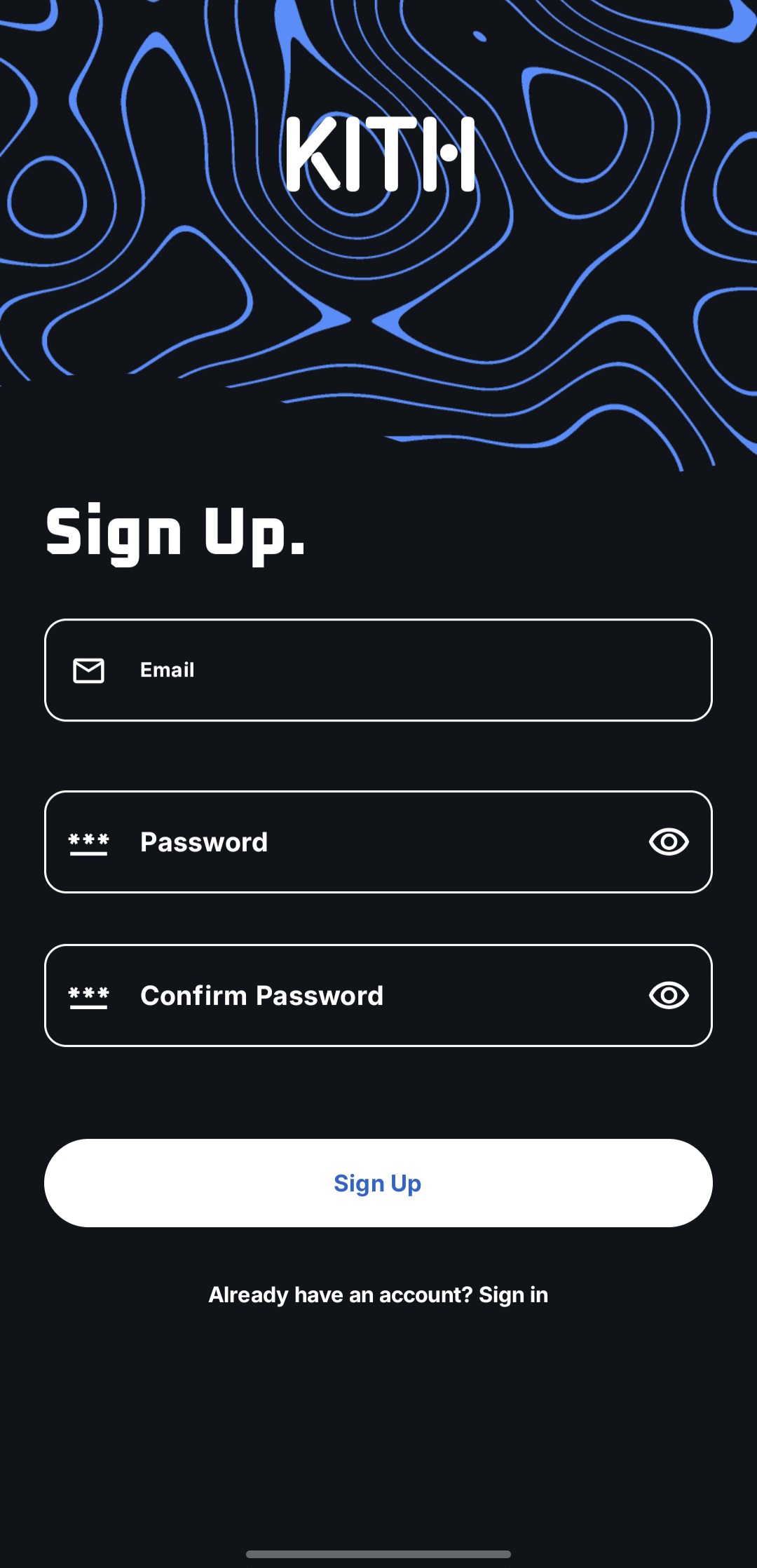
Sign up page
-
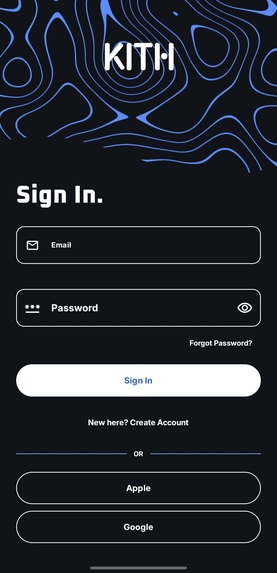
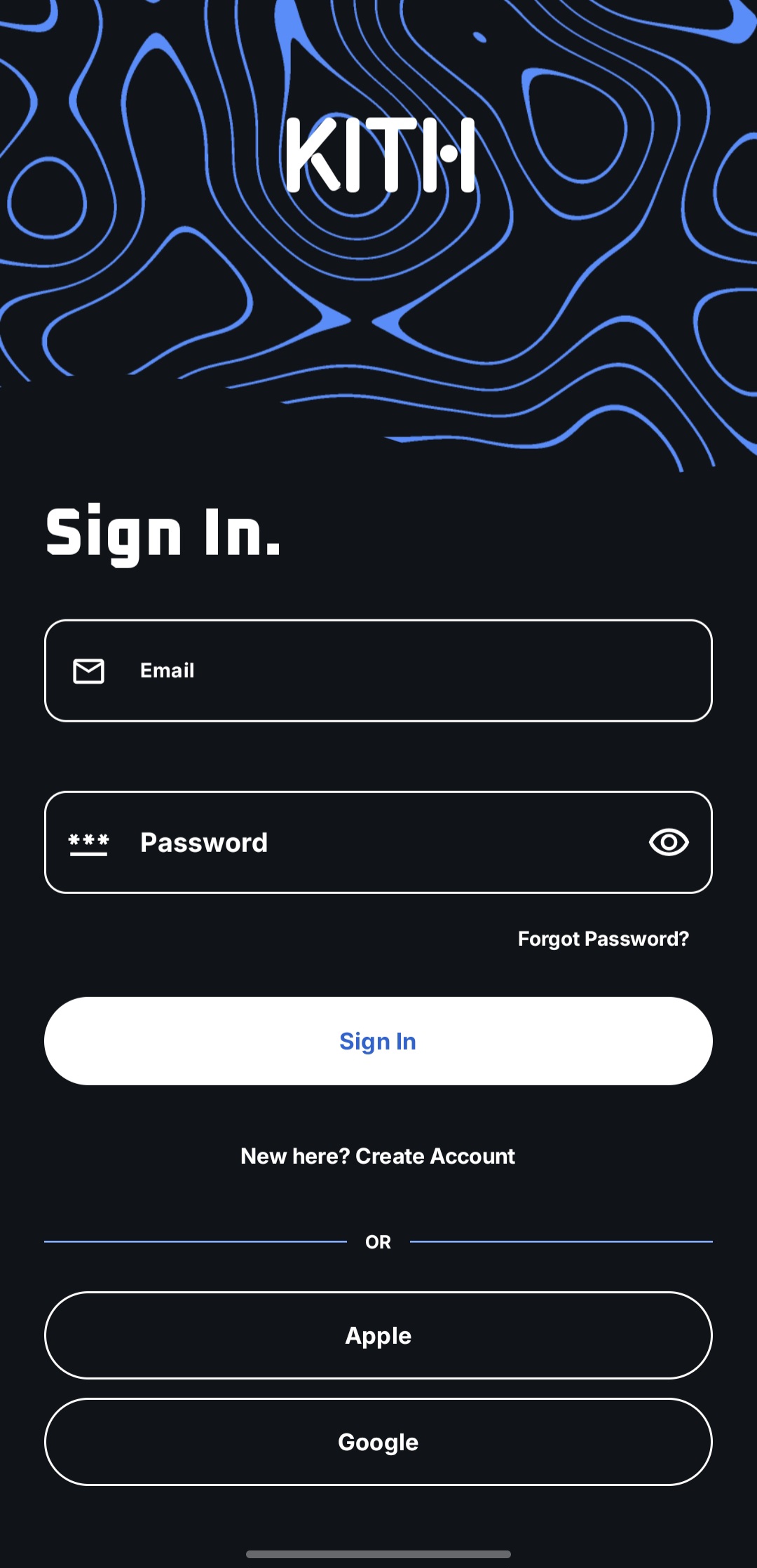
Sign In page
-
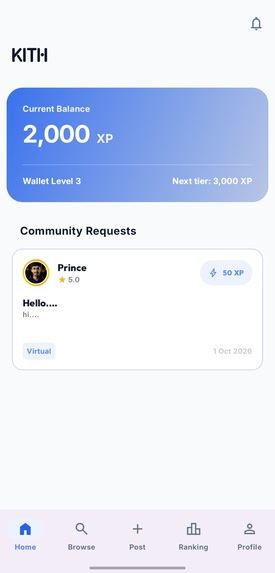
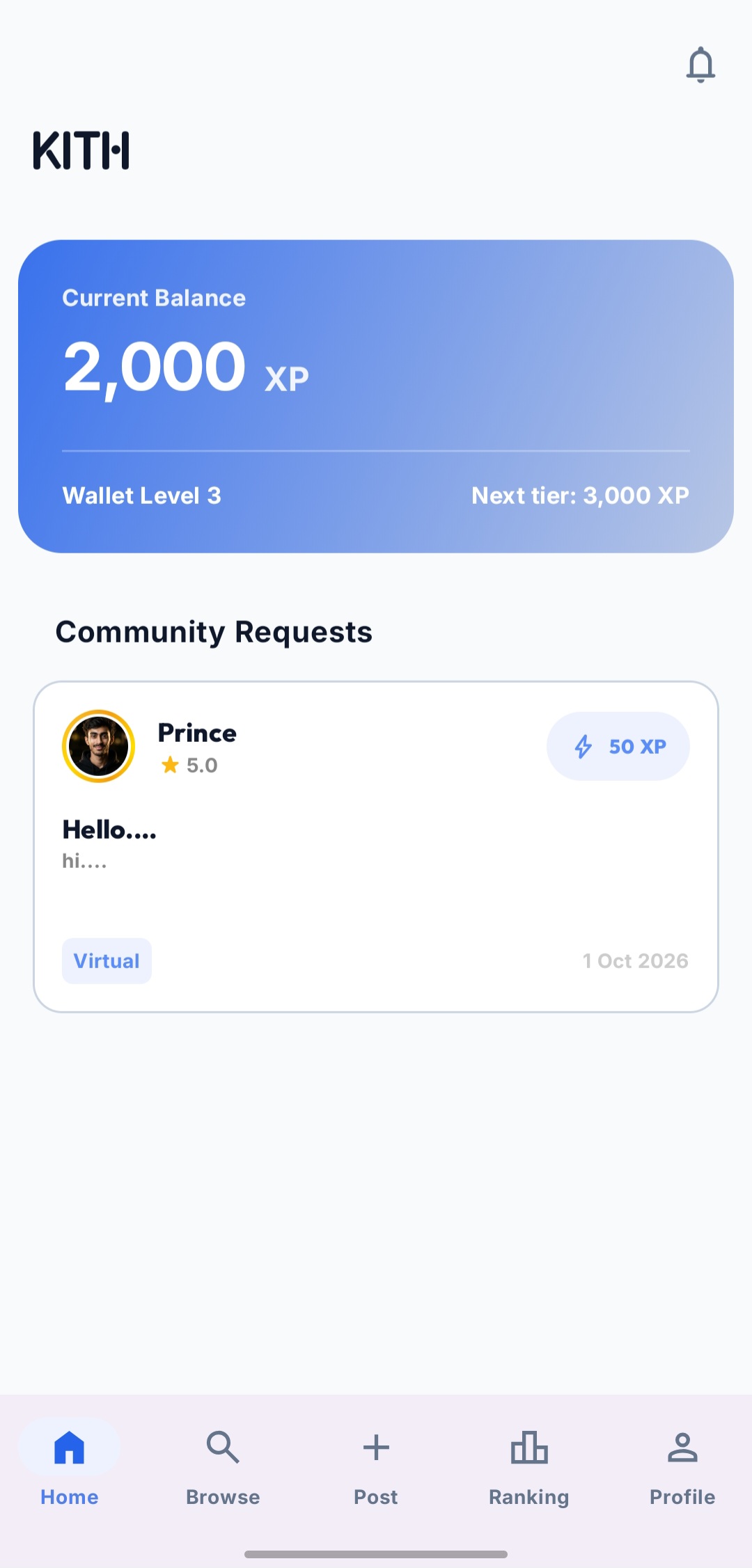
Home Page
-
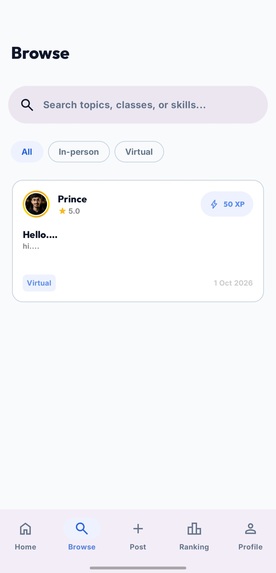
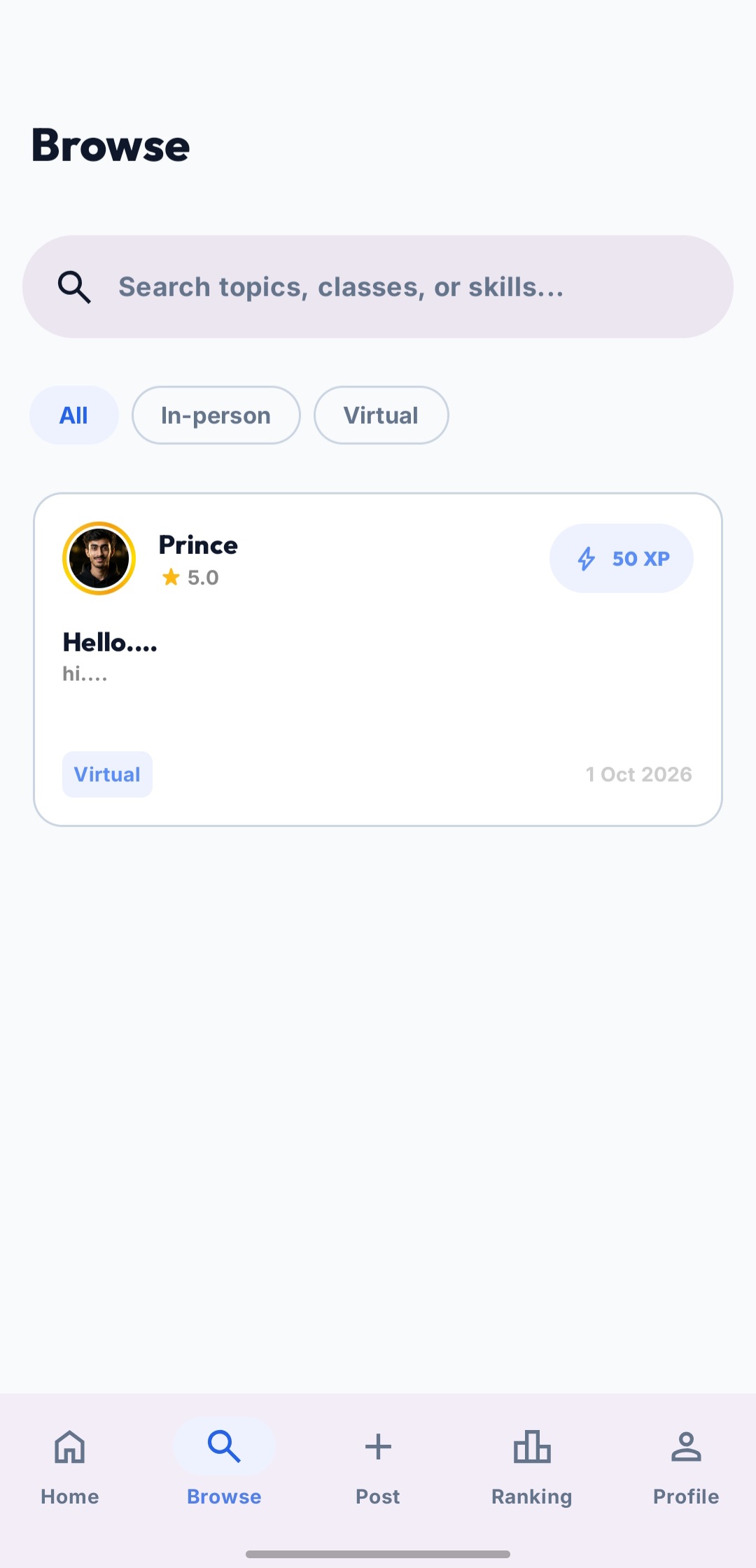
Browse Page
-
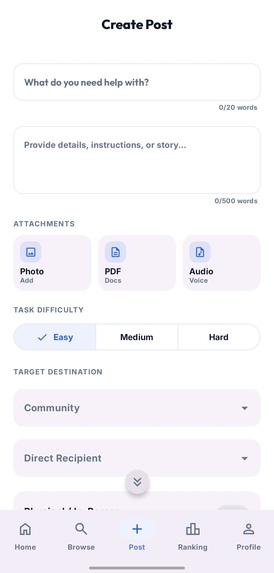
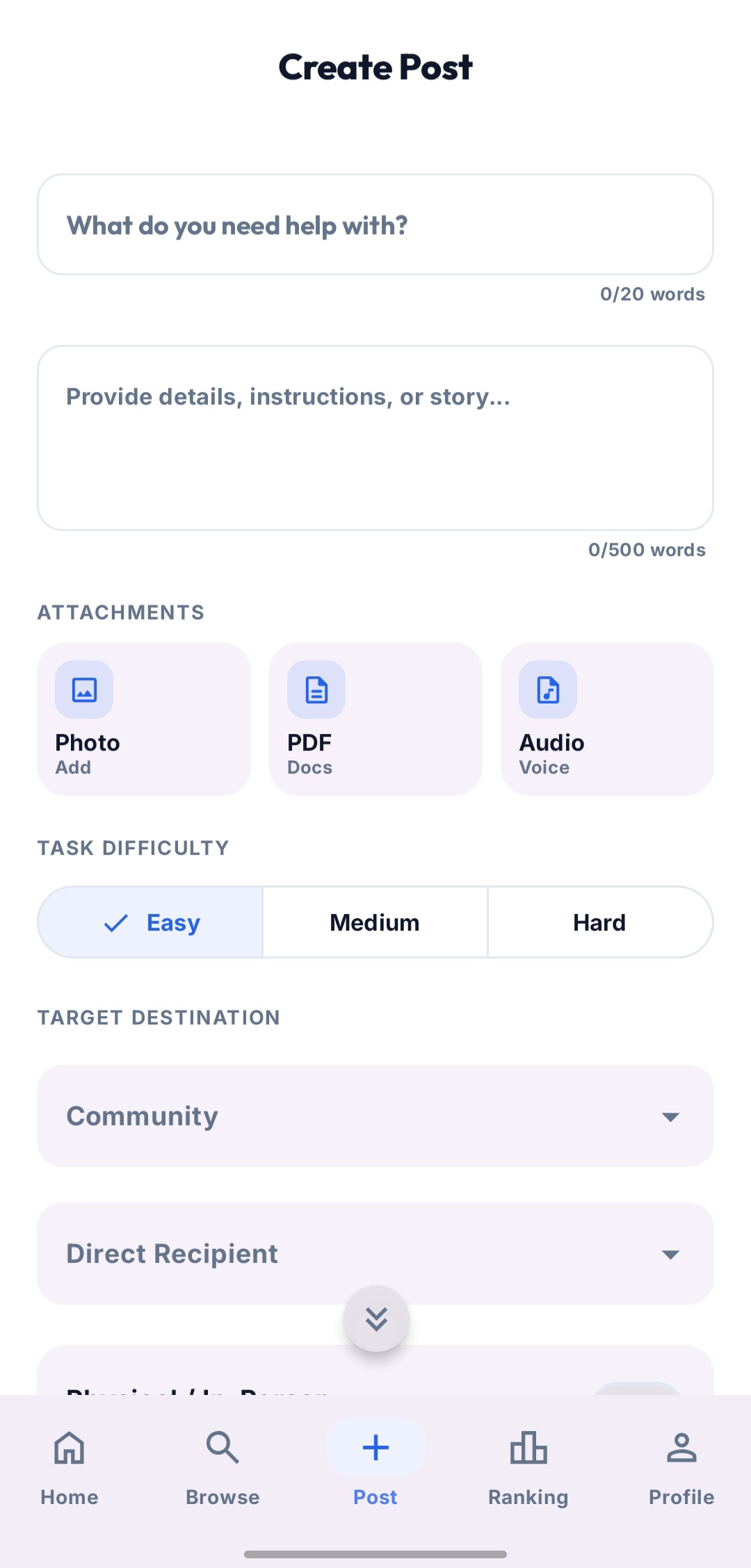
Create Post Page
-
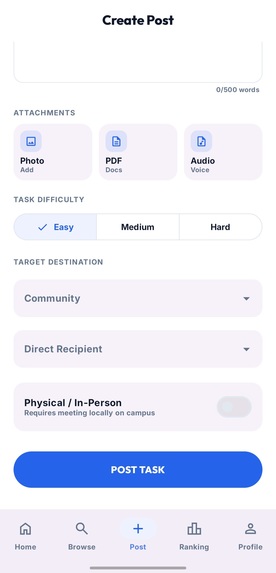
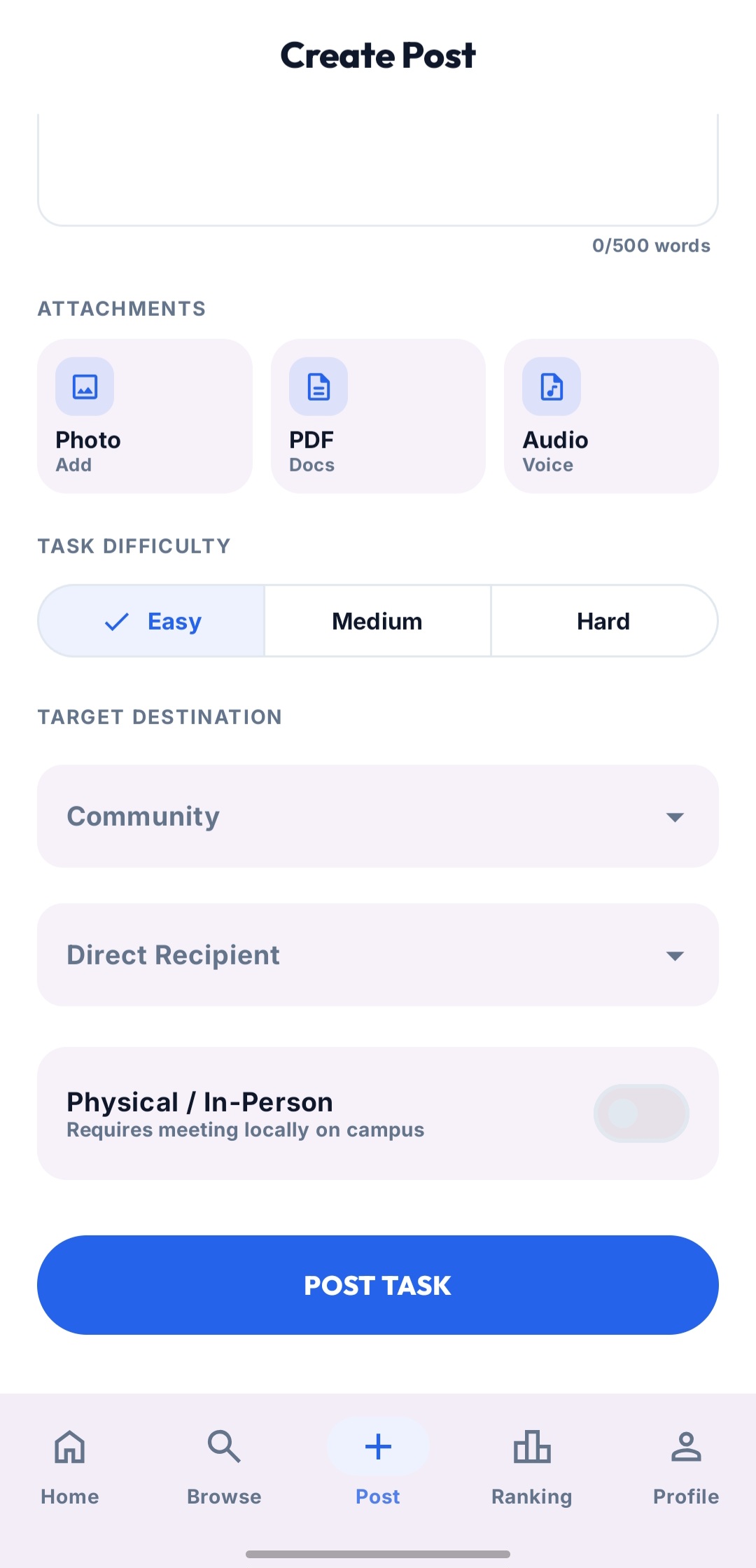
Create Post Page
-
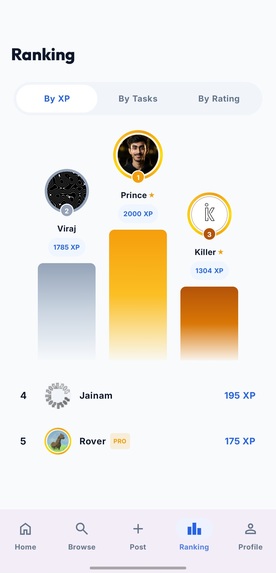
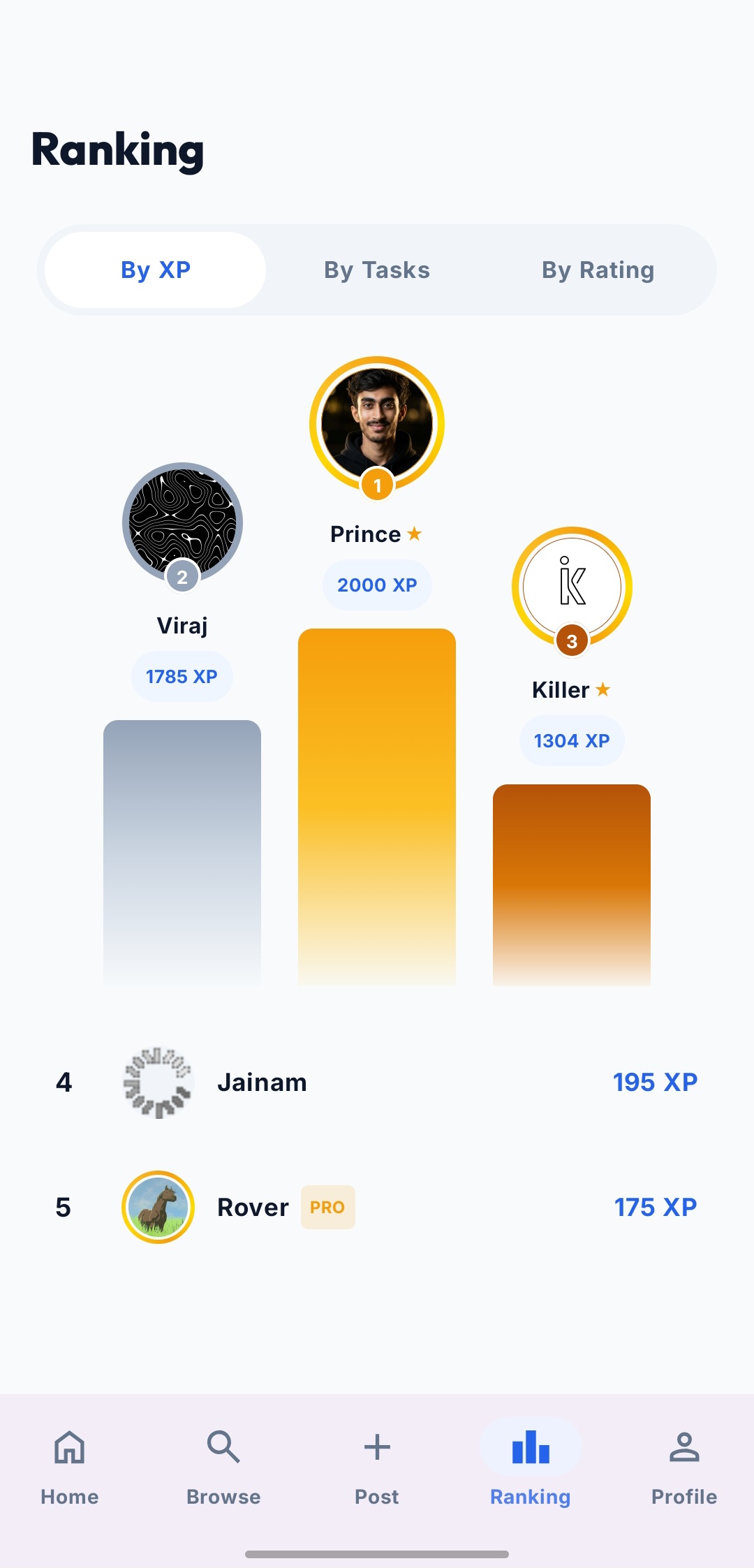
Leaderboard Page
-
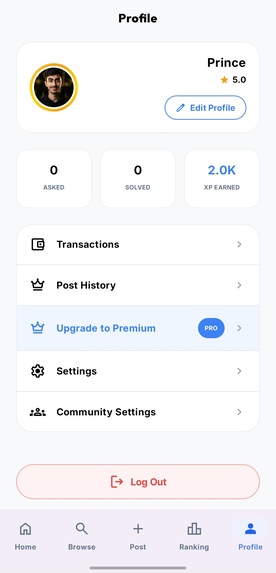
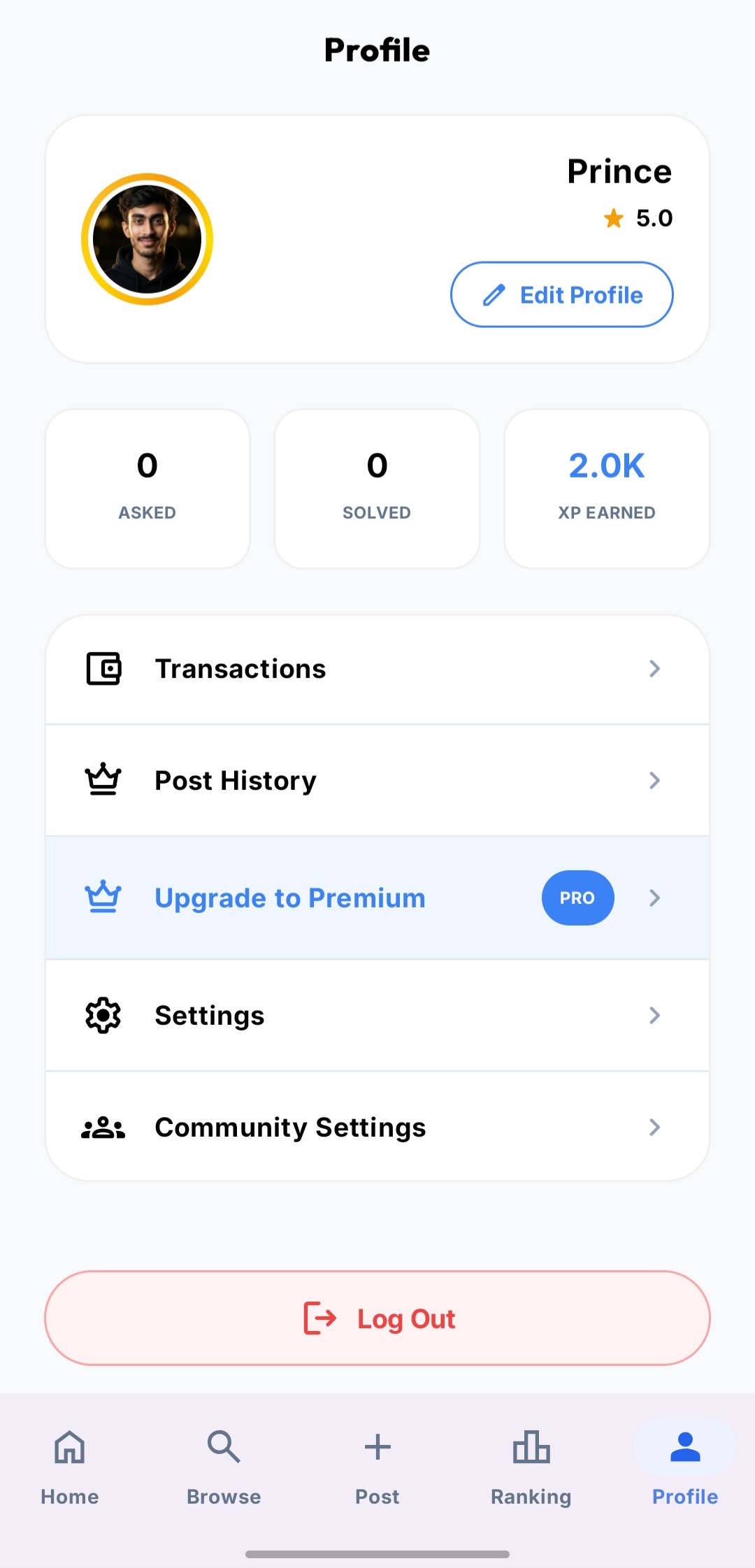
Profile Page
-
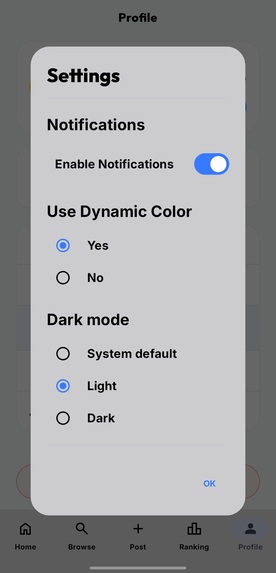
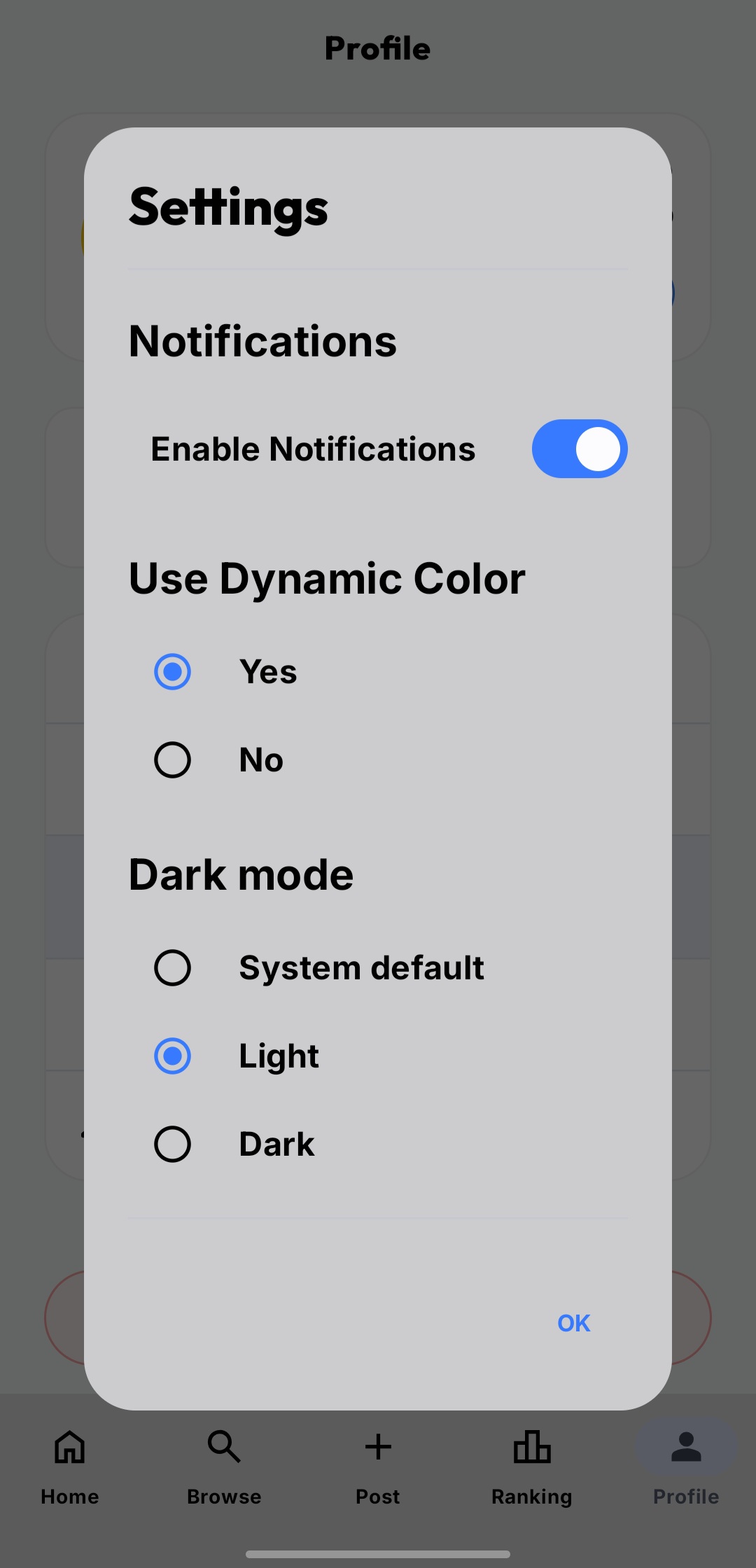
Settings
-
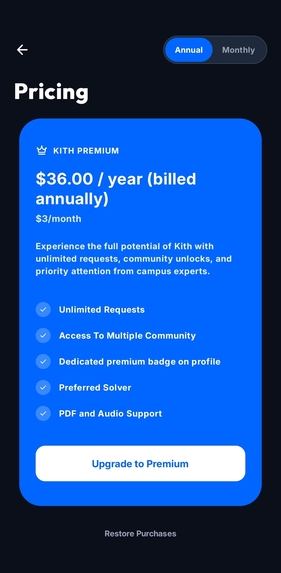
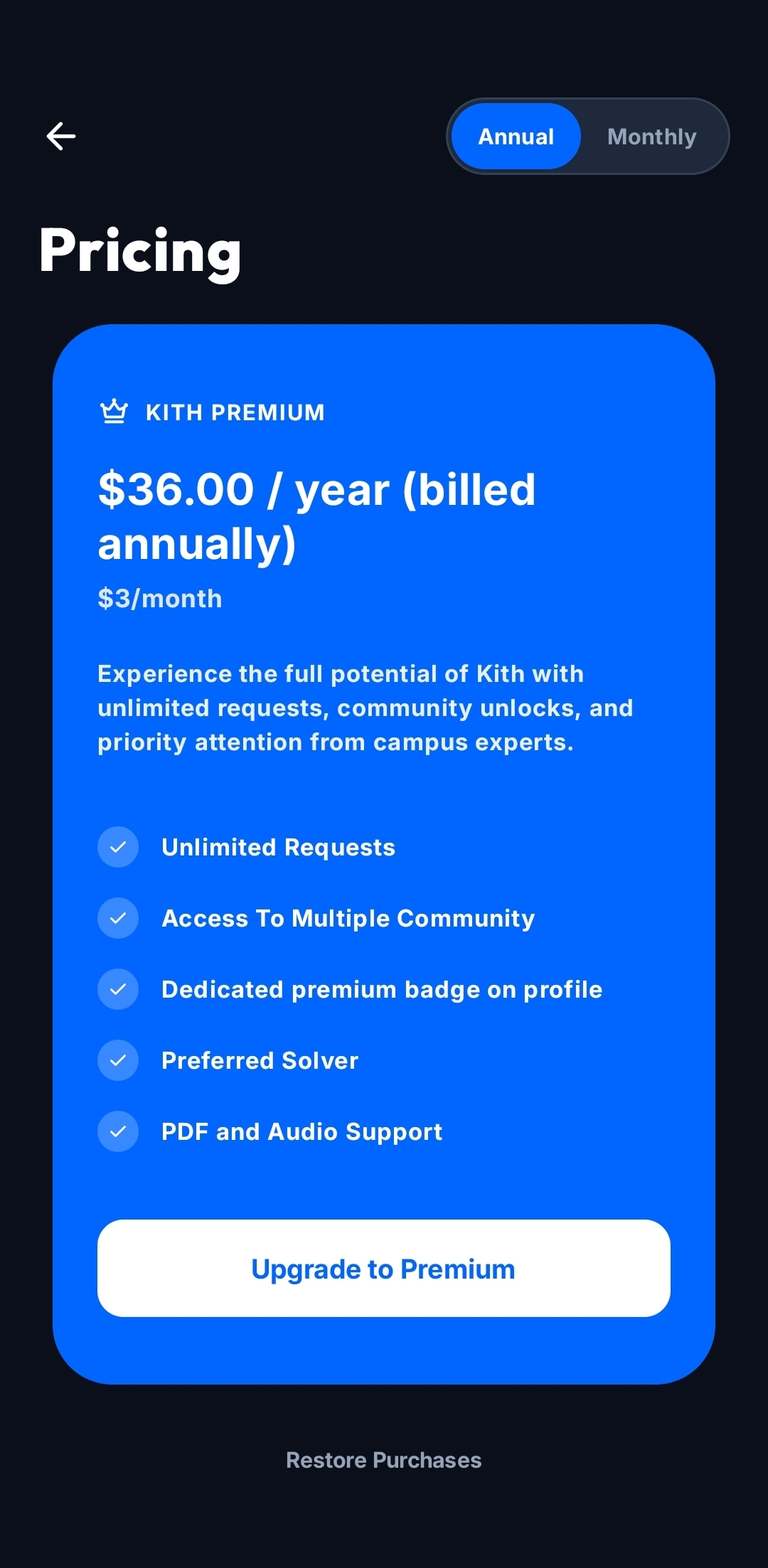
Premium Page

Inspiration
Students can find answers almost anywhere today, but getting the right human help is still difficult. Sometimes you don't just need an answer—you need someone who understands the problem and can explain it from a student's perspective.
We also noticed another side of the problem: when students help someone else, they are learning too. We wanted to create a platform where asking for help and giving help are equally valuable.
That idea became KITH — a student-powered learning community where you can ask, solve, connect, and earn.
What KITH Does
KITH connects students who need help with students who can provide it.
A student can:
- Create a request and choose its difficulty.
- Browse and accept other students' requests.
- Provide a solution and receive XP.
- Rate solutions after a request is completed.
- Build connections with other students.
- Earn daily XP rewards and compete on community leaderboards.
- Join communities based on their school, university, or interests.
The XP system creates a simple cycle: someone asks for help, someone contributes knowledge, and the contributor is rewarded.
For example, if a student has 500 XP and creates a 250 XP request, that 250 XP is transferred to the student who successfully solves it. The requester keeps the remaining 250 XP.
Premium users can access features such as multiple communities, unlimited requests, preferred solvers, and PDF/audio support.
How We Built It
We built KITH as an Android application using Kotlin, with Supabase handling authentication and backend functionality. We also integrated RevenueCat for the Premium subscription experience.
The product includes community management, requests and solutions, XP transactions, ratings, daily rewards, connections, notifications, leaderboards, Premium access, and transaction history.
I personally designed the complete UI/UX of KITH, including the visual system, screens, user flows, interactions, logo, and app animations. Our team worked together across development, testing, and product refinement.
Challenges
One of our biggest challenges was designing an XP economy that actually makes sense.
We had to make sure that XP could motivate students to contribute without making the system confusing. We therefore connected the requester's XP directly to the solver's reward: when a request is successfully solved, the same amount of XP moves from the requester to the solver.
We also had to think carefully about communities. Free users can participate in one community, while Premium users can participate in multiple communities. Connections are also community-specific, so the same two people can have different connections across different communities.
Another challenge was turning a large number of features into a simple user experience. We spent a lot of time refining the UI, navigation, animations, and flows so that the product would feel like one coherent app rather than a collection of features.
What We Learned
This project taught us that building an app is much more than making individual features work.
We learned how product decisions affect each other. The XP economy affects requests, requests affect communities, communities affect connections, and Premium features have to fit naturally into the overall experience.
We also learned a lot through building with technologies we were still getting familiar with, debugging real integration problems, testing complete user flows, and continuously refining the design.
Most importantly, KITH changed how we think about learning. We don't want students to only consume knowledge. We want them to become contributors to each other's learning.
What's Next
KITH is currently a functional MVP, and we want to continue improving it based on real student feedback.
Our long-term goal is to build a learning network where students can find the right people, exchange knowledge, build meaningful academic connections, and be rewarded for helping others.
Built With
- android
- compose
- figma
- jetpack
- kotlin
- revenuecat
- supabase


Log in or sign up for Devpost to join the conversation.