Inspiration
My goal with Kitesurf Master is simple: to build the best kitesurfing simulator possible and make the experience accessible to anyone through virtual reality.
Kitesurfing is a unique sport. You're riding across the water, often surrounded by beautiful beaches and marine life, while controlling the power of the kite with your hands.
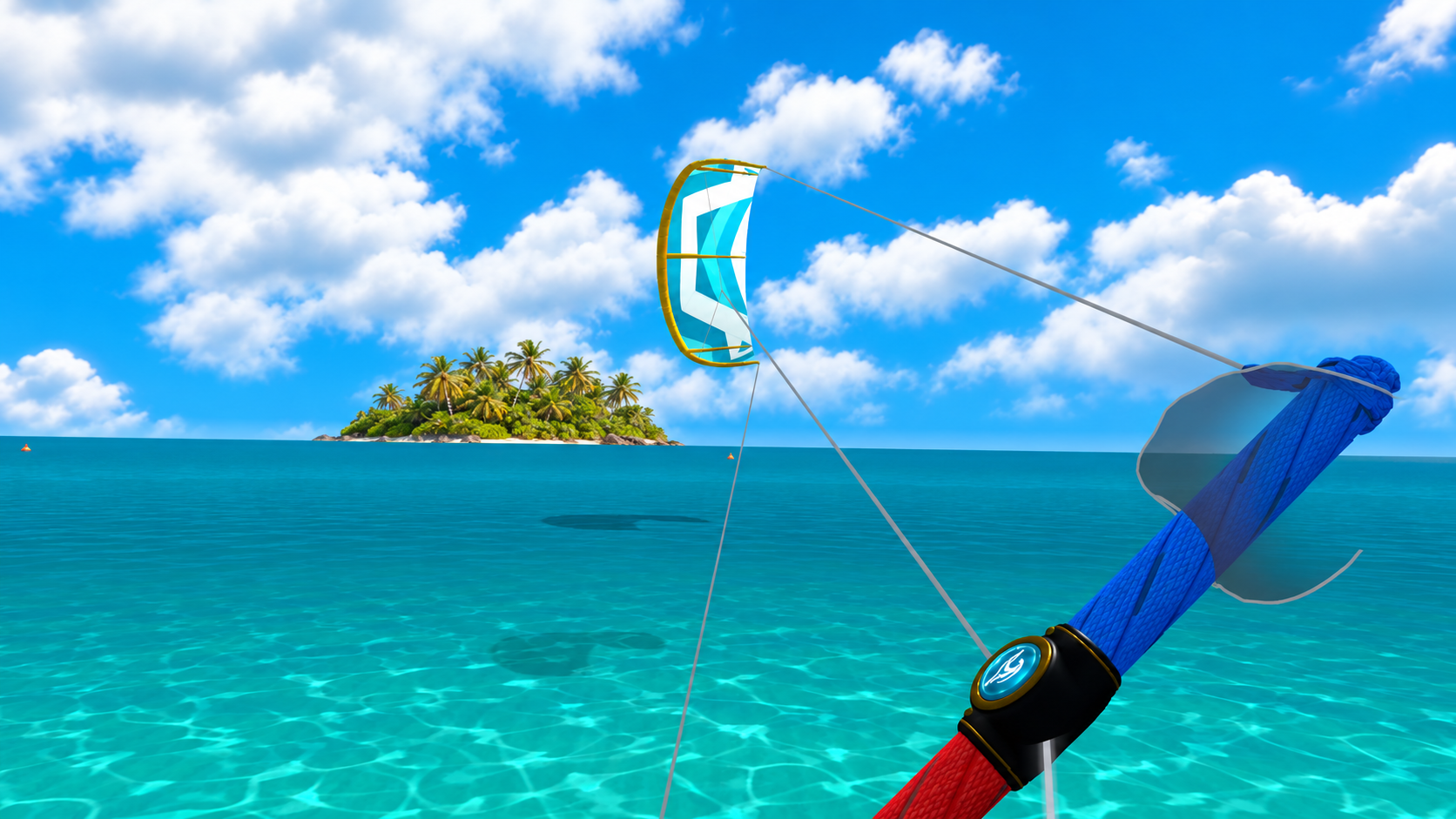
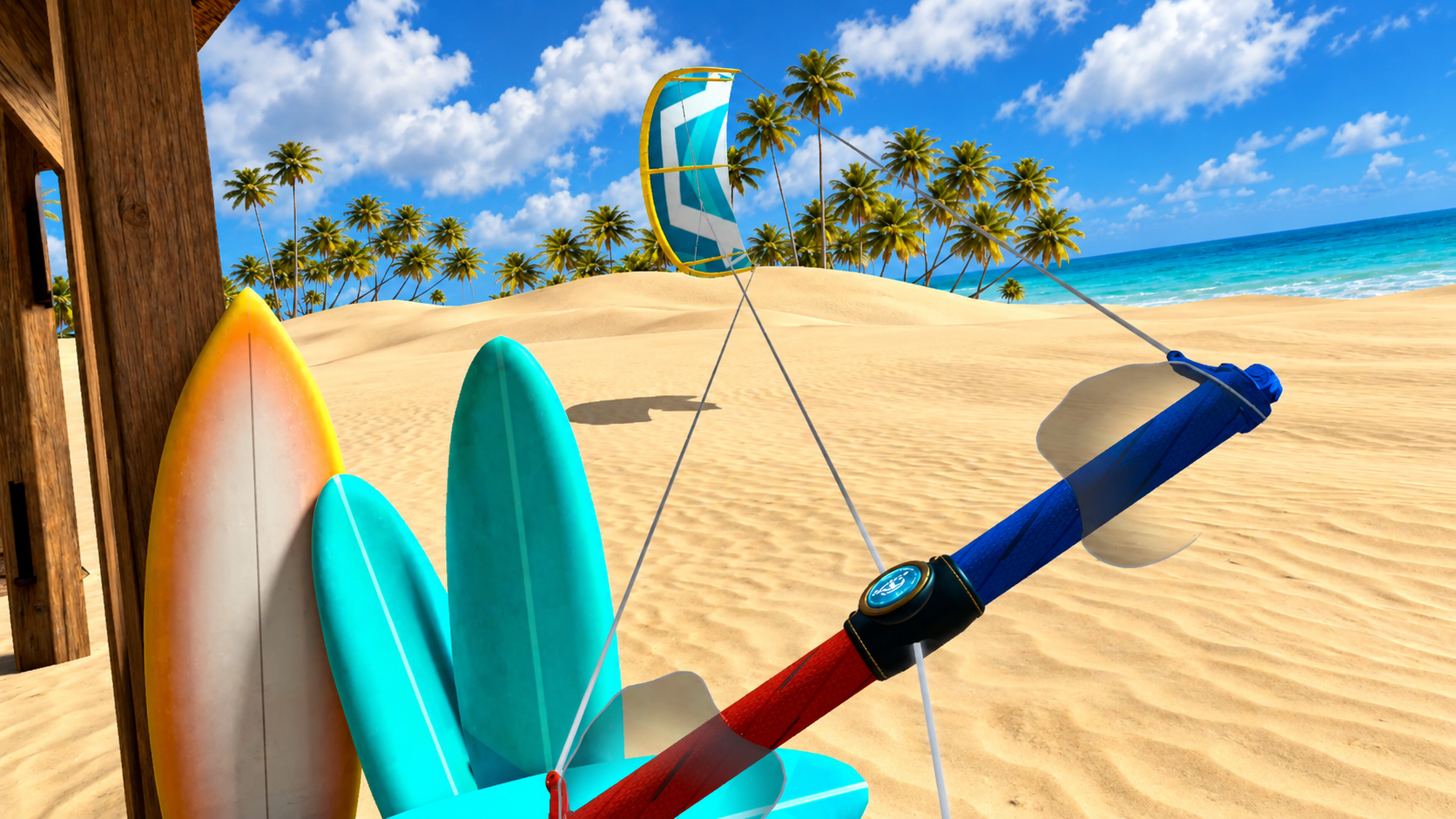
What makes it especially interesting for VR is that kite control translates remarkably well to hand tracking. The movements used to control a real kite bar can be reproduced naturally in VR.
This is exactly the kind of experience I believe immersive technologies should make possible: bringing an activity that would otherwise require travel, equipment, and training into your home, while preserving the essential mechanics of the real sport.
I wanted to create something that lets anyone experience kitesurfing, not just learn how it works.
What it does
Kitesurf Master combines two connected experiences.
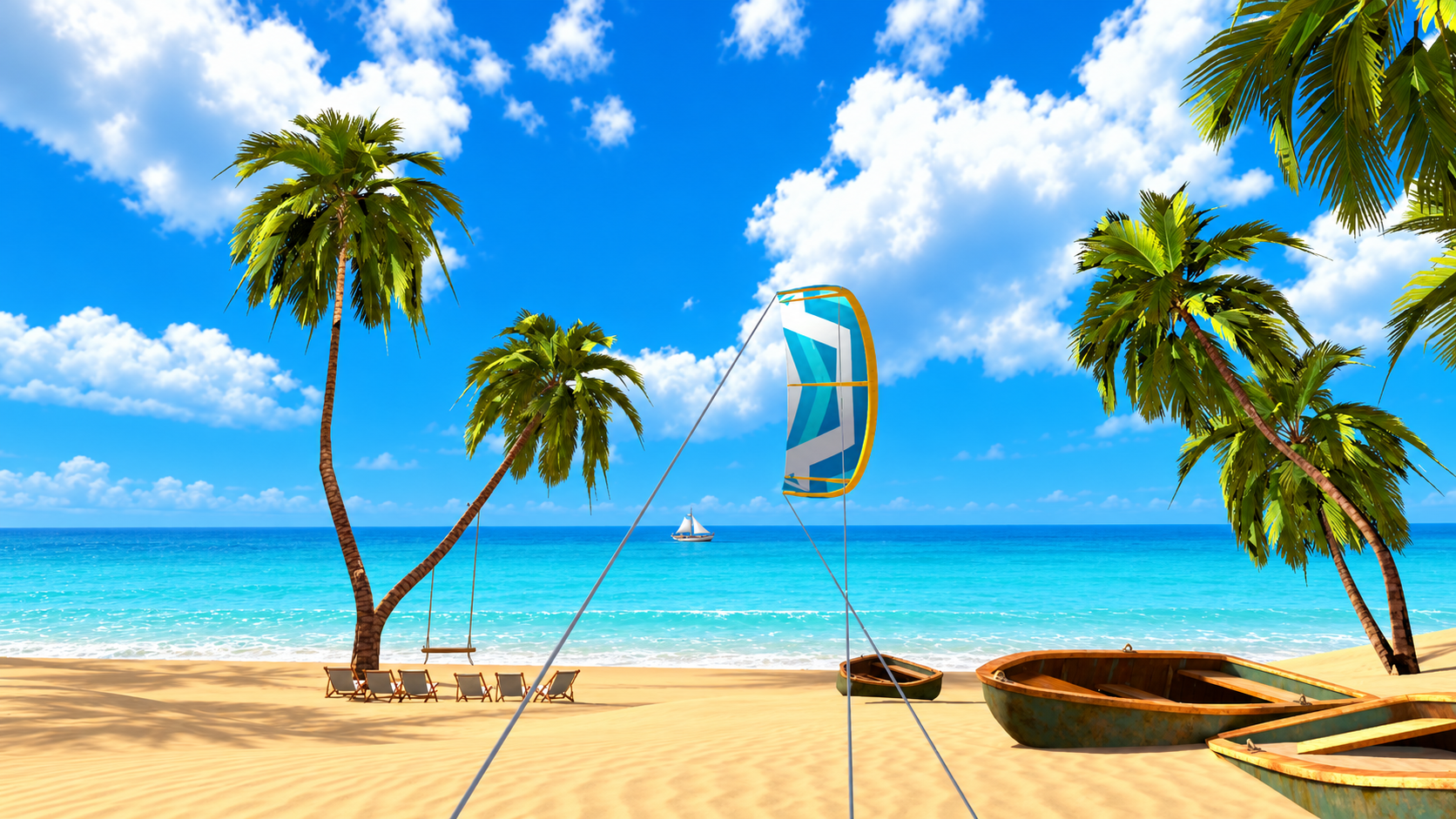
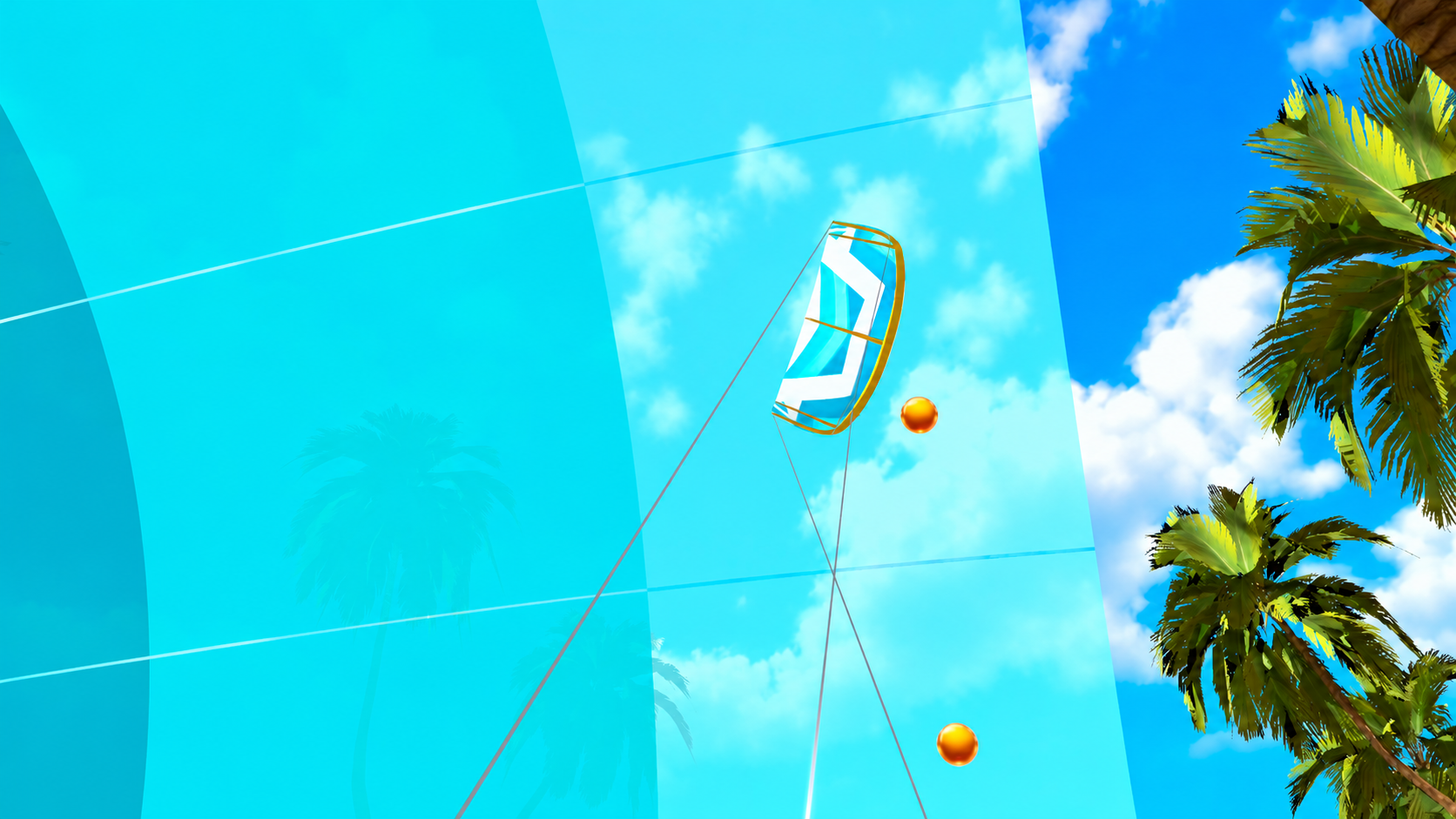
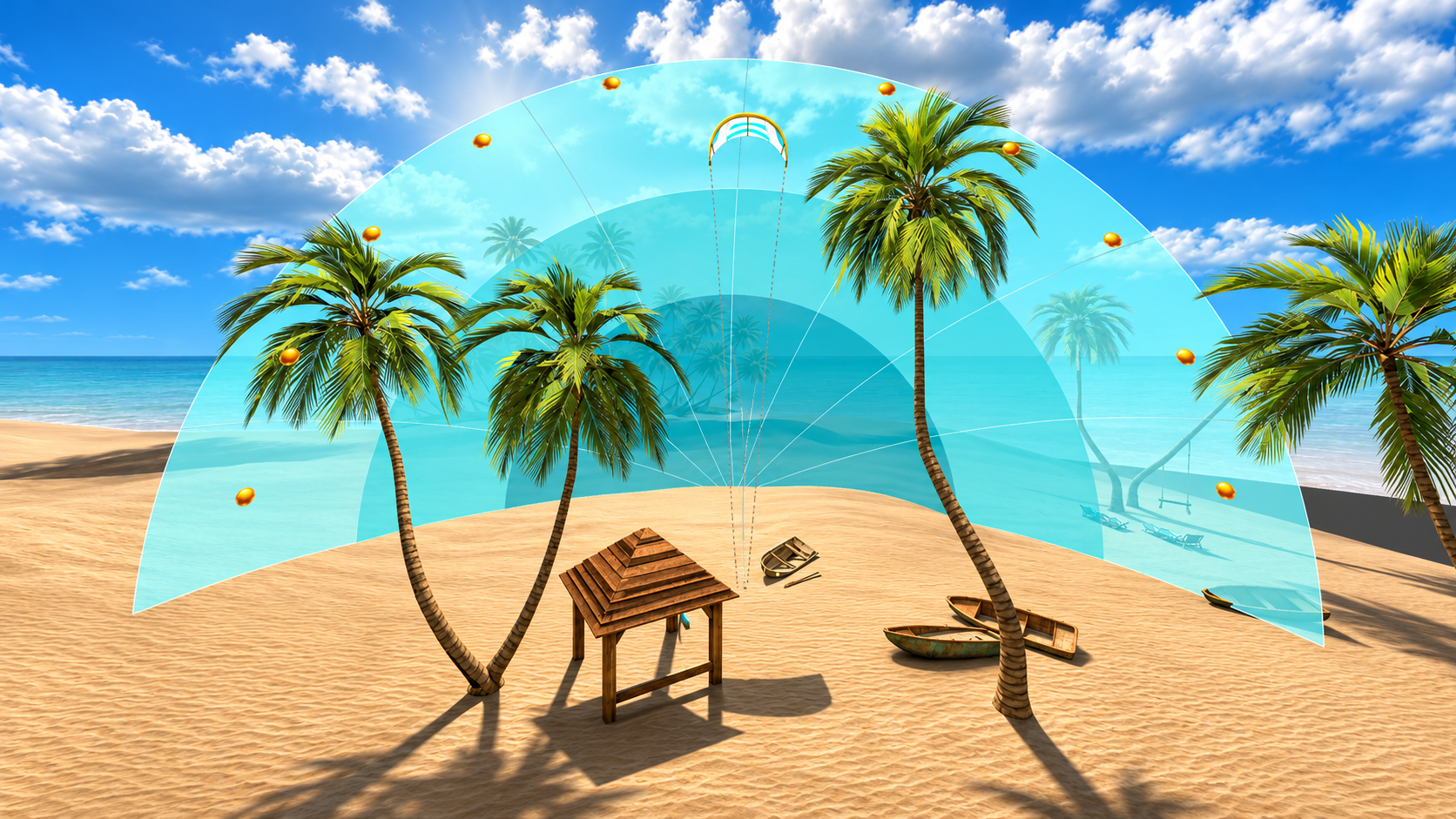
On the beach, players learn how to control a kitesurfing kite using their hands. They discover how the wind window works, practice kite control, and learn how to launch and land the kite.
A progression system introduces increasingly difficult challenges, helping players develop their skills through practice.
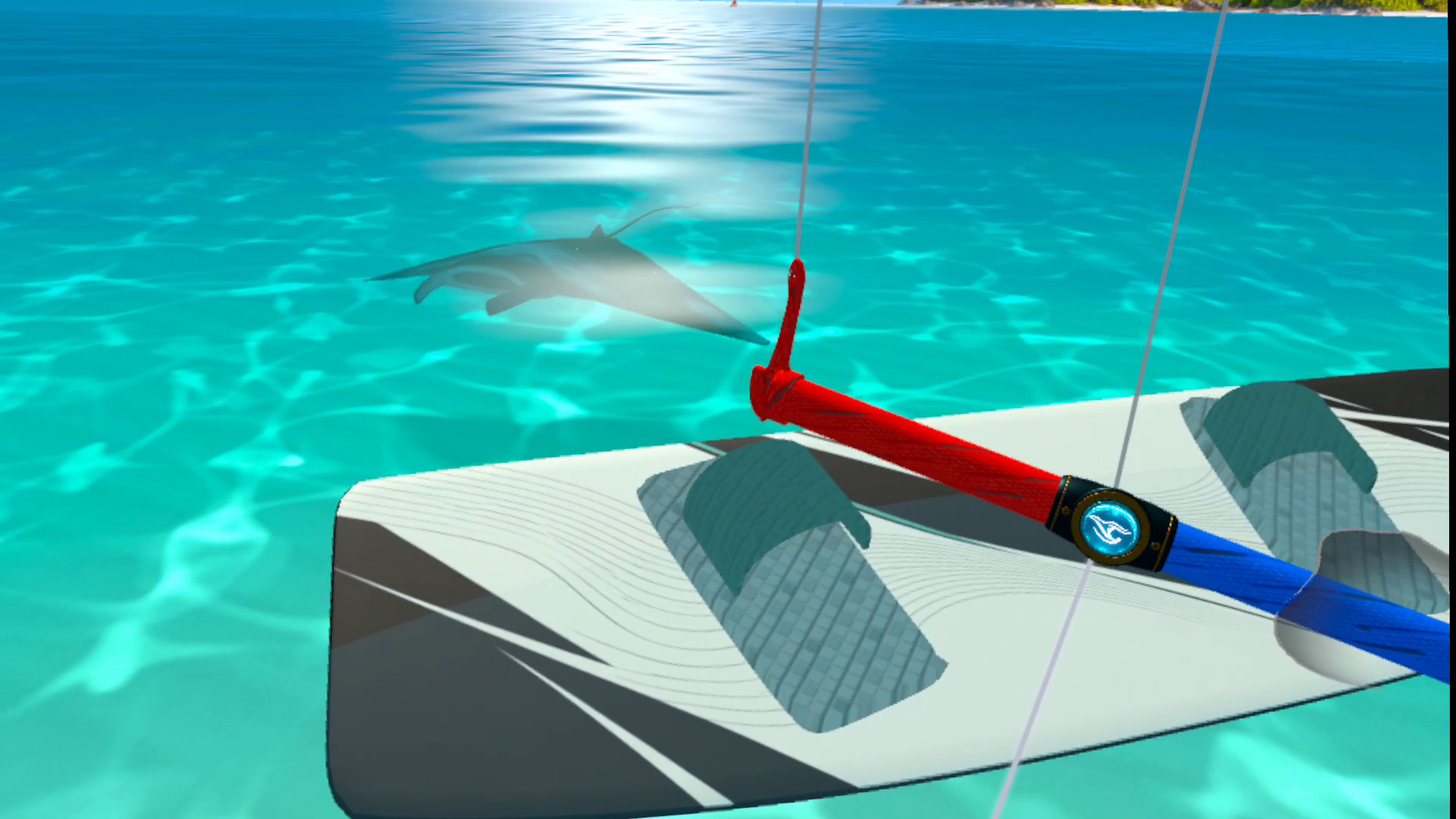
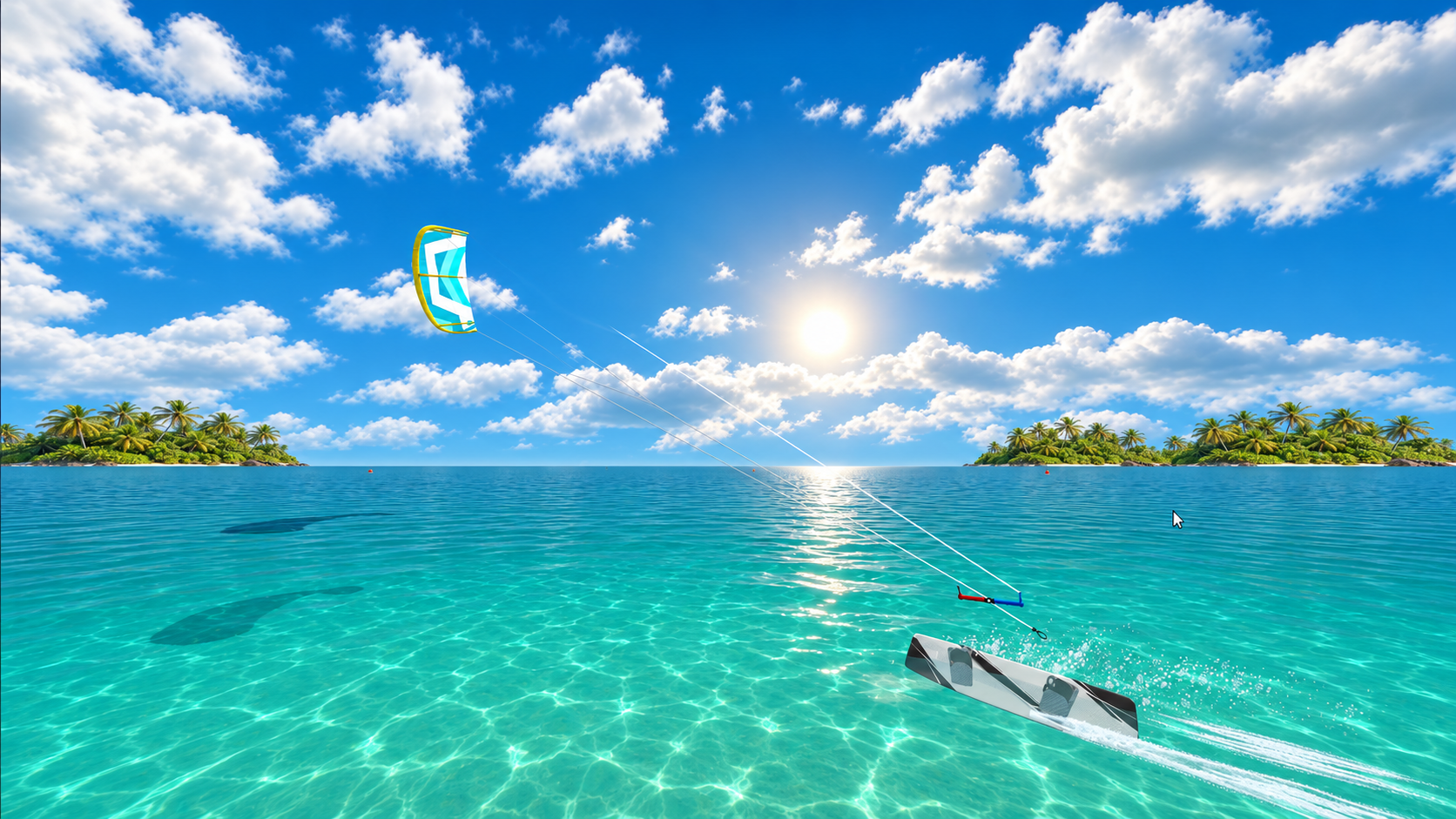
On the water, players can put those skills to use, riding a kiteboard across a tropical ocean. They control the kite to harness the wind and move across the water, exploring an environment with clear waters, sandy seabeds, manta rays, sharks, and sea turtles.
The idea is to offer both sides of the sport: understanding and mastering kite control, and experiencing the freedom of actually riding on the water.
How we built it
Last year, I developed the first prototype of Kitesurf Master in Unity, focused on controlling a kite from the beach using Meta Quest hand tracking.
I published that initial experience and started receiving feedback from real users. People were buying the game, giving it 5-star ratings, and asking me to continue development, particularly by adding tutorials, progression, and the ability to actually ride on the water.
That's what I set out to build for this hackathon.
The biggest addition is a completely new water-riding simulation, developed from scratch, where players can use the kite to ride across the ocean on a kiteboard.
I also built the underwater environment and marine ecosystem, creating a tropical setting to explore.
At the same time, I developed a complete learning experience on the beach, including:
A tutorial system covering the wind window, kite control, launching, and landing.
A progression system with increasingly difficult challenges that help players develop their kite control skills.
A new menu and navigation system connecting the beach training experience with the ocean simulation.
The original prototype had no tutorials, progression, or built-in learning system. It was simply an initial implementation of kite control. All the teaching systems, progression mechanics, and ocean simulation were developed for this hackathon.
Challenges we ran into
One of the main challenges has been translating a physical sport into VR while keeping the controls intuitive and faithful to the real activity.
Hand tracking makes the interaction surprisingly natural, but building a good simulator requires more than reproducing hand movements. The kite must respond realistically, and players need to understand how their actions affect its behavior.
Another important challenge was turning an open-ended simulation into a structured learning experience. The progression system needed to teach real concepts while remaining challenging and enjoyable.
Finally, building the water-riding mechanics was a significant step beyond the original prototype. It meant moving from simulating kite control on land to simulating how the kite can propel a rider across the water.
Accomplishments that we're proud of
he biggest accomplishment is taking Kitesurf Master from a simple kite-control prototype to a complete kitesurfing experience.
Players can now learn to control the kite, improve through increasingly difficult challenges, and experience riding across the ocean.
I'm also particularly happy that the project has grown in response to real user feedback. The original prototype showed that people enjoyed controlling a kite in VR and wanted to do more with it. This hackathon gave me the opportunity to build those missing parts.
What we learned
One of the most interesting things I've learned is how naturally the physical mechanics of kitesurfing fit into hand-tracked VR.
But I've also learned that reproducing the controls of a real activity is only part of the challenge. Making that experience accessible requires helping players understand the mechanics, practice them, and gradually develop confidence.
The tutorial and progression systems have been just as important to the overall experience as the underlying simulation.
What's next for Kitesurf Master
Kitesurf Master is no longer just a kite-control prototype.
It is now a complete kitesurfing experience that anyone can enjoy from home. Beyond learning real kite control, players can experience the thrill of riding across the ocean, using the power of the wind to navigate tropical waters.
I want to continue improving the simulation, expanding the water-riding experience, and developing more advanced kitesurfing mechanics.
The long-term goal remains the same: not just to teach people how kitesurfing works, but to make the experience of kitesurfing itself accessible to anyone through VR.


